Artwork
Lost: Souvenir of Auvergne
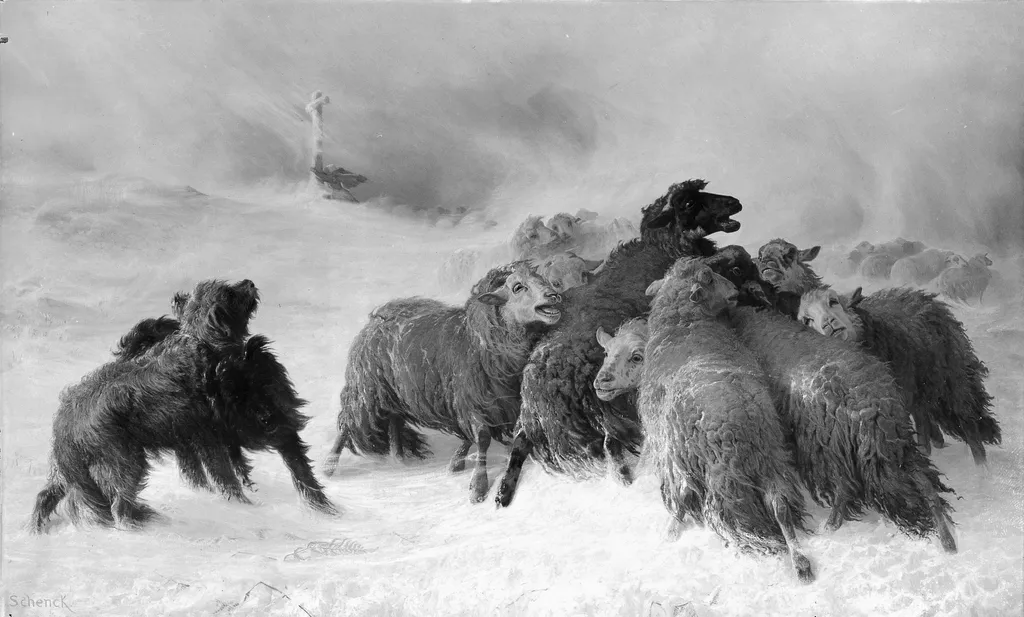
Lost: Souvenir of Auvergne is an oil painting by the Impressionist artist August Friedrich Schenk. It dates from 1873 and is held in the collection of the Metropolitan Museum of Art.
About this work
Subject & Meaning
Created by August Friedrich Schenk in 1873, the piece functions as a visual memento of the Auvergne region, as indicated by its title.
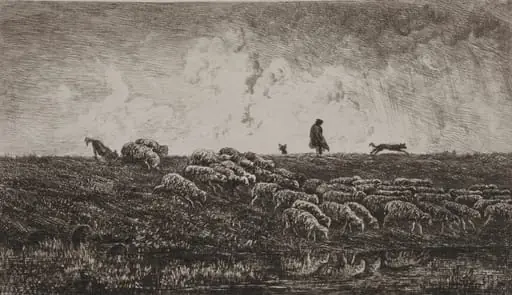
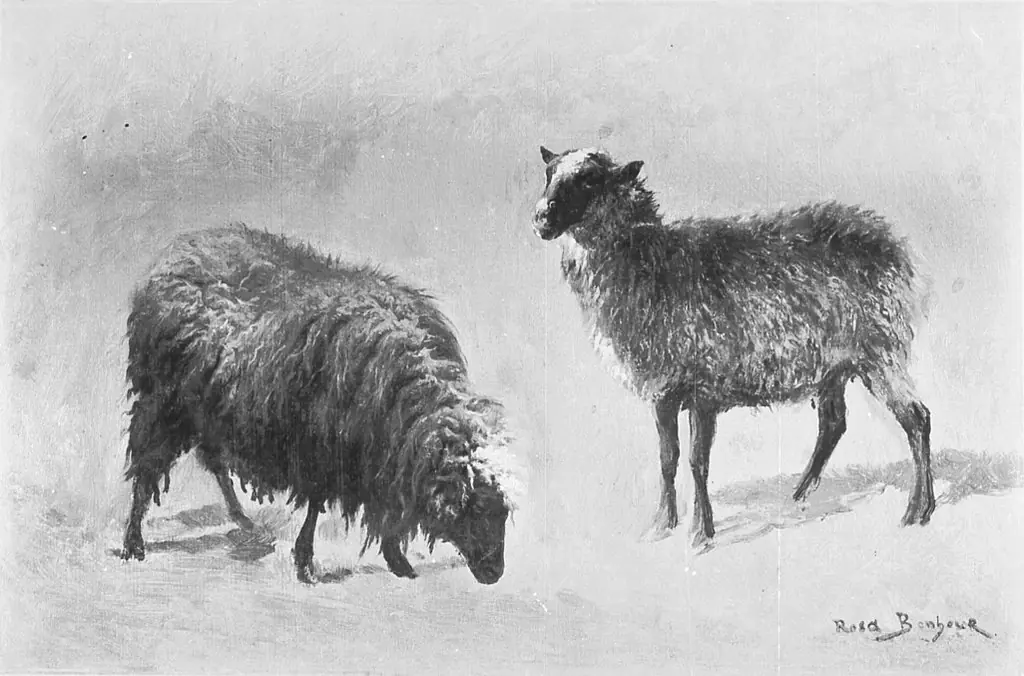
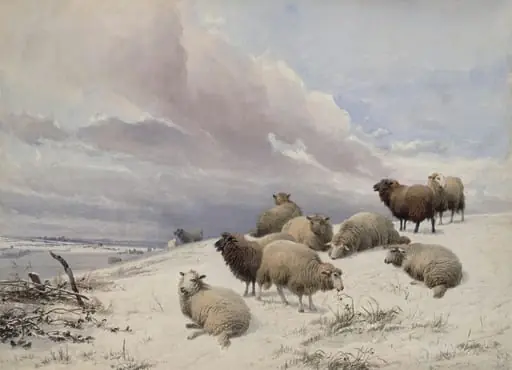
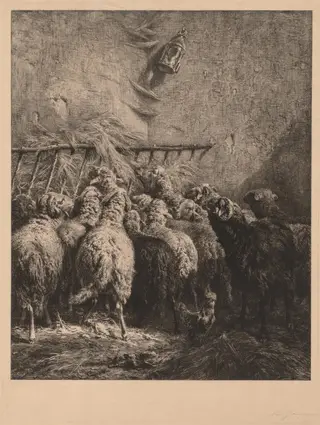
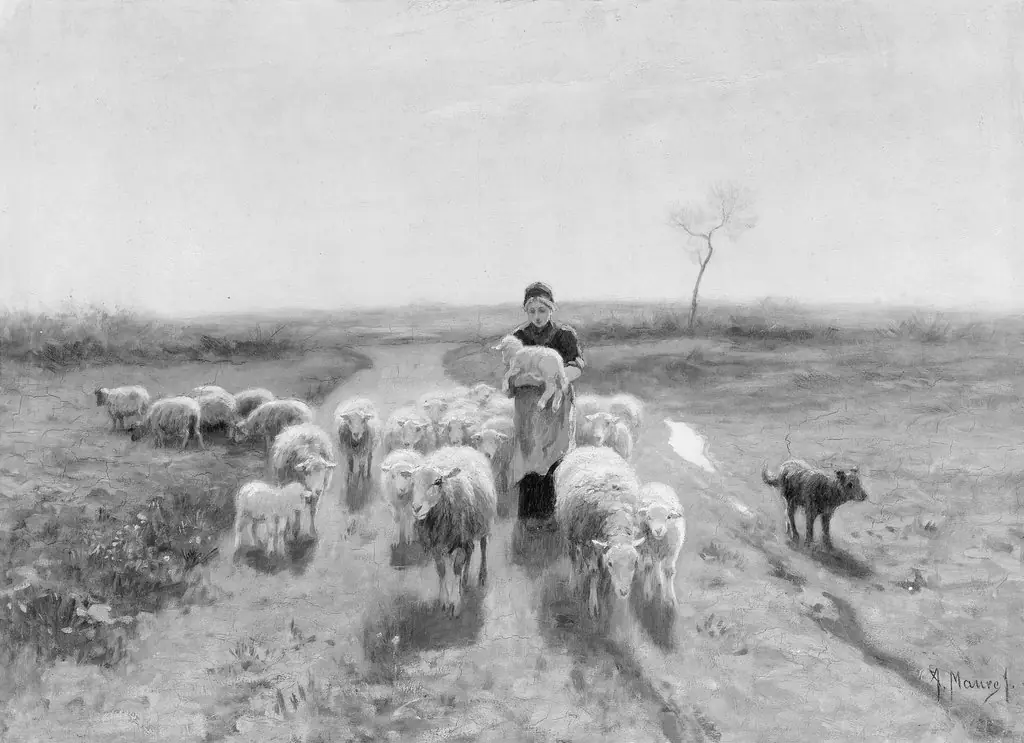
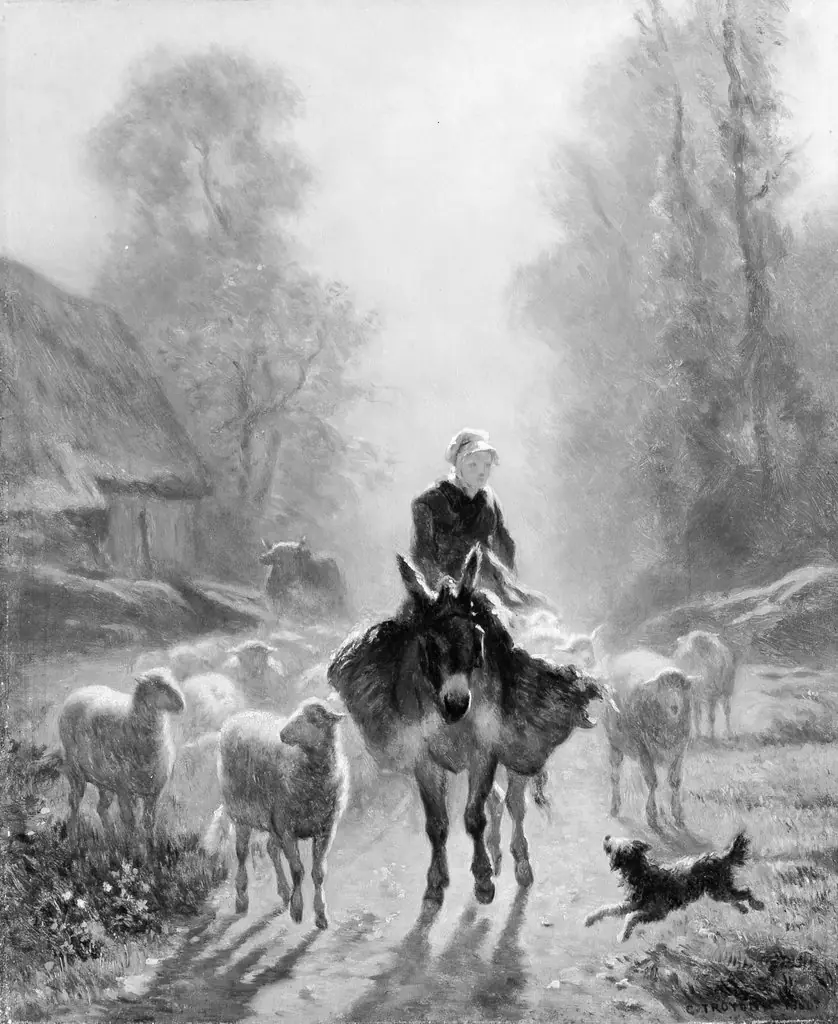
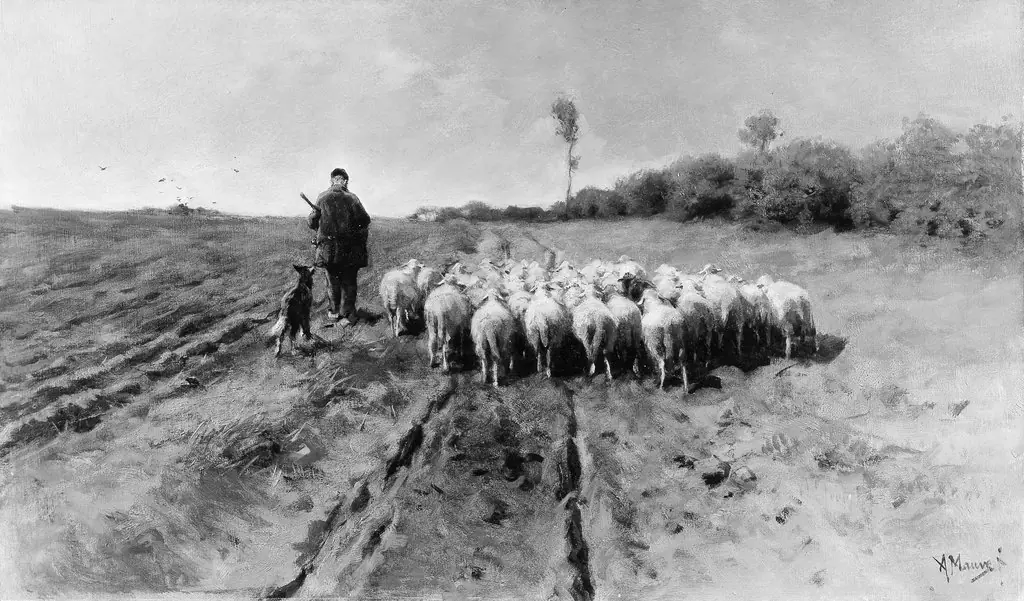
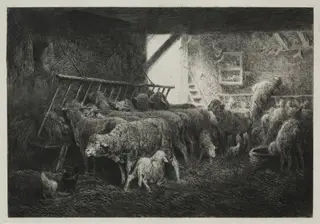
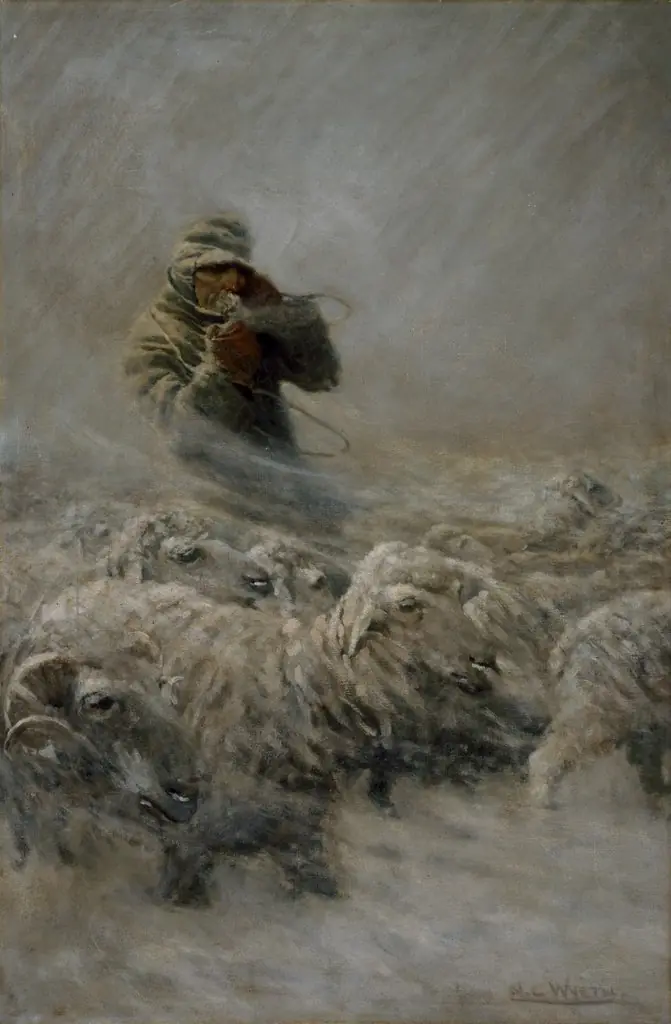
The painting depicts a flock of sheep, serving as the primary subject matter of the work. Created by August Friedrich Schenk in 1873, the piece functions as a visual memento of the Auvergne region, as indicated by its title. The composition focuses entirely on the animals within this specific landscape context, establishing a direct connection between the depicted livestock and the geographical location named in the title.
Technique & Style
Created in 1873 by August Friedrich Schenk, this work is an oil painting executed on canvas. The composition depicts a flock of sheep, rendered in a realistic style characteristic of the artist's approach to animal subjects. The substantial dimensions of the support measure 147.3 cm in height and 248.3 cm in width, indicating a large-scale format intended for significant visual impact.
The application of oil paint allows for the detailed textural representation of the animals' wool and the surrounding landscape.
History & Provenance
Lost: Souvenir of Auvergne is an oil painting on canvas by August Friedrich Schenk, dated 1873. The work was created in that year and later entered the collection of the Metropolitan Museum of Art, where it is recorded as part of the institution's holdings. No further details of commission, intermediate ownership, or acquisition circumstances are documented in the available sources.
Overview
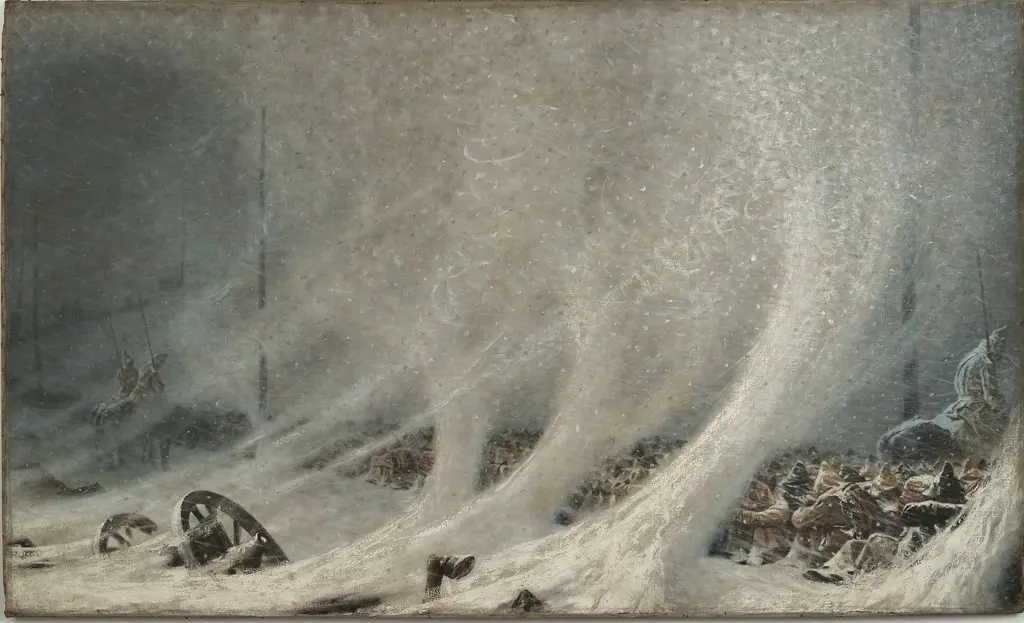
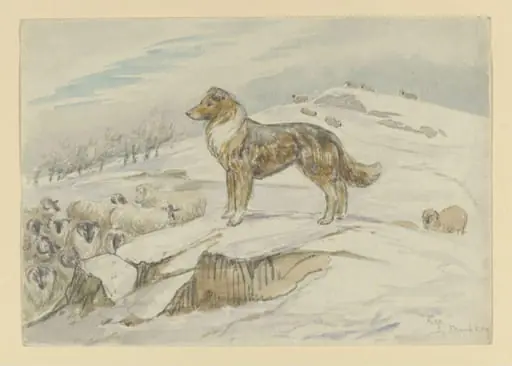
Created in 1873, Lost: Souvenir of Auvergne is an oil painting that belongs to the collection of the Metropolitan Museum of Art. The work presents a winter scene populated by a flock of sheep, rendered in muted tones that emphasize the cold and the sense of isolation across a snow‑filled terrain.
Context
Schenck’s career unfolded at the intersection of German and French artistic traditions, and his training under Cogniet exposed him to academic techniques that he later adapted to the Impressionist sensibility. The focus on livestock in a stark, natural setting reflects contemporary concerns with the relationship between humanity, agriculture, and the environment.
Own this work as a print
Artist & collection
Artist
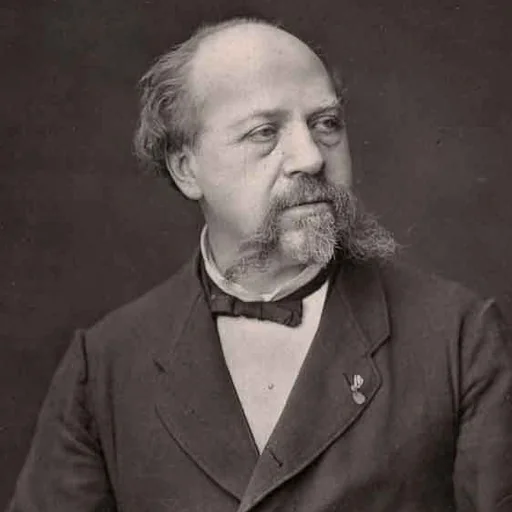
August Friedrich Albrecht Schenck (23 April 1828 – 1 January 1901) was a painter who was born in Glückstadt in the Duchy of Holstein, which at the time was under Danish control but part of the German Confederation.