Artwork
Adoration of the Magi
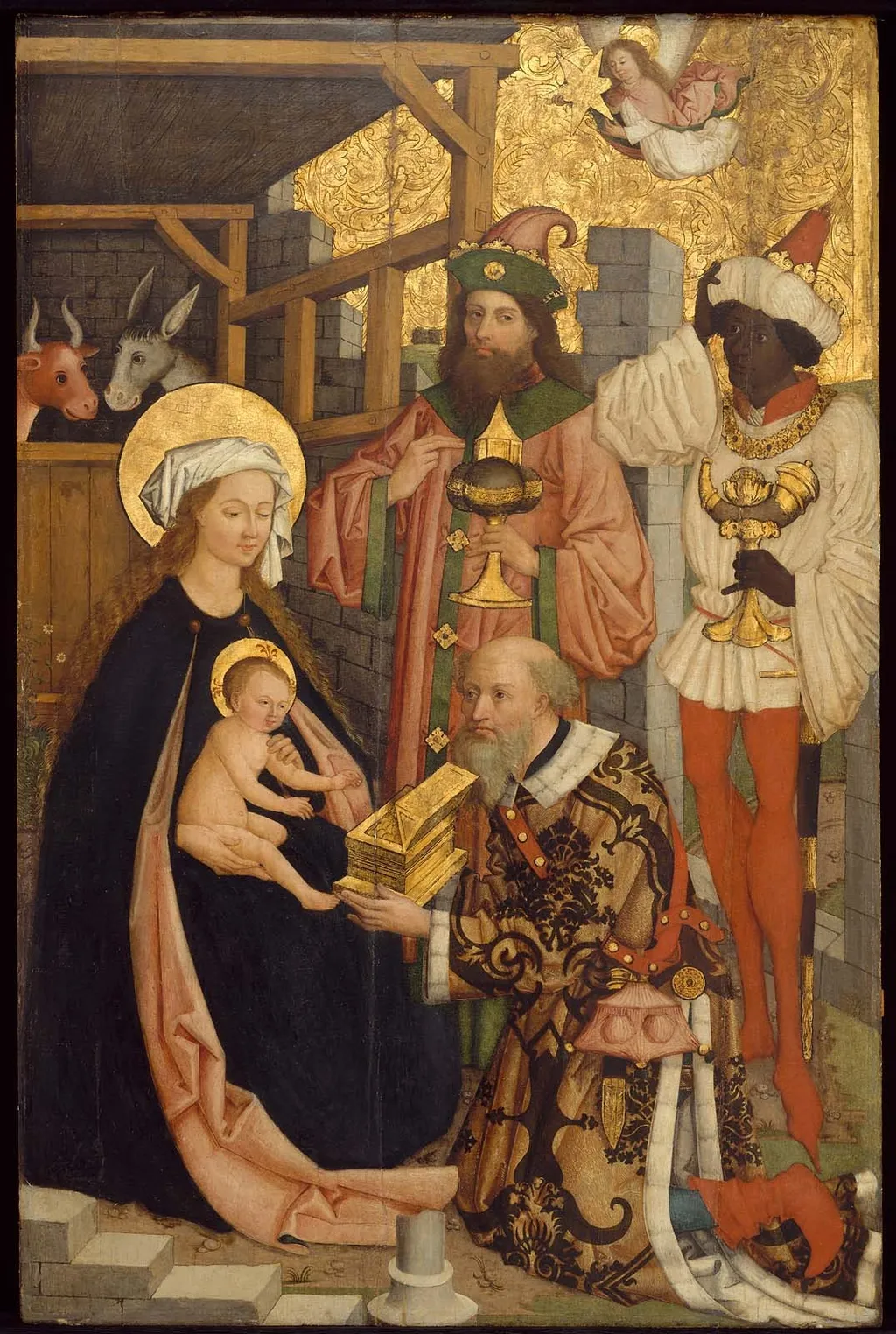
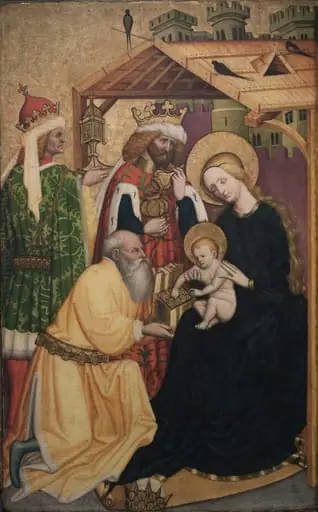
Adoration of the Magi is an unspecified painting by the Northern Renaissance artist Bartholomäus Zeitblom. It dates from 1499 and is held in the collection of the Museum of Fine Arts Boston.
About this work
Subject & Meaning
This narrative moment is the main subject of the piece, emphasizing the theological significance of the Magi's journey and their act of worship.
The painting depicts the biblical scene of the Adoration of the Magi, a central event in Christian religious art. It portrays the Virgin Mary presenting the Christ Child to the Three Wise Men, who have traveled to offer homage. As a work of religious art by Bartholomäus Zeitblom, the composition focuses on the interaction between the holy family and the visiting kings.
The subject represents the recognition of Jesus as the Messiah by the Gentile world, symbolizing the revelation of Christ to all nations. This narrative moment is the main subject of the piece, emphasizing the theological significance of the Magi's journey and their act of worship.
History & Provenance
The painting Adoration of the Magi by Bartholomäus Zeitblom is housed in the Museum of Fine Arts Boston. It is catalogued under the museum's collection with accession details recorded in the institution's provenance records. The work has been featured in exhibitions at the Museum of Fine Arts Boston, highlighting its significance within the museum's religious art holdings.
Overview
Created circa 1499 by Bartholomäus Zeitblom, a prominent painter of the Ulm school, this panel presents a traditional Nativity tableau. The work is part of the Museum of Fine Arts, Boston’s collection and exemplifies the devotional art produced in southern Germany during the late fifteenth century.
Technique & Style
Executed in tempera and oil on panel, the painting displays the precise linear drawing and delicate coloration typical of the Northern Renaissance. Gold leaf accents on the Magi’s garments and offering boxes catch the light, creating a subtle luminosity against a muted background that emphasizes the figures’ intimacy.
Context
Zeitblom’s career unfolded within the flourishing artistic community of Ulm, where he contributed to altarpieces and devotional panels for local churches. The Adoration of the Magi reflects the city’s commercial prosperity and the broader Germanic interest in detailed narrative scenes that combined Gothic tradition with emerging Renaissance realism.
Artist & collection
Artist
Bartholomäus Zeitblom (c. 1450 – c. 1519) was a German painter, the chief master of the school of Ulm, where he is on official record from 1482 to 1518.

- Adoration of the Magi
 The Adoration of the Magi
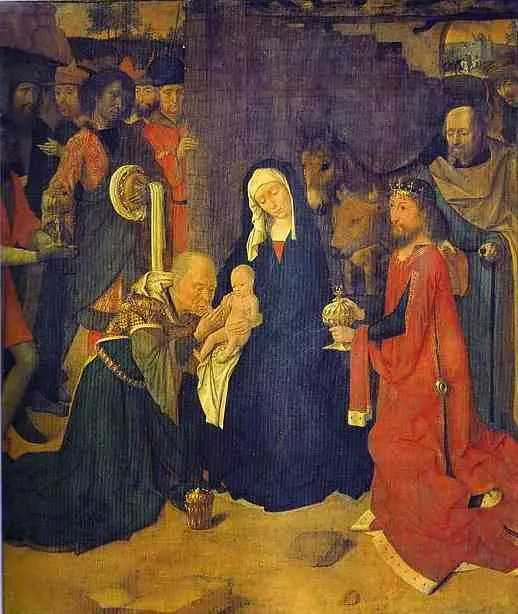 Adoration of the Magi
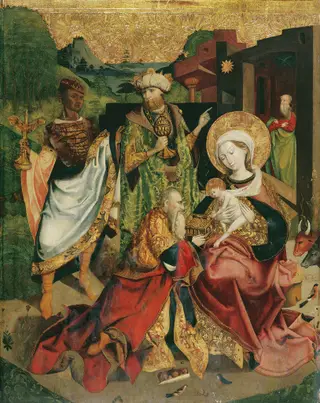 Anbetung der Hl. Drei Könige
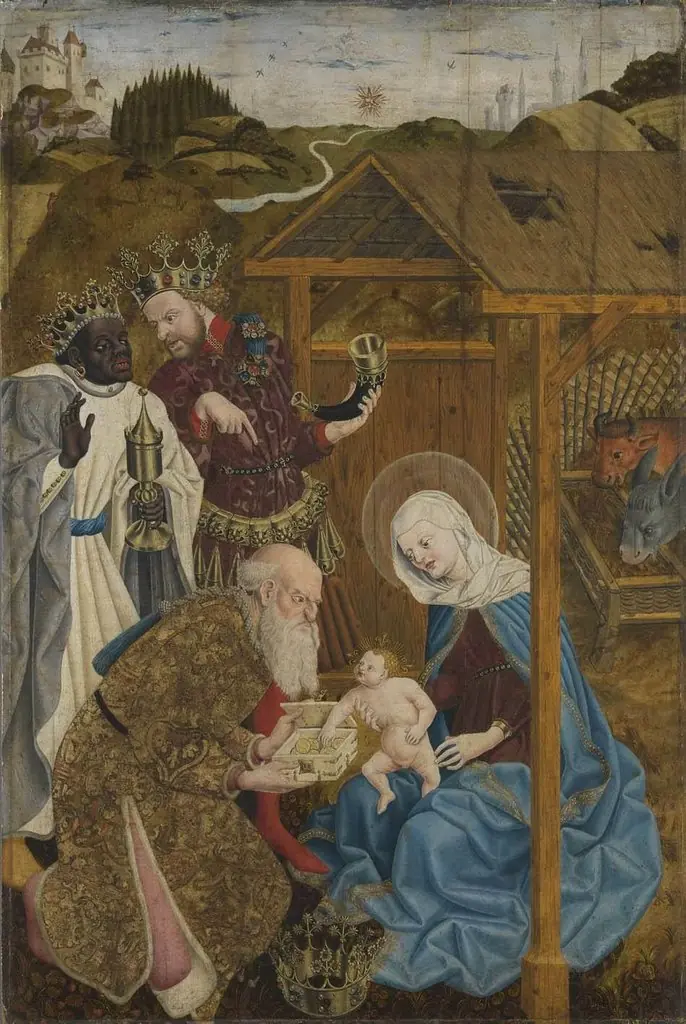 Altar of Mary: Adoration of the Magi
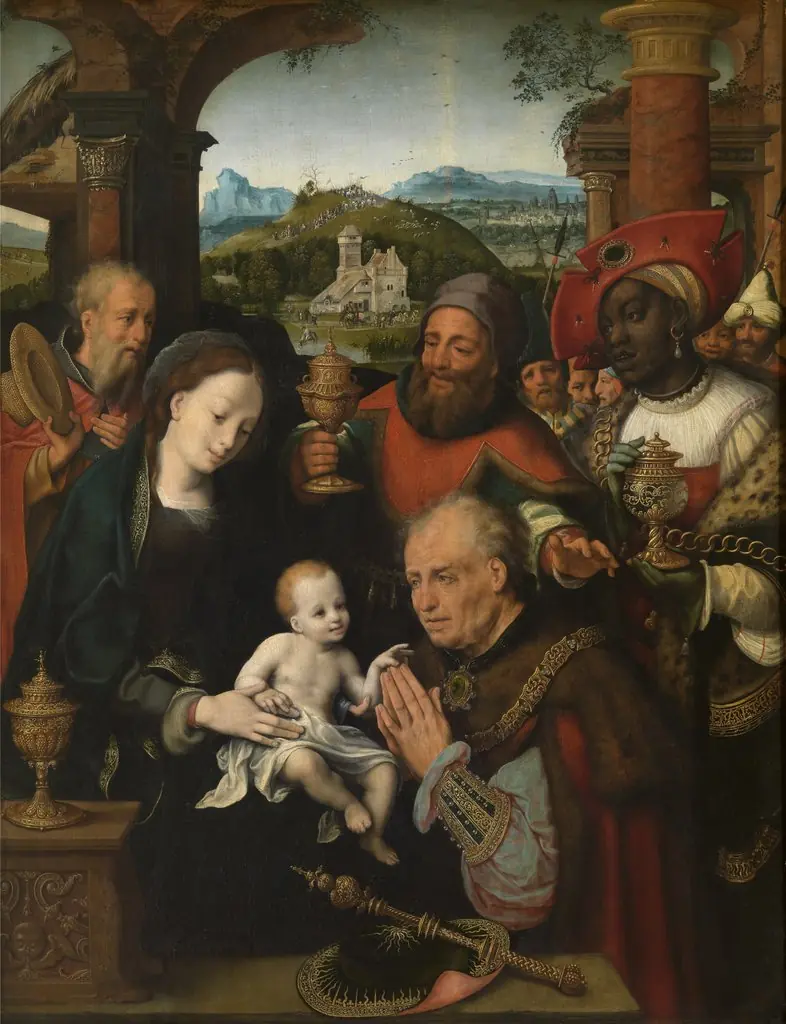 The Adoration of the Magi
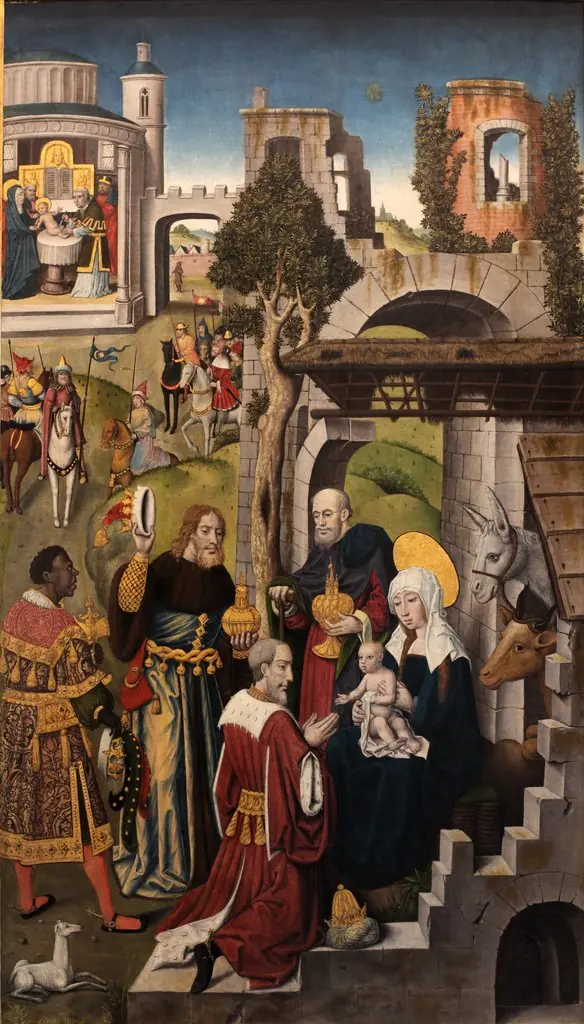 L’adoration des mages
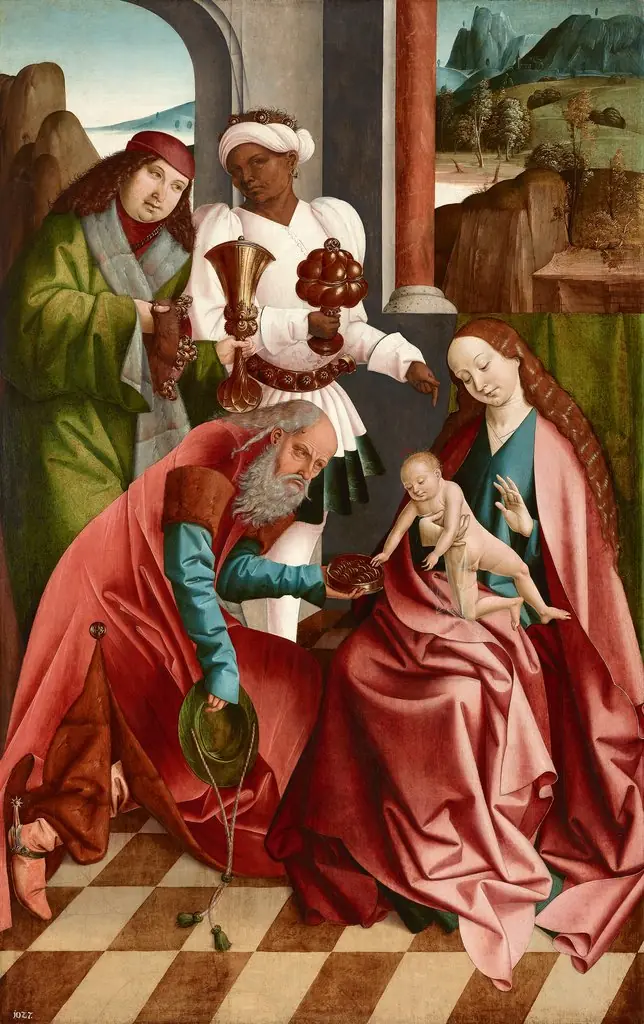 Anbetung der Heiligen Drei Könige
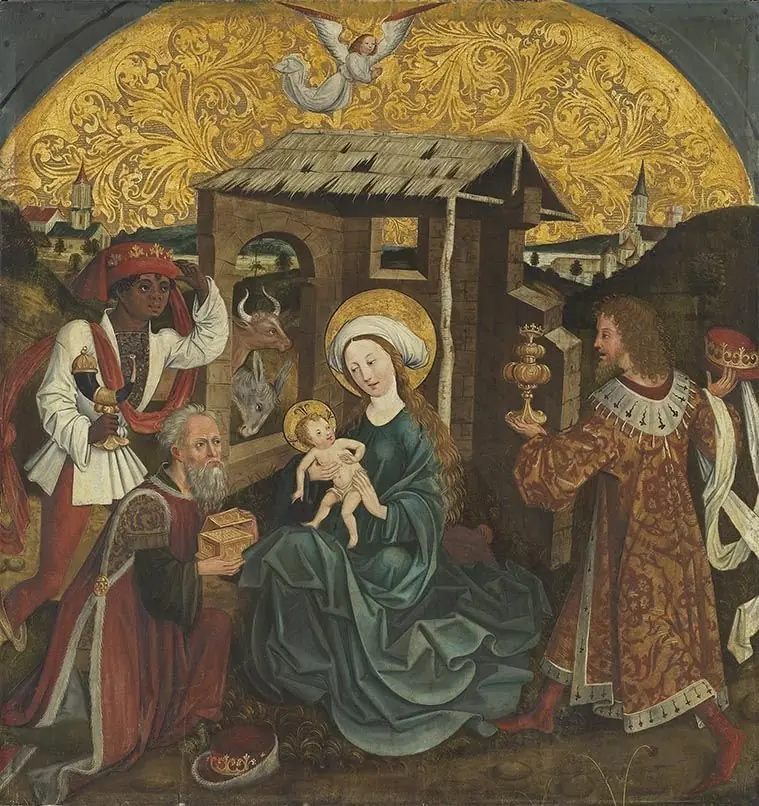 Adoration of the Kings
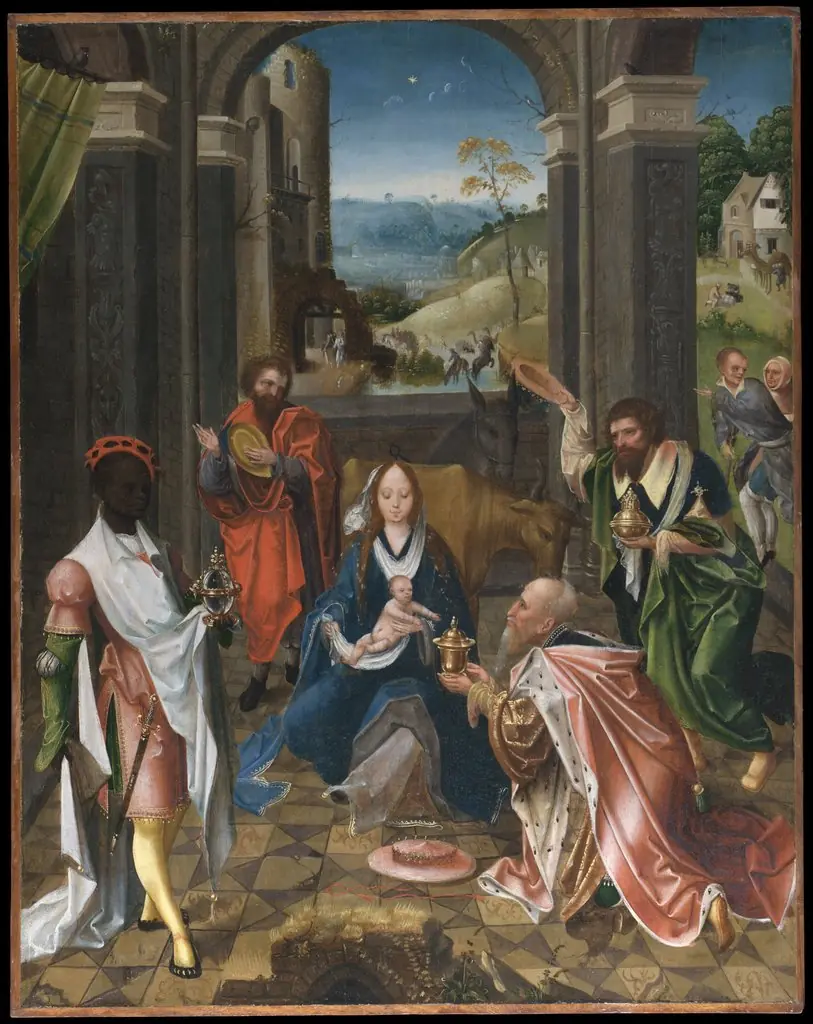 The Adoration of the Magi
 Adoration of the Magi
 The Adoration of the Magi