Artwork
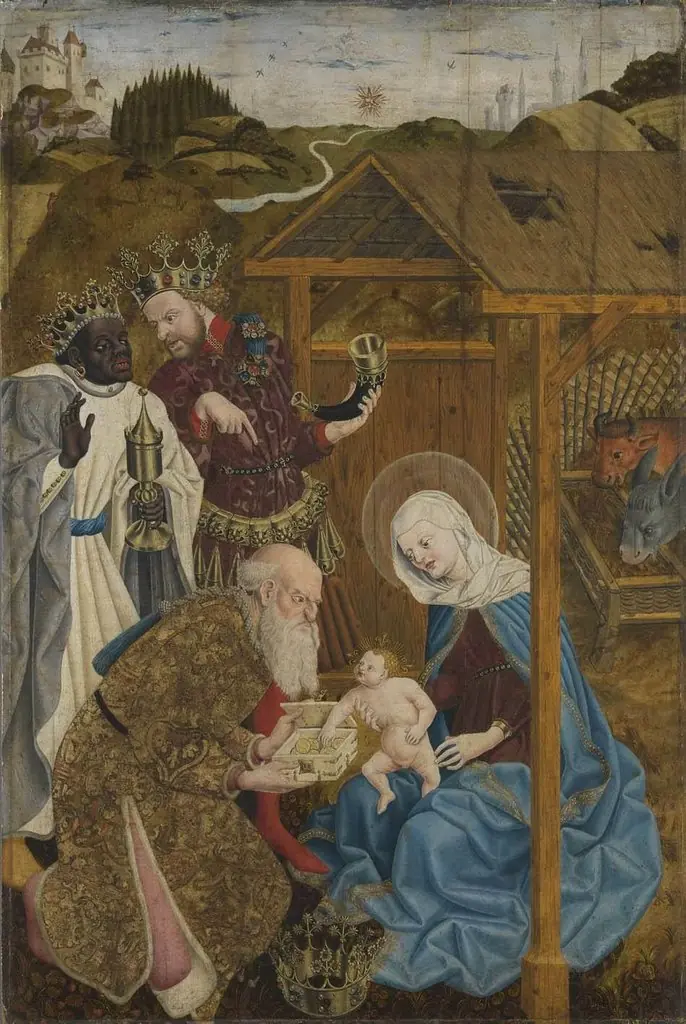
Anbetung der Hl. Drei Könige
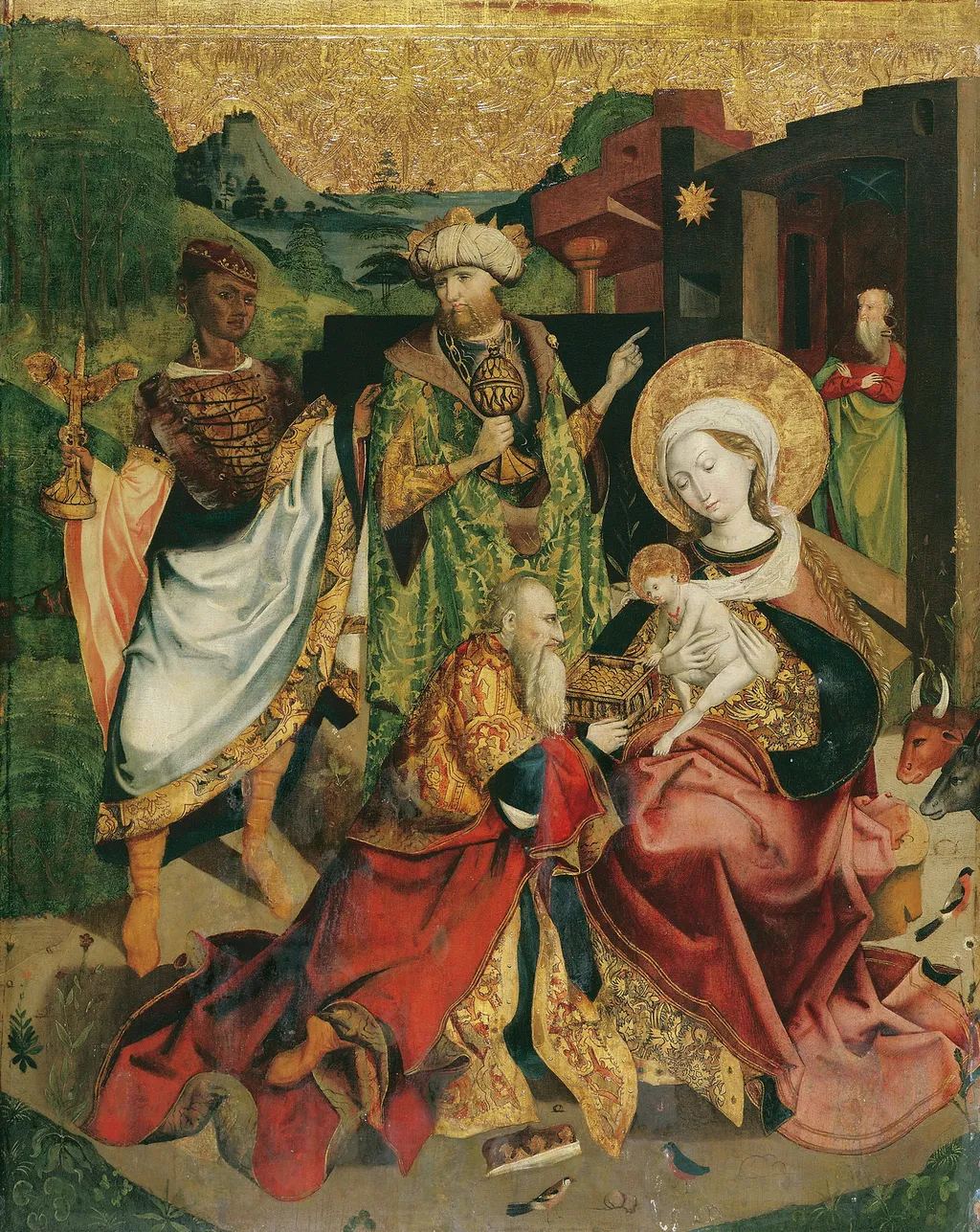
Anbetung der Hl. Drei Könige is an unspecified painting by the High Renaissance artist Unknown. It dates from 1500 and is held in the collection of the Kunsthistorisches Museum. The work titled Anbetung der Hl.
About this work
Overview
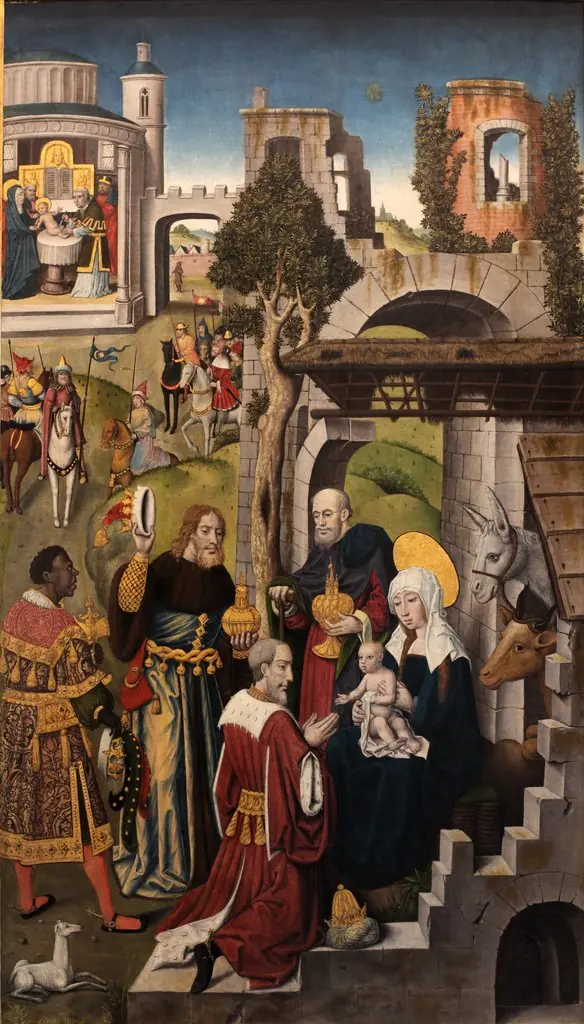
Anbetung der Hl. Drei Könige is a religious painting created around 1500 by an artist identified as the Oberosterreichischer Maler. The work, which depicts the Adoration of the Magi with the Christ Child as its main subject, measures 139 in height by 110 in width. It is held in the collection of the Belvedere, Kunsthistorisches Museum, located at the Belvedere.
Subject & Meaning
These gifts carry specific symbolic weight: gold acknowledges Christ's kingship, frankincense his divinity, and myrrh his mortality and future suffering.
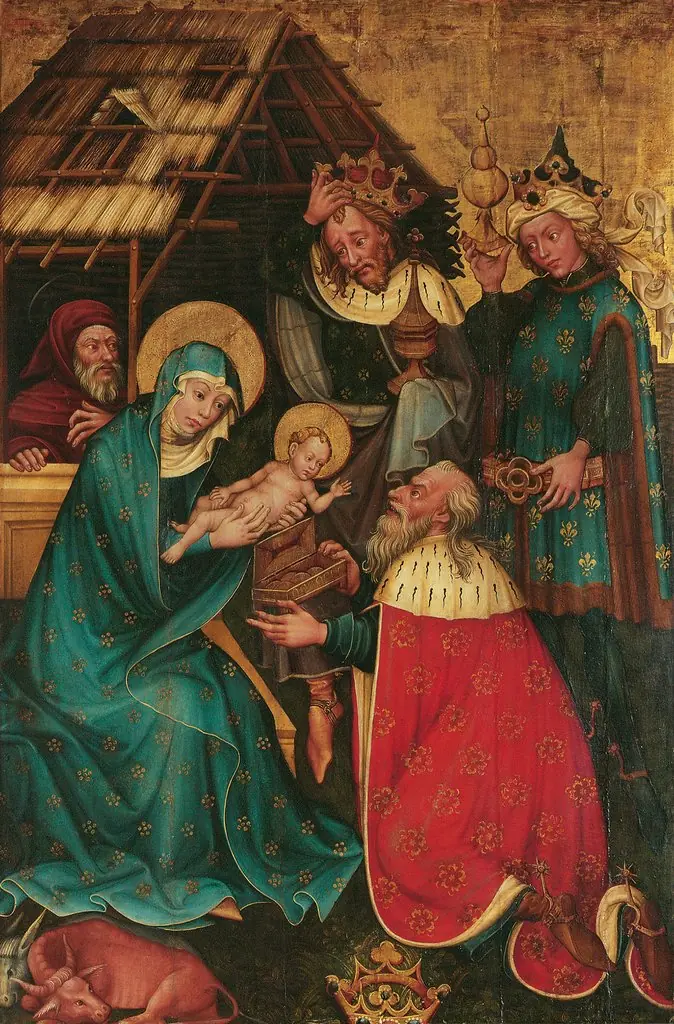
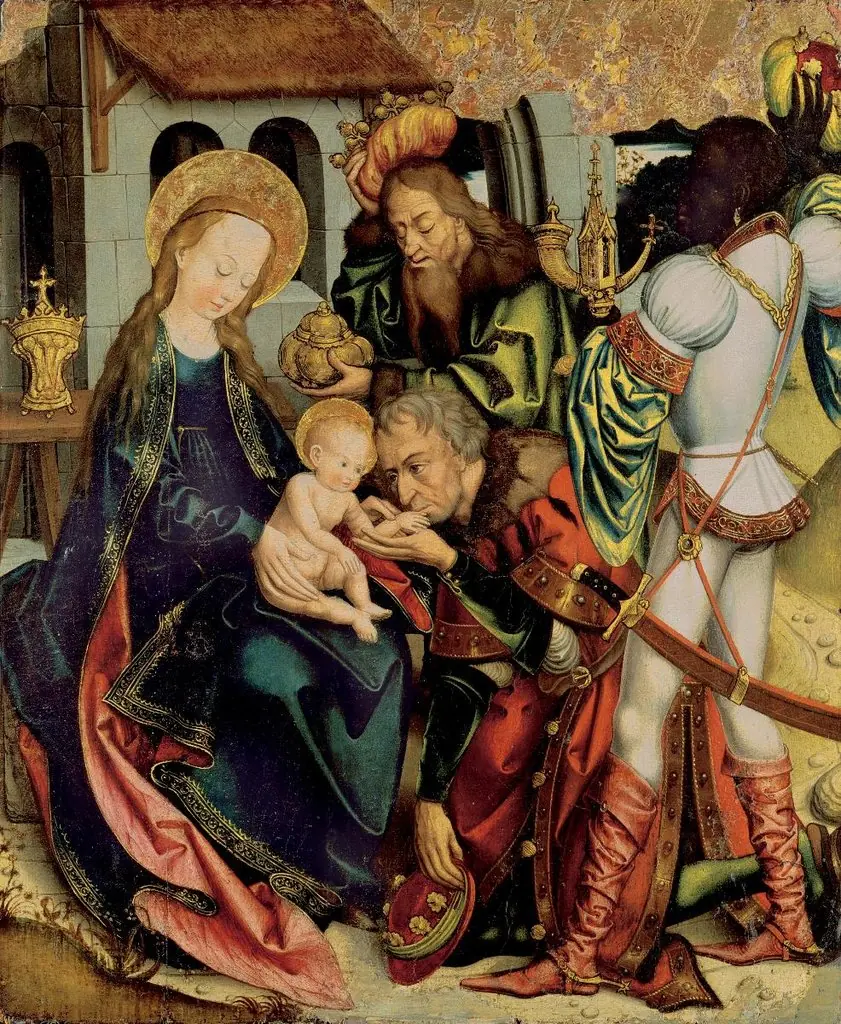
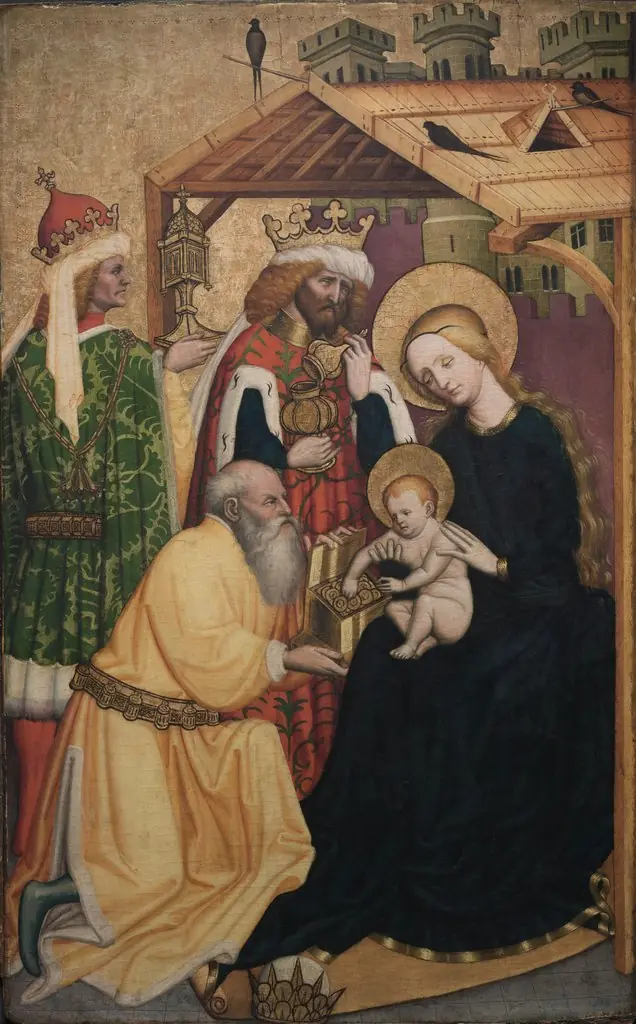
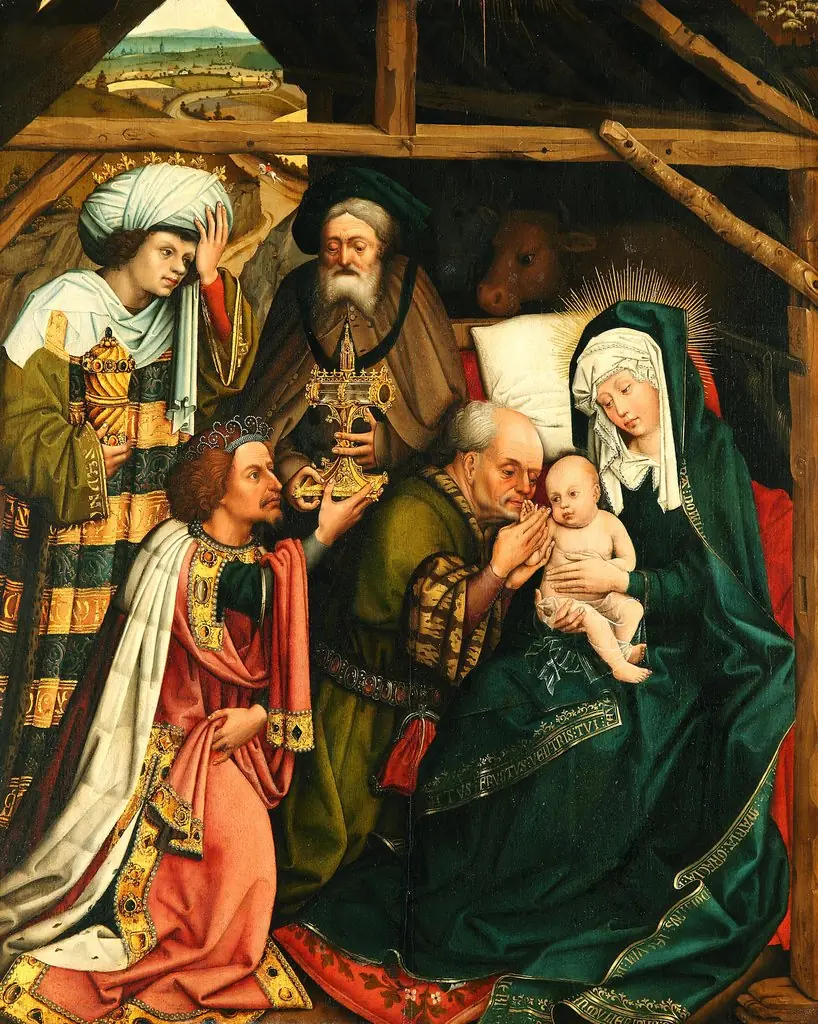
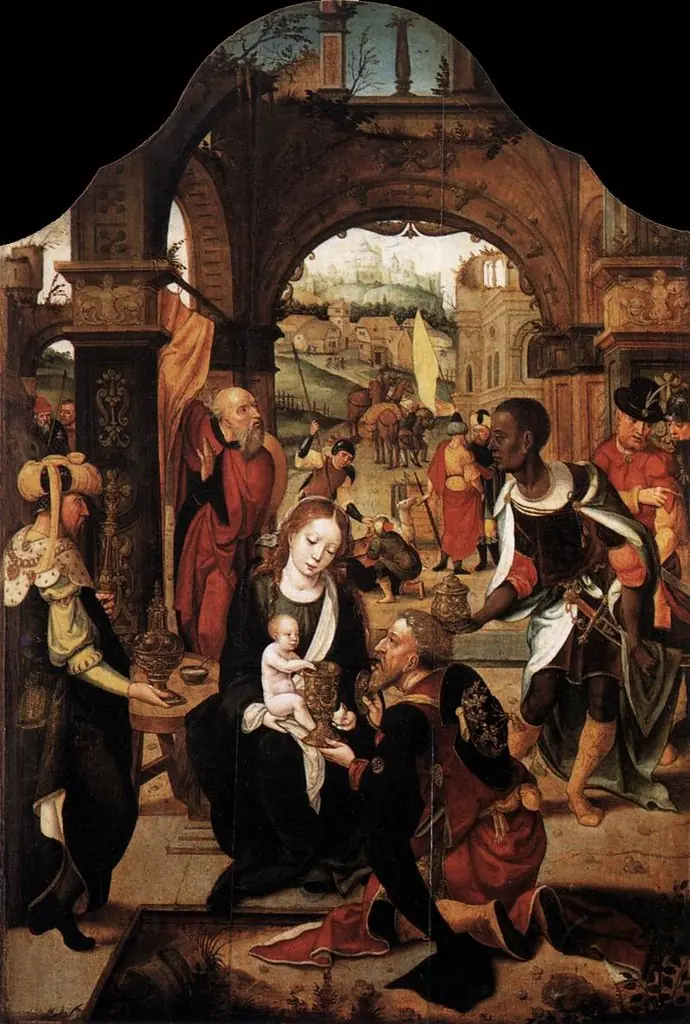
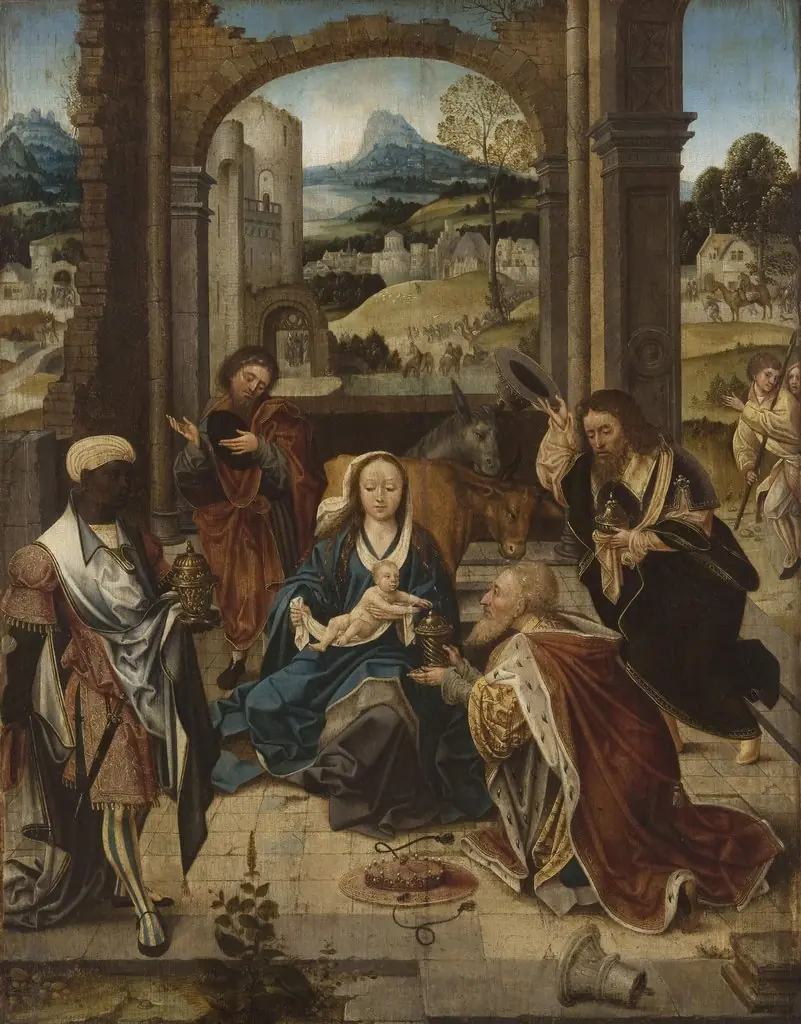
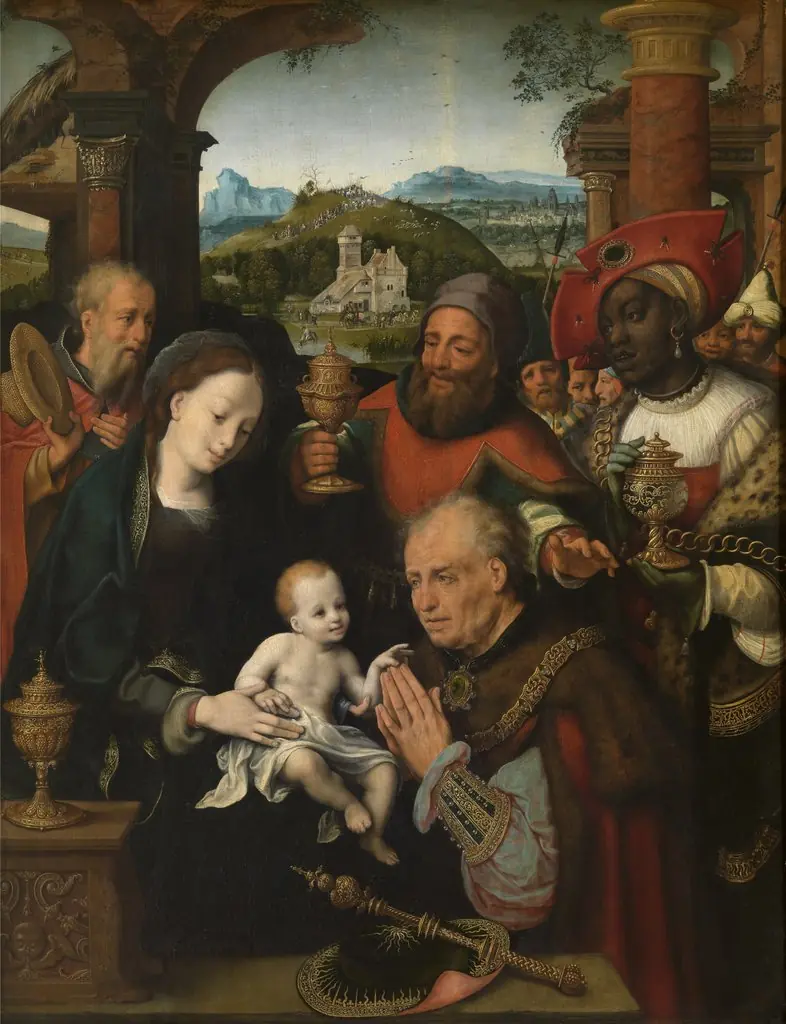
The artwork illustrates the biblical episode of the Adoration of the Magi, a Christian motif established since late antiquity. The scene centers on Mary and the Christ Child receiving homage from the three Magi, wise men or kings from the East who bring gifts of gold, frankincense, and myrrh. These gifts carry specific symbolic weight: gold acknowledges Christ's kingship, frankincense his divinity, and myrrh his mortality and future suffering. The three figures traditionally represent the three known continents of the world, Europe, Asia, and Africa, signifying the revelation of Christ to the non-Jewish world. The number three corresponds to the triad of gifts, and the Magi are often further distinguished by the three ages of man.
Technique & Style
The painting is classified within the religious genre and was executed in 1500. While the specific medium and support are not detailed in the primary corpus for this exact object, the broader tradition of such early sixteenth century panel paintings typically involved tempera or oil on wood, as seen in comparable works of the period. The dimensions of 139 by 110 indicate a substantial vertical format, allowing for a hierarchical composition that places the Virgin and Child centrally while accommodating the processional approach and varied postures of the Magi and their retinue.
History & Provenance
Created on or around January 1, 1500, the painting is attributed to the anonymous Oberosterreichischer Maler. The documented provenance traces the work to the Belvedere, Kunsthistorisches Museum, where it remains part of the collection today. The specific commission, early ownership chain, and exhibition history prior to its institutional accession are not established in the available records.
Context
The Adoration of the Magi was a highly favored subject in Renaissance art, particularly within Florentine painting from Giotto to Leonardo da Vinci. The motif allowed artists to explore complex group compositions, luxurious textiles, and exotic retinues. In the Florentine tradition, the subject was frequently used to embed contemporary political or social commentary, such as the integration of the Medici family as the three Magi, a device famously employed by Sandro Botticelli in his 1476 Zanobi Altar. The Oberosterreichischer Maler operated within this broader artistic discourse, adapting a pan-European iconography that also saw significant interpretation by Netherlandish and Spanish painters.
Artist & collection