Artwork
Portrait of Geertruida den Dubbelde (1647-84), wife of Aert van Nes
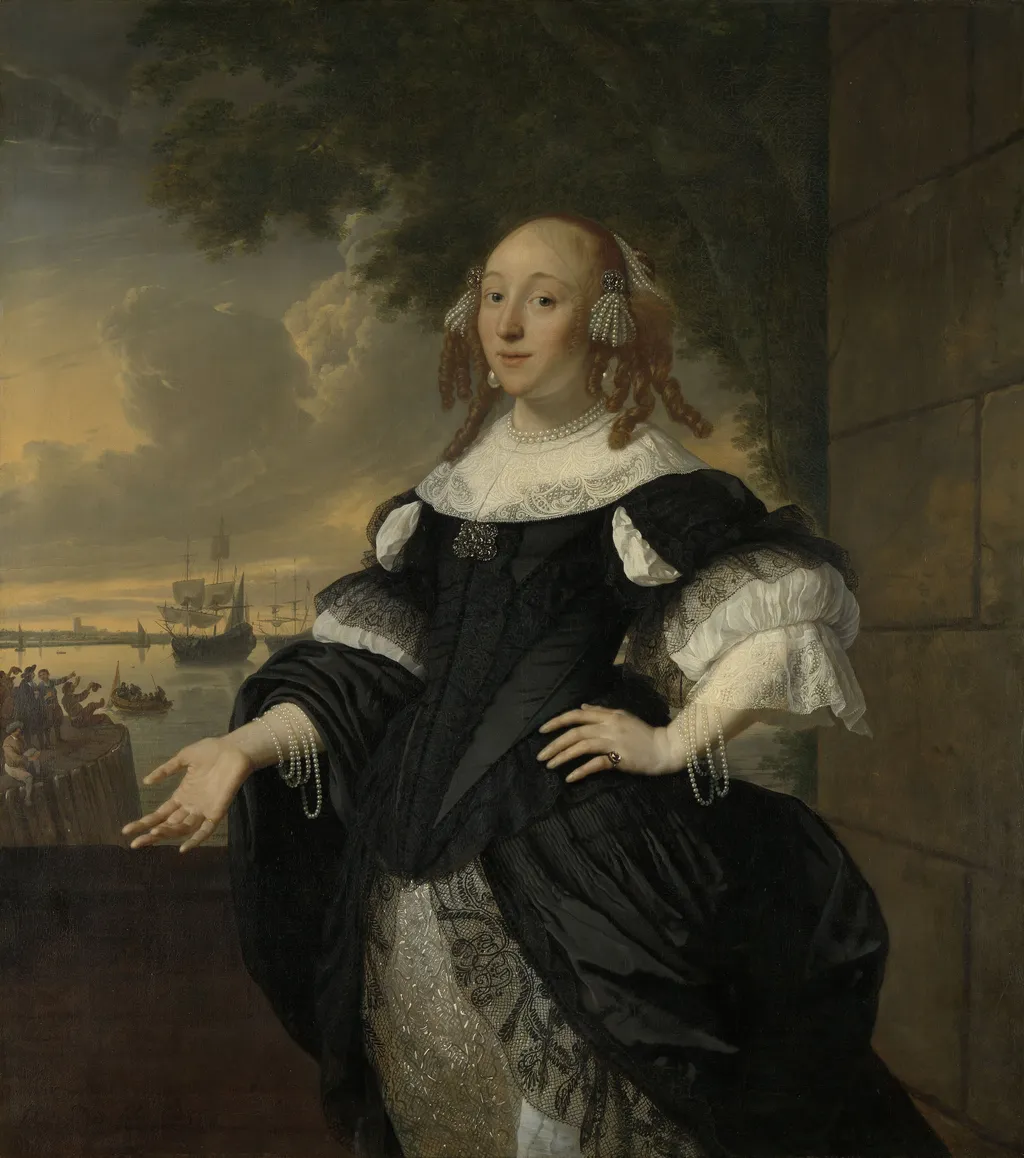
Portrait of Geertruida den Dubbelde (1647-84), wife of Aert van Nes is an oil painting by the Dutch Golden Age artist Bartholomeus van der Helst. It dates from 1668 and is held in the collection of the Rijksmuseum.
About this work
Technique & Style
The canvas support is primed and stretched, allowing fine brushwork to delineate textures such as the lace collar and the subtle sheen of the oil medium.
The work is an oil on canvas portrait rendered in a realistic yet elegant Baroque style, featuring a restrained palette and precise modeling of the sitter's face and drapery. The canvas support is primed and stretched, allowing fine brushwork to delineate textures such as the lace collar and the subtle sheen of the oil medium. The handling reveals a smooth application of oil paint with delicate glazing to achieve depth in the shadows, while the composition balances frontal pose with a slight turn of the head, emphasizing formal poise.
The painting's condition is stable, with minimal craquelure confined to the edges and no visible losses, reflecting careful conservation.
History & Provenance
The work commissioned by the subject's husband was created in 1668 by Bartholomeus van der Helst. It entered the collection of the Rijksmuseum where it remains on display.
The painting was executed on canvas and depicts Geertruida den Dubbelde, wife of Aert van Nes. Its dimensions measure 139 cm in height and 125 cm in width.
The work's provenance records continuous ownership by the Rijksmuseum since its creation, reflecting its status as part of the museum's permanent holdings.
Overview
Bartholomeus van der Helst painted this portrait of Geertruida den Dubbelde, the spouse of merchant Aert van Nes, in 1668. Executed in oil on canvas, the work exemplifies the refined portraiture typical of the Dutch Golden Age. The figure is shown in a dark, elaborately trimmed gown, set against a bustling harbour scene that extends behind her.
Subject & Meaning
Geertruida is presented with a composed demeanor, her hand resting lightly on a richly embroidered skirt. The inclusion of pearls, lace cuffs, and a high collar underscores her social standing, while the maritime backdrop may allude to her family’s commercial connections or the broader importance of trade to Dutch society at the time.
Context
Created during the height of the Dutch Golden Age, the painting reflects the era’s prosperity and the prominence of mercantile families. The harbour scene behind Geertruida not only provides a scenic backdrop but also situates the sitter within the bustling economic life of 17th‑century Holland.
Own this work as a print
Artist & collection
Artist
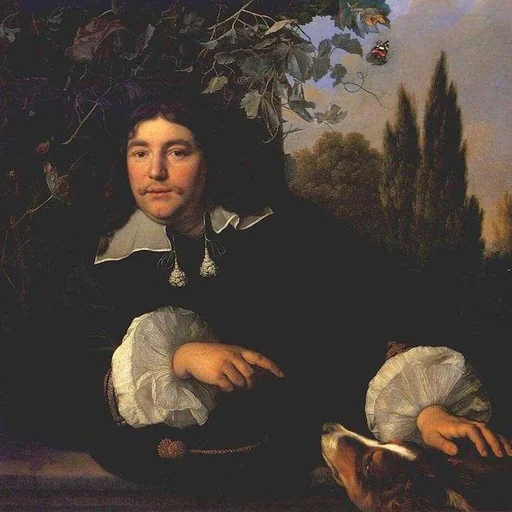
Bartholomeus van der Helst (1613 – buried 16 December 1670) was a Dutch painter. Considered to be one of the leading portrait painters of the Dutch Golden Age, his elegant portraits gained him the patronage of…

 The Musician
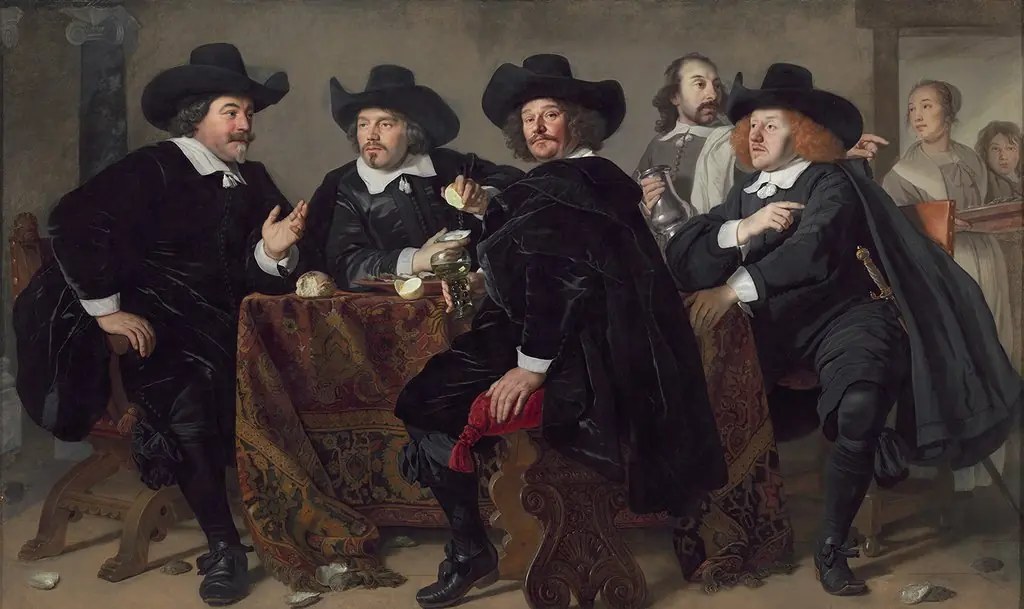 Four directors of the arquebusier's guild, Amsterdam, 1655
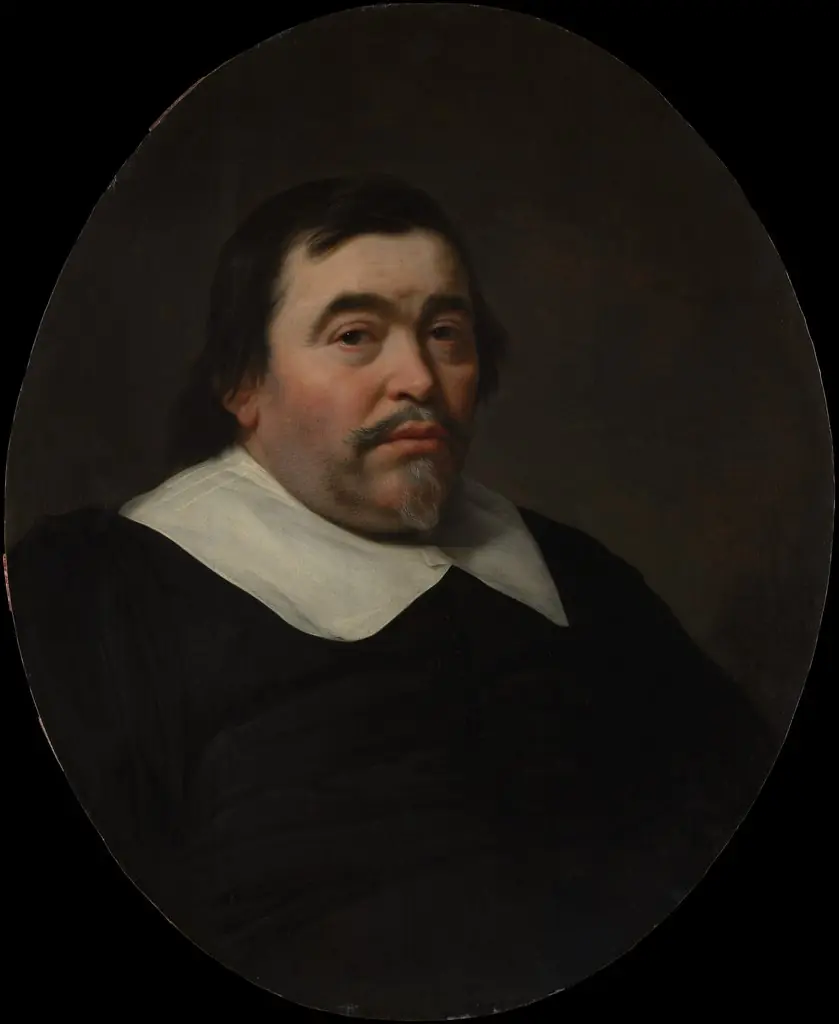 Portrait of a Man
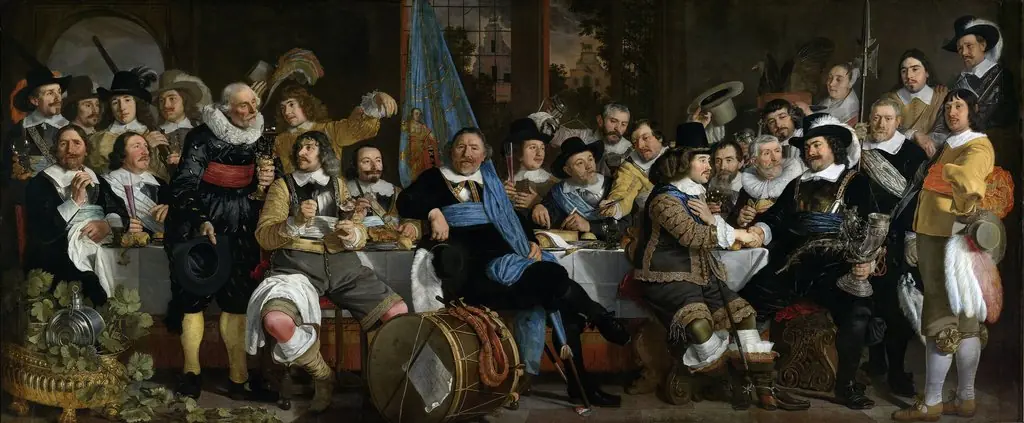 Banquet at the Crossbowmen’s Guild in Celebration of the Treaty of Münster
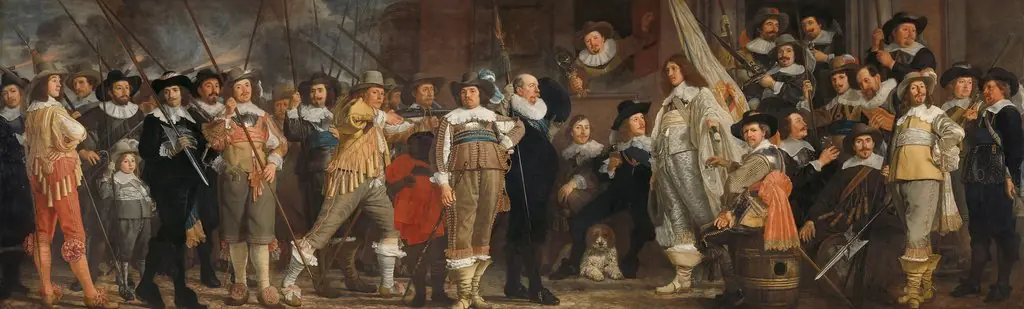 Militia Company of District VIII under the Command of Captain Roelof Bicker
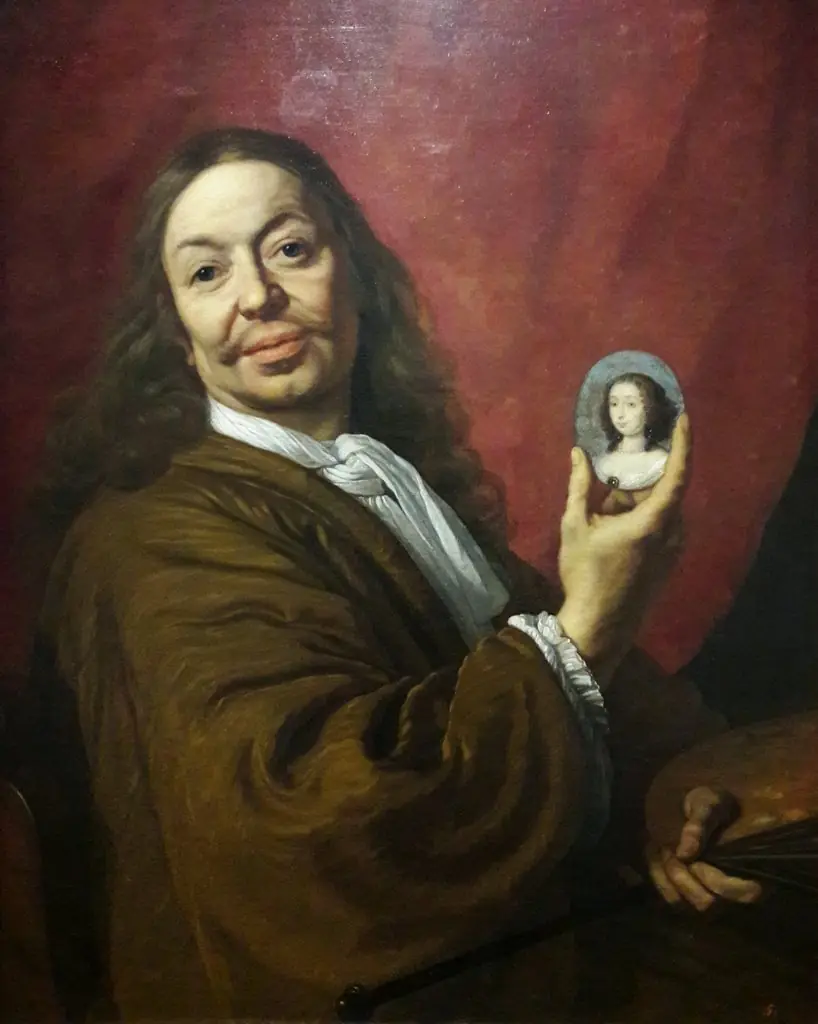 Self-portrait
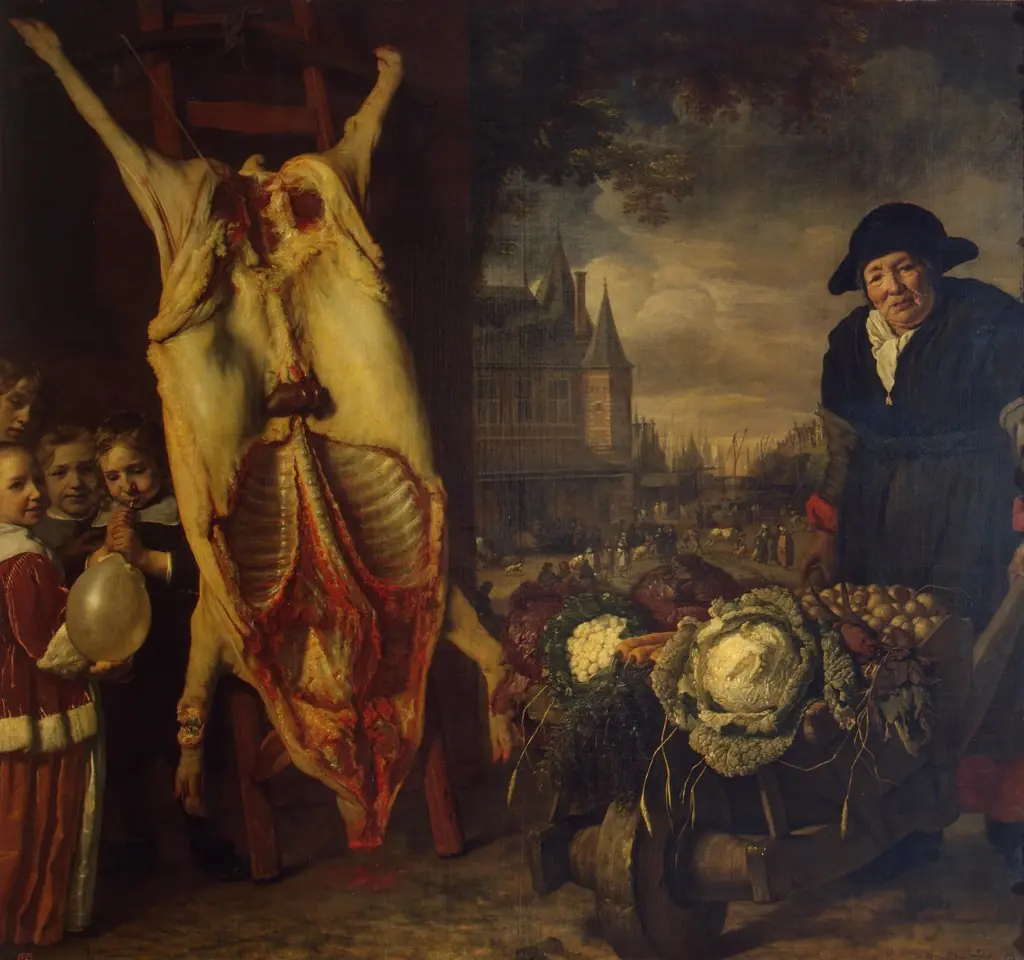 Nieuwmarkt in Amsterdam
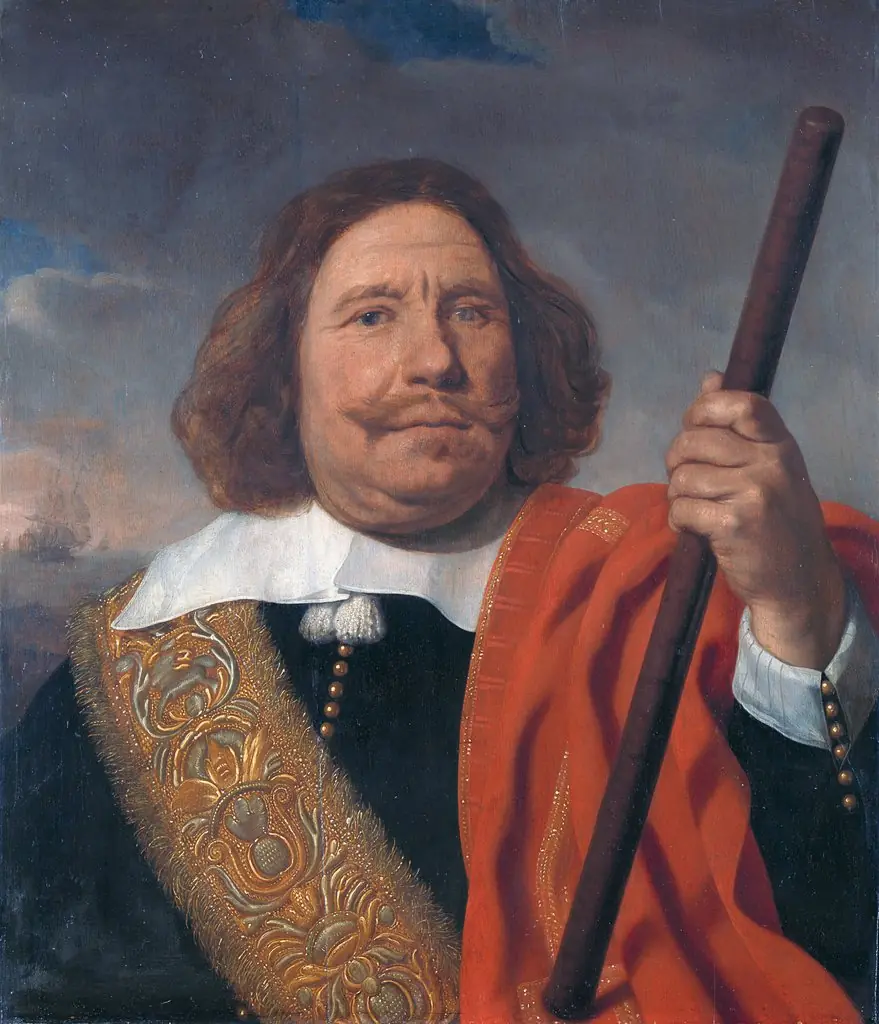 Egbert Meeuwsz Cortenaer (1605-65). Vice admiral, admiralty of the Maas, Rotterdam
- Portrait of Aletta van Ravensberg (1635-77). Wife of Jan van Nes
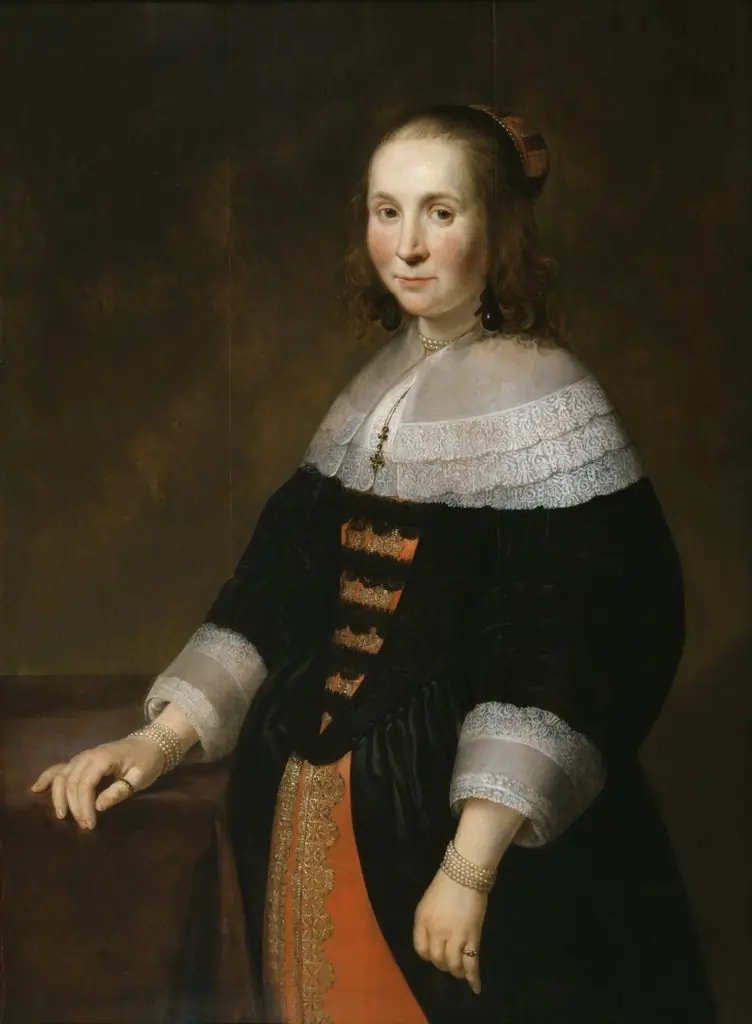 Portrait of a Wife
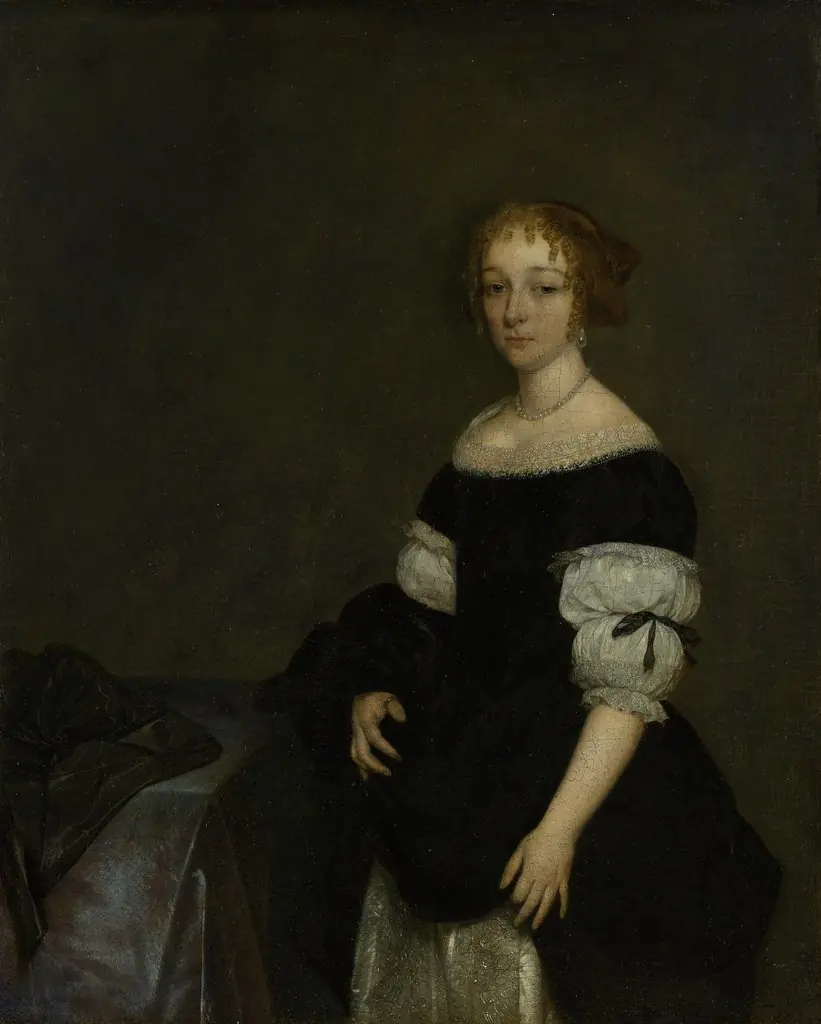 Portrait of Aletta Pancras (1649-1707). Wife of François de Vicq
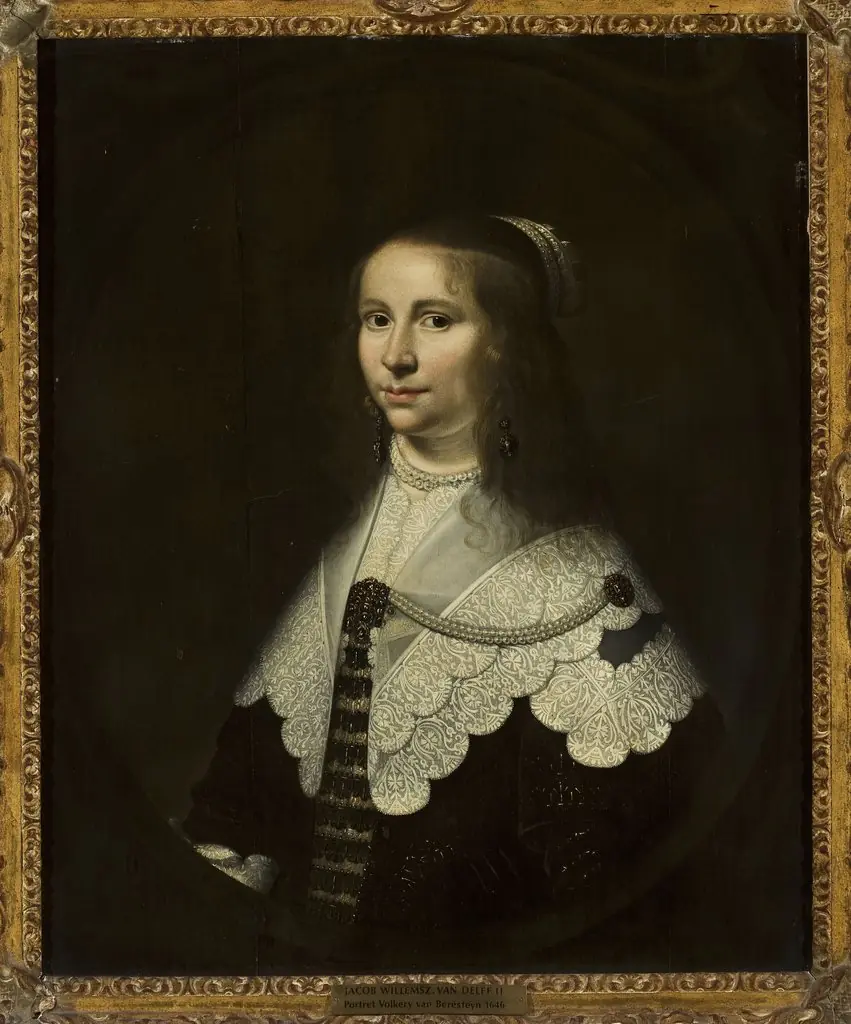 Portrait of Volkera van Beresteyn (1624–1653), wife of Salomon van Schoonhoven (1617–1653)
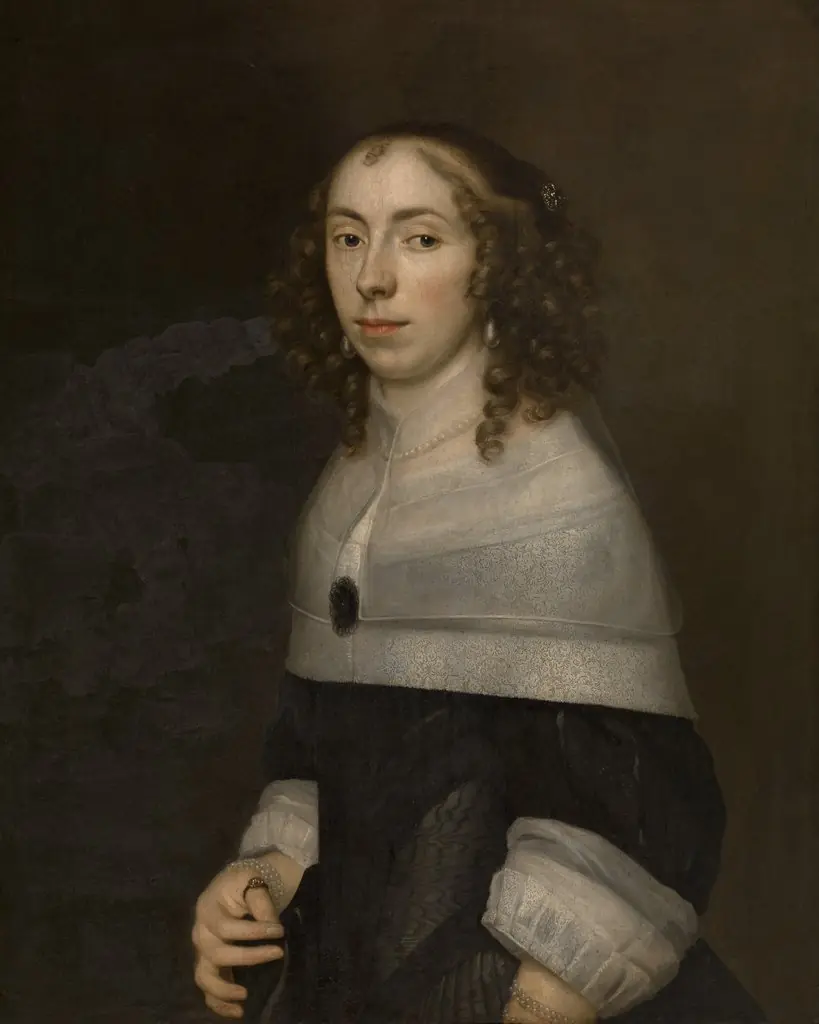 Portrait of Geertruijd Coenen (1635-1716)
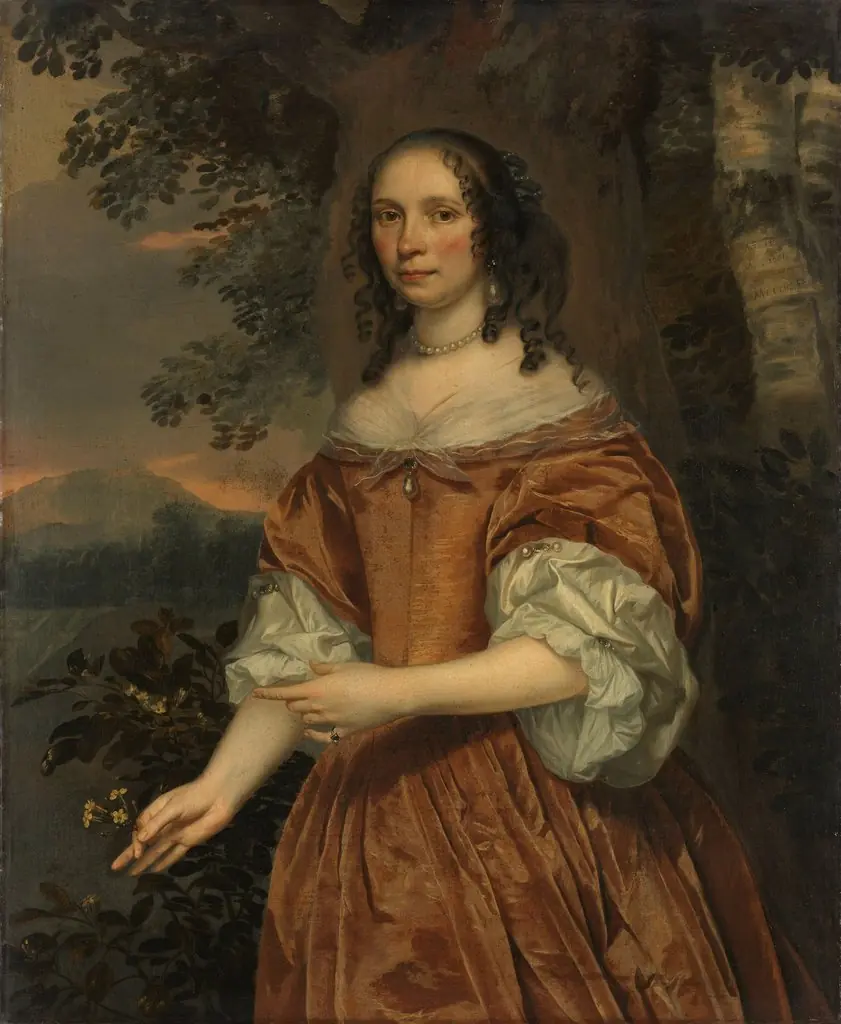 Portrait of Maria de Witte Françoisdr (b 1616). Wife of Johan van Beaumont