Artwork
Self-portrait
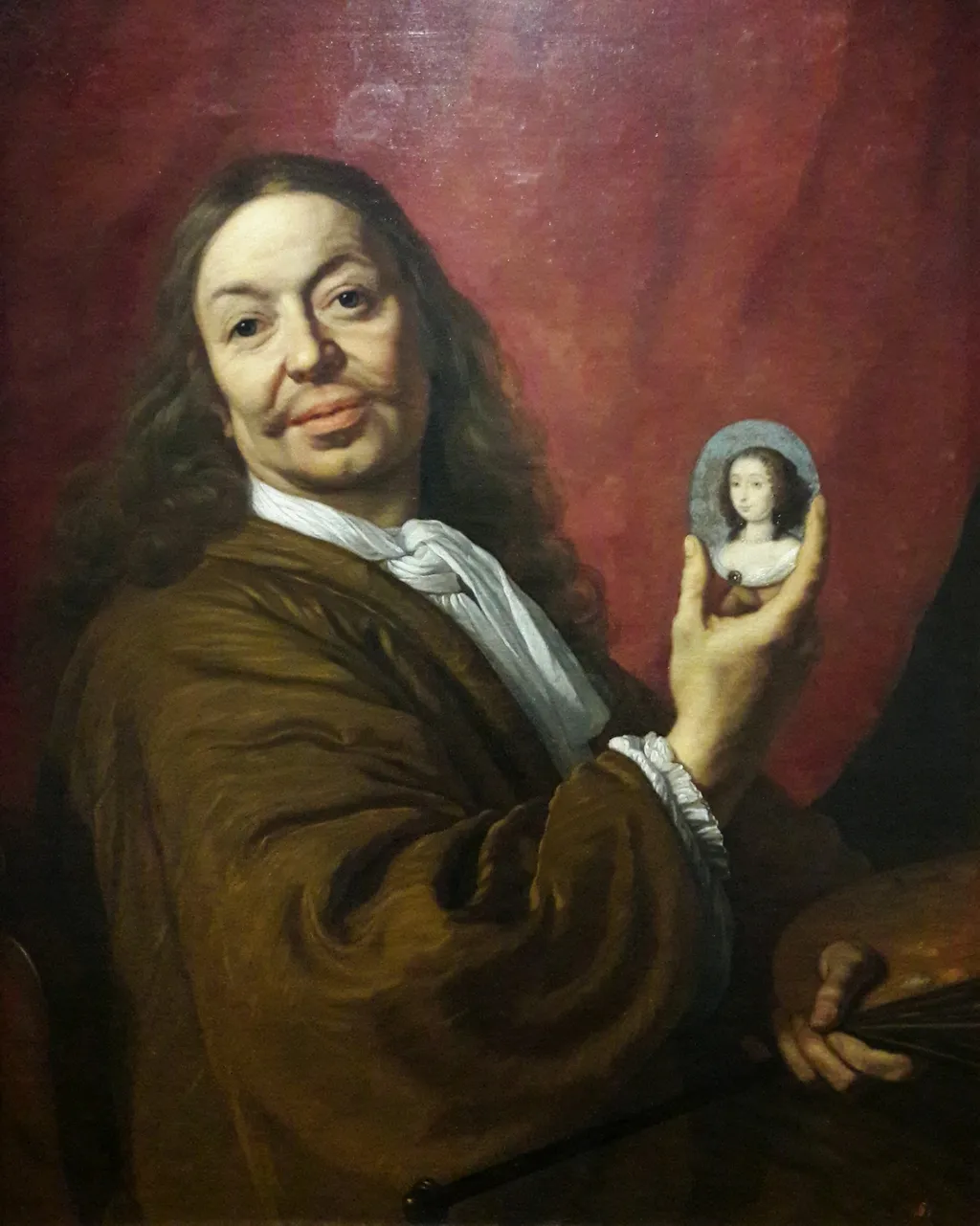
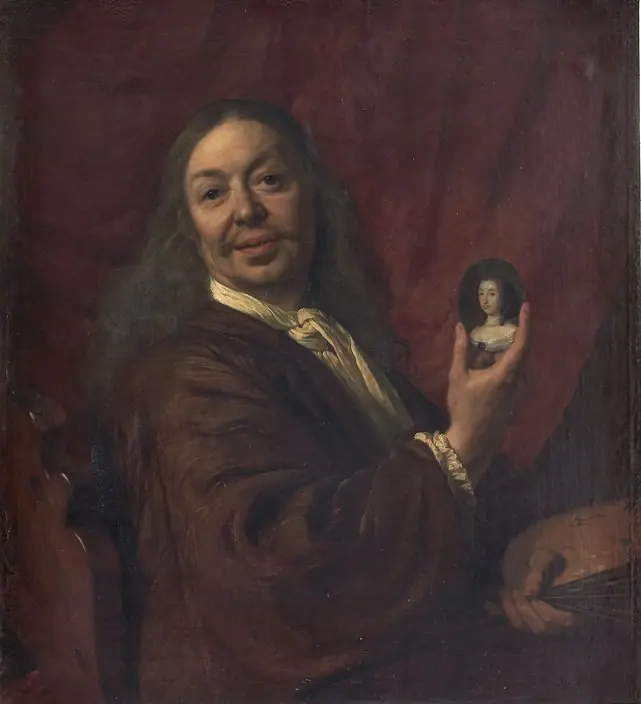
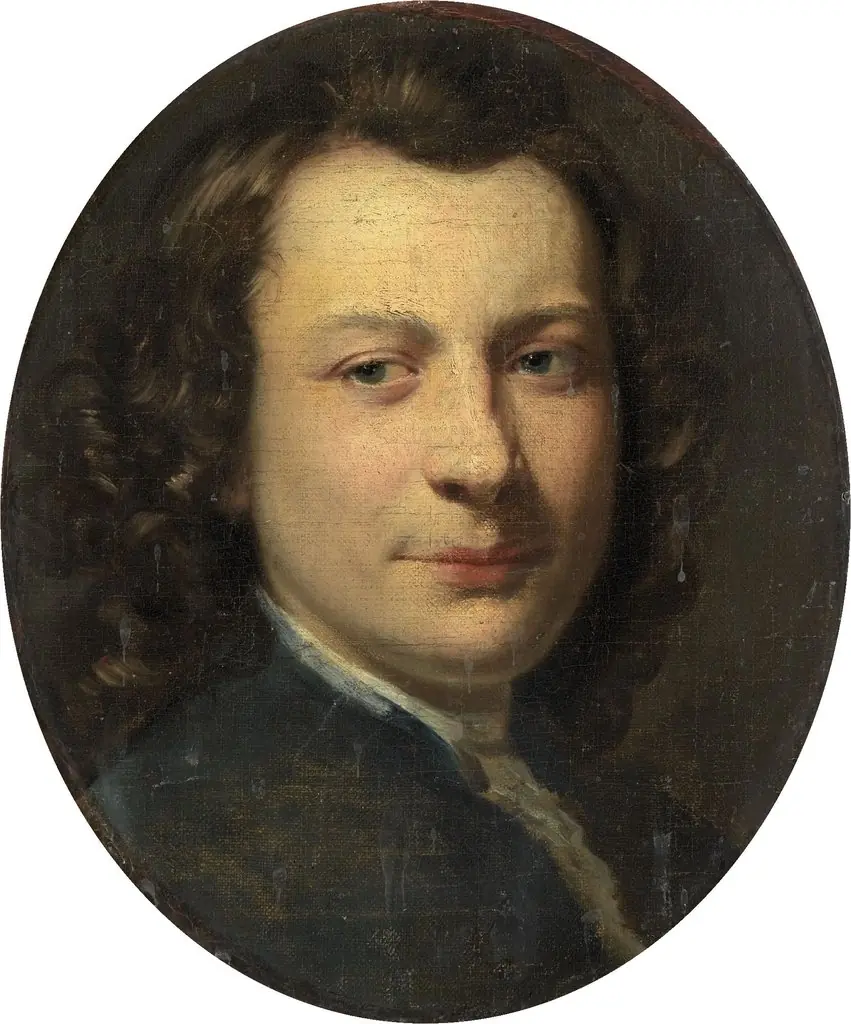
Self-portrait is an oil painting by the Rococo painting artist Bartholomeus van der Helst. It is held in the collection of the Hermitage Museum.
About this work
Subject & Meaning
The inclusion of the palette signals his professional identity as a painter, while the cravat situates him within the fashionable dress of the Dutch elite.
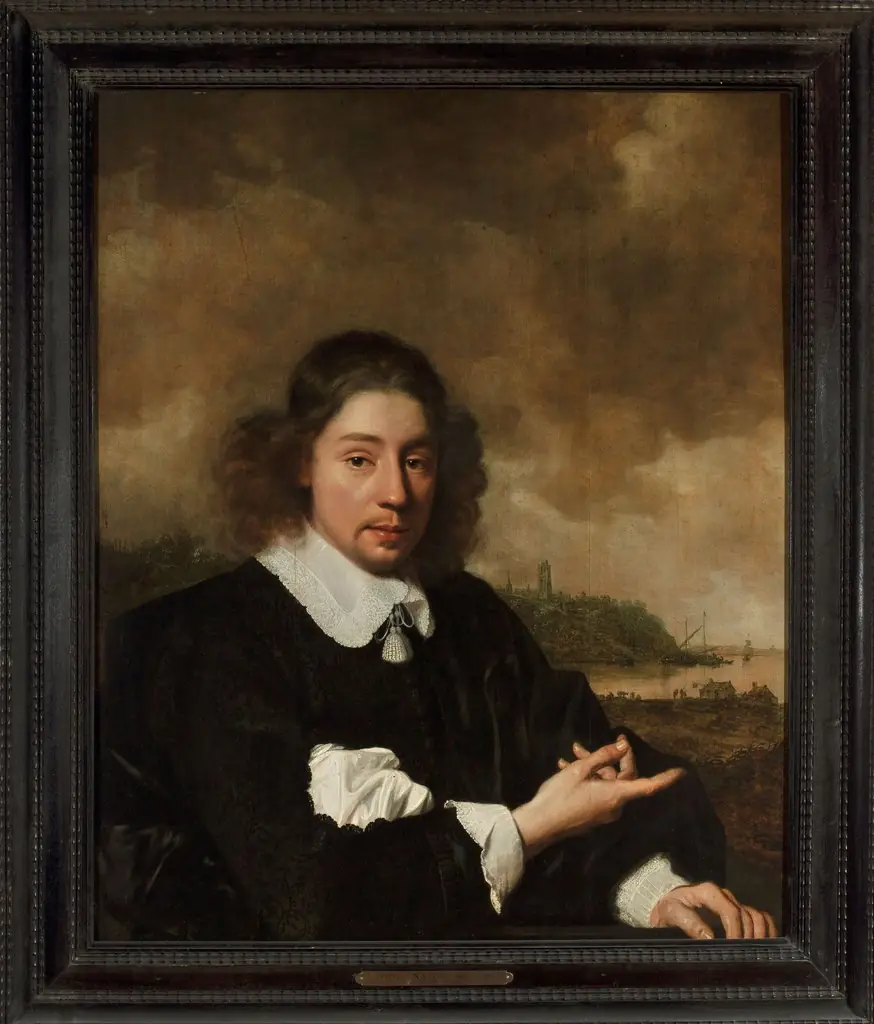
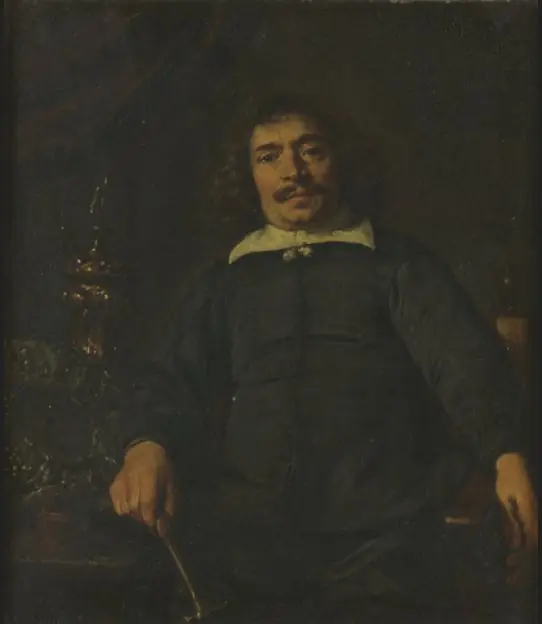
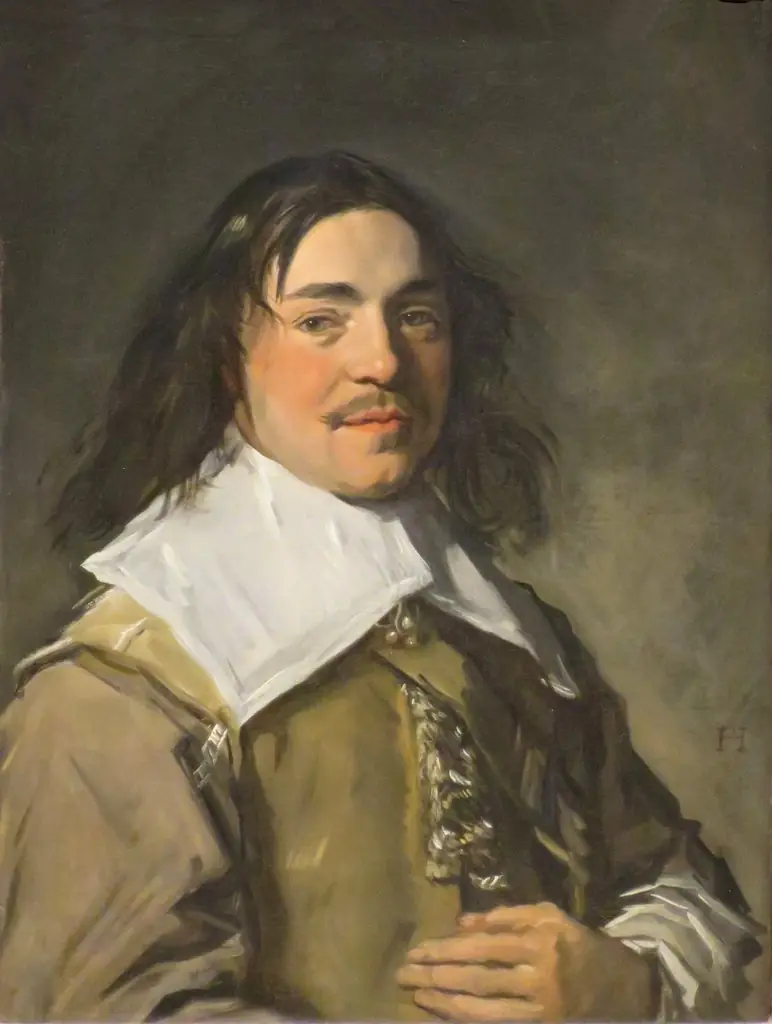
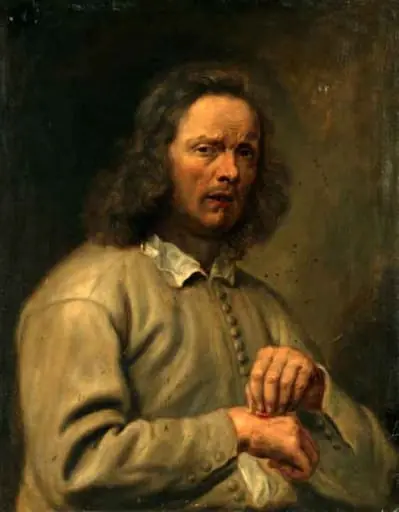
The painting is a self-portrait of the Dutch artist Bartholomeus van der Helst, who presents himself as a gentleman-artist. He is depicted as a man wearing a cravat, holding a palette, and accompanied by a miniature portrait of Mary Henrietta, Princess Royal. The inclusion of the palette signals his professional identity as a painter, while the cravat situates him within the fashionable dress of the Dutch elite.
The miniature of the Princess Royal likely functions as a personal or courtly reference, possibly alluding to a royal commission or favor. Together, these attributes frame the sitter as both a craftsman and a man of refined social standing, blending artistic self-presentation with emblematic accessories.
The work's iconography thus operates on two levels: a literal identification of the painter through his tools, and a symbolic assertion of status through fine attire and the royal likeness. The combination reflects the broader seventeenth-century convention of the artist's self-portrait as a vehicle for asserting both technical mastery and gentlemanly identity.
Technique & Style
This self-portrait is executed in oil paint on a canvas support. The work measures 83.5 cm in height and 65 cm in width. Stylistically, the composition features the artist depicting himself alongside specific attributes, including a painter's palette and a cravat.
The image also incorporates a miniature portrait of Mary Henrietta, Princess Royal, within the scene. While sources indicate an inception date of 1667, other records associate the work with the year 1700.
History & Provenance
Bartholomeus van der Helst painted this self‑portrait in oil on canvas in 1700. The work measures 83.5 cm by 65 cm and shows the artist with a palette and cravat. After its creation it entered the collection of Polish king Stanisław August Poniatowski, who commissioned or acquired the piece.
Subsequent ownership transferred the painting to the National Museum in Warsaw, where it remains on display, and it is also part of the Hermitage Museum’s holdings. The painting’s provenance is documented from its inception in the late 17th to early 18th century through these transfers, reflecting a continuous chain of ownership tied to prominent Polish aristocracy.
The Warsaw version of the Self-portrait by Bartholomeus van der Helst is held by the National Museum in Warsaw. According to the Wikidata record, the painting was once owned by Stanisław August Poniatowski, and the work is also associated with the Hermitage Museum as part of its collection history. No specific inventory or accession number is provided in the available sources, and no exhibition history is documented.
Overview
Bartholomeus van der Helst's Self-portrait, an oil painting from 1700, captures the artist, a prominent figure in Dutch Golden Age portraiture. It is currently housed in the State Hermitage Museum. The work presents the painter in formal attire, holding a miniature image of Mary Henrietta, Princess Royal, reflecting his professional standing and personal connections.
Context
As a leading portrait painter during the Dutch Golden Age, Bartholomeus van der Helst was renowned for his depictions of Amsterdam's elite. This self-portrait, created in 1700, places him within the tradition of artists documenting themselves, often to assert their professional identity and artistic prowess. The painting reflects the prevailing tastes for sophisticated portraiture that characterized the period, even as it anticipates the emerging Rococo aesthetic.
Own this work as a print
Artist & collection
Artist
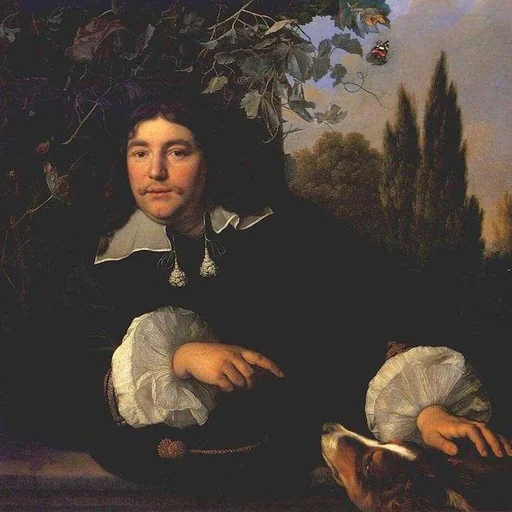
Bartholomeus van der Helst (1613 – buried 16 December 1670) was a Dutch painter. Considered to be one of the leading portrait painters of the Dutch Golden Age, his elegant portraits gained him the patronage of…

 The Musician
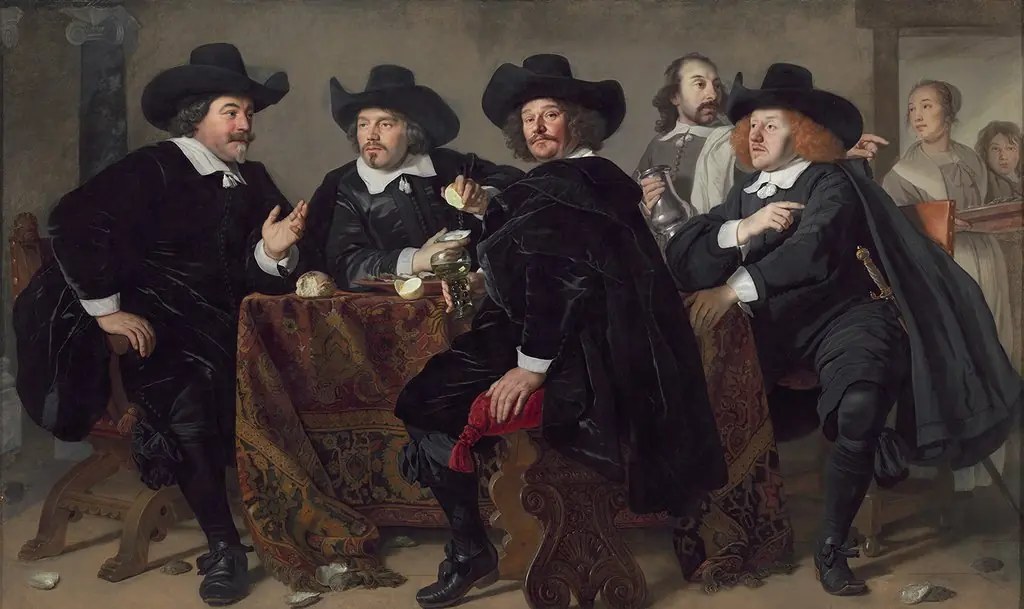 Four directors of the arquebusier's guild, Amsterdam, 1655
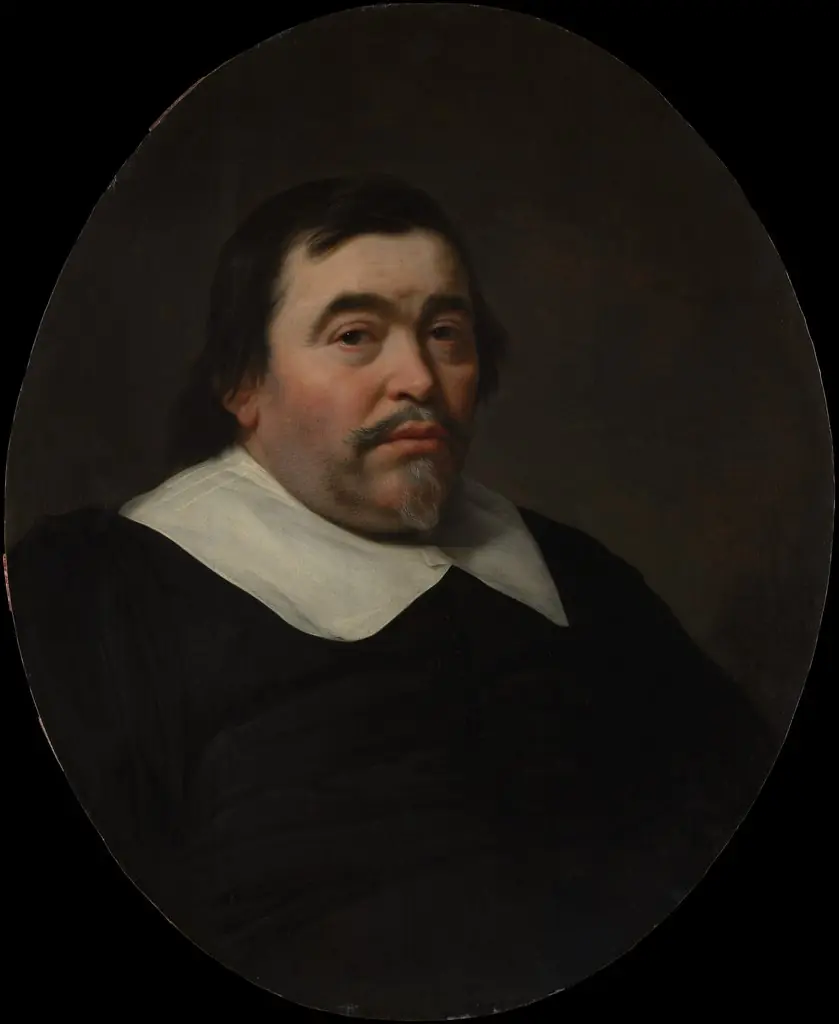 Portrait of a Man
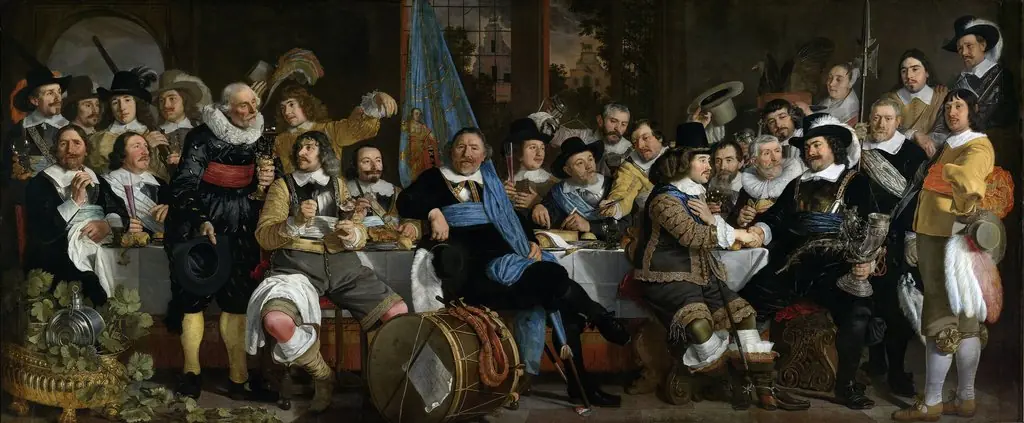 Banquet at the Crossbowmen’s Guild in Celebration of the Treaty of Münster
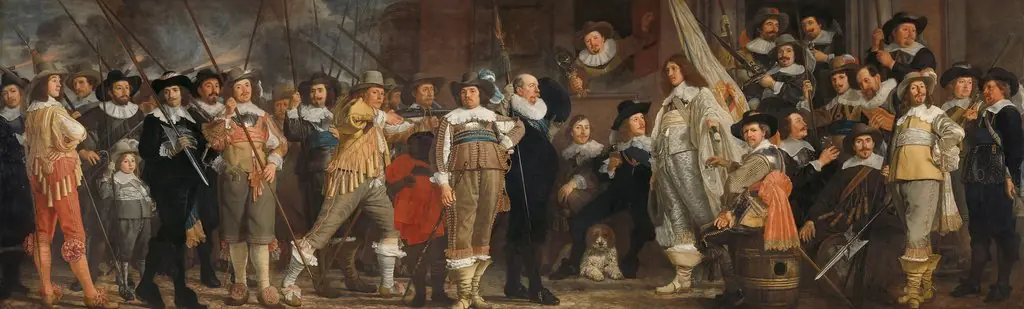 Militia Company of District VIII under the Command of Captain Roelof Bicker
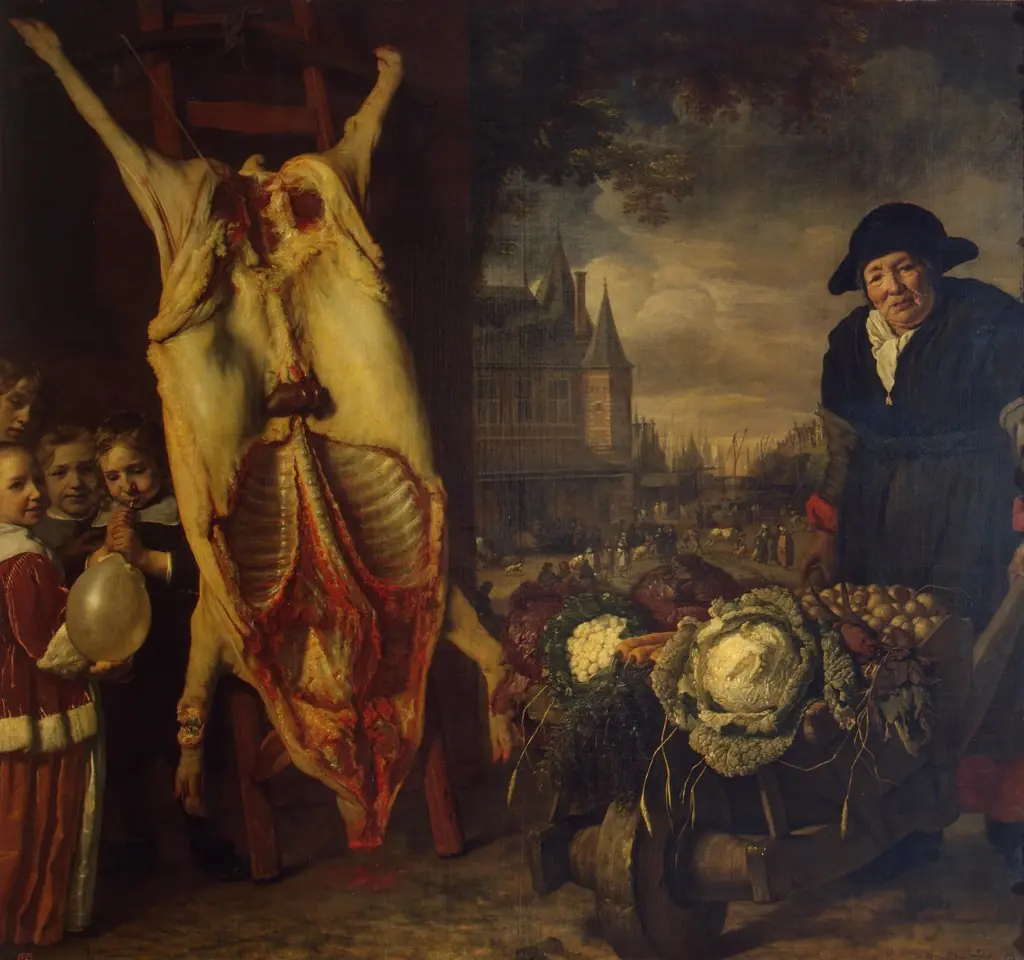 Nieuwmarkt in Amsterdam
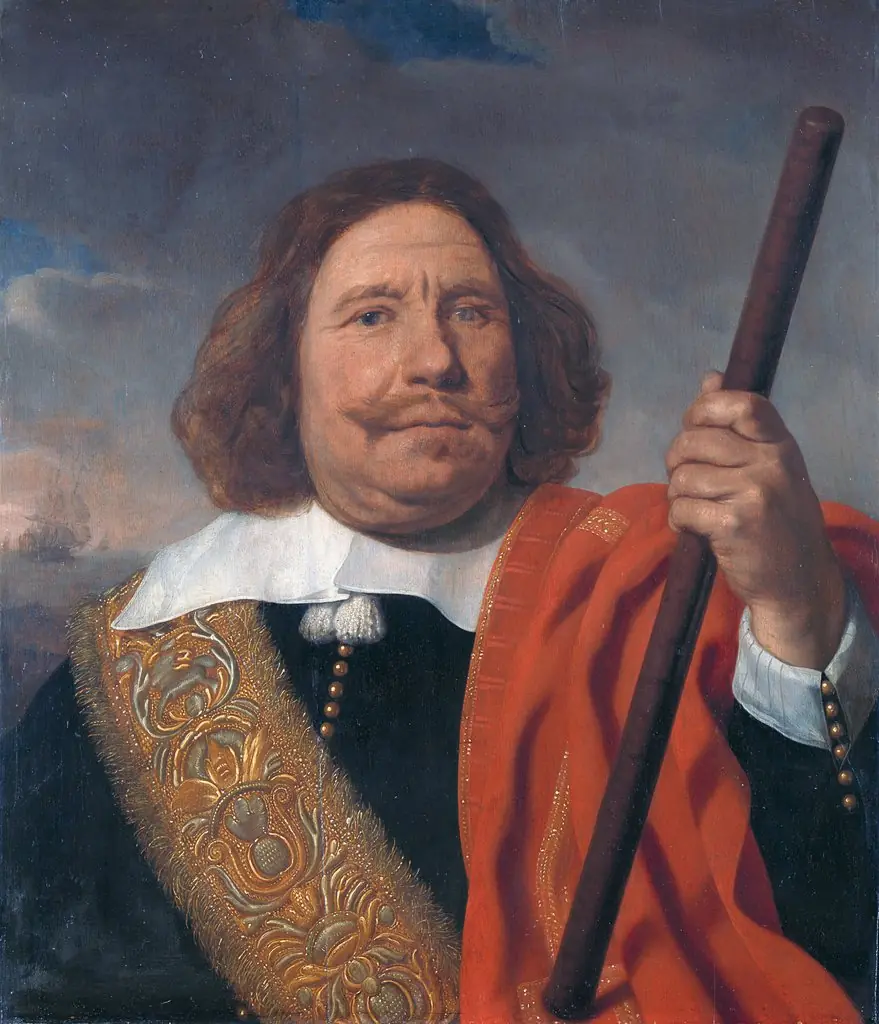 Egbert Meeuwsz Cortenaer (1605-65). Vice admiral, admiralty of the Maas, Rotterdam
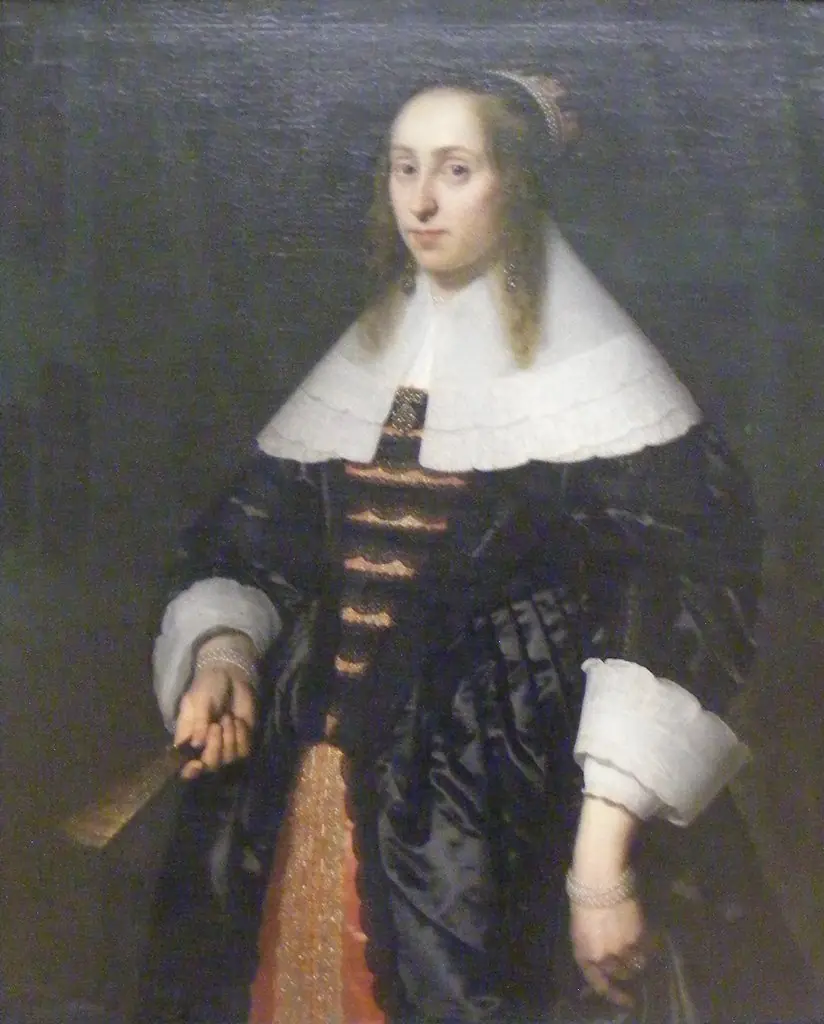 Portrait of a Lady