Artwork
An Incident in the Story of the Vestal Claudia
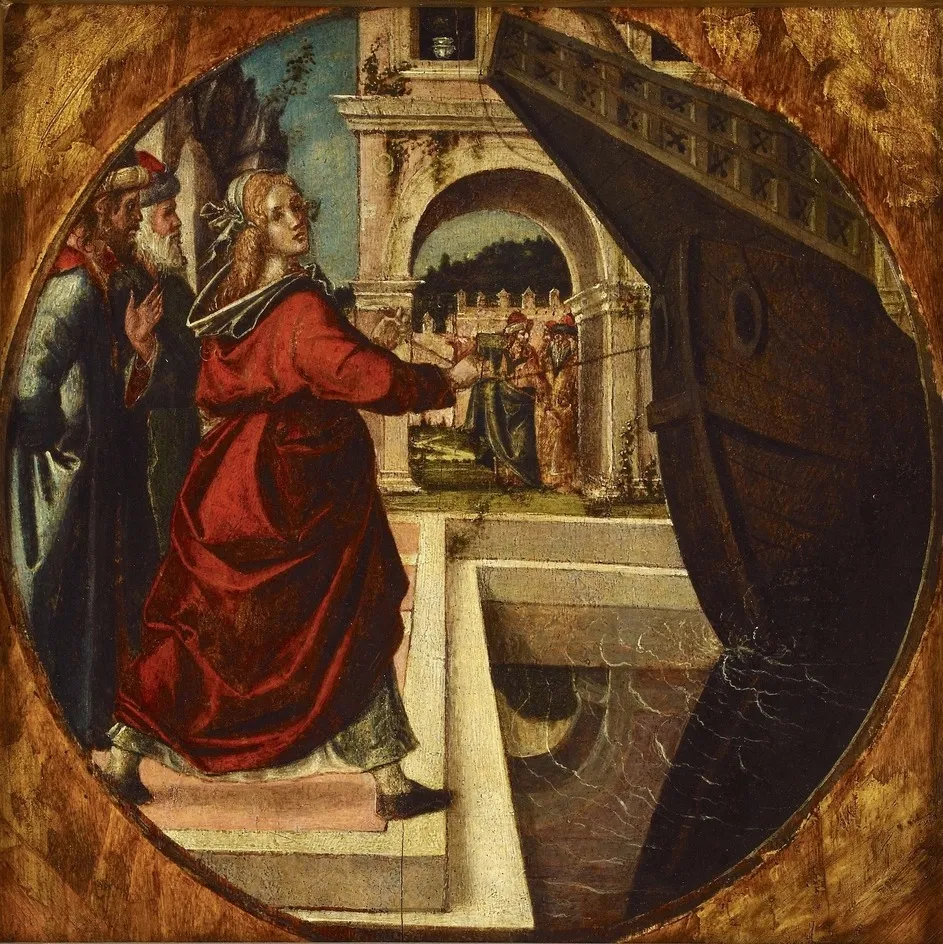
An Incident in the Story of the Vestal Claudia is an unspecified painting by Bartolomeo Montagna. It is held in the collection of the Ashmolean Museum. This painting illustrates a moment from the legend of Claudia, a Vestal Virgin accused of breaking her vow of chastity.
About this work
Overview
Surrounding her are robed men, likely priests or magistrates, while a boat and distant figures suggest a ritual or civic setting.
This painting illustrates a moment from the legend of Claudia, a Vestal Virgin accused of breaking her vow of chastity. The scene captures her public trial, where she stands on a stone platform, gripping a rope that may symbolize her fate. Surrounding her are robed men, likely priests or magistrates, while a boat and distant figures suggest a ritual or civic setting. The composition centers her as the focal point amid architectural grandeur and heightened emotional tension.
Subject & Meaning
The narrative draws from Roman legend, in which Claudia, accused of impropriety, proved her innocence by demonstrating her virtue through action, often by carrying a heavy object across the Tiber without spilling water. Here, the rope may allude to this test. The gathered crowd and elevated platform reflect public judgment, while the man gazing outward introduces a meta-layer, implicating the viewer in the moral scrutiny of the scene.
Technique & Style
The artist employs chiaroscuro to model forms with strong contrasts between light and shadow, enhancing the drama of the moment. The red dress of the central figure stands out against the muted tones of the architecture and robes, directing attention to her. The architectural backdrop, with arches and columns, lends structural gravity, while the distant figures and boat suggest spatial depth, reinforcing the scene’s ceremonial scale.
History & Provenance
The painting’s origins are tied to 18th- or early 19th-century European interest in classical antiquity. It likely emerged from a tradition of historical and mythological painting popular among academic artists. While its exact commission or early ownership remains undocumented, its subject aligns with contemporary scholarly fascination with Roman moral tales and the role of women in public life.
Context
Created during a period when Neoclassicism dominated European art, the work reflects a broader cultural revival of Roman ideals. Vestal Virgins were potent symbols of purity and civic duty, making their stories compelling subjects for moral allegory. The setting, architectural, formal, and public, echoes contemporary archaeological discoveries and the era’s reverence for Roman civic institutions.
Legacy
Though not widely exhibited today, the painting contributes to a genre that sought to visualize ancient moral narratives through contemporary artistic language. Its emphasis on female agency within a rigid societal structure resonates with later reinterpretations of classical heroines. It remains a quiet example of how historical myth was adapted to explore themes of justice, gender, and public perception in the age of Enlightenment.
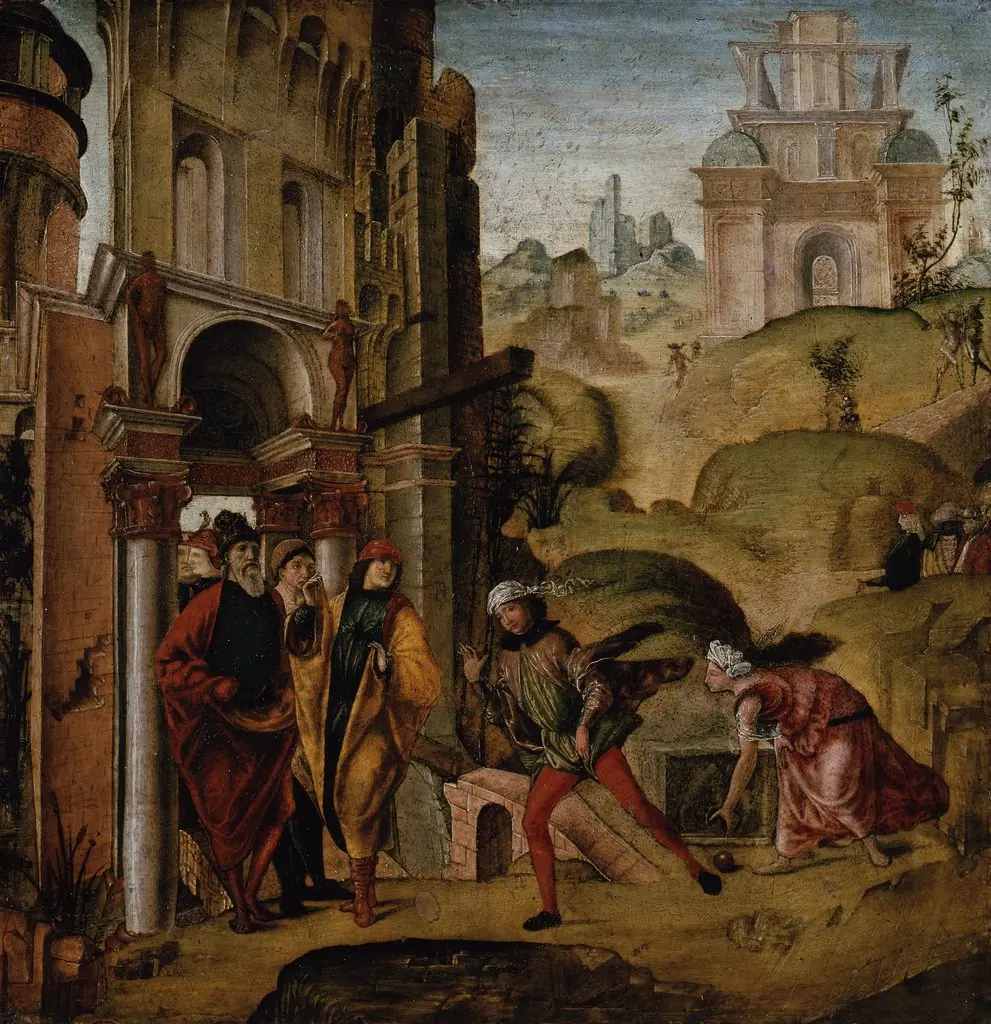
Artist & collection

Artist
Bartolomeo (or Bartolommeo) Montagna (UK: , US: , Italian: ; 1450?– 11 October 1523) was an Italian Renaissance painter who mainly worked in Vicenza.

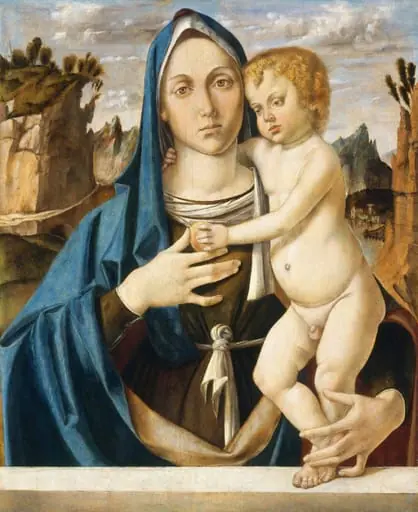 Madonna and Child
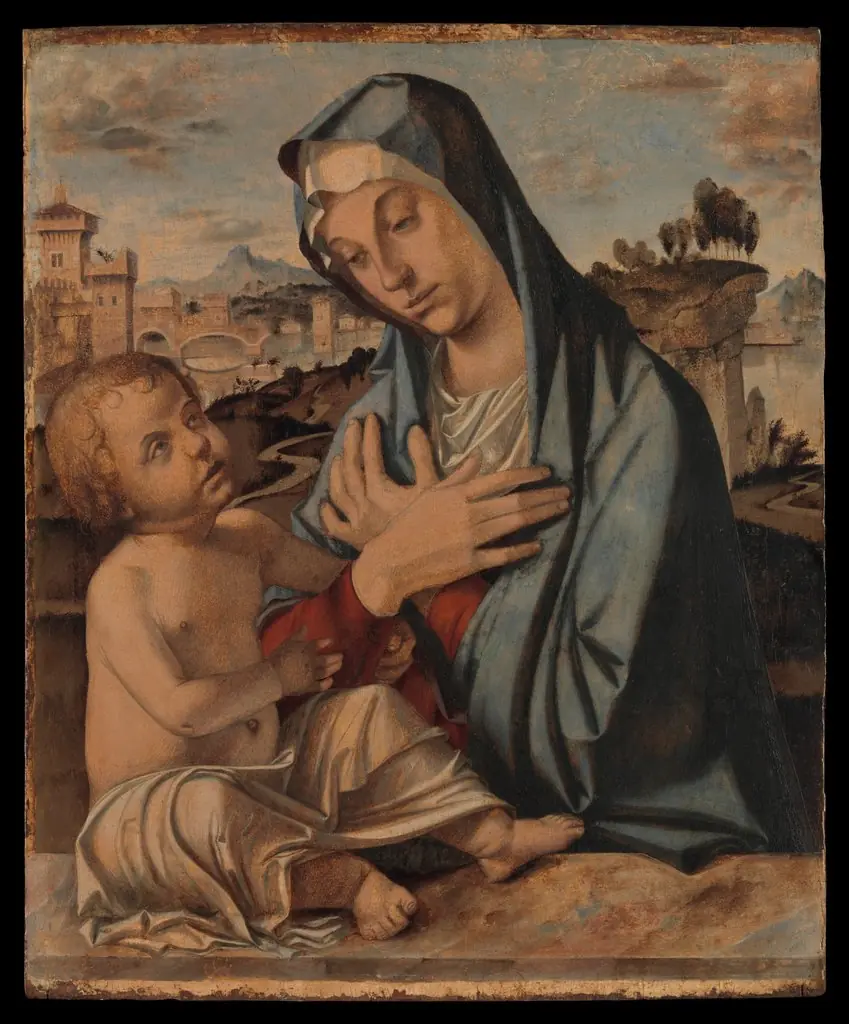 Madonna Adoring the Child
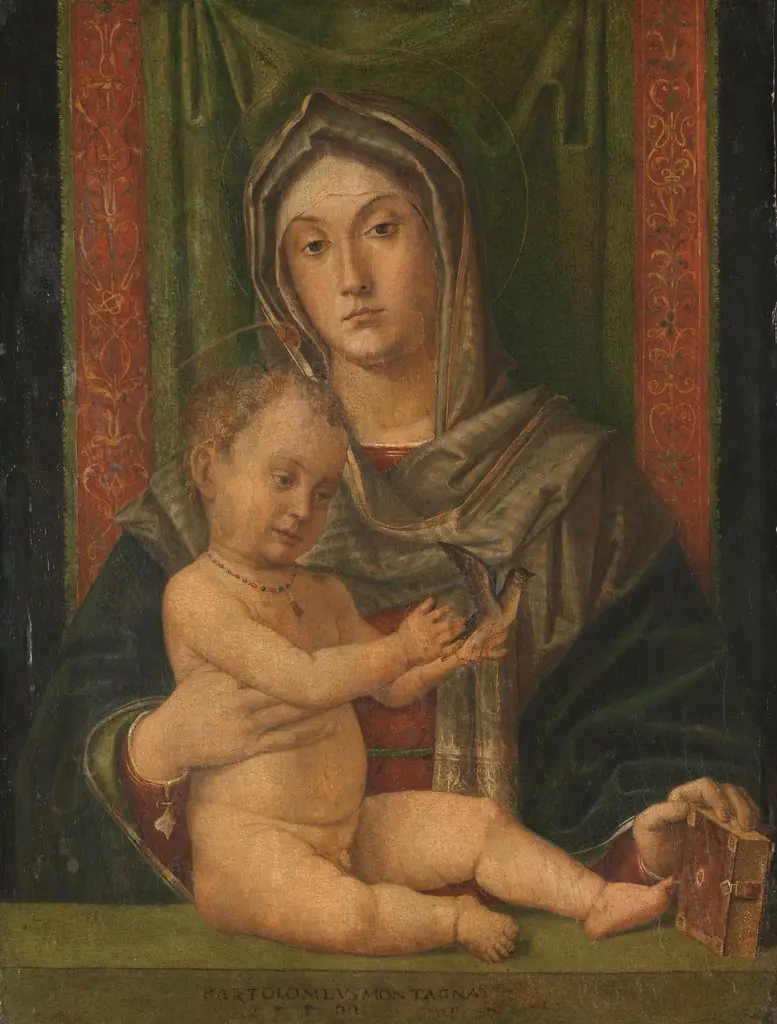 Virgin and Child
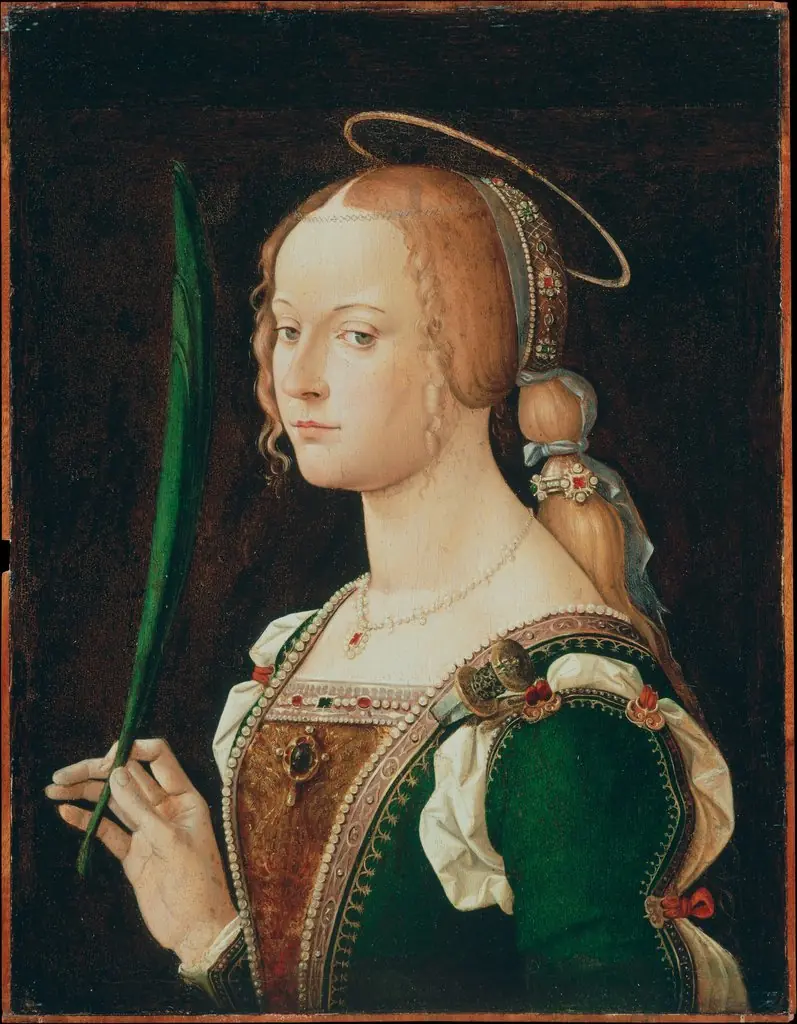 Saint Justina of Padua
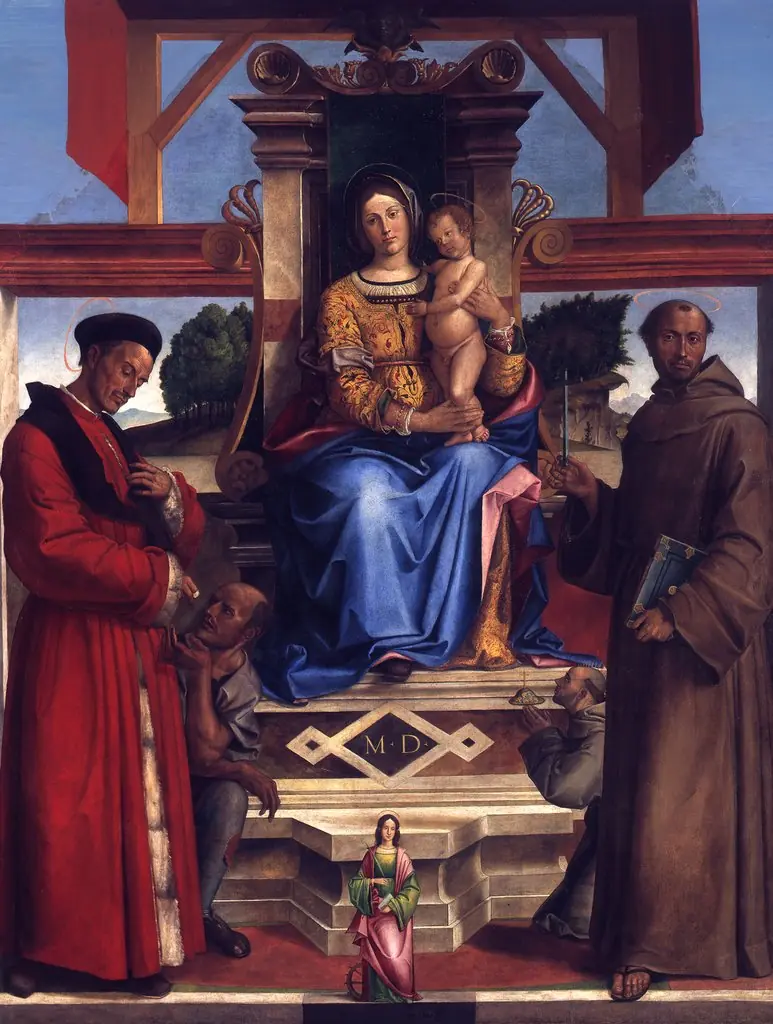 The Virgin and Child Enthroned and St. Homobonus, Francis of Assisi, Catherine of Alexandria and the Donor Bernadino da Feltre (Death 1494)
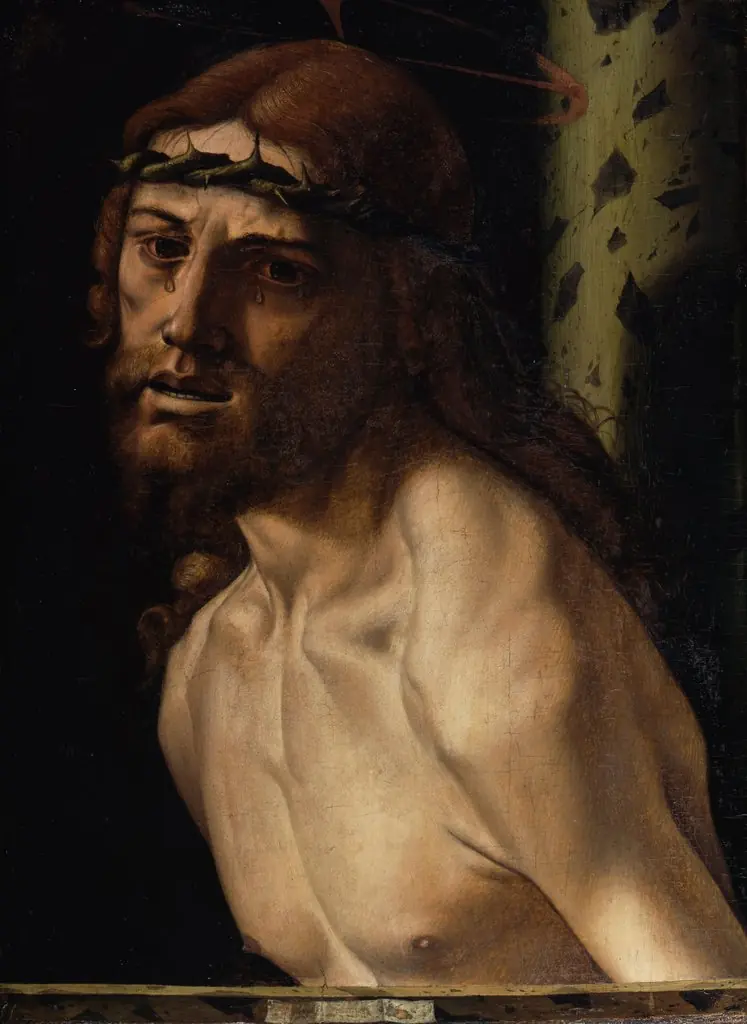 Christ at the scourge column
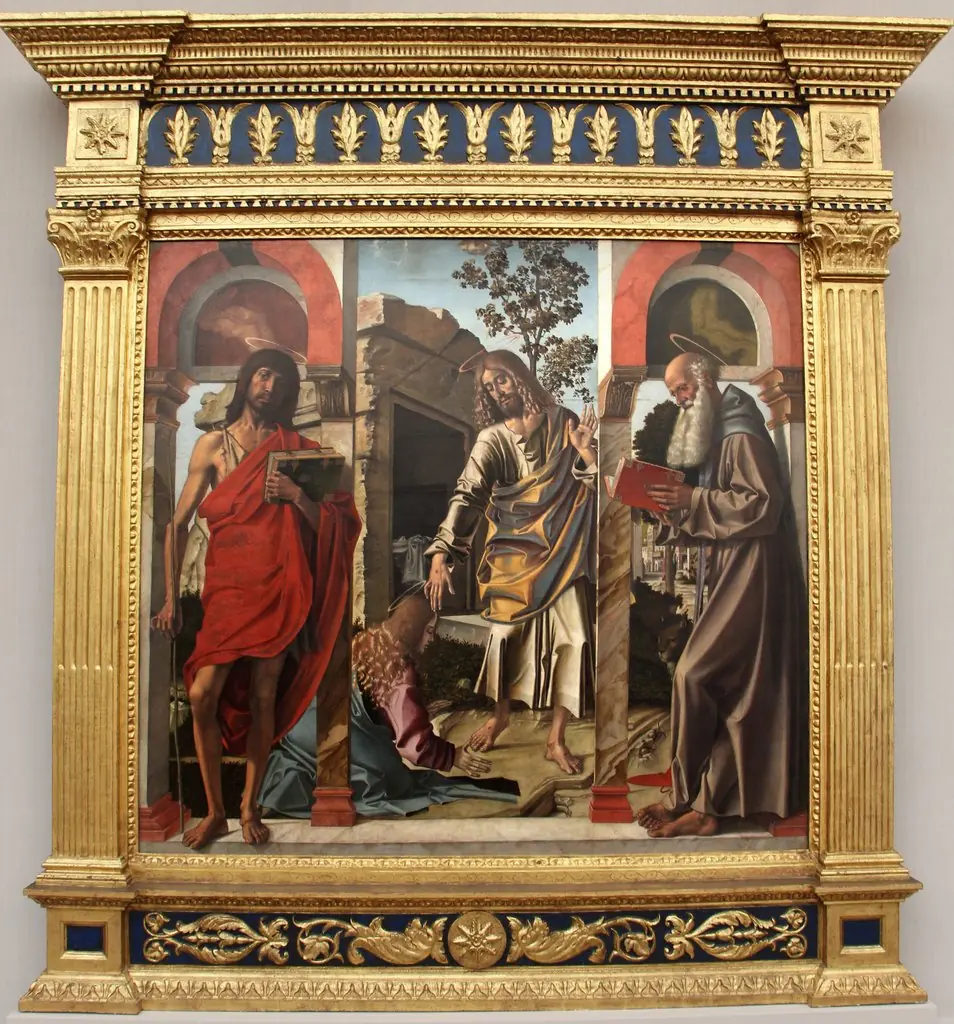 Noli me tangere between Saints John the Baptist and Jeronimo
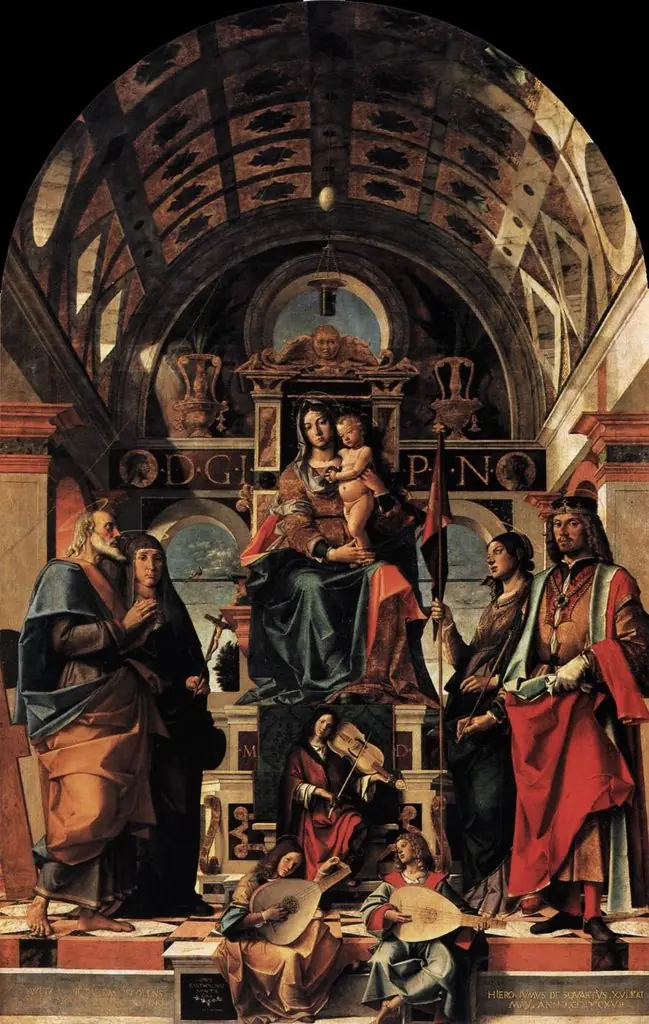 Madonna and Child enthroned with Saints
- Atalanta Looses in a Race to Hippomenes
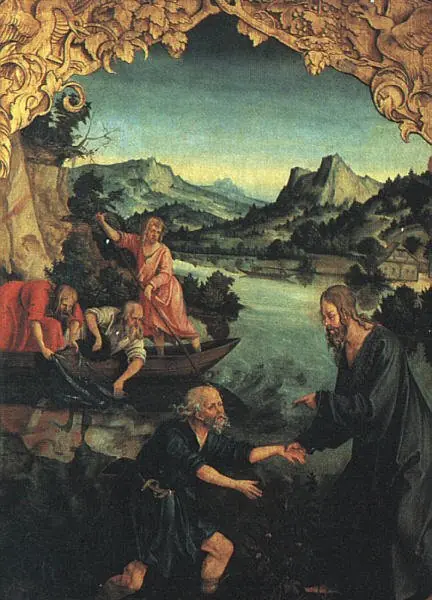 The Calling of St Peter
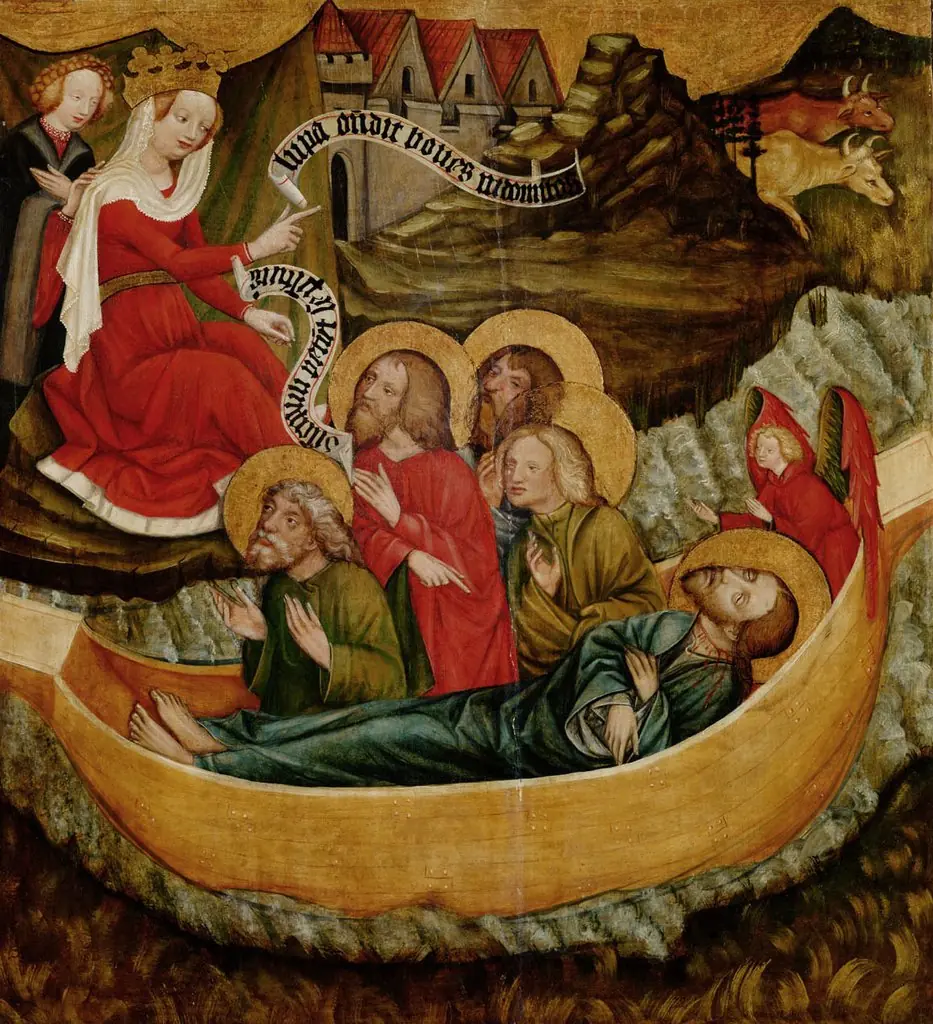 Einschiffung der Gebeine des Hl. Jakobus d. Ä. nach Spanien
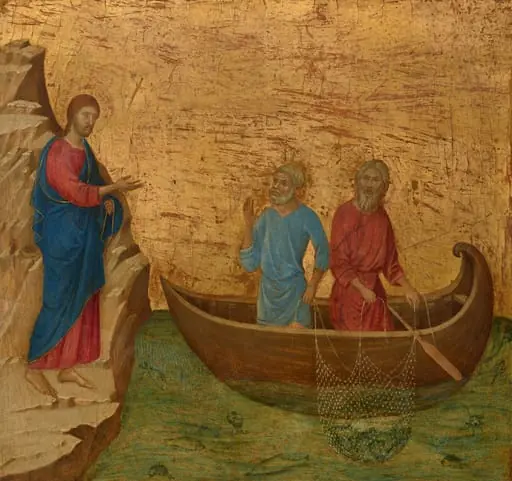 The Calling of the Apostles Peter and Andrew
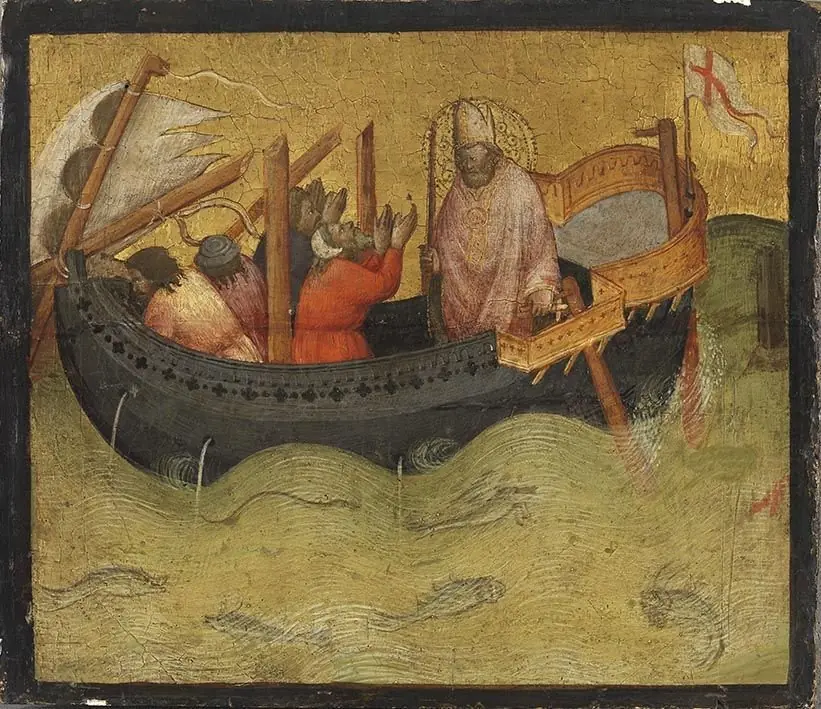 Saint Nicholas and the storm
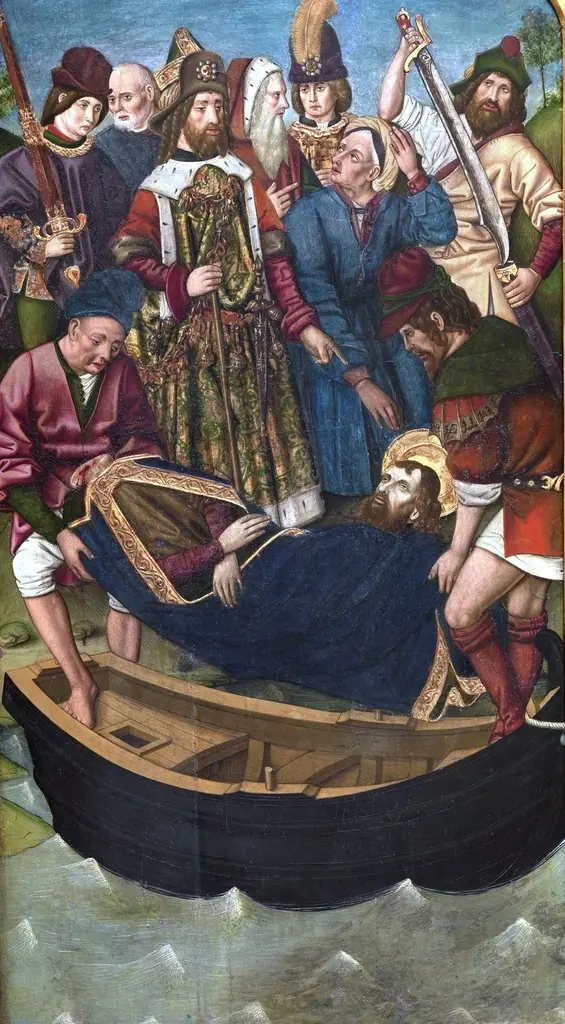 The Embarkation of James the Greater’s Body at Jaffa
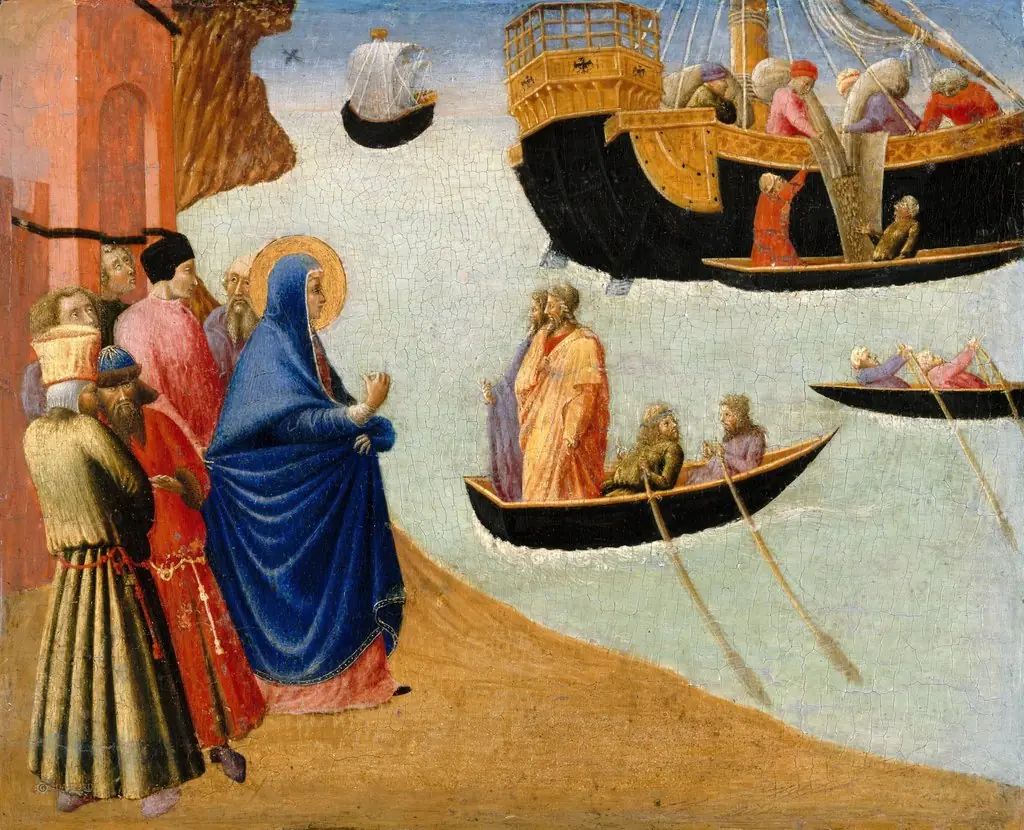 Ein Wunder des Heiligen Augustinus
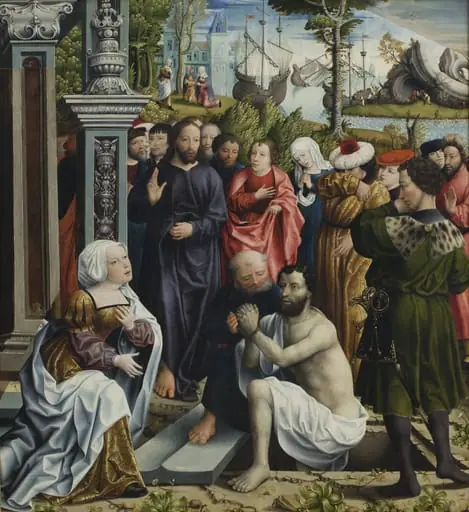 The Raising of Lazarus
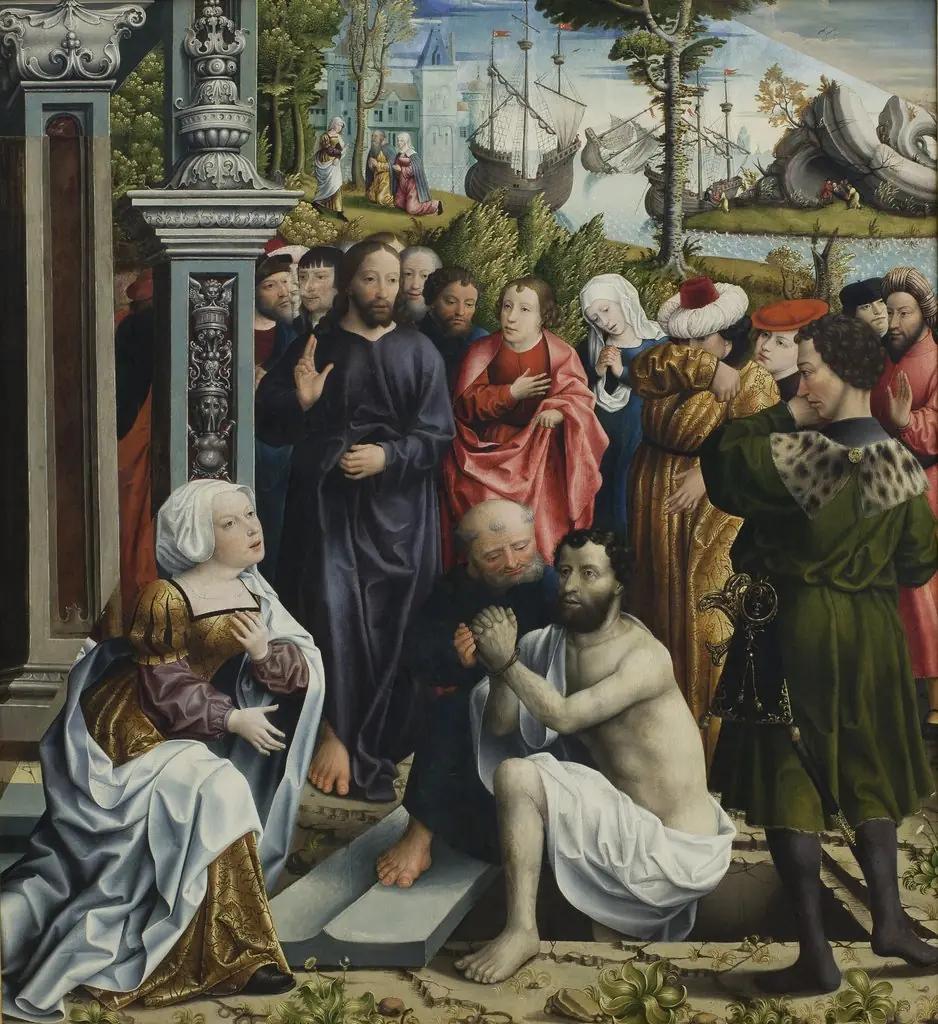 The Raising of Lazarus
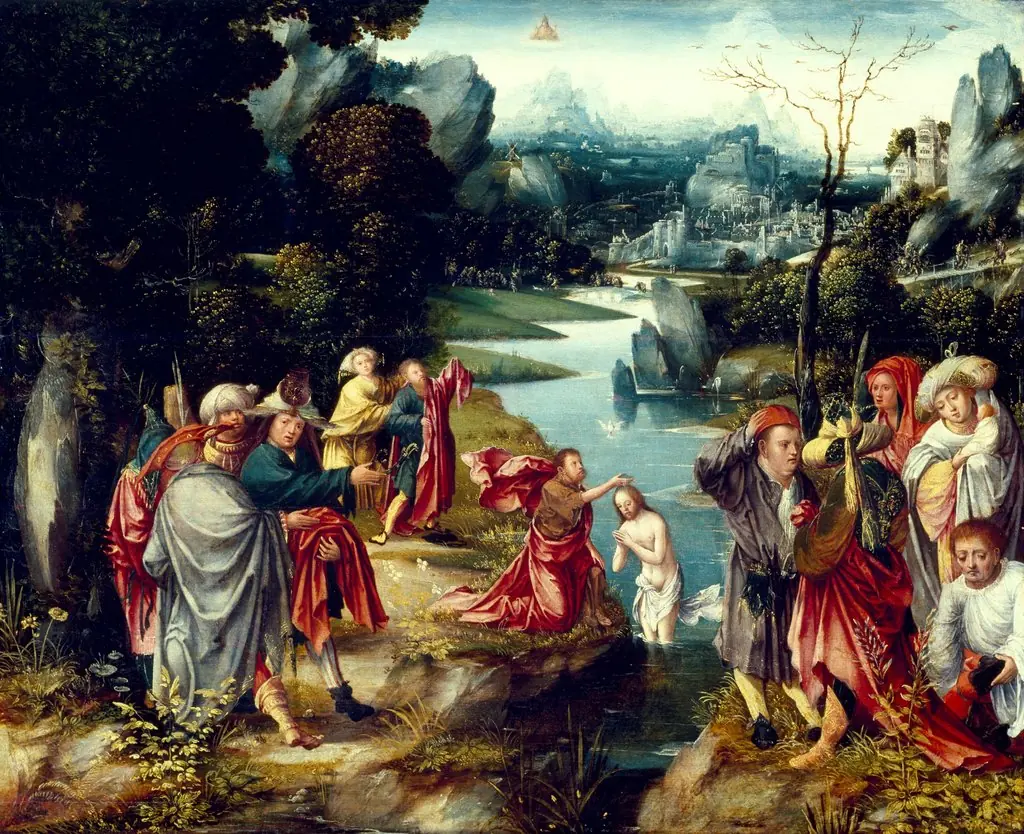 The Baptism of Christ
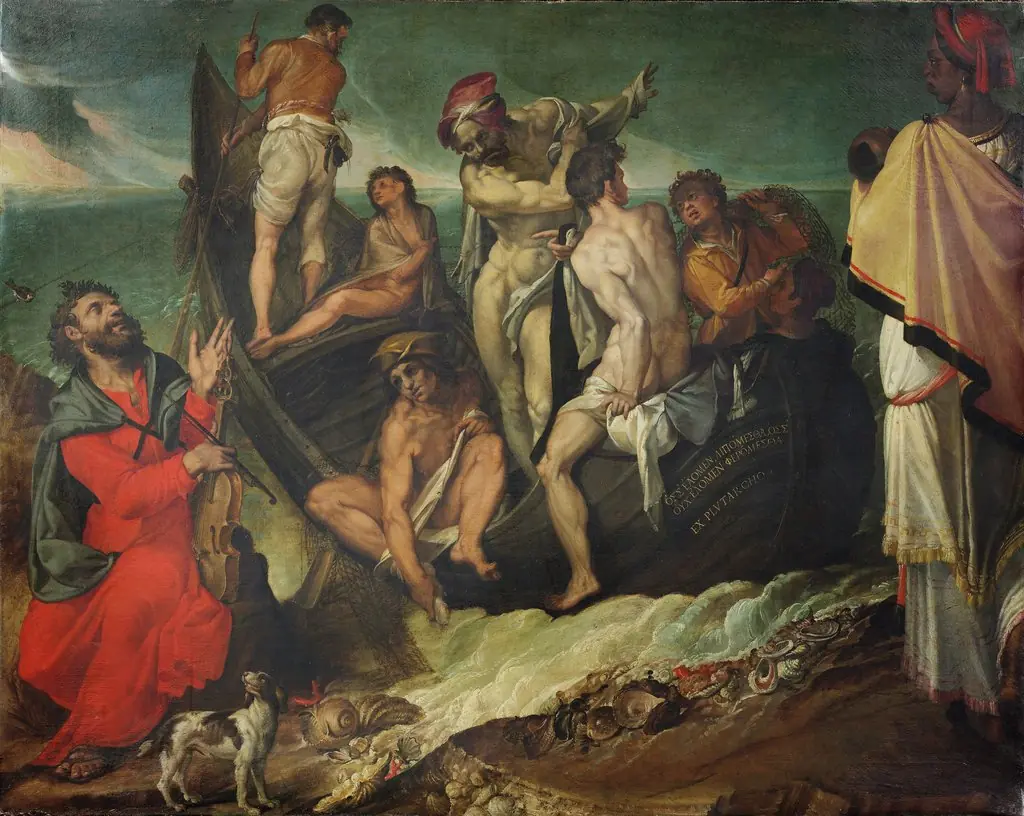 Homer’s Riddle
 Die Predigt Johannes des Täufers / Ecce Agnus Dei