Artwork
Virgin and Child
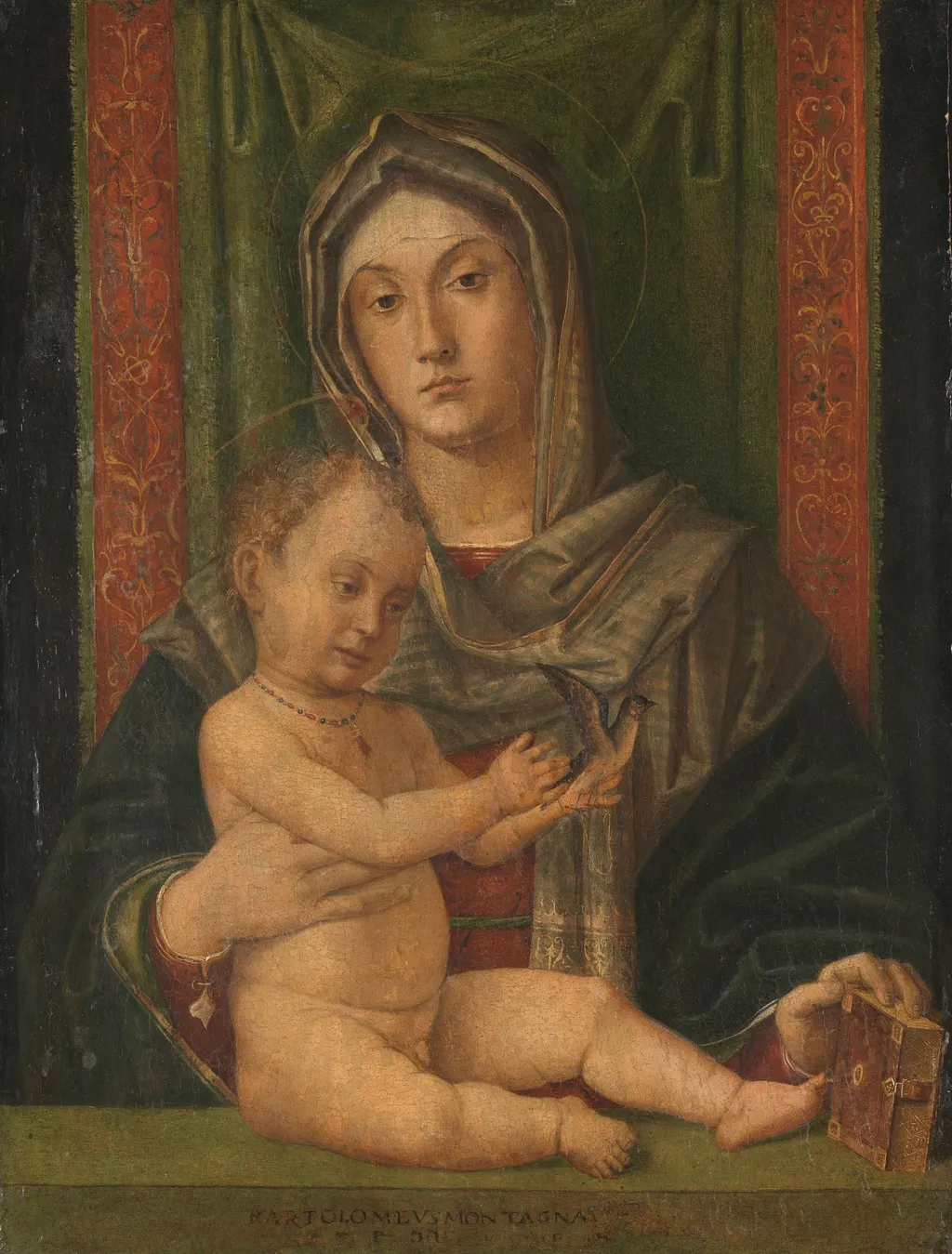
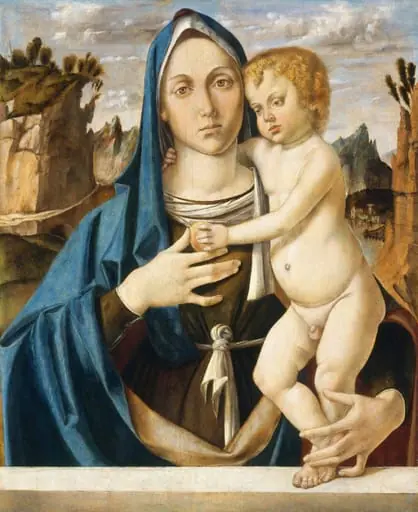
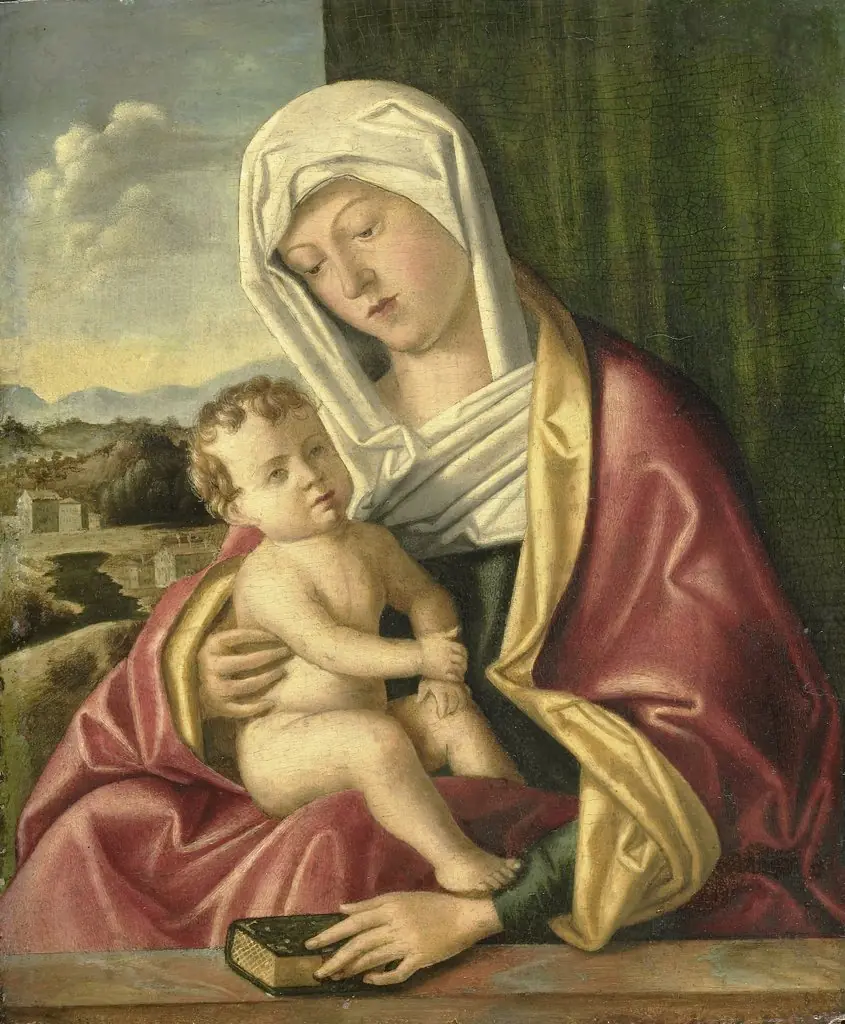
Virgin and Child is an oil painting by the Early Renaissance artist Bartolomeo Montagna. It dates from 1500 and is held in the collection of the Rijksmuseum.
About this work
Subject & Meaning
Both figures are rendered in a religious context, emphasizing the sacred bond between mother and son central to Christian iconography.
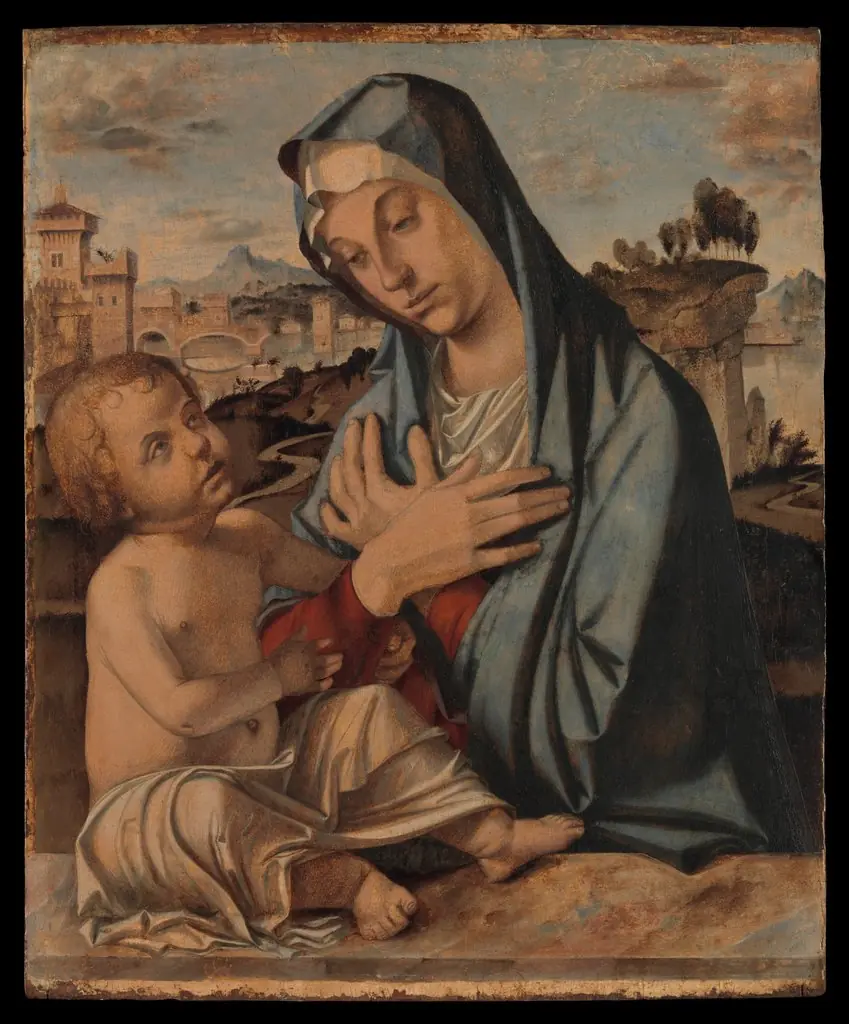
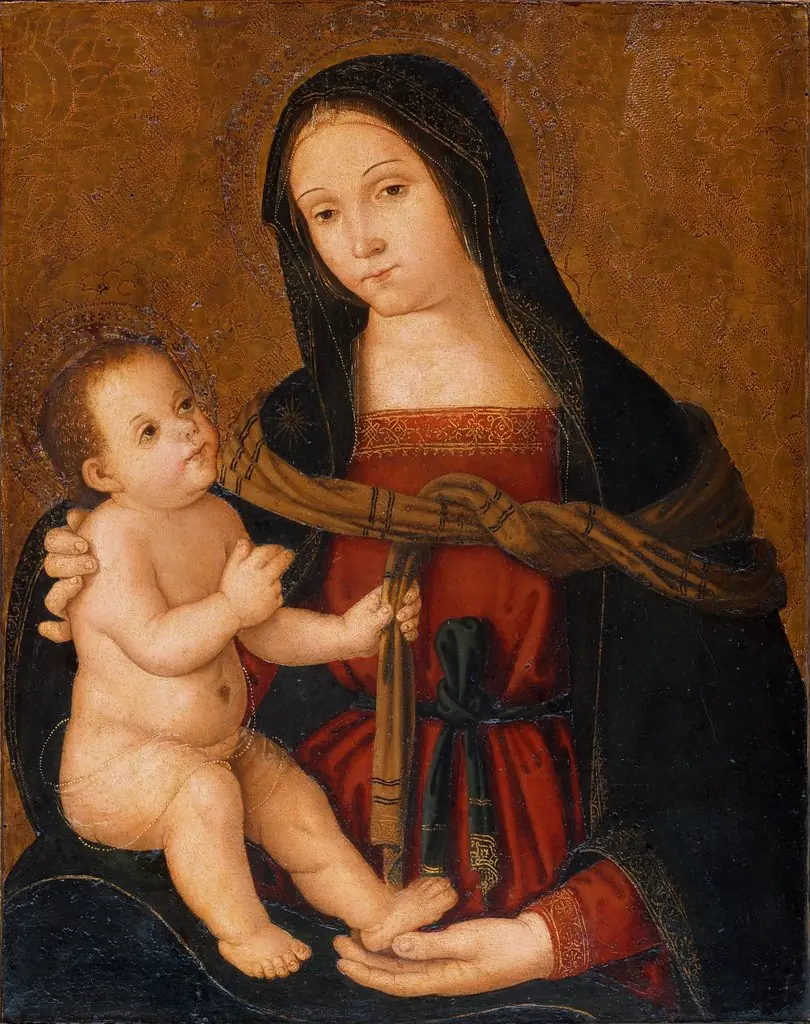
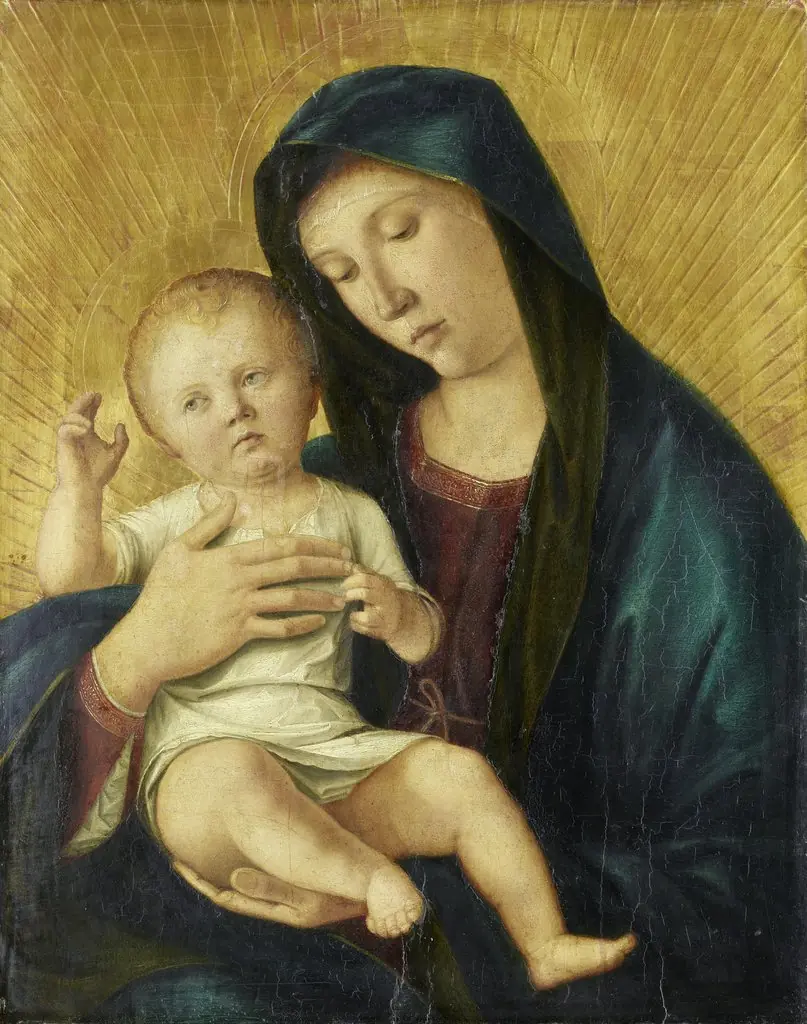
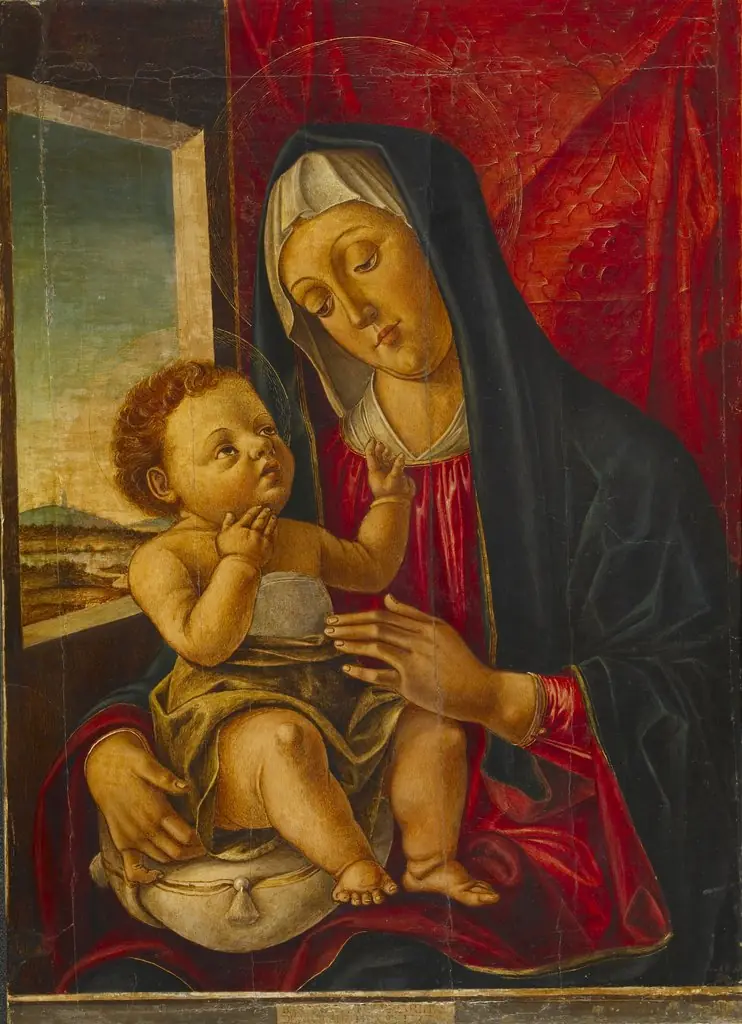
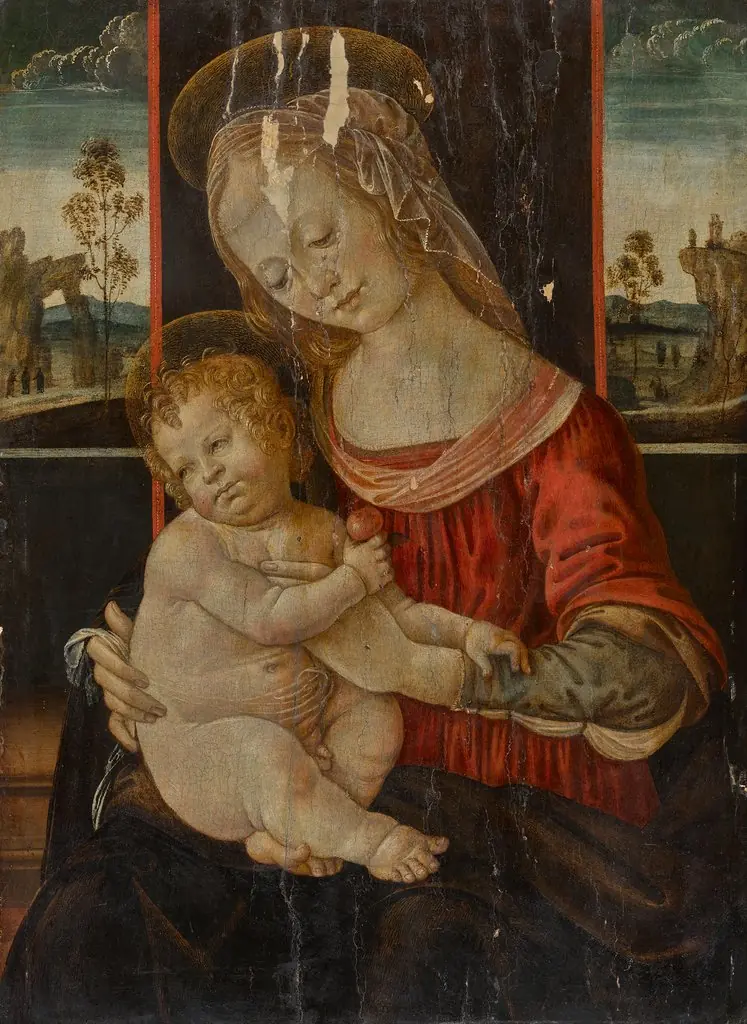
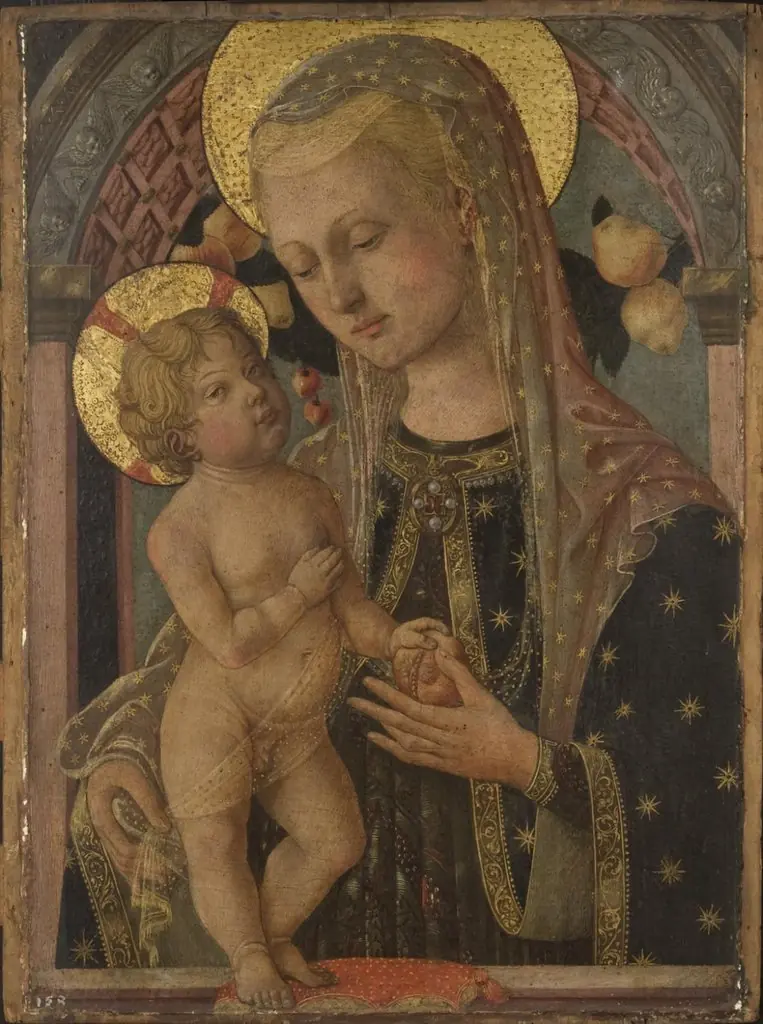
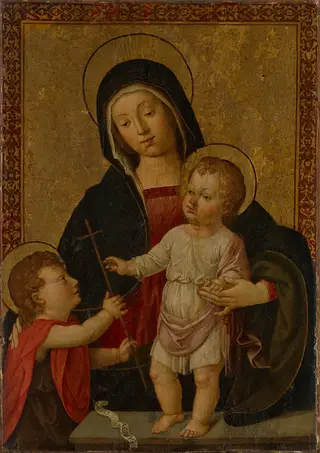
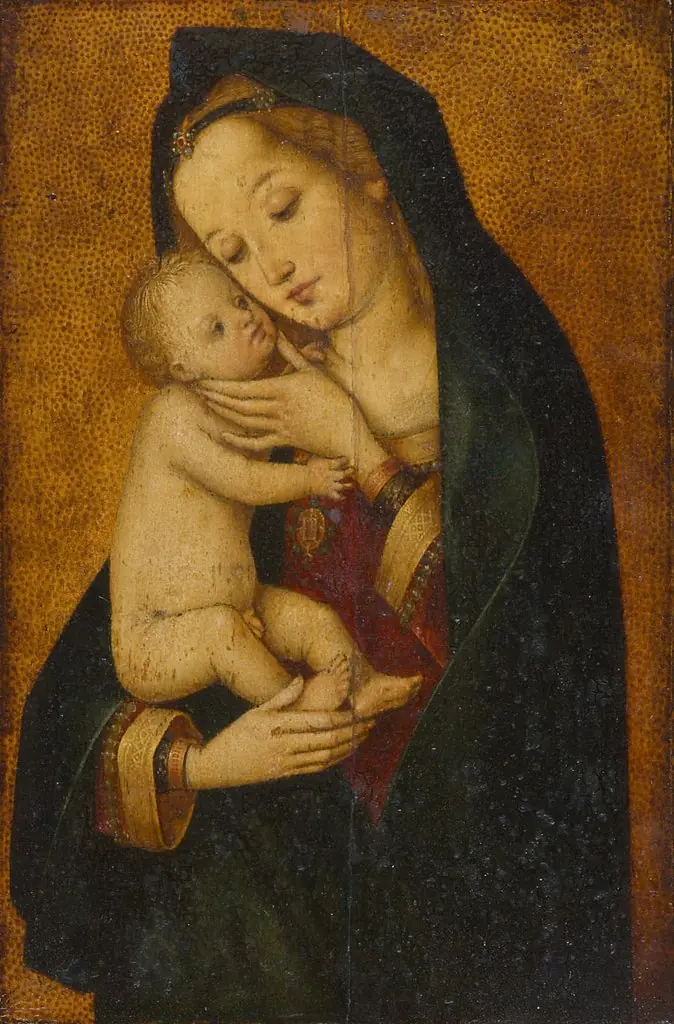
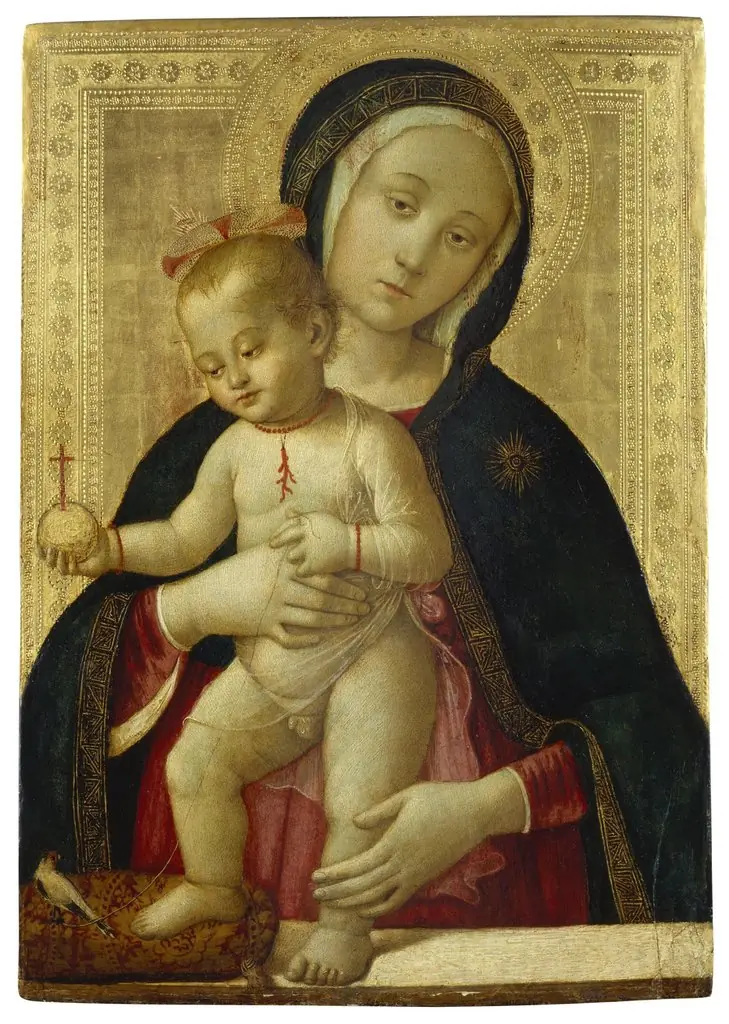
The painting depicts the Virgin Mary holding the Christ Child, a traditional subject in Christian art known as the Madonna and Child. Mary is shown as a maternal figure, seated and presenting the Christ Child, who is positioned at her side. Both figures are rendered in a religious context, emphasizing the sacred bond between mother and son central to Christian iconography.
The composition centers on the intimate relationship between the two, conveying themes of divine maternity and the Incarnation.
Technique & Style
Bartolomeo Montagna executed the Virgin and Child around 1500 using oil paint applied to a wooden panel support. The work measures 64 cm in height and 48.5 cm in width, presenting a devotional composition centered on the Madonna and Child. As a religious painting, the piece utilizes the oil medium to render the figures of Mary and the Christ Child with the formal qualities characteristic of early 16th-century devotional art.
History & Provenance
Bartolomeo Montagna painted the Virgin and Child in 1500, an oil on panel work depicting the Madonna and Child. The composition belongs to the religious genre and was created as a devotional image typical of early sixteenth‑century Italian art. According to the Rijksmuseum records, the painting has been part of the museum’s collection since its acquisition, currently displayed in Amsterdam.
Its dimensions measure 64 cm in height by 48.5 cm in width, confirming the scale of a small devotional panel. The work’s authorship is attributed to Montagna, whose activity in Venice is documented in contemporary sources.
Overview
Bartolomeo Montagna's Virgin and Child, created around 1500, is an oil painting from the Early Renaissance period. This religious work portrays the Virgin Mary with the infant Christ, a common theme for the artist. Montagna, an Italian painter active primarily in Vicenza, was known for his depictions of the Madonna and his attention to architectural elements, often drawing inspiration from Giovanni Bellini. The painting is currently part of the Rijksmuseum's collection.
Context
Bartolomeo Montagna was a significant figure in Italian Renaissance painting, particularly active in the city of Vicenza. His artistic output frequently included devotional images of the Virgin Mary, for which he gained considerable recognition. Montagna's style was notably shaped by the Venetian school, especially through the influence of Giovanni Bellini, a prominent master of the era.
This connection is evident in Montagna's treatment of light and form, which contributed to the visual language of the period.
Own this work as a print
Artist & collection

Artist
Bartolomeo (or Bartolommeo) Montagna (UK: , US: , Italian: ; 1450?– 11 October 1523) was an Italian Renaissance painter who mainly worked in Vicenza.