Artwork
Lot und seine Töchter
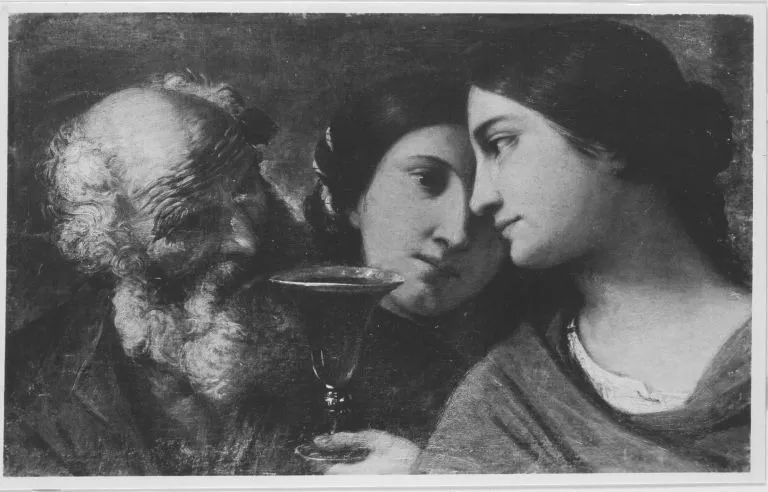
Lot und seine Töchter is an unspecified painting by the Early Baroque Italian artist Bartolomeo Schedoni. It dates from 1596 and is held in the collection of the Bavarian State Painting Collections.
About this work
Subject & Meaning
After the destruction of Sodom and Gomorrah, Lot flees with his two daughters, who fear that no men remain to continue their family line.
The painting depicts the biblical episode of Lot and his daughters, a narrative drawn from Genesis 19. After the destruction of Sodom and Gomorrah, Lot flees with his two daughters, who fear that no men remain to continue their family line. The work falls within the religious genre and treats this Old Testament subject as its main theme.
In Christian iconography, the scene carried a complex moral legacy: it was traditionally read as a warning against drunkenness and incestuous transgression, yet it was also interpreted typologically as preserving the lineage from which future generations, including the ancestors of the Israelites, would descend. By the late sixteenth century, Italian painters such as Schedoni approached the subject with a focus on intimate, emotionally charged encounters between the figures, emphasizing the psychological tension of the moment rather than overt moralizing symbolism.
The painting thus operates on two levels: as a narrative of survival and lineage, and as a meditation on human vulnerability and moral ambiguity in the wake of divine judgment.
History & Provenance
Lot und seine Töchter is a religious painting by Bartolomeo Schedoni dated to 1592. The work is held by the Bavarian State Painting Collections and is housed at the Alte Pinakothek. No information on commission, prior ownership, or chain of custody is documented in the available sources.
Legacy
The painting has been cited as an early example of Baroque narrative intensity, influencing later interpretations of biblical stories in Northern European art. Its composition informed subsequent treatments of Lot and his daughters in the 17th century, particularly in works that emphasized dramatic chiaroscuro and emotional tension. Art historians note its role in shaping the visual vocabulary of Old Testament subjects in German collections during the Baroque period.
The work's provenance through the Bavarian State Painting Collections has contributed to its scholarly visibility, with exhibitions at the Alte Pinakothek reinforcing its status as a representative piece of Counter-Reformation art. Contemporary assessments highlight its significance as a transitional work between Renaissance narrative painting and the more expressive Baroque style.
Overview
Bartolomeo Schedoni’s 1596 oil painting, titled Lot und seine Töchter, presents a quiet, intimate scene drawn from the biblical narrative of Lot and his daughters. Executed during the late‑Mannerist period, the work now belongs to the collection of the Alte Pinakothek in Munich, where it is displayed among other religious compositions of the era.
Technique & Style
Schedoni employs a pronounced chiaroscuro, setting the figures against a deep, shadowed backdrop that isolates their illuminated faces. The contrast of light and dark heightens the texture of the fur collar and the simple dress, while the careful modeling of the hands and the glass cup conveys a palpable sense of stillness and concentration.
Artist & collection

- Lot und seine Töchter
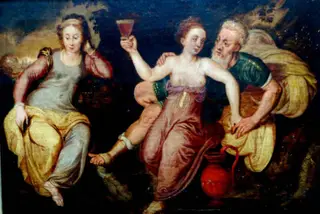 Loth și fiicele sale
 Christus und die Samariterin
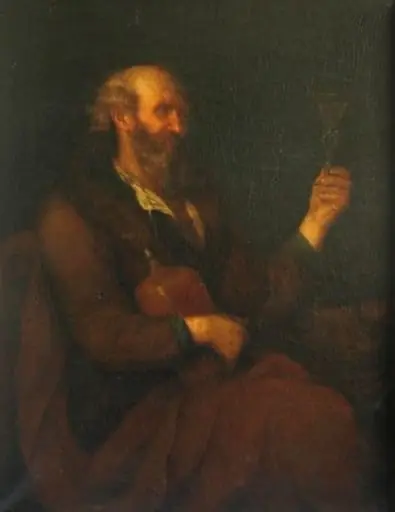 Bătrân chel
 Allegorie der Befreiung vom Joch des Islam (Frieden und Glück unter Johann Wilhelm von der Pfalz)
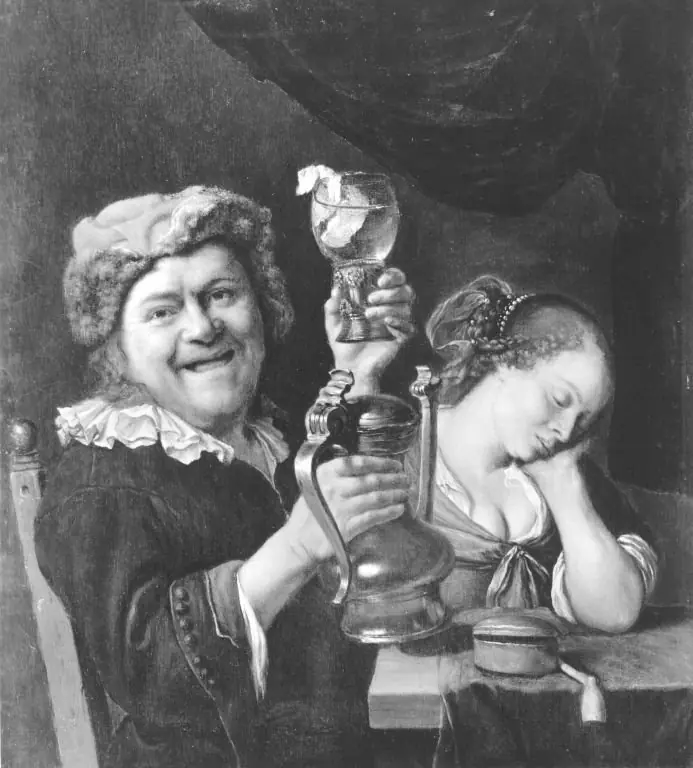 Genrebild (?)
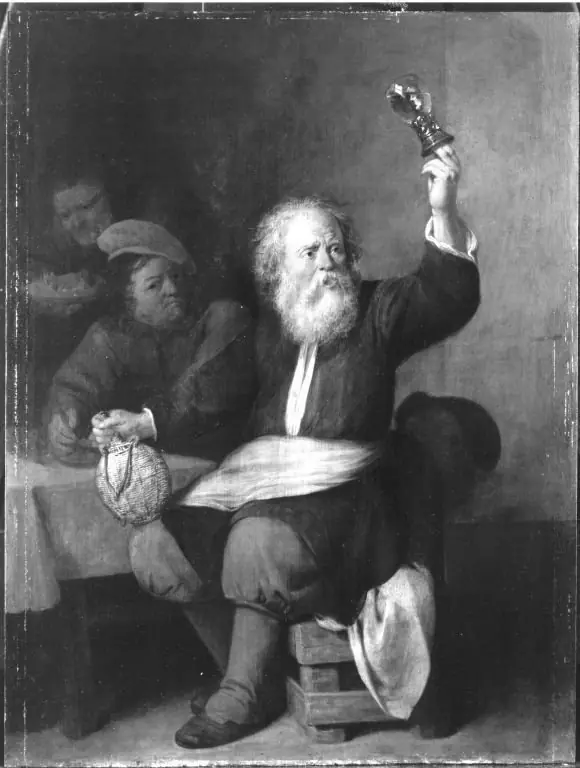 Lustige Zecher
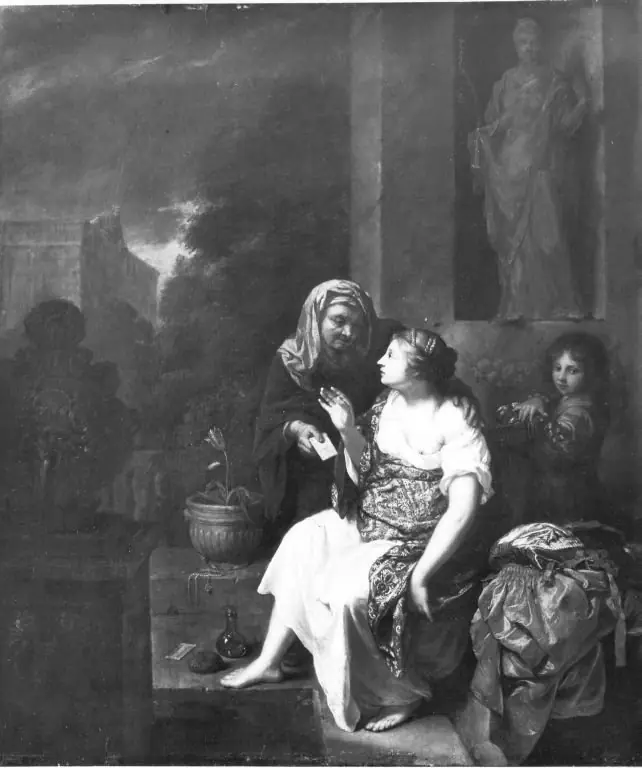 Bathseba erhält den Brief König Davids
 Et ungt fruentimmer i blå kjole, samtaler med en gammel mand
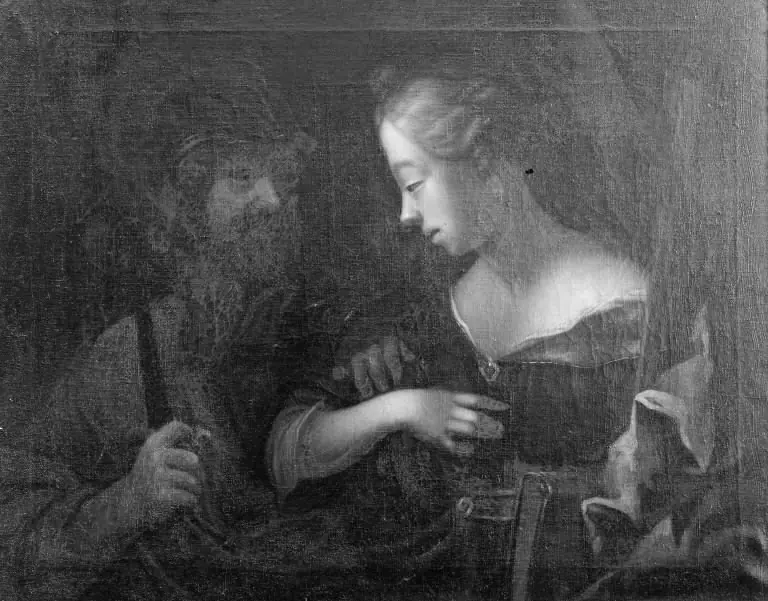 Et ungt fruentimmer i blå kjole, samtaler med en gammel mand
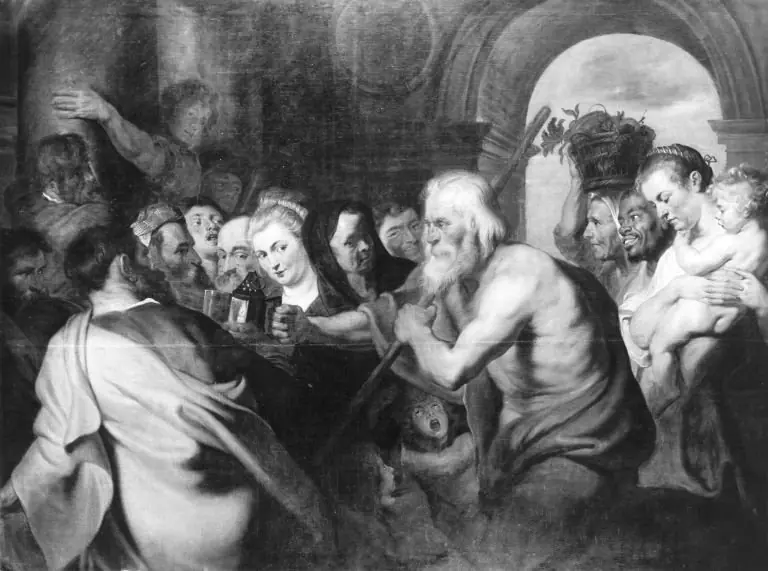 Diogenes seeking a True Man
 Tre personer ved et bord