Artwork
The Death of Regulus
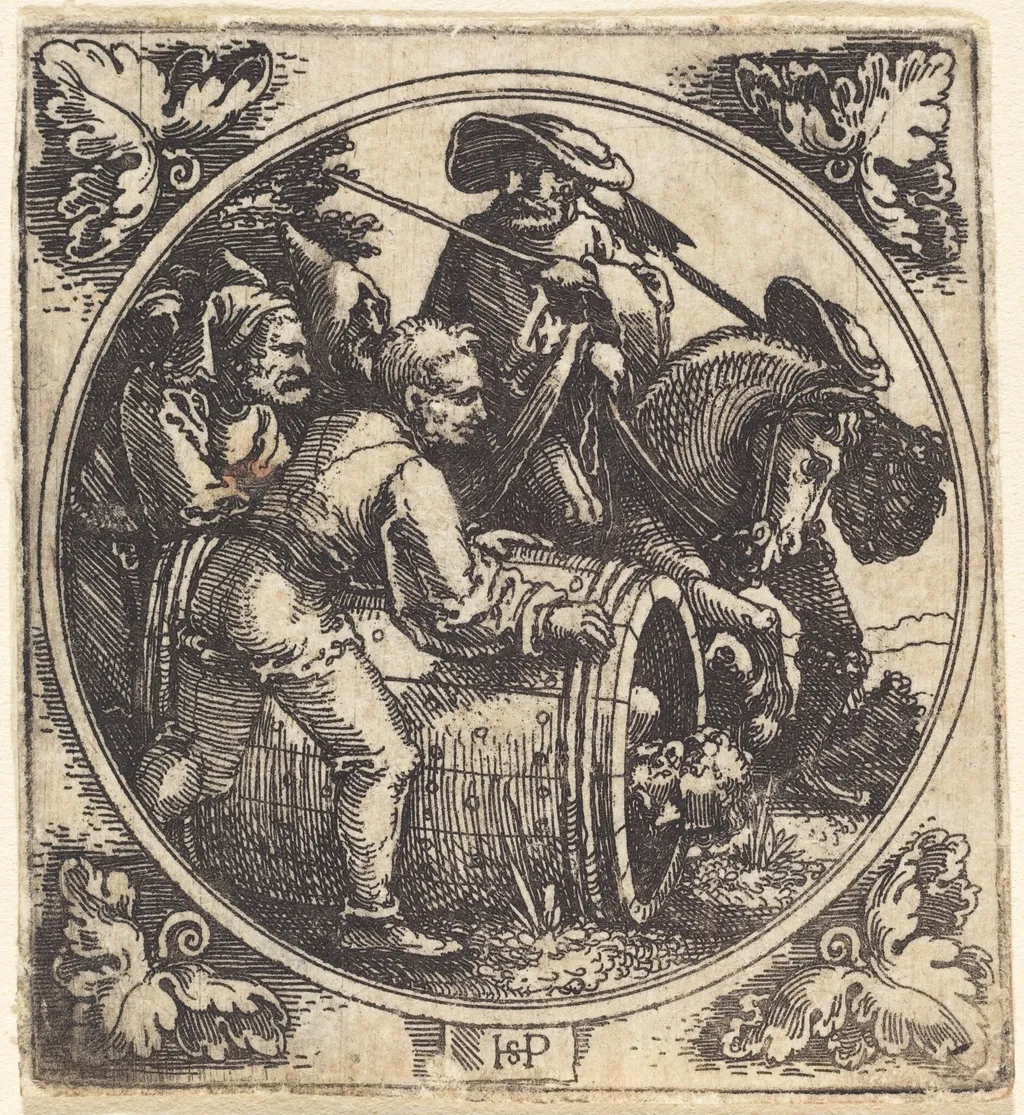
The Death of Regulus is an ink print by the Renaissance artist Sebald Beham. It dates from 1526 and is held in the collection of the National Gallery of Art.
About this work
Overview
Known among contemporaries as one of the 'Little Masters' for his precision in minute compositions, Beham worked primarily in etching, engraving, and woodcut.
Sebald Beham, a German artist of the early 1500s, produced this etching around 1526 as part of his extensive output in small-scale prints. Known among contemporaries as one of the 'Little Masters' for his precision in minute compositions, Beham worked primarily in etching, engraving, and woodcut. This piece exemplifies his technical finesse and engagement with classical narratives, rendered in fine linear detail characteristic of Northern Renaissance printmaking.
Subject & Meaning
The scene illustrates the Roman consul Marcus Atilius Regulus, who, after being captured by Carthage, was sent back to Rome to negotiate peace. Bound and standing before an archway, he chooses to return to his captors, knowing he will be executed. The figures on either side, holding sword and shield, suggest his Carthaginian tormentors.
His upward gaze implies resignation or divine appeal, transforming the moment into a moral testament of duty over survival.
Technique & Style
Beham employed etching to achieve fine, controlled lines that define texture and form with remarkable clarity. The architecture and drapery are rendered with meticulous attention to detail, while subtle shading enhances depth without heavy ink washes. The composition is tightly framed, focusing attention on Regulus’s stillness amid the tension of surrounding figures. The background cityscape, though simplified, anchors the scene in a recognizable classical setting.
History & Provenance
Created during Beham’s most active period in Nuremberg, the print circulated among collectors and artists familiar with humanist themes. Though no early ownership records are widely documented, its survival in multiple museum collections suggests it was valued for its technical mastery and moral subject matter. It reflects the broader 16th-century European interest in classical antiquity as a vehicle for ethical reflection.
Context
In the early 1520s, German artists increasingly turned to classical history to explore virtue, sacrifice, and civic duty, often in response to religious and political upheaval. Beham’s choice of Regulus aligns with humanist ideals promoted in Nuremberg’s intellectual circles. His small-format prints were accessible to a growing literate middle class, making such moral tales widely visible beyond elite audiences.
Legacy
Beham’s etching contributed to the tradition of narrative printmaking in Northern Europe, influencing later artists who used classical stories to convey psychological and ethical complexity. Though not widely reproduced in later centuries, its technical precision and thematic gravity ensured its place in scholarly studies of Renaissance print culture and the visual representation of Roman virtue.
Own this work as a print
Artist & collection
Artist
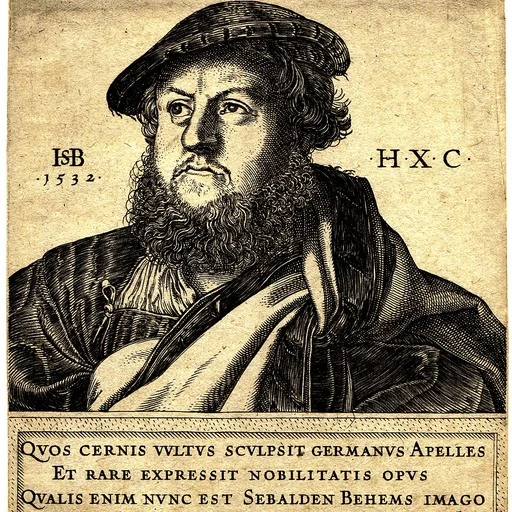
Sebald Beham (1500–1550) was a German painter and printmaker, mainly known for his very small engravings.


- Industrie chinoise
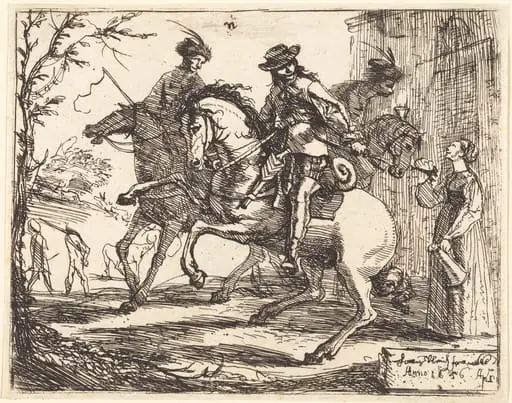 Three Riders before an Inn
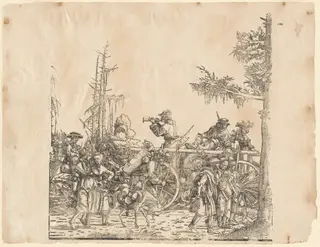 Peasants with a Cart
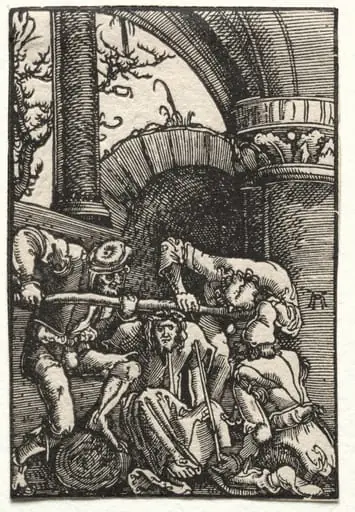 The Fall and Redemption of Man: Christ Crowned with Thorns
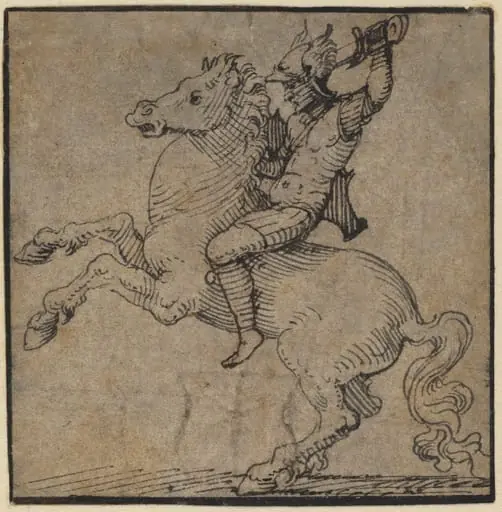 Warrior in Renaissance Armor on a Rearing Horse
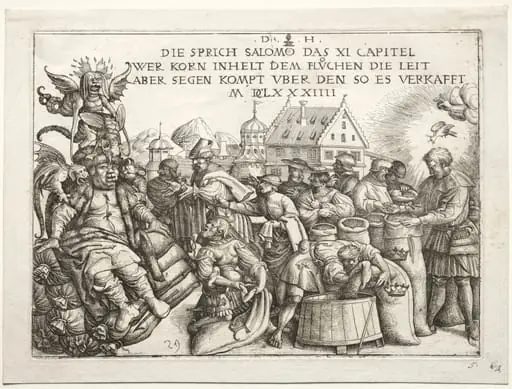 Illustration to proverbs XI (The Hoarders of Grain)
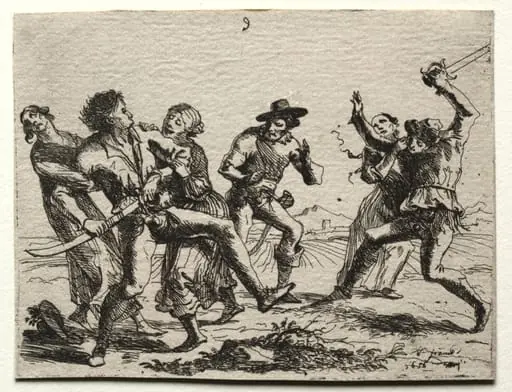 Military Subjects: A Quarrel
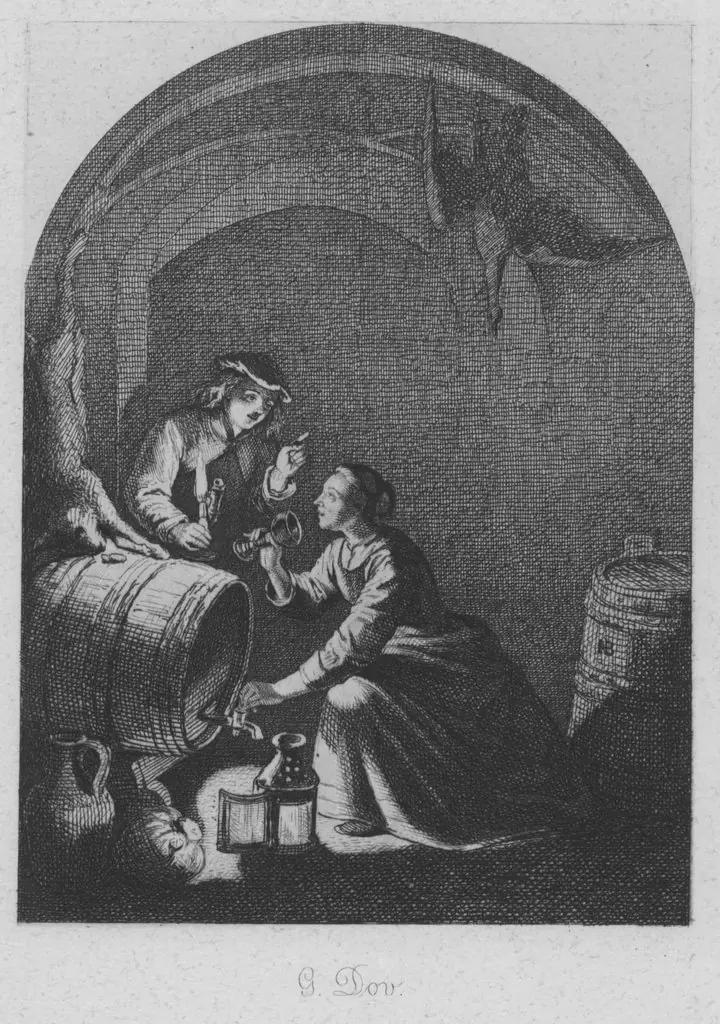 In the Wine Celler (The Surprise)
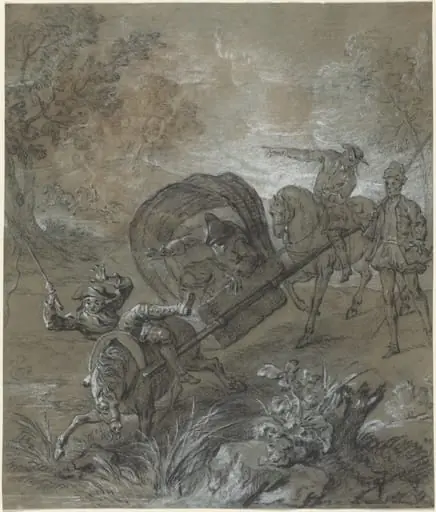 La Rancune en brancard, abattu dans le bourbier
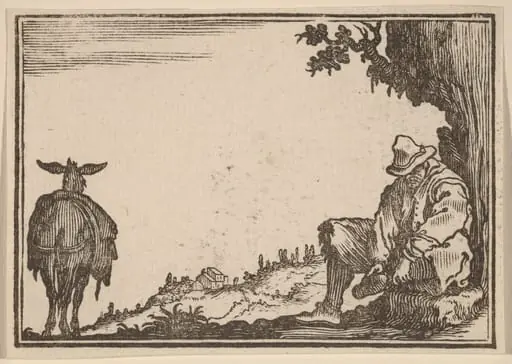 Peasant Removing His Shoe
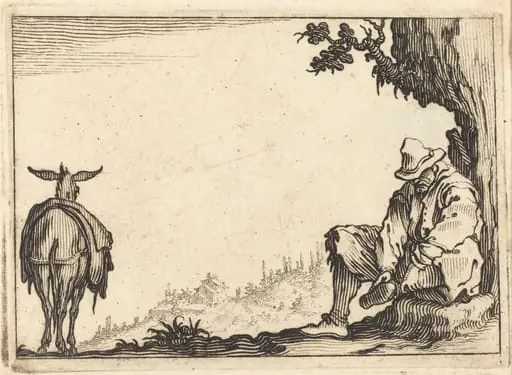 Peasant Removing His Shoe
 Riding School