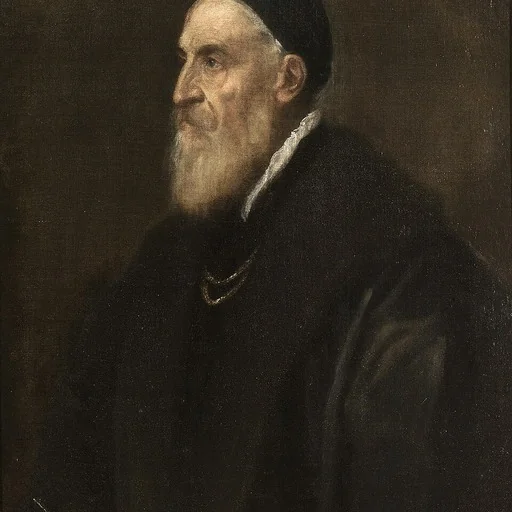
Subject
Sword
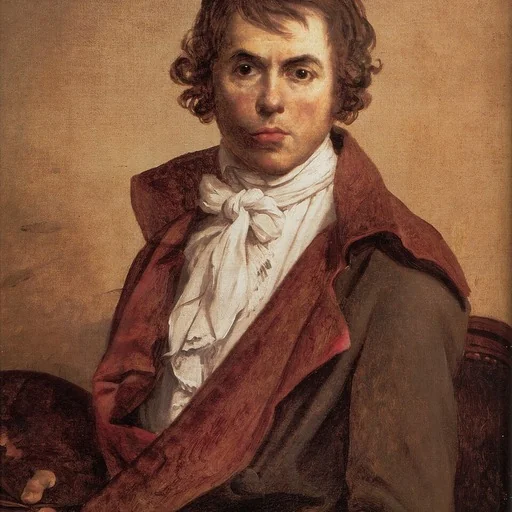
Sword is a subject in art. The gallery holds 200 works in this subject in art, including works by Titian, Paolo Veronese and Jacques-Louis David.
Few objects have carried so much meaning in Western art as the sword. As an artifact it emerged in the Bronze Age, differentiating from the dagger around 1600 BCE when smiths in the Middle East learned to cast long leaf-shaped blades, first in arsenical copper, then in tin-bronze; truly long, reliable blades had to wait for the steel metallurgy of the medieval period. From the start the form was simple and legible—a straight or curved blade longer than a knife's, fixed to a hilt, sharpened for the cut or pointed for the thrust—and that very legibility made it an irresistible sign. In painting and sculpture the sword rarely stays a mere weapon: it becomes the attribute by which a figure is known and the emblem of an idea.
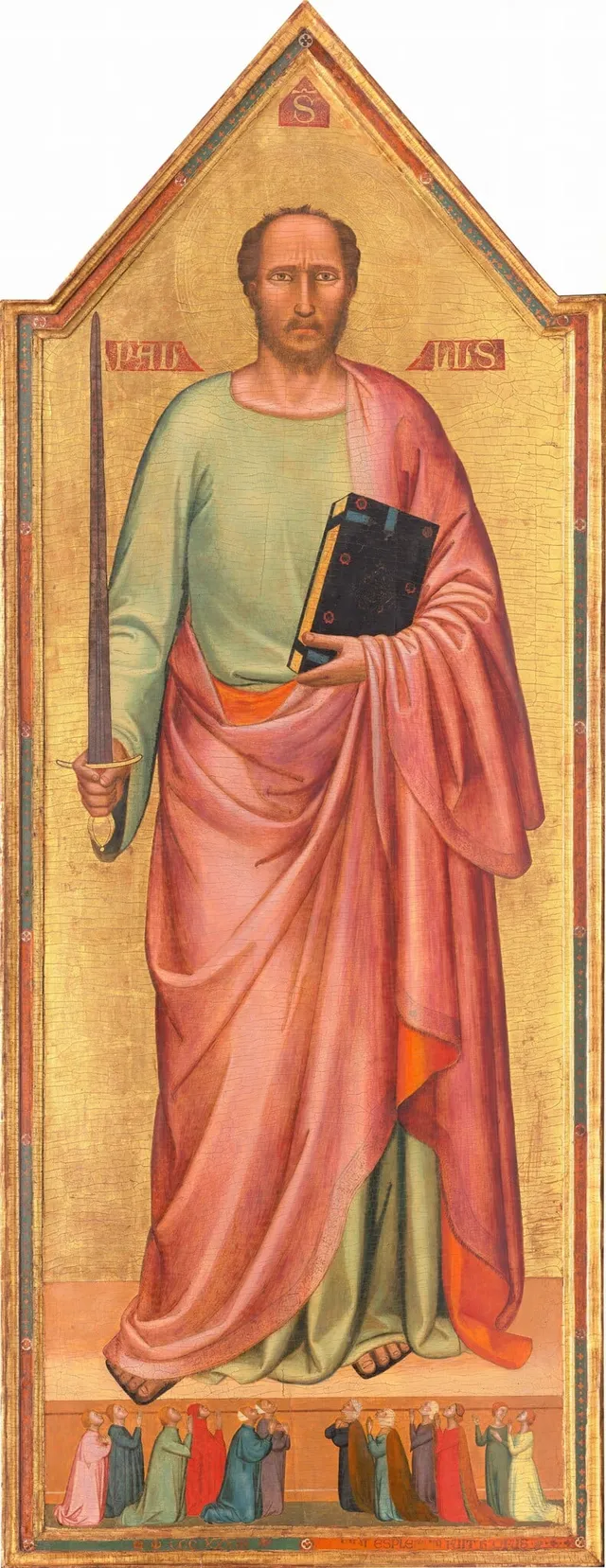
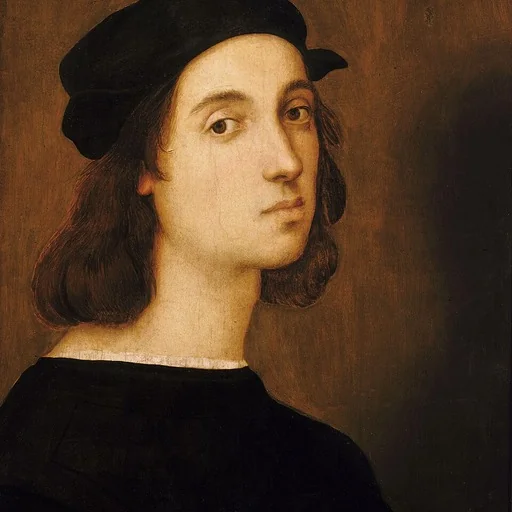
Christian iconography codified this most rigorously. Saint Paul is identified by the sword of his martyrdom and, by extension, the "sword of the Spirit" of his Epistle to the Ephesians; Bernardo Daddi's Saint Paul and a Group of Worshippers shows the apostle so equipped. Saint George brandishes his blade over the dragon as the triumph of good over evil, as in Raphael's small, electric Saint George and the Dragon (c. 1504–06). The Archangel Michael and the personified Justice both wield the sword as the instrument of judgment, paired with scales—Michael's flaming and divine, Justice's double-edged to cut for or against any party.
A second, secular tradition treats the sword as a token of war, sovereignty, and even its renunciation. Paolo Veronese's Venus and Mars (1570s) lays the war-god's sword aside so that love may conquer strife, the chivalric ideal of courage tempered by romance. Jacques-Louis David's The Emperor Napoleon in His Study at the Tuileries (1812) leaves the sword sheathed beside a ruler who governs by the pen, the Code Napoléon, not the blade.
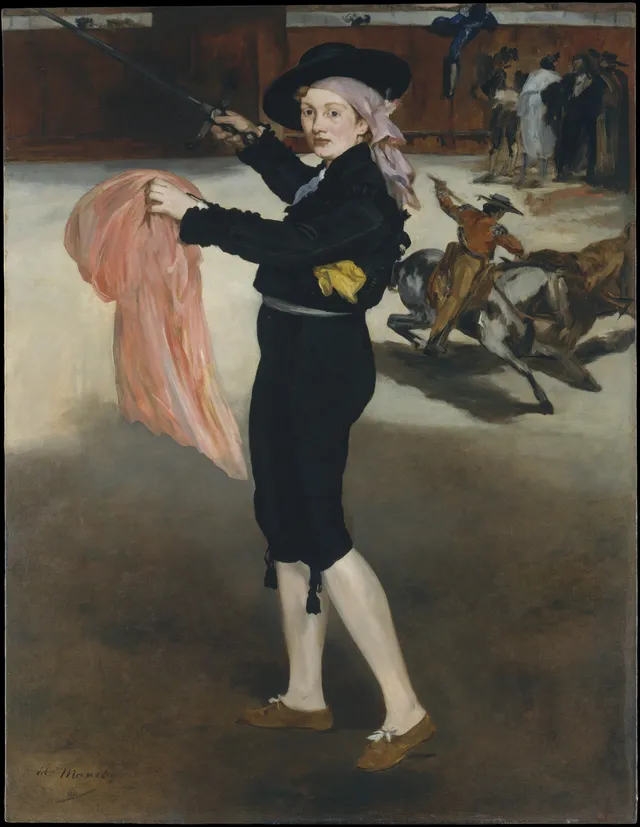
The nineteenth century turned the motif theatrical and ambiguous. Édouard Manet, steeped in Spain and in Goya, posed his model Victorine Meurent as a matador in Mademoiselle V. . . in the Costume of an Espada (1862), sword raised to kill a bull she could never fight, and laid a fallen fighter's blade at his feet in The Dead Toreador. In Manet's hands the sword's old certainties—faith, justice, valor—dissolve into costume, performance, and modern doubt, completing the object's long passage from forge to symbol.
Key artists
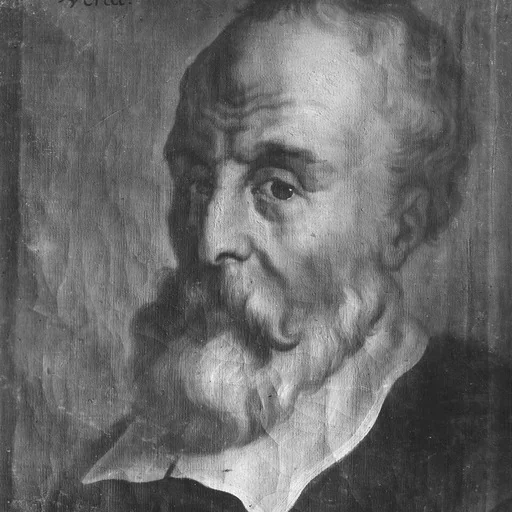
Overview
A sword is an edged, bladed weapon designed for manual cutting or thrusting. Distinguished from knives and daggers by its longer blade, which is attached to a hilt and can be straight or curved, the sword has served not only as a tool of combat but also as a potent symbol of status and power throughout history. The weapon developed during the Bronze Age, evolving from the dagger as metallurgical advances allowed for longer, more rigid blades. Because of the specialized knowledge and labor required to forge blades that were simultaneously flexible, lightweight, and capable of holding a sharp edge, swords often represented the pinnacle of a culture's craftsmanship. This combination of martial utility and elite craftsmanship established the sword as a recurring subject in art, where it functions as both a historical artifact and a visual signifier of authority.
Iconography & meaning
Beyond its practical function, the sword carries deep symbolic weight as an attribute of power, prestige, and martial virtue. As the first weapon developed specifically for close combat between humans, it became inextricably linked to the warrior elite. Its high cost and complex production, whether casting bronze or forging iron, made it a privilege of the aristocracy, a status reflected in its frequent deposition in the tombs of important figures. In art, the sword signals authority, military command, and noble birth. It serves as the defining attribute of saints, such as Saint George and Saint Paul, and military leaders like Napoleon. It also conveys chivalric or ceremonial identity, as seen in depictions of toreros and aristocratic sitters. The weapon's form further dictates its symbolic resonance: the straight, thrusting sword is often associated with precision and dueling, while the curved slashing blade evokes the cavalry and the battlefield.
Across movements & periods
The treatment of the sword in visual and material culture shifted alongside its technological and social evolution. In antiquity, the bronze sword was a rare prestige object, often inlaid with silver and featuring elaborately crafted hilts with aesthetic elements like false rivets. During the Late Roman period, the longer spatha emerged, eventually evolving into the Migration Period sword and, by the High Middle Ages, the classical arming sword with a crossguard, a form that became the emblematic weapon of the medieval knight. As western sword design diverged in the early modern period, the slender thrusting rapier and smallsword replaced heavier blades in civilian and dueling contexts, while the curved sabre dominated the battlefield. This divergence is reflected in art, where the heavy arming sword gives way to the elegant smallsword in formal portraiture, and the sabre signifies military command in Napoleonic and later historical scenes.
Legacy
Although the sword lost its practical military significance with the advent of modern firearms, its symbolic resonance remains undiminished. Sabres continued to see battlefield use into the early twentieth century, and variants were even repurposed as jungle machetes during the Pacific War. In the modern era, the sword's legacy persists most visibly in the sport of fencing, which directly descends from the dueling techniques of the early modern rapier and smallsword. Culturally, the weapon's long association with aristocratic virtue, martial skill, and executive power has cemented its place as a perennial icon in art, literature, and ceremony, ensuring its recognition far beyond its original functional context.
Works
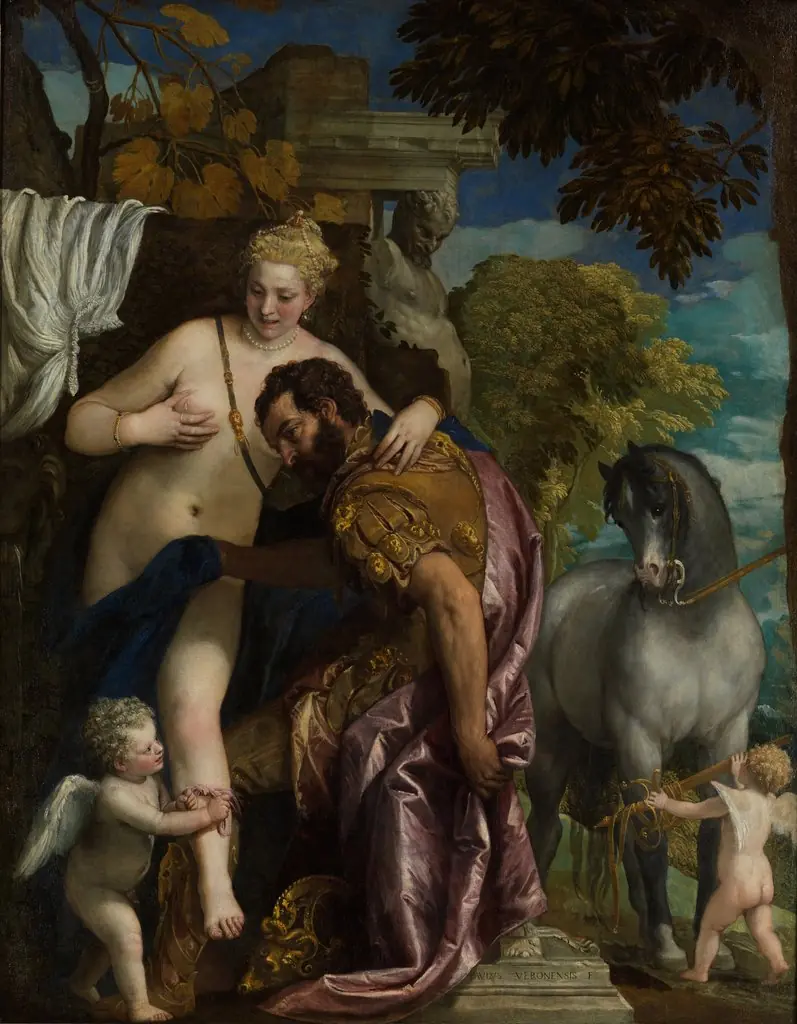 Venus and Mars
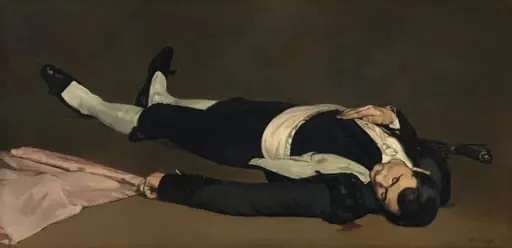 The Dead Toreador
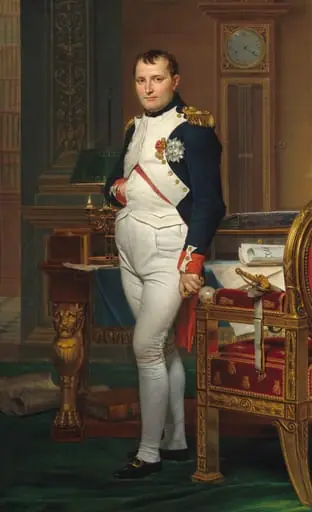 The Emperor Napoleon in His Study at the Tuileries
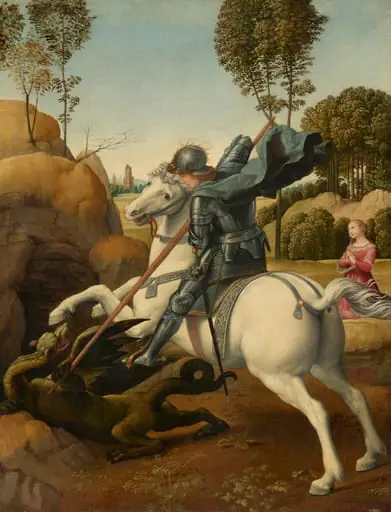 Saint George and the Dragon
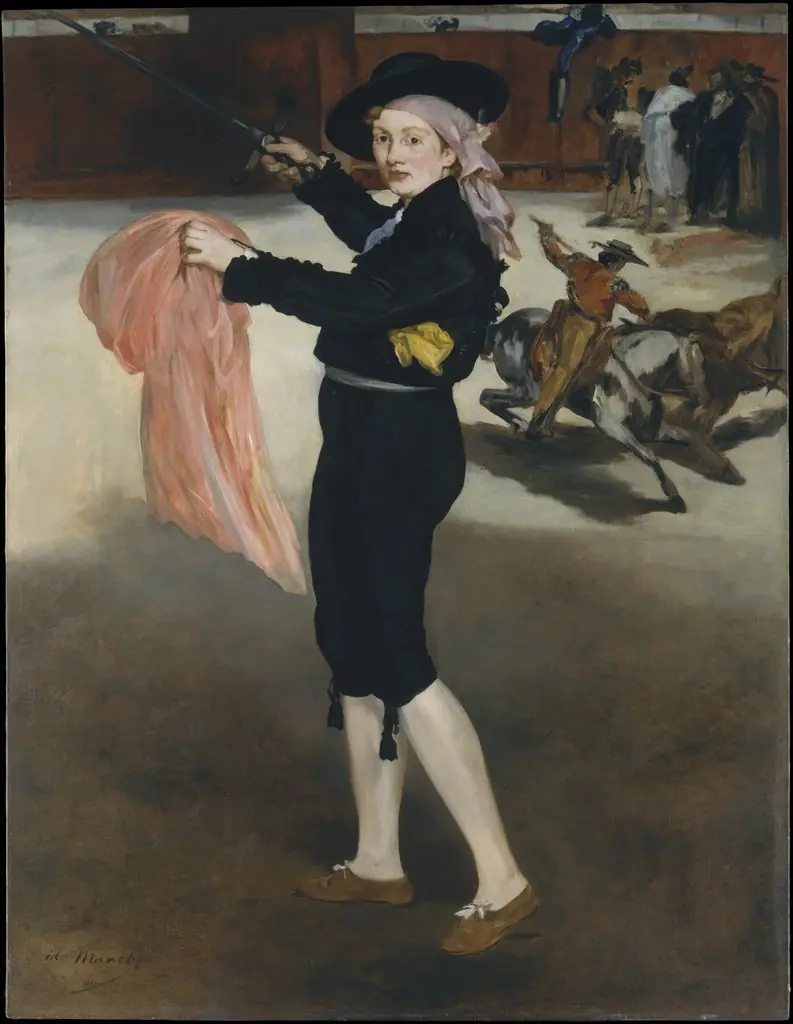 Mademoiselle V. . . in the Costume of an Espada
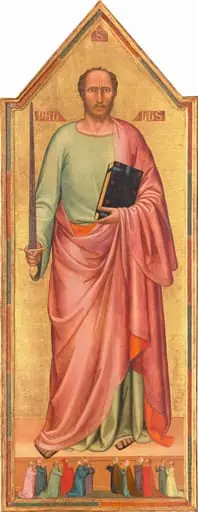 Saint Paul and a Group of Worshippers
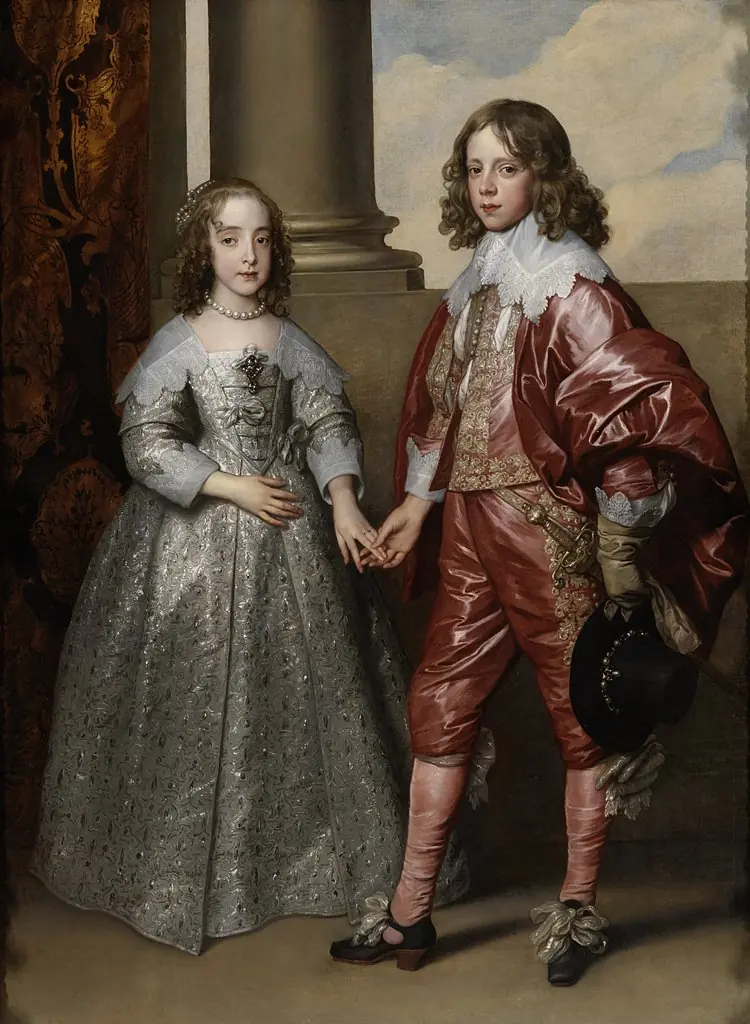 William II, Prince of Orange, and his Bride, Mary Stuart
 1807, Friedland
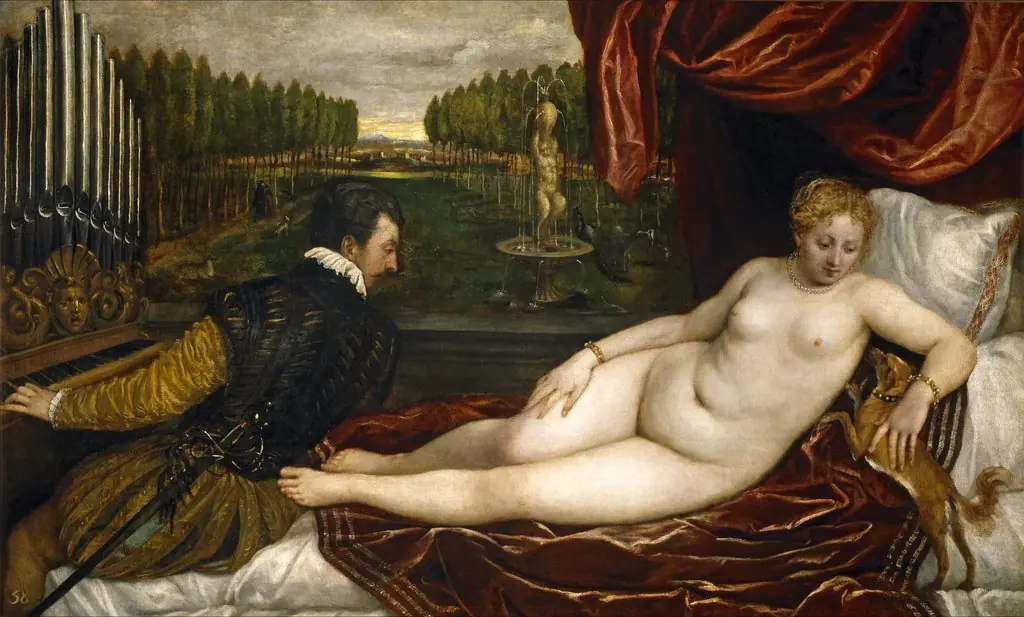 Venus and Music
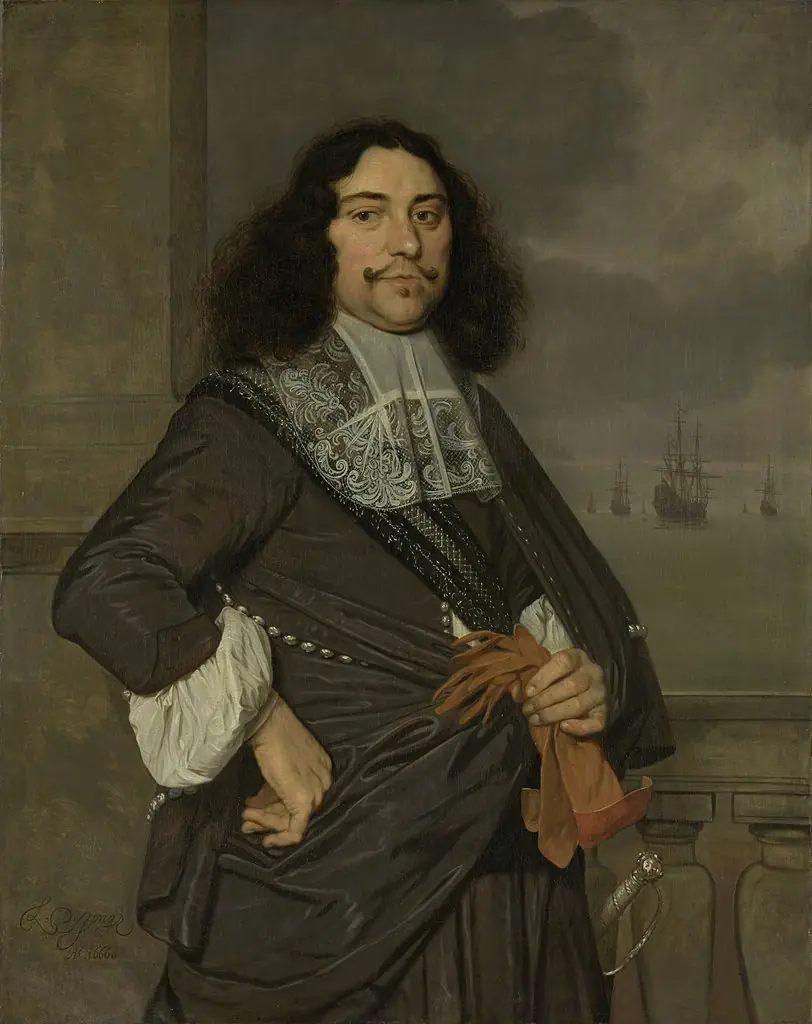 Portrait of Jan van Nes (1631-80). Vice admiral of Holland and West-Friesland
 Untitled
 Prussian Homage
 Matthew Clarkson
 初代嵐橘三郎 (二代目嵐吉三郎) の惟高親王|The Actor Arashi Kitsusaburō I (Kichisaburō II) as Prince Koretaka
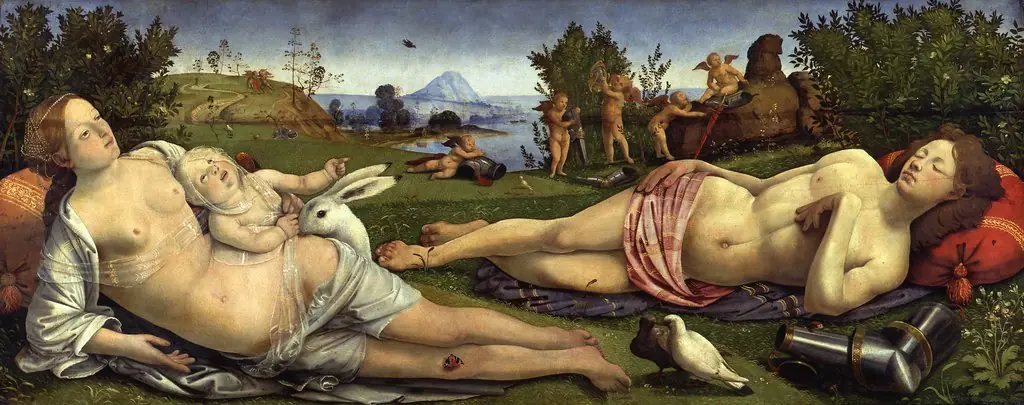 Venus, Mars and Cupid
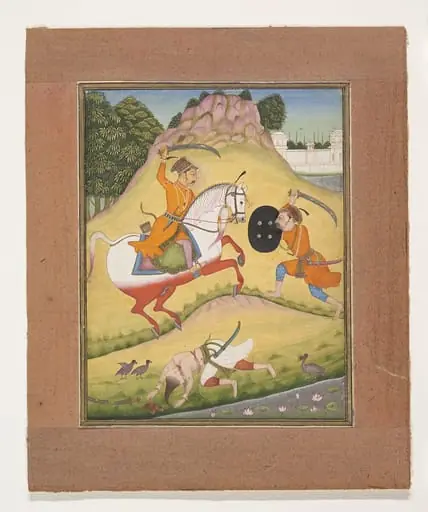 Untitled
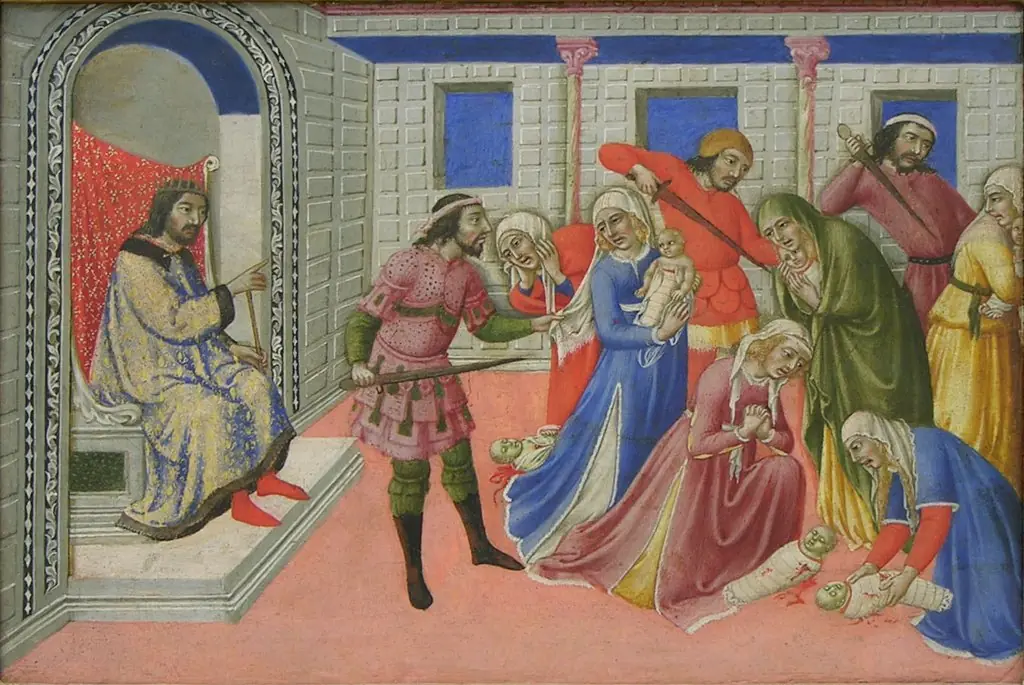 The Massacre of the Innocents
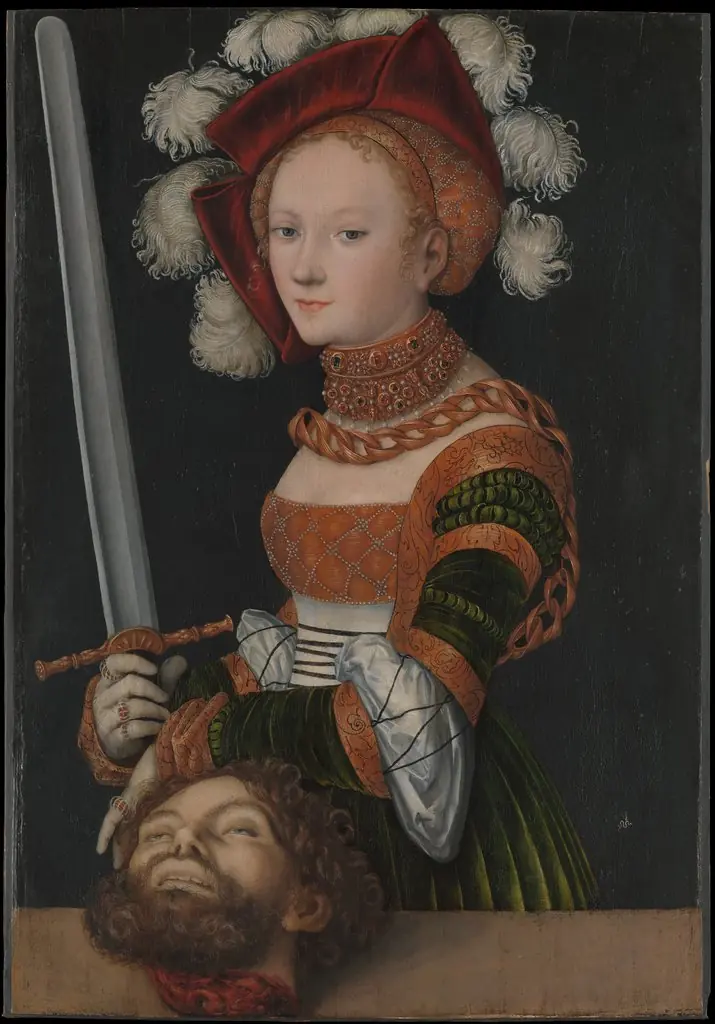 Judith with the Head of Holofernes
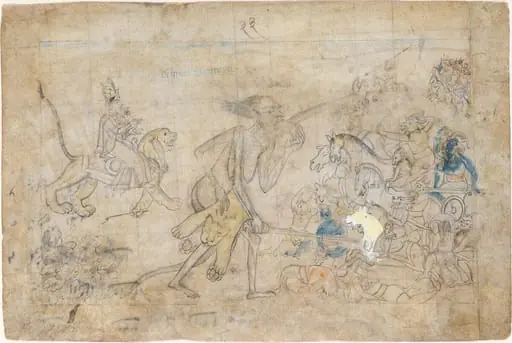 Untitled
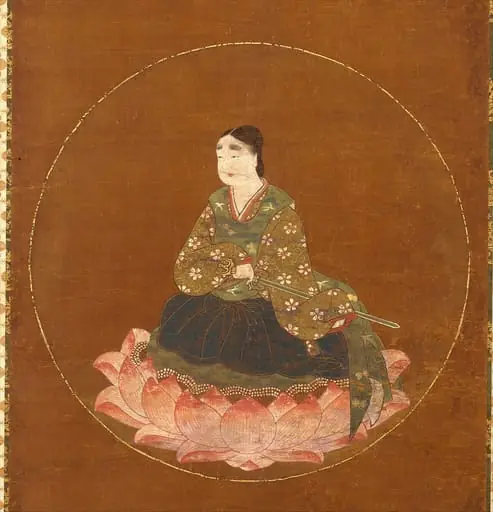 春日若宮曼荼羅|Mandala of Wakamiya of Kasuga Shrine (Kasuga wakamiya mandara)
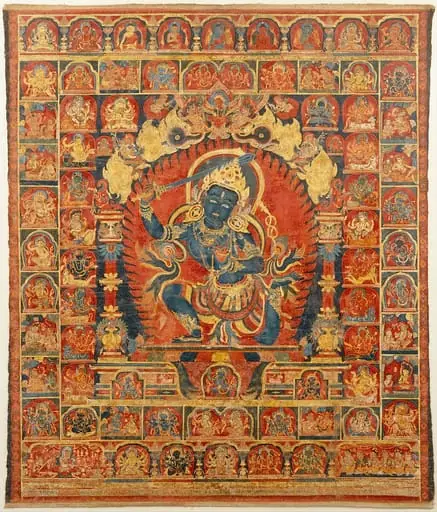 Untitled
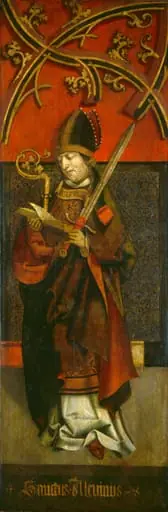 Saint Alcuin
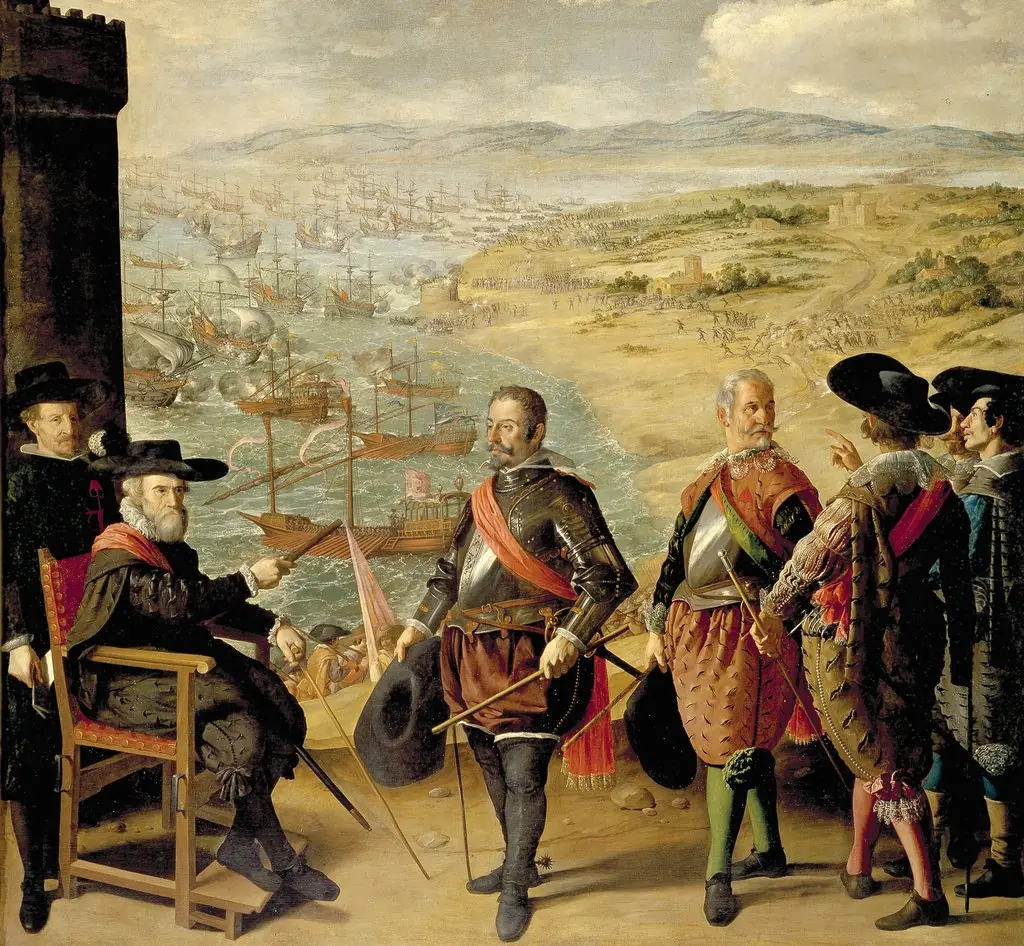 The Defense of Cadiz Against the English
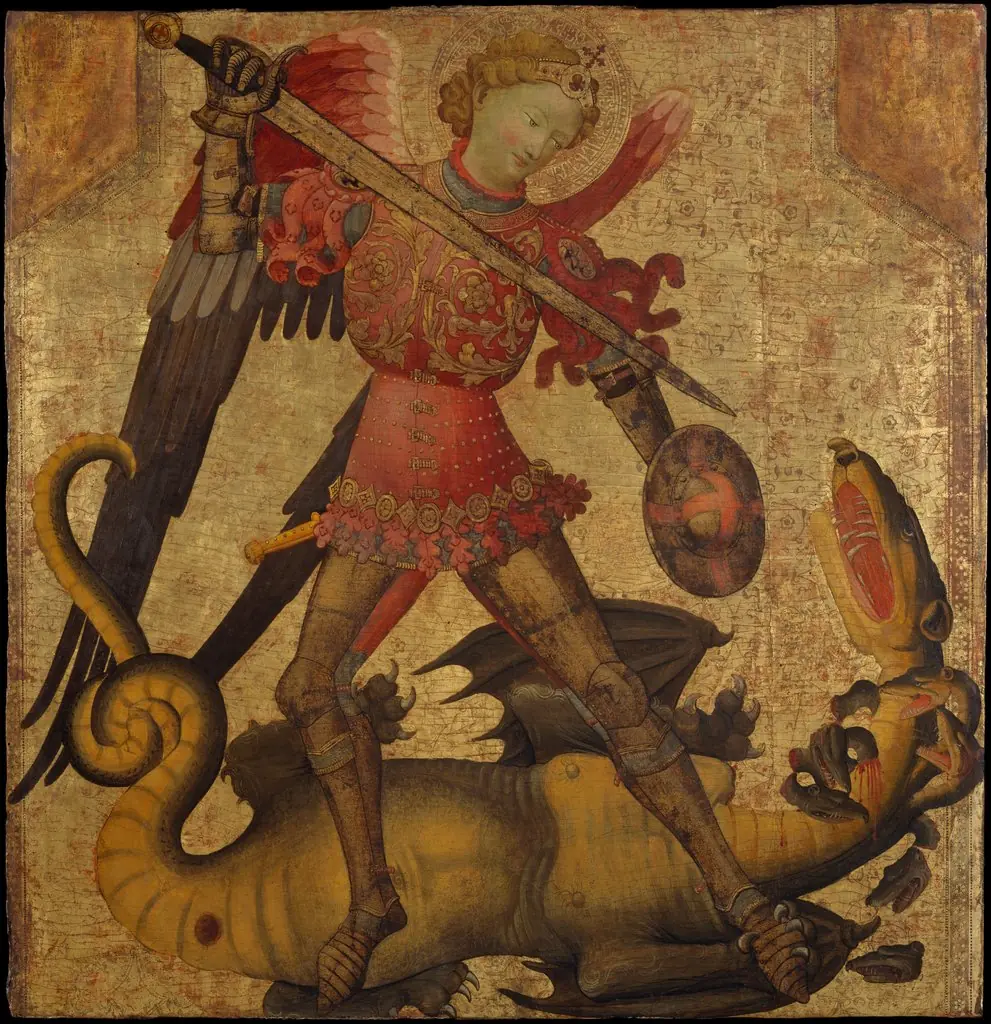 Saint Michael and the Dragon
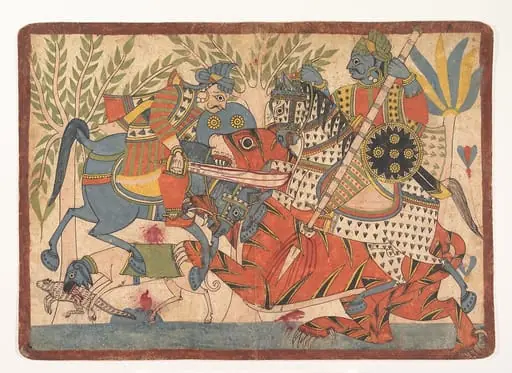 Untitled
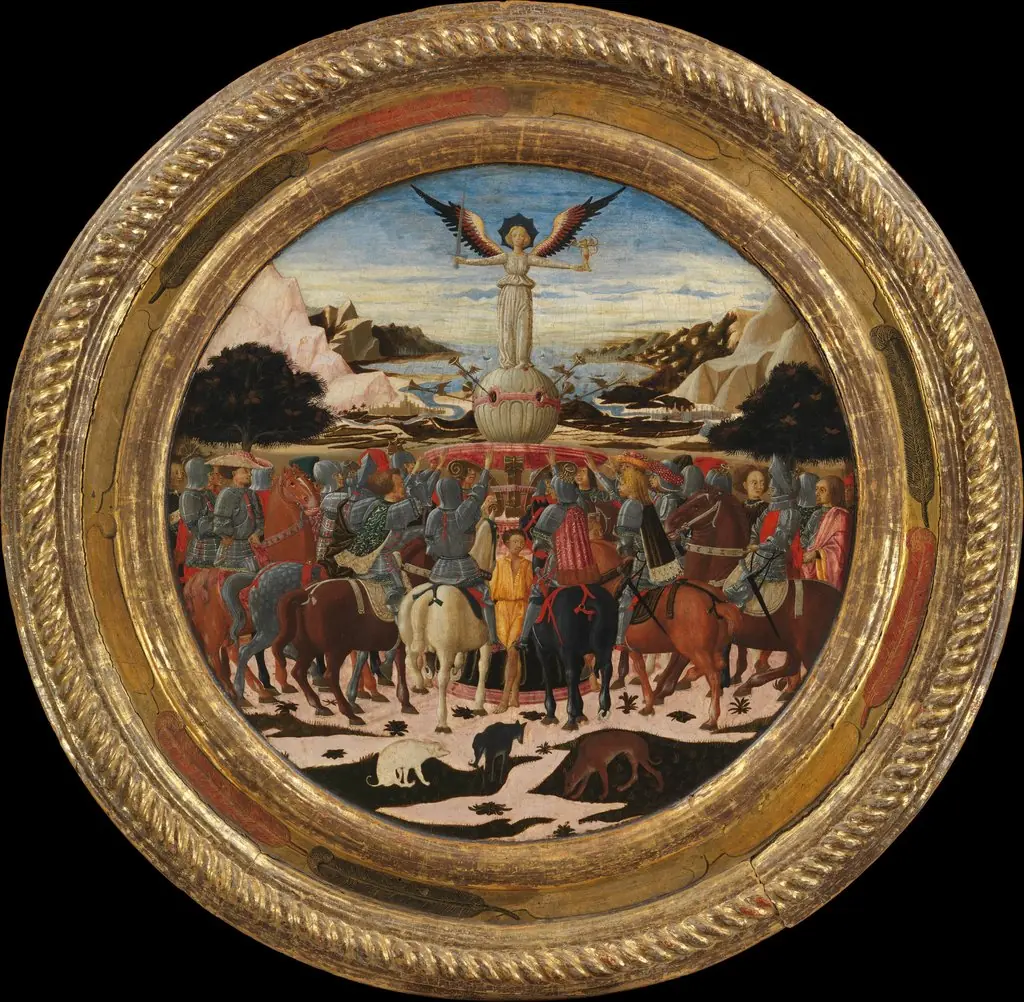 The Triumph of Fame
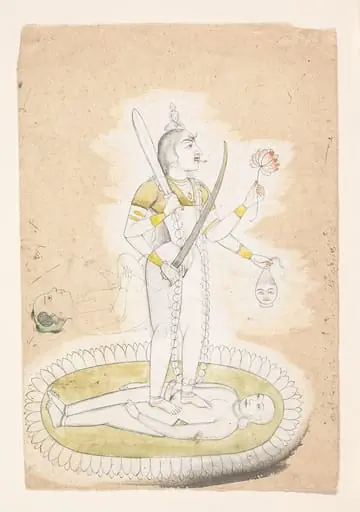 Untitled
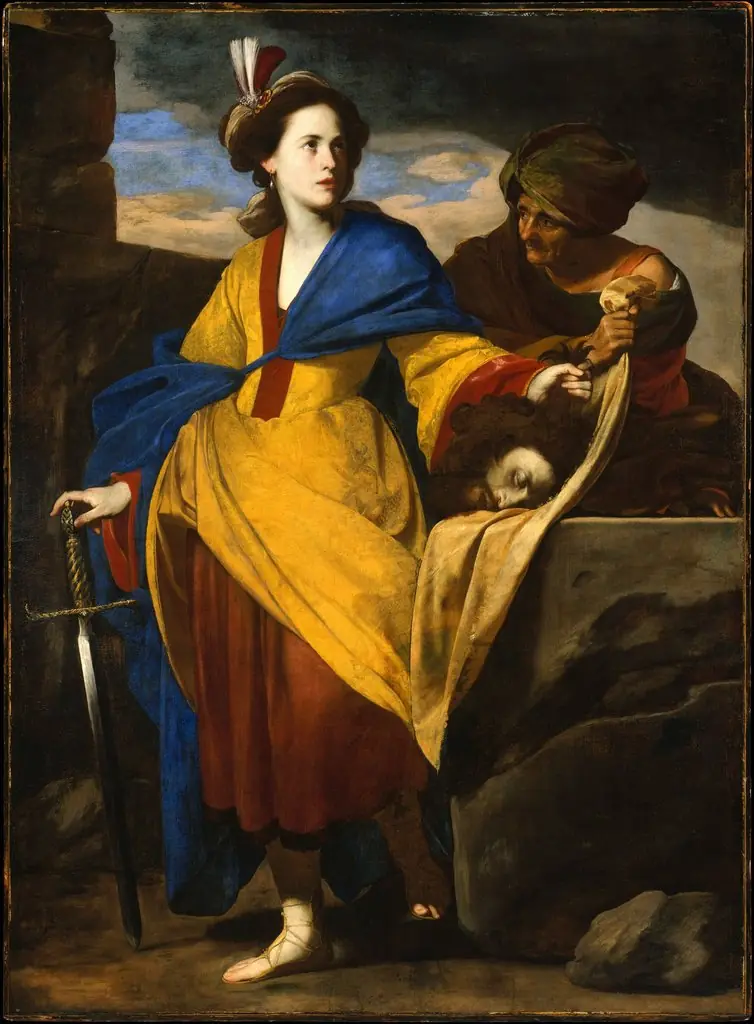 Judith with the Head of Holofernes
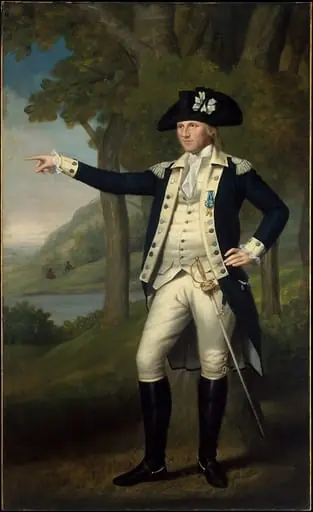 Marinus Willett
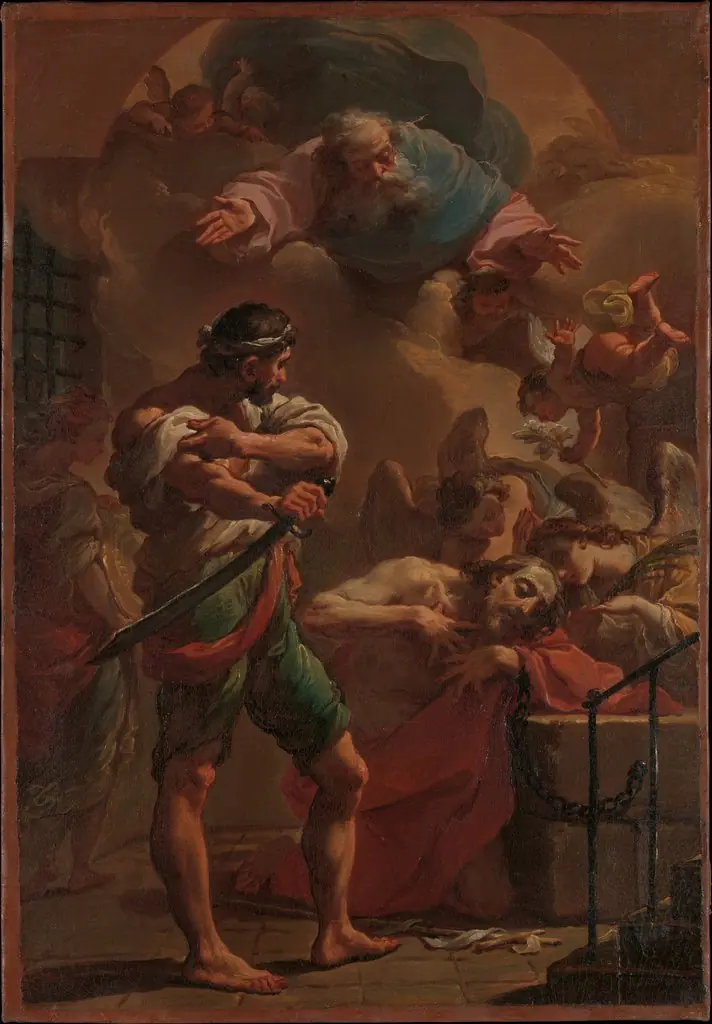 The Execution of Saint John the Baptist
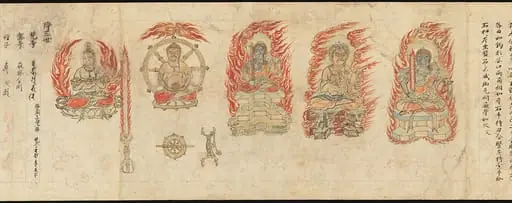 『図像抄』〈十巻抄〉明王部諸尊|Iconographic Drawings of the Five Kings of Wisdom (Myōō-bu shoson)
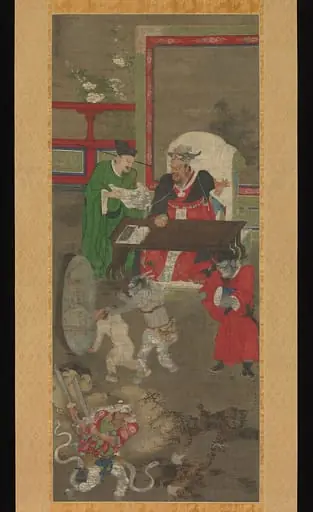 金處士筆 十王図の内|Ten Kings of Hell
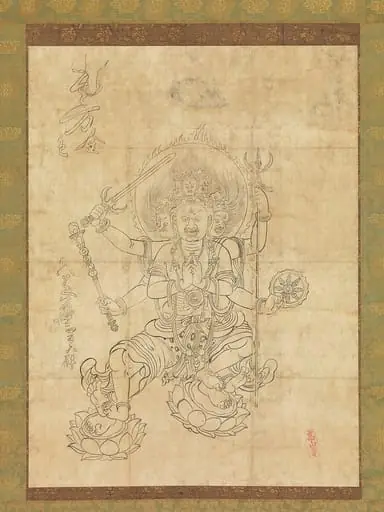 大威徳明王|Daiitoku Myōō
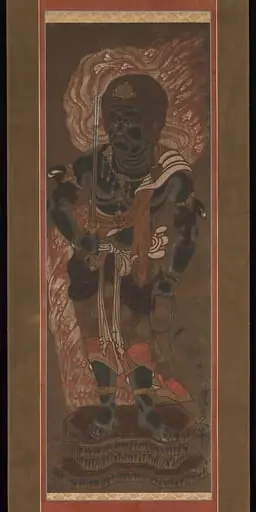 龍湫周沢写 不動明王二童子像|Fudō Myōō and Two Attendants
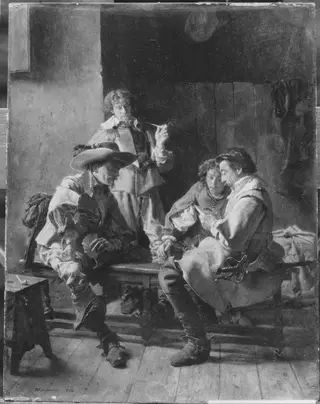 The Card Players
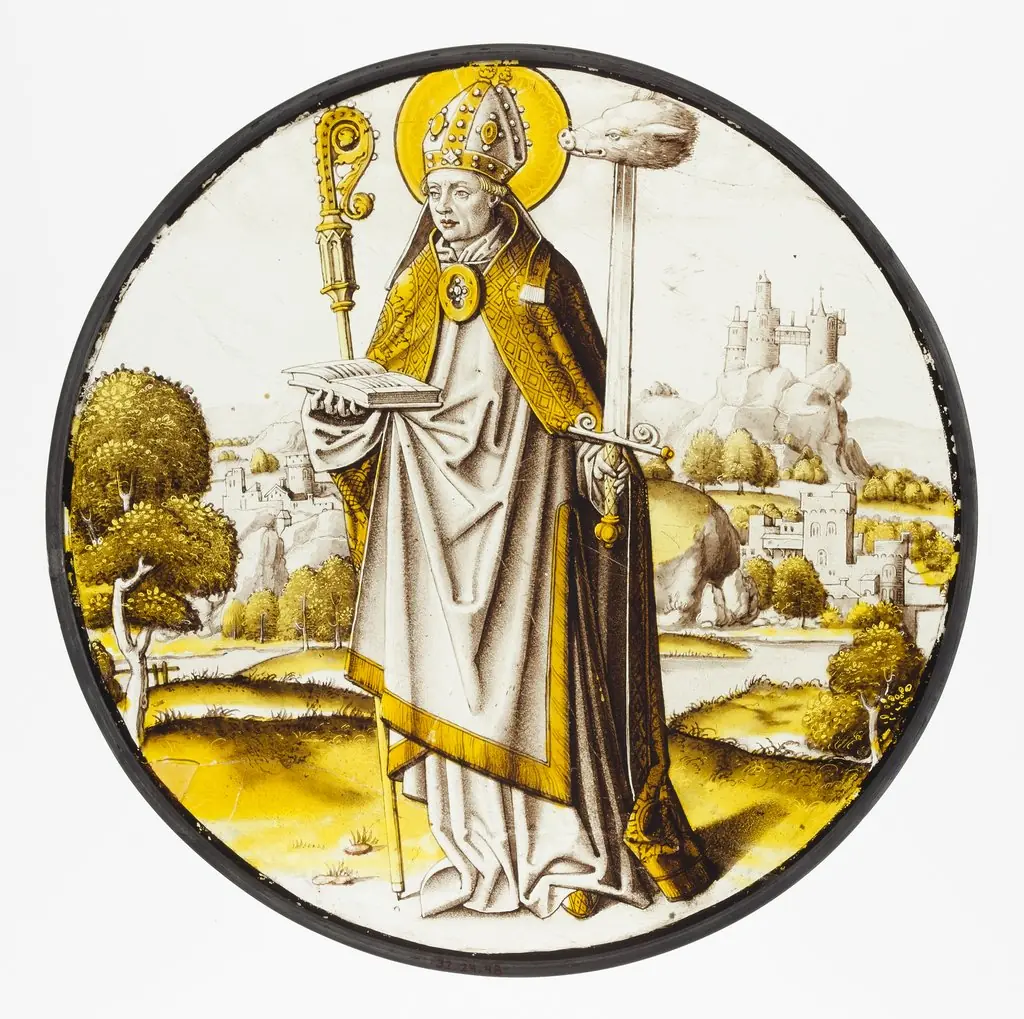 Roundel with Saint Lambrecht of Maastricht
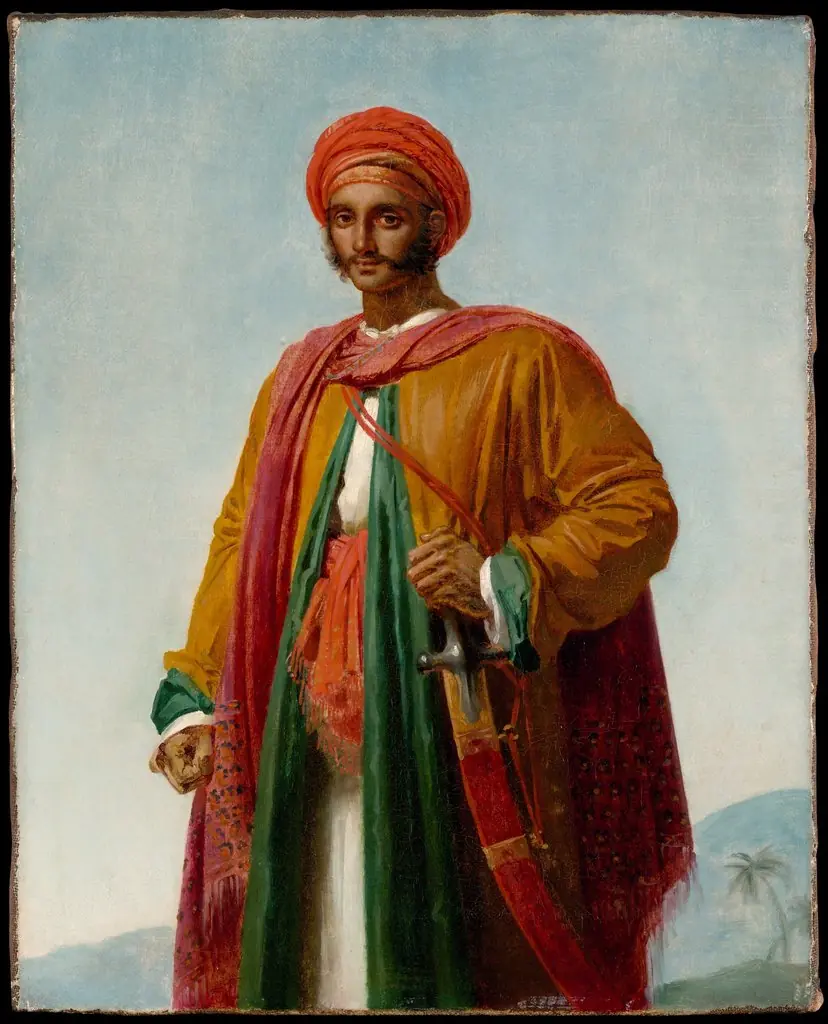 Study for "Portrait of an Indian"
 Untitled
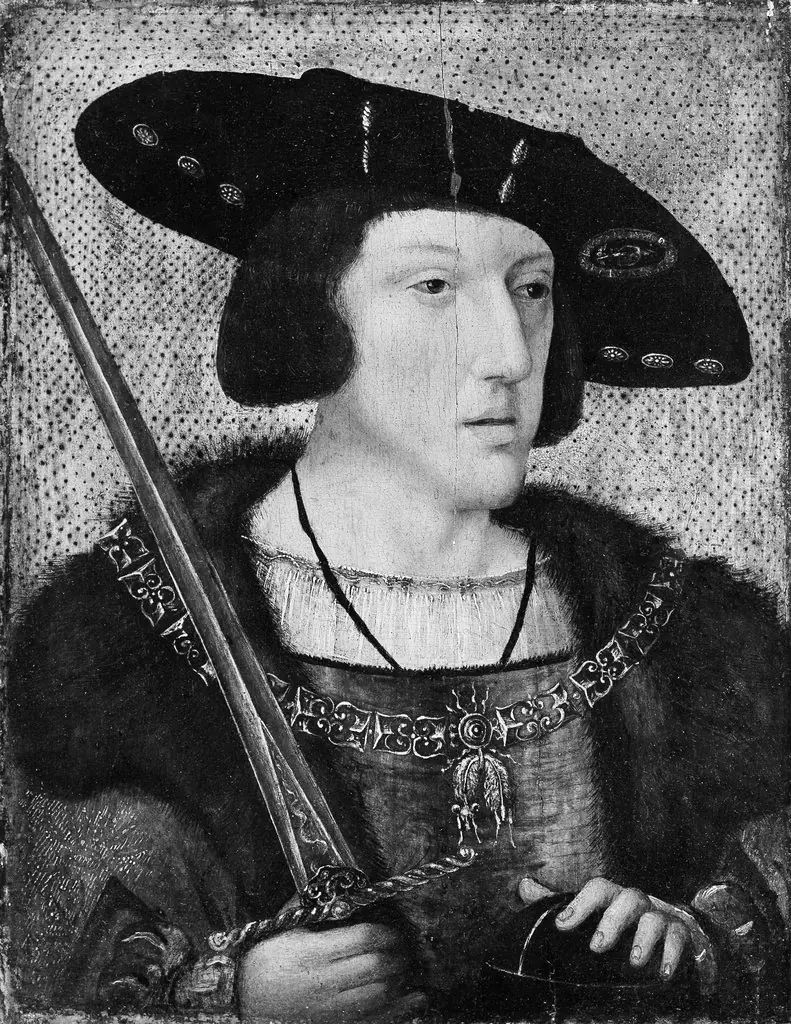 Charles V (1500–1558), Holy Roman Emperor
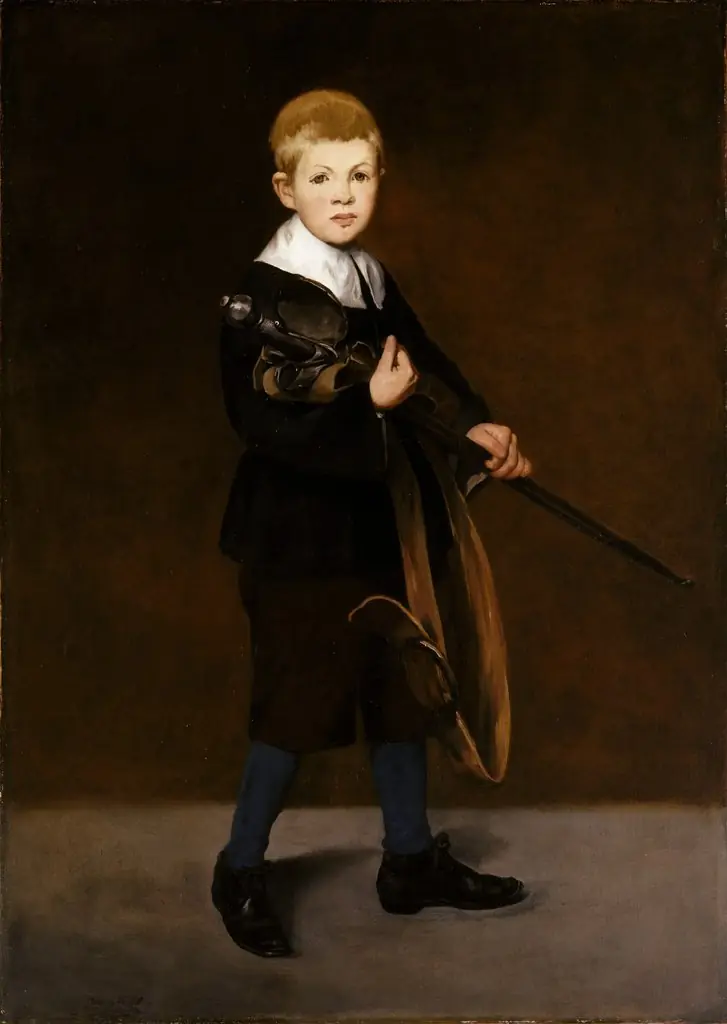 Boy Carrying a Sword
 六波羅合戦 平治物語絵巻 断簡|Battle at Rokuhara, from The Tale of the Heiji Rebellion
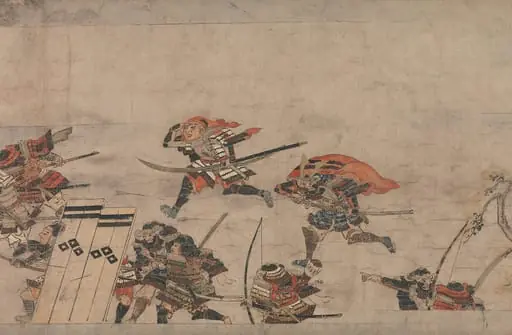 秋夜長物語|A Long Tale for an Autumn Night (Aki no yo nagamonogatari)
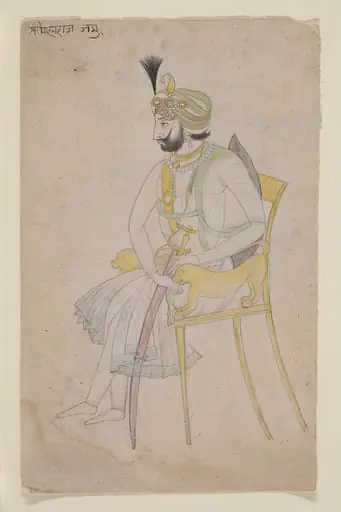 Untitled
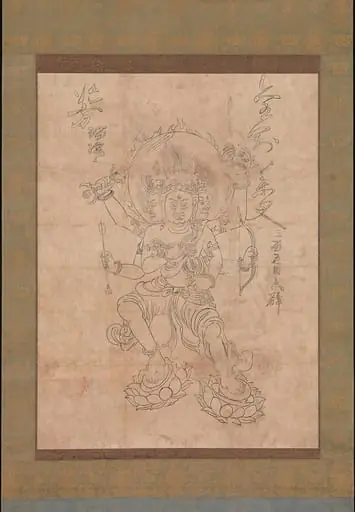 金剛夜叉明王|Kongōyasha Myōō
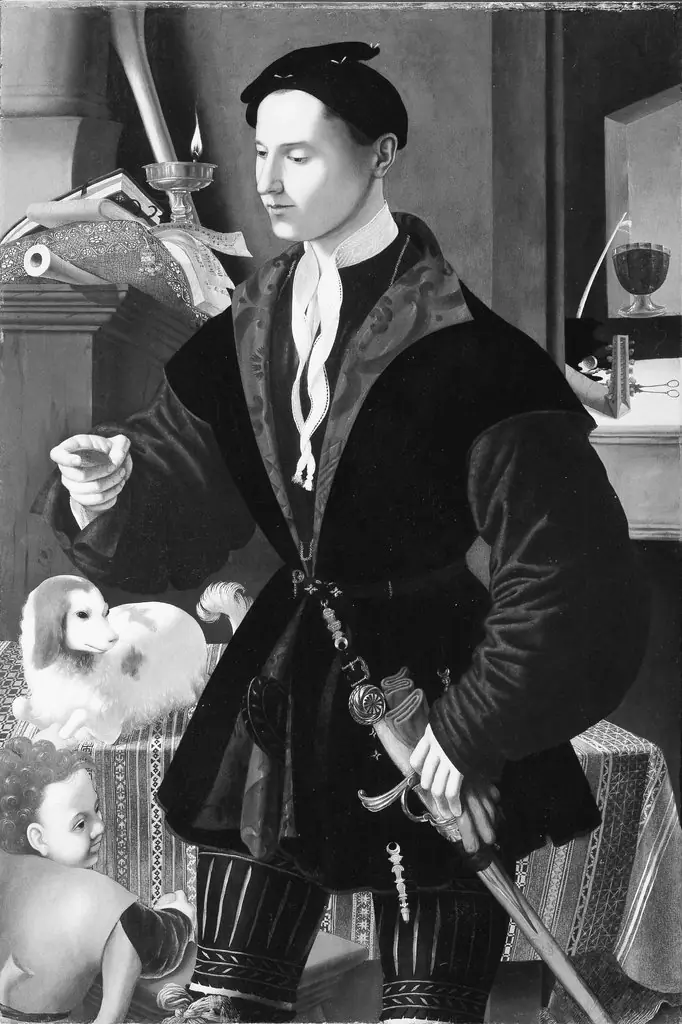 Portrait of a Young Man
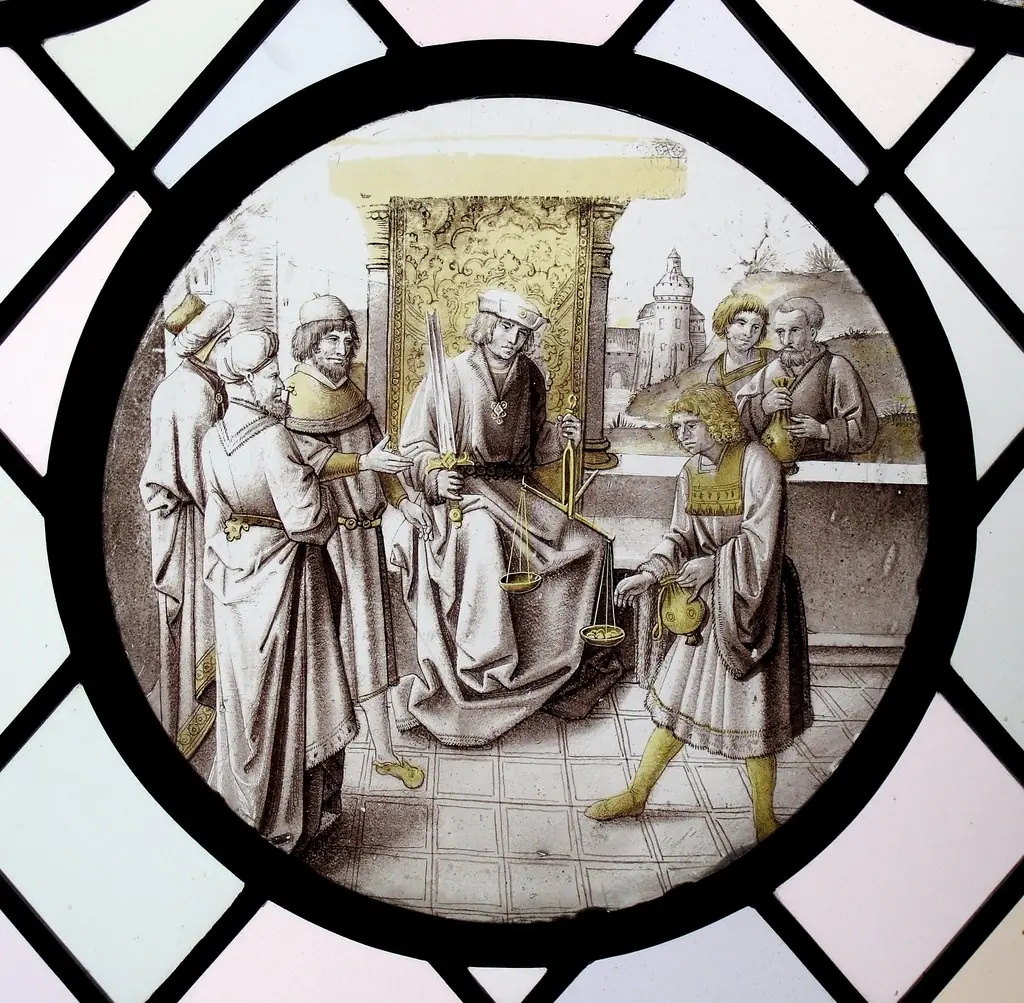 Roundel with Judgment or Allegorical Scene
 Untitled
 General George Eliott
 Portrait of a Man
 The Surrender of Brea
 Untitled
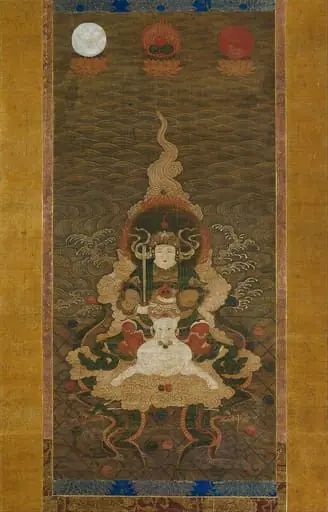 荼枳尼天像|Dakini
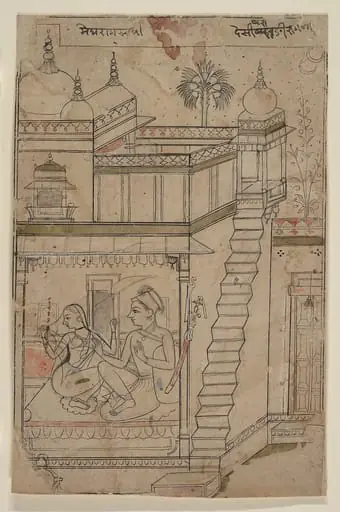 Untitled
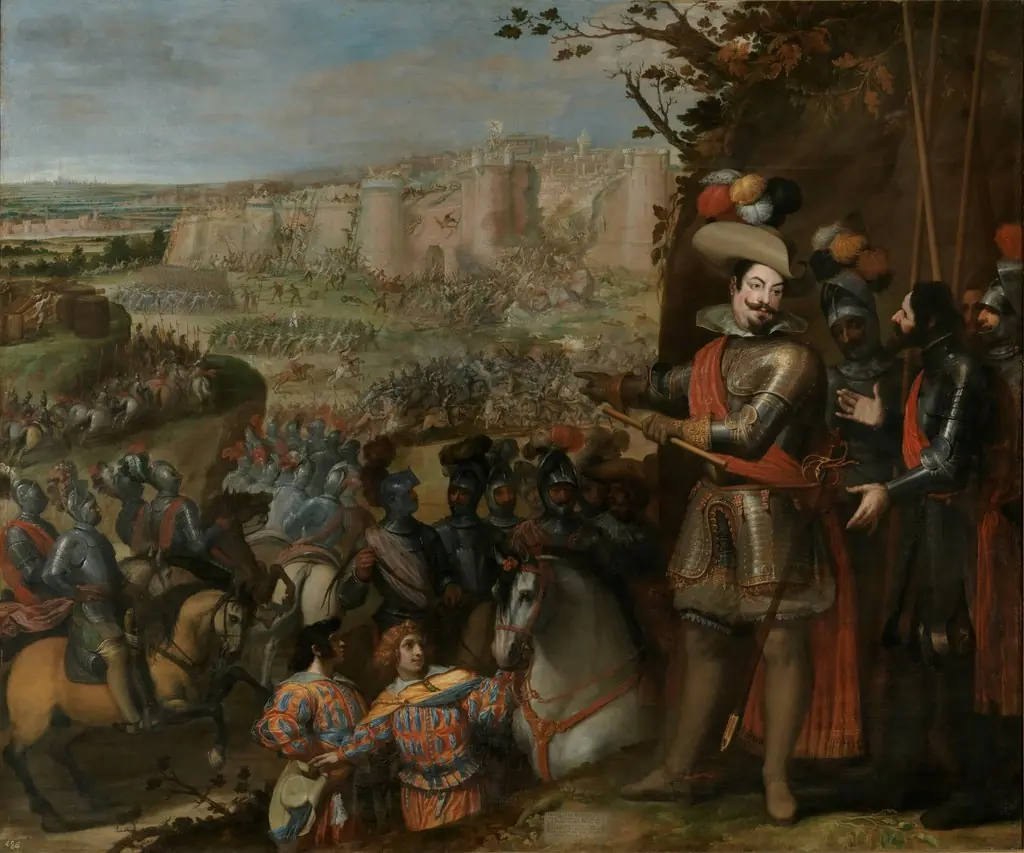 The Storming of Rheinfelden
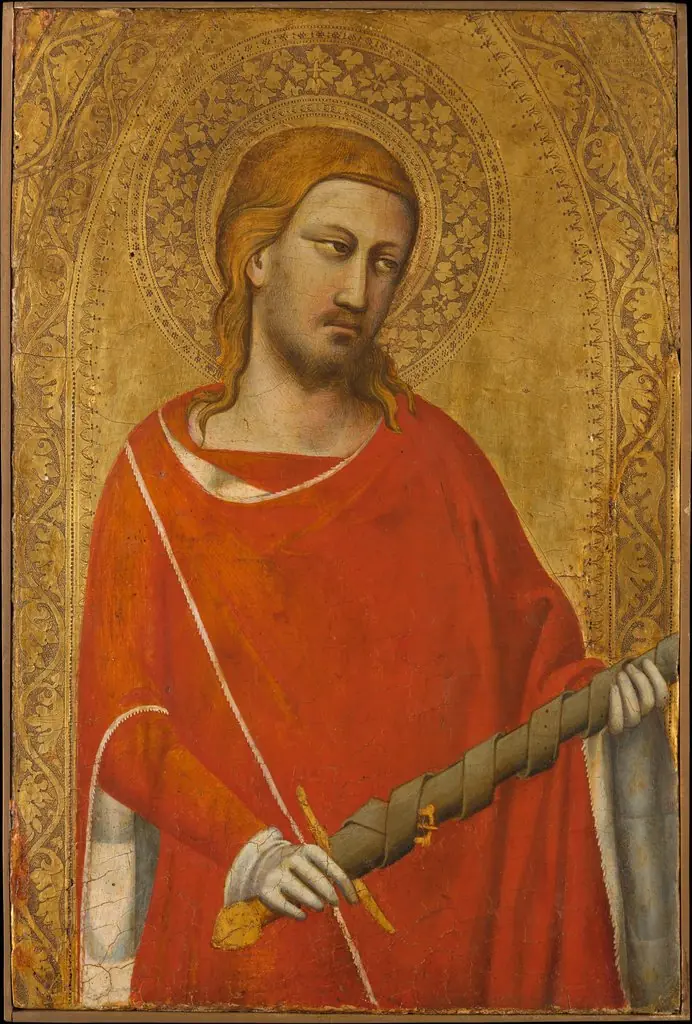 Saint Julian
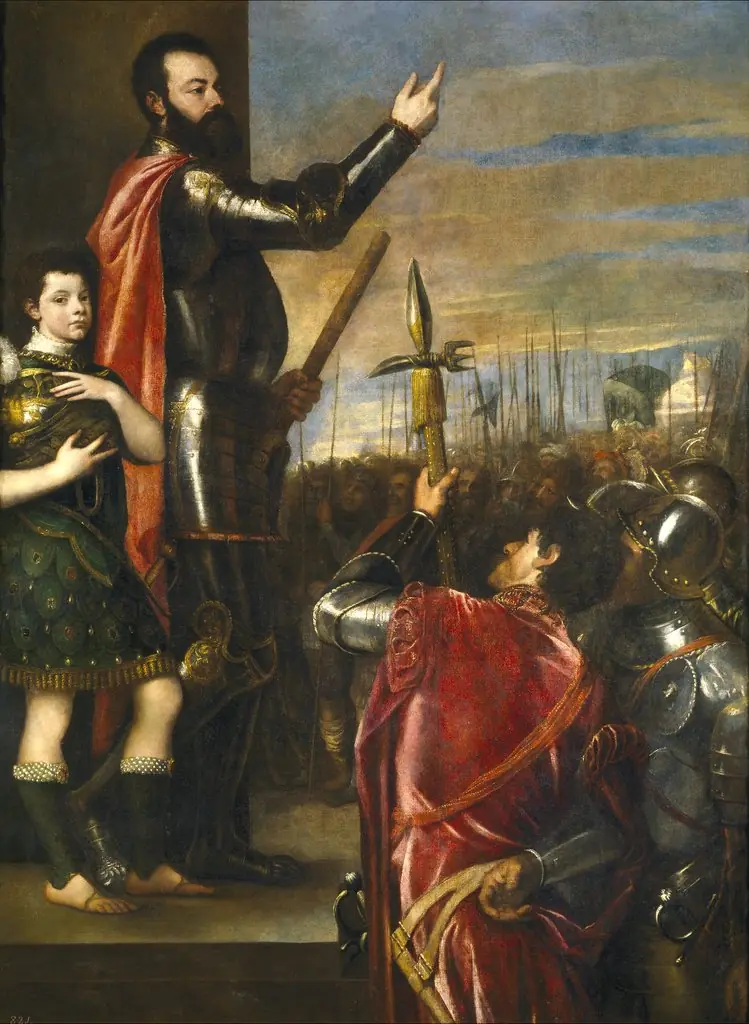 Alfonso d'Avalos Addressing his Troops
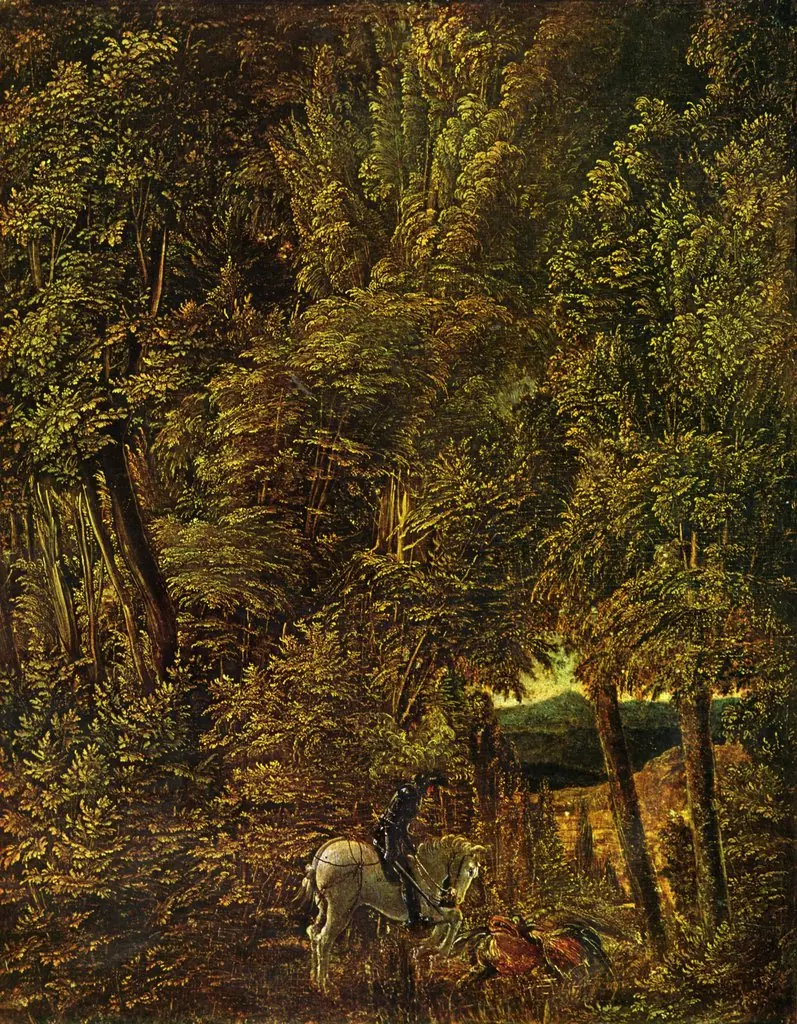 Countryside of Wood With Saint George Fighting the Dragon
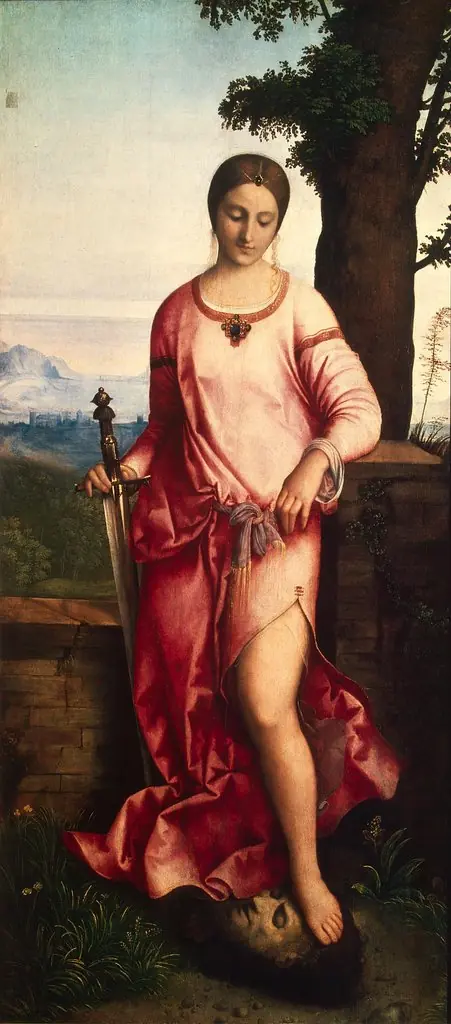 Judith
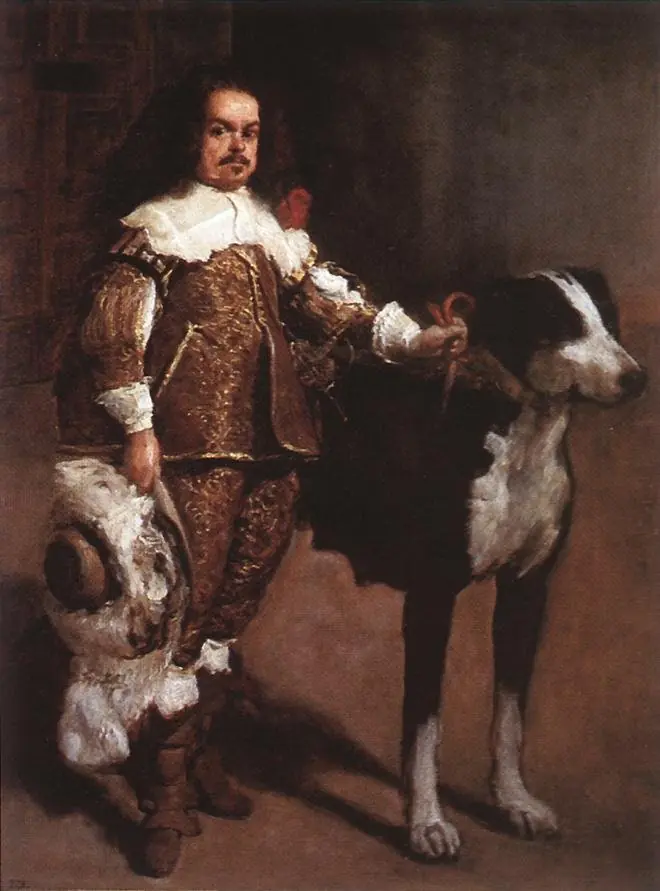 Dwarf with a Dog, formerly denominated Antonio el Inglés
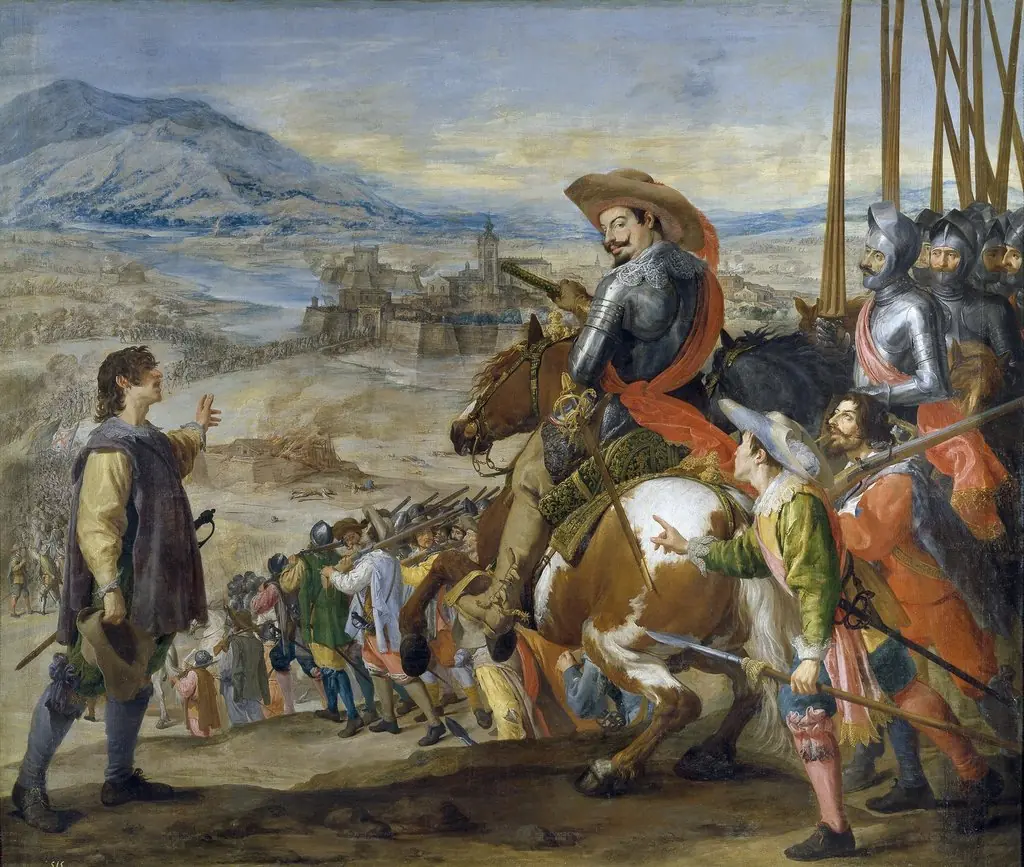 The Liberation of Brisach
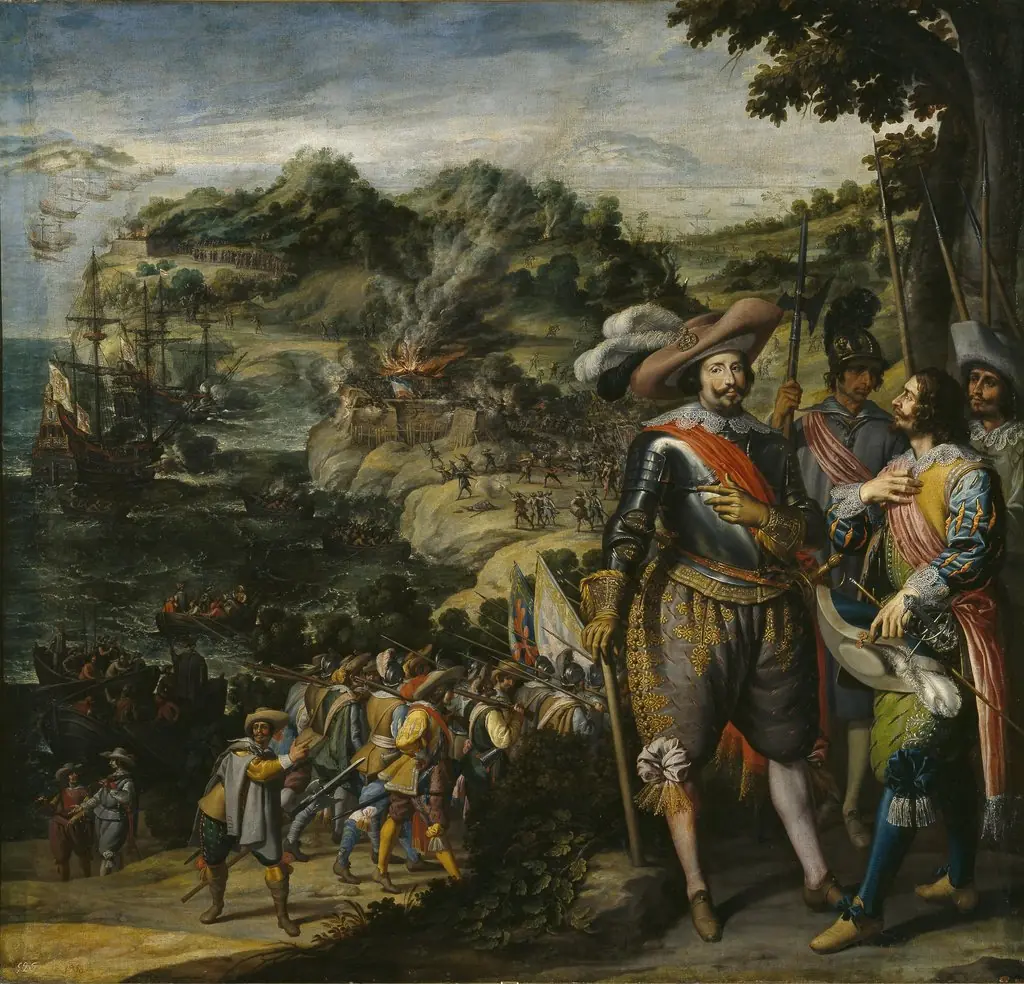 The recovery of the island of San Cristobal by Don Frederic of Toledo
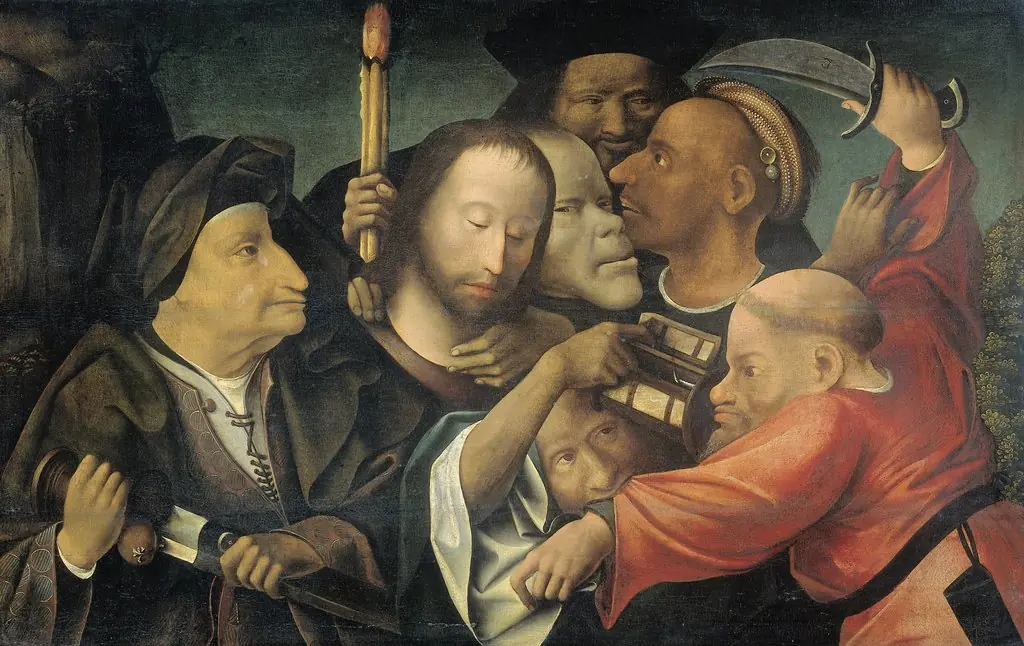 The arrest of Christ
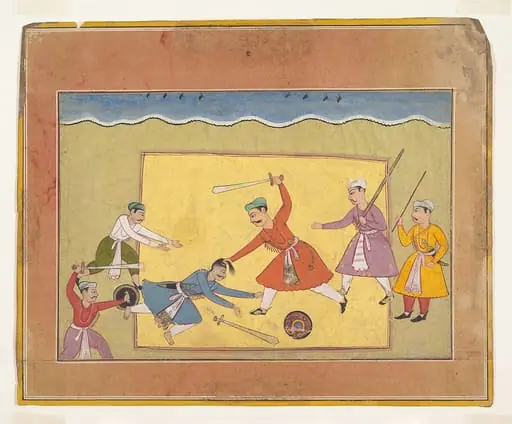 Untitled
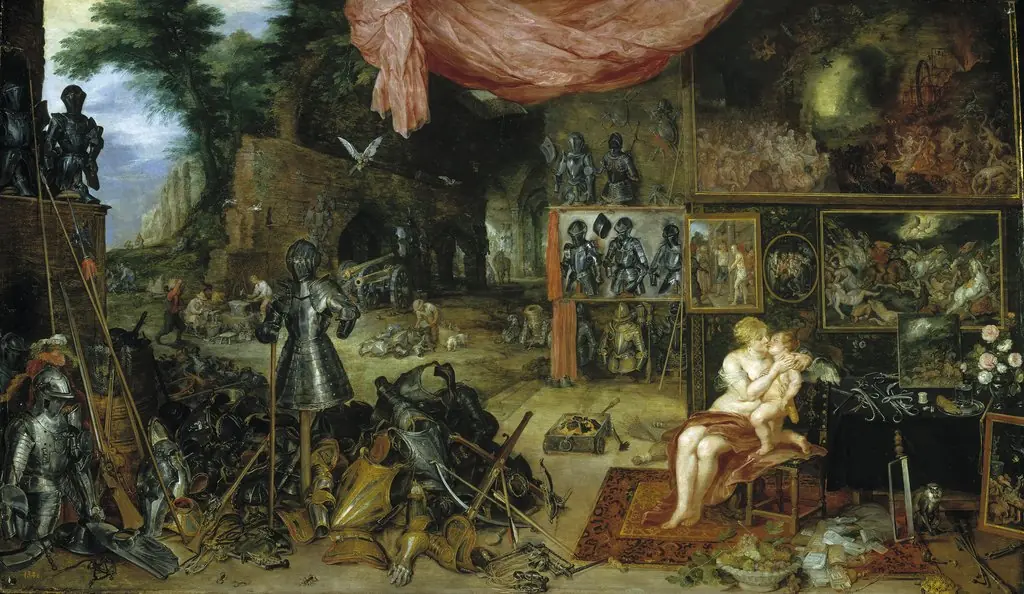 Touch
Touch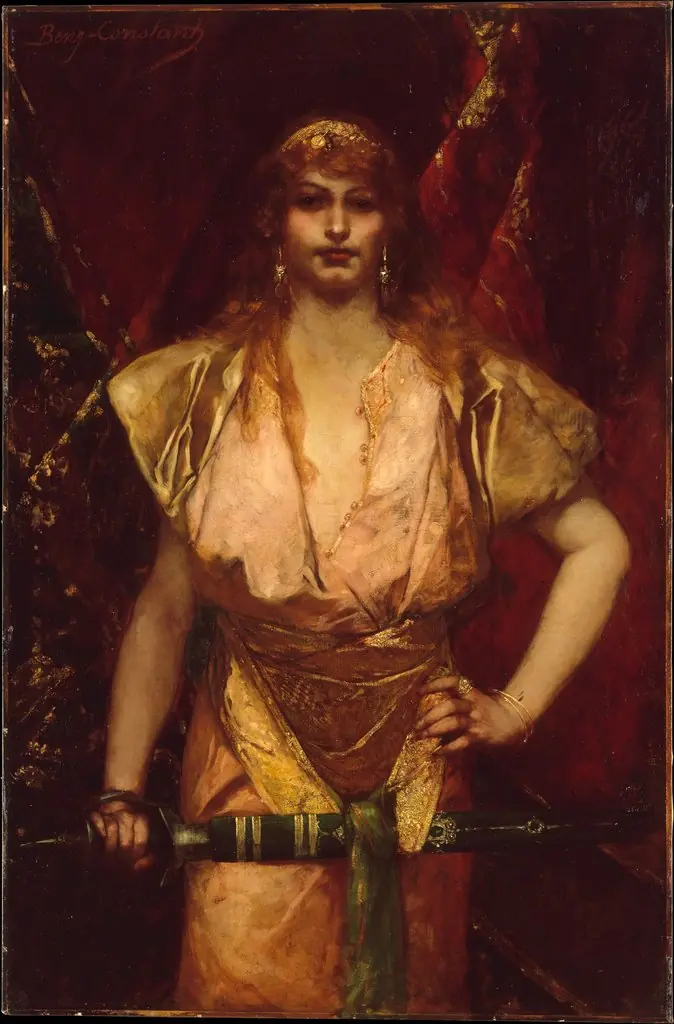 Judith
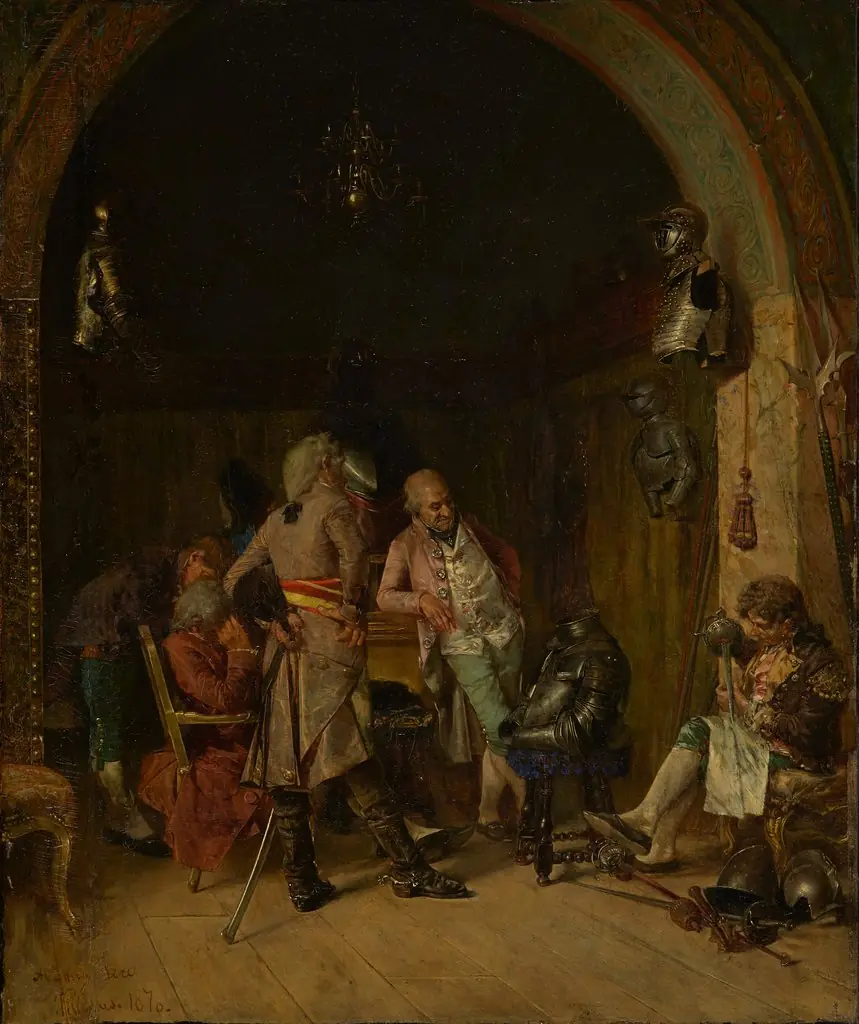 Examining Antique Arms
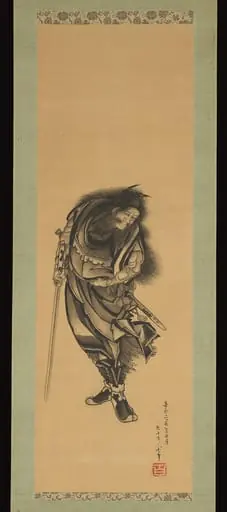 葛飾北斎筆 黒鍾馗|Black Shōki, the Demon Queller
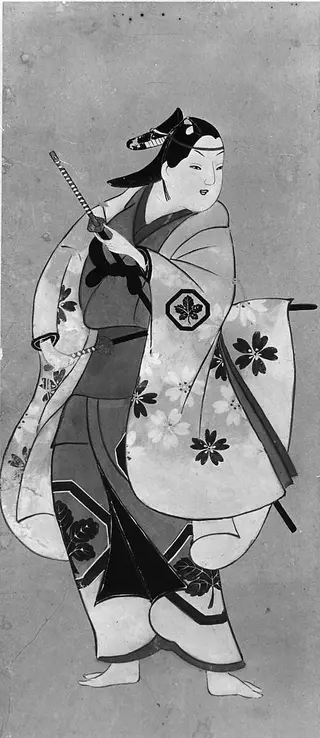 Untitled
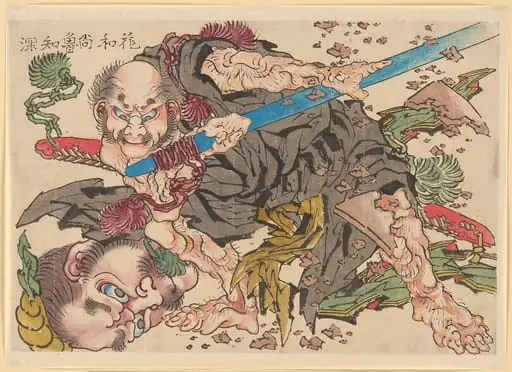 Untitled
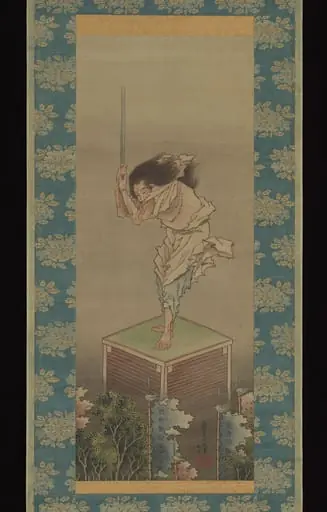 Untitled
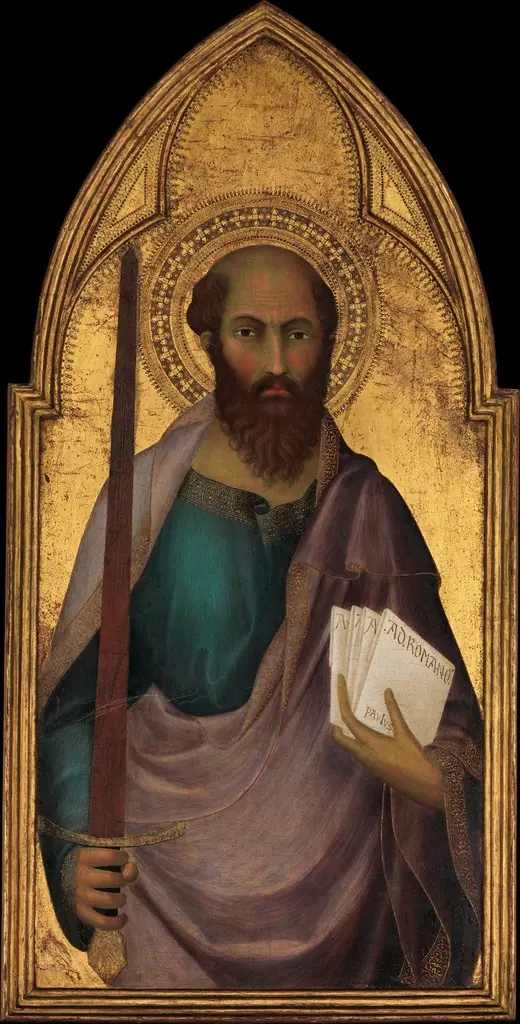 Saint Paul
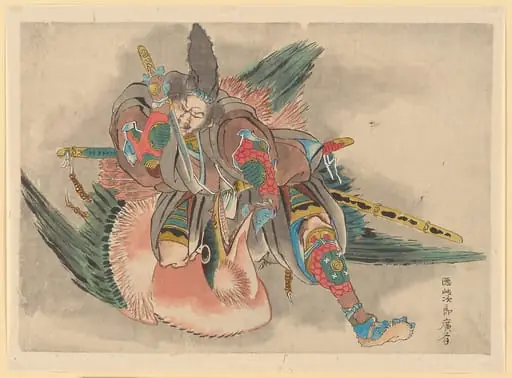 Untitled
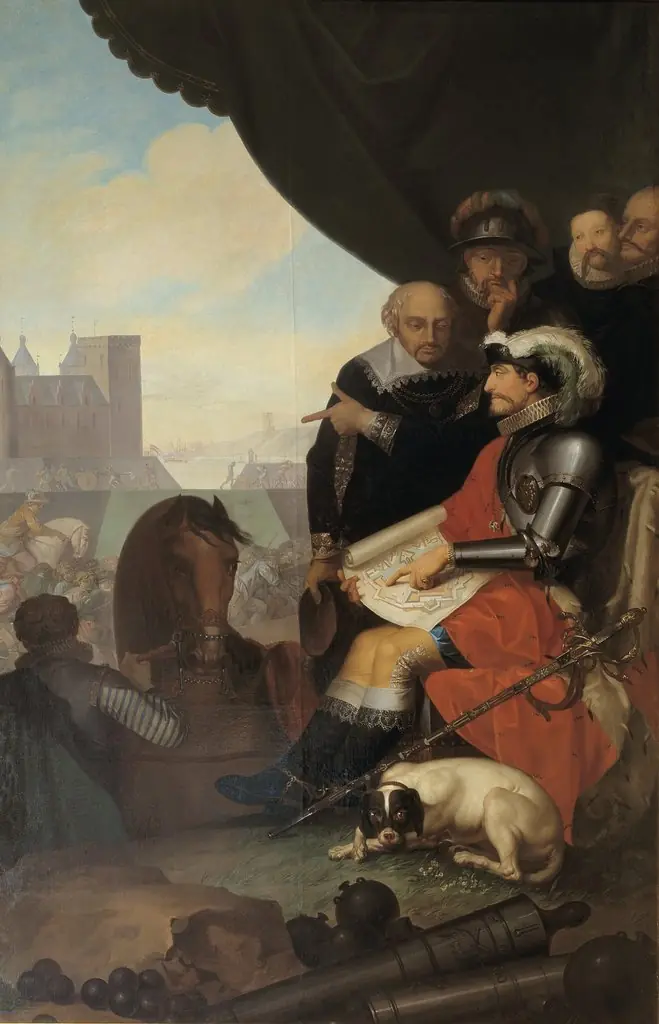 Frederik II Builds Kronborg Castle at Elsinore
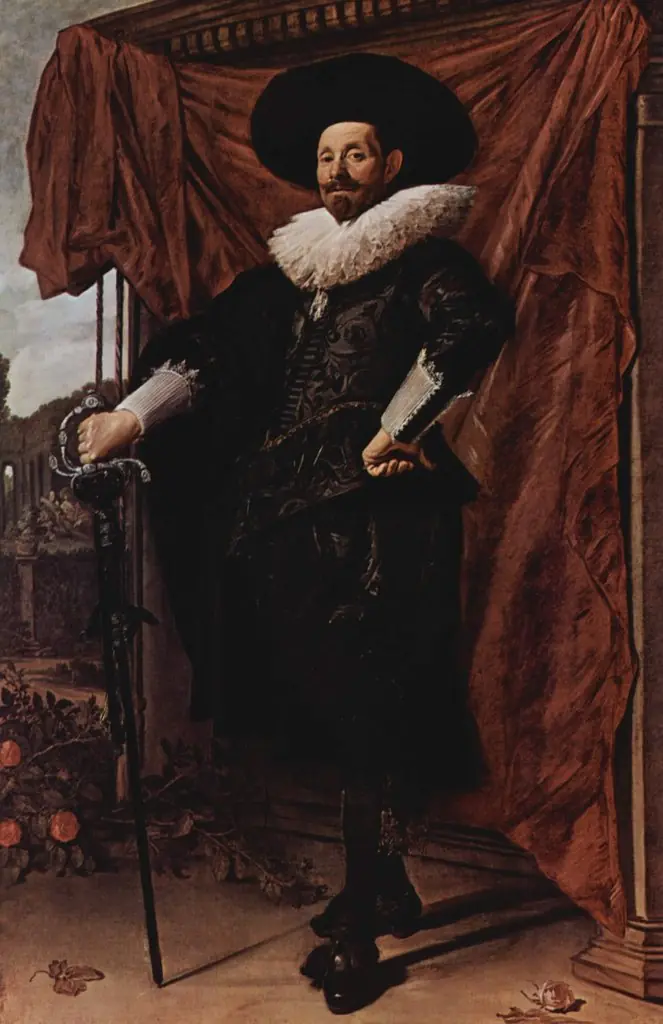 Willem van Heythuysen posing with a sword
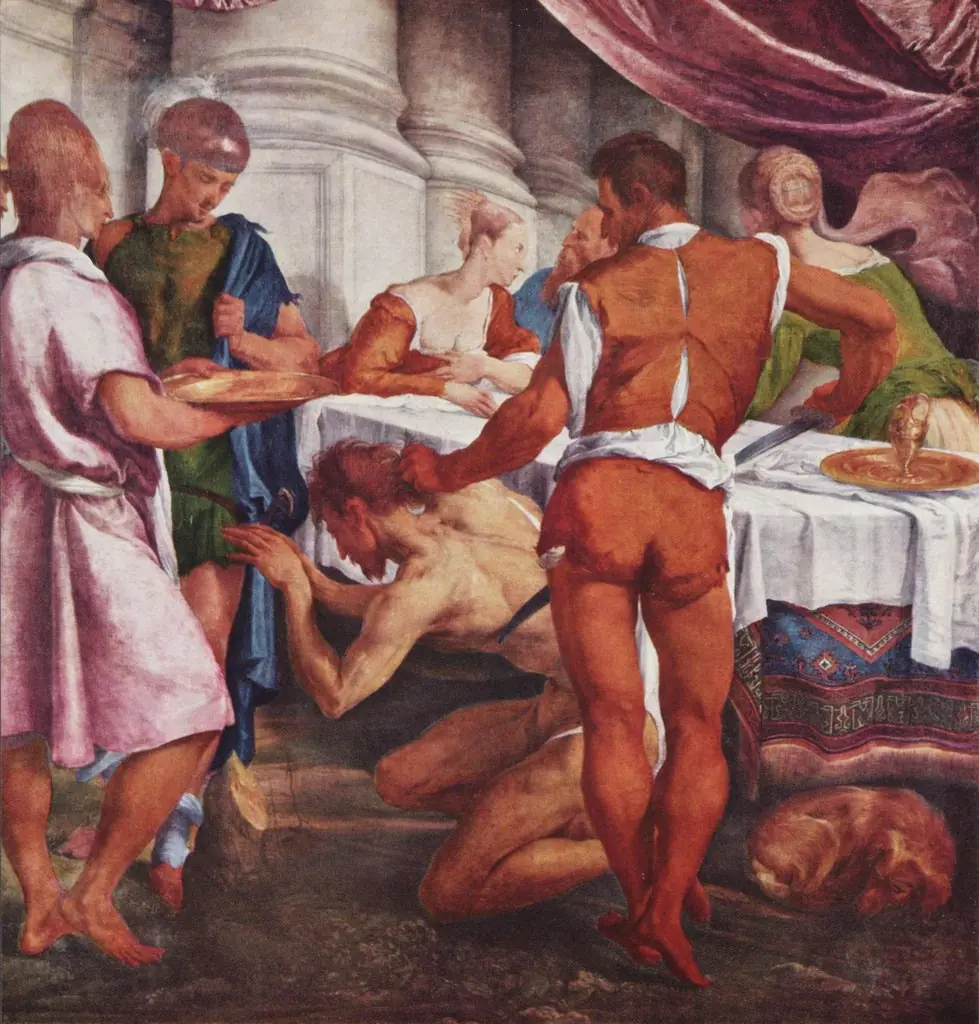 The Decapitation of St John the Baptist
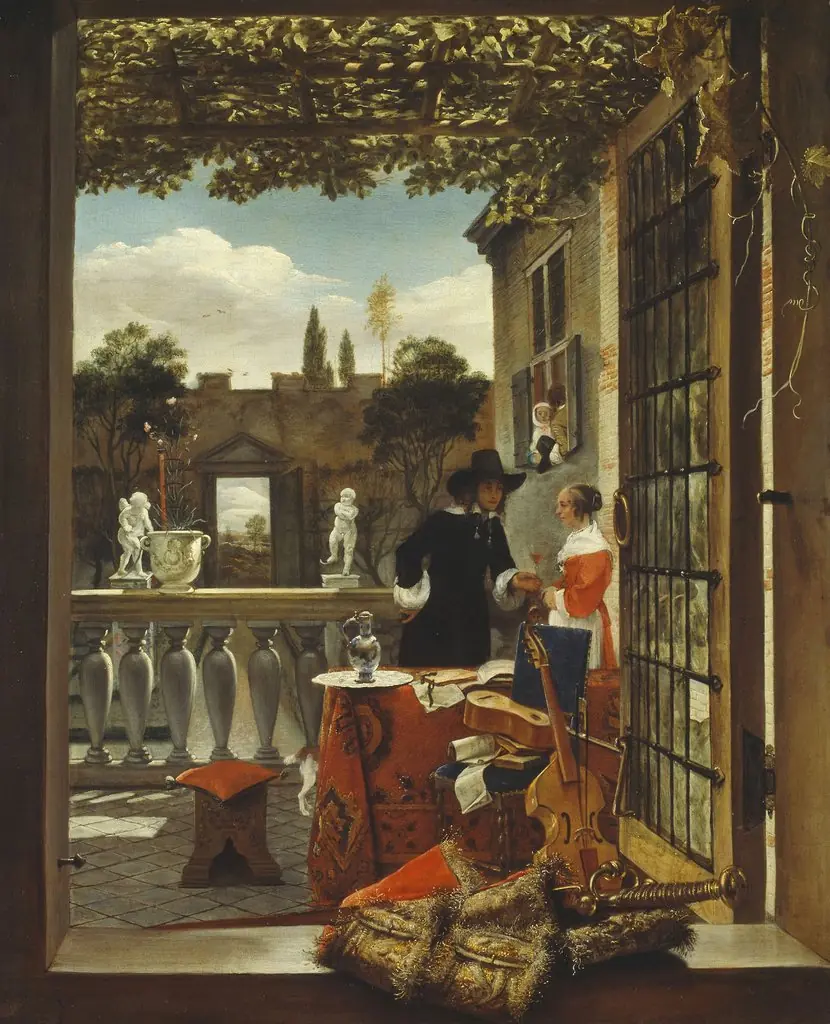 The Terrace
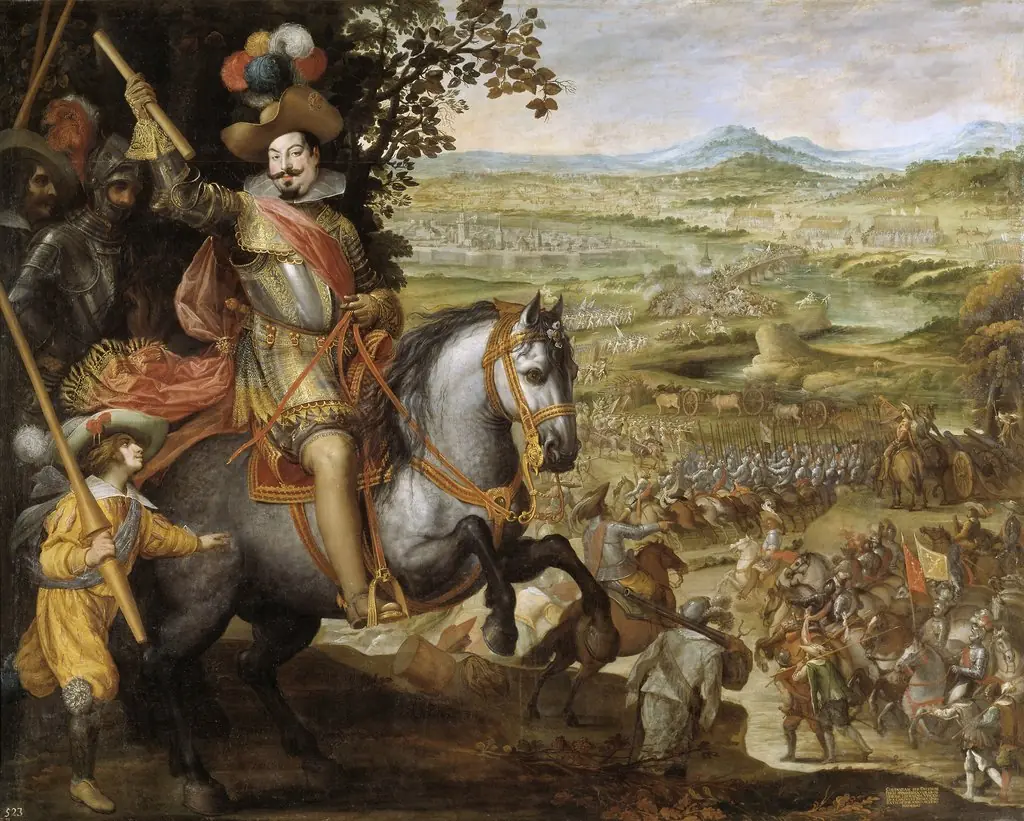 The Relief of Constance
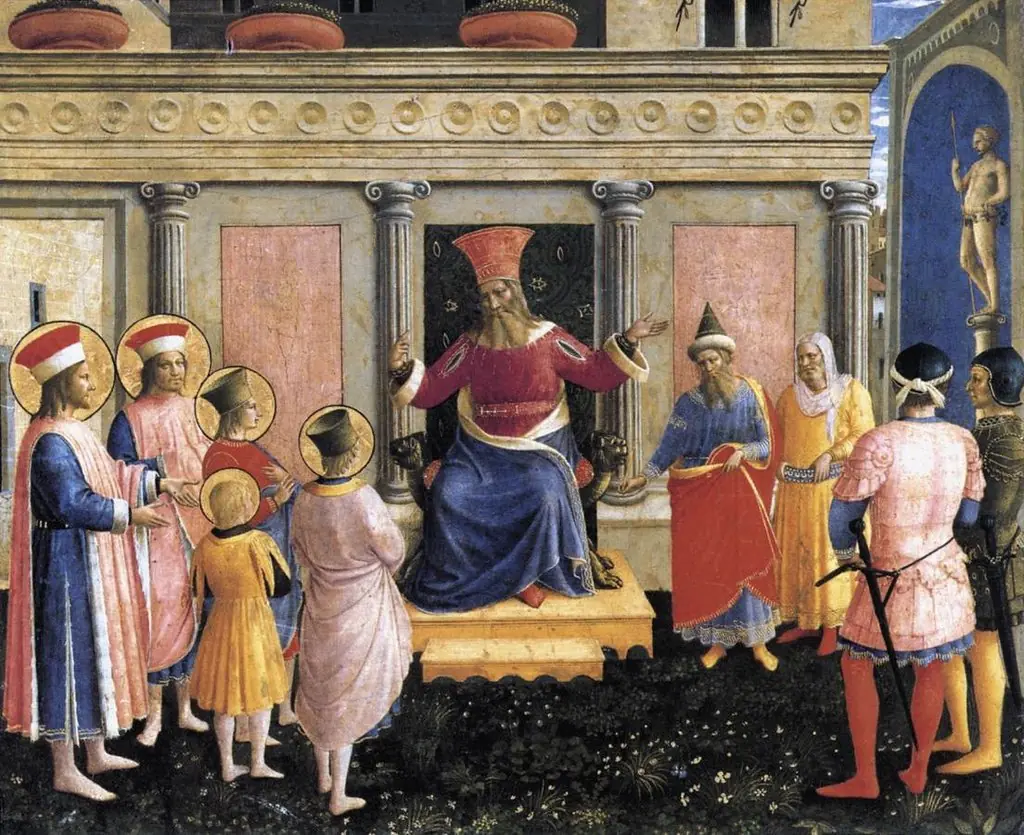 The Saints Cosmas and Damian with their Brothers before the Proconsul Lysias
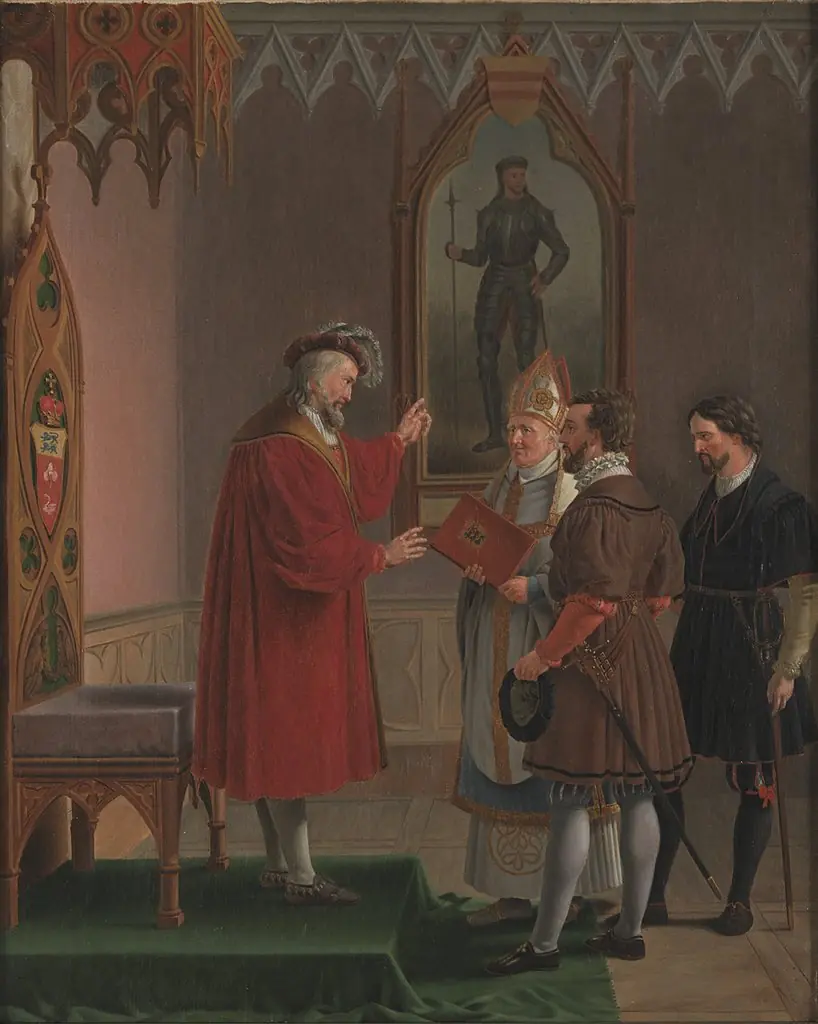 Adolf, Duke of Schleswig-Holstein, Declines the Offer to Accede to the Danish Throne. Copy after C. W. Eckersberg
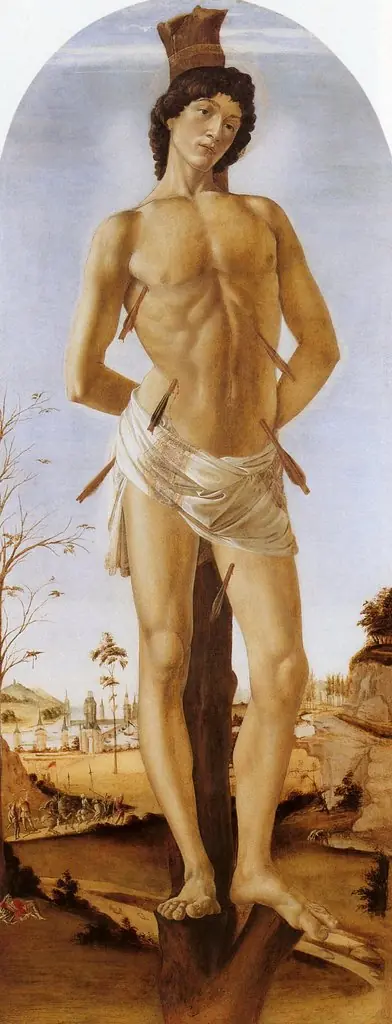 Saint Sebastian
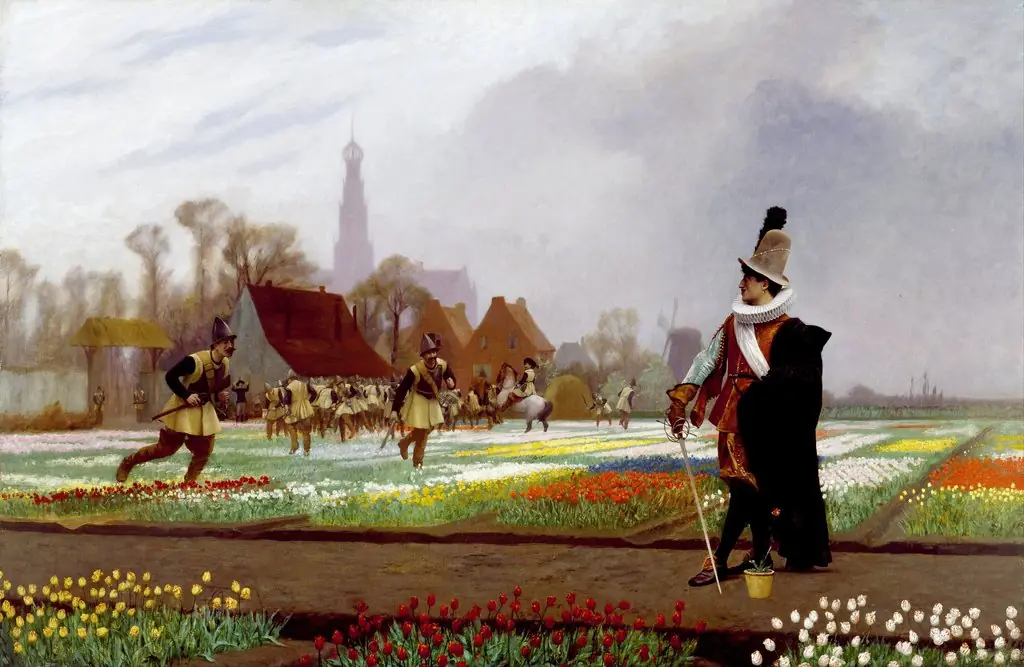 The Tulip Folly
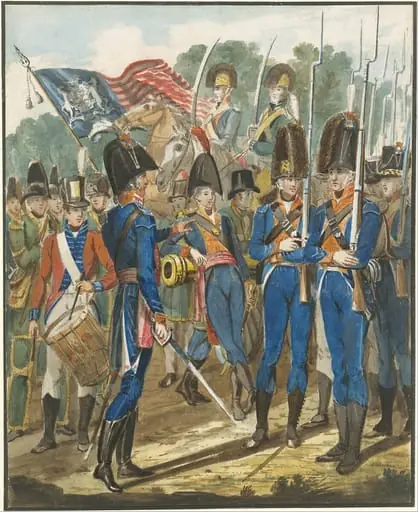 Members of the City Troop and Other Philadelphia Soldiery
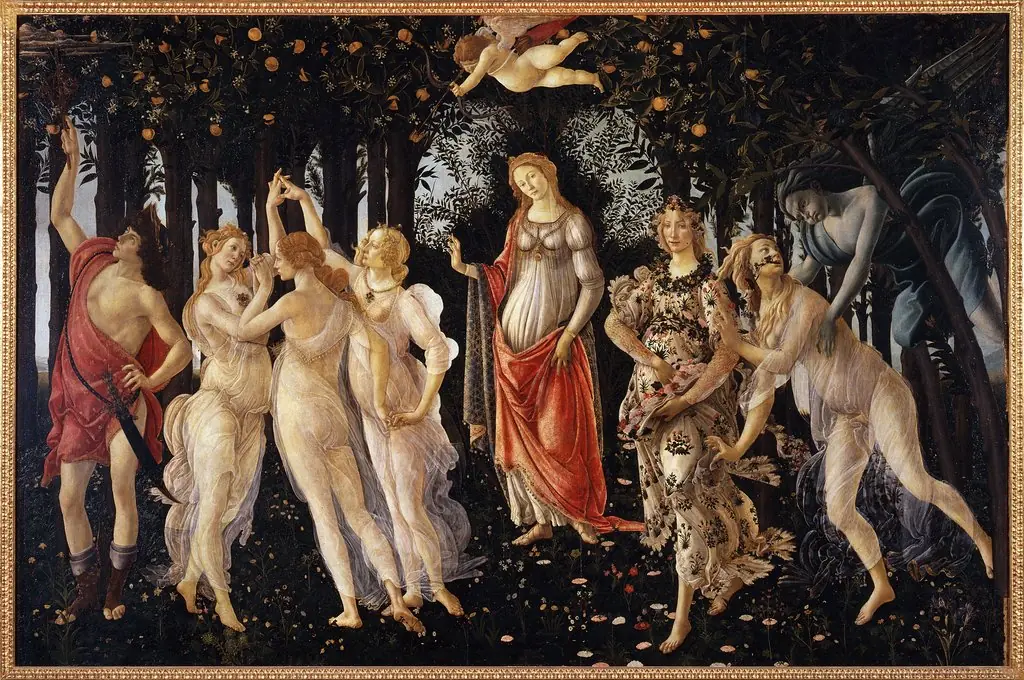 Primavera
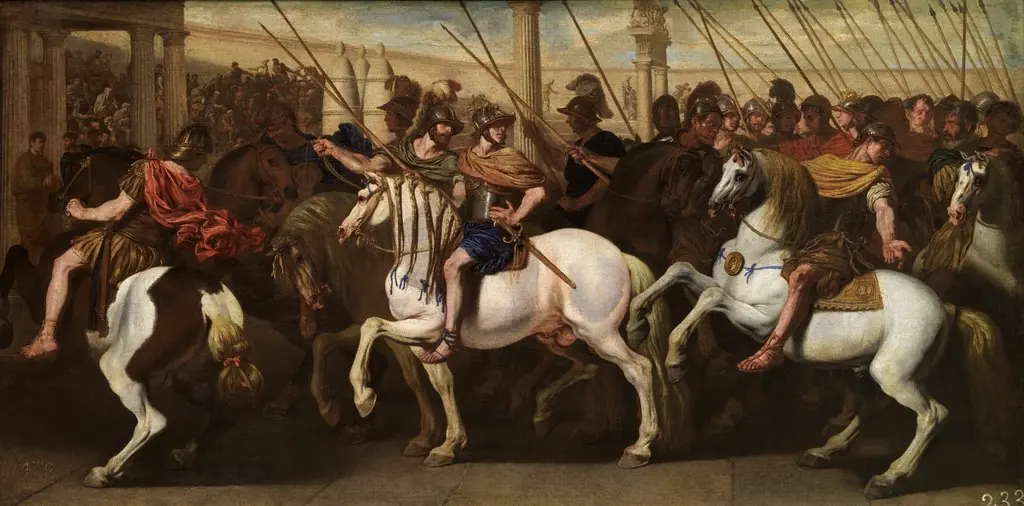 Roman Soldiers in the Circus
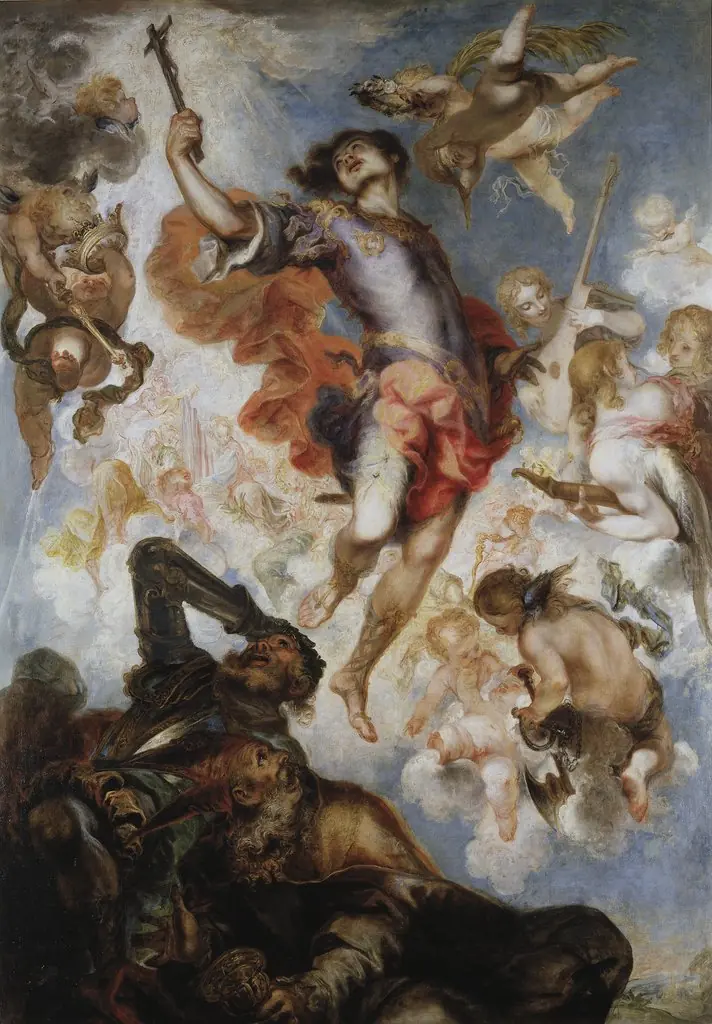 The Triumph of Saint Hermenegildo
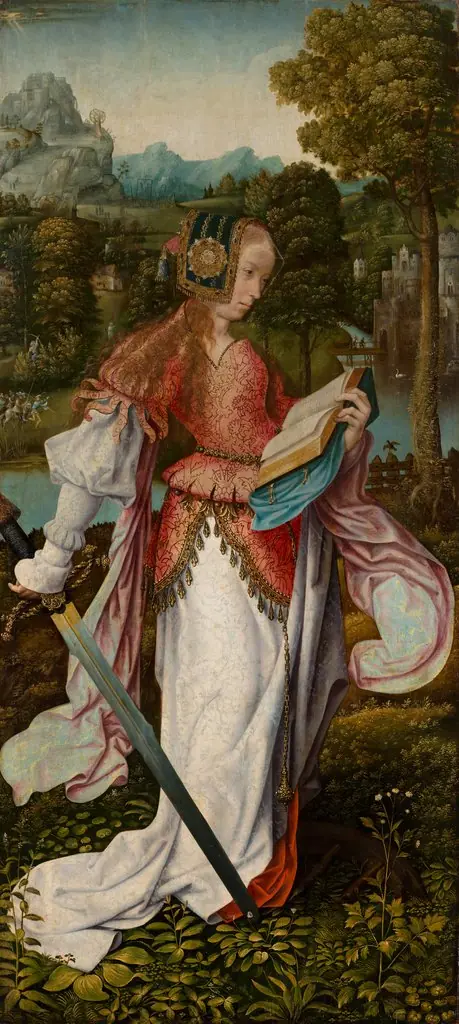 Saint Catherine
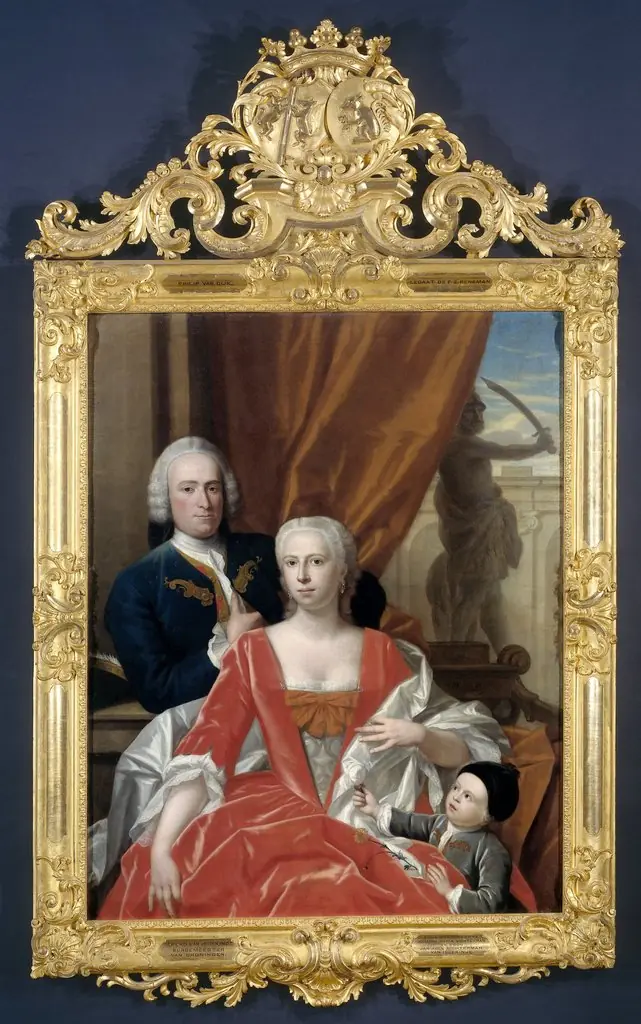 Berend van Iddekinge with his Wife and their Son
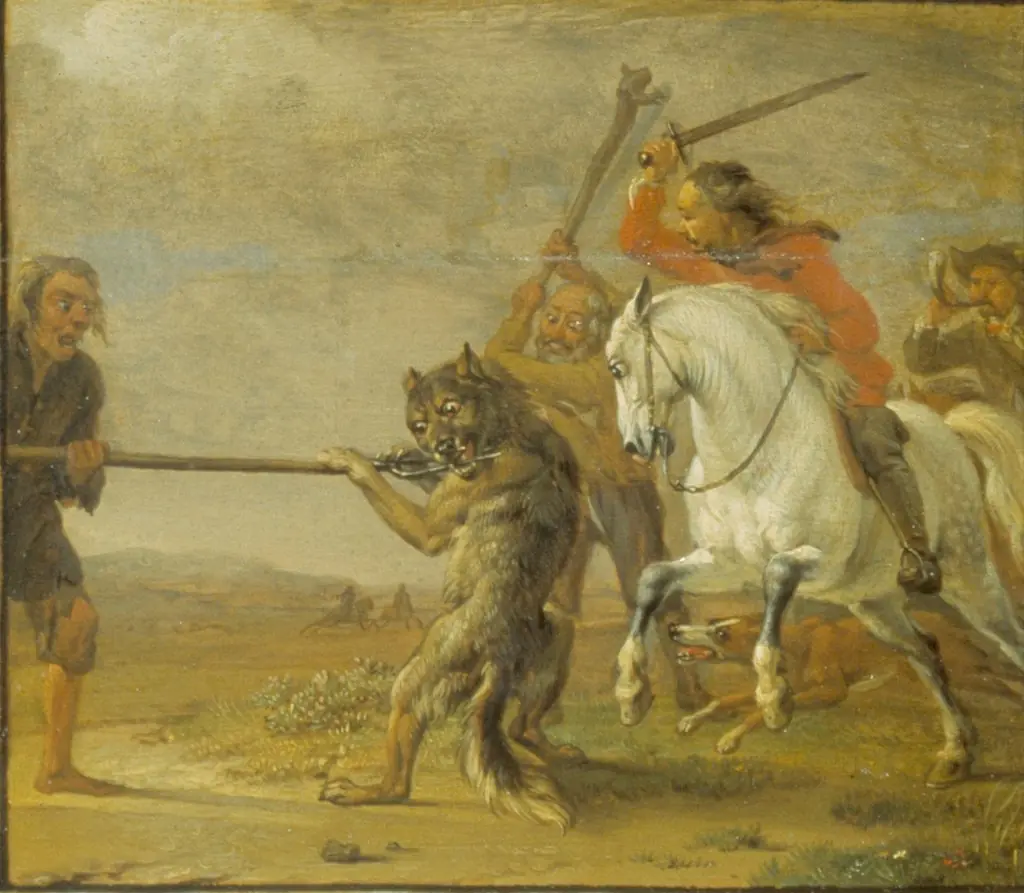 The Wolf Hunt
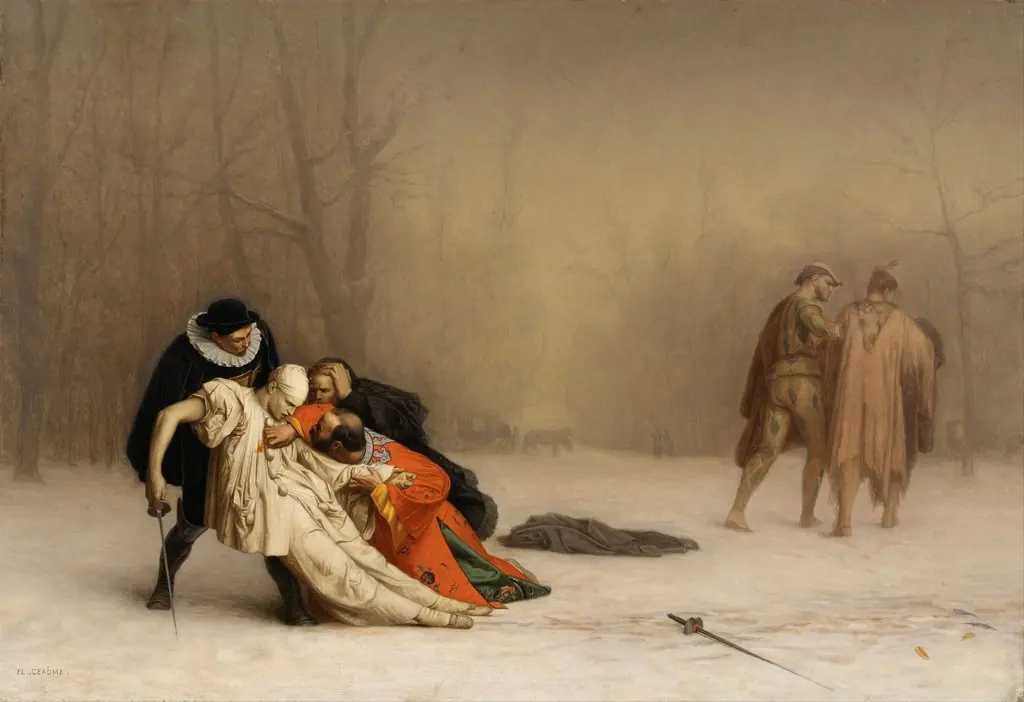 The Duel After the Masquerade
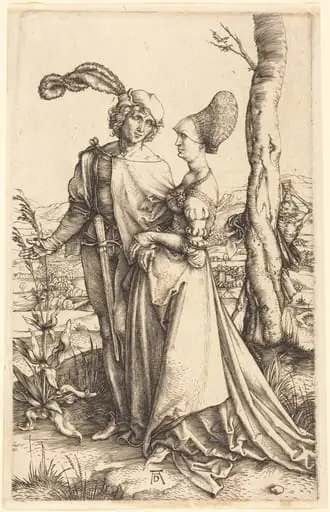 Promenade
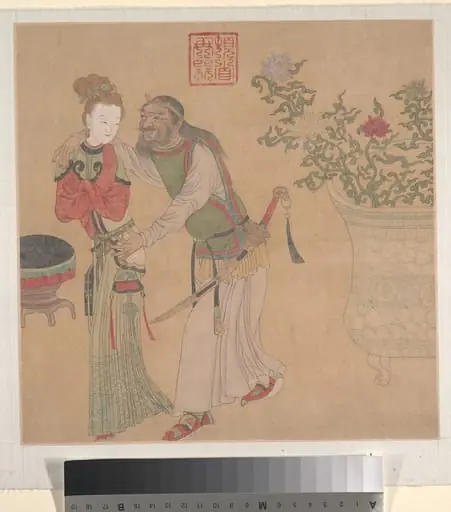 Untitled
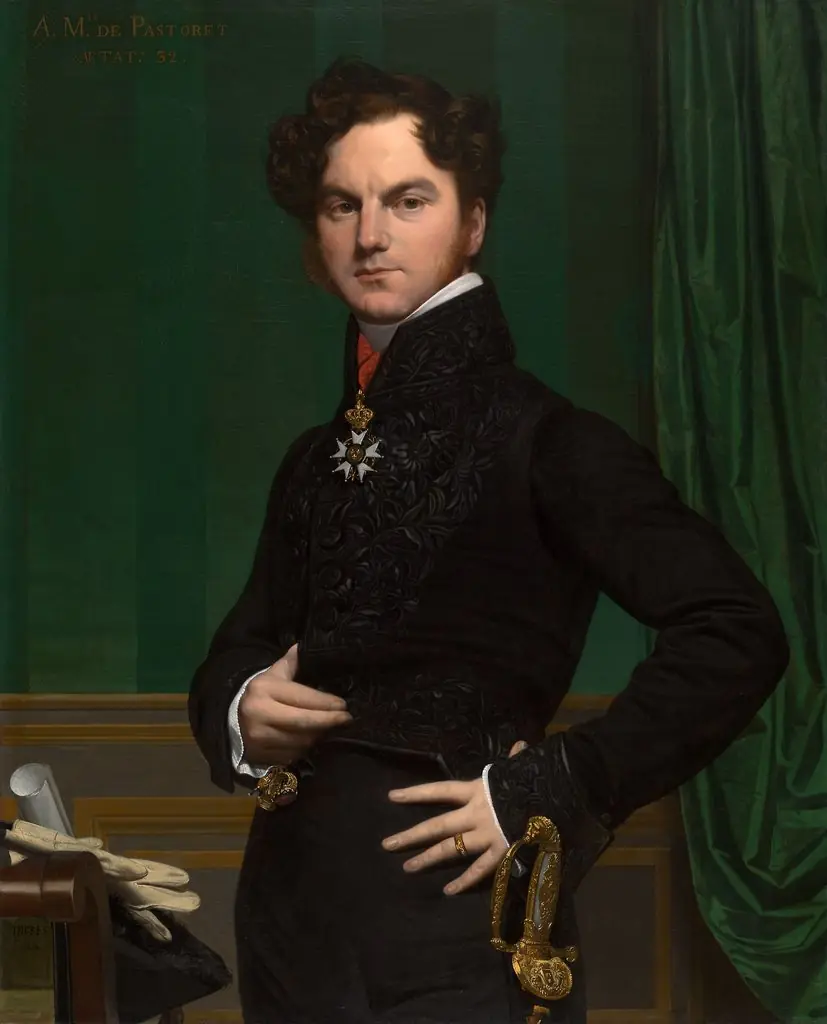 Amédée-David, the Comte de Pastoret
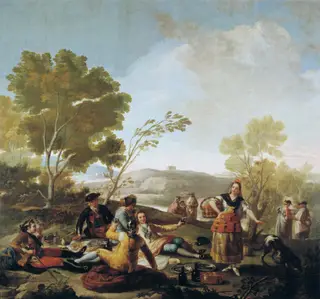 Picnic on the banks of the Manzanares
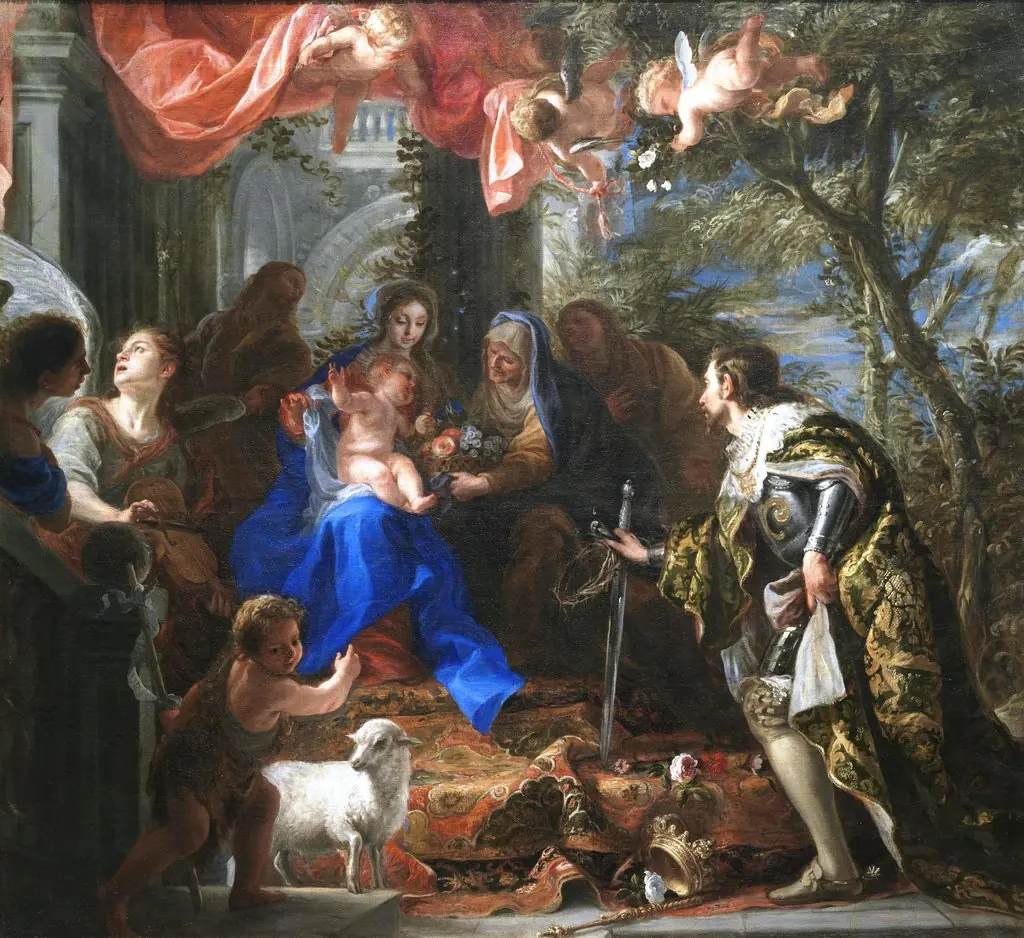 The Virgin and Child adored by Saint Louis, King of France
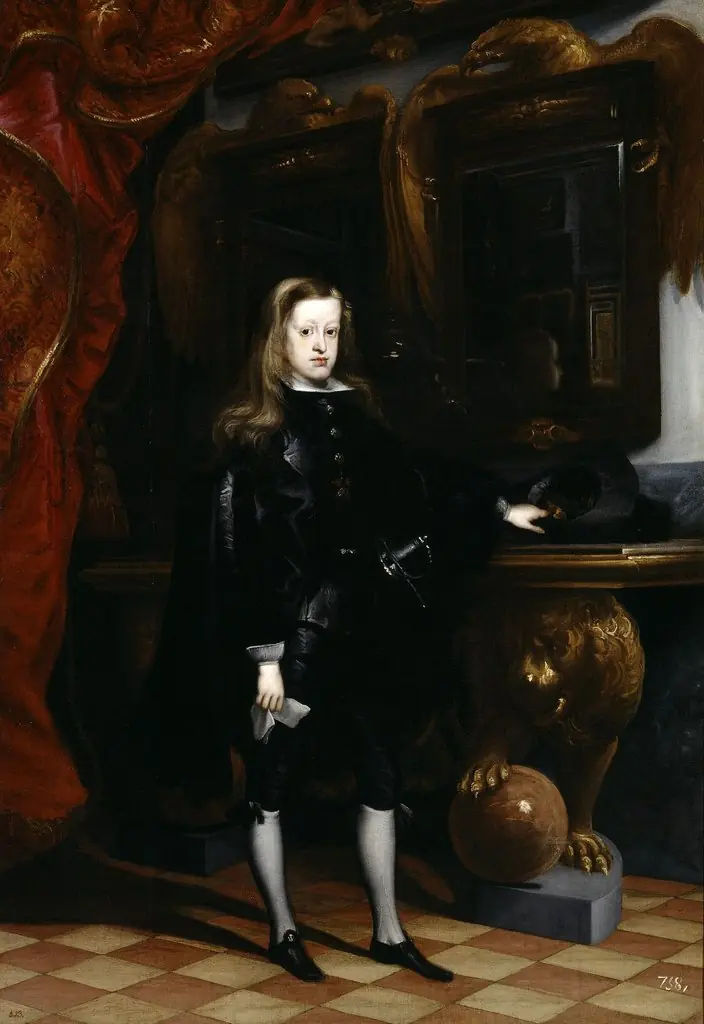 Charles II as a child
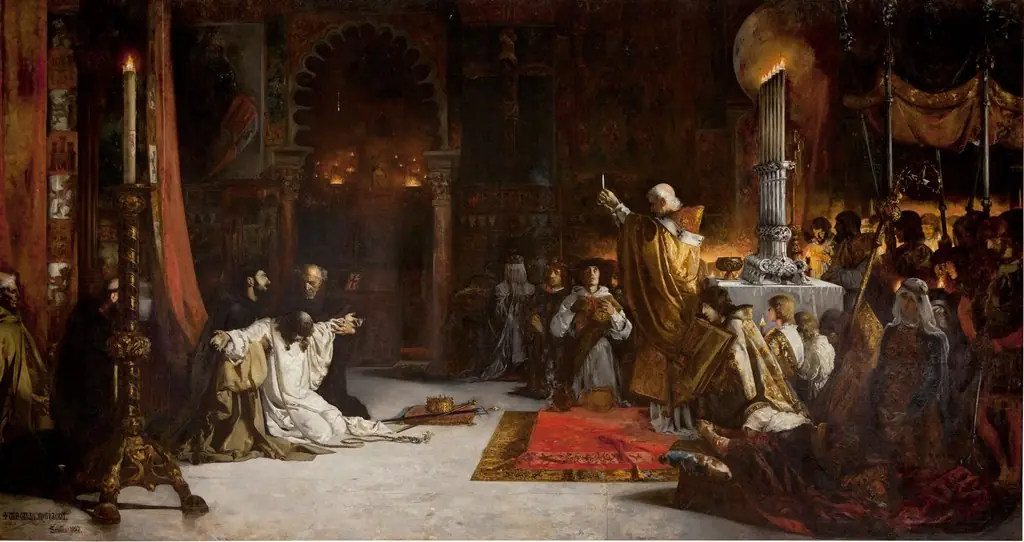 Las postrimerías de Fernando III el Santo
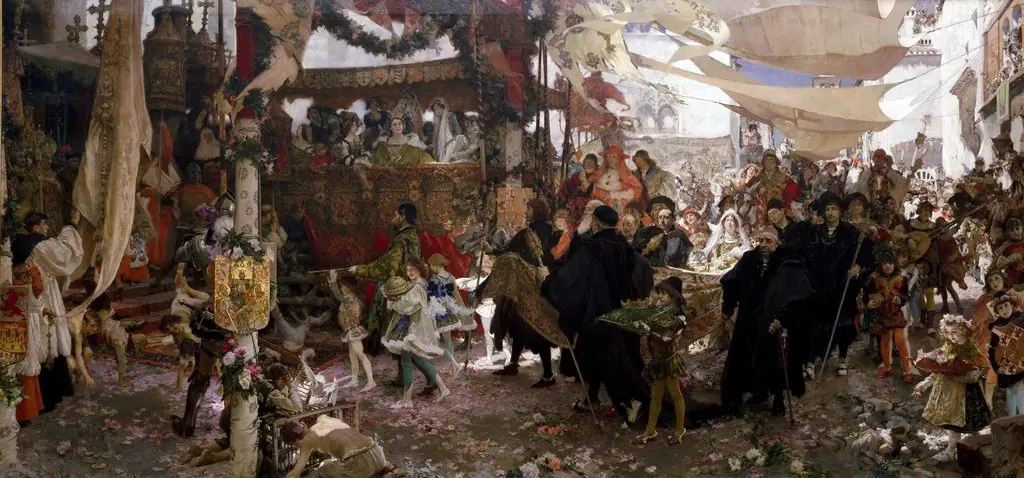 The Baptismal procession of Prince Juan, son of the Catholic Kings, through the streets of Seville
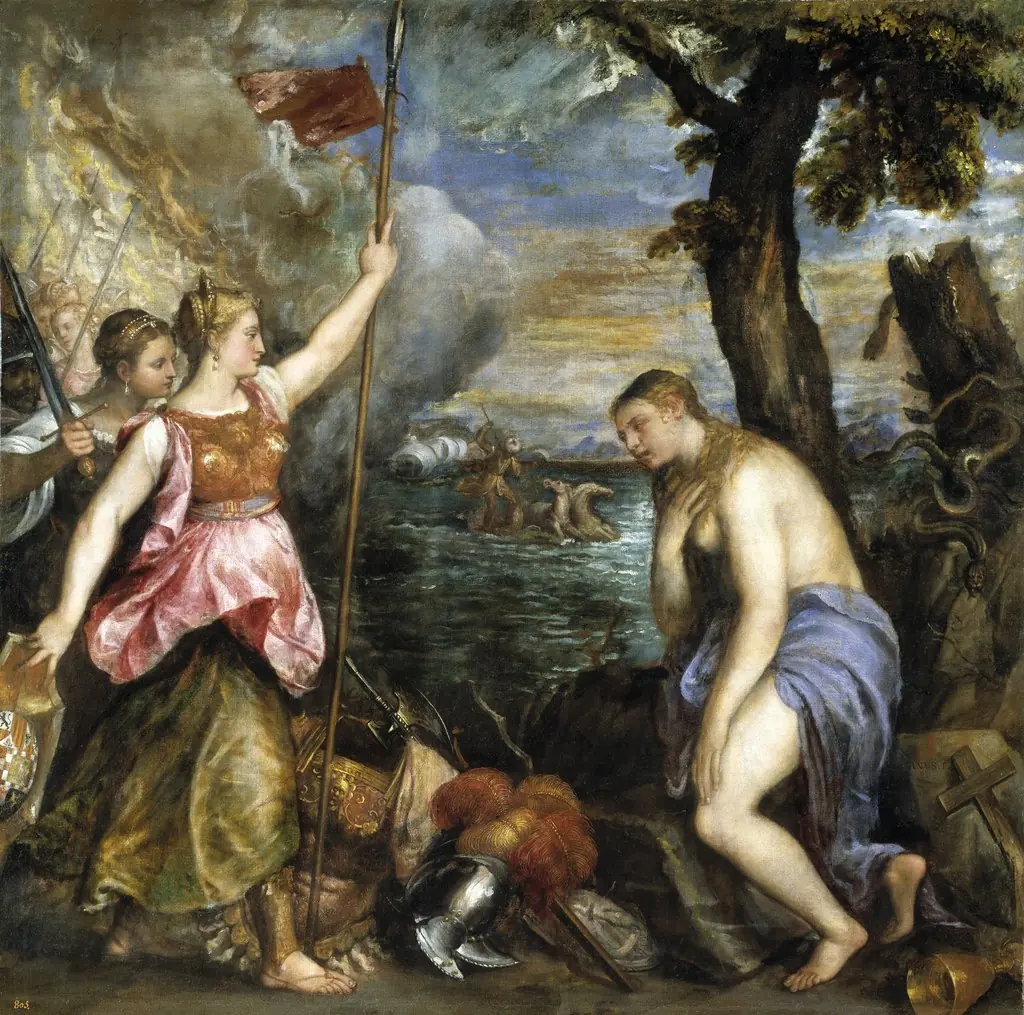 Religion saved by Spain
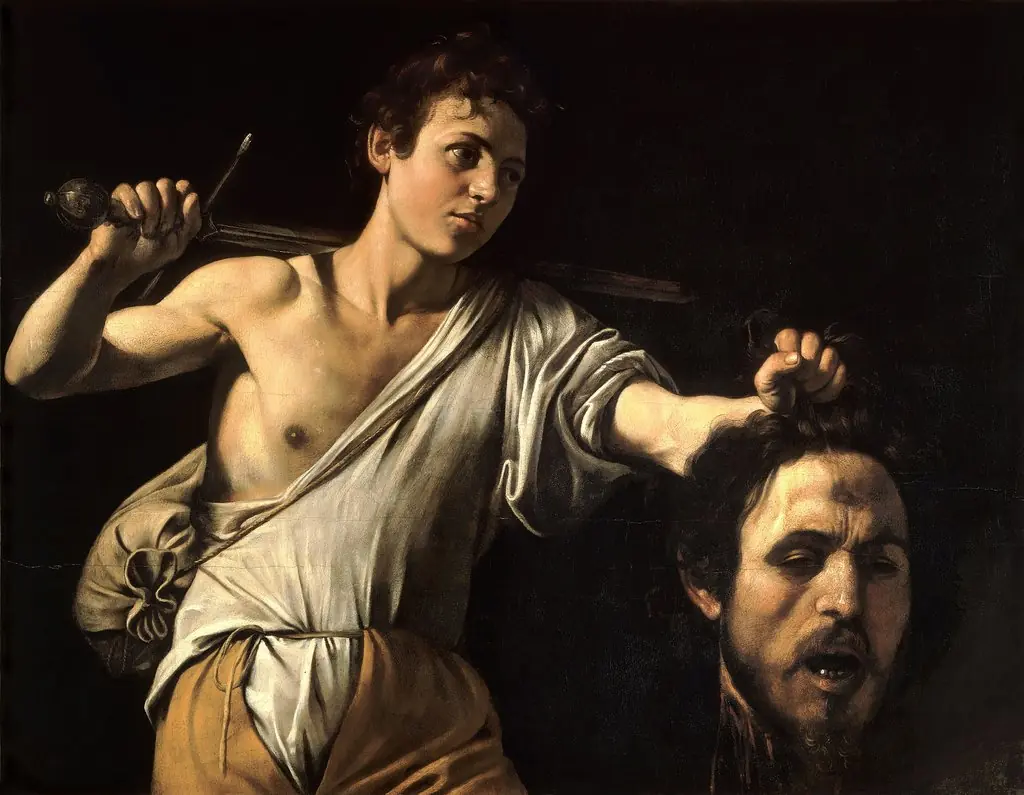 David with the Head of Goliath
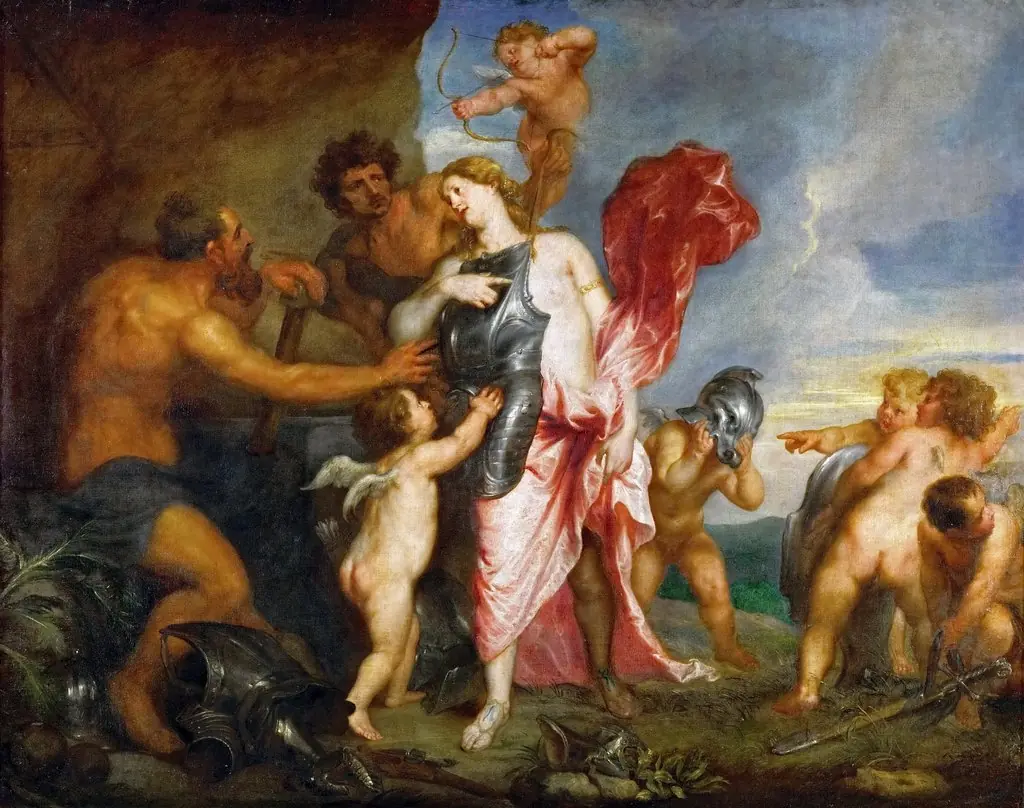 Thetis Receiving the Weapons of Achilles from Hephaestus
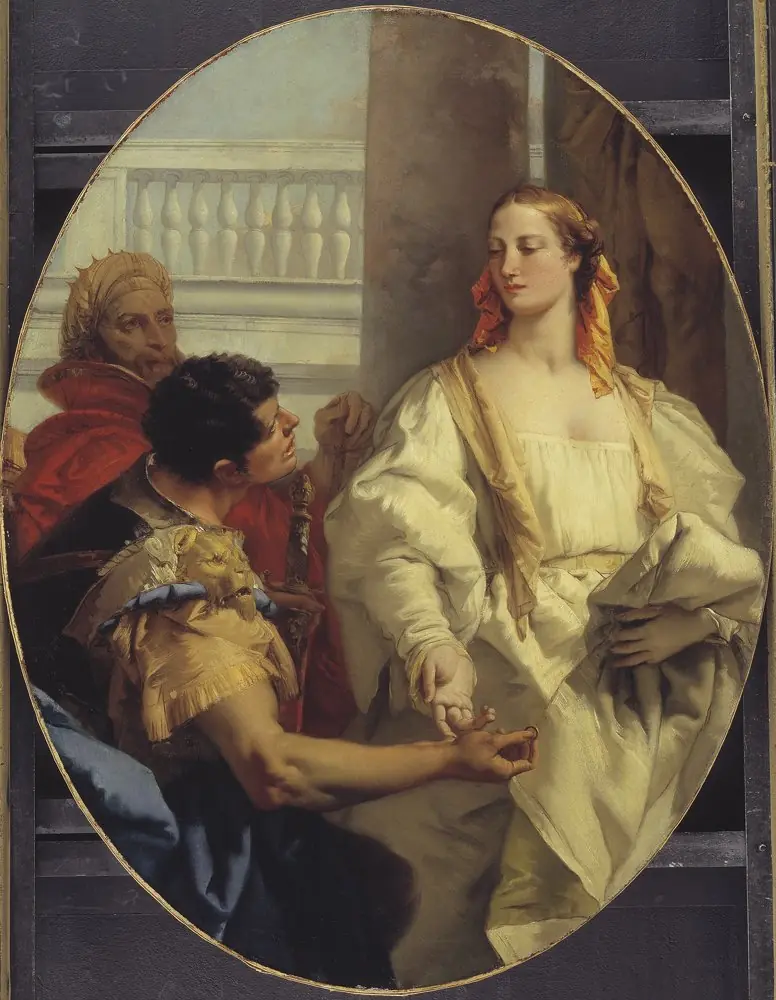 Latinus Offering his Daughter Lavinia to Aeneas in Matrimony
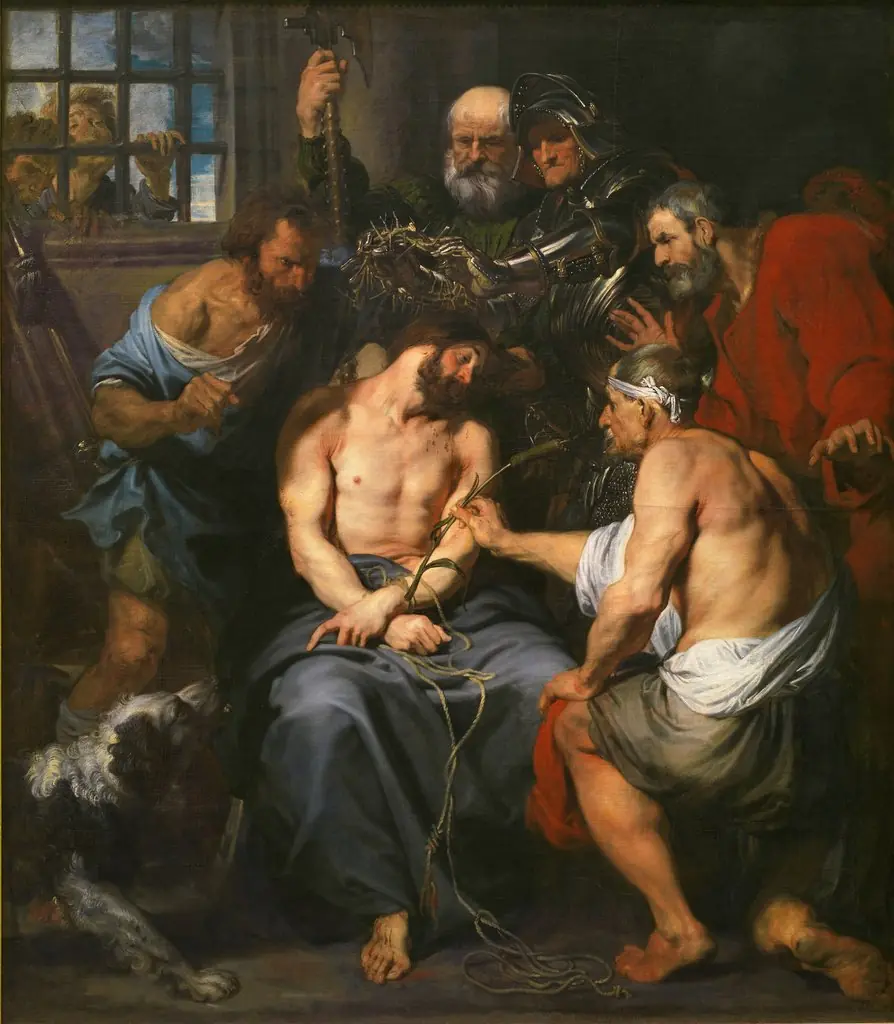 The Crown of Thorns
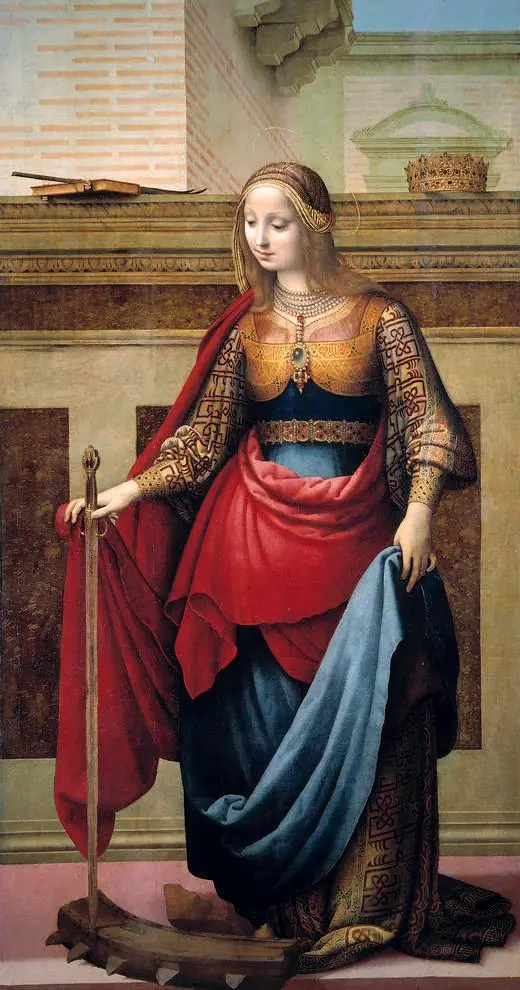 Saint Catherine
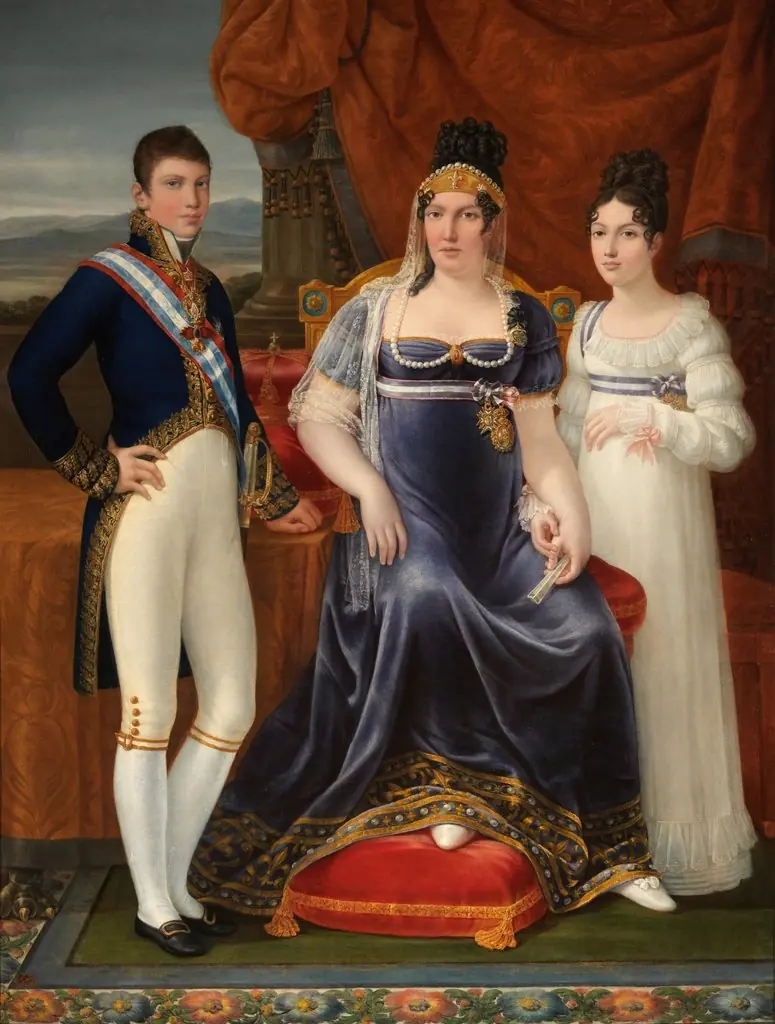 The Queen of Etruria and her Children
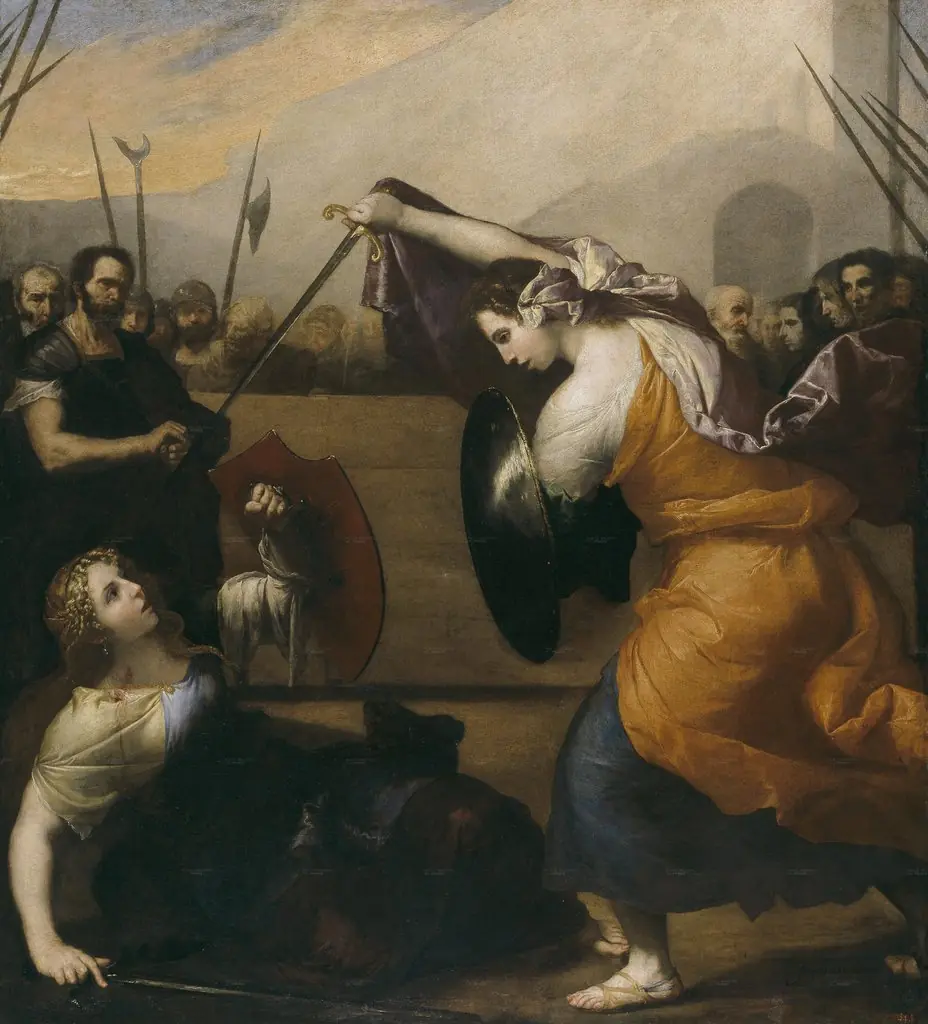 Women Gladiators
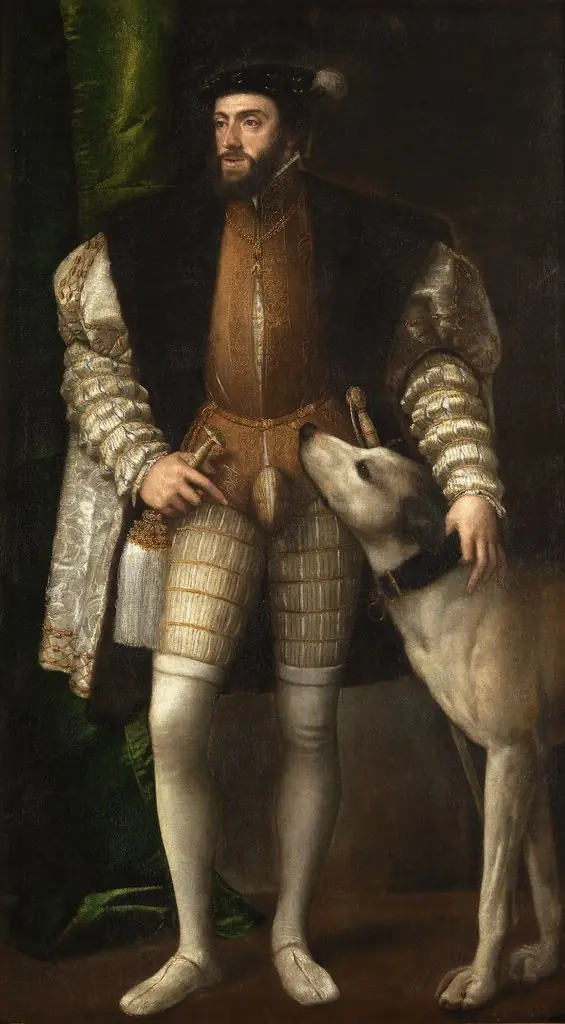 Portrait of Charles V with a Dog
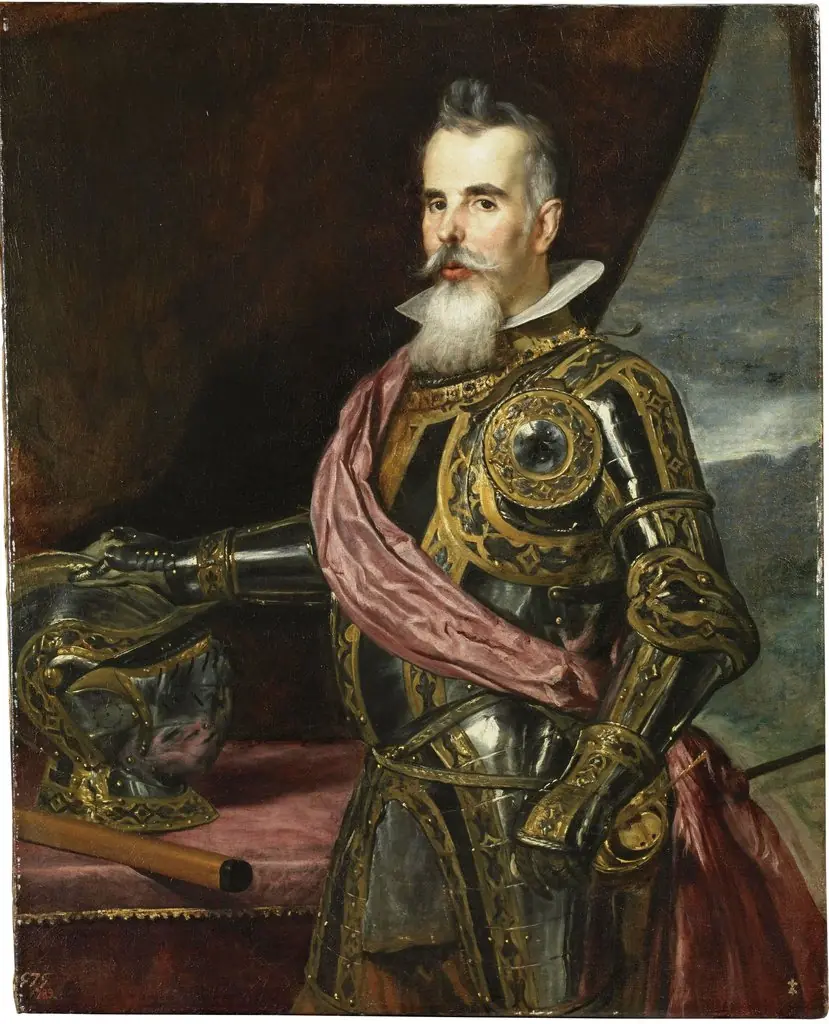 Juan Francisco Pimentel, conde de Benavente
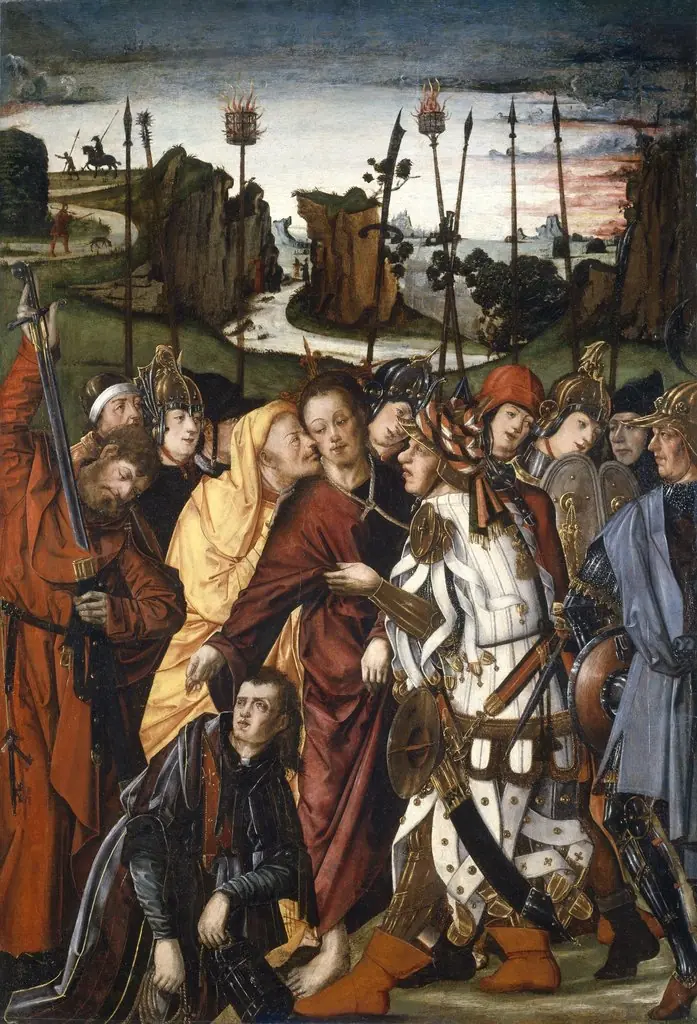 The Taking of Christ
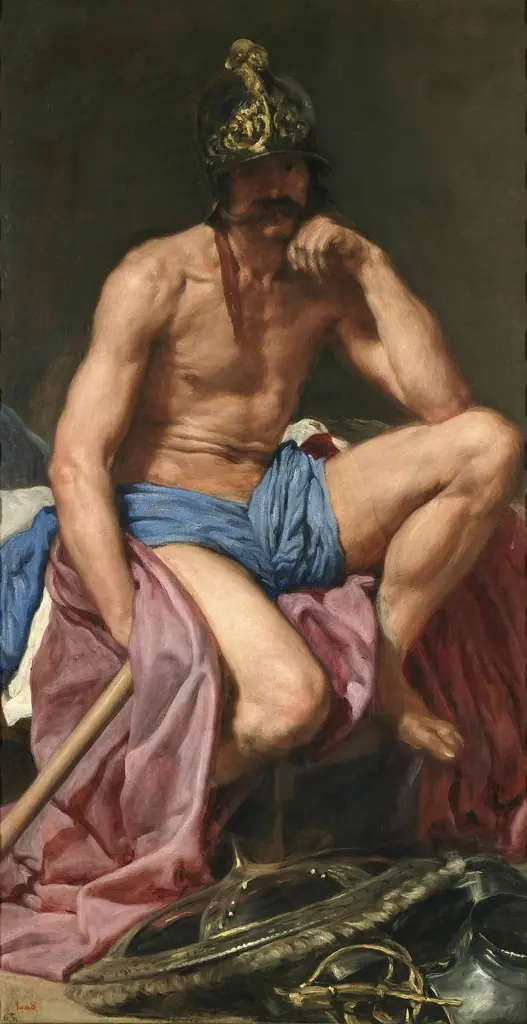 Mars Resting
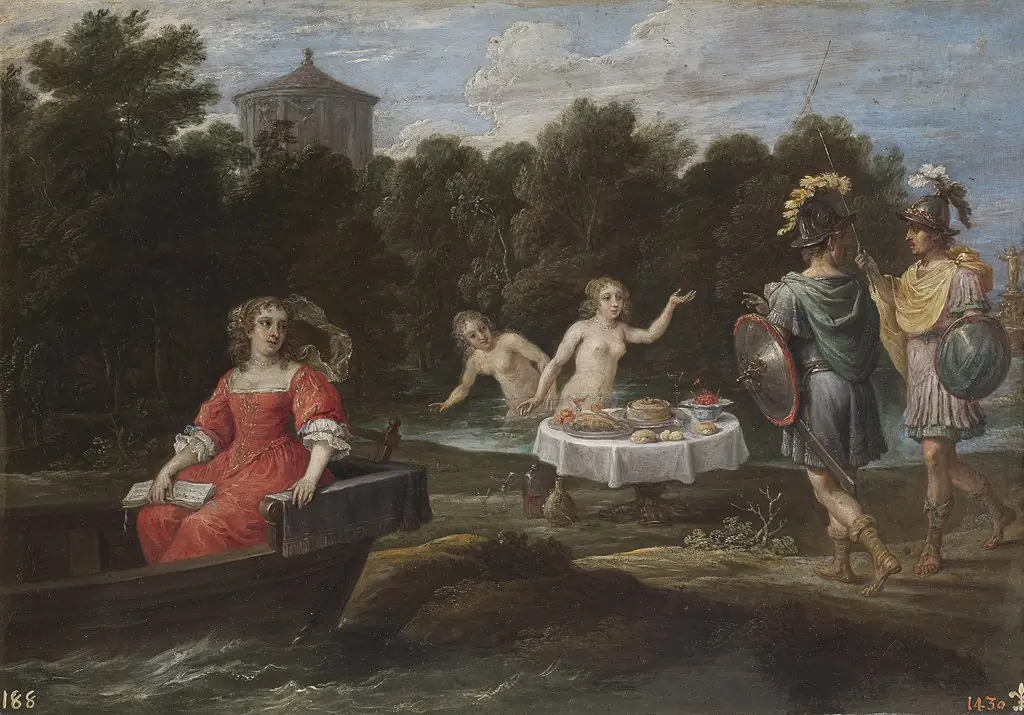 Carlos y Ubaldo en las islas Afortunadas
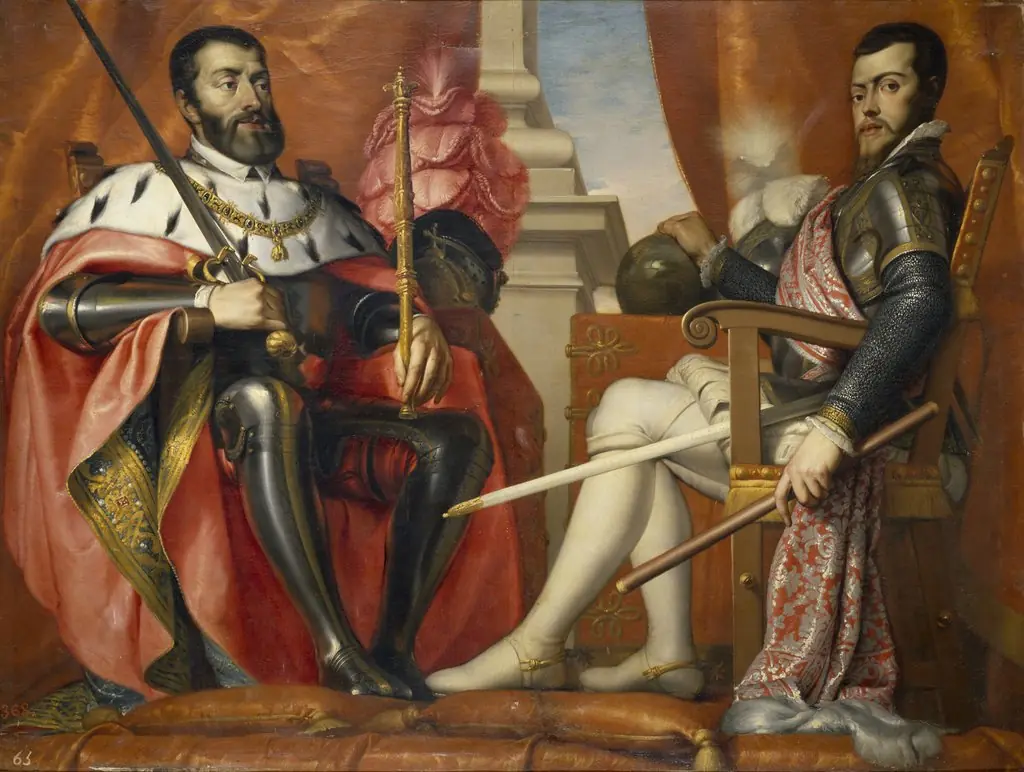 Charles V and Philip II
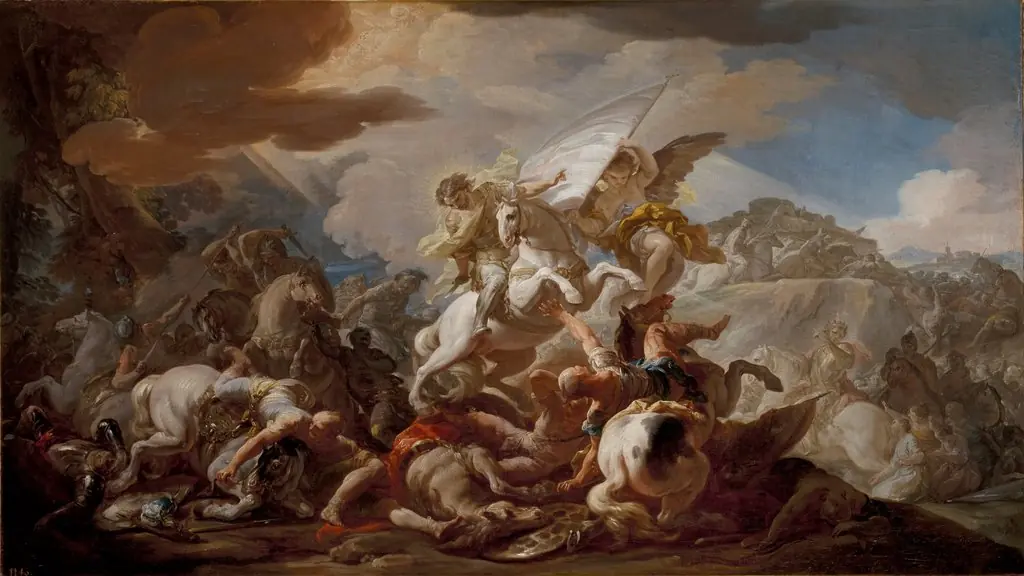 Battle of Clavijo
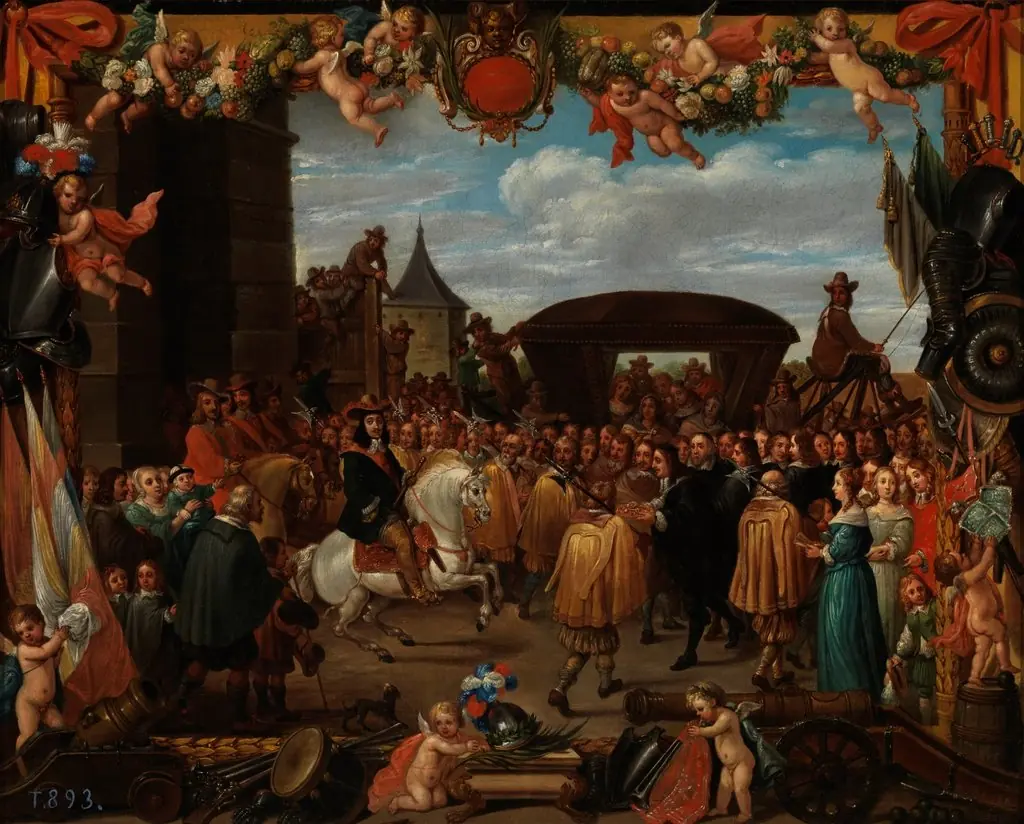 Entrada triunfal de don Juan José de Austria (?)
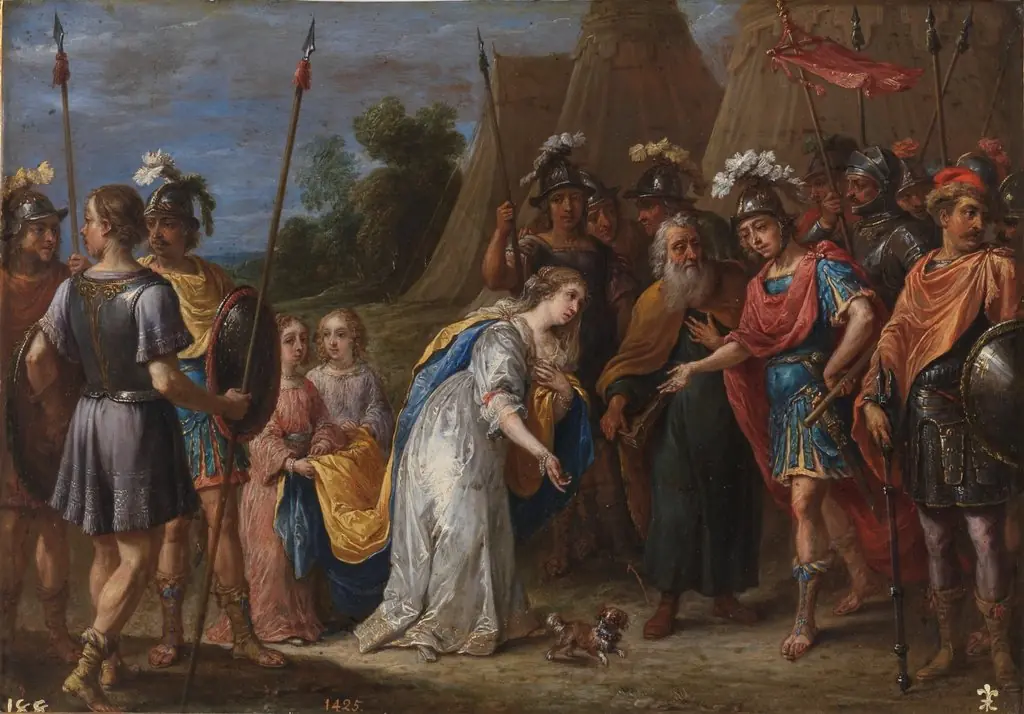 Armida ante Godofredo de Bouillon
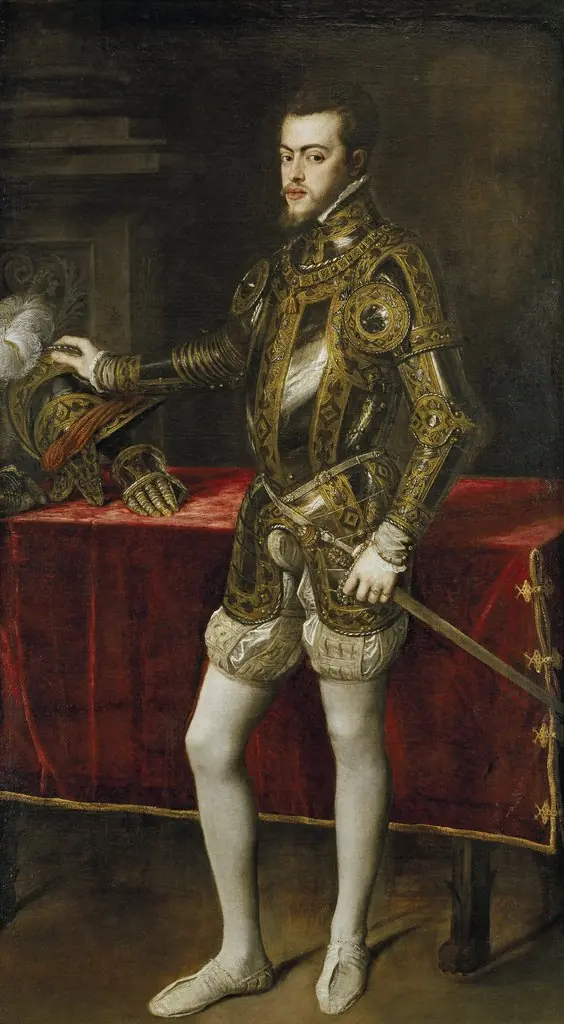 Philip II in Armour
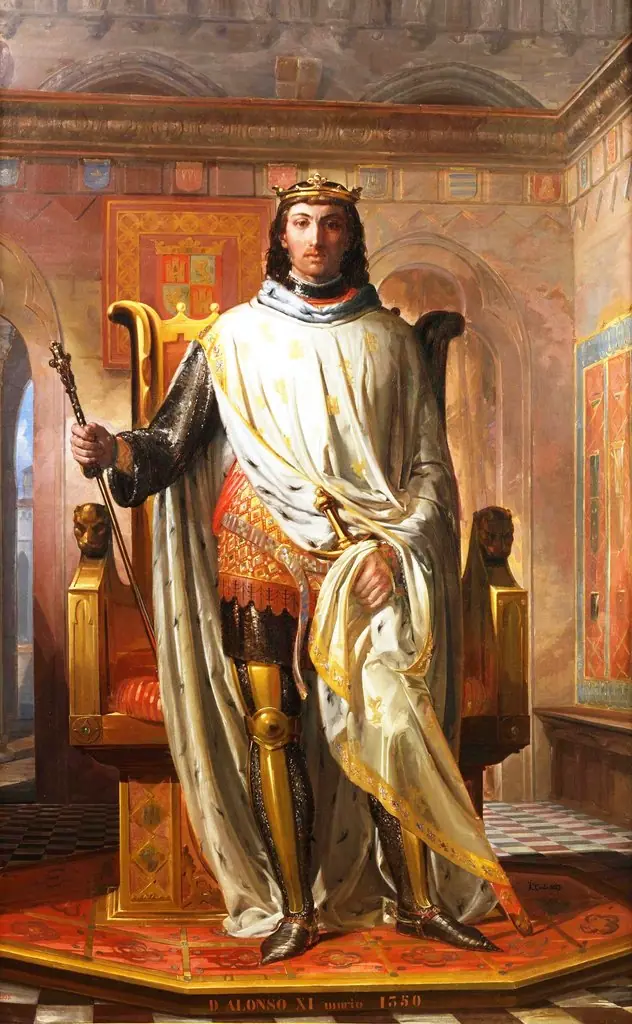 Alfonso XI
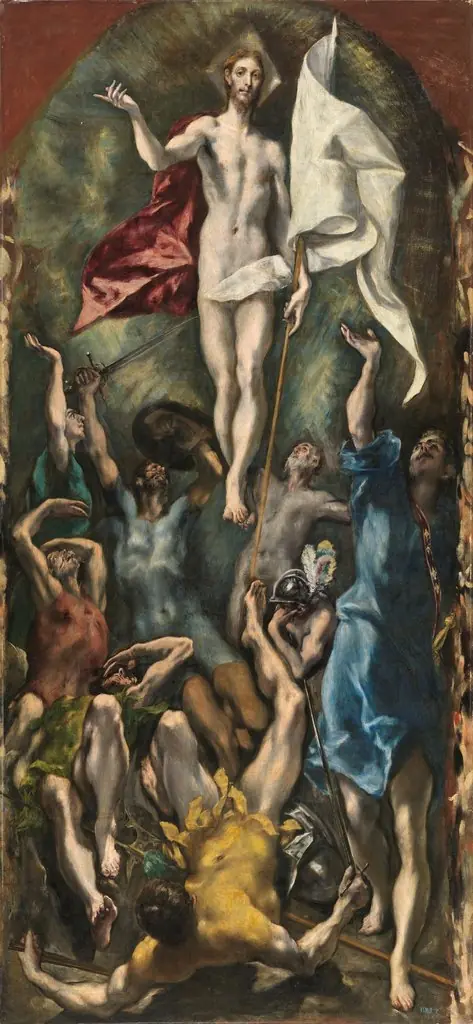 The Resurrection
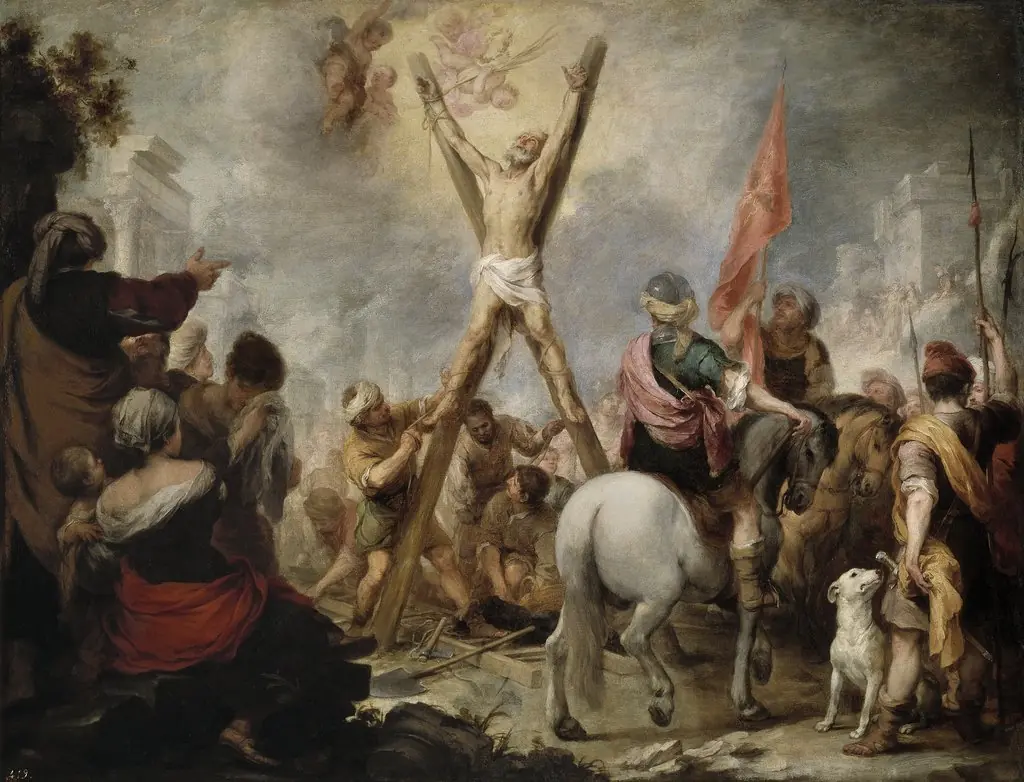 The Martyrdom of St. Andrew
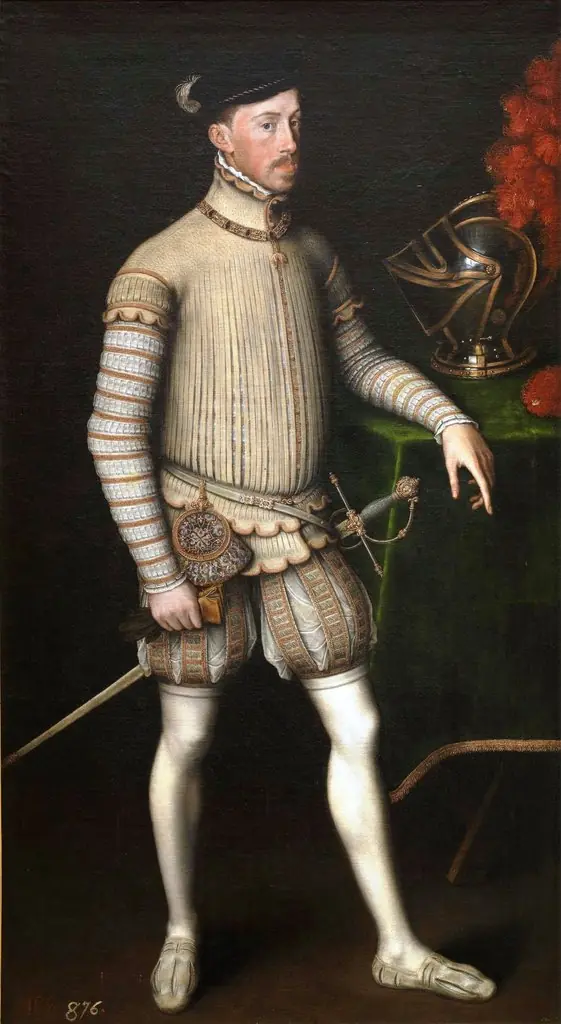 Emperor Maximilian II
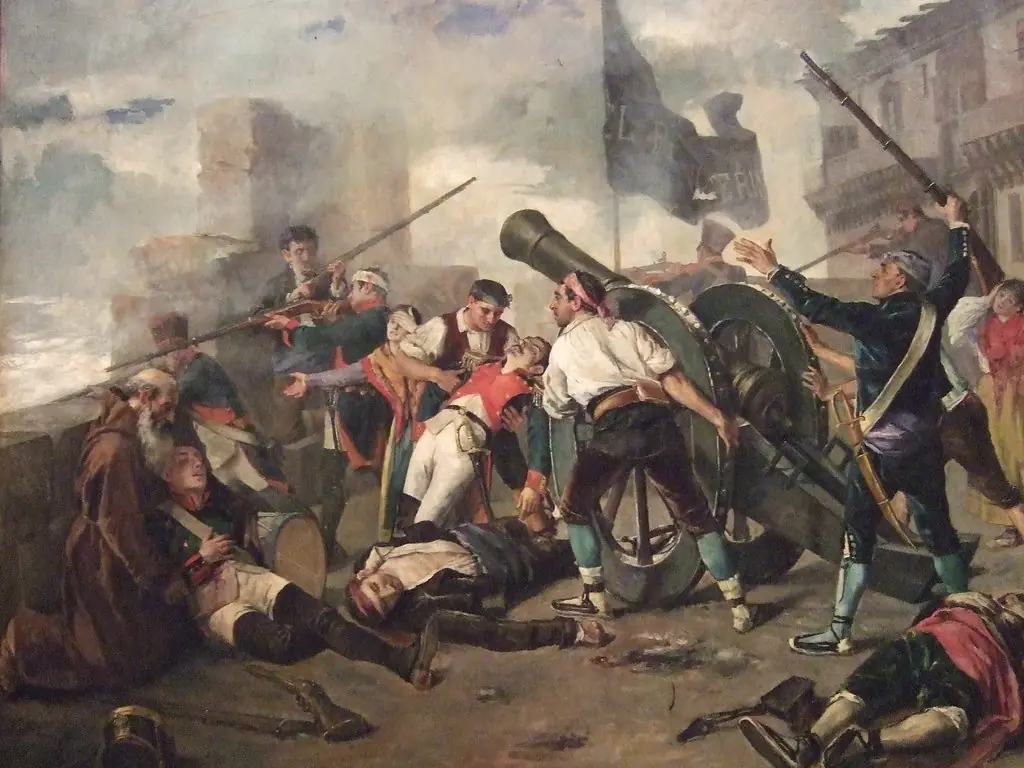 El Pilar no se rinde
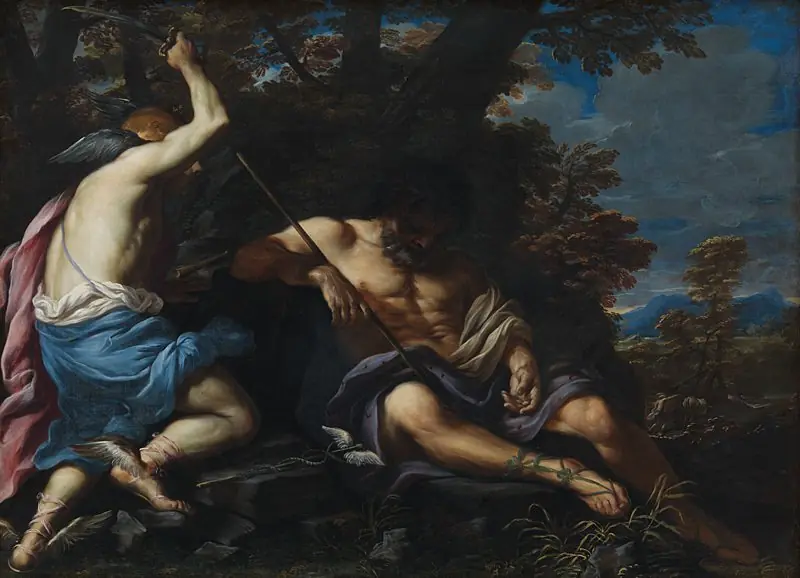 Mercury Killing Argus
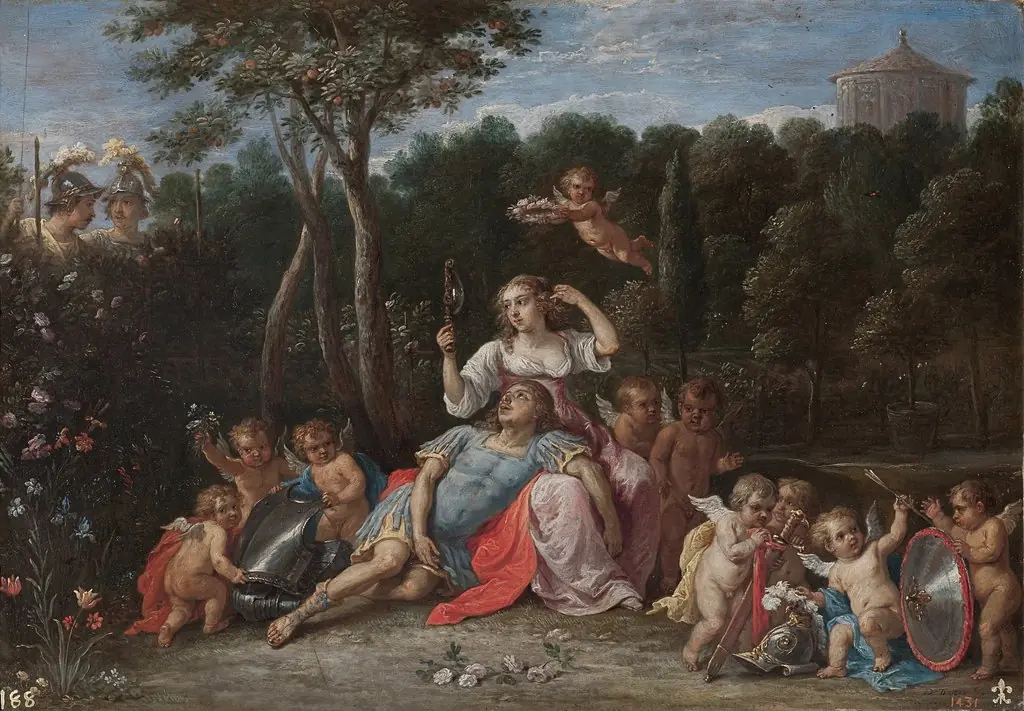 El jardín de Armida
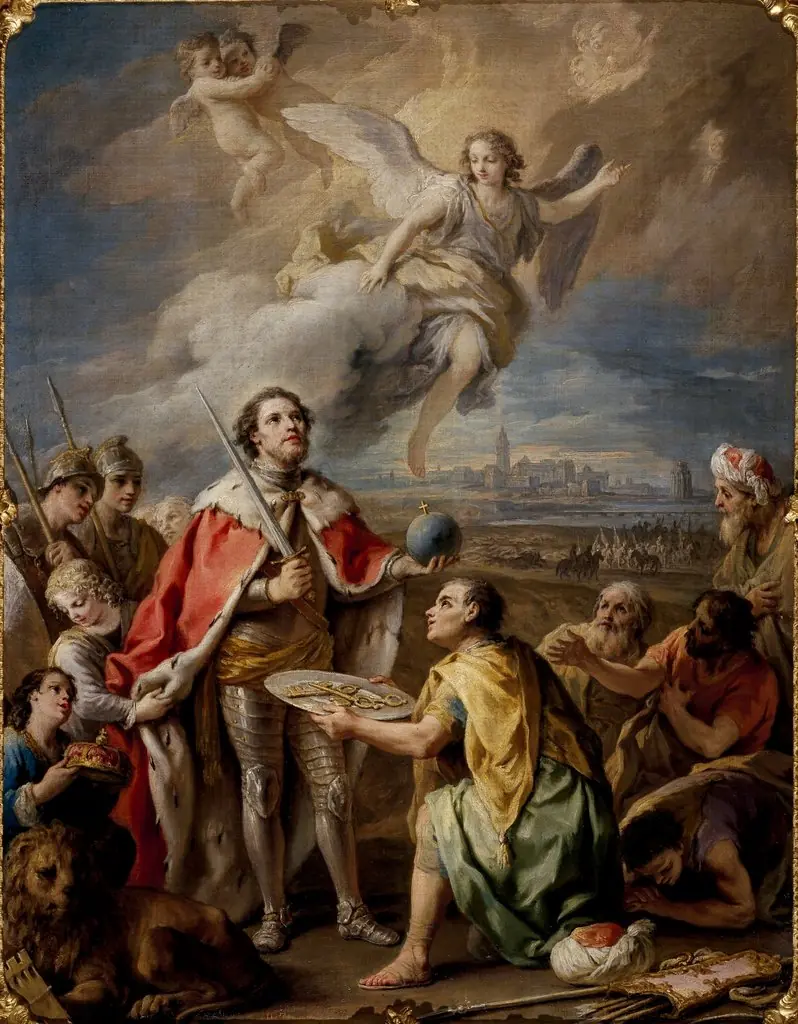 Seville Surrenders to the king, Saint Ferdinand
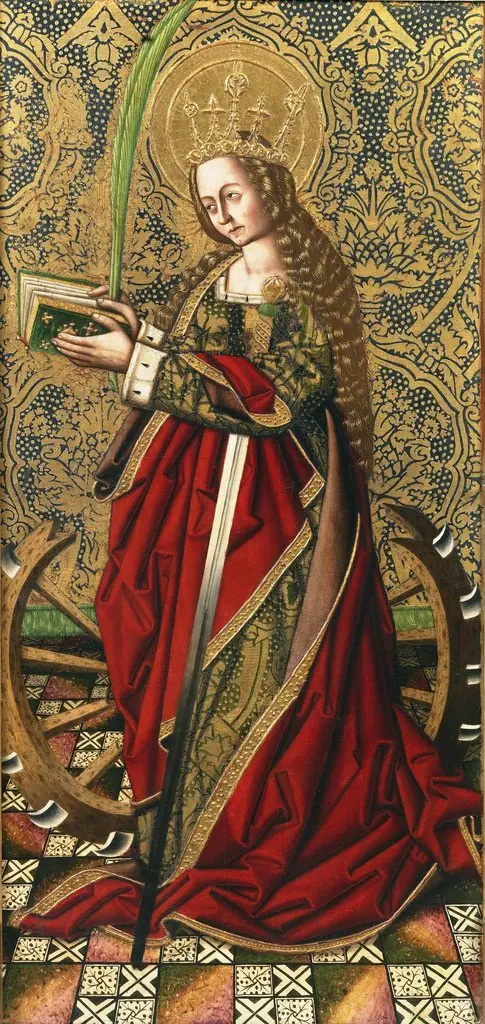 Saint Catherine
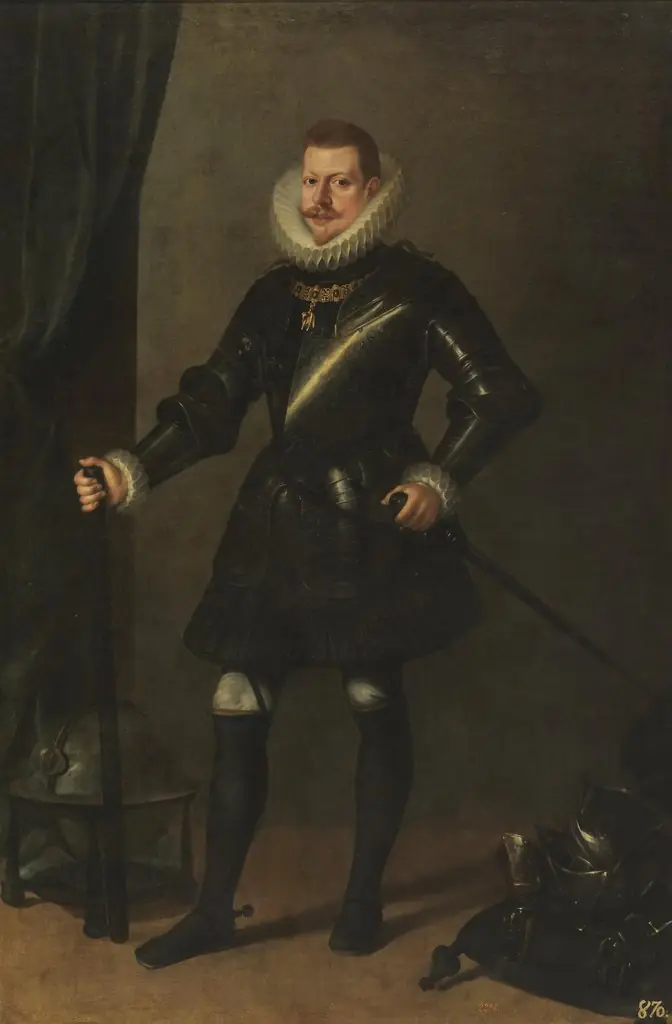 Philip III in Armour
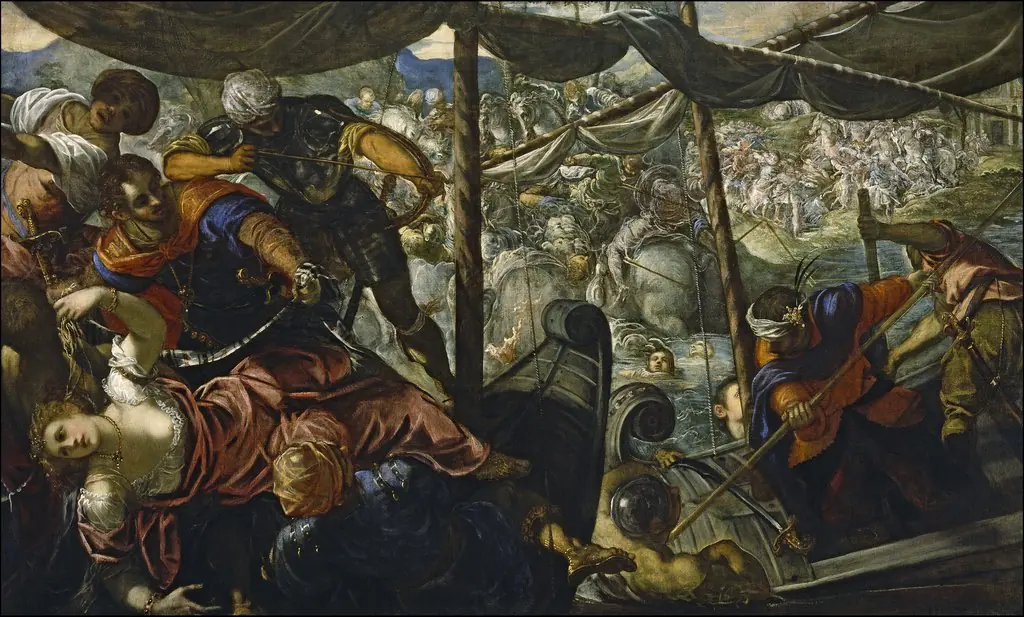 The Rape of Helen
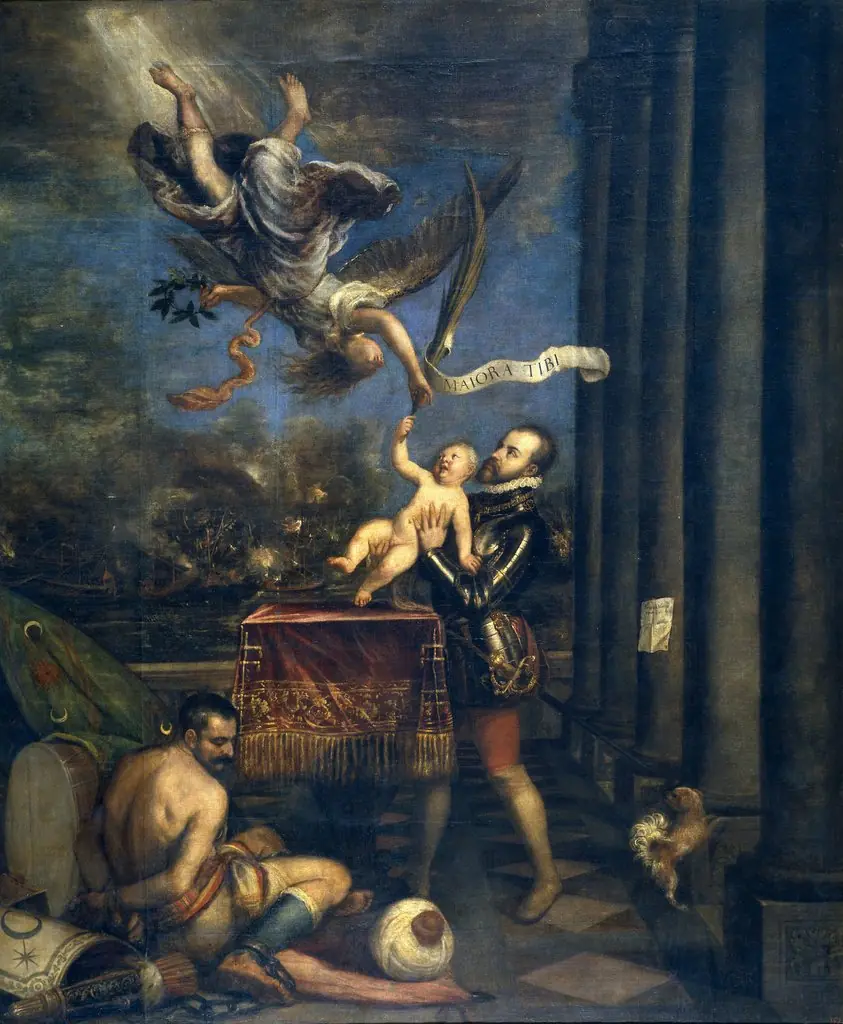 Philip II offering the Infante don Fernando to the Heavens
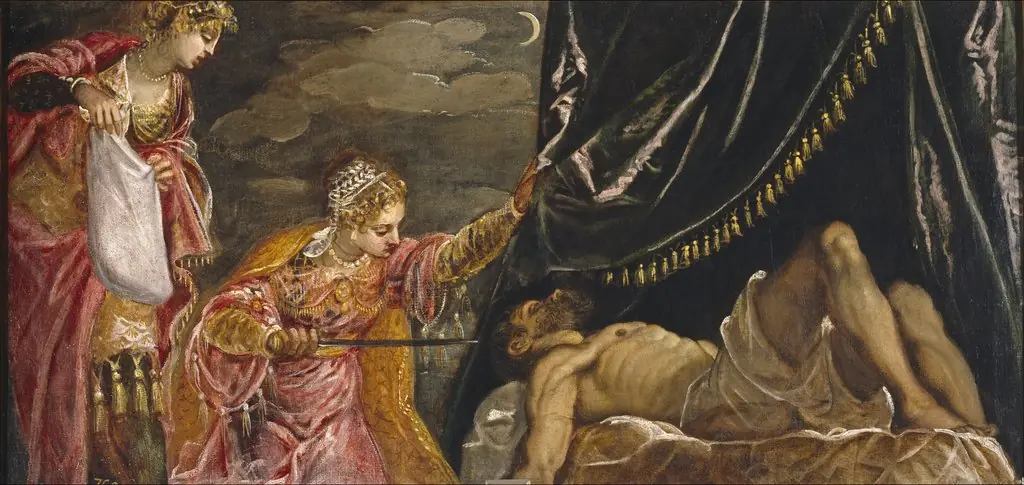 Judith and Holofernes
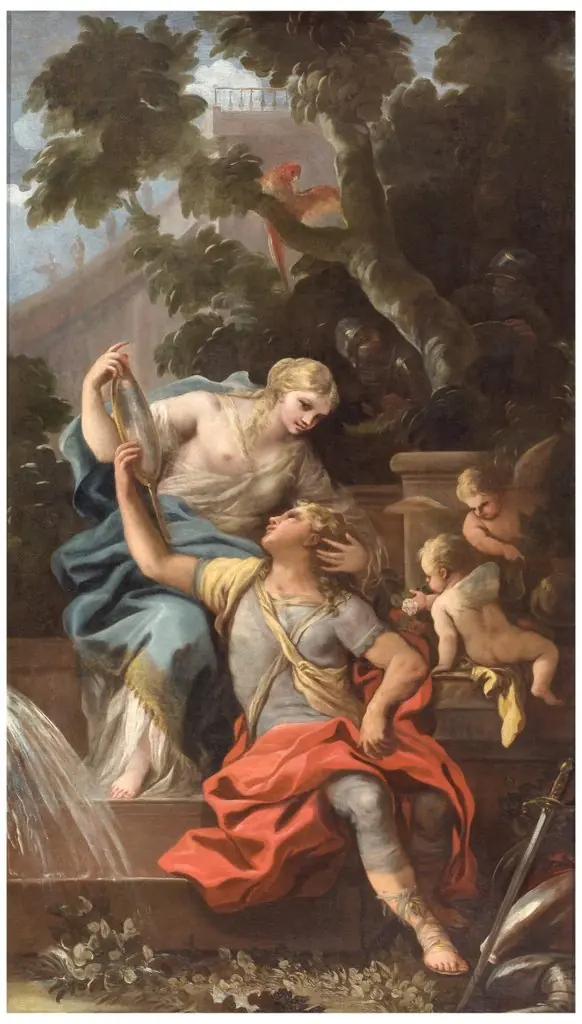 Armida and Rinaldo
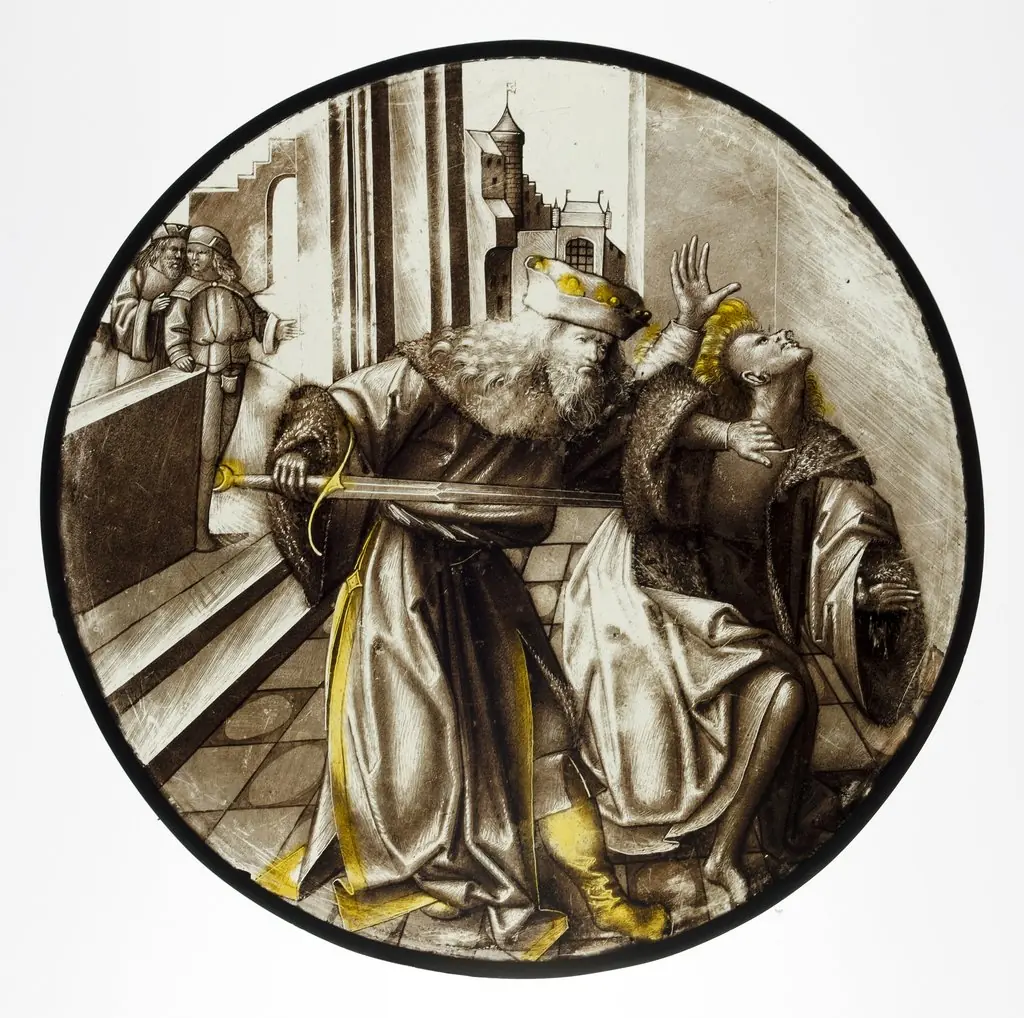 Roundel with Joab Murdering Abner
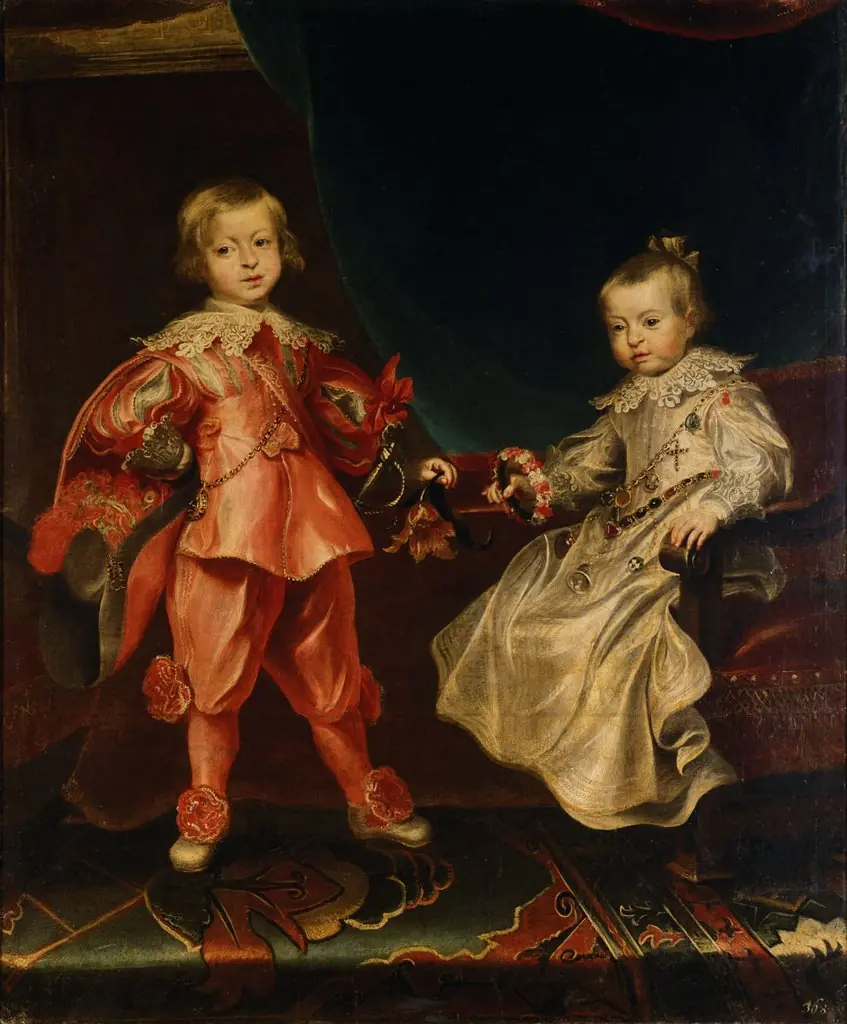 Portrait of Ferdinand IV with his sister Maria Anna
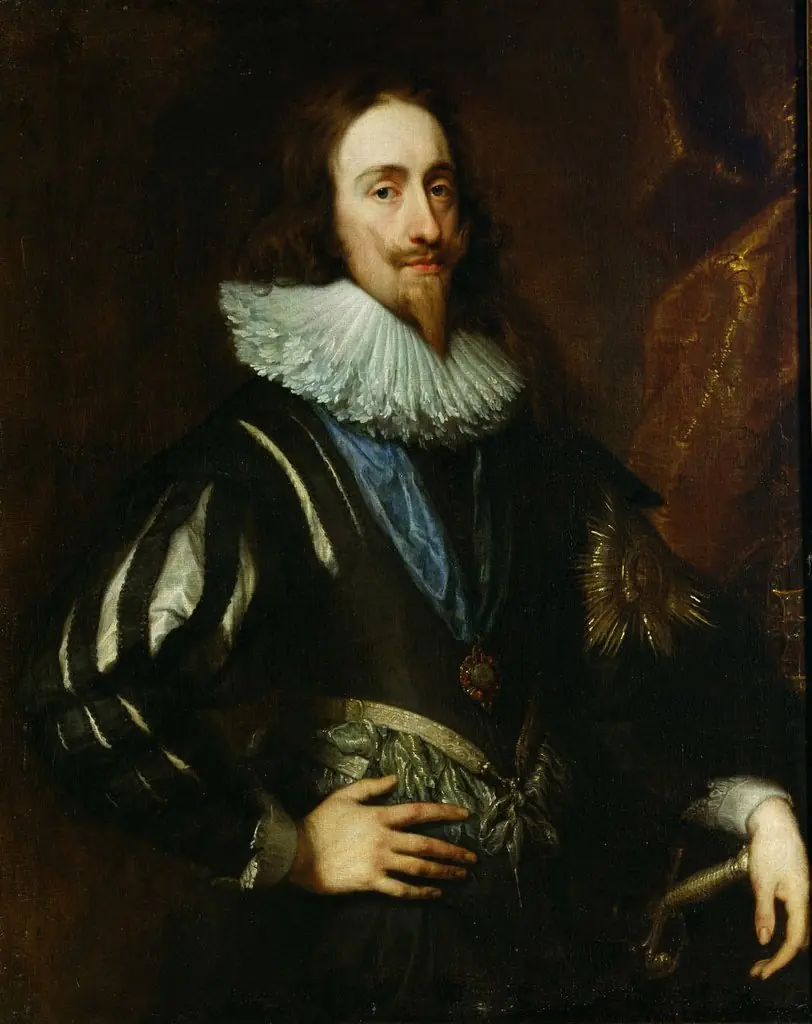 King Charles I of England (1600-1649), three-quarter portrait
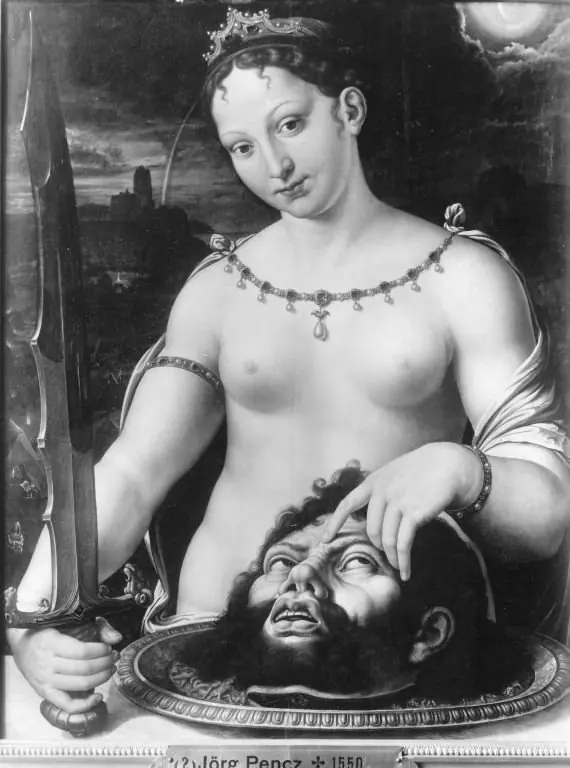 Judith with the Head of Holophernes
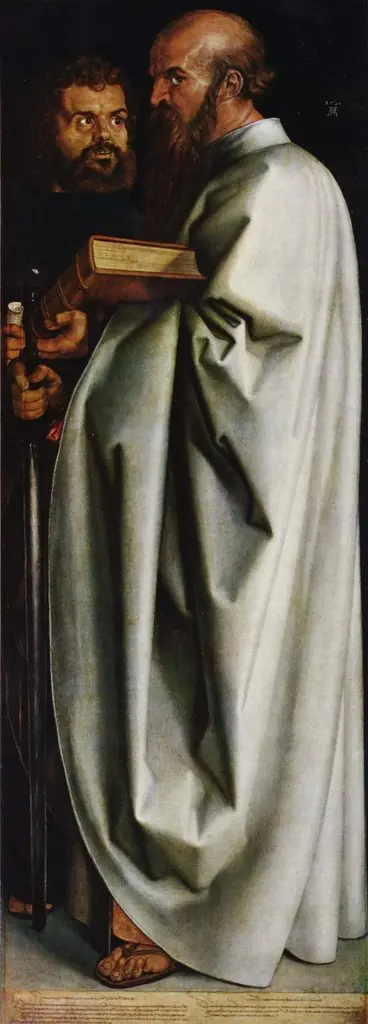 The Four Apostles: Saints Mark and Paul
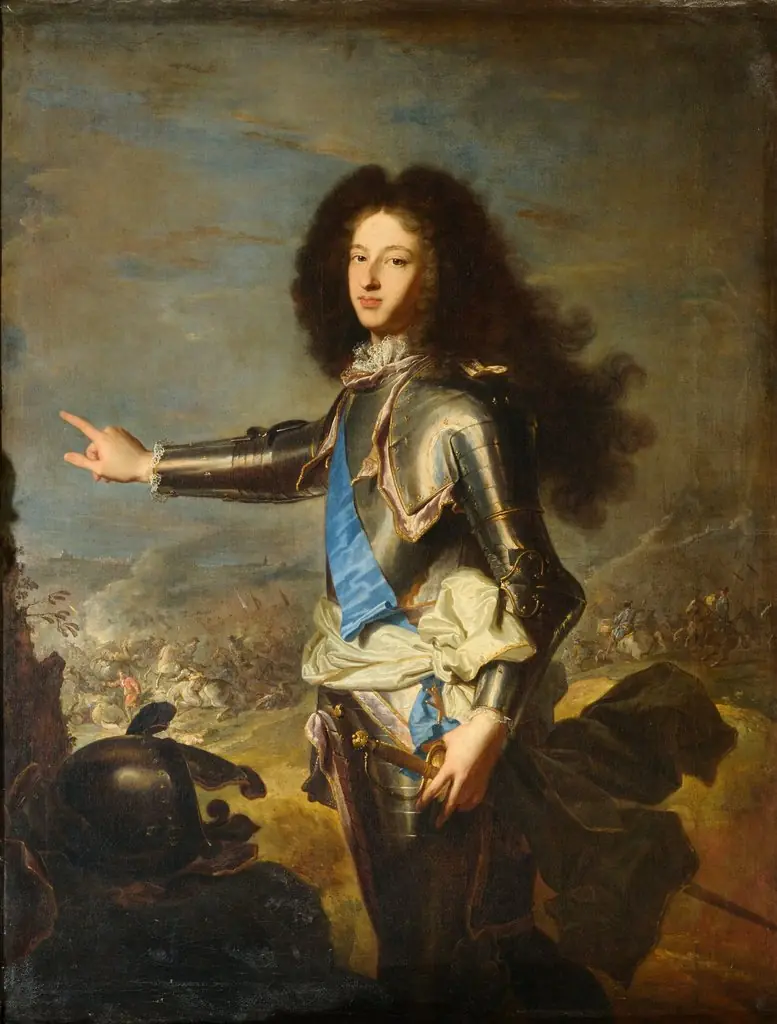 Louis de France, Duke of Burgundy
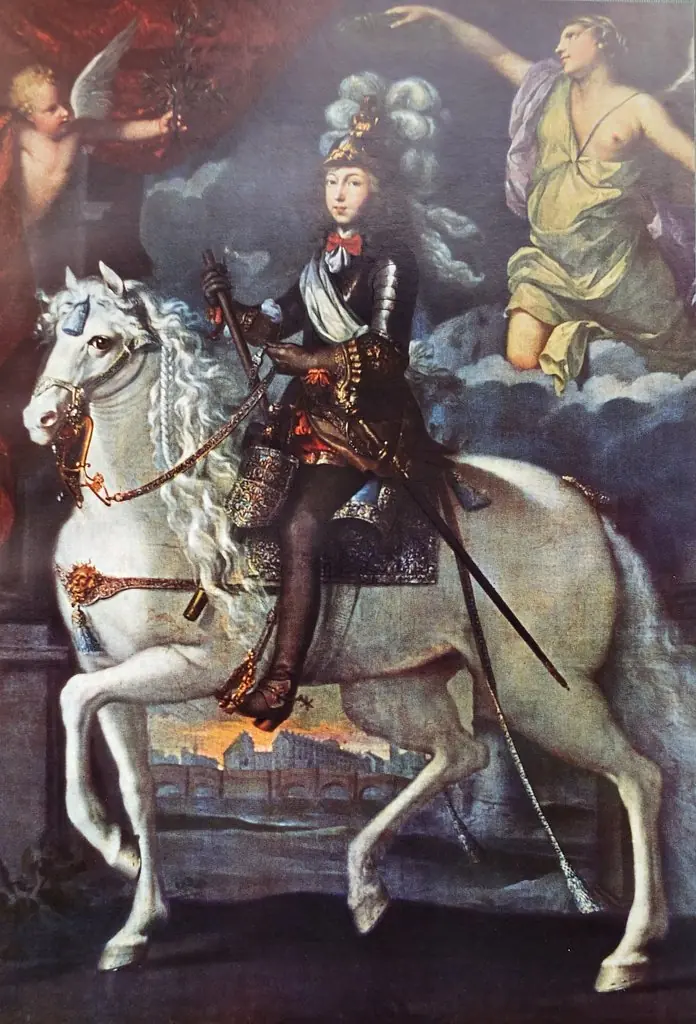 Louis XIV, King of France
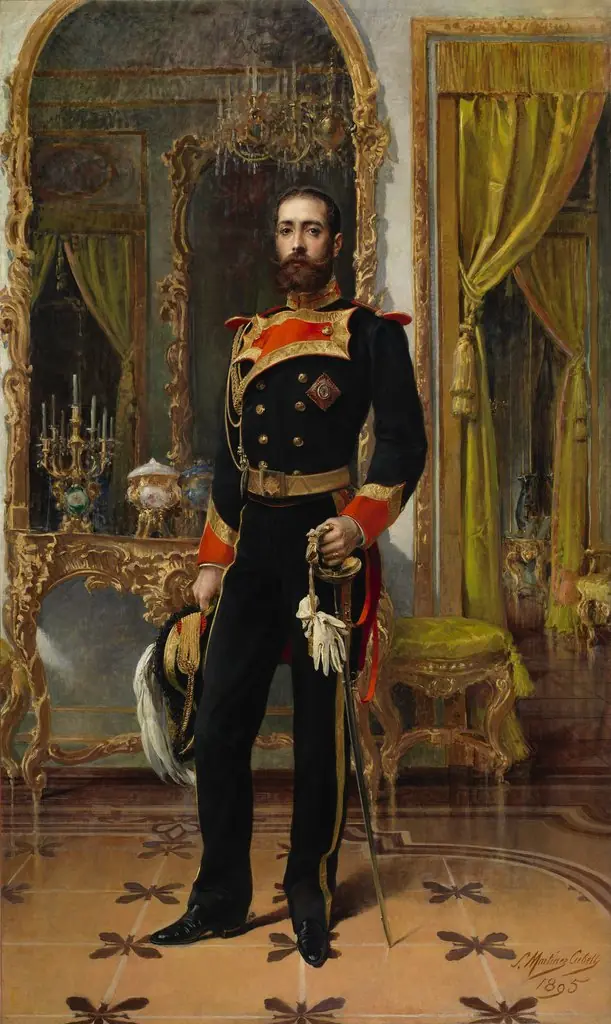 José Martínez de Roda luego marqués de Vistabella
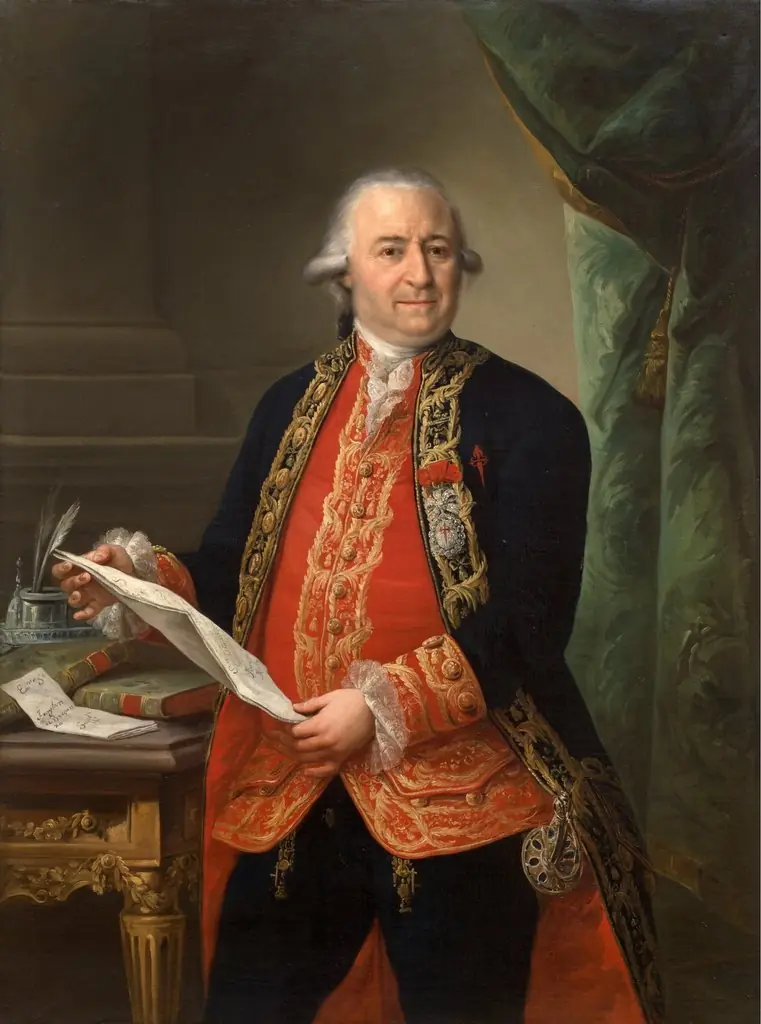 D Pedro López de Lerena, I Count of Lerena
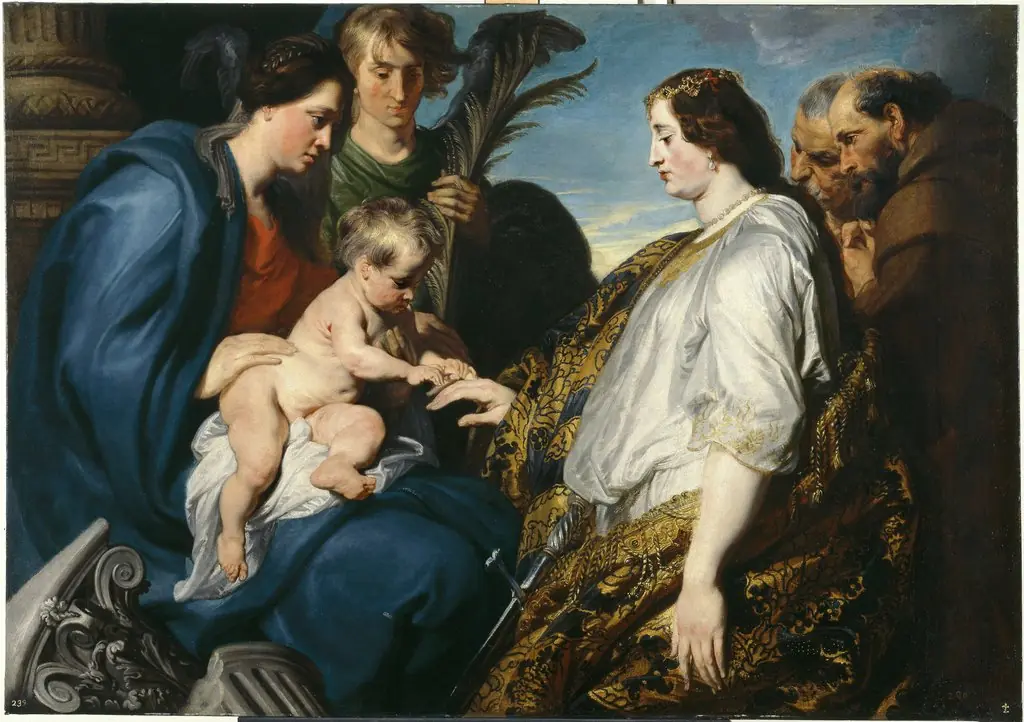 The Mystic Marriage of Saint Catherine
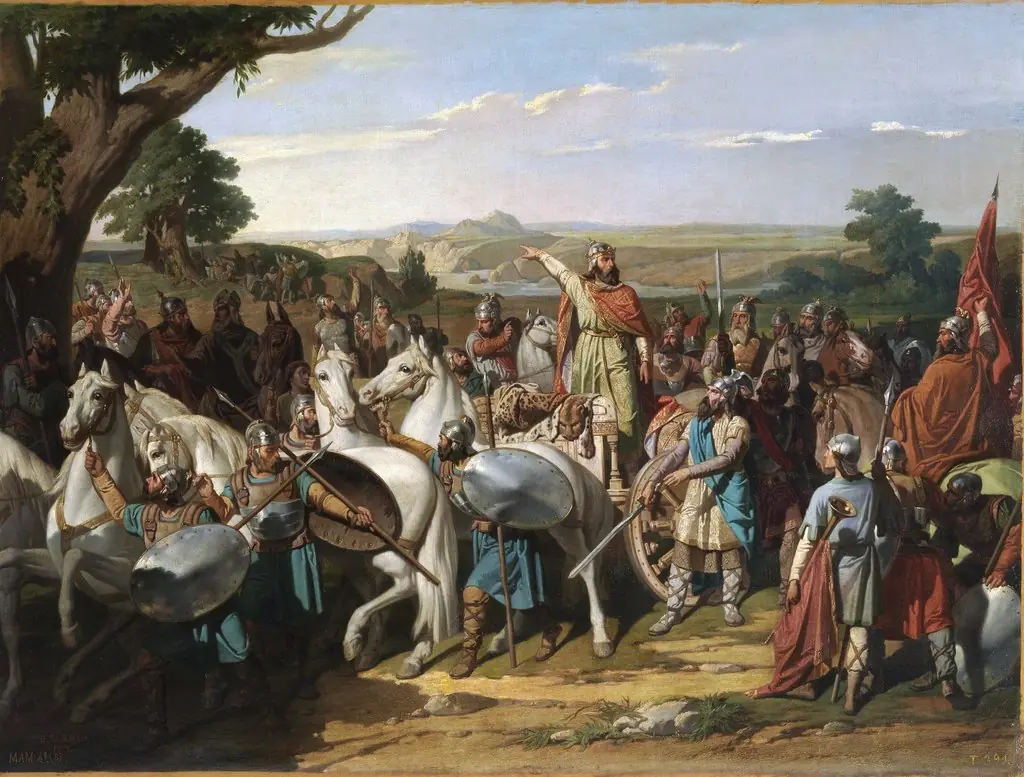 El rey don Rodrigo arengando a los jefes de su ejército antes de dar la batalla del Guadalete
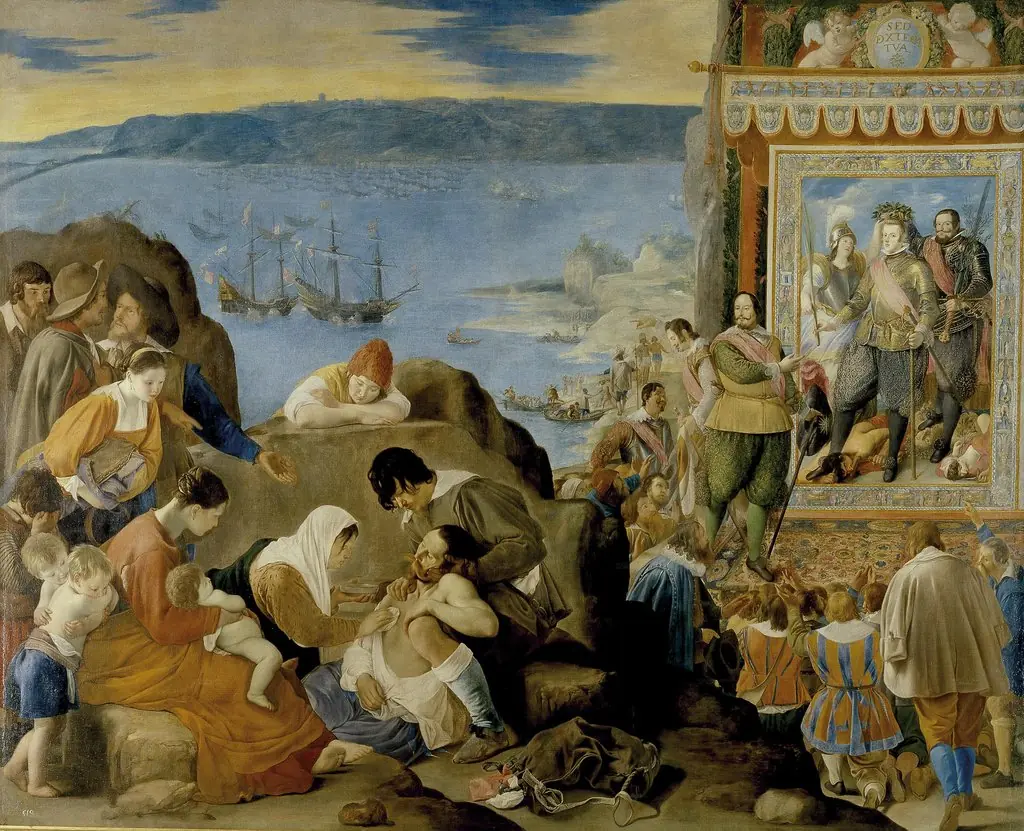 The Recovery of Bahía de Todos los Santos
 Udfaldet på Amager under Københavns belejring 1659
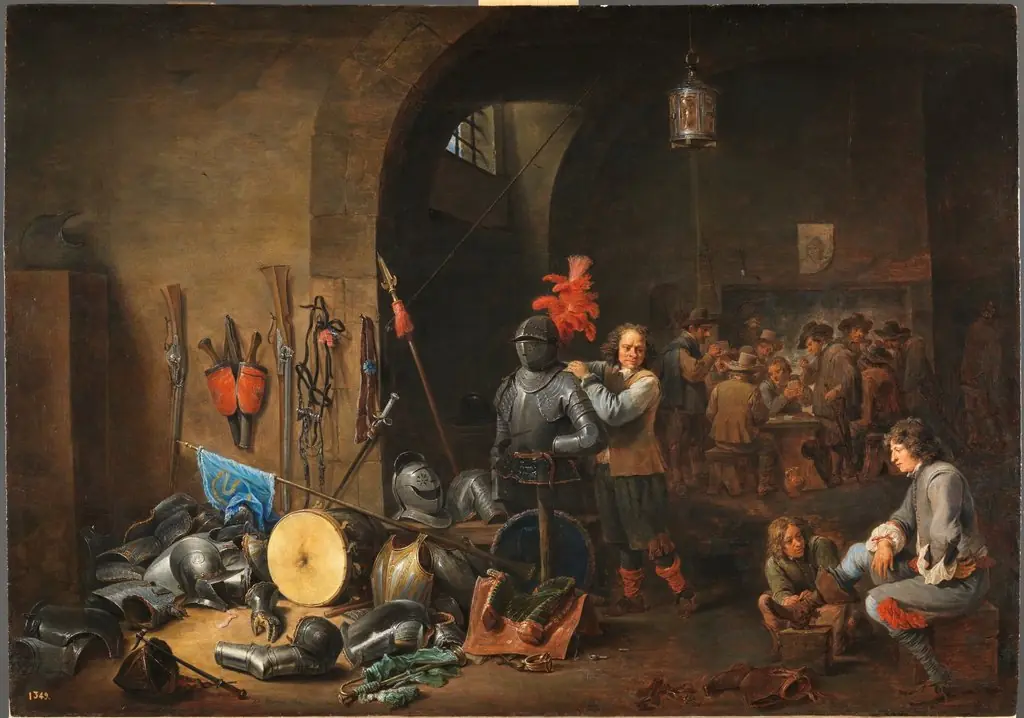 The Bivouac
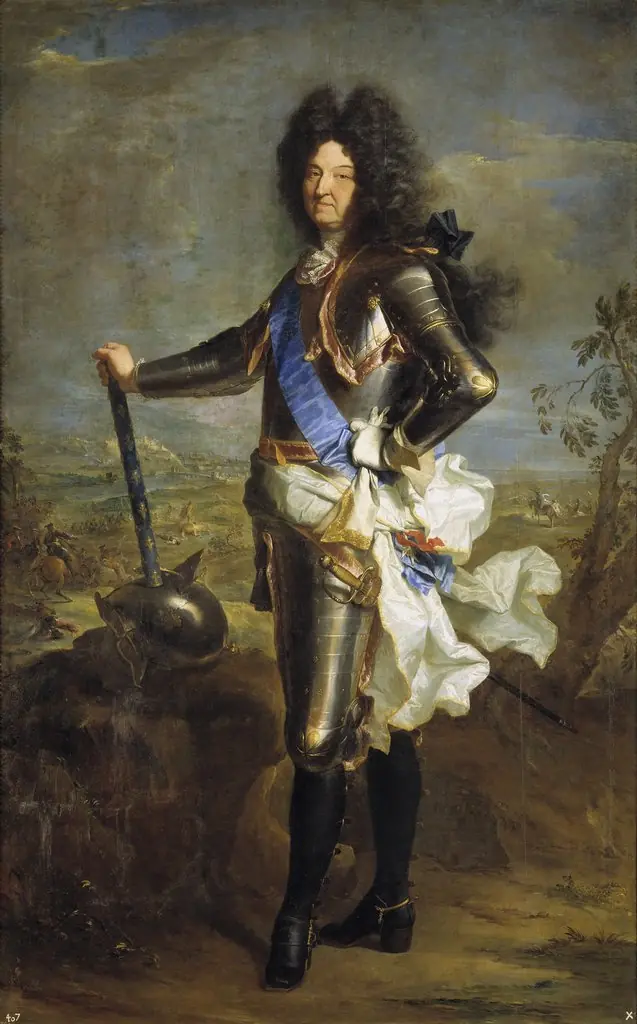 Louis XIV
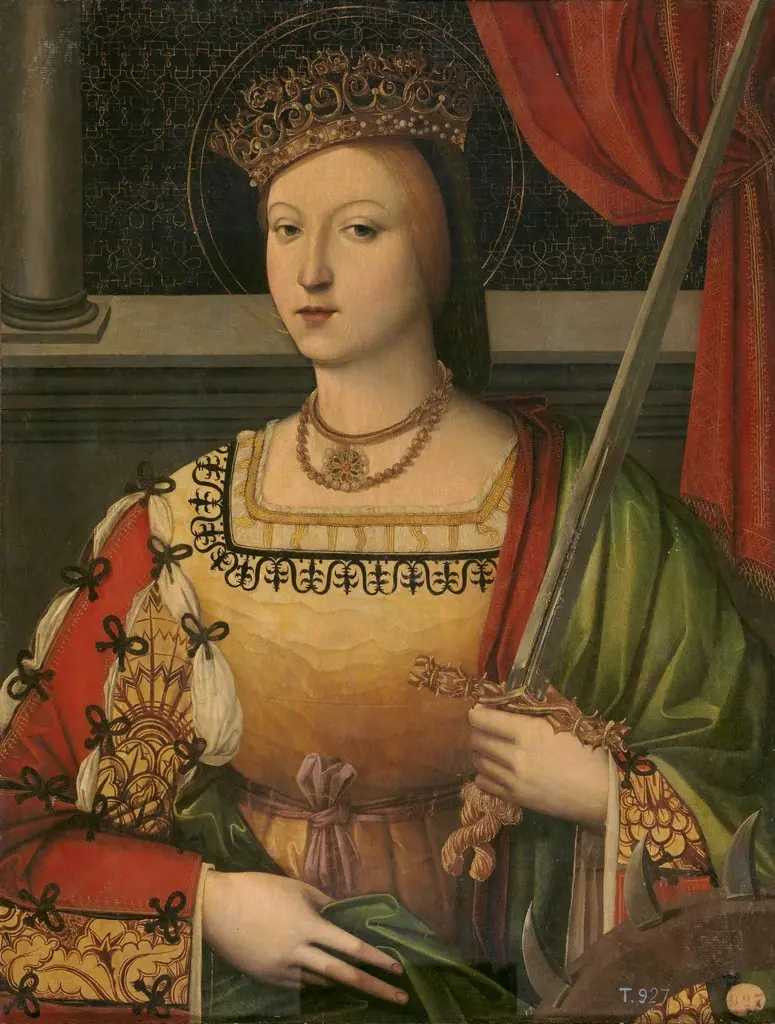 Catalina de Austria reina de Portugal como Santa Catalina
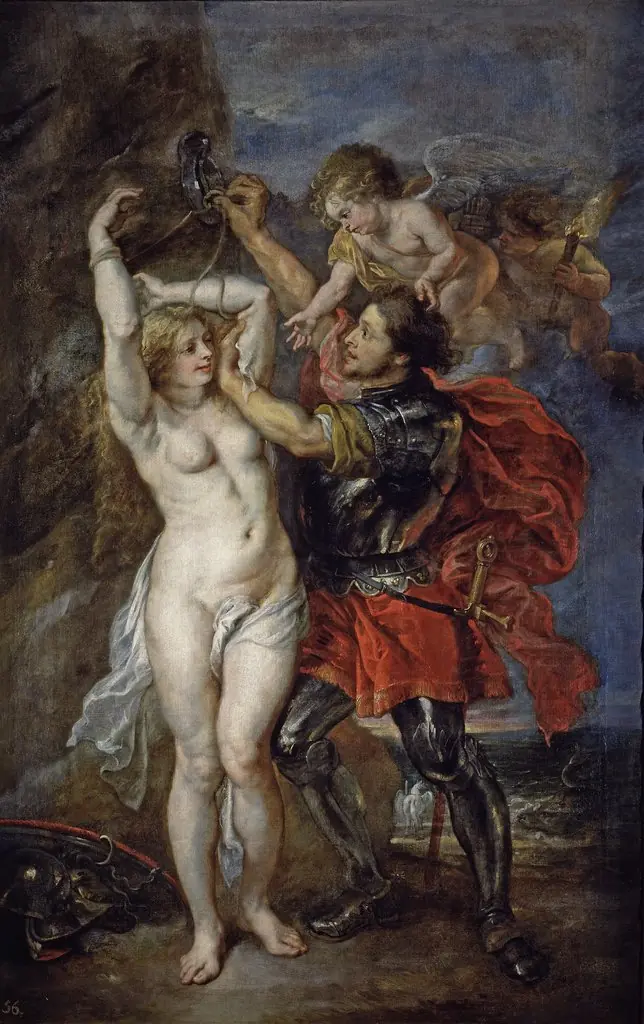 Perseus Freeing Andromeda
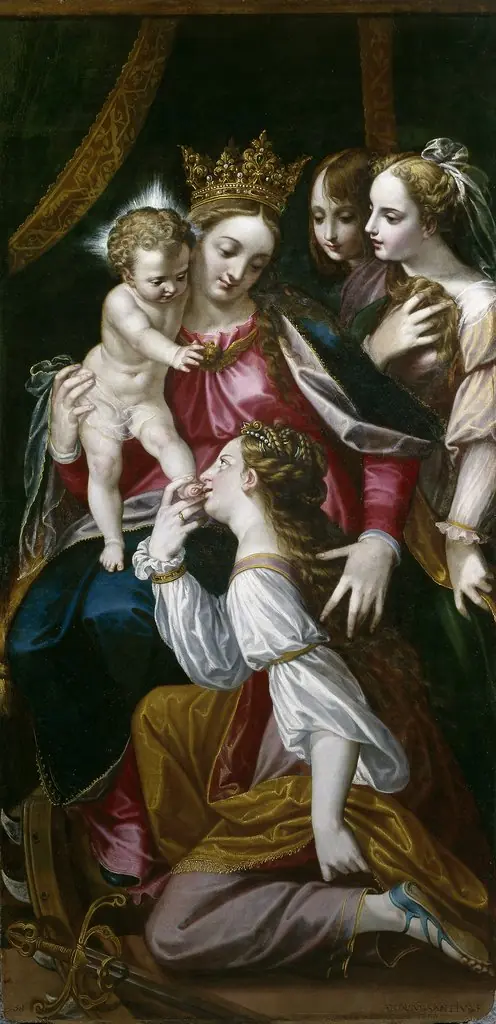 The Mystic Marriage of Saint Catherine
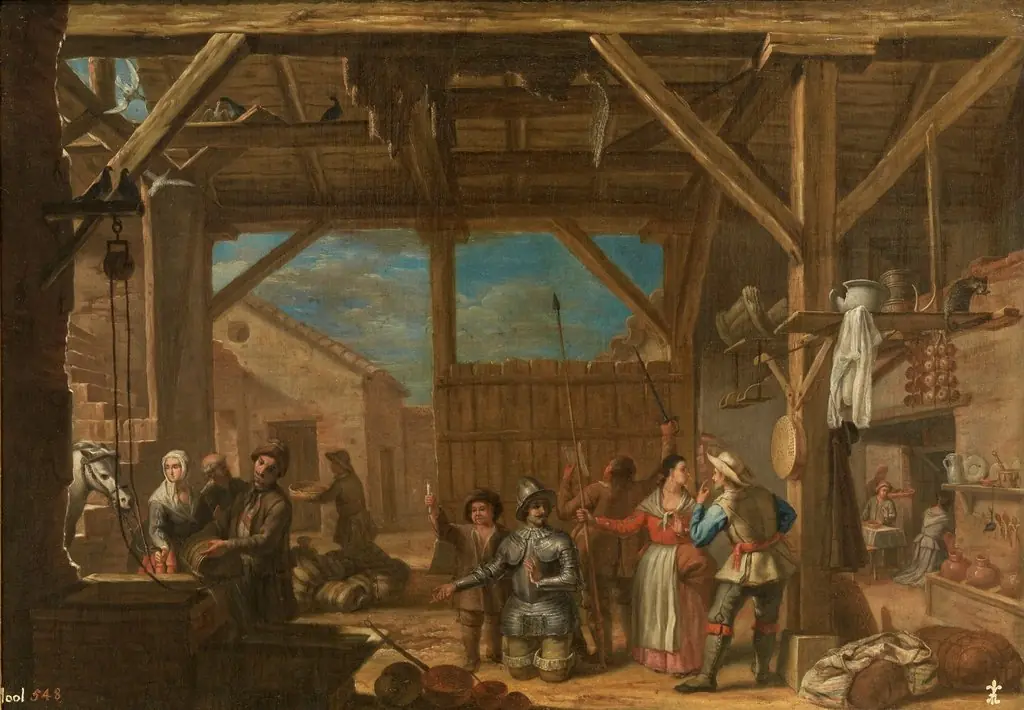 Don Quixote Dubbed a Knight
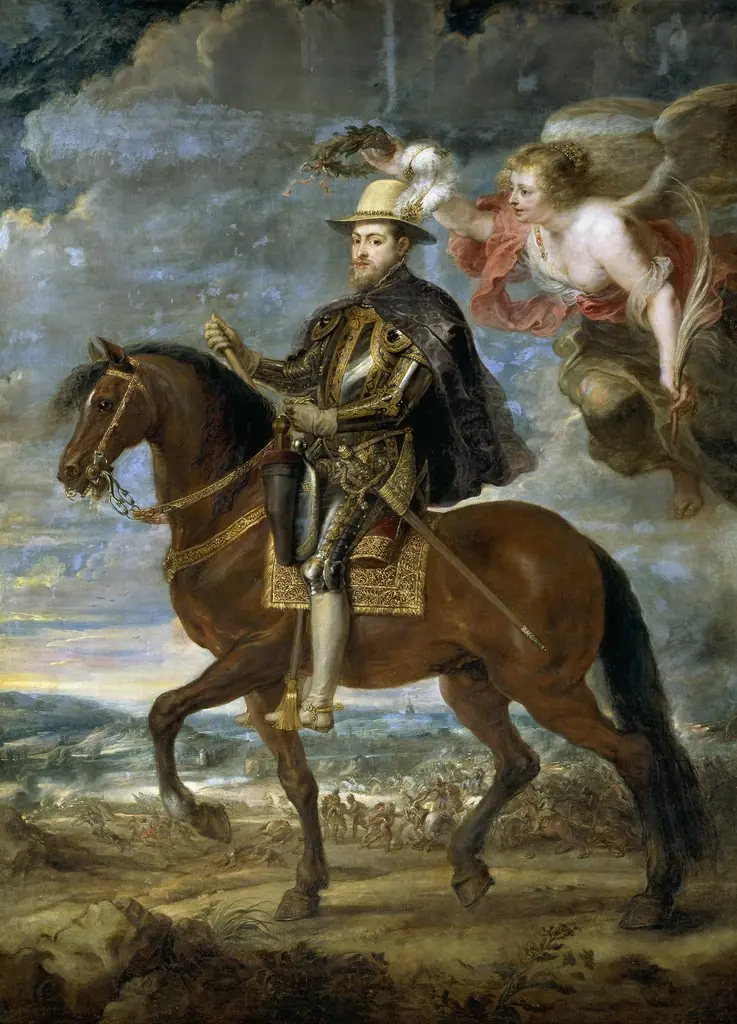 Philip II on Horseback
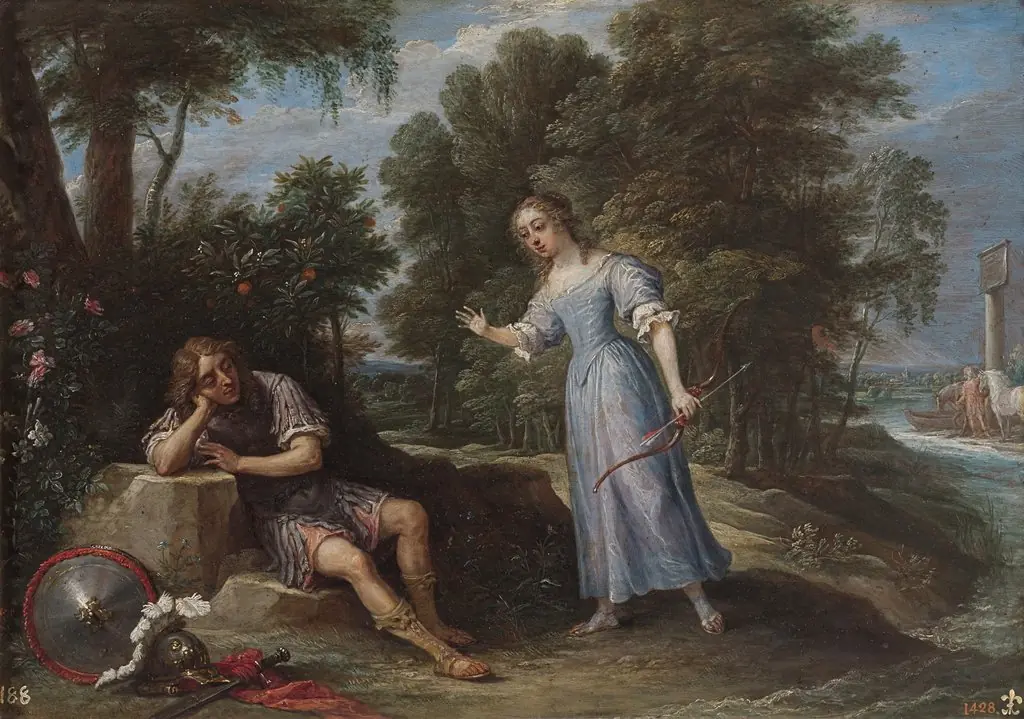 Rinaldo in love with Armida
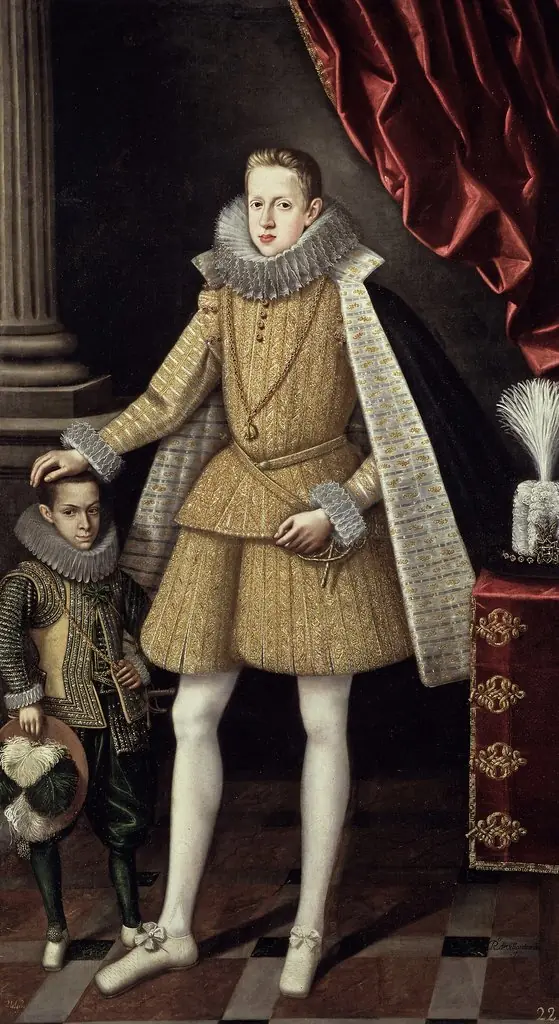 Prince Philip and the Dwarf, Miguel Soplillo
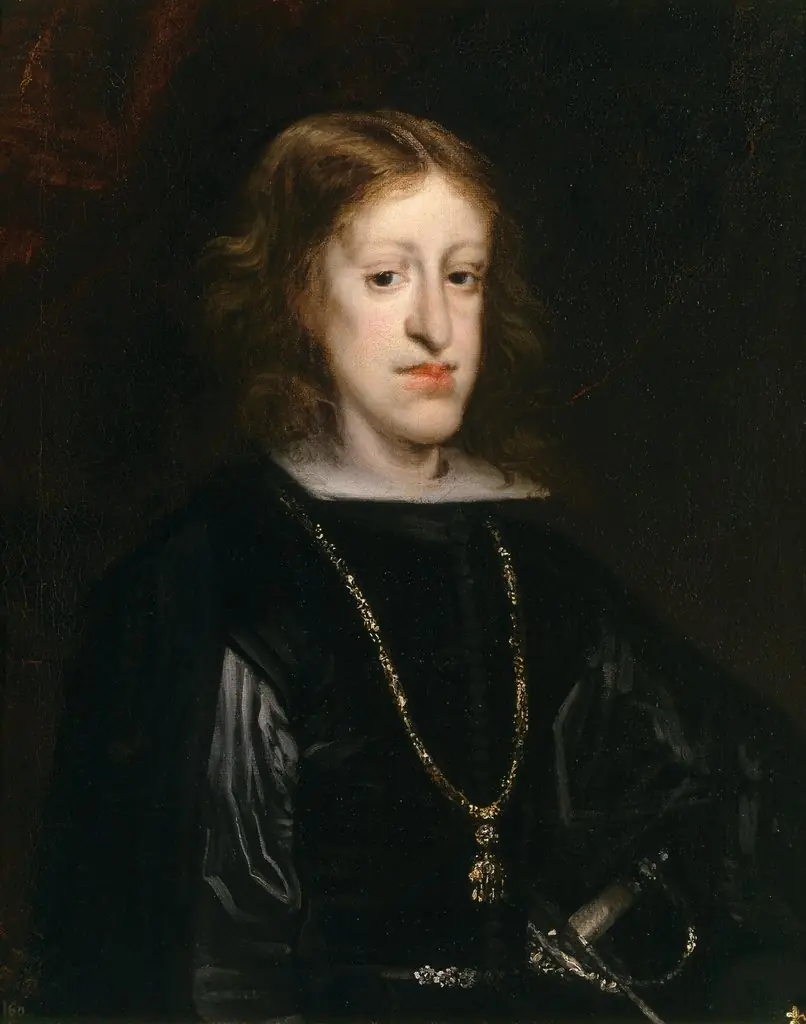 Charles II of Spain
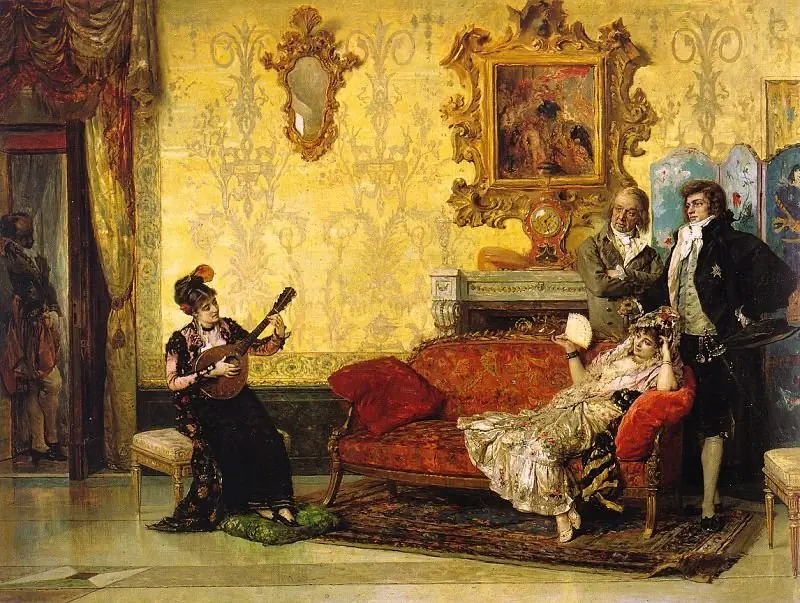 The Concert
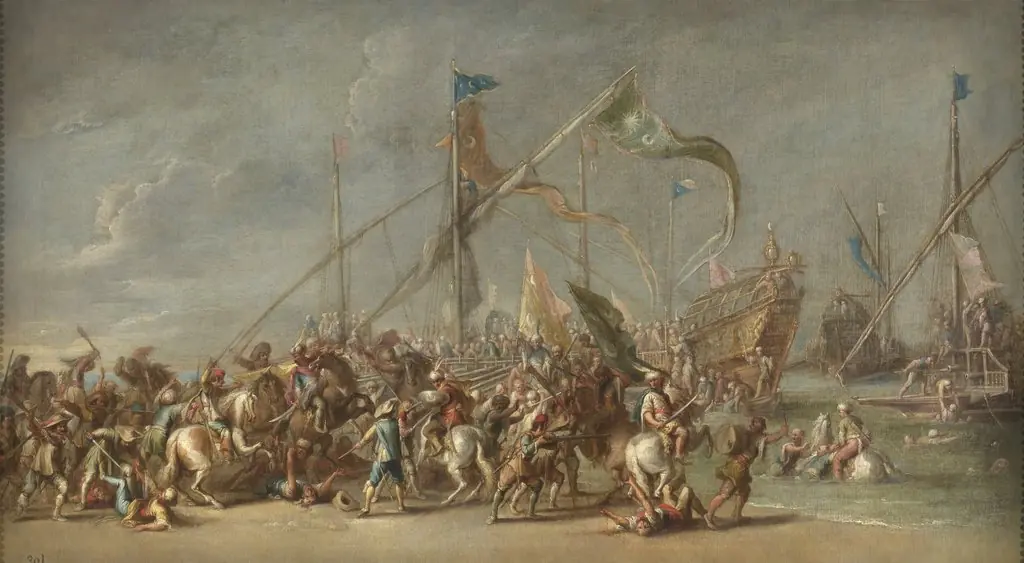 Landing and combat
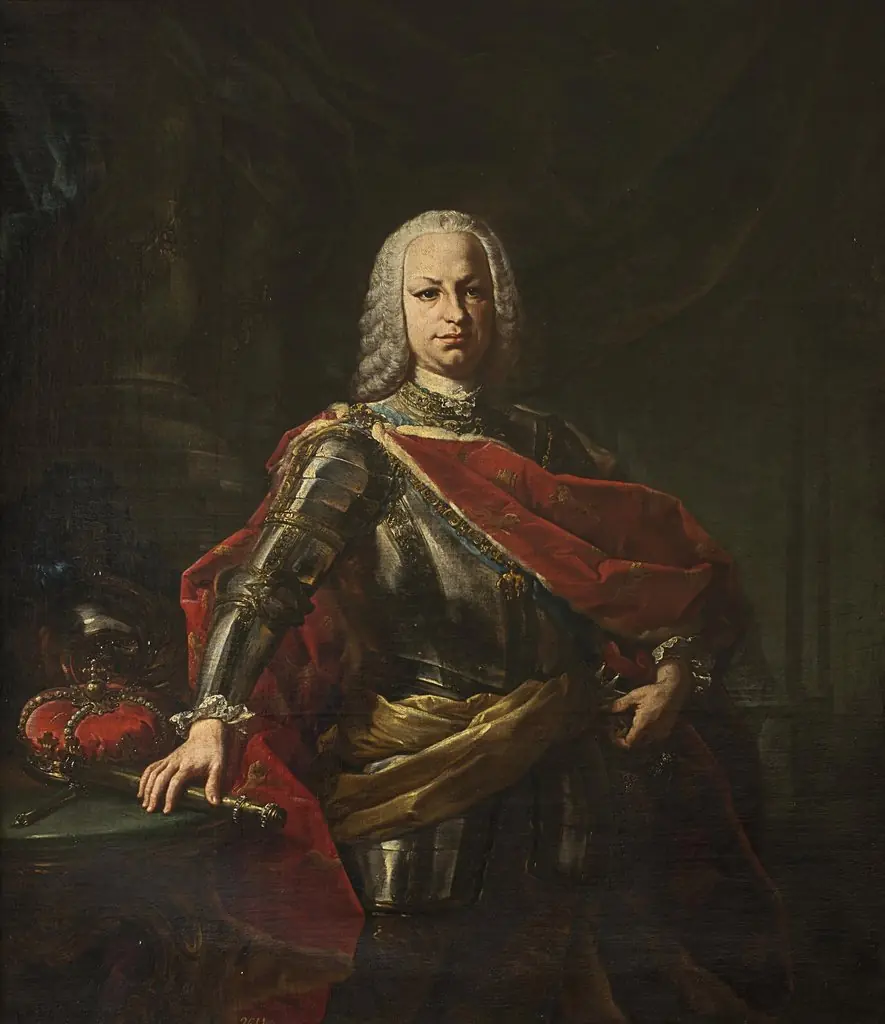 Fernando VI rey de España
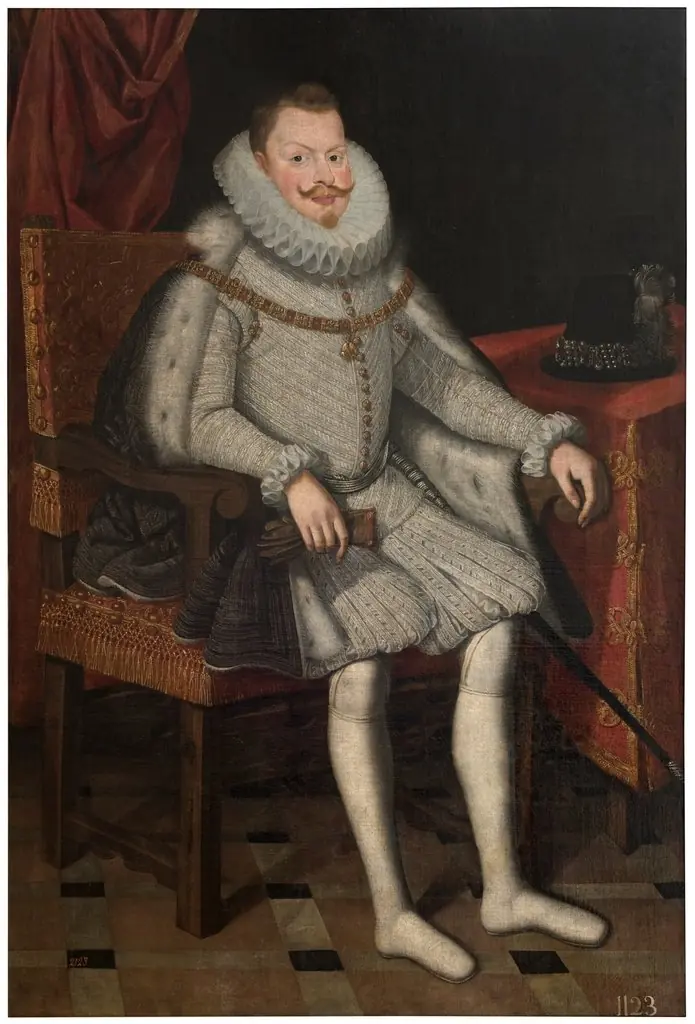 Felipe III rey de España sedente
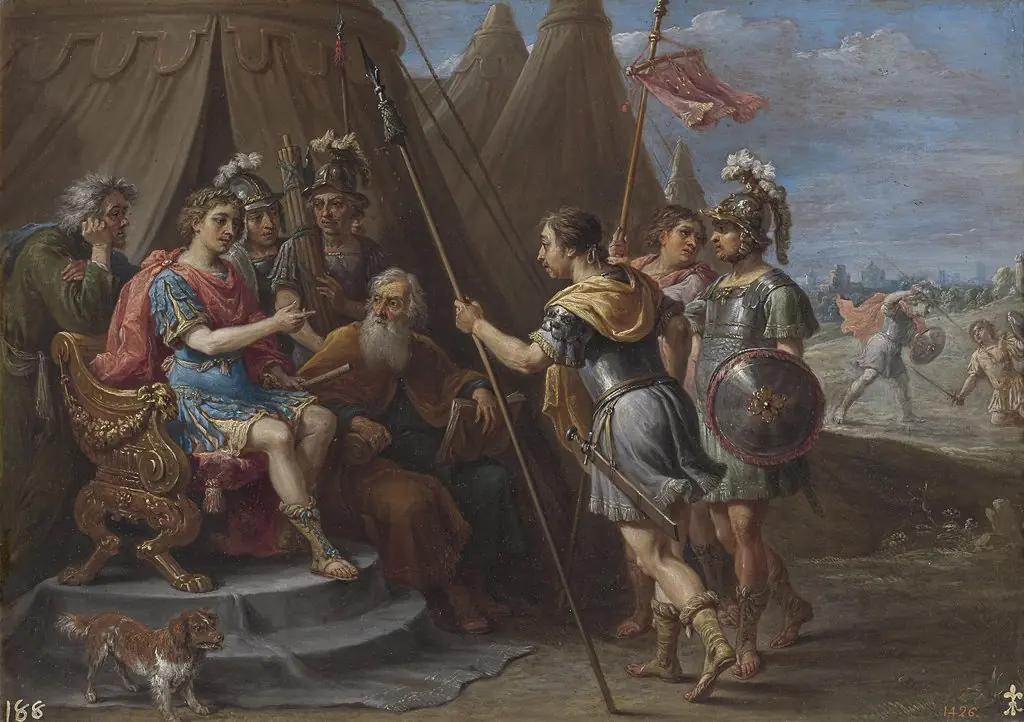 Godofredo y el Consejo escuchan la demanda de Armida
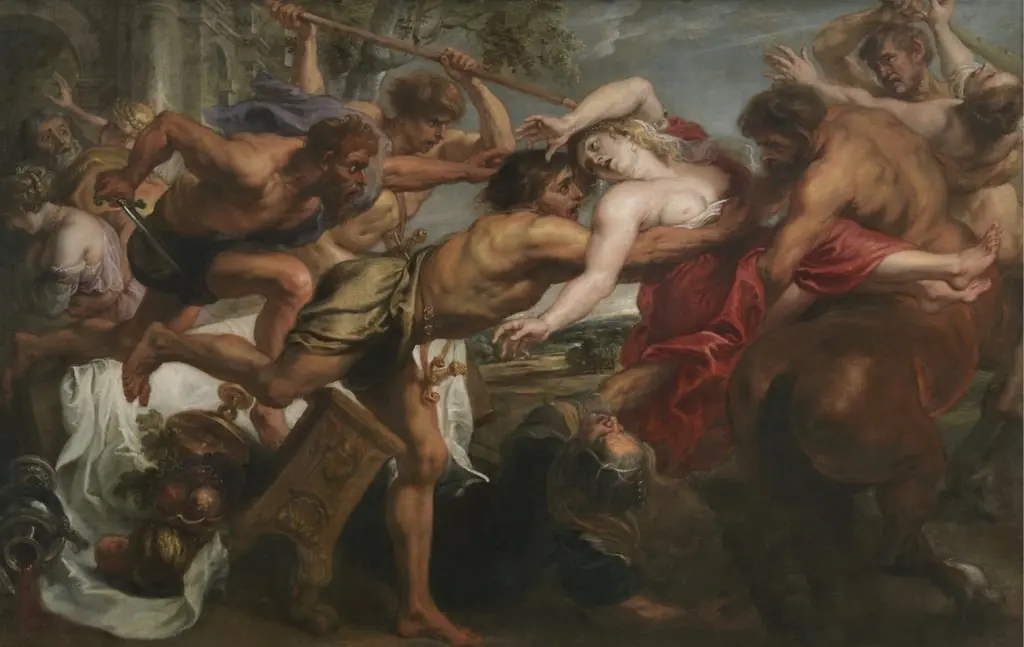 Rape of Hippodamia
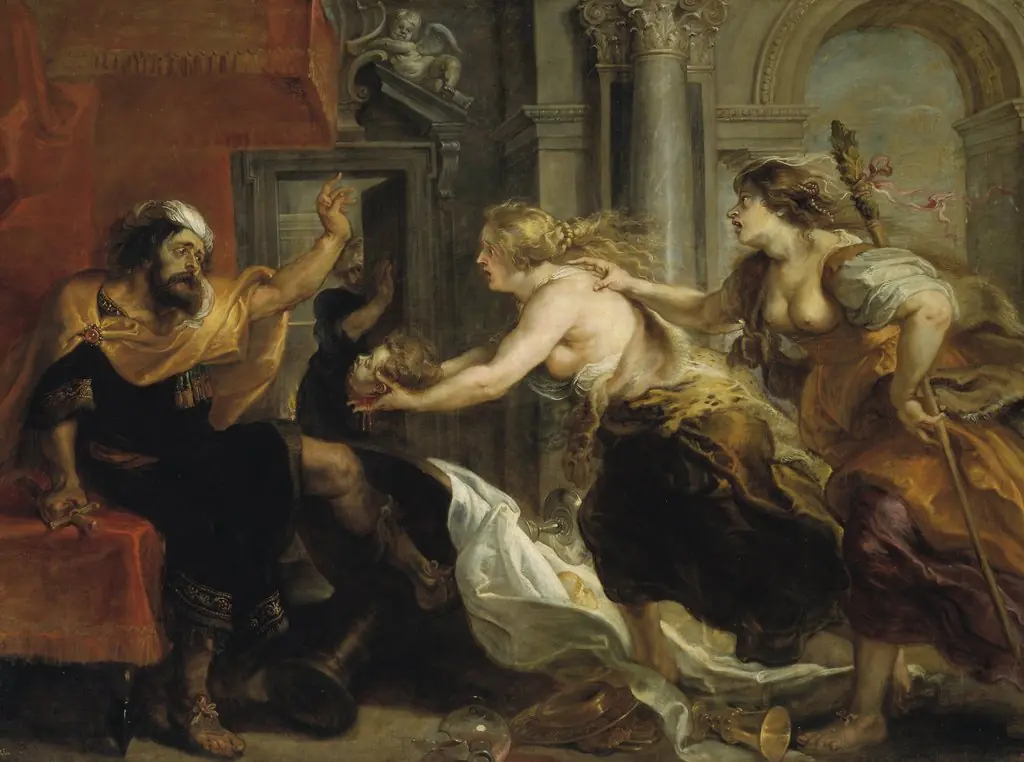 Tereus' Banquet
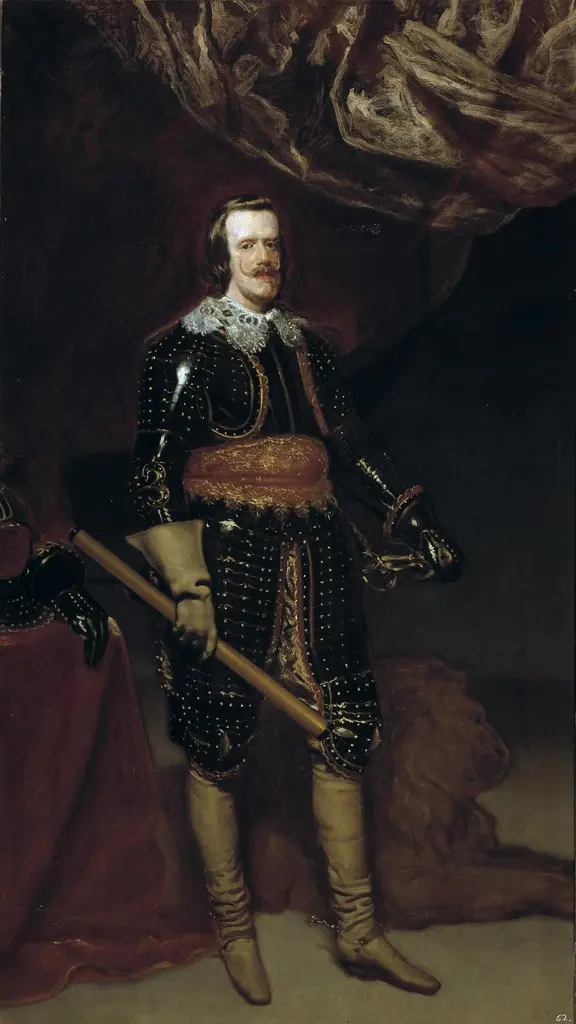 Philip IV in Armour, with a Lion at his Feet
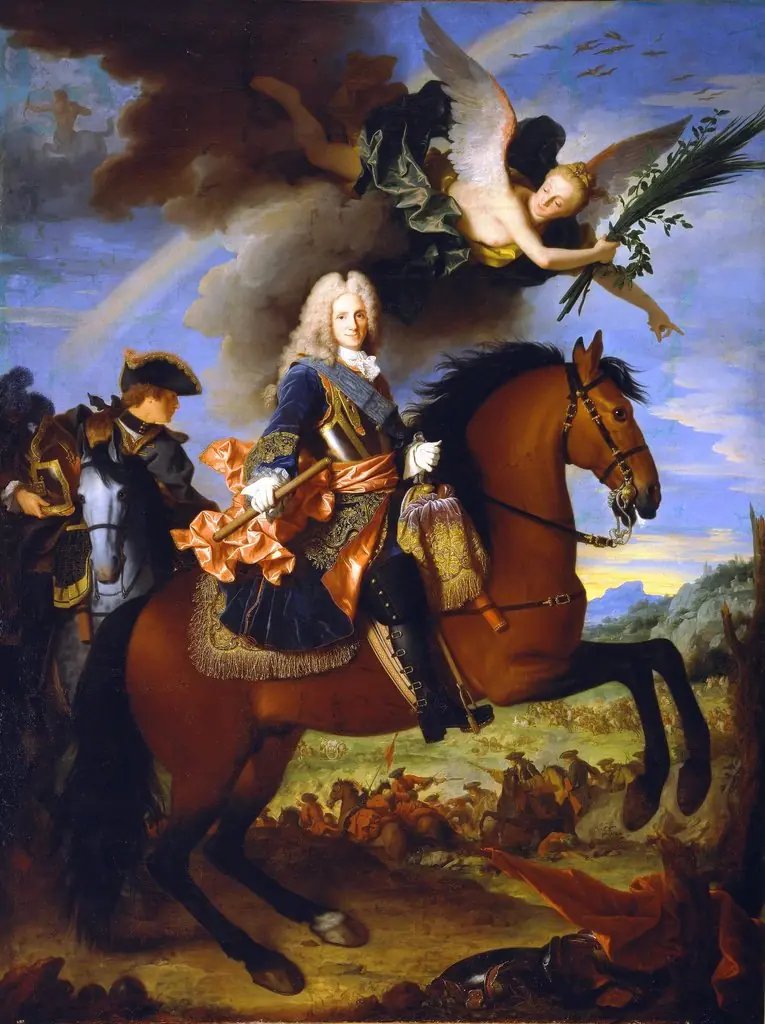 Philip V on Horseback
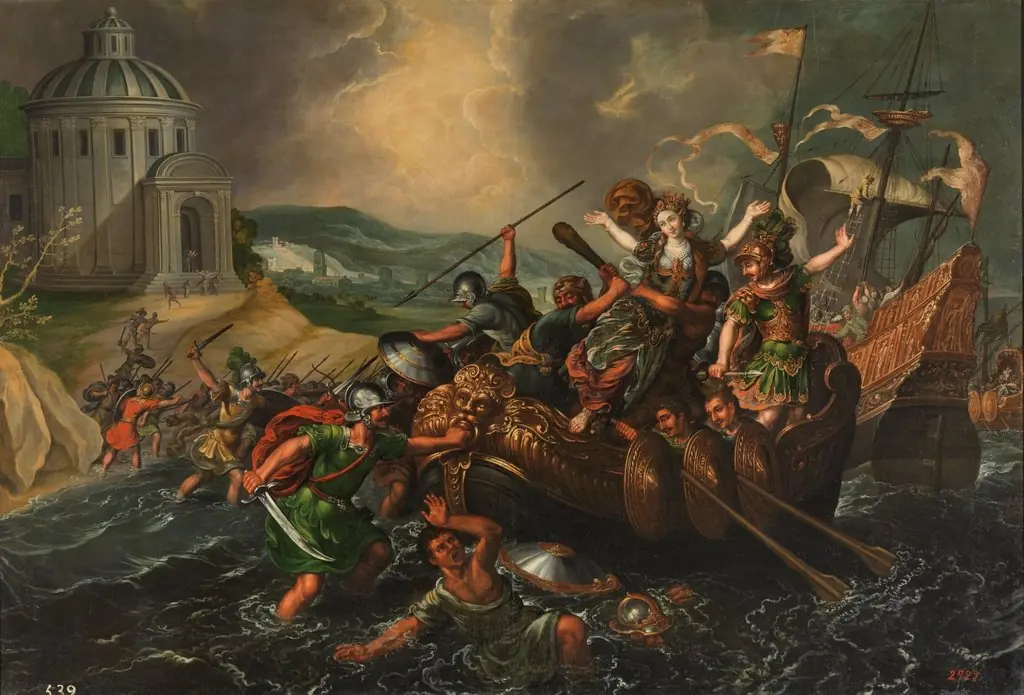 The Rape of Helen by Juan de la Corte
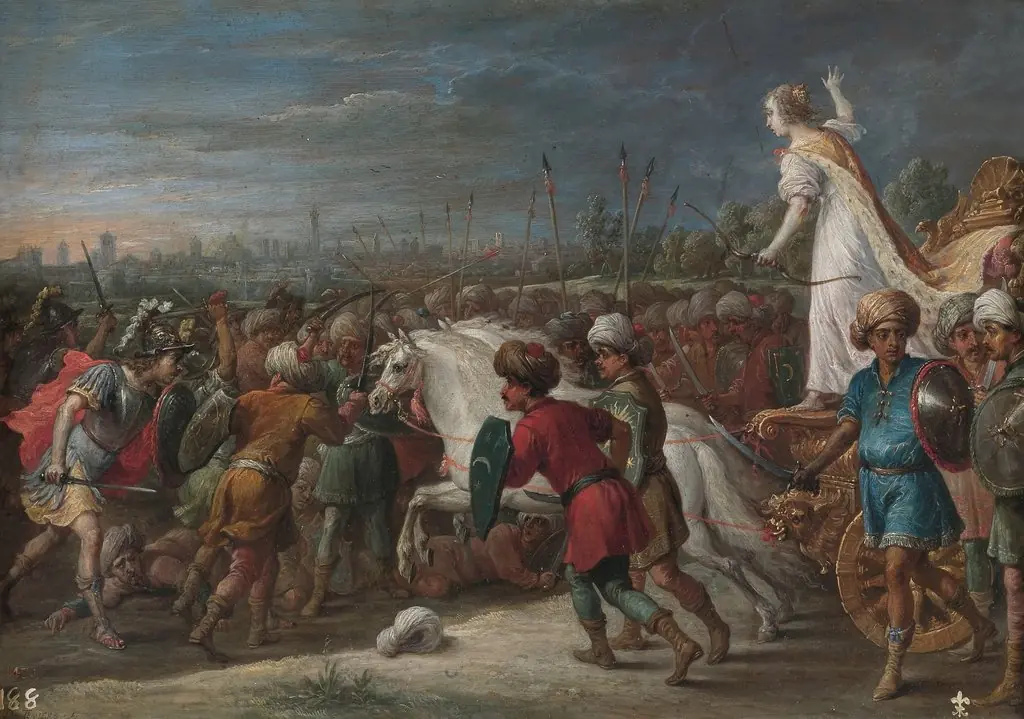 Armida en la batalla frente a los sarracenos
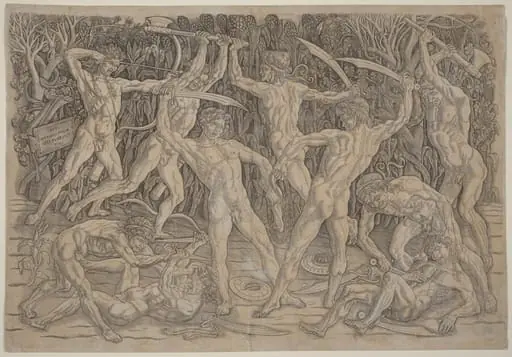 Battle of the Nudes
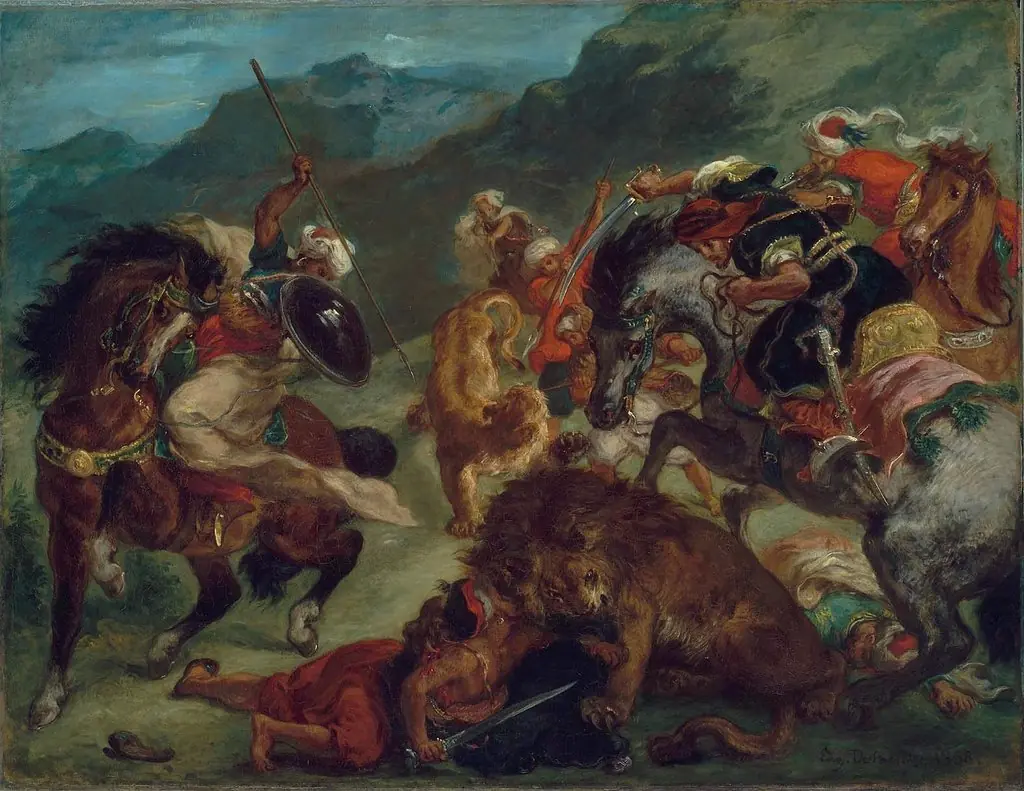 Lion Hunt
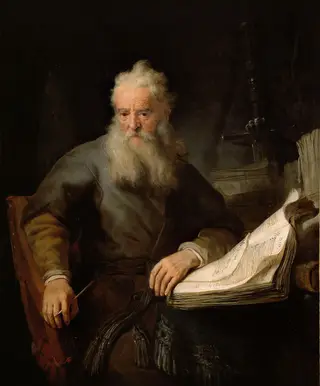 Apostle Paul
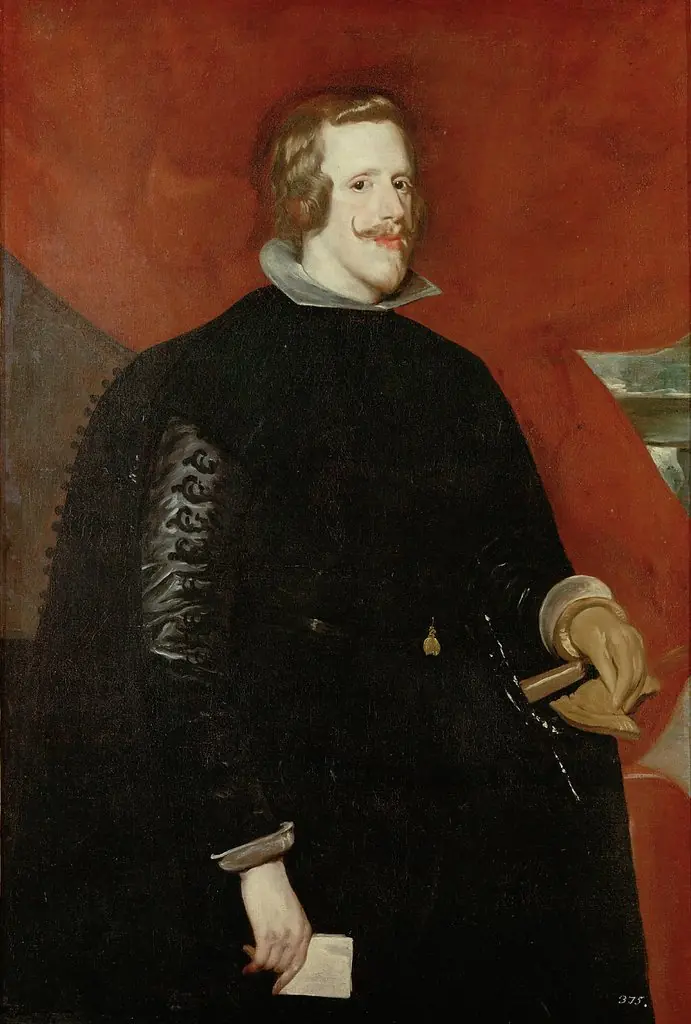 Portrait of Phillip IV of Spain, at three-quarter length
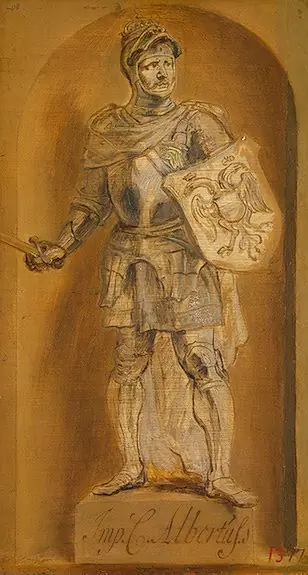 Statue of Albert I in a niche
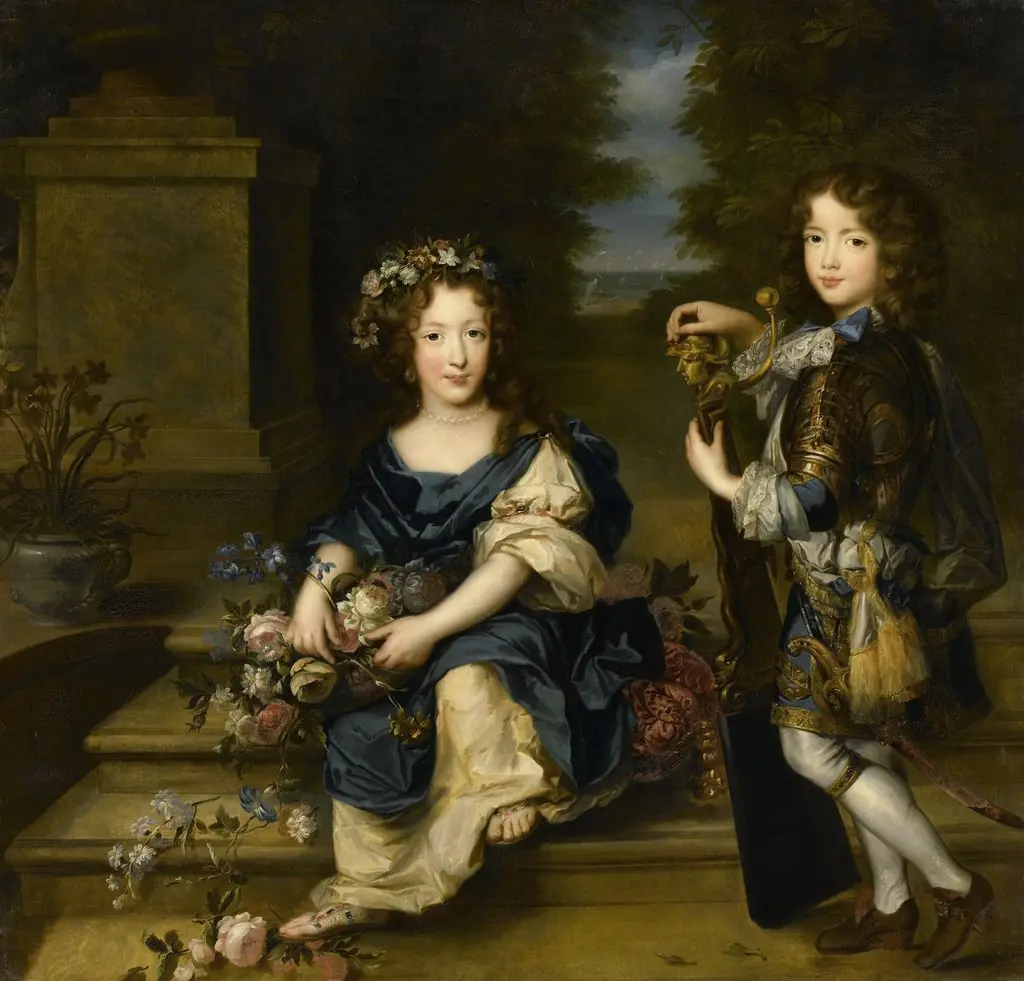 Anne-Marie de Bourbon, future princess of Conti and Louis de Bourbon, count of Vermandois
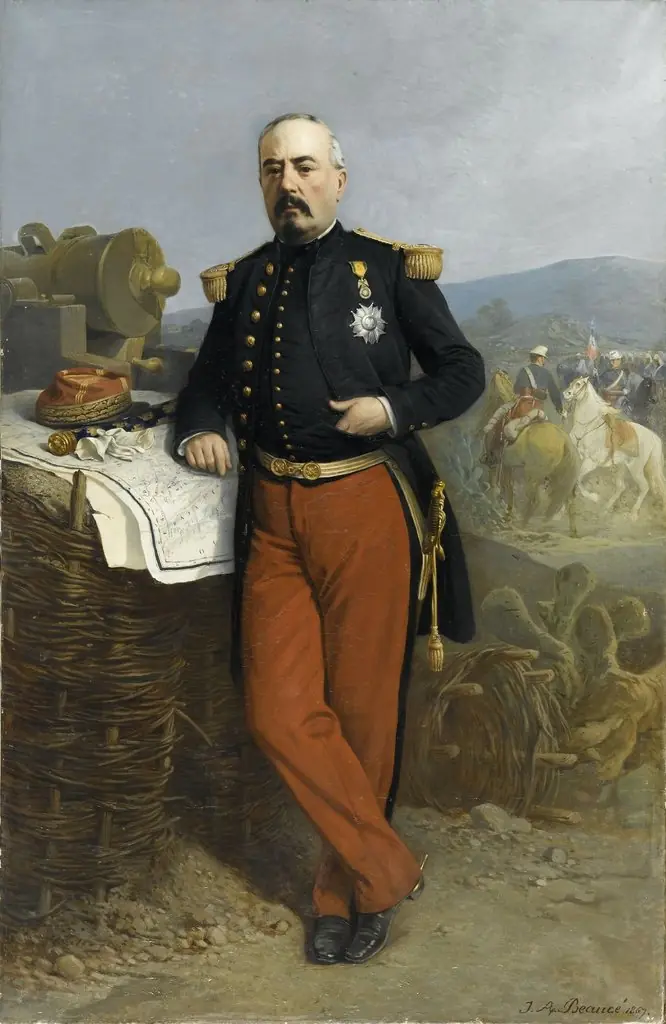 Achille-François Bazaine, Marshal of France
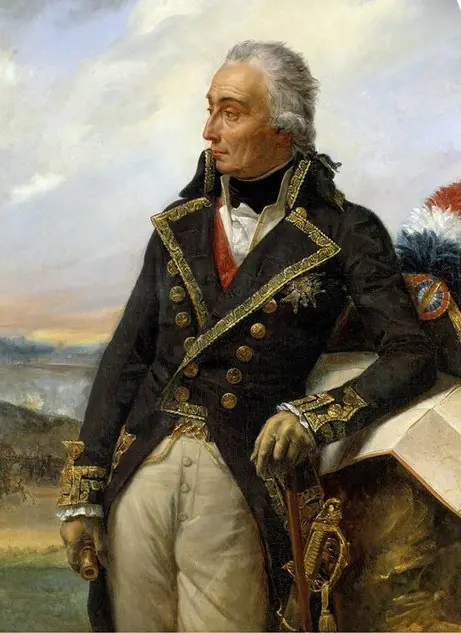 Nicolas, Baron de Luckner, Marshal of France
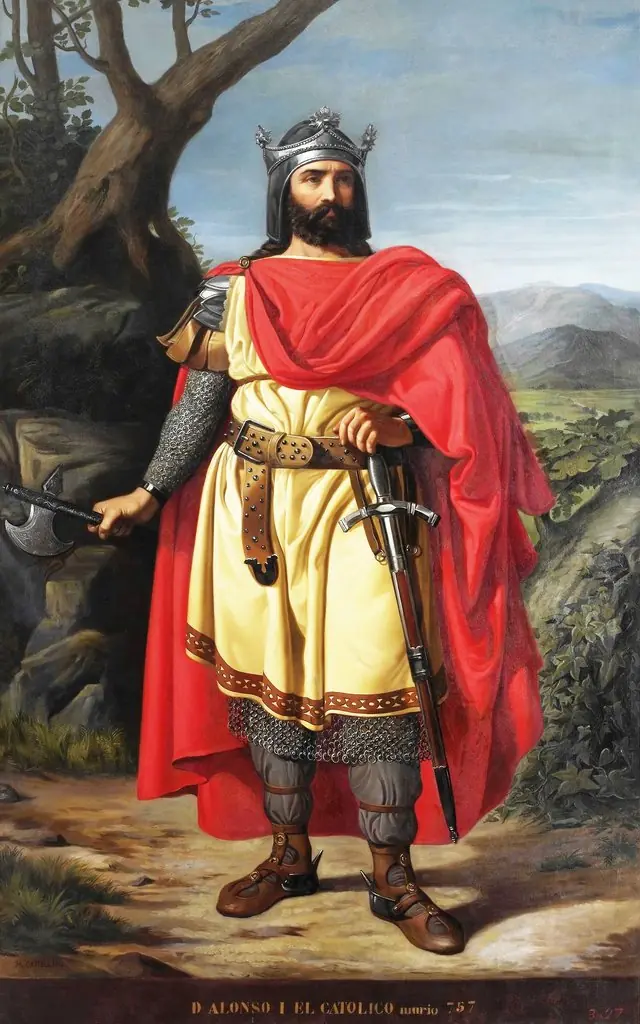 Alfonso I
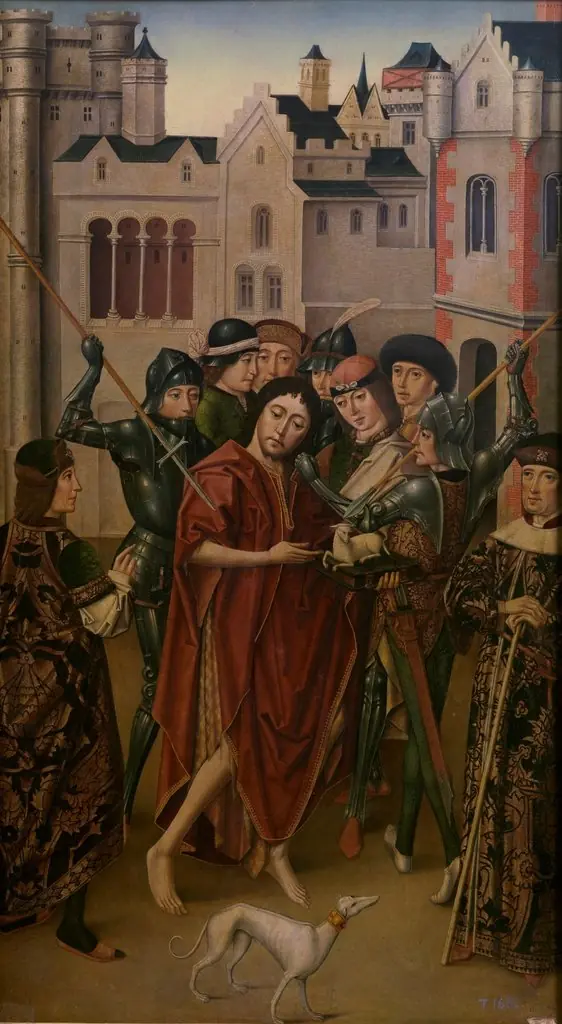 The Arrest of Saint John the Baptist
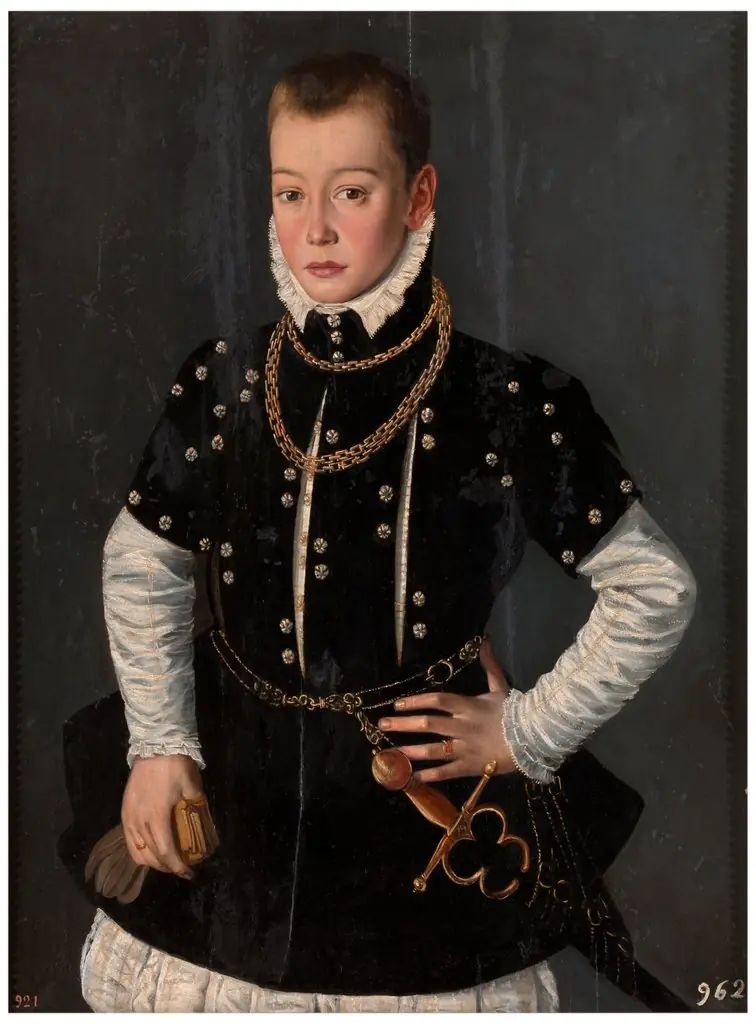 Portrait of an Unidentified Boy
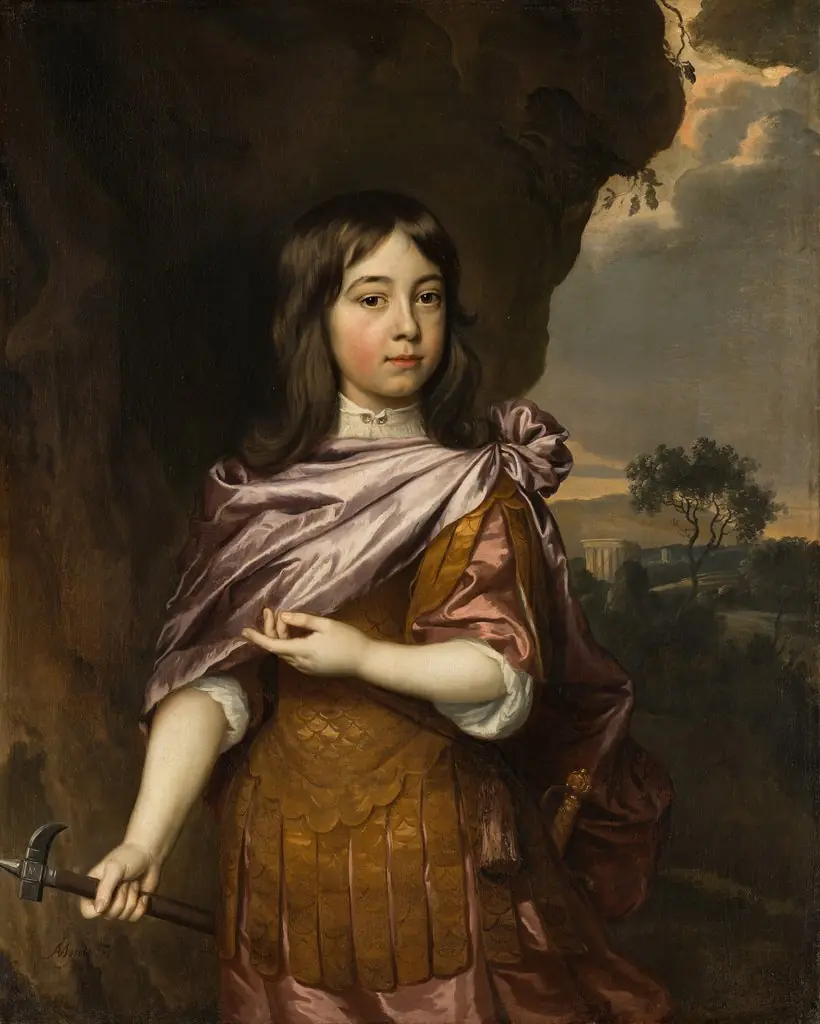 Portrait of Wolfert van Brederode
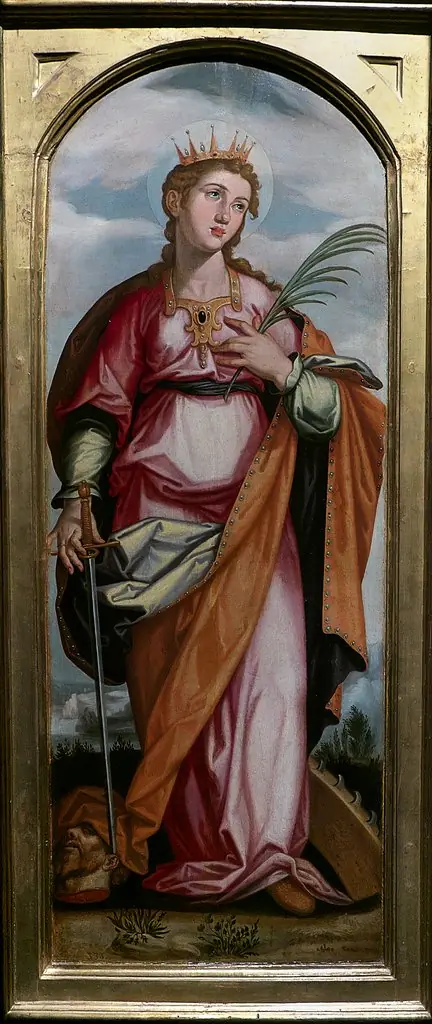 Santa Catalina
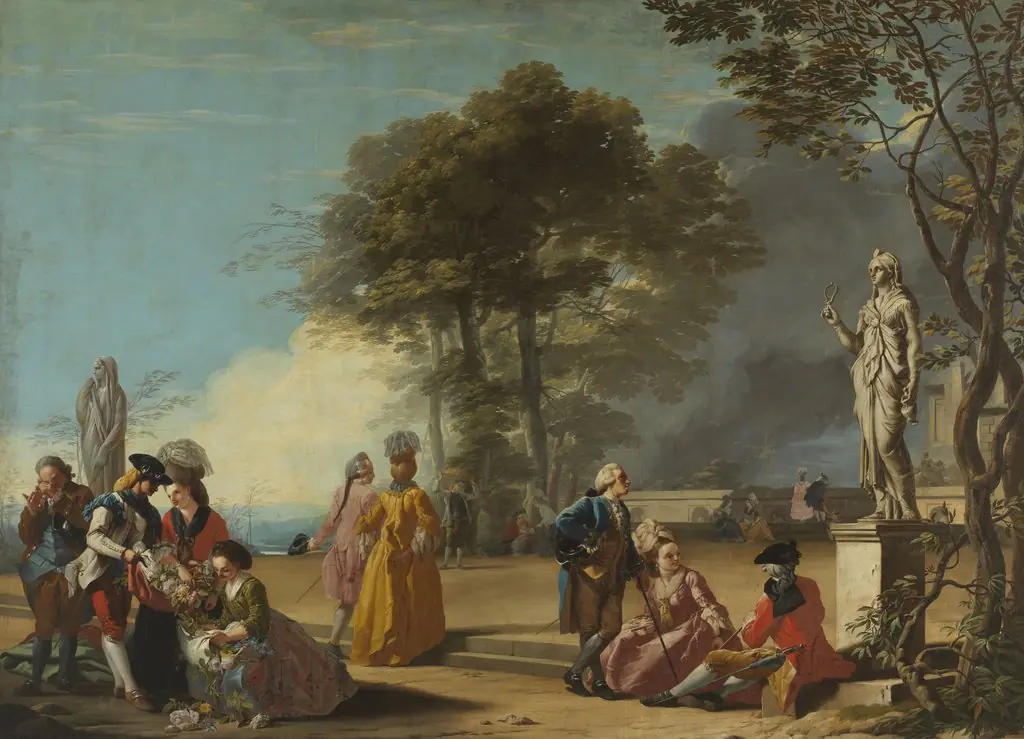 El parque del Retiro con paseantes
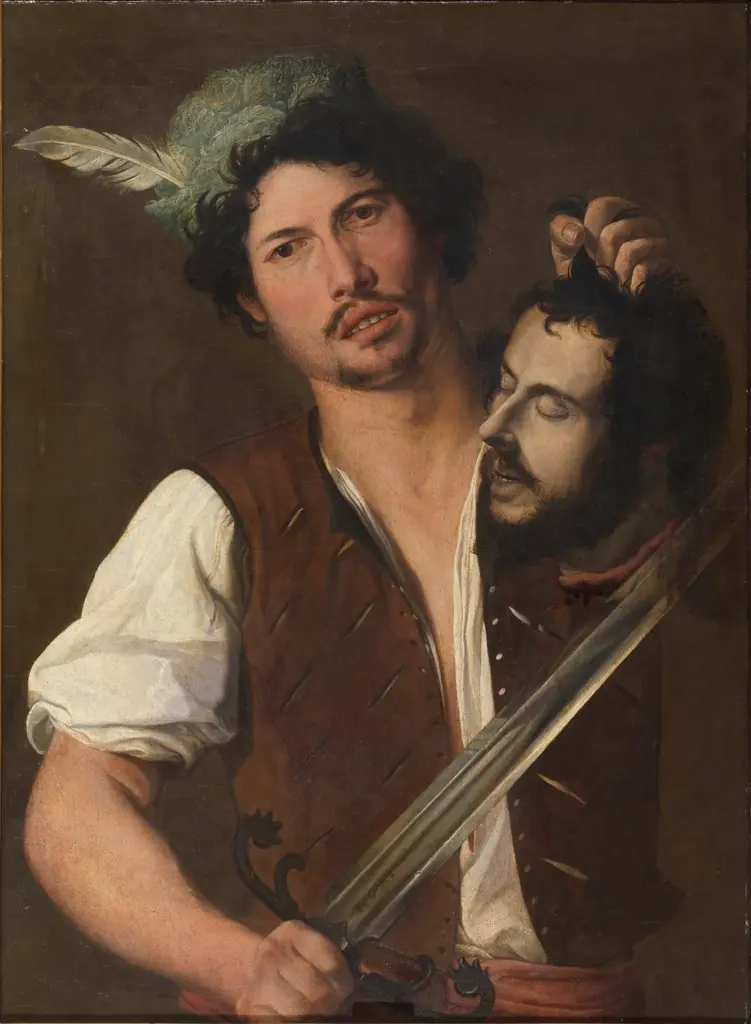 Executioner with the Head of John the Baptist
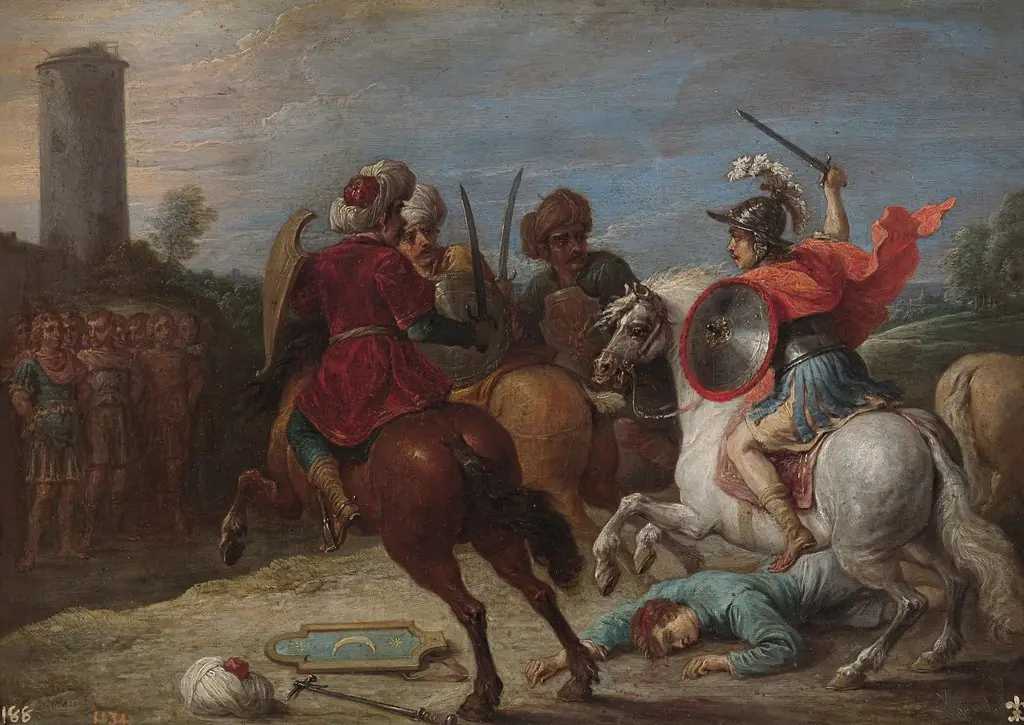 Proezas de Reinaldo frente a los egipcios
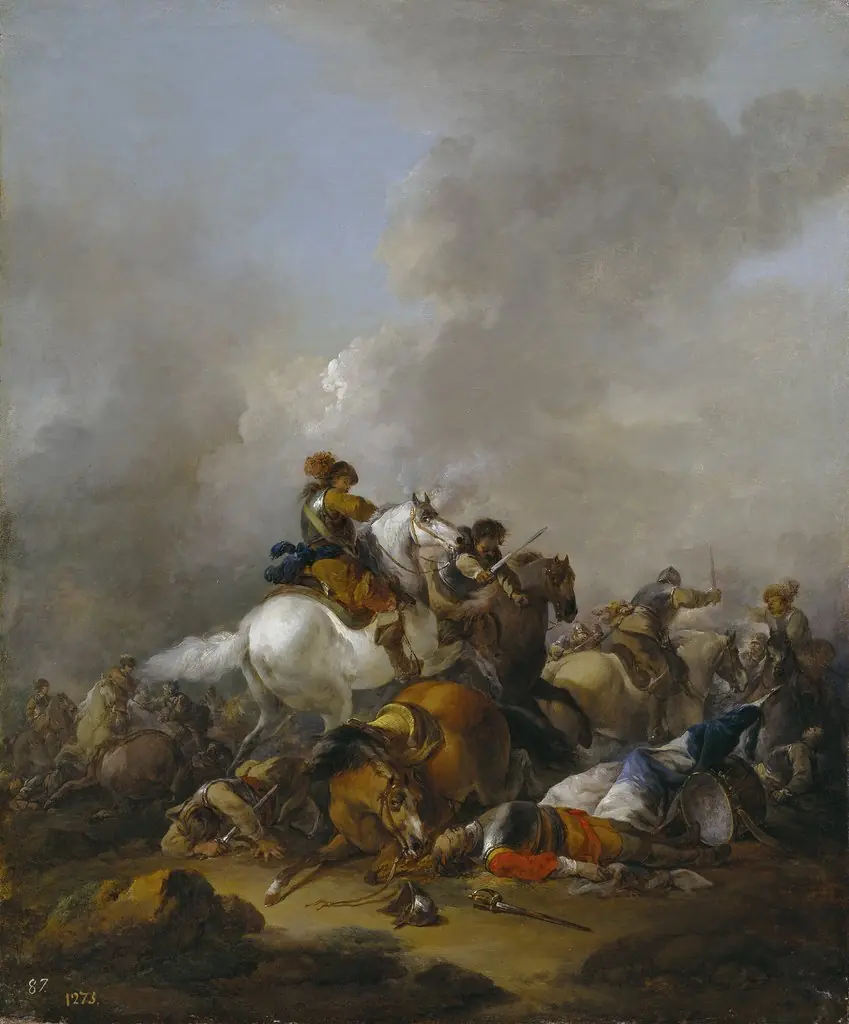 Cavalry Battle
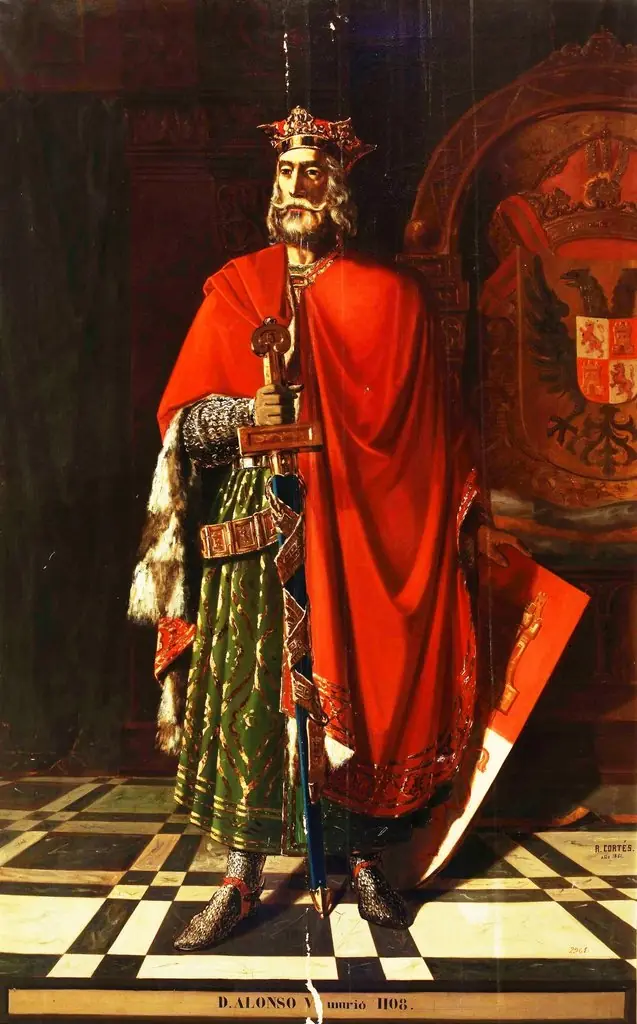 Alfonso VI
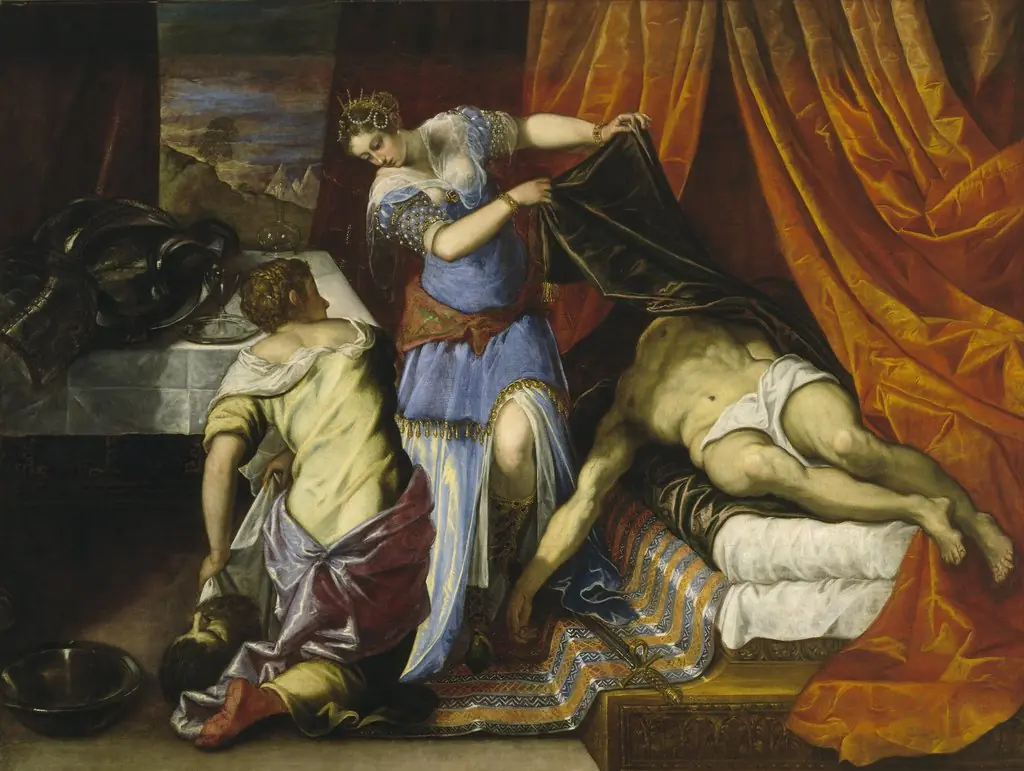 Judith and Holofernes
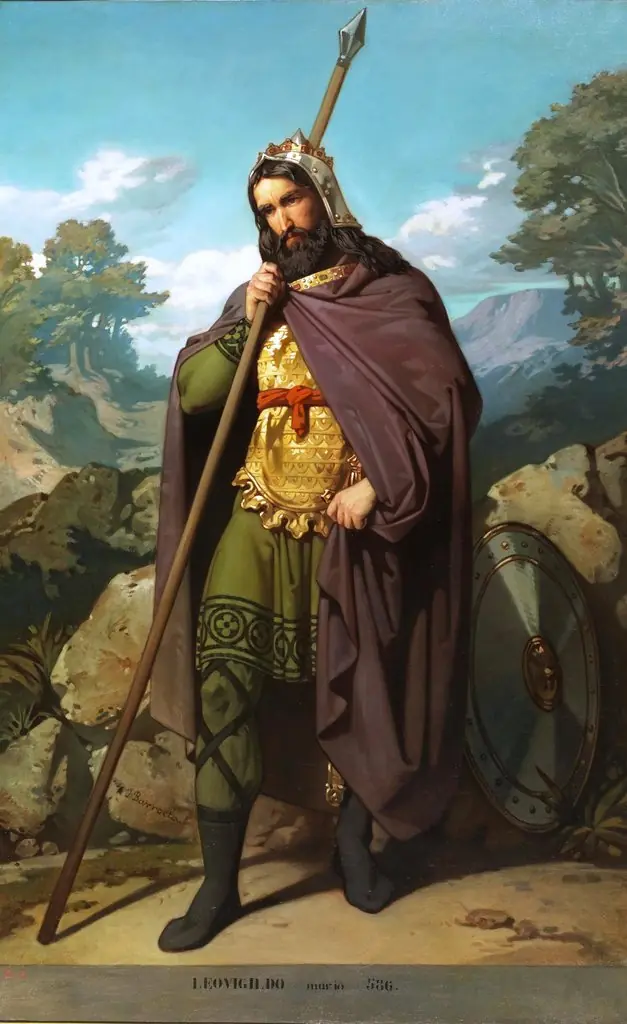 Leovigildo
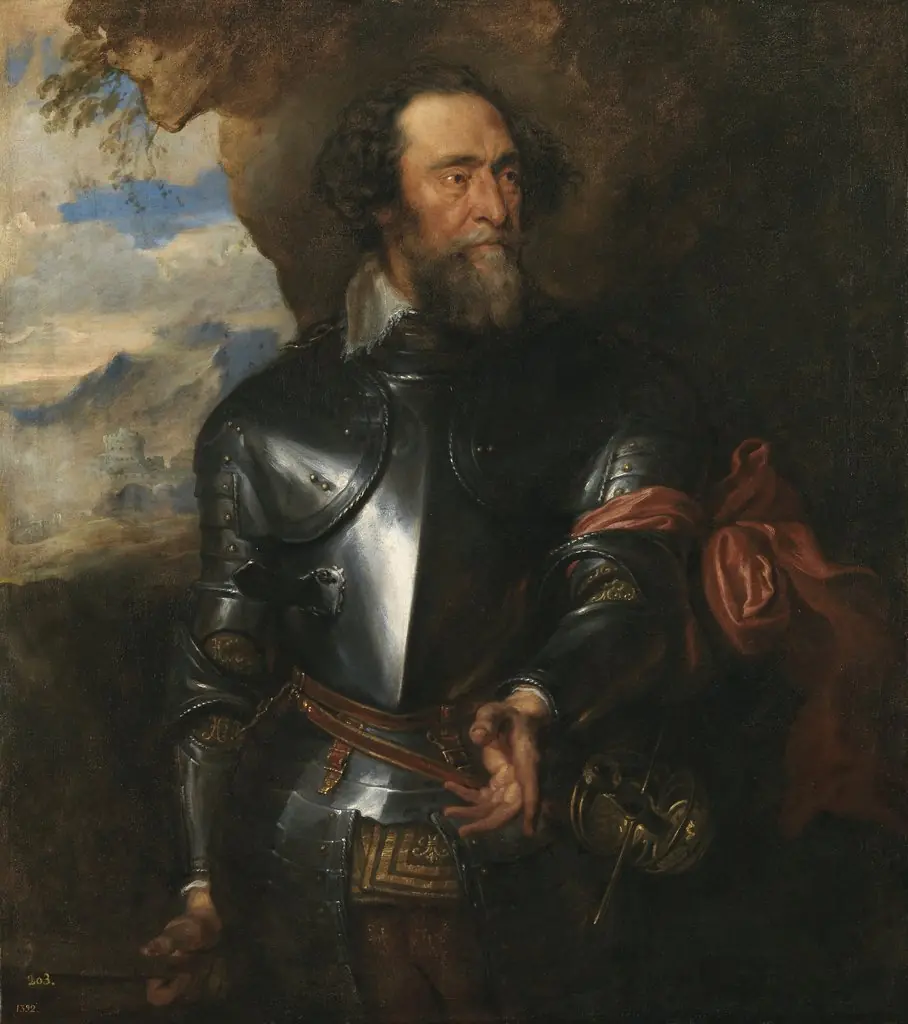 Count Hendrik van den Bergh
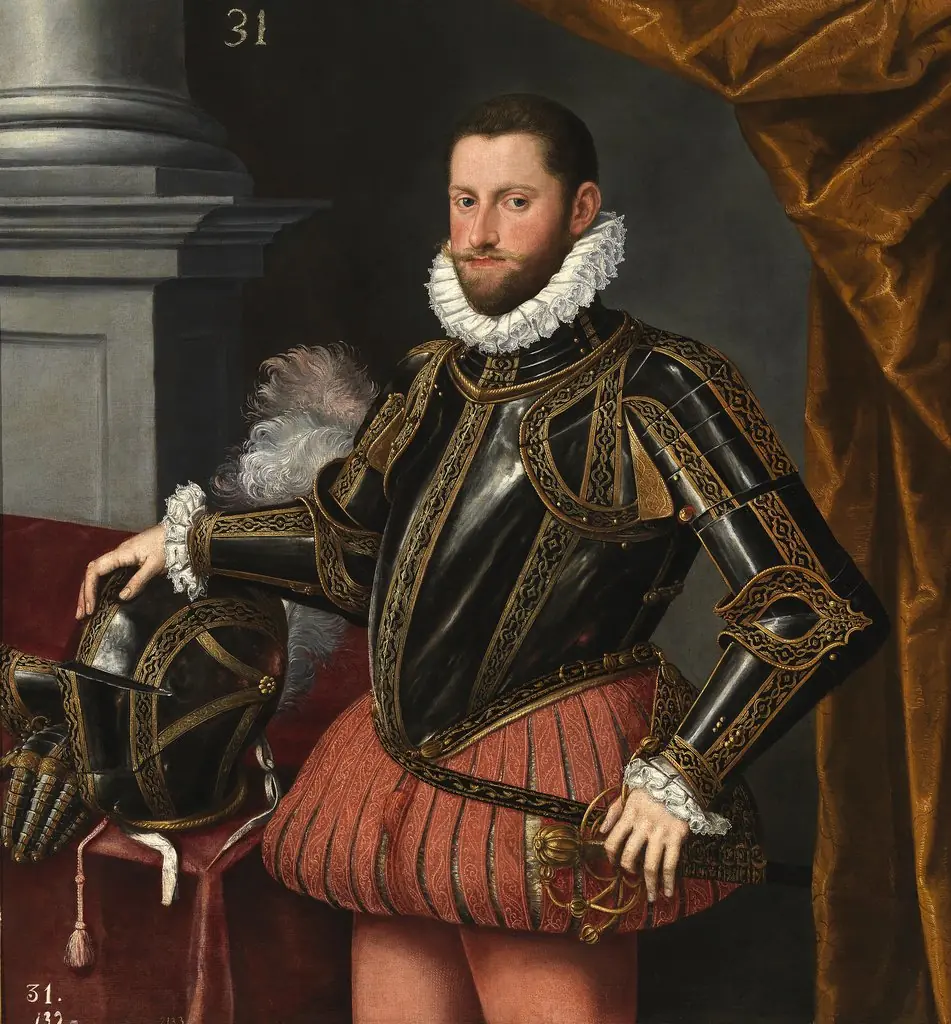 El archiduque Diego Ernesto de Austria
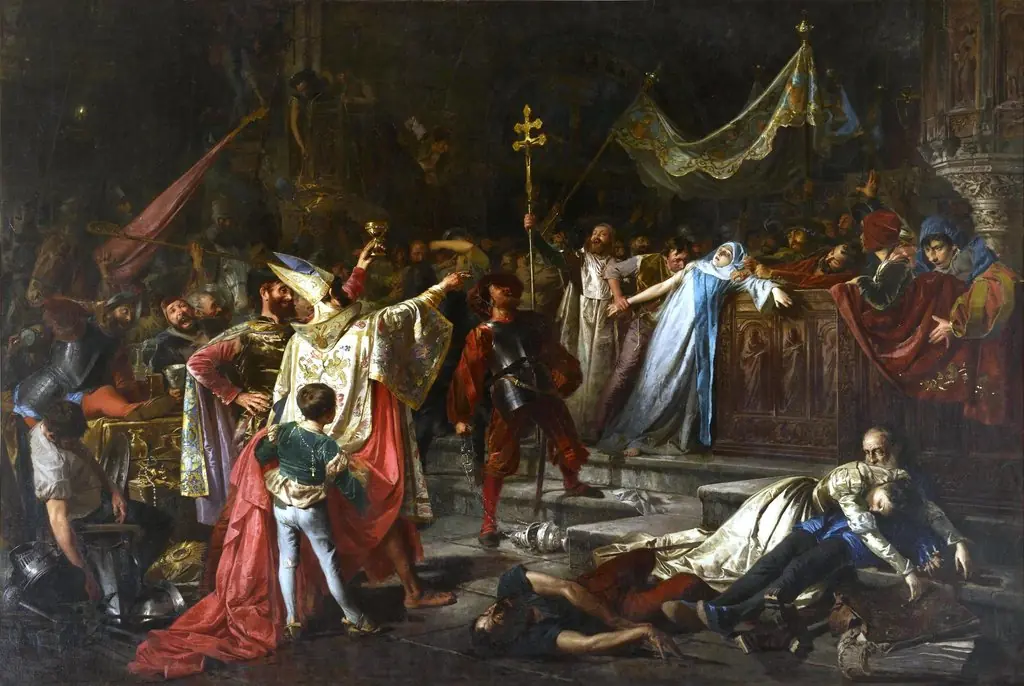 The Sack of Rome
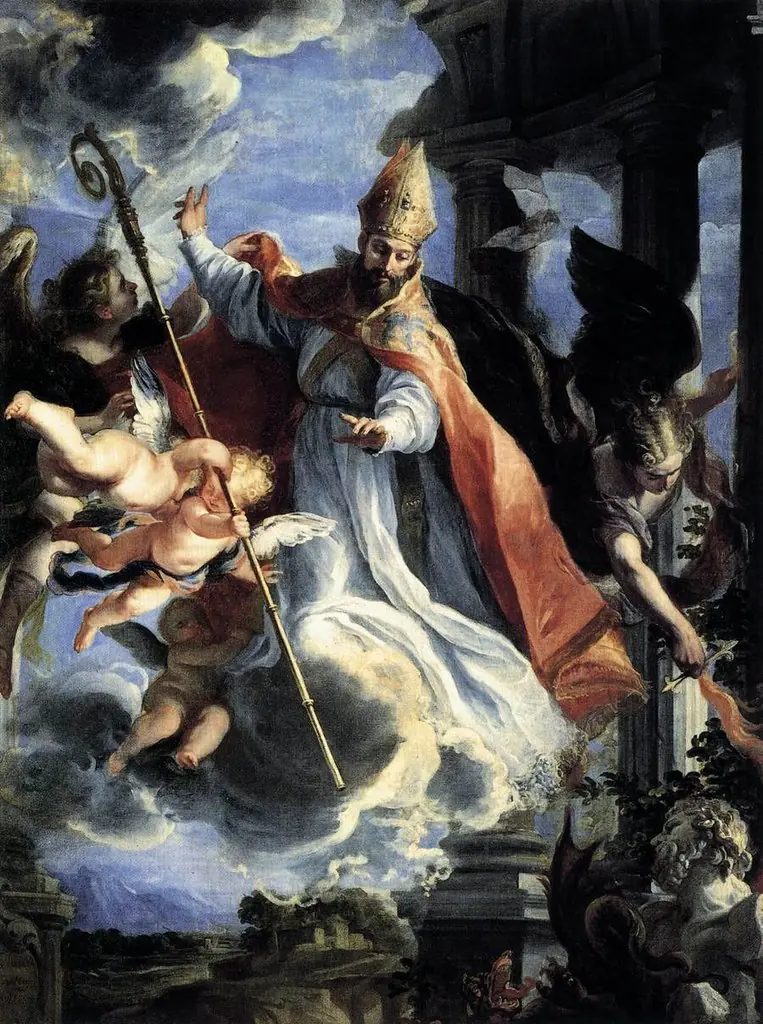 The Triumph of Saint Augustine
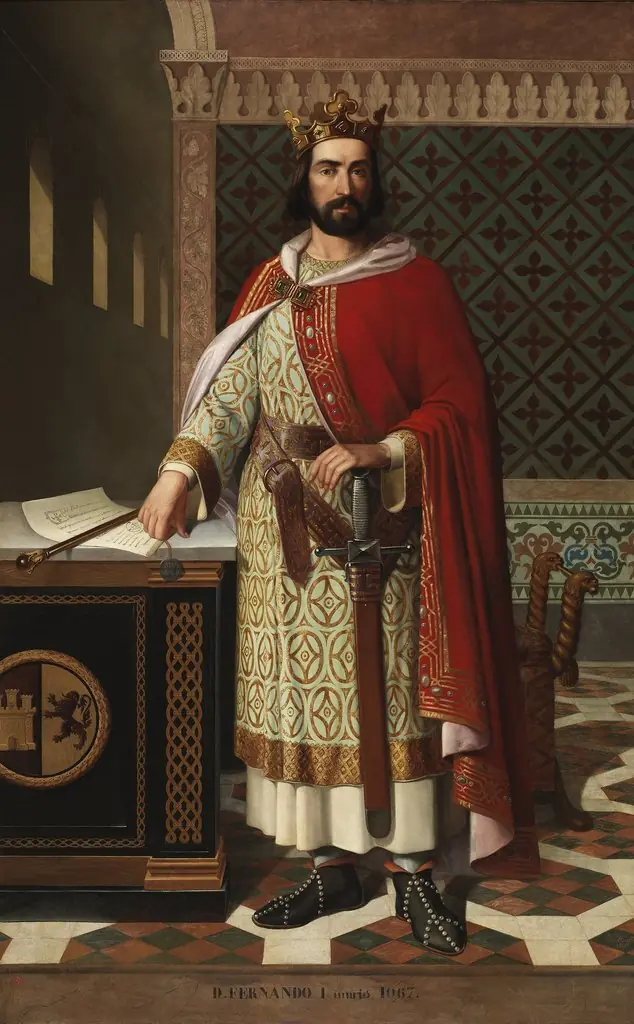 Fernando I rey de León
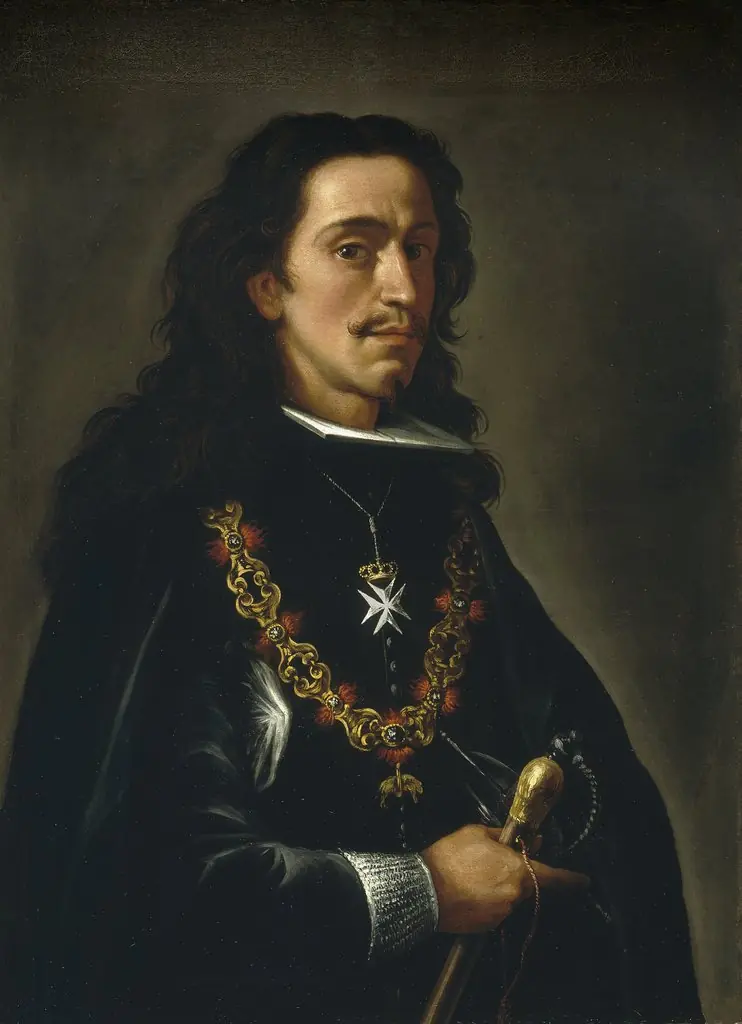 Don Juan José de Austria (¿?)
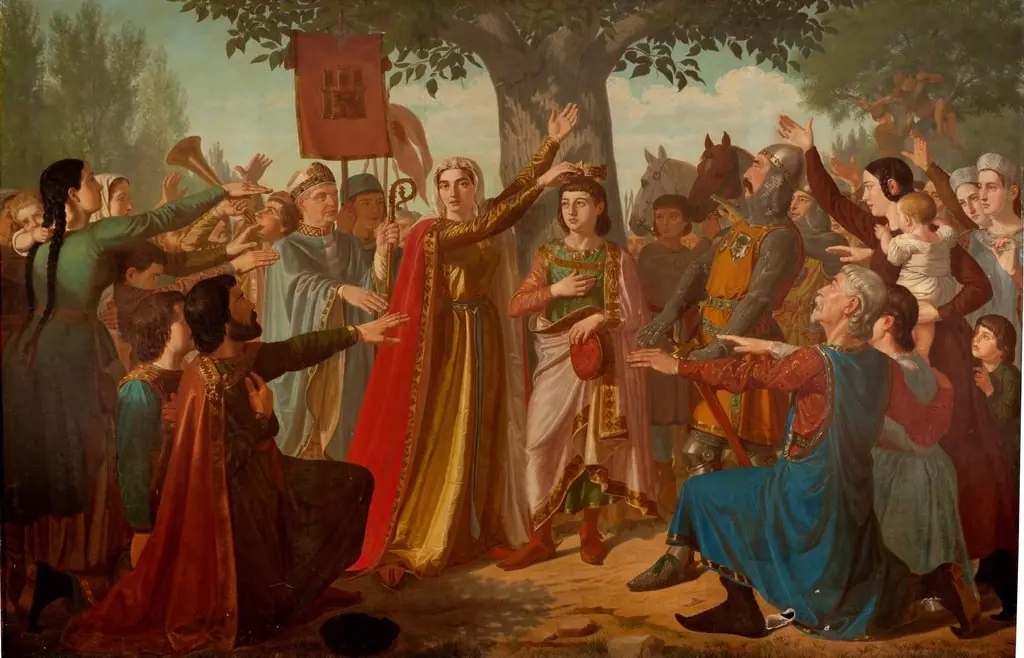 Doña Berenguela coronando a su hijo don Fernando
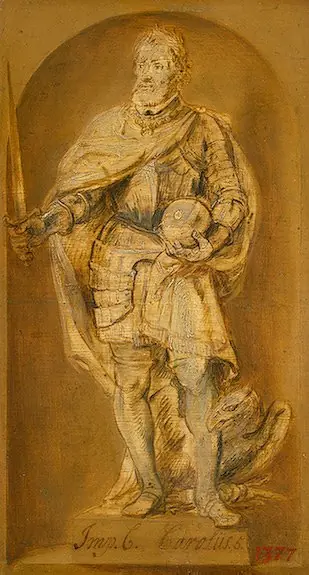 Statue of Charles V in a niche
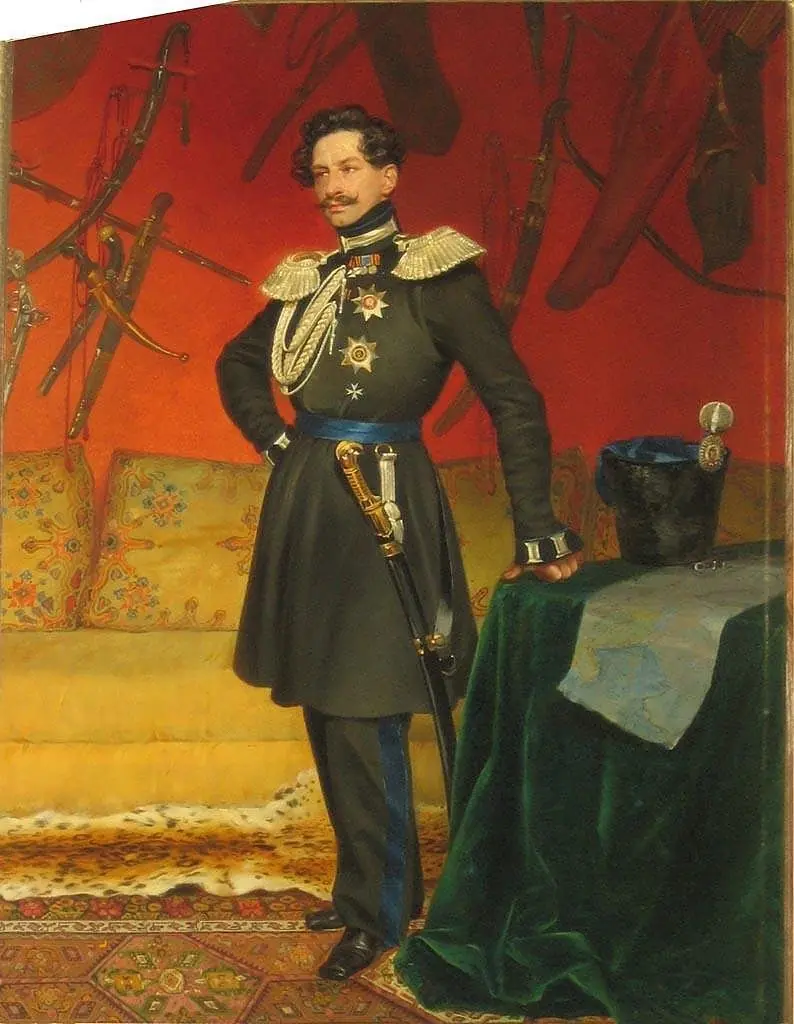 Portrait of General Count V.А.Perovsky
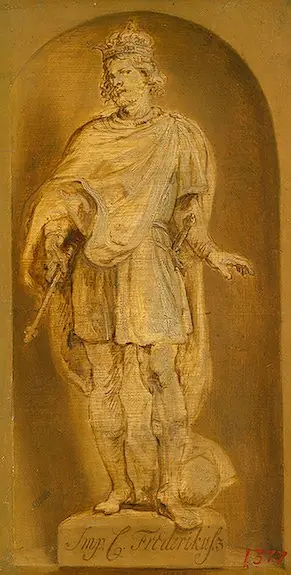 Statue of Frederick III in a niche
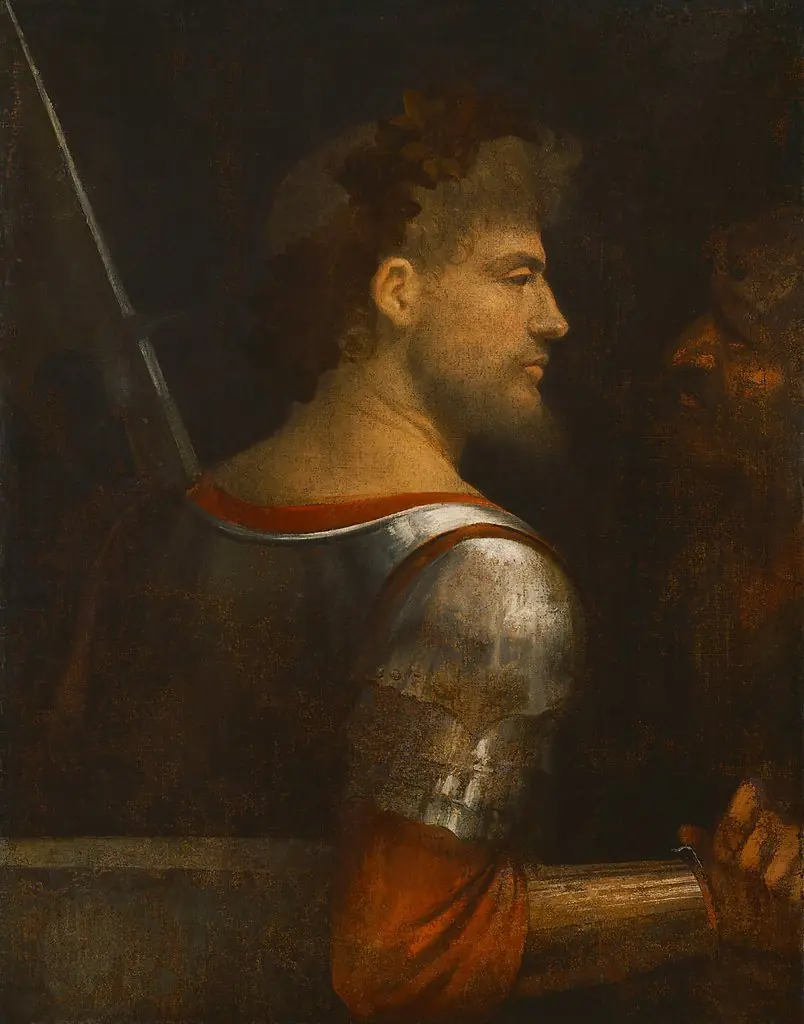 Portrait of a Warrior
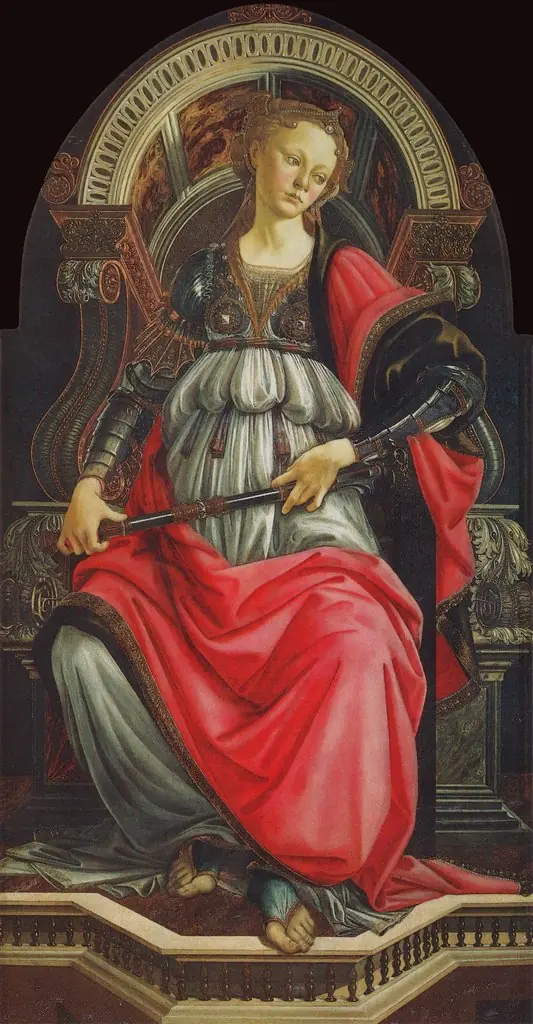 Fortitude
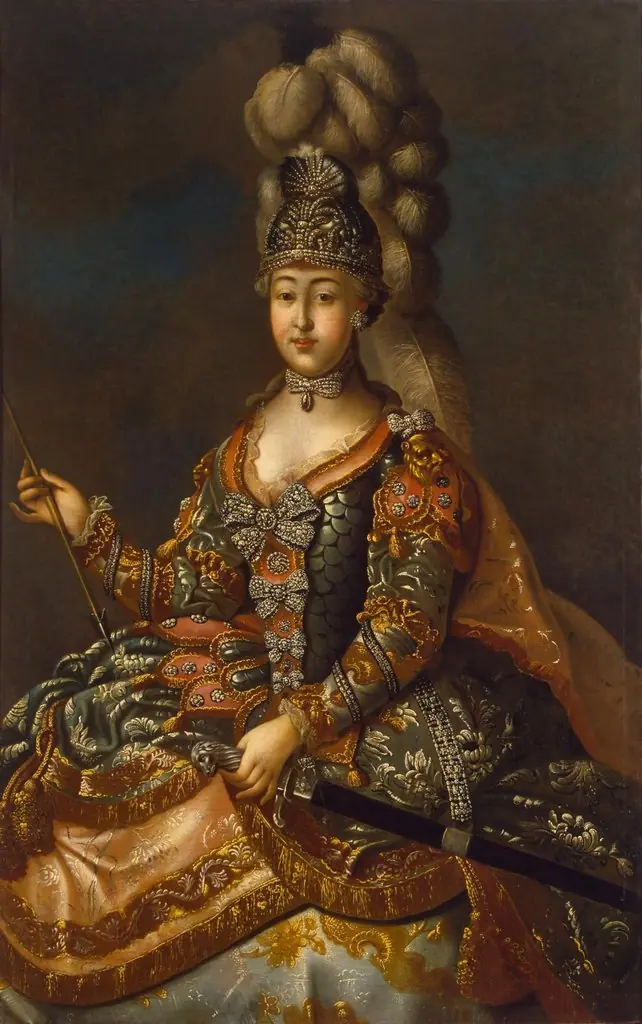 Portrait of Countess Anna Sheremetyeva in a ''Carousel'' Costume
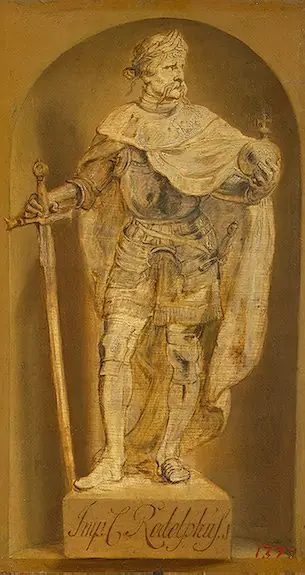 Statue of Rudolf II in a niche
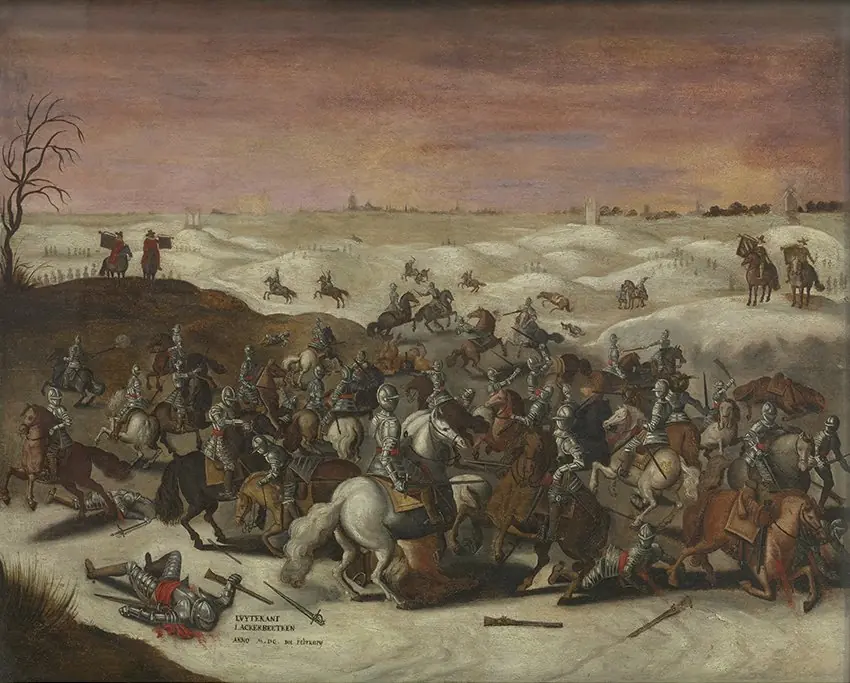 The Battle of Lekkerbeetje
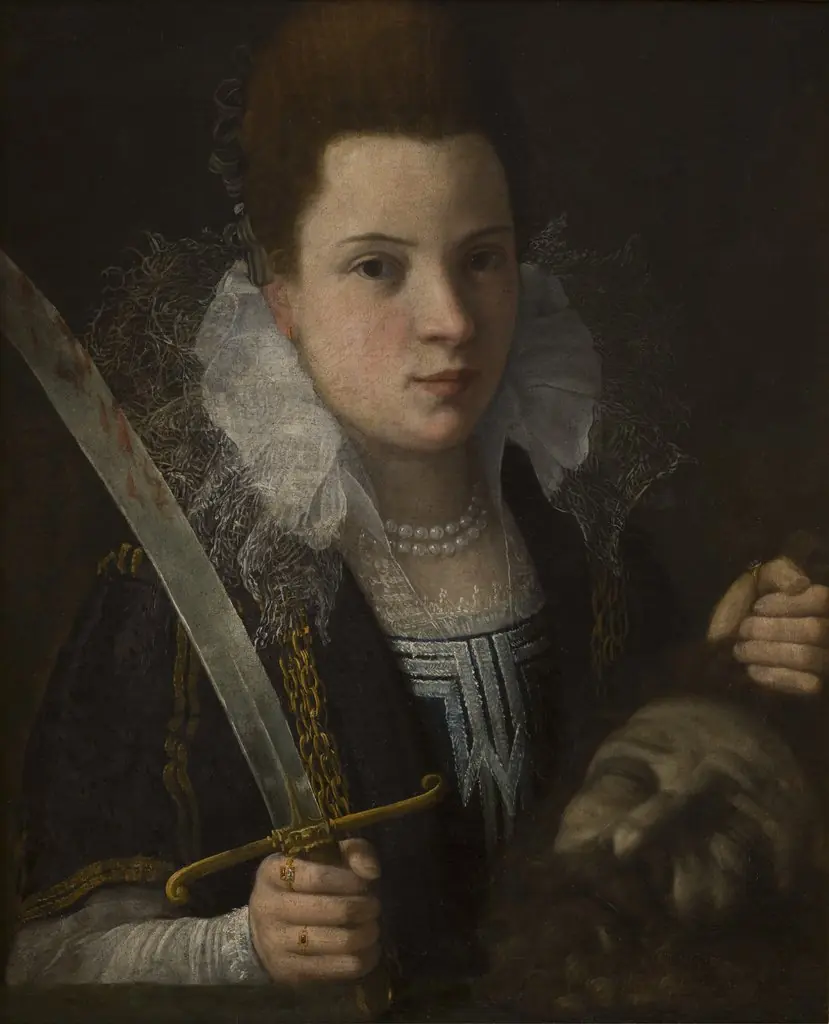 Judith with the Head of Holofernes
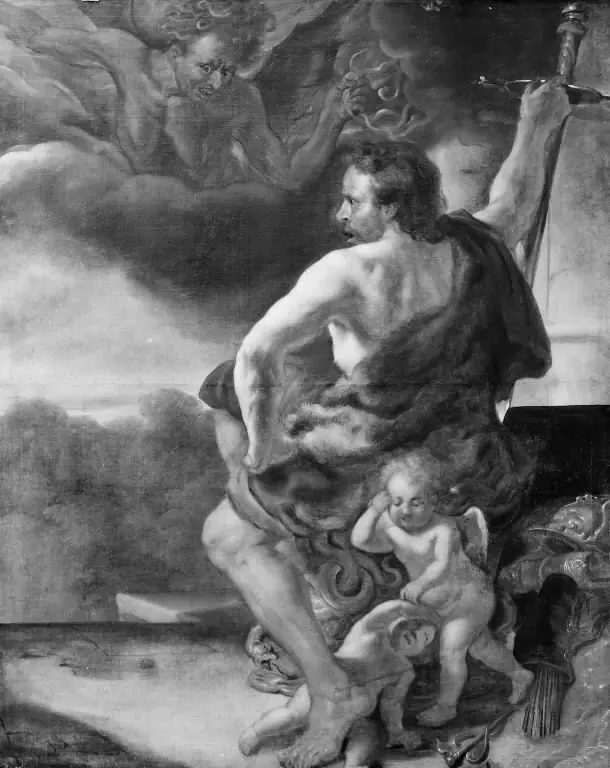 Hercules and Envy
Frequently asked questions
What is Sword?
Sword is a subject in art. A sword is an edged, bladed weapon intended for manual cutting or thrusting.
How many Sword works does Artifact World Gallery have?
Artifact World Gallery holds 200 public-domain Sword works, all free to view and download.
Who are the key Sword artists?
Key Sword artists in the collection include Titian, Paolo Veronese and Jacques-Louis David.
Where can I see Sword works?
Sword works in the collection are held by Museo del Prado, Metropolitan Museum of Art and Groeningemuseum.