Artwork
Christ and the Woman of Samaria
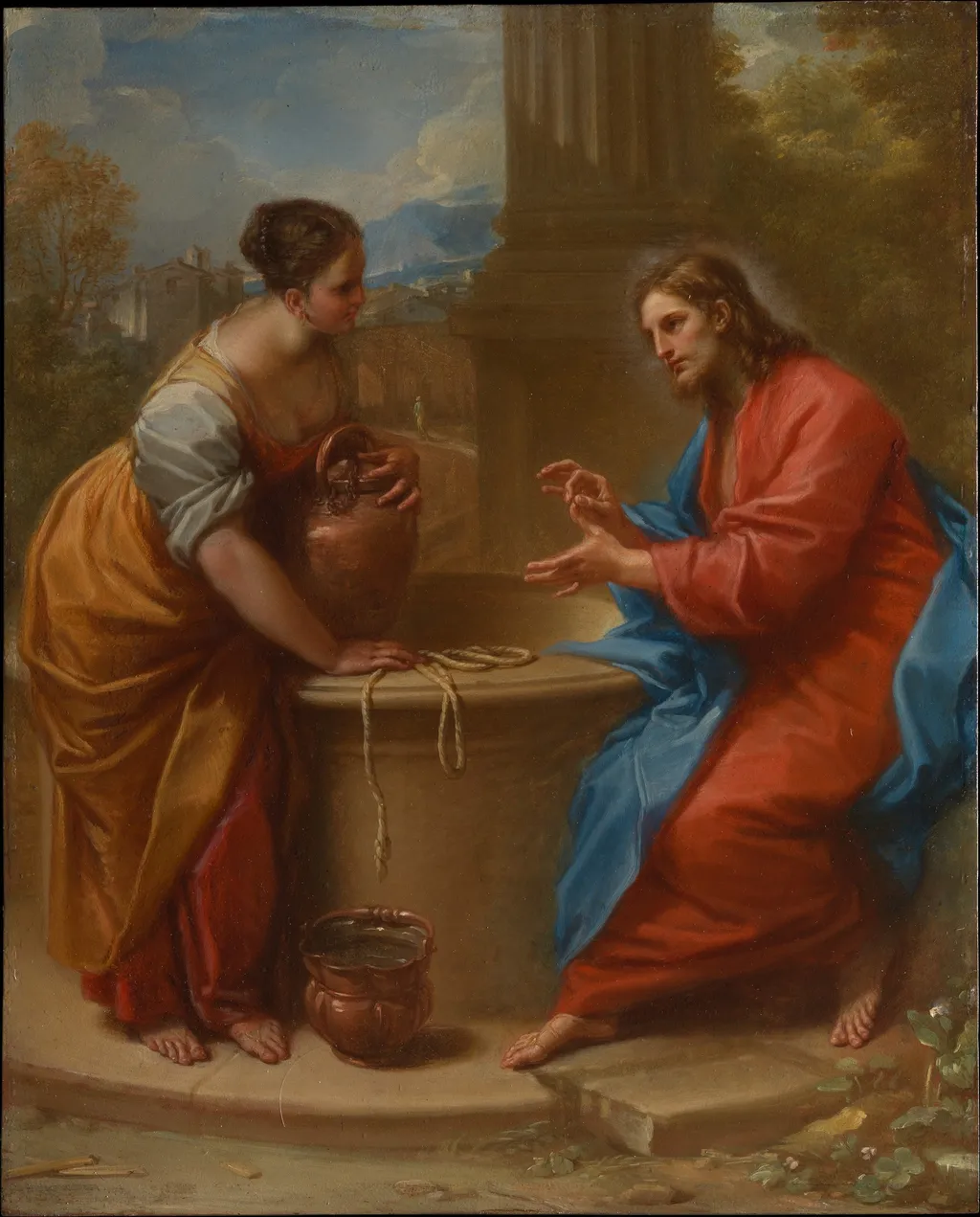
Christ and the Woman of Samaria is an oil painting by the Rococo painting artist Benedetto Luti. It dates from 1717 and is held in the collection of the Metropolitan Museum of Art.
About this work
Subject & Meaning
The composition serves to illustrate the theological and human elements of the story, portraying the two figures in a direct engagement.
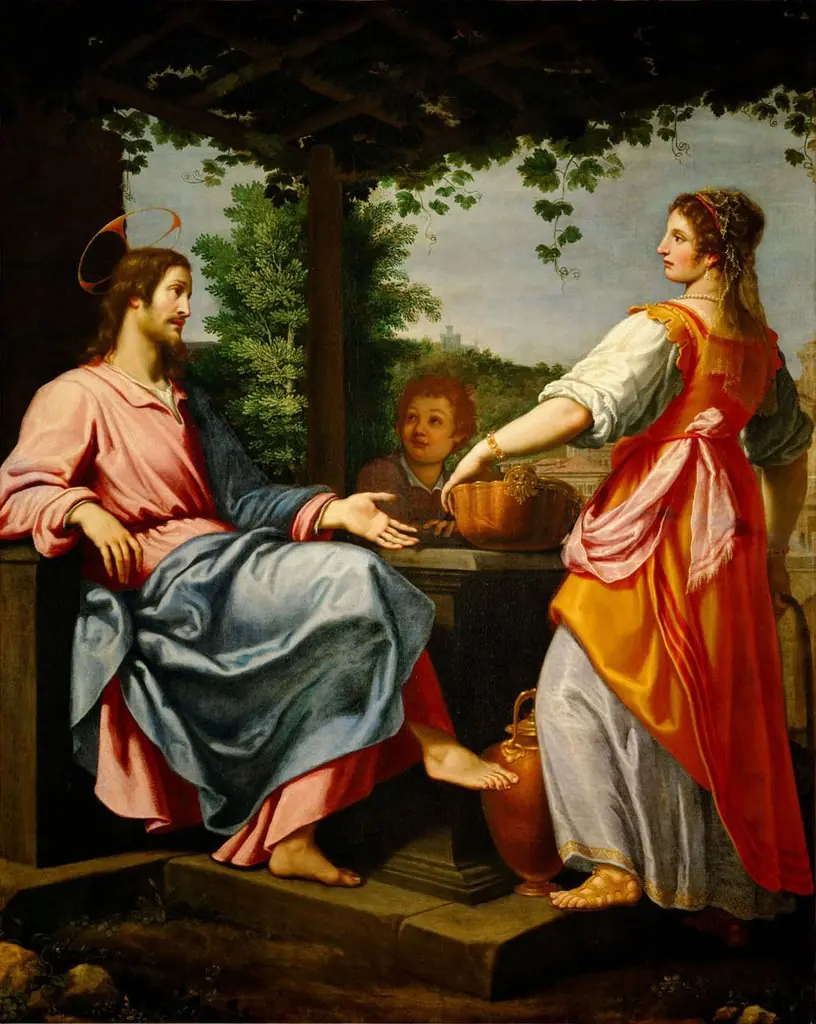
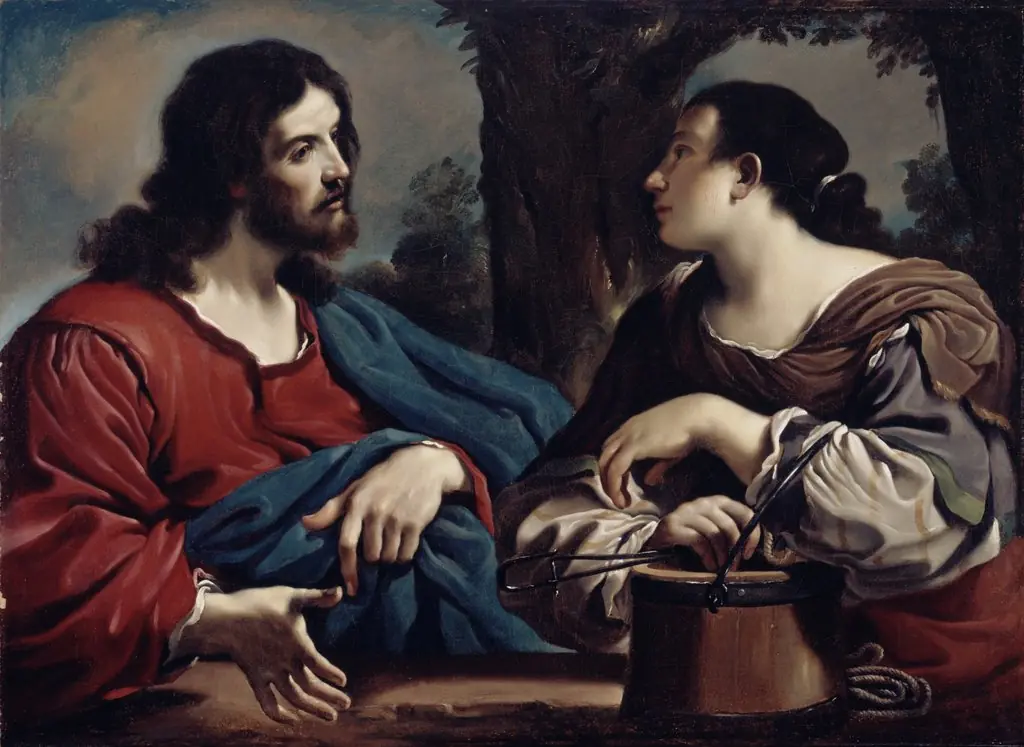
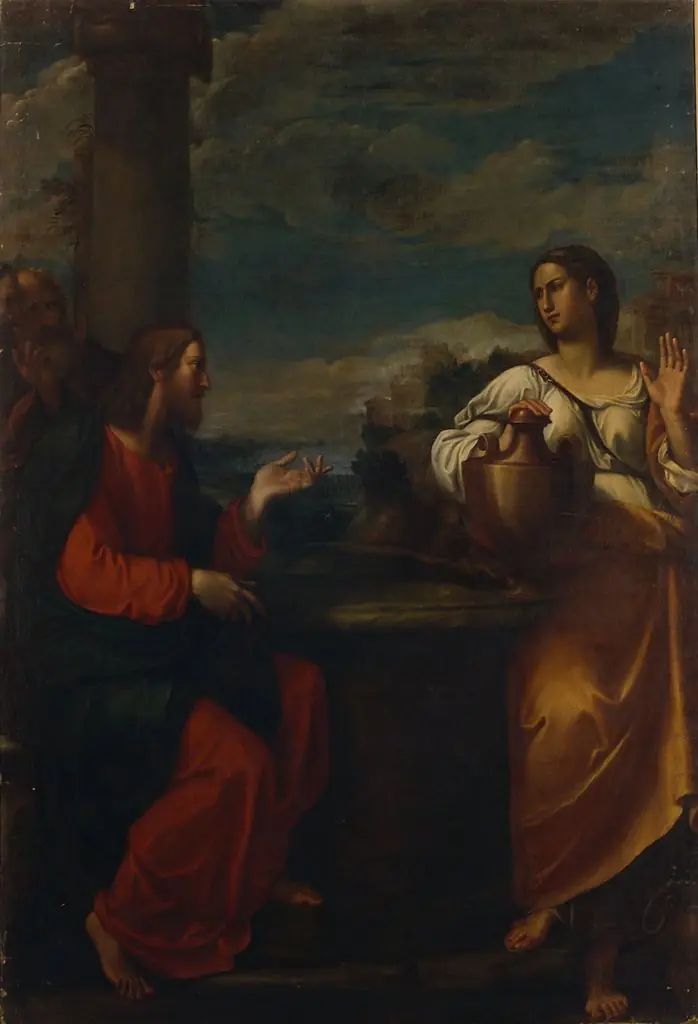
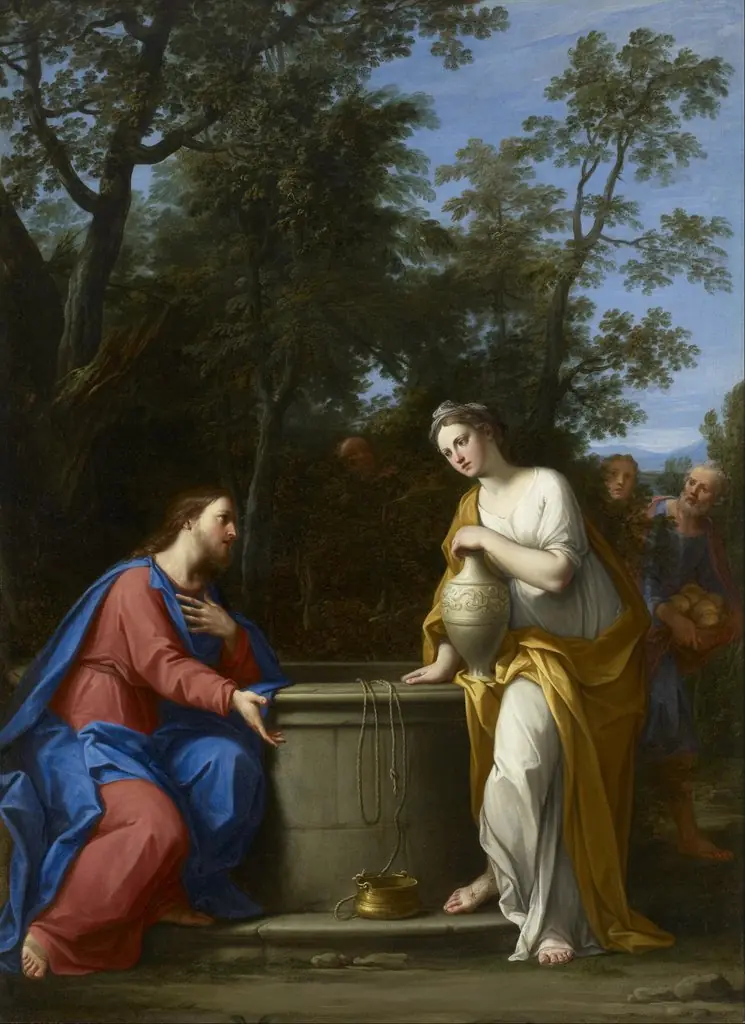
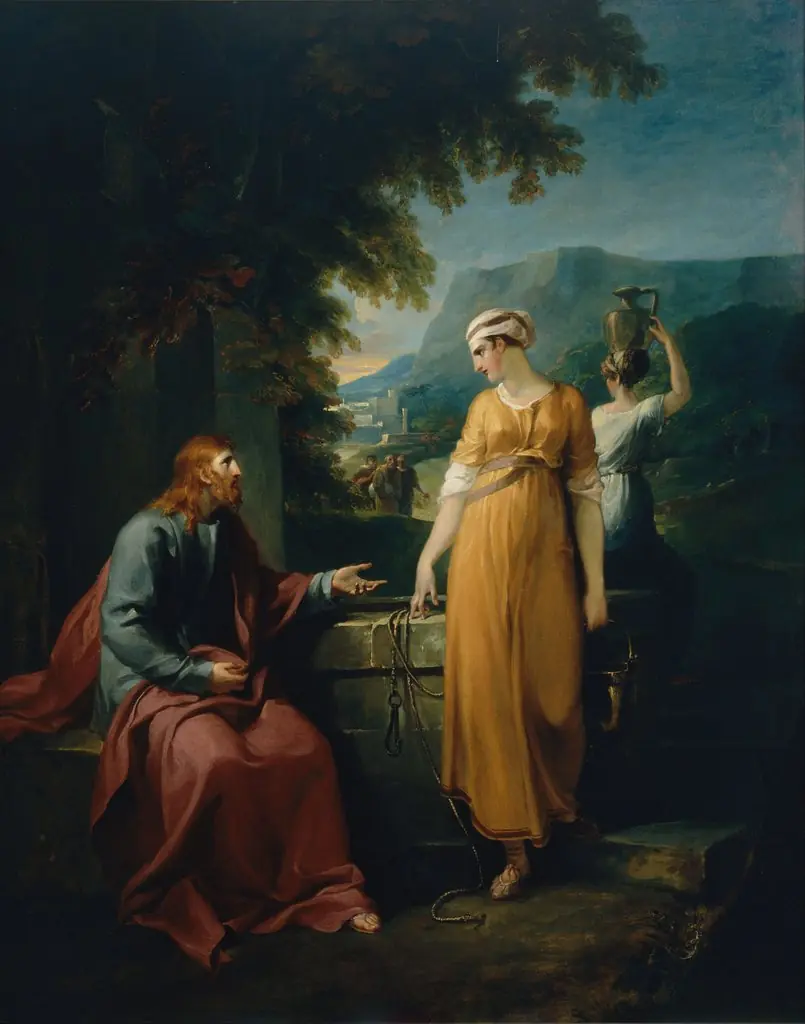
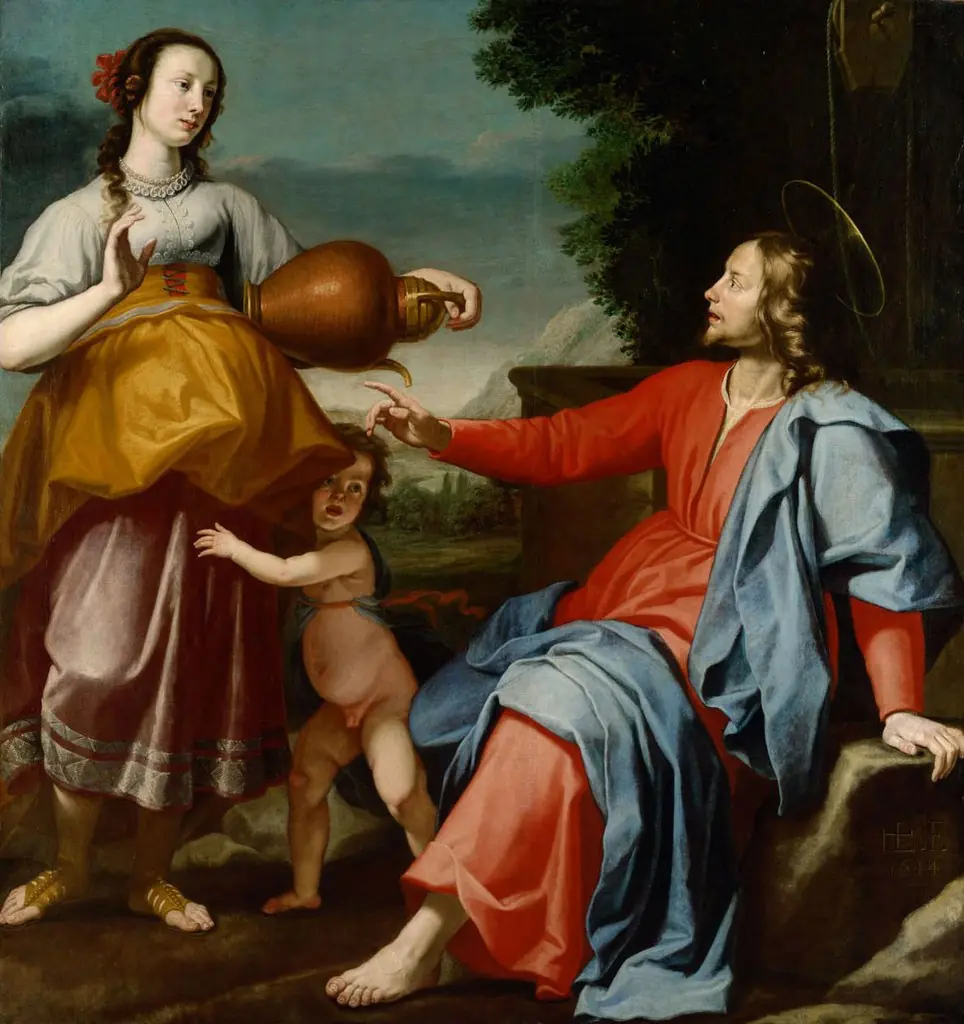
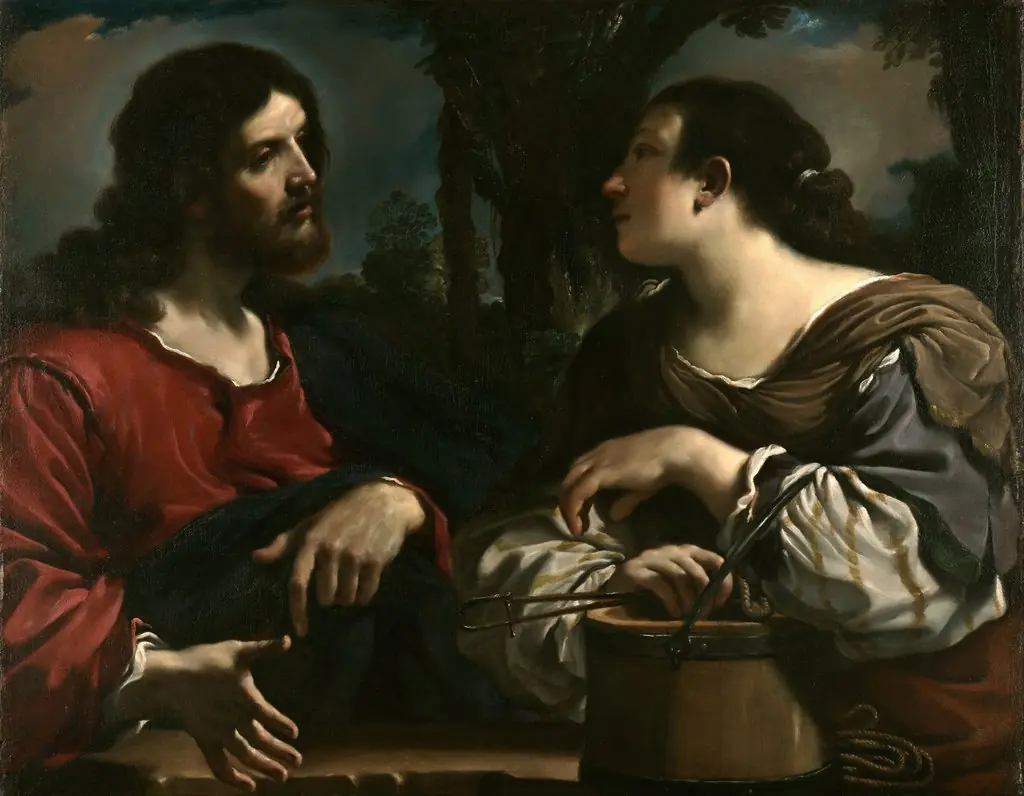
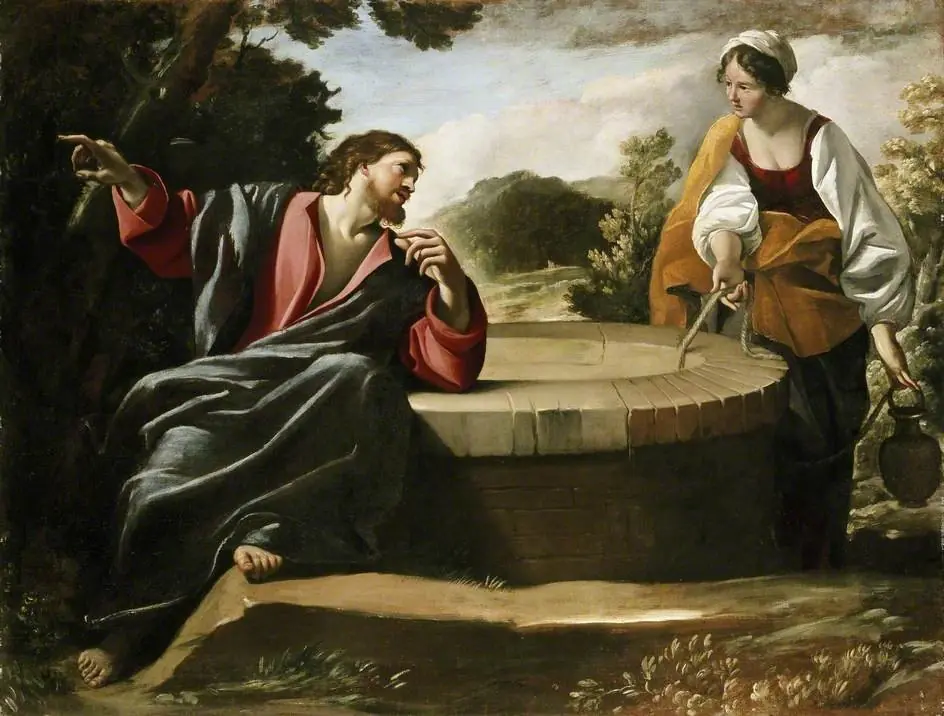
The work depicts the biblical narrative of Christ and the Woman of Samaria, a scene drawn from religious tradition. Created by Benedetto Luti in 1717, the painting focuses on the interaction between the central male figure, identified as Christ, and a female figure representing the Samaritan woman. As a piece of religious art, the subject matter centers on this specific scriptural encounter.
The composition serves to illustrate the theological and human elements of the story, portraying the two figures in a direct engagement. The medium of oil on copper supports the detailed rendering of these characters, emphasizing the spiritual significance of their meeting as the primary thematic concern of the piece.
Technique & Style
Executed in 1717 by Benedetto Luti, this religious work depicts the biblical encounter between Christ and the Woman of Samaria. The artist employed oil paint as the primary medium, applying it onto a copper support. This choice of a metal panel rather than traditional canvas or wood was a distinctive technical feature of Luti's practice during this period, allowing for fine detail and a smooth surface finish.
The composition focuses on the two central figures, adhering to the conventions of religious genre painting. While specific details regarding the current condition or handling history are not provided in the available records, the work's material construction remains defined by its oil-on-copper technique.
History & Provenance
Painted in 1717, the copper panel Christ and the Woman of Samaria is documented as a work by Benedetto Luti. Its early history is untraced, but by the early twenty-first century the painting had entered the collection of The Metropolitan Museum of Art, New York, where it remains located.
The painting is held by the Metropolitan Museum of Art, New York, where it is recorded under accession number 1975.1.129. It entered the museum’s collection in 1975 through gift or purchase. The work has been exhibited at the Metropolitan Museum of Art, but specific exhibition records are not detailed in the cited sources.
Overview
Benedetto Luti's 1717 painting, Christ and the Woman of Samaria, renders a significant biblical encounter on a copper support. This religious work captures a moment of dialogue between two figures at a well, illustrating a pivotal scene from the New Testament. The artwork is currently part of the collection at The Metropolitan Museum of Art, offering insight into early 18th-century Italian painting traditions.
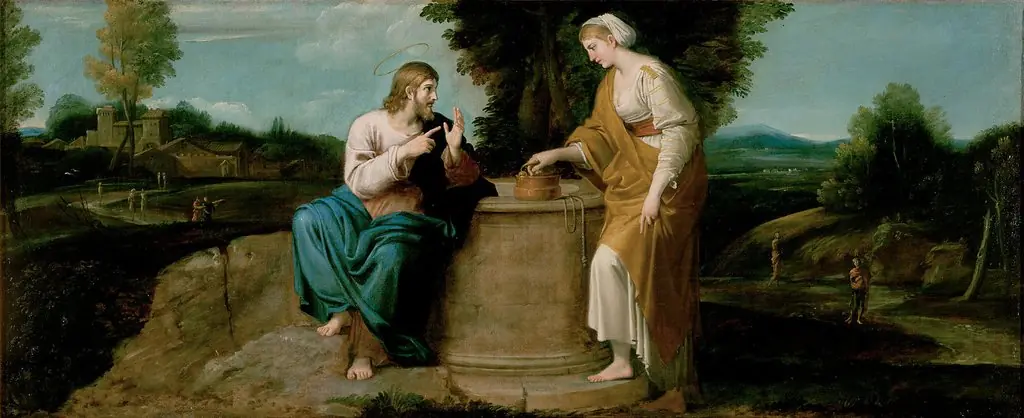
Own this work as a print
Artist & collection


- Christ and the Woman of Samaria
 Christ and the Woman of Samaria
 Christ and the Woman of Samaria
 Christ and the Woman of Samaria
 Christ and the Woman of Samaria
 Christ and the woman of Samaria
 Christ and the Woman of Samaria
 Christ and the Woman of Samaria
 Christ and the Woman of Samaria
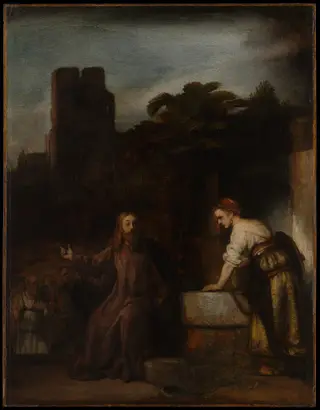 Christ and the Woman of Samaria
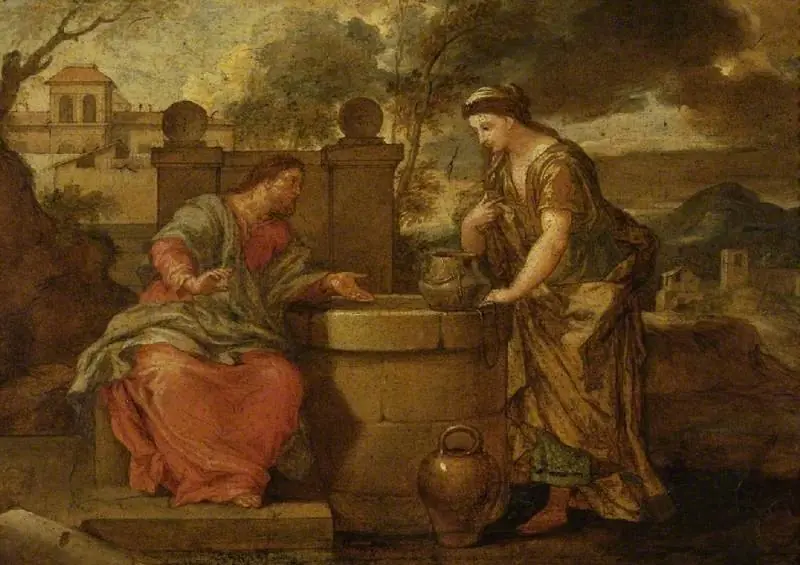 Christ and the woman of Samaria