Artwork
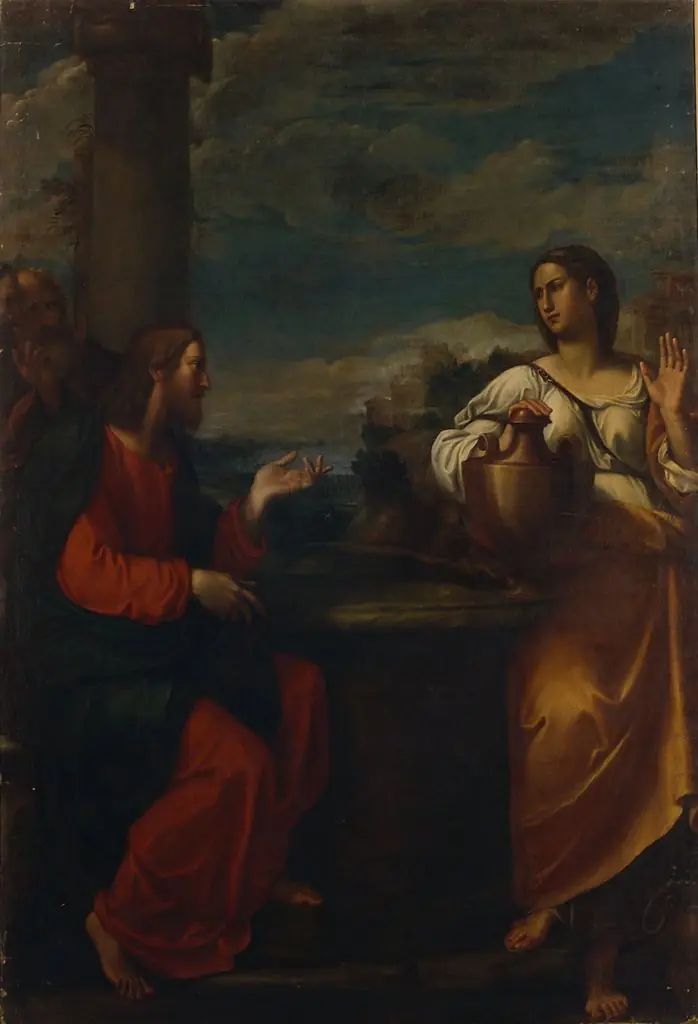
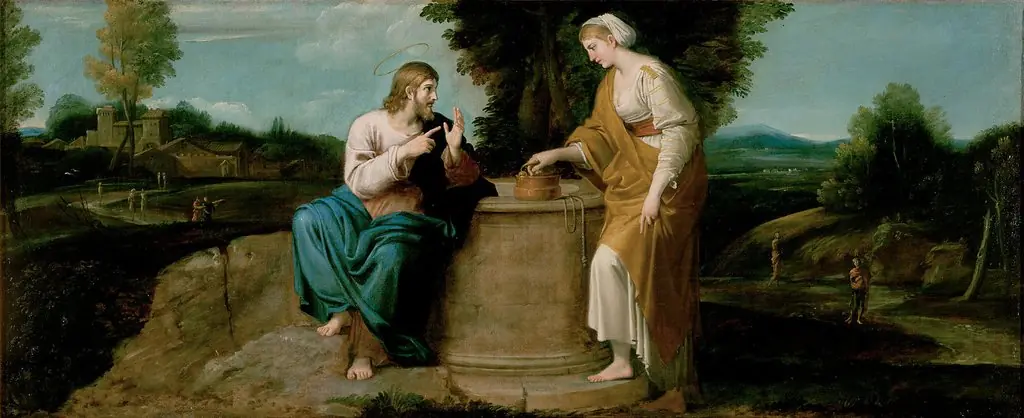
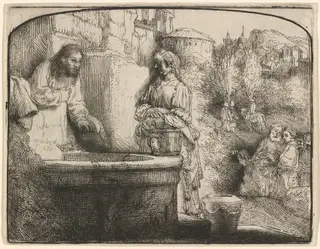
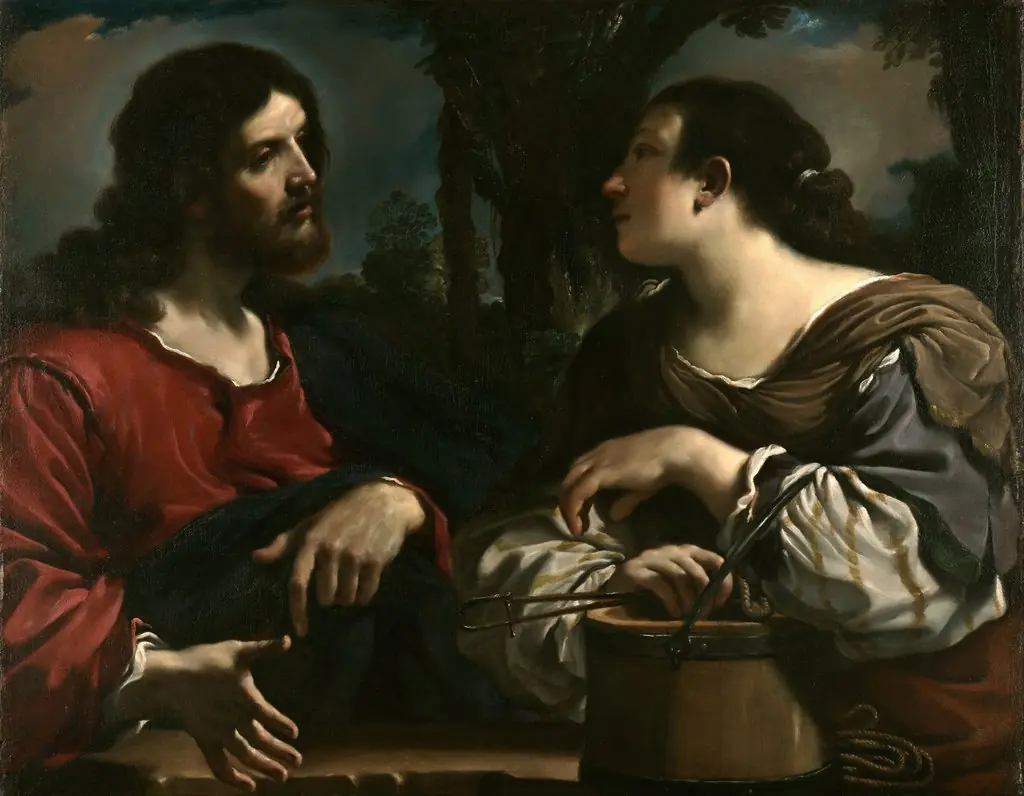
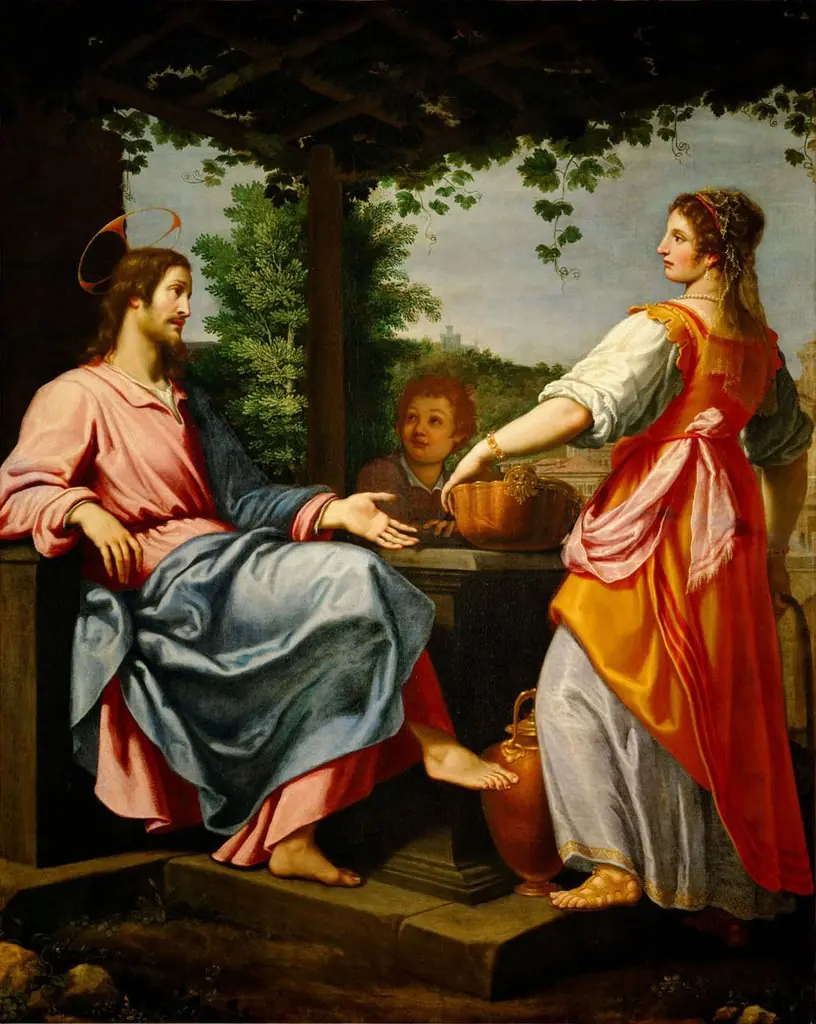
Christ and the Woman of Samaria
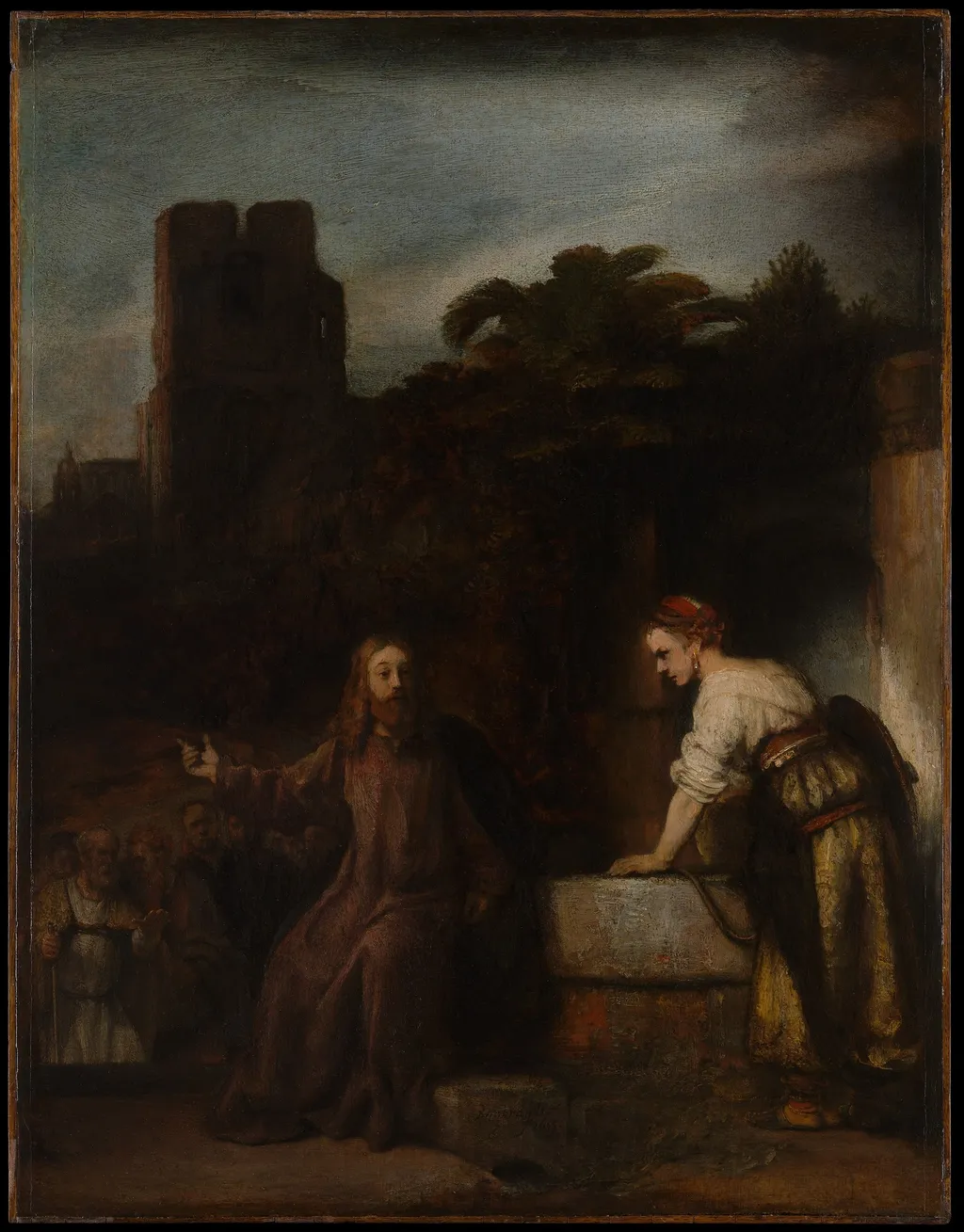
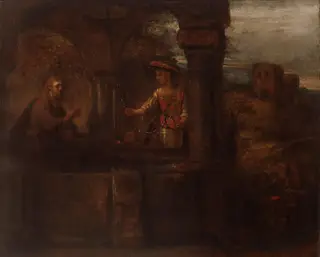
Christ and the Woman of Samaria is an oil painting by the Dutch Golden Age artist Rembrandt van Rijn. It dates from 1655 and is held in the collection of the Metropolitan Museum of Art.
About this work
Subject & Meaning
The iconography focuses on the encounter between the two individuals, representing the theological themes inherent in their scriptural meeting.
The artwork depicts the biblical narrative of Christ and the Woman of Samaria, a central religious subject illustrating a dialogue between Jesus and a Samaritan woman. As a religious painting created in 1655, the composition features the figures of Christ and the woman as its main subject, set within a genre dedicated to sacred history. The iconography focuses on the encounter between the two individuals, representing the theological themes inherent in their scriptural meeting.
While the work is attributed to Rembrandt, it is also described as being executed in his style, emphasizing the spiritual interaction rather than a broader landscape or secondary narrative elements.
Technique & Style
The work is an oil painting executed on a wooden panel, dating to 1655 and attributed to Rembrandt van Rijn. Its execution follows the artist’s characteristic approach of layered brushwork and subtle glazing, creating a luminous surface that models the figures of Christ, the woman, and the interlocutor through chiaroscuro and naturalistic detail. The composition is tightly framed, emphasizing the encounter’s intimacy, while the palette relies on earth tones and delicate highlights typical of Rembrandt’s late religious subjects.
The painting is presently housed in the Metropolitan Museum of Art, where it is displayed as part of the museum’s European paintings collection.
History & Provenance
Christ and the Woman of Samaria, attributed to Rembrandt, is dated to 1655 and executed in oil paint, according to the corpus record. The Wikidata entry situates the work's inception in 1655 and identifies its medium as oil paint on panel, with dimensions of 63.5 by 48.9 centimeters. The painting is held in the collection of the Metropolitan Museum of Art, where it is currently located.
Earlier in its ownership history, the work was owned by Marcus Kappel, as recorded in the Wikidata provenance data. The sources do not specify a commissioning patron, the circumstances of its creation, or a detailed chain of custody beyond the recorded ownership by Marcus Kappel and its subsequent placement at the Metropolitan Museum of Art.
Overview
Rembrandt Harmenszoon van Rijn completed Christ and the Woman of Samaria in 1655, an oil painting depicting a narrative from the New Testament. This religious work is part of the collection at The Metropolitan Museum of Art. The composition centers on a profound encounter, characteristic of the artist's engagement with spiritual themes during the Dutch Golden Age.
Context
As a prominent artist of the Dutch Golden Age, Rembrandt Harmenszoon van Rijn was renowned for his versatility across painting, printmaking, and drawing. His oeuvre encompassed a wide array of subjects, from portraits and genre scenes to historical and religious narratives. This painting exemplifies his sustained interest in biblical themes, rendered with a profound humanism that characterized much of his work during this period.
Own this work as a print
Artist & collection

Artist
Rembrandt Harmenszoon van Rijn, known mononymously as Rembrandt, was a Dutch Golden Age painter, printmaker, and draughtsman.