Artwork
Christ and the Woman of Samaria
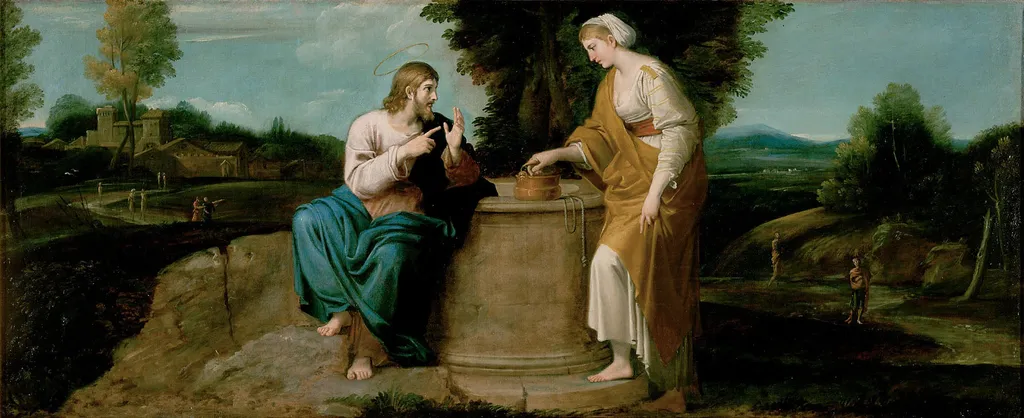
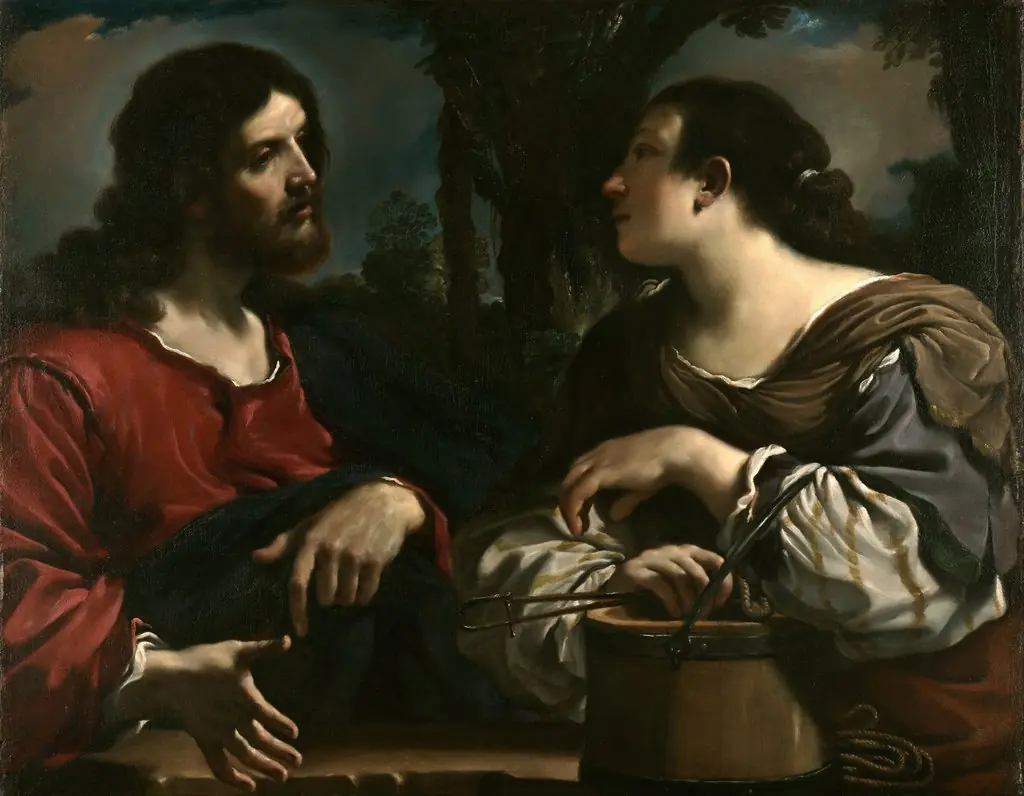
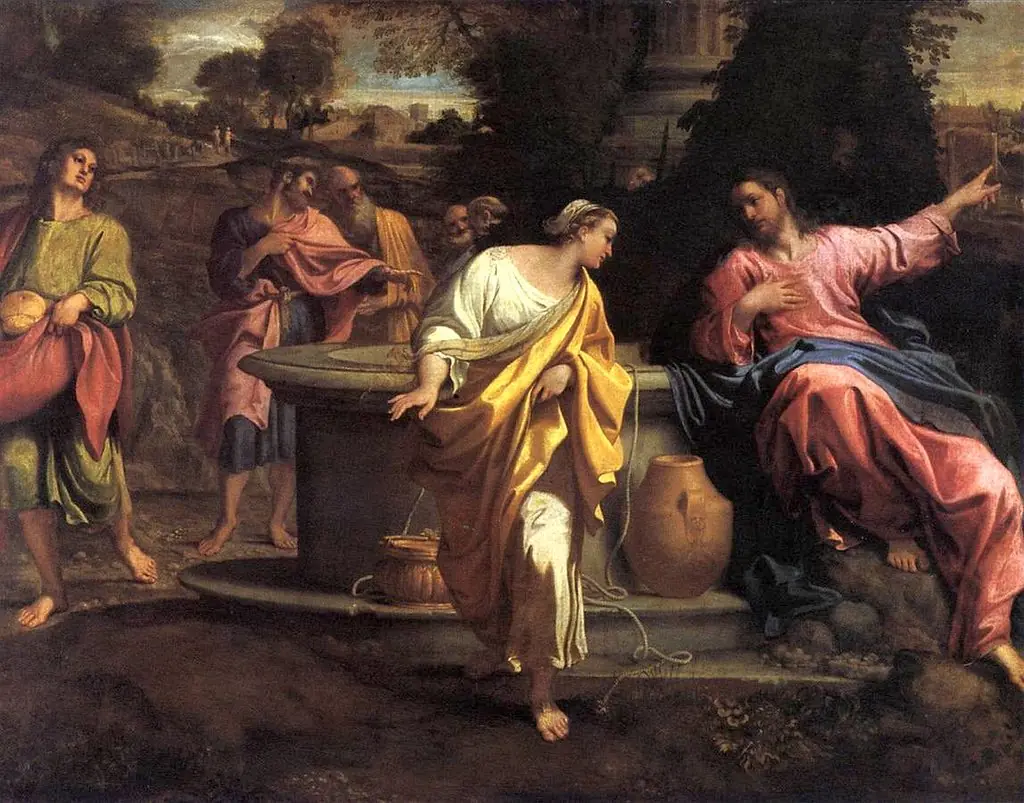
Christ and the Woman of Samaria is an oil painting by the Early Baroque Italian artist Annibale Carracci. It dates from 1605 and is held in the collection of the Kunsthistorisches Museum.
About this work
Subject & Meaning
In Christian iconography the encounter emphasizes themes of salvation extended to the marginalized and the living water that quenches spiritual thirst.
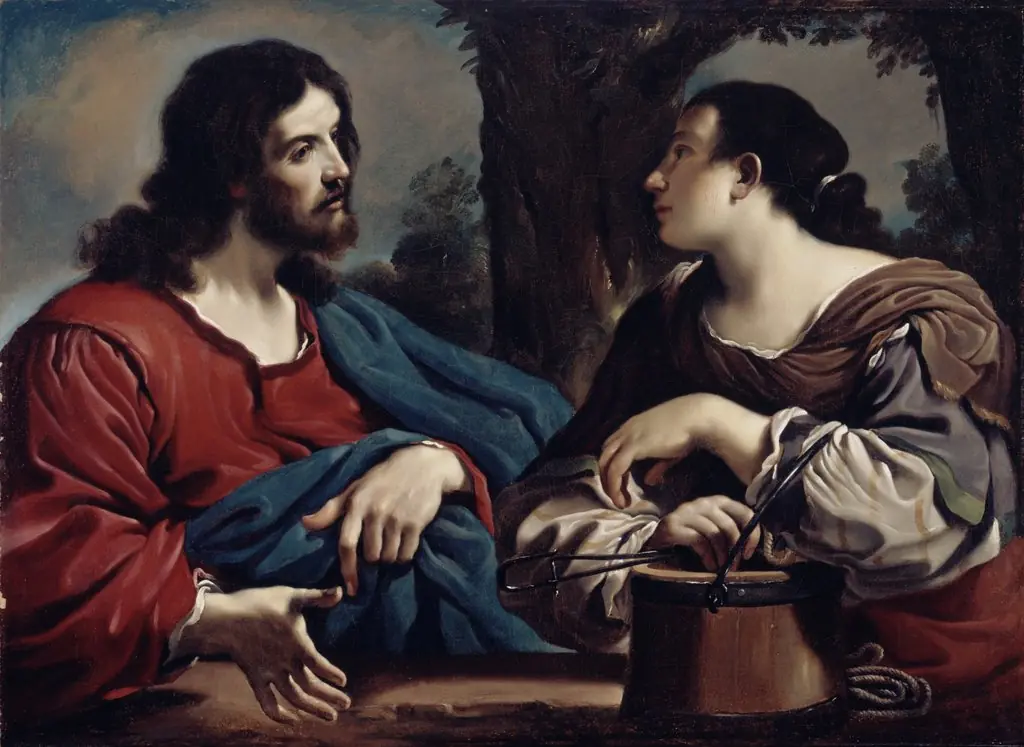
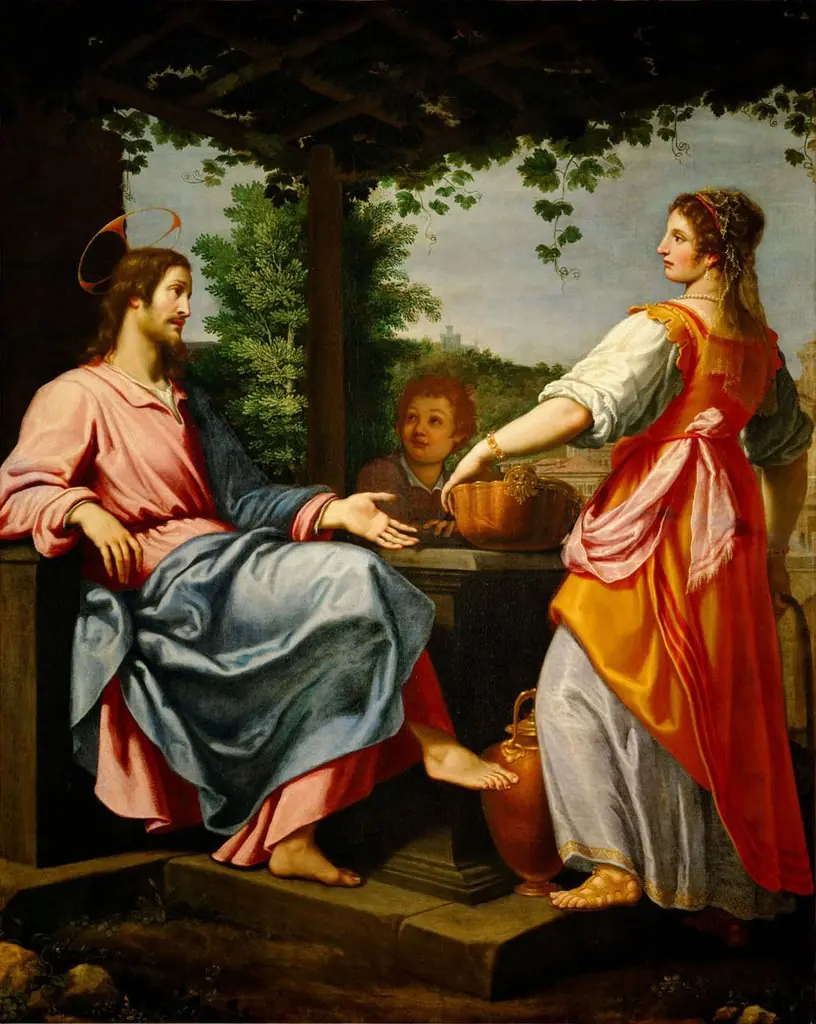
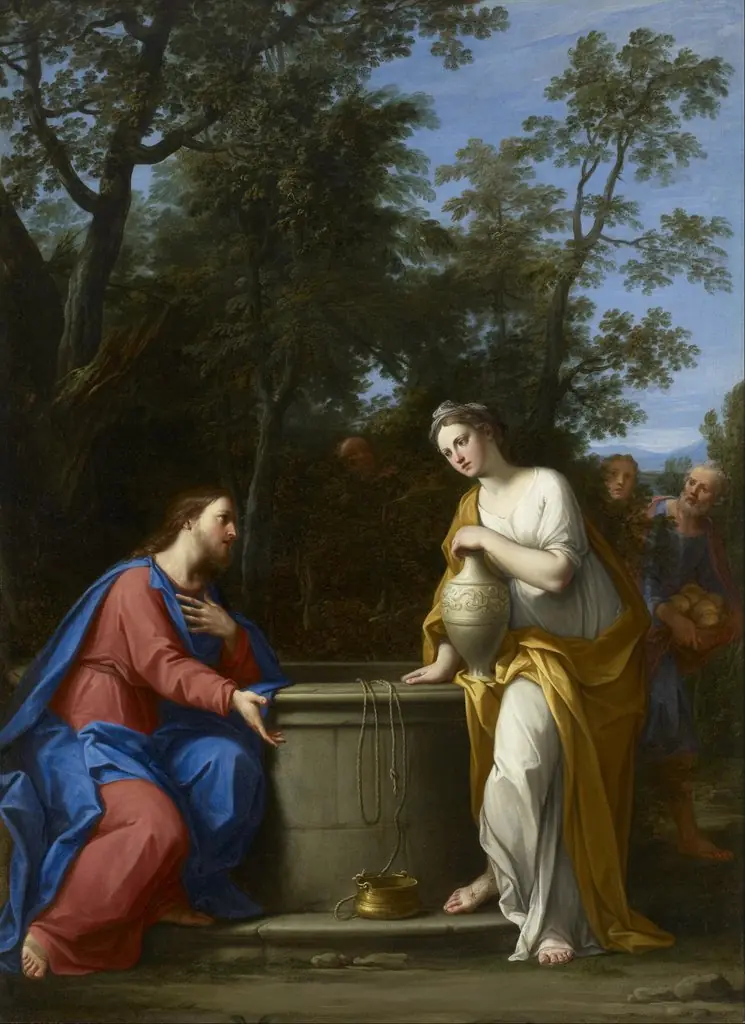
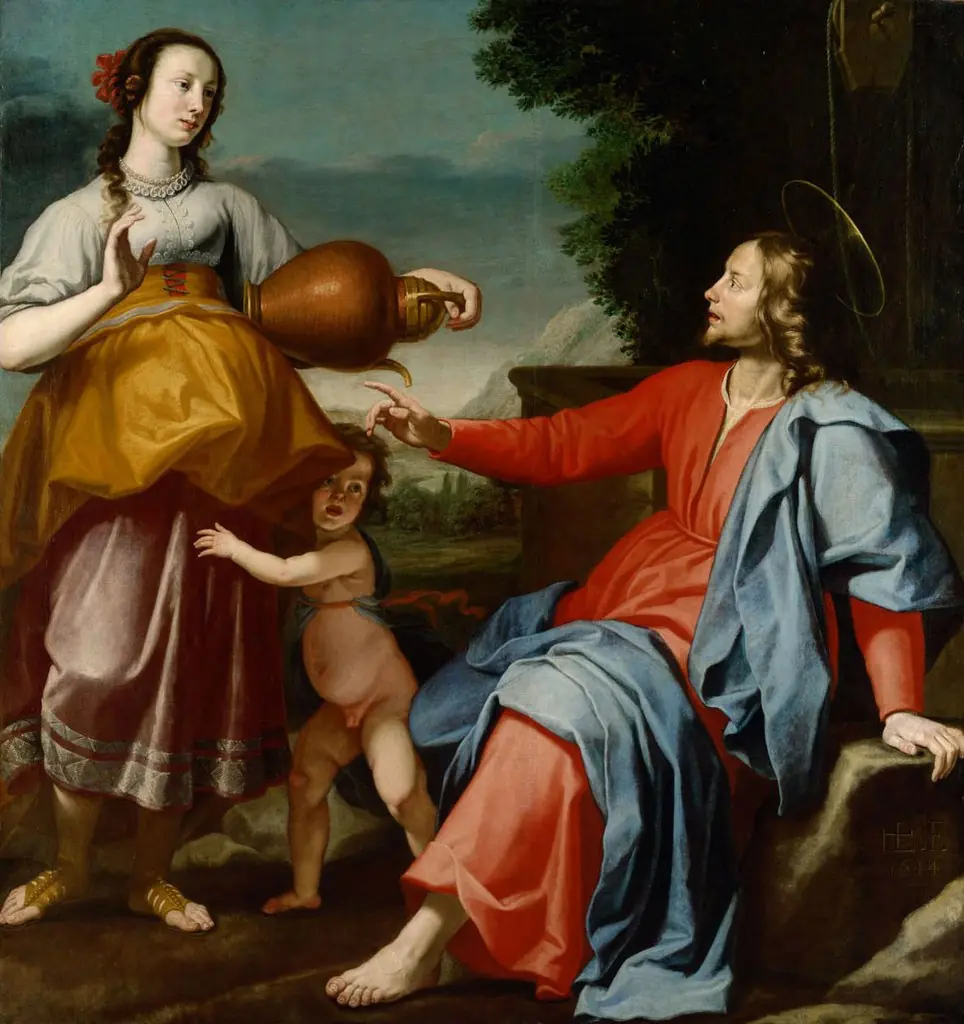
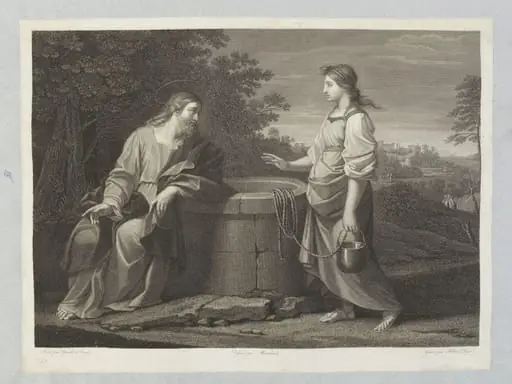
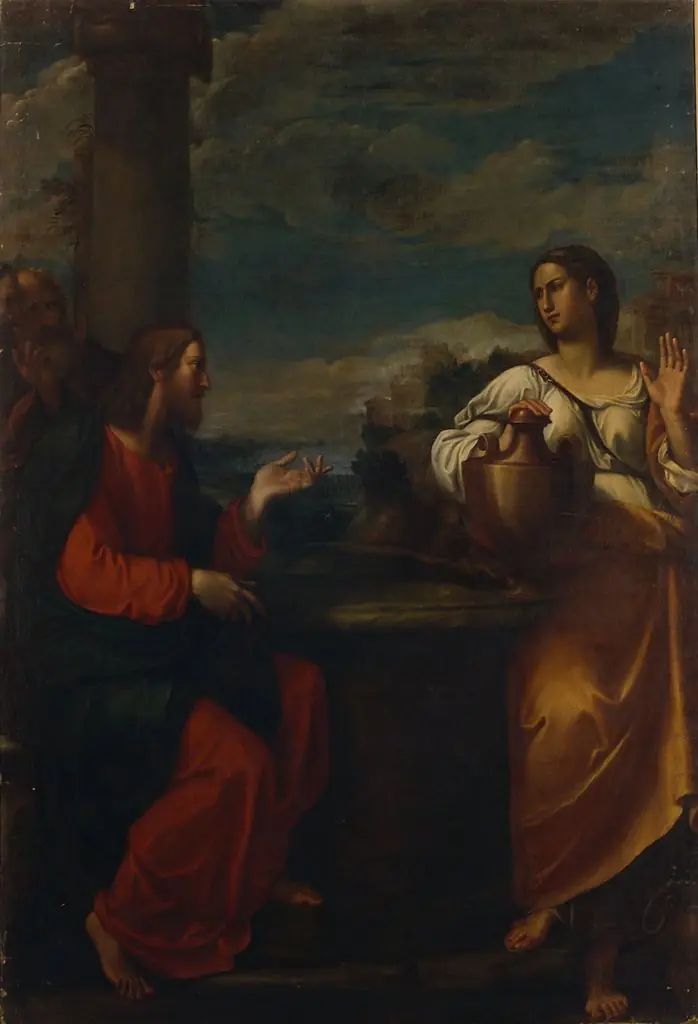
The painting illustrates the biblical episode in which Christ requests water from a Samaritan woman at a well, a moment symbolizing spiritual revelation and the breaking of social barriers. In Christian iconography the encounter emphasizes themes of salvation extended to the marginalized and the living water that quenches spiritual thirst. The composition captures the encounter’s intimate drama through the interaction of the figures and the setting of the well.
The work is housed in the Kunsthistorisches Museum, where it forms part of the collection assembled by Archduke Leopold Wilhelm of Austria.
Technique & Style
Executed in 1605, this religious work by Annibale Carracci is an oil painting on canvas. The composition features a horizontal format, measuring 60.5 cm in height and 146 cm in width. The imagery depicts the biblical encounter between Jesus Christ and a woman, set against a landscape that includes a spring.
As a piece of religious art, it utilizes the fluidity of oil paint to render the figures and their environment.
History & Provenance
Christ and the Woman of Samaria is an oil-on-canvas painting by Annibale Carracci dated 1605, measuring 60.5 by 146 cm. The work was owned by Archduke Leopold Wilhelm of Austria, whose collection formed a key part of the holdings later assembled at the Kunsthistorisches Museum, where the painting is currently held. No further details of commission, intermediate ownership, or acquisition history are documented in the available sources.
Christ and the Woman of Samaria by Annibale Carracci, painted in 1605, is held in the collection of the Kunsthistorisches Museum in Vienna. The painting, executed in oil on canvas, was formerly owned by Archduke Leopold Wilhelm of Austria before entering the museum's holdings. No specific inventory or accession number is recorded in the available sources, and no exhibition history beyond its current placement at the Kunsthistorisches Museum is documented.
Overview
Created in 1605, this oil painting by Annibale Carracci portrays the biblical encounter between Jesus and the Samaritan woman at a well. The composition places the two figures centrally, set against a tranquil landscape of trees, distant hills, and a sky dotted with clouds. The work is part of the collection of the Kunsthistorisches Museum in Vienna.
Context
The work exemplifies the early Baroque focus on narrative clarity and emotional accessibility, aligning with Counter‑Reformation goals of making sacred stories relatable. Carracci’s approach contrasts with the heightened drama of later Baroque artists, favoring a measured composition that underscores the theological significance of the Samaritan woman’s encounter with Christ.
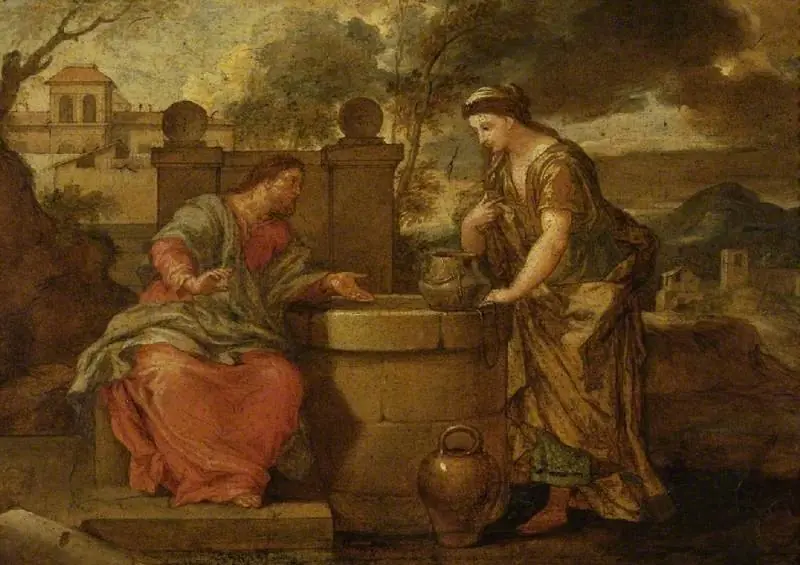
Artist & collection
Artist
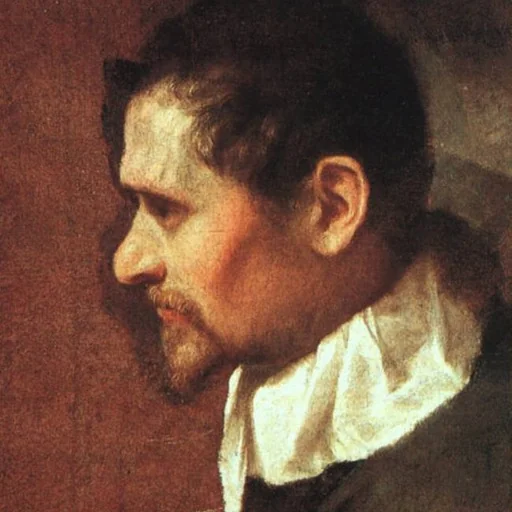
Annibale Carracci ( kə-RAH-chee, UK also kə-RATCH-ee, Italian:; November 3, 1560 – July 15, 1609) was an Italian painter and instructor, active in Bologna and later in Rome.

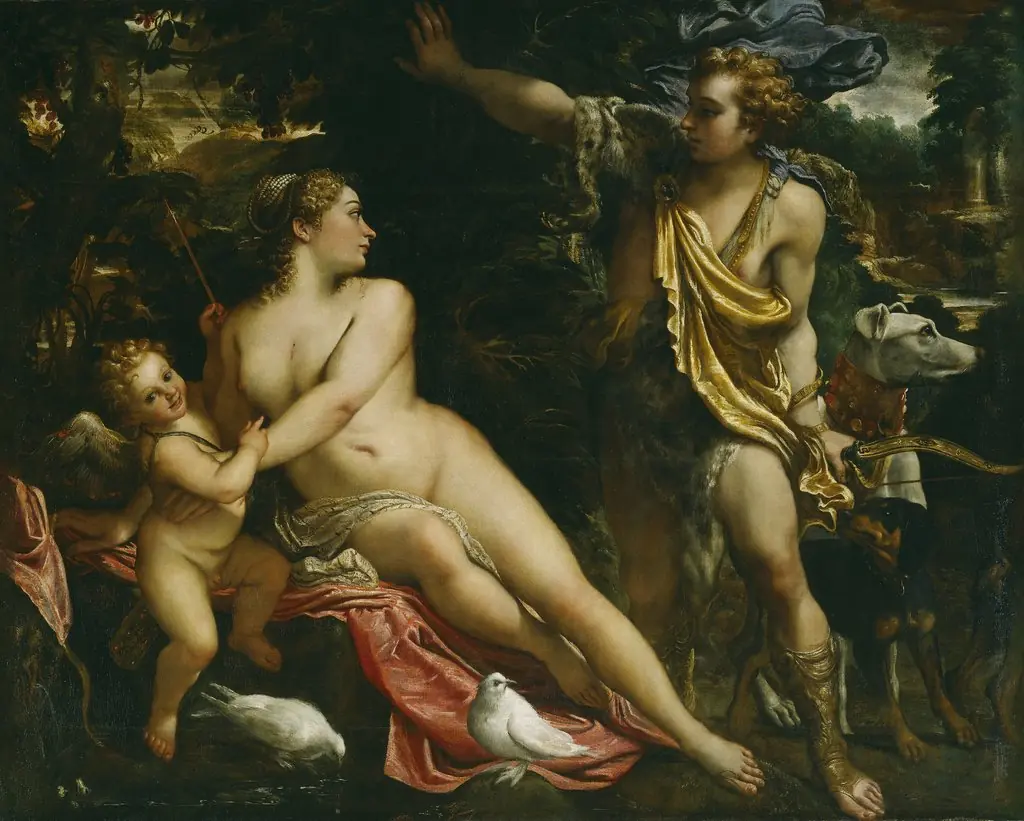
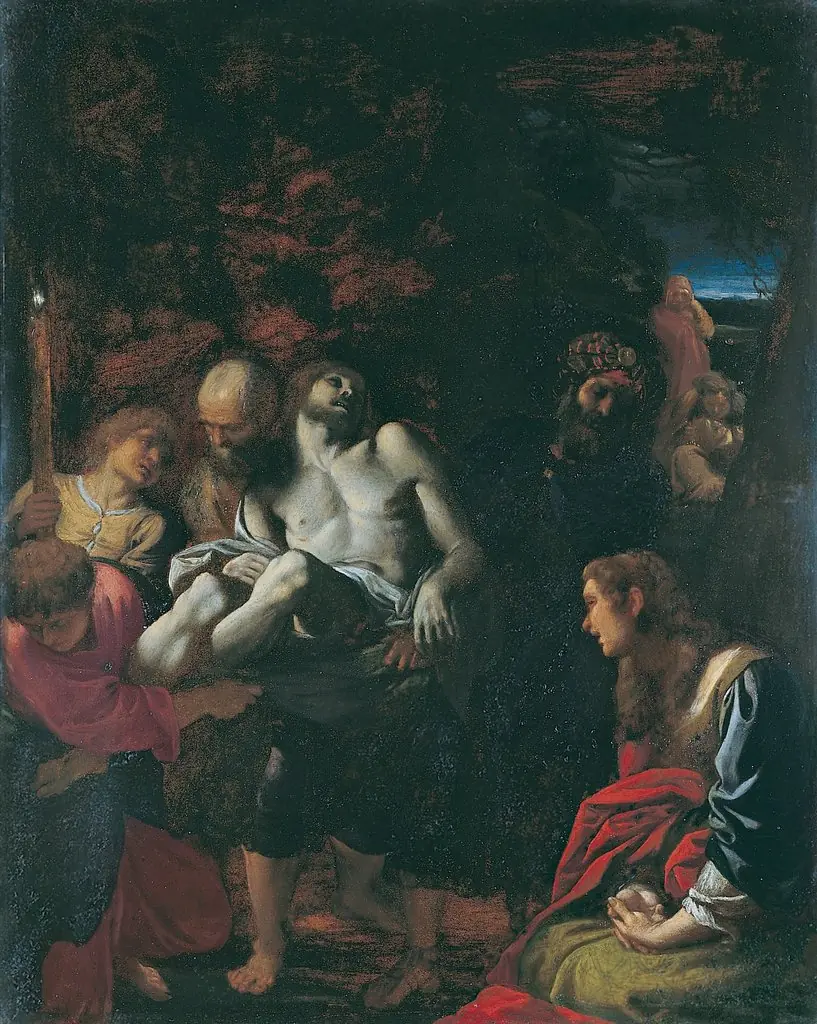
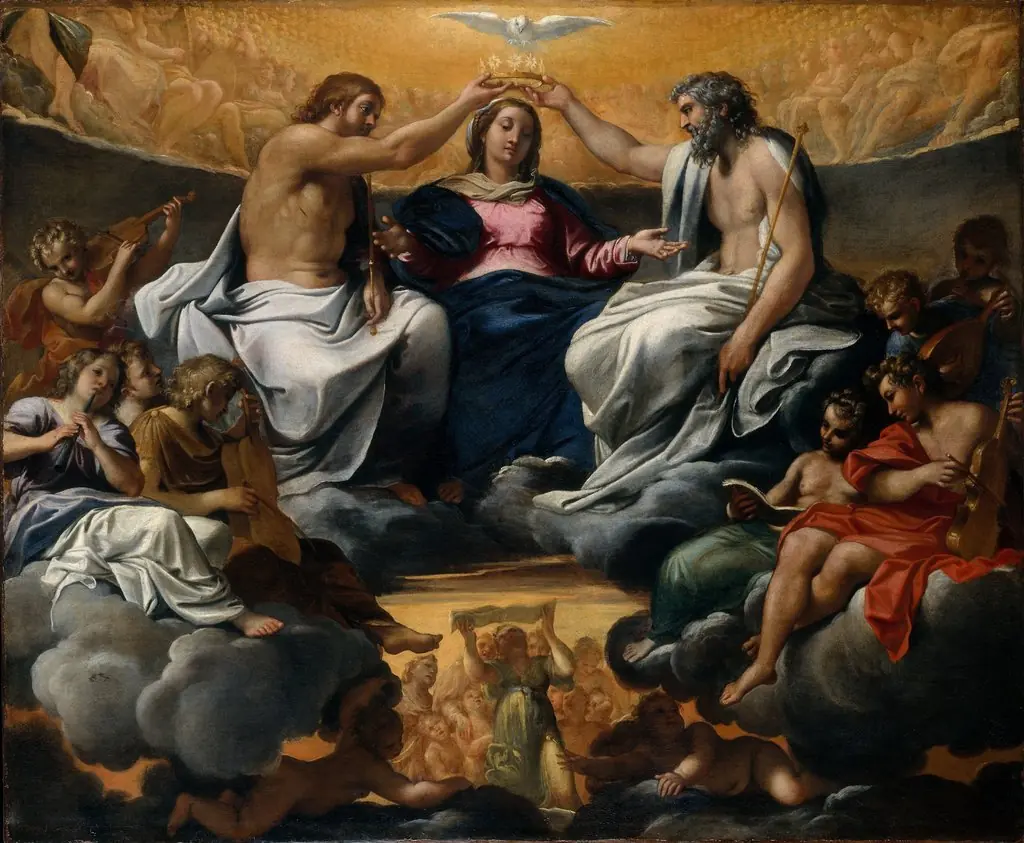
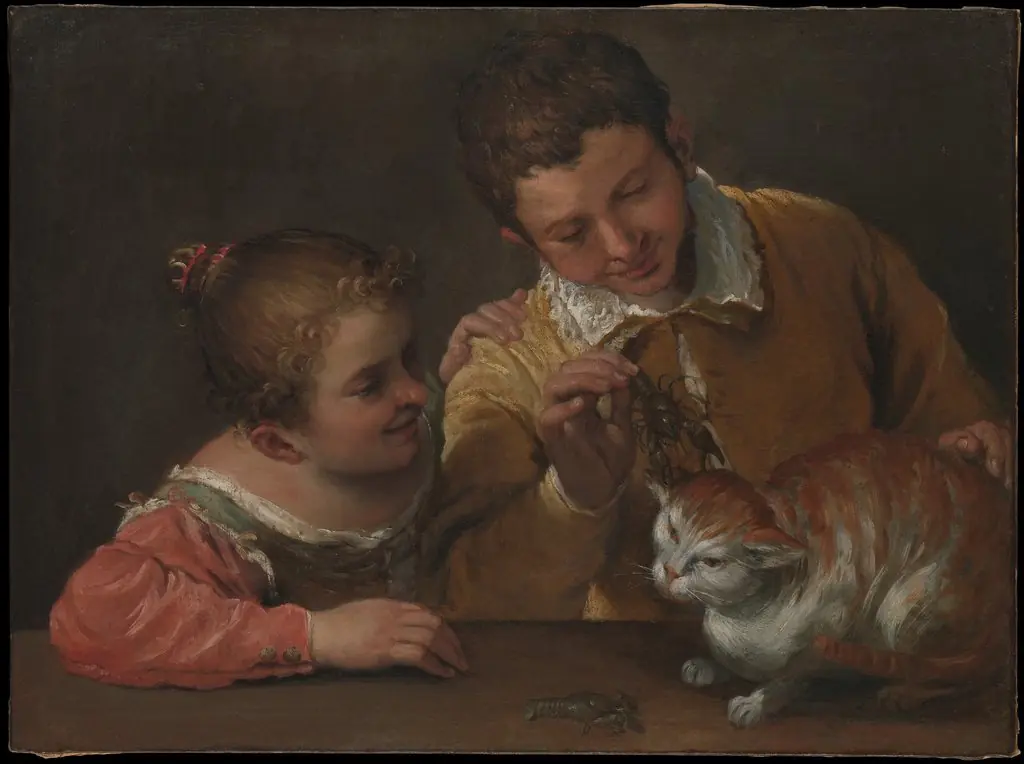
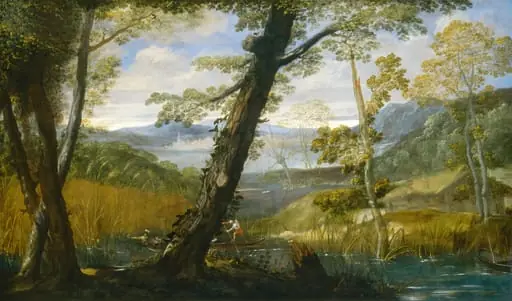
- Christ and the woman of Samaria
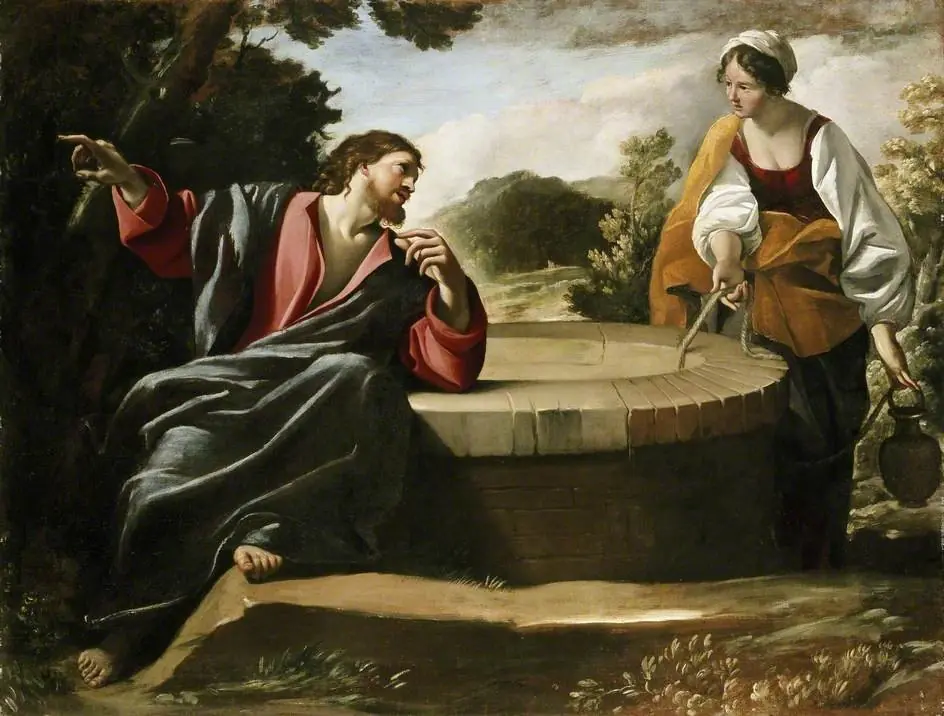 Christ and the Woman of Samaria
 Christ and the Woman of Samaria
 Christ and the Woman of Samaria
 Christ and the Woman of Samaria
 Christ and the Woman of Samaria
 Christ and the Woman of Samaria
 Christ and the Woman of Samaria
 Christ and the Woman of Samaria
 Christ and the Woman of Samaria