Artwork
The Grand Canal in Venice
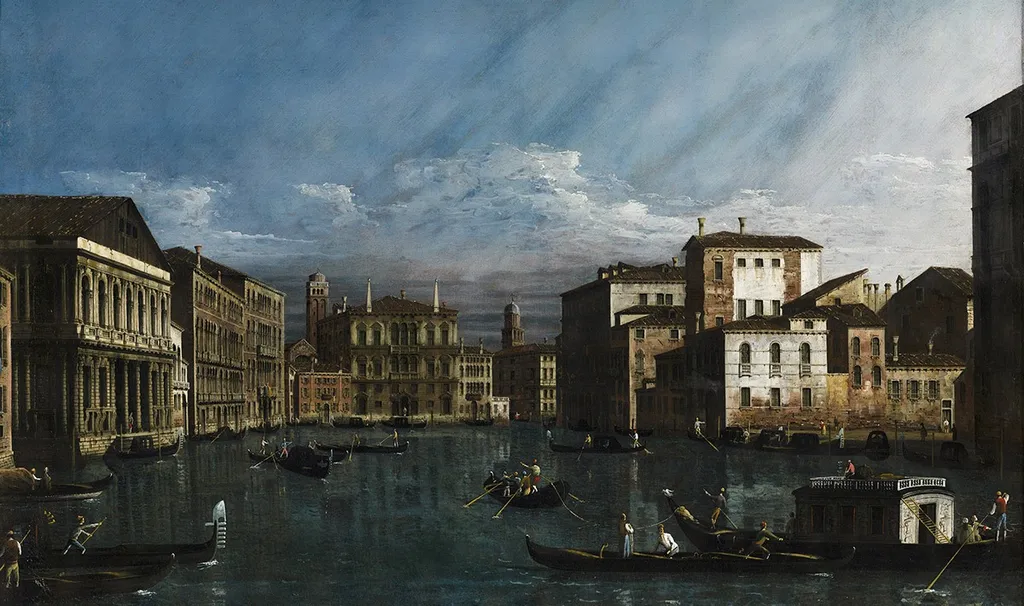
The Grand Canal in Venice is an oil painting by the Rococo painting artist Bernardo Bellotto. It dates from 1736 and is held in the collection of the Museum of Fine Arts of Lyon.
About this work
Overview
Measuring 79 by 121 cm, the work is held in the collection of the Museum of Fine Arts of Lyon, where it has remained since its acquisition in 1891.
The Grand Canal in Venice is an oil-on-canvas veduta painted in 1736 by the Italian view painter Bernardo Bellotto. Measuring 79 by 121 cm, the work is held in the collection of the Museum of Fine Arts of Lyon, where it has remained since its acquisition in 1891. Painted when Bellotto was barely twenty years old, the canvas exemplifies the young artist's precocious mastery of the Venetian veduta tradition, while already signaling the independent topographical sensibility that would distinguish his mature career.
Subject & Meaning
The painting depicts a sweeping view of Venice's Grand Canal from the vantage of Campo San Samuele, looking upstream toward the distant Palazzo Balbi, identifiable by its twin rooftop obelisks. The composition is framed by ecclesiastical landmarks, the campanile of Santa Maria Gloriosa dei Frari on the left and that of San Tomà on the right, which flank the palace in near-symmetrical balance. The right bank shows a cluster of disparate houses since demolished to make way for the Palazzo Grassi, while on the left the Ca' Rezzonico appears under construction, its lower stories protected by a temporary wooden roof. Numerous gondolas and small boats animate the foreground waters, with figures standing, seated, rowing, or poling. The sky occupies the upper half of the canvas, its sweeping clouds rendered in blue and gray tones that echo in the dark, muted reflections of the water below. The scene belongs to a category of paintings produced for foreign tourists, particularly English visitors, who sought tangible mementos of their Venetian sojourns.
Technique & Style
Bellotto executed the work in oil on canvas, employing a smooth, controlled brushwork for the architectural elements while allowing greater texture in the sky and water passages. Light enters from the upper right, illuminating certain building faces while casting others into shadow, creating a subtle drama across the facades. The palette is dominated by earthy browns and ochres for the masonry, contrasted with cool blues and grays in the atmospheric and aquatic passages. Scholars have noted that Bellotto pushes beyond his uncle Canaletto's topographical example, pursuing a heightened commitment to verisimilitude while nonetheless achieving genuine poetic expression. The beauty of the atmospheric light suffuses both the water-worn structures and the more resplendent palaces. Yet Bellotto also recomposed certain buildings, altering their dimensions to enhance the overall pictorial effect, so the view does not constitute strict topographical reality. A characteristic of his style already visible here is the rendering of figures with elongated proportions and notably small heads.
History & Provenance
The canvas was painted in 1736, with some scholarly suggestion of a broader dating to circa 1736-1740. A preparatory drawing for the composition is preserved at the Hessisches Landesmuseum in Darmstadt. The painting was originally attributed to Michele Marieschi or to Canaletto before correct attribution to Bellotto. It was acquired by the city of Lyon through a municipal decision of December 1890 and a formal act of May 1891, purchased from the antiquarian Jean-Baptiste Lannoy for 6,080 francs. It bears the inventory number B 472. The work underwent conservation treatment by Nathalie de Becdelièvre in 1995. In 2014 it was featured during the illuminations of the Place des Terreaux for the Fête des Lumières.
Context
Bernardo Bellotto was the nephew of Canaletto, the preeminent practitioner of the Venetian veduta, and his early training occurred within that familial and professional orbit. The Grand Canal in Venice belongs to the commercial series of views Bellotto produced for the tourist market, works that circulated among foreign visitors eager to possess images of the lagoon city. The painting has attracted scholarly attention as a document of Bellotto's formative period, with a dedicated master's thesis by Damien Petermann at Université Jean Moulin Lyon 3 in 2012. Catalogues by Valérie Lavergne-Durey, including publications of 1993, 1995, and 2000, have established its place within the collections of the Musée des Beaux-Arts de Lyon, while Ludmila Virassamynaïken's 2014 museum guide has brought it to wider public attention.
Legacy
The painting's enduring significance lies in its demonstration of Bellotto's early independence from Canaletto's shadow and his establishment of a personal approach to architectural painting. The work's value as historical documentation has grown as the urban fabric it records has changed, the demolished structures on the right bank and the unfinished Ca' Rezzonico offering glimpses of eighteenth-century Venice now lost or transformed. Its residence in Lyon since 1891 has made it a cornerstone of the French museum's Italian holdings, representing the veduta tradition in a city better known for nineteenth-century painting. The canvas continues to serve as a touchstone for understanding the commercial and artistic networks that sustained view painting in Venice, and for tracing the development of one of the period's most accomplished architectural painters.
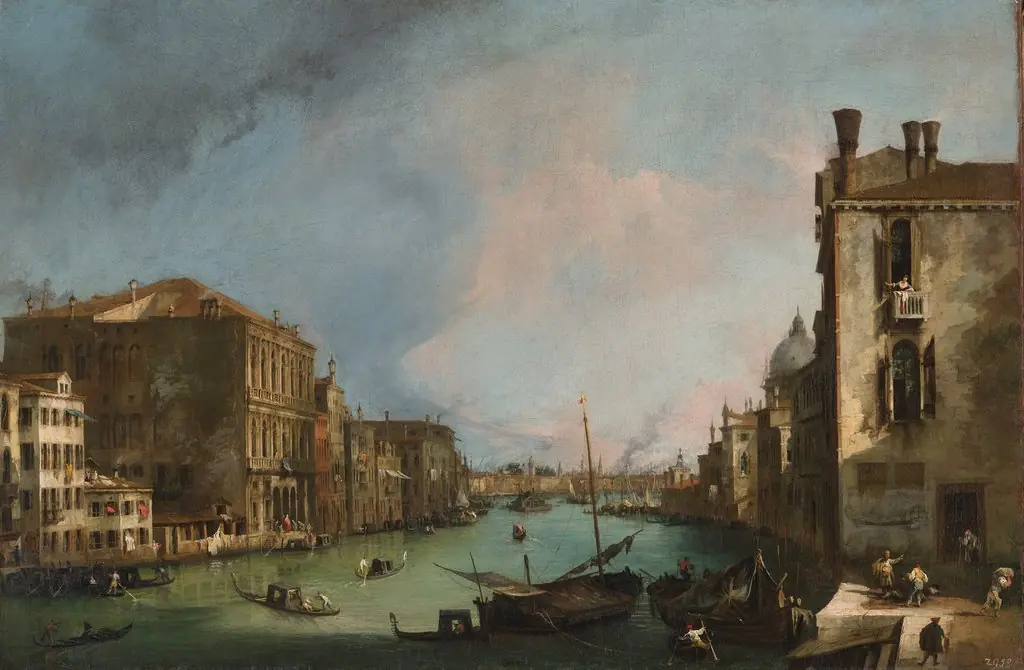
Artist & collection
Artist
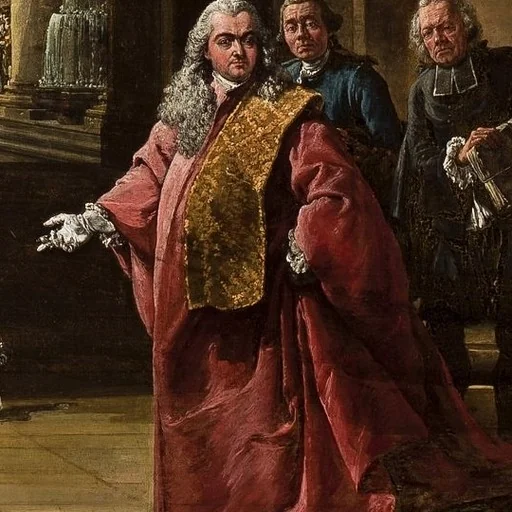
Bernardo Bellotto, was an Italian urban landscape painter or vedutista, and printmaker in etching famous for his vedute of European cities – Dresden, Vienna, Turin, and Warsaw.

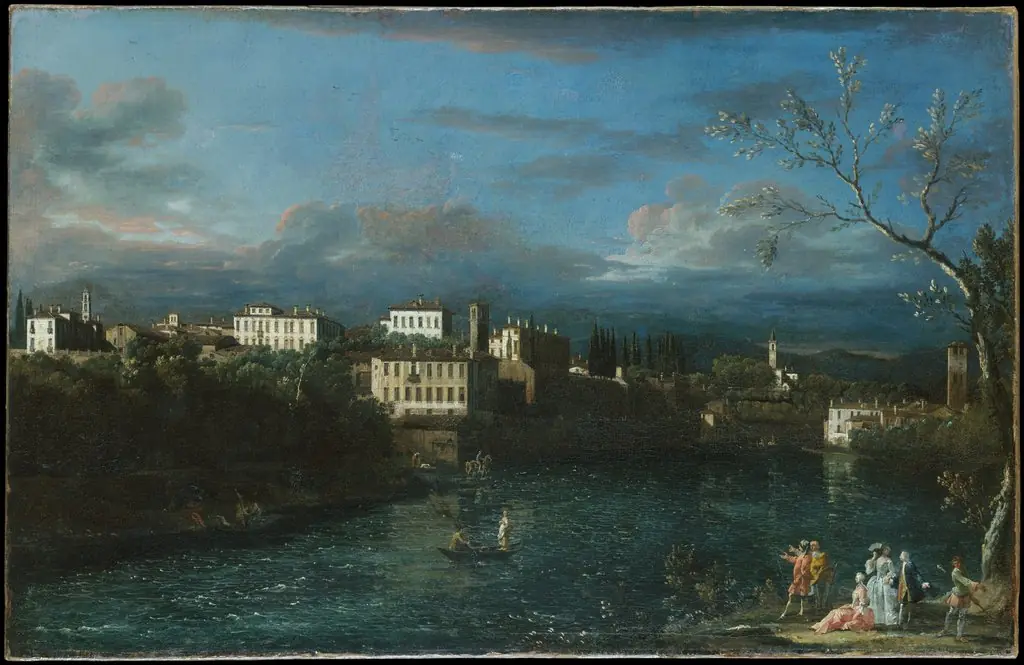
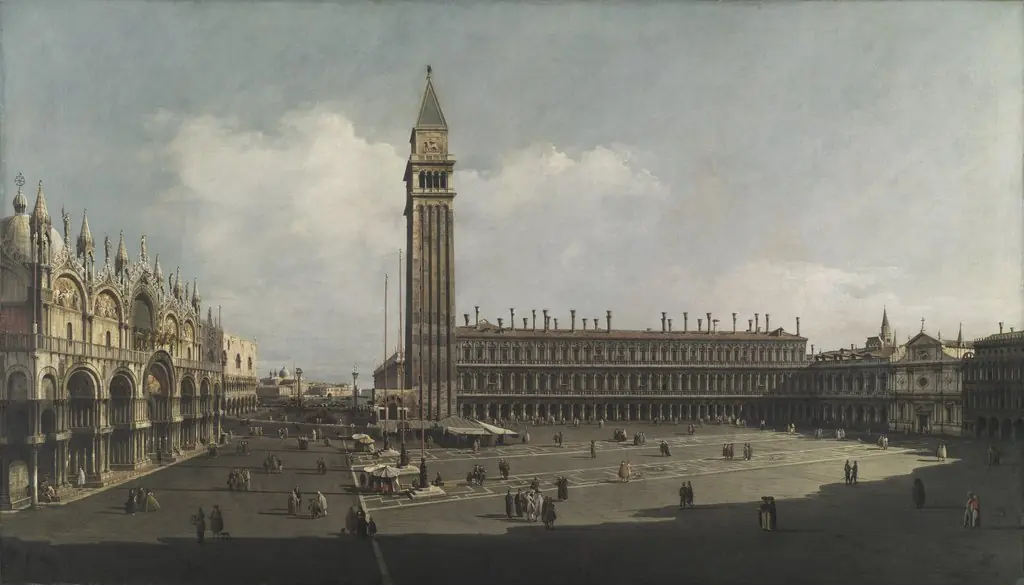
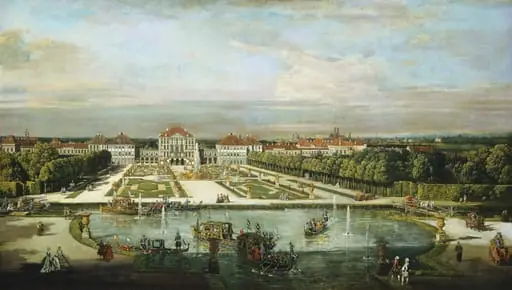
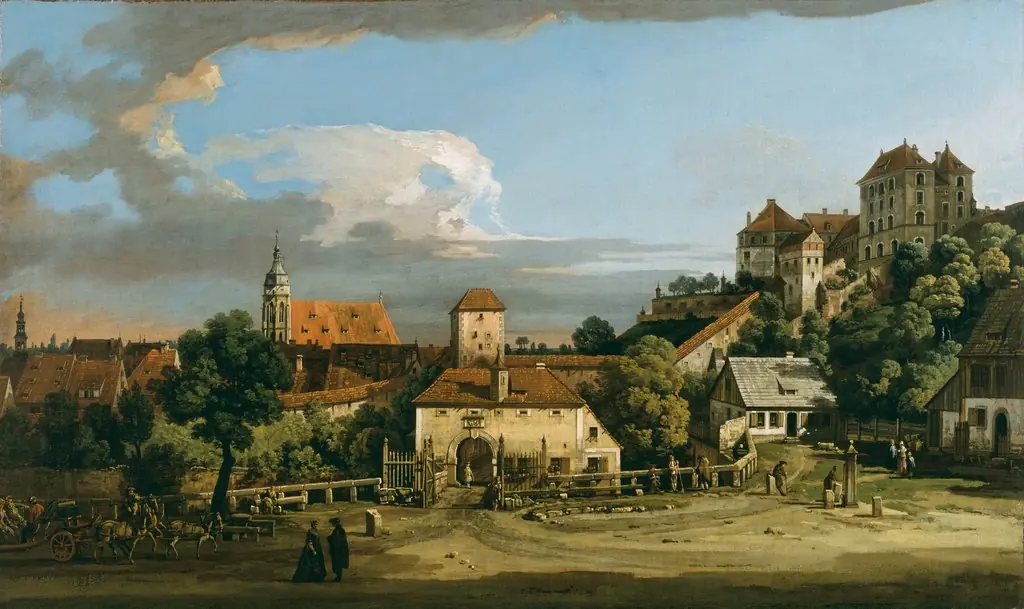
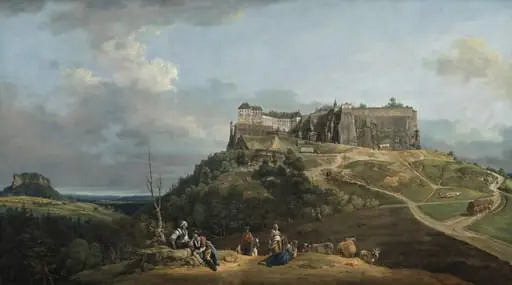
- The Grand Canal in Venice with the Rialto Bridge
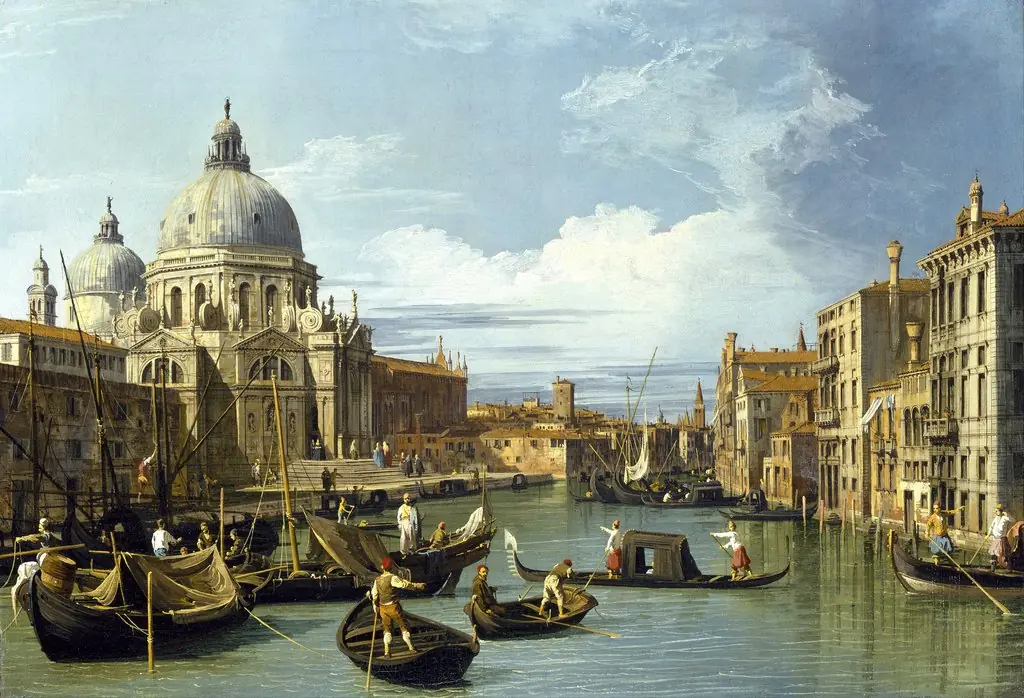 The Entrance to the Grand Canal, Venice
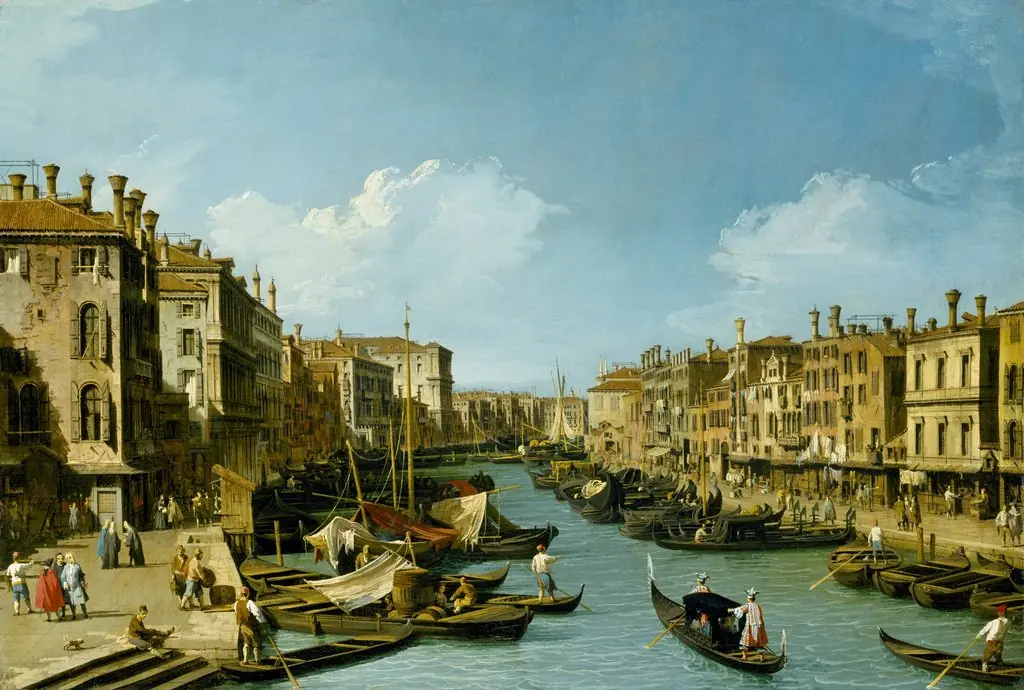 The Grand Canal near the Rialto Bridge, Venice
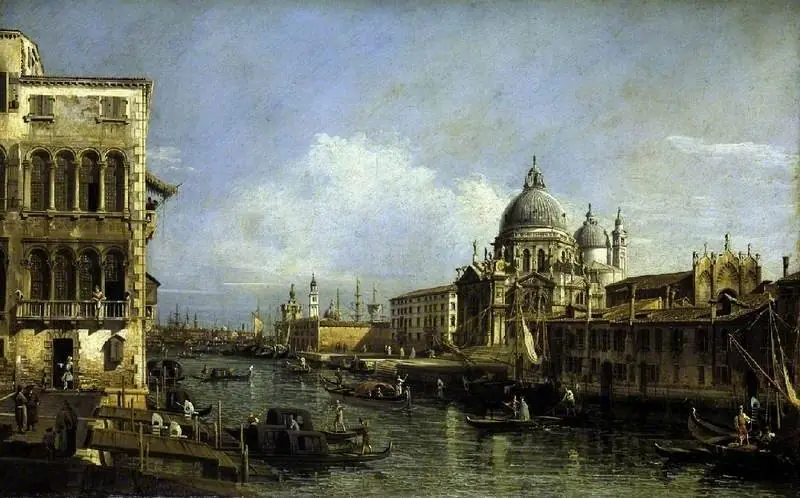 A View at the Entrance of the Grand Canal, Venice
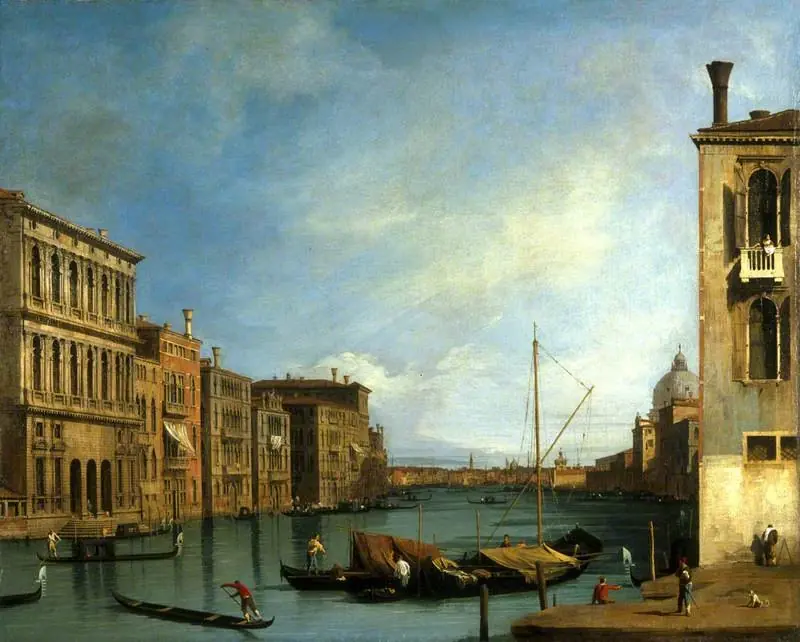 The Grand Canal from the Campo San Vio, Venice
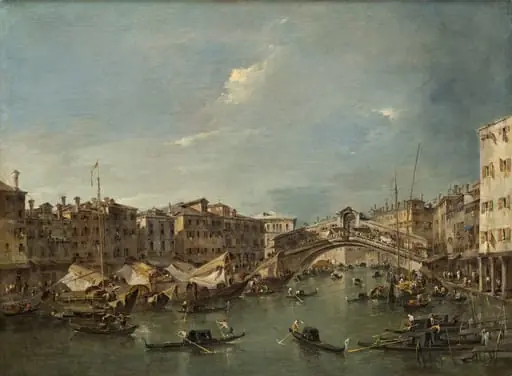 Grand Canal with the Rialto Bridge, Venice
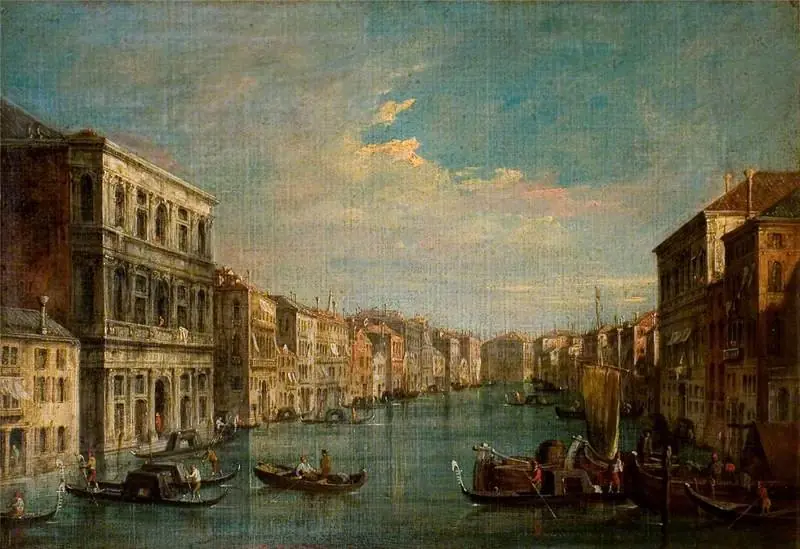 Venice: The Grand Canal Looking South-West from Palazzo Grimani
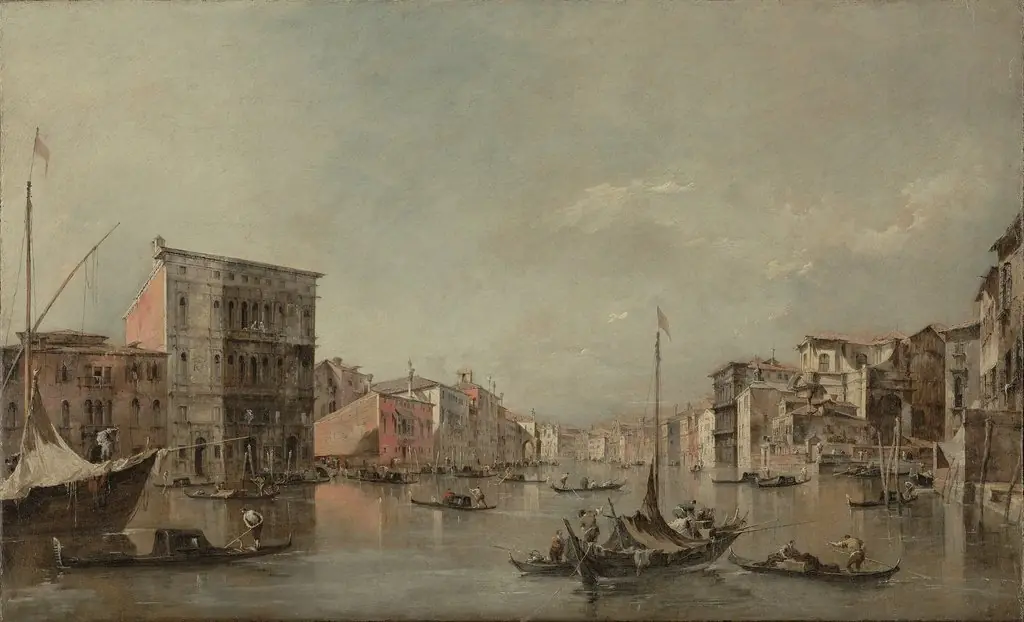 The Grand Canal in Venice with Palazzo Bembo
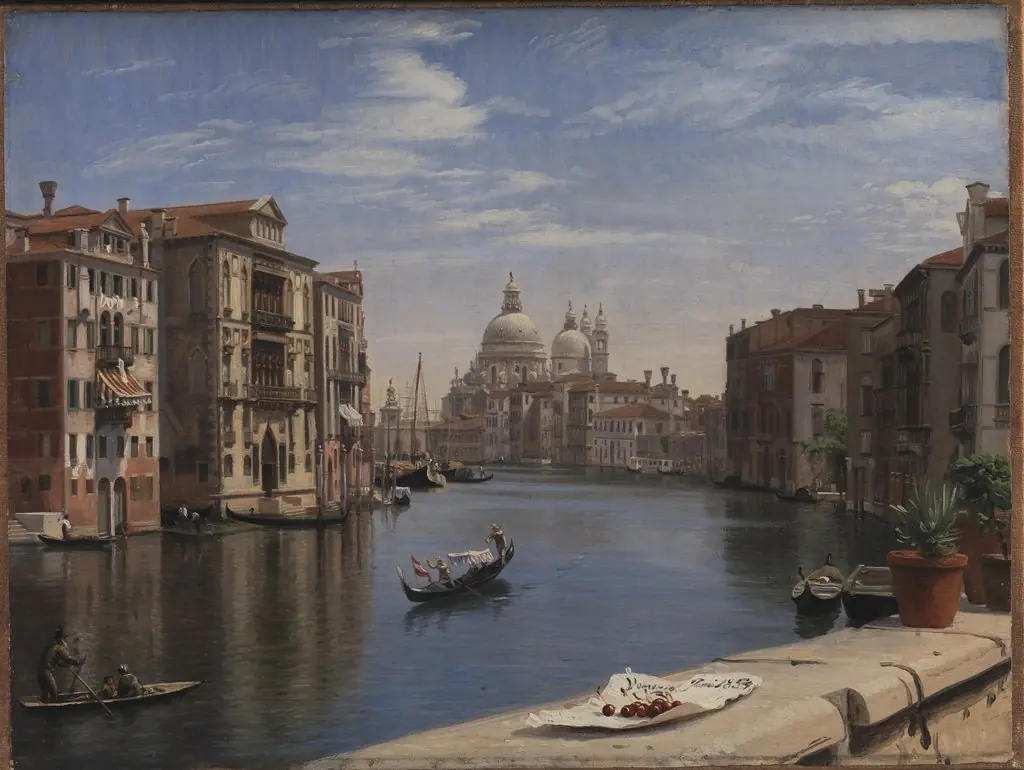 View of the Grand Canal, Venice. In the Background S. Maria della Salute