Artwork
Untitled
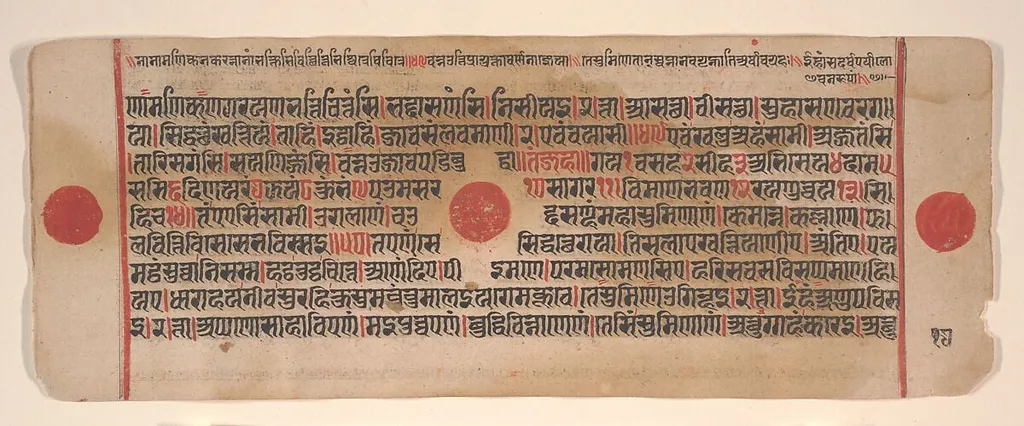
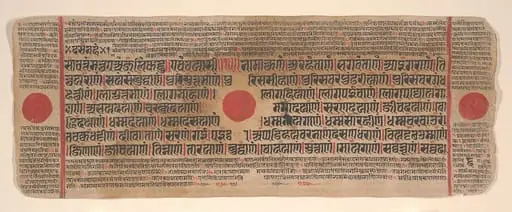
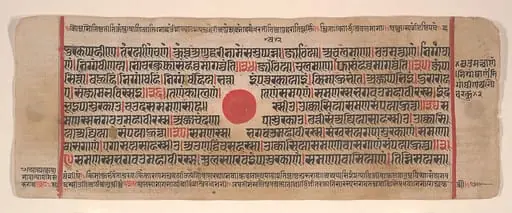
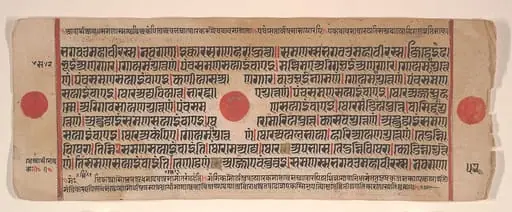
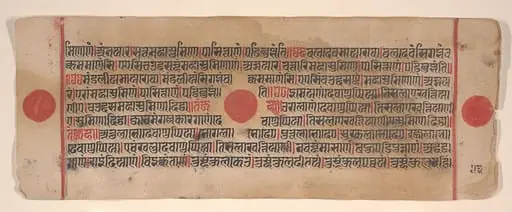
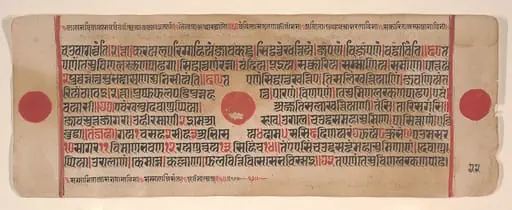
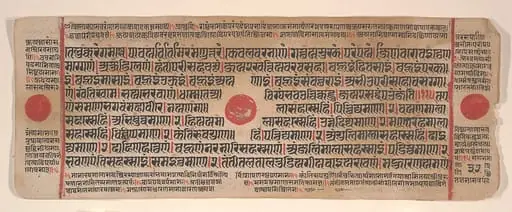
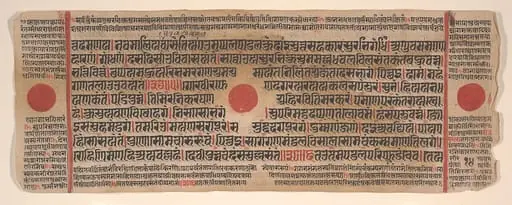
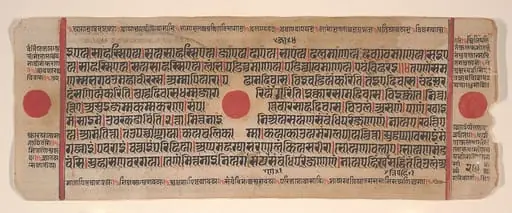
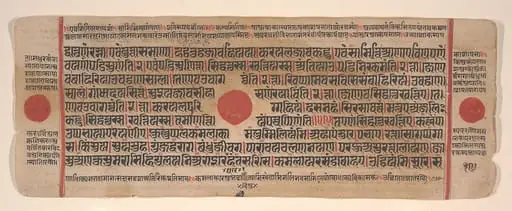
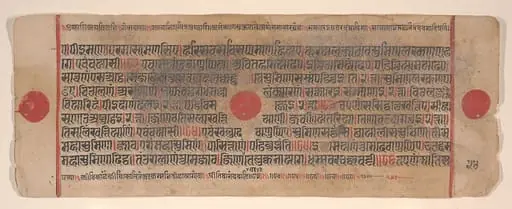
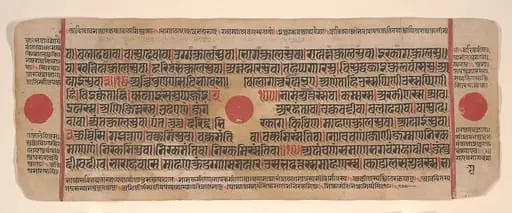
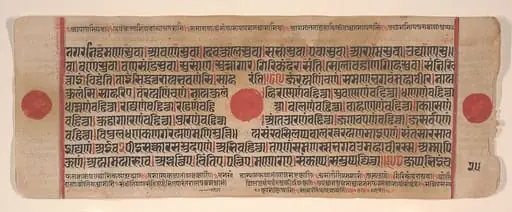
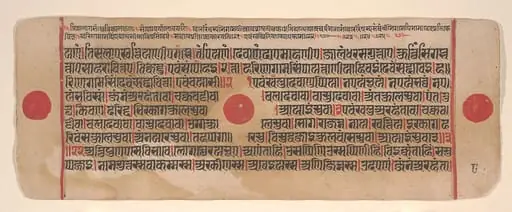
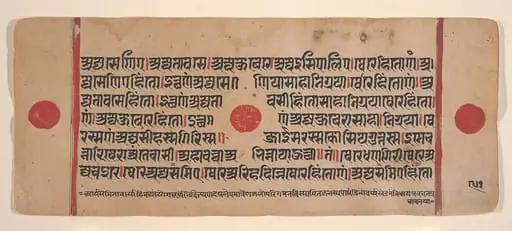
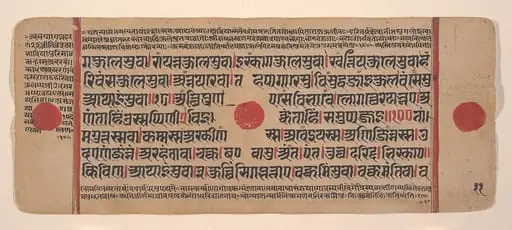
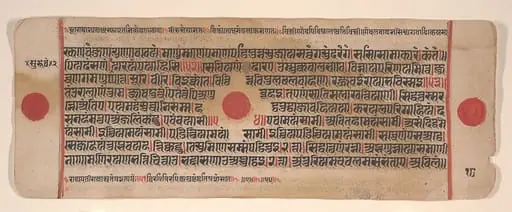
Untitled is a watercolor painting by the Indian Miniature artist Bhadrabahu. It dates from 1449 and is held in the collection of the Metropolitan Museum of Art.
About this work
Subject & Meaning
As part of the Metropolitan Museum of Art's collection, the piece exemplifies how Jain religious narratives were visualized in Indian manuscript painting.
The painting belongs to the religious genre of Jain art. Executed in ink, opaque watercolor and gold on paper in 1449, it portrays a scene associated with Jain doctrine, reflecting the faith's emphasis on asceticism and non-violence. The work's iconography aligns with traditional Jain motifs, using symbolic elements to convey spiritual liberation and the path of the Tirthankaras.
As part of the Metropolitan Museum of Art's collection, the piece exemplifies how Jain religious narratives were visualized in Indian manuscript painting.
Technique & Style
Untitled is executed on paper using ink, opaque watercolor, and gold leaf, a technique typical of early 15th-century Jain manuscript painting. The work belongs to the religious genre and portrays Jain iconography, reflecting the stylistic conventions of Indian Jain art from 1449. Its formal qualities include fine linear drawing, muted watercolor washes, and areas of gold that accentuate sacred motifs, creating a luminous surface characteristic of manuscript illumination.
The support is paper, and the composition follows traditional iconographic schemes associated with Jain religious imagery. No condition or handling details are recorded in the available documentation.
History & Provenance
The work titled Untitled was created in 1449 in India by an unknown artist, who employed ink, opaque watercolor, and gold on paper to produce a religious painting depicting Jain subject matter. According to the Metropolitan Museum of Art's catalog entry, the painting entered the museum's collection under accession number 57.51.38.27, where it remains. It measures 11.4 by 28.9 centimeters.
No earlier owners or commissioning details are recorded, and the sources do not contain information regarding a specific exhibition history for this piece.
Context
The painting, executed in 1449 with ink, opaque watercolor and gold on paper, exemplifies early Indian Jain manuscript illumination. It belongs to the religious genre and portrays Jain theological themes, reflecting the artistic conventions of 15th-century India. Its inclusion in the Metropolitan Museum of Art's collection underscores its significance as a representative work of Jain devotional art, and scholars reference it when studying the development of Jain visual culture and Indian religious painting.
Overview
This untitled painting, created by Bhadrabahu in 1449, is a religious work rendered with ink, opaque watercolor, and gold on paper. Originating from 15th-century Gujarat, it served as a page within a Jain manuscript. The artwork visually interprets themes central to Jainism, presenting a vibrant and detailed scene that reflects the spiritual narratives of the tradition.
Artist & collection