Artwork
Untitled
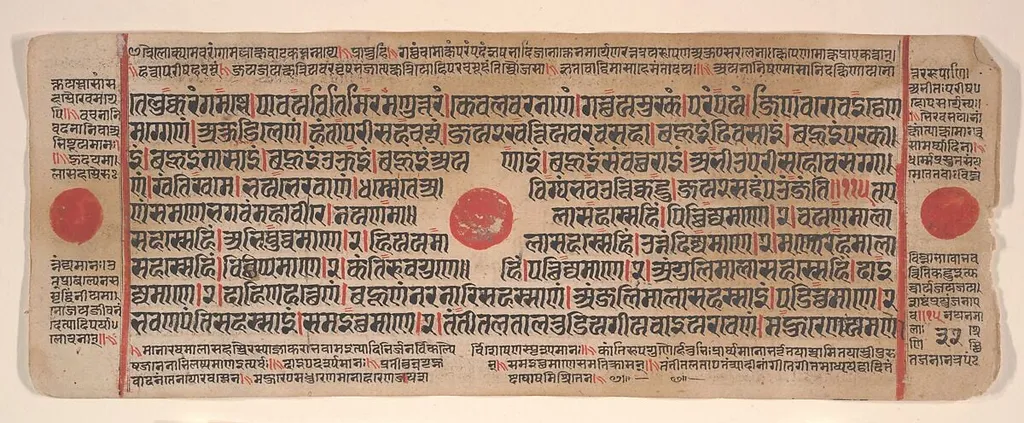
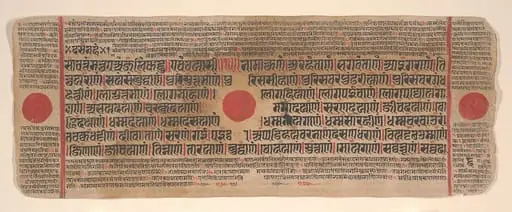
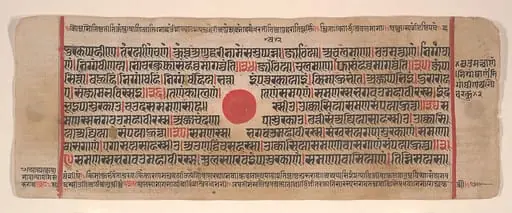
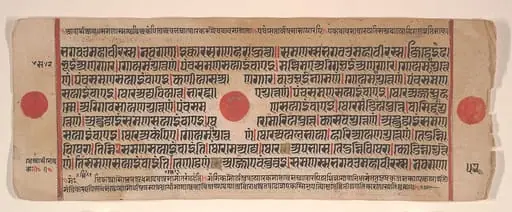
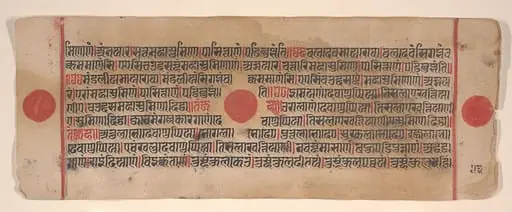
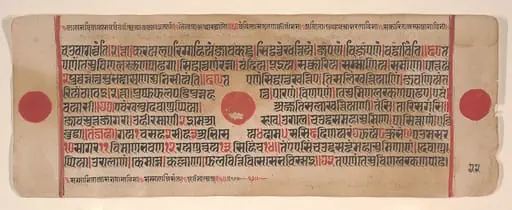
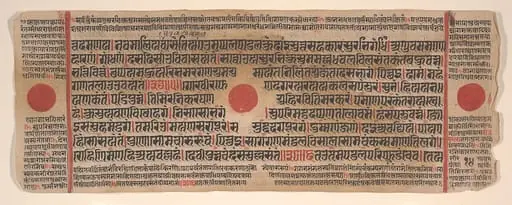
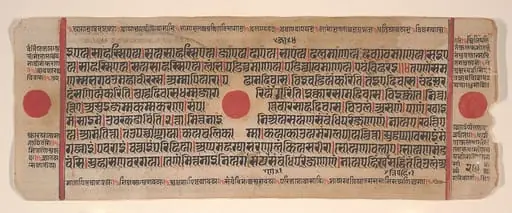
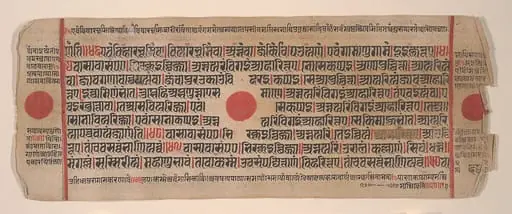
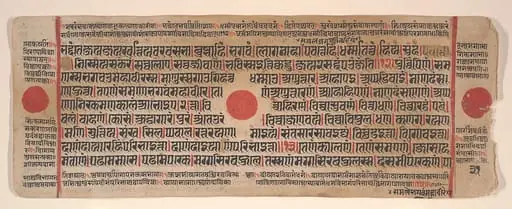
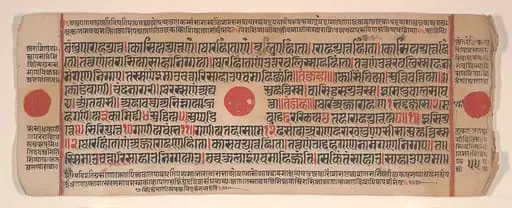
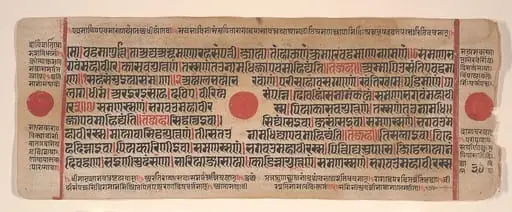
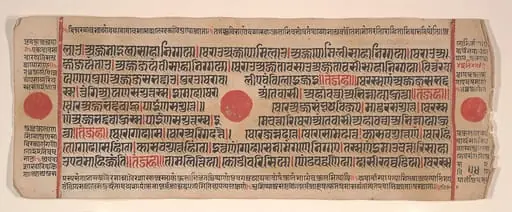
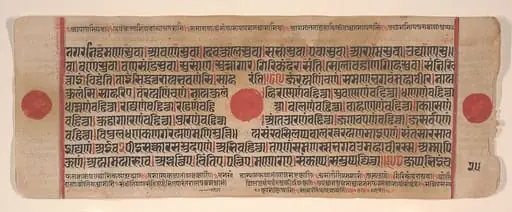
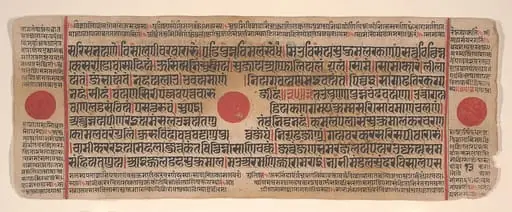
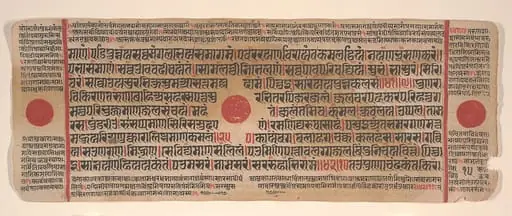
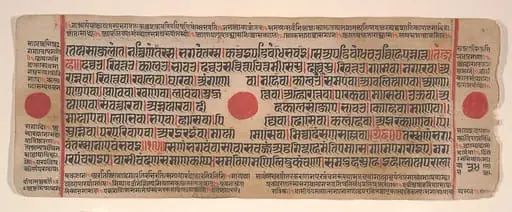
Untitled is a watercolor painting by the Indian Miniature artist Bhadrabahu. It dates from 1449 and is held in the collection of the Metropolitan Museum of Art.
- Accession no.
- 57.51.38.41
- Credit line
- Bequest of Cora Timken Burnett, 1956
About this work
Subject & Meaning
As an example of religious art from India, the piece utilizes specific iconography associated with Jain traditions to convey its spiritual subject matter.
Created in 1449, this work is a religious painting that depicts the Jainism faith. As an example of religious art from India, the piece utilizes specific iconography associated with Jain traditions to convey its spiritual subject matter. The composition, executed in ink, opaque watercolor, and gold on paper, serves to represent core tenets of the religion rather than a secular narrative.
The artwork functions as a visual expression of Jain beliefs, aligning with the broader genre of religious paintings produced in the region during the fifteenth century. Its primary meaning is rooted in its devotional purpose, illustrating the spiritual themes central to the Jain community.
Technique & Style
The work is executed in ink and opaque watercolor heightened with gold on paper, a combination characteristic of fifteenth-century Indian manuscript and devotional painting traditions. Its modest format, measuring 11.4 by 28.9 centimeters, suggests a horizontal composition suited to an album leaf or small devotional series. The religious subject matter, drawn from Jainism, is rendered in the refined, jewel-toned palette and meticulous linear handling typical of the period's sacred imagery, with gold accents likely employed to sanctify the figural or narrative elements.
The painting is held in the collection of the Metropolitan Museum of Art, where its preservation allows the original surface and pigment qualities to be studied directly.
History & Provenance
The painting was created in 1449 in India by the Jain artist Bhadrabahu, employing ink, opaque watercolor and gold on paper; its subject matter belongs to the religious Jain tradition. It entered the collection of the Metropolitan Museum of Art, which catalogs it under accession number 57.51.38.41 and lists its dimensions as 11.4 × 28.9 cm. No documentation regarding a specific commission or patronage is provided in the sources examined, in the museum's records.
The painting is held in the collection of the Metropolitan Museum of Art, where it is identified by the accession number 57.51.38.41. Produced in India in 1449, the work entered the museum's holdings and has since remained part of its Jain religious art collection. The sources confirm its ongoing association with the Metropolitan Museum of Art as both its collection and location, though no specific exhibition history or loan records are documented in the available references.
Overview
Created by Bhadrabahu in 1449, this untitled work is a religious painting executed with ink, opaque watercolor, and gold on paper. It originates from a Jain manuscript produced in Gujarat, India, serving as an illustrative component within a sacred text. The artwork depicts a central figure, likely a revered teacher, embodying principles central to Jain philosophy.
Context
This untitled work was originally conceived as an illustration within a Jain manuscript, a common practice for disseminating religious narratives and teachings. Its creation in Gujarat, India, in the mid-15th century, places it within a rich tradition of manuscript illumination in the region. Such paintings played a crucial role in visualizing the tenets of Jainism, a faith centered on non-violence and disciplined living.
Artist & collection