Artwork
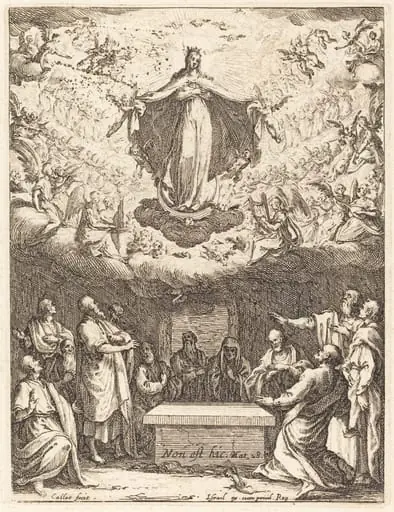
Frontispiece for The Rules of the Order of Our Lady
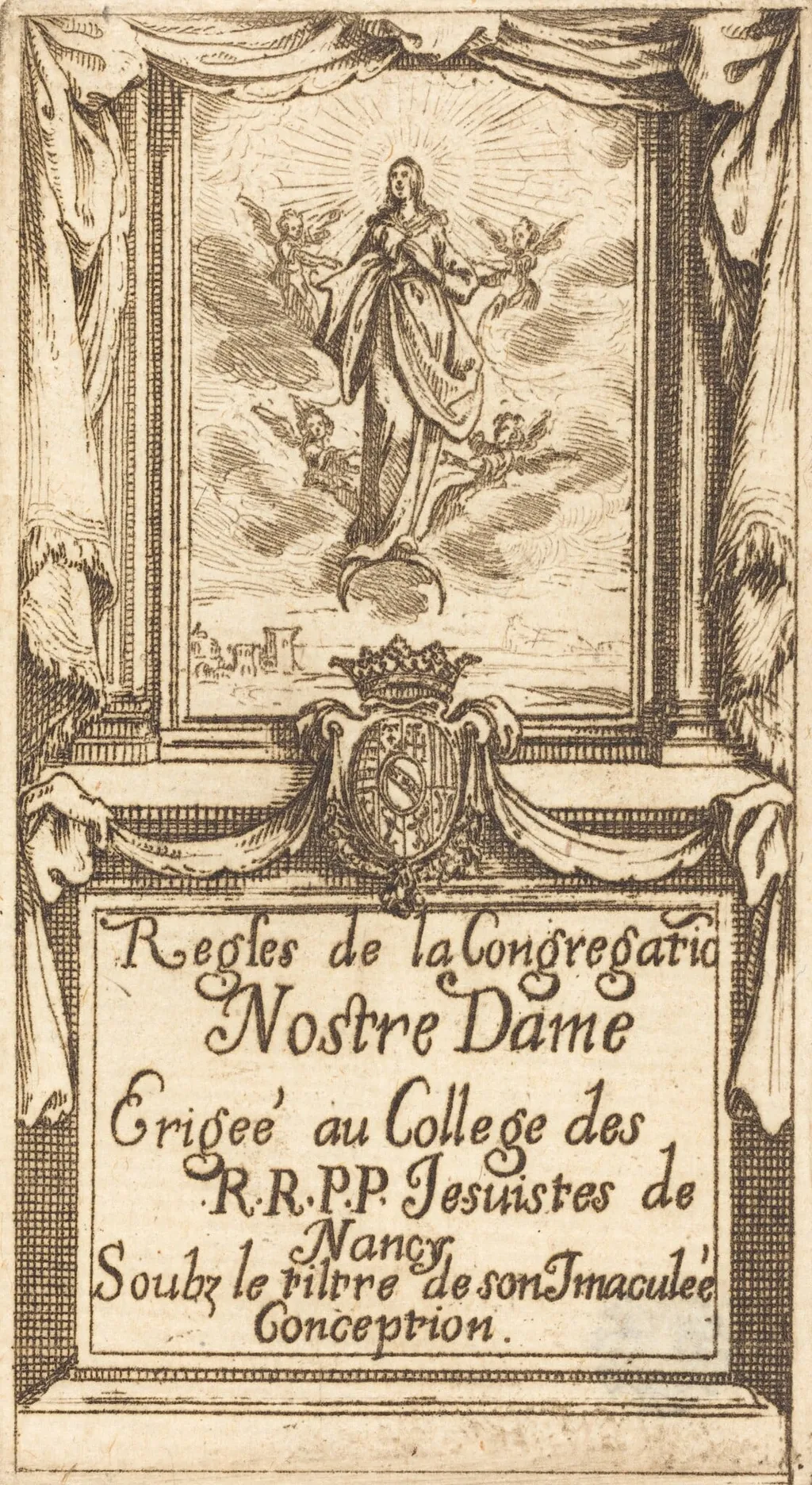
Frontispiece for The Rules of the Order of Our Lady is an ink print by the Baroque artist Jacques Callot. It dates from 1633 and is held in the collection of the National Gallery of Art.
About this work
Overview
Created in 1633 by Jacques Callot, this etching served as the frontispiece for a devotional text outlining the rules of a Marian religious order.
Created in 1633 by Jacques Callot, this etching served as the frontispiece for a devotional text outlining the rules of a Marian religious order. Executed on laid paper, the print exemplifies Callot’s mastery of fine-line etching, a technique he refined to achieve intricate detail. As one of over 1,400 prints he produced, it reflects his consistent engagement with religious themes alongside secular subjects, positioning him as a pivotal figure in early Baroque printmaking.
Subject & Meaning
The central figure is a robed woman, likely the Virgin Mary, suspended above clouds while holding a globe and a staff crowned with a cross, symbols of divine authority and spiritual dominion. Below her, a crowned shield on draped fabric suggests institutional legitimacy. Surrounding ghostly figures and swirling lines evoke a celestial realm, reinforcing the sacred nature of the text the image introduces. The flowing script at the base confirms its function as a title page for a monastic rulebook.
Technique & Style
Callot employed fine etched lines to render delicate textures and atmospheric depth, characteristic of his advanced use of the burin and acid-resist method. The composition is densely packed yet carefully balanced, with ornate borders framing the central imagery. Swirling decorative elements and faint, ethereal forms around the edges demonstrate his skill in creating visual rhythm without clutter, enhancing the otherworldly tone while maintaining clarity of form.
History & Provenance
The print was produced in Nancy, where Callot worked under the patronage of the Dukes of Lorraine, and was likely commissioned for a local religious community. It accompanied a printed edition of the Order of Our Lady’s regulations, a rare surviving example of his work in service to institutional spirituality. Its preservation in institutional collections attests to its early recognition as a significant devotional artifact within early modern print culture.
Context
In early 17th-century Europe, religious orders increasingly used printed materials to standardize doctrine and reinforce identity. Callot’s imagery aligned with Counter-Reformation efforts to visually affirm Marian devotion. His ability to merge spiritual symbolism with precise technical execution made his prints valuable tools for both private contemplation and institutional messaging, bridging art and ecclesiastical authority.
Legacy
This etching contributes to Callot’s broader influence on the development of printmaking as a medium capable of conveying complex theological ideas with clarity and elegance. Though not widely reproduced in modern times, it remains a representative example of how Baroque artists integrated religious iconography into functional publications, shaping the visual language of devotional literature for generations.
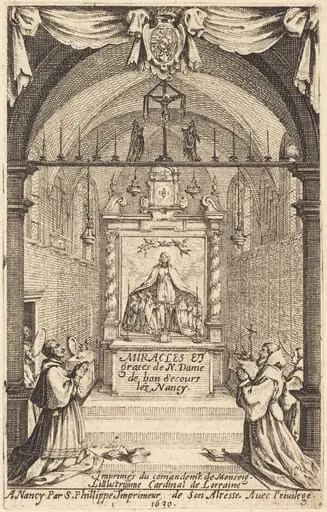
Artist & collection
Artist
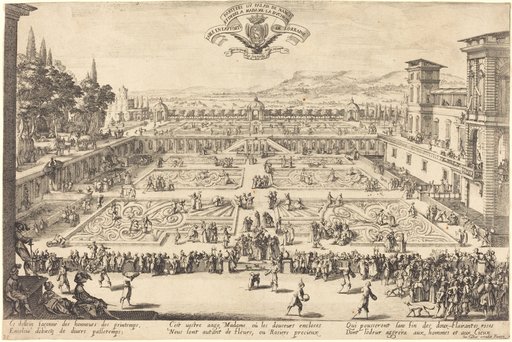
Jacques Callot (French: ; c. 1592 – 1635) was a baroque printmaker and draftsman from the Duchy of Lorraine. He is an important person in the development of the old master print. He made more than 1,400 etchings that…

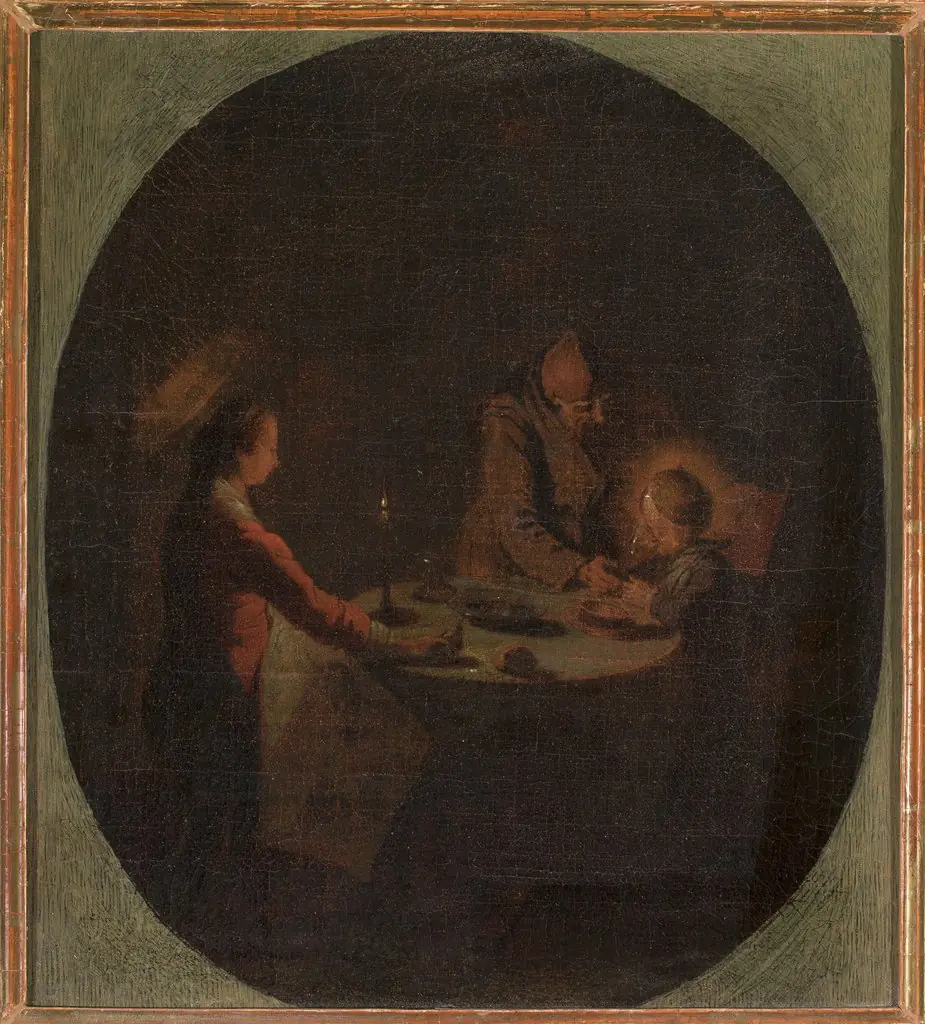 Holy Family at supper
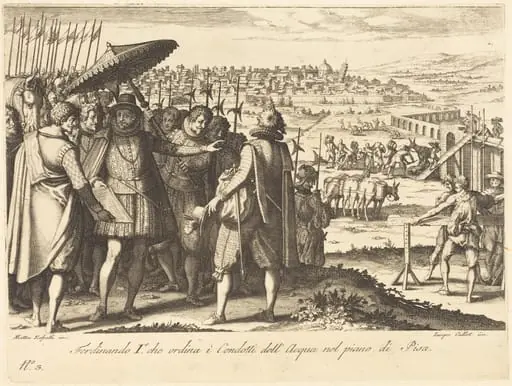 Restoration of the Aqueduct at Pisa
 Restoration of the Aqueduct at Pisa
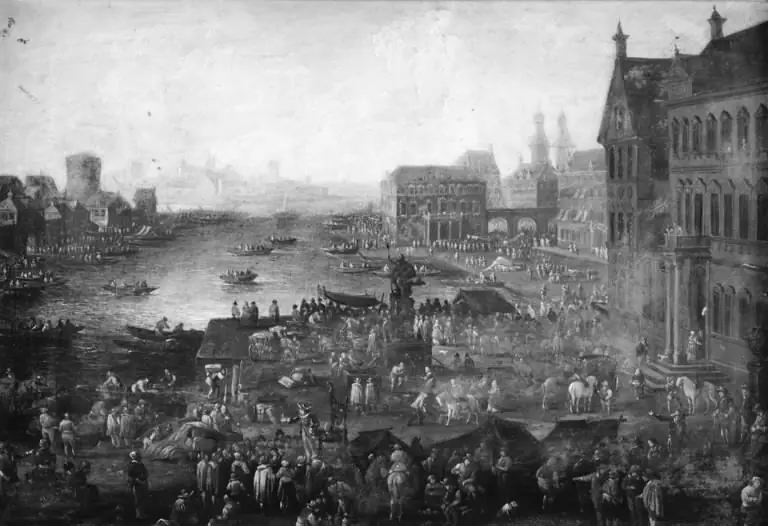 Square in Paris with Many Figures
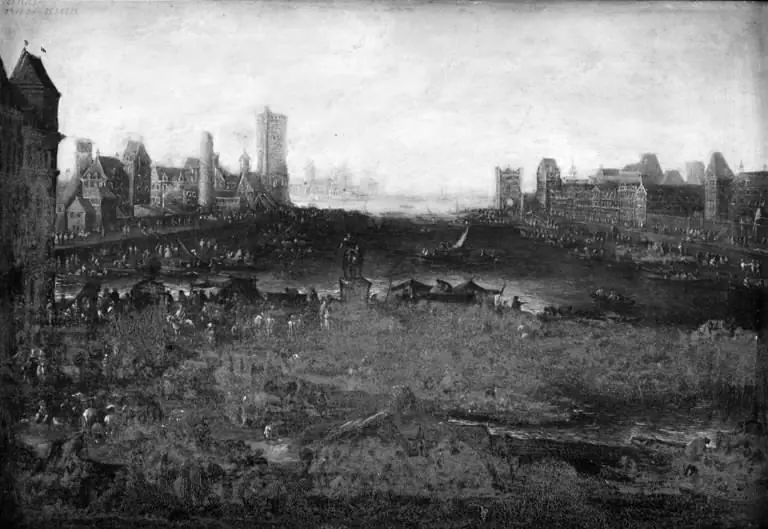 Square in Paris with Many Figures
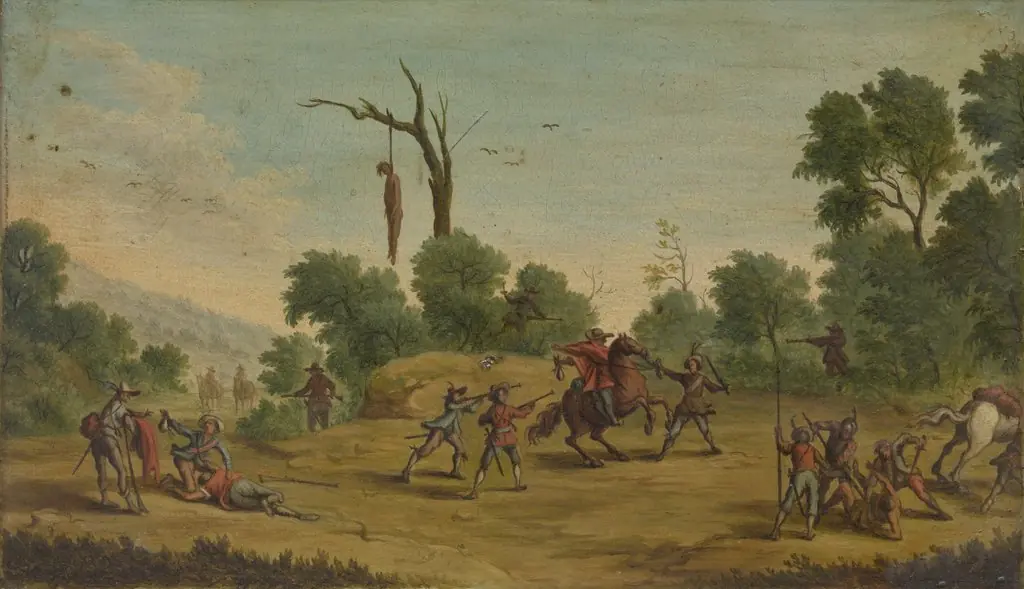 Horsemen Attacked by Robbers
 HOW WILL A COVERED PART BE CORRECTED?HOW WIKA A COVERED HEART DEED CORRECTED?
![Christ Walking on the Water [second plate], by Jacques Callot](https://artifactworldgallery.com/img/jacques-callot--christ-walking-on-the-water-second-plate--2069f3bfe4cb2126-w320.webp) Christ Walking on the Water [second plate]
Christ Walking on the Water [second plate]