
Subject
City
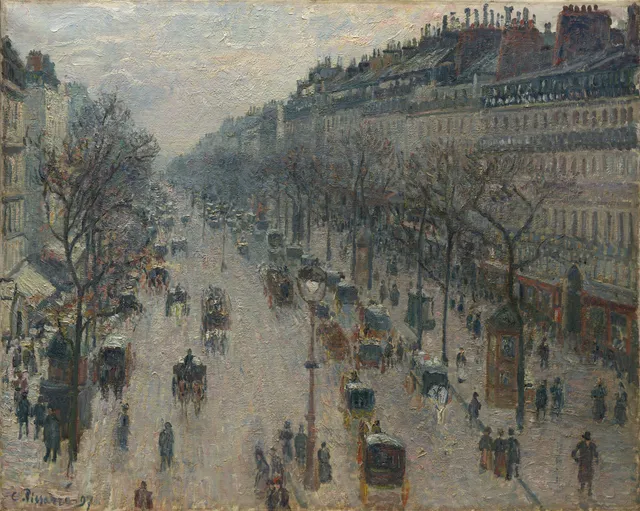
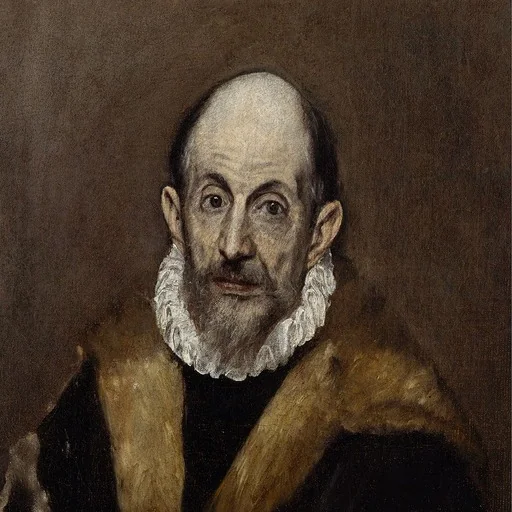
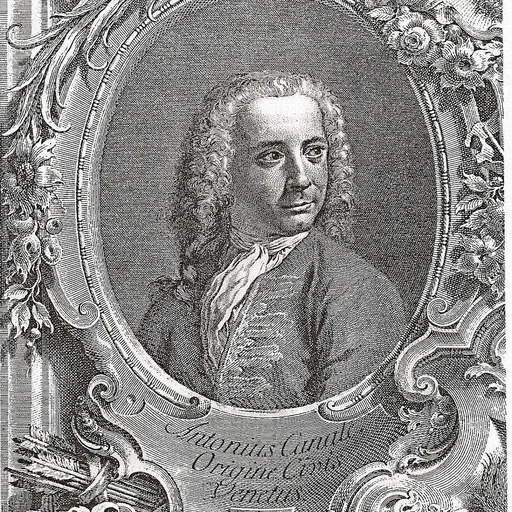
City is a subject in art. The gallery holds 72 works in this subject in art, including works by Camille Pissarro, El Greco and Canaletto.
Although a "city" is simply a human settlement of substantial size, its scale, varying enormously from place to place, the city has been one of art's most enduring subjects, charting humanity's shifting relationship to the built environment. The first expansive portrait of an actual townscape since antiquity appears in Ambrogio Lorenzetti's fresco cycle in Siena's Palazzo Pubblico (1337–39), where the "Effects of Good Government" shows a bustling, prosperous Siena with its gates flung open in peacetime. For centuries thereafter the city remained a backdrop rather than a protagonist. El Greco's *View of Toledo* (c. 1598–99), held in this collection, marks a radical break: painted in Counter-Reformation Spain where landscape was a discouraged subject, it is often called the first Spanish cityscape, rearranging Toledo's buildings beneath a lurid, storm-charged sky to convey not how the city looked but how it felt.
The city emerged as an independent genre in the seventeenth-century Dutch Republic, where painters such as Johannes Vermeer (*View of Delft*) supplied a proud mercantile middle class with accurate, light-filled townscapes. This taste migrated to Italy through the Dutch émigré Gaspar van Wittel, who in Rome pioneered the *veduta esatta*, or "exact view." In eighteenth-century Venice the genre flowered as the *veduta*, demanding rigorous command of linear perspective; Canaletto (Antonio Canal, 1697–1768), the greatest of the *vedutisti*, sold his luminous, topographically precise Venetian views to Grand Tourists across Europe.
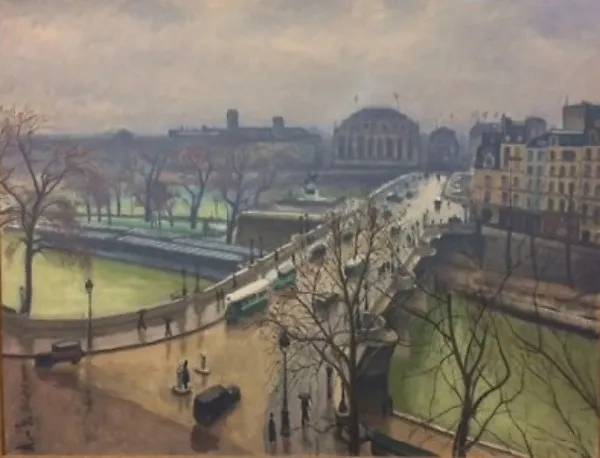
The modern metropolis transformed the subject again. The Impressionists embraced Haussmann's rebuilt Paris as a quintessentially modern motif: Camille Pissarro, working from upstairs windows, painted serial views such as *The Boulevard Montmartre on a Winter Morning* and his Rouen scenes, both represented here, recording the same streets across changing seasons, weather, and hours. Gustave Caillebotte rendered the rain-slicked boulevards and the detached, top-hatted flâneur, while Jean Béraud chronicled Belle Époque crowds and Albert Marquet distilled the Seine and the Pont Neuf into pared-down Fauve-era harmonies.
Across the Atlantic, Childe Hassam, a leading American Impressionist, carried these lessons to New York, as in *Spring Morning in the Heart of the City*. The urban subject would feed directly into the gritty Ashcan School, Futurism's dynamism, and the geometric cityscapes of modernism, confirming the city as a continuing mirror of social life.
Key artists
Works
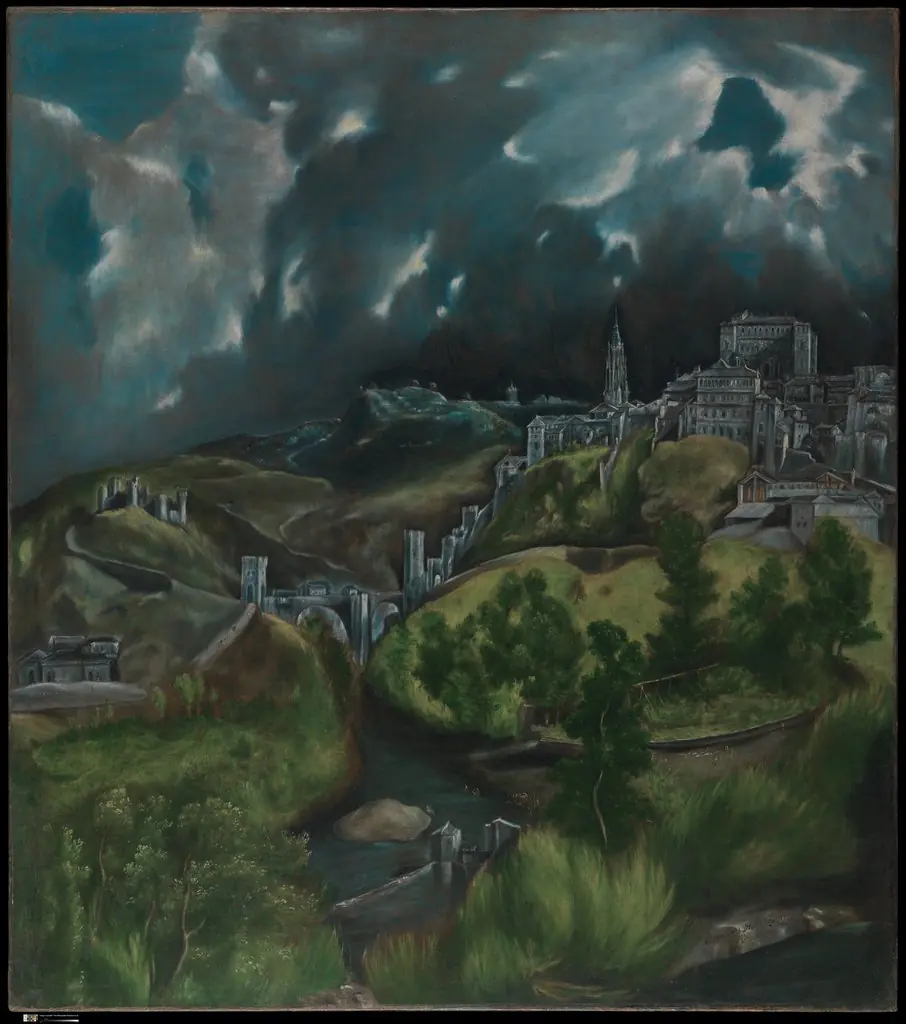 View of Toledo
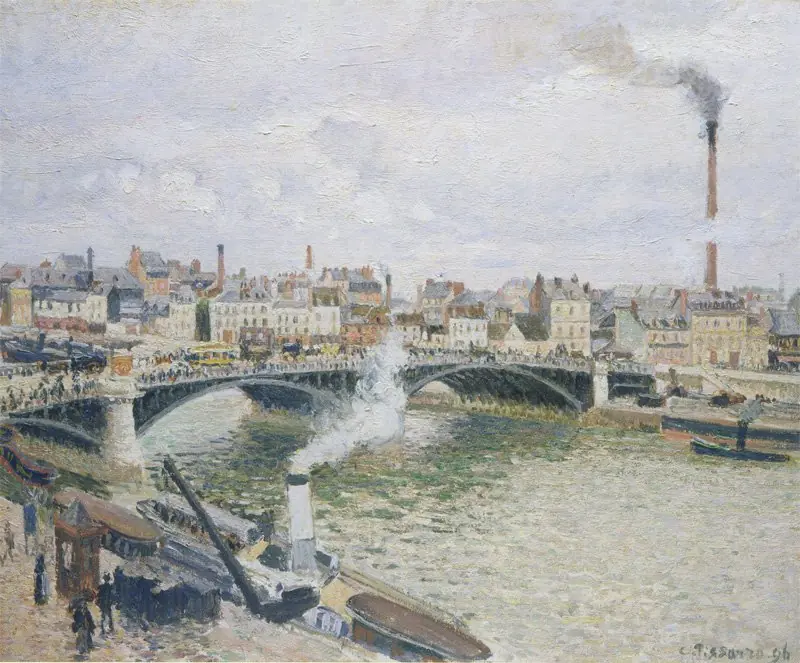 Morning, An Overcast Day, Rouen
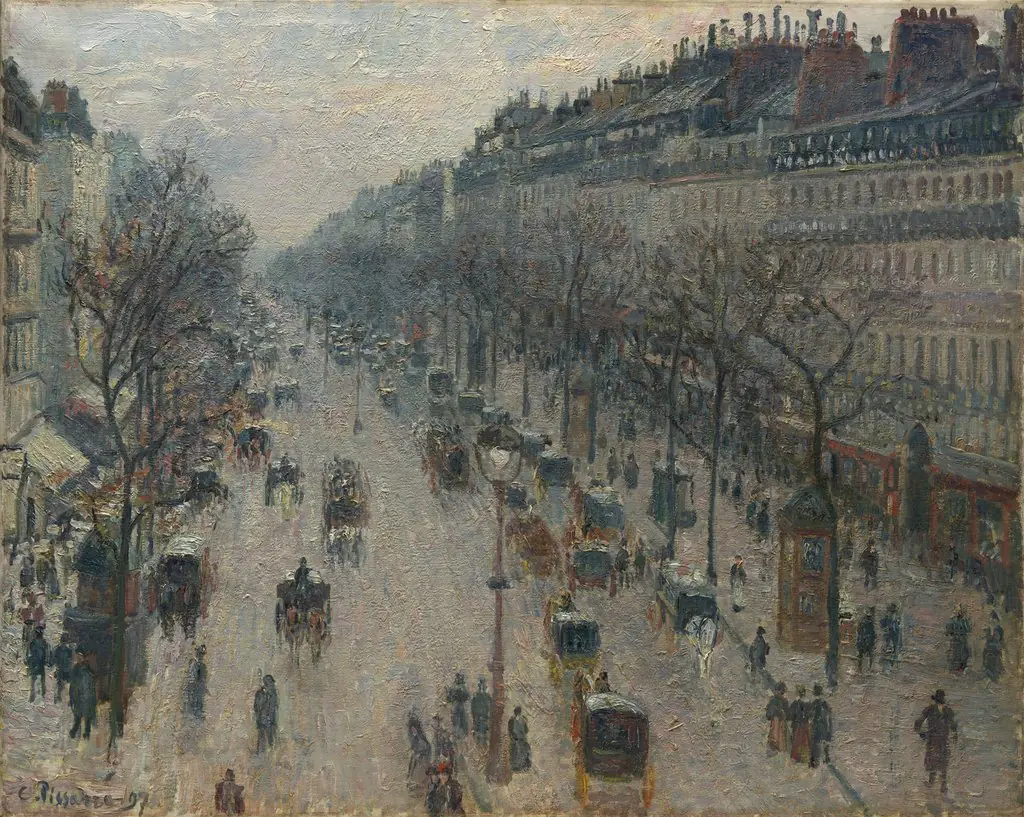 The Boulevard Montmartre on a Winter Morning
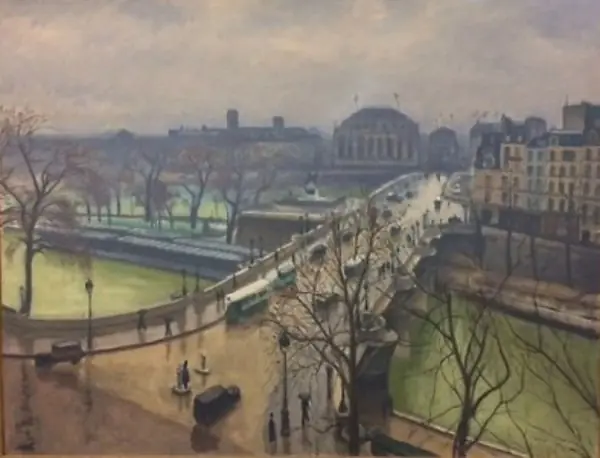 The Pont Neuf, Paris
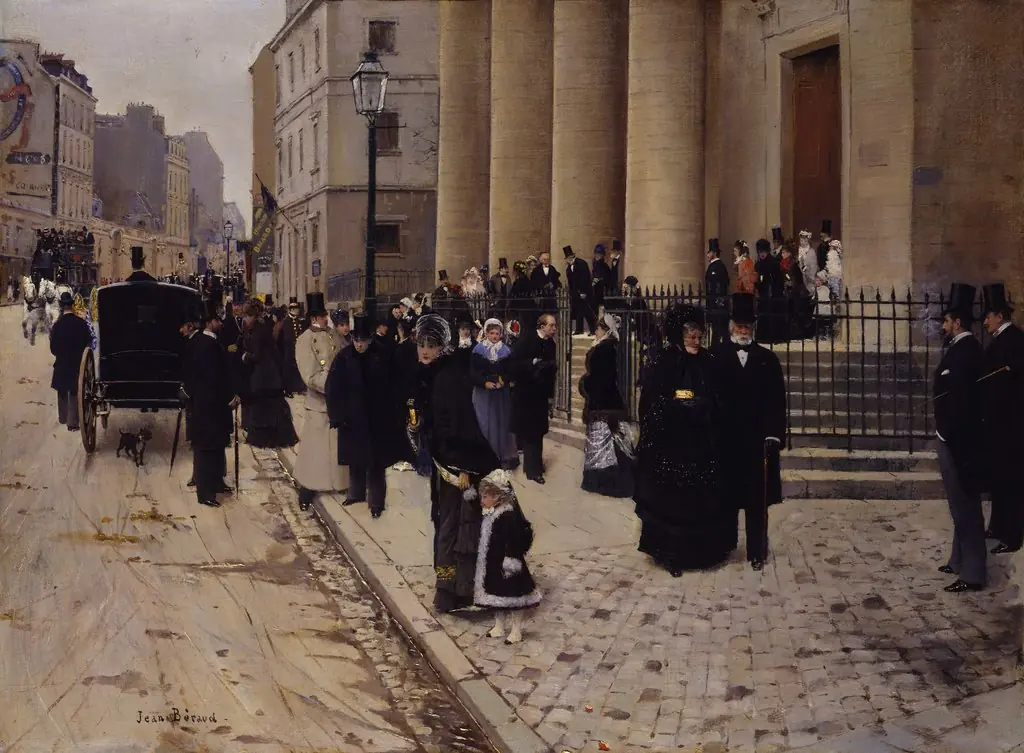 Sunday at the Church of Saint-Philippe-du-Roule, Paris
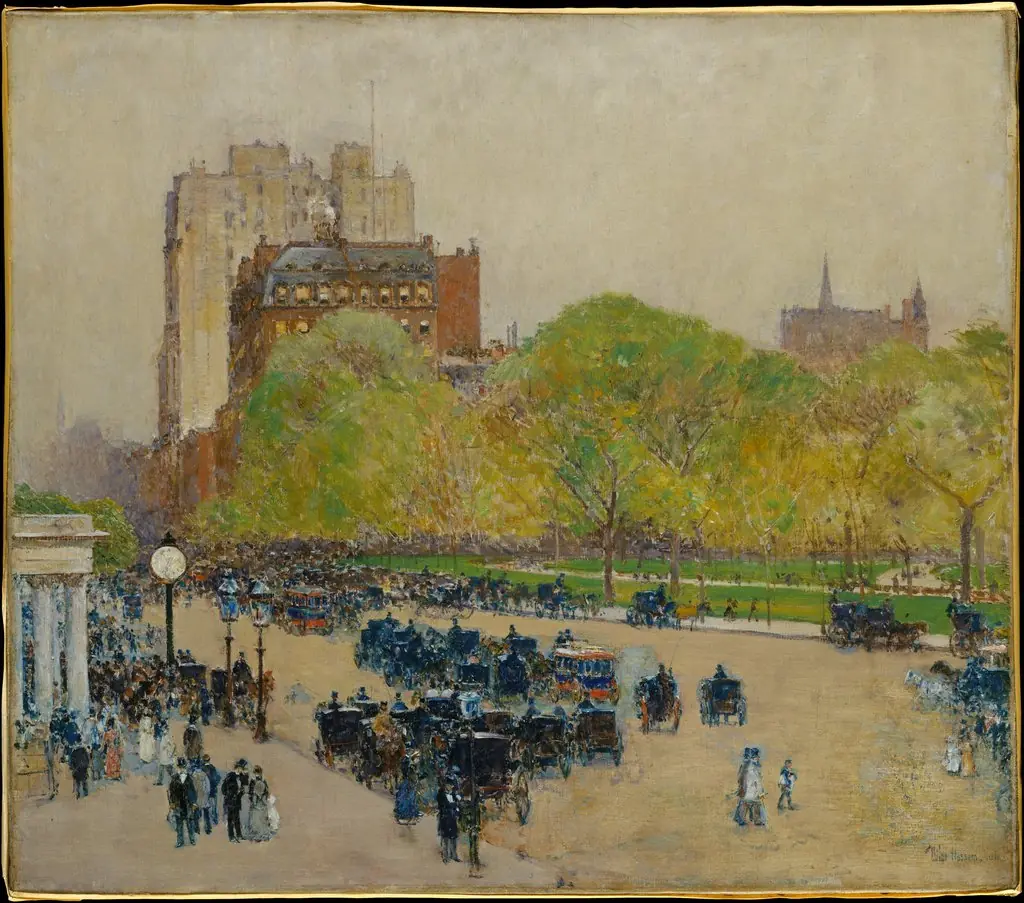 Spring Morning in the Heart of the City
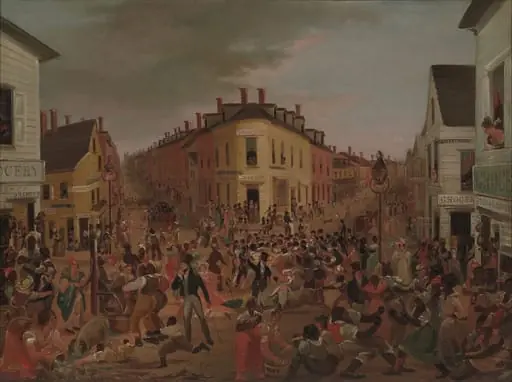 The Five Points
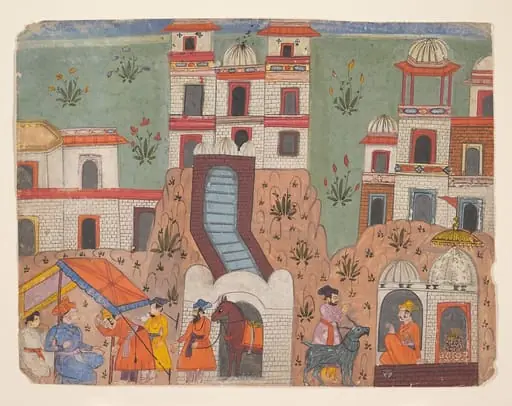 Untitled
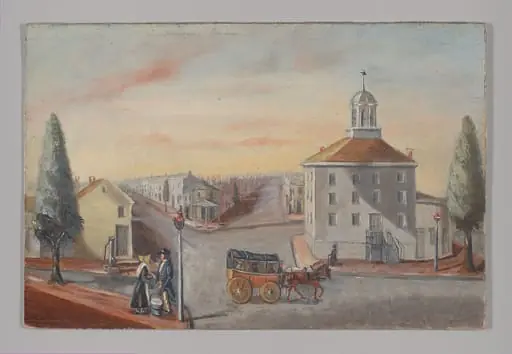 Hot Corn Seller
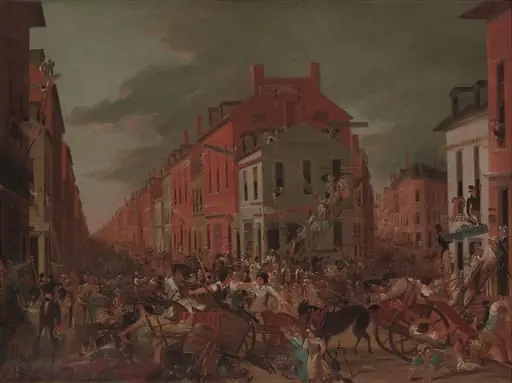 Moving Day (in Little Old New York)
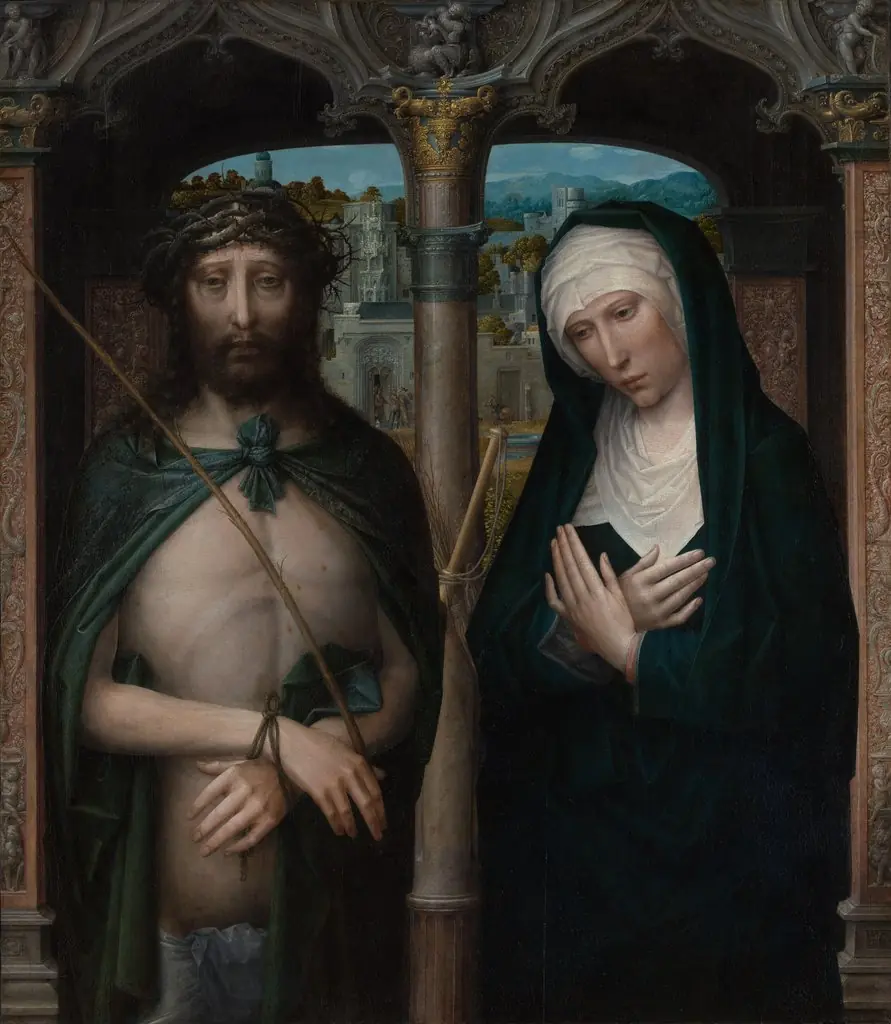 Christ Crowned with Thorns (Ecce Homo), and the Mourning Virgin
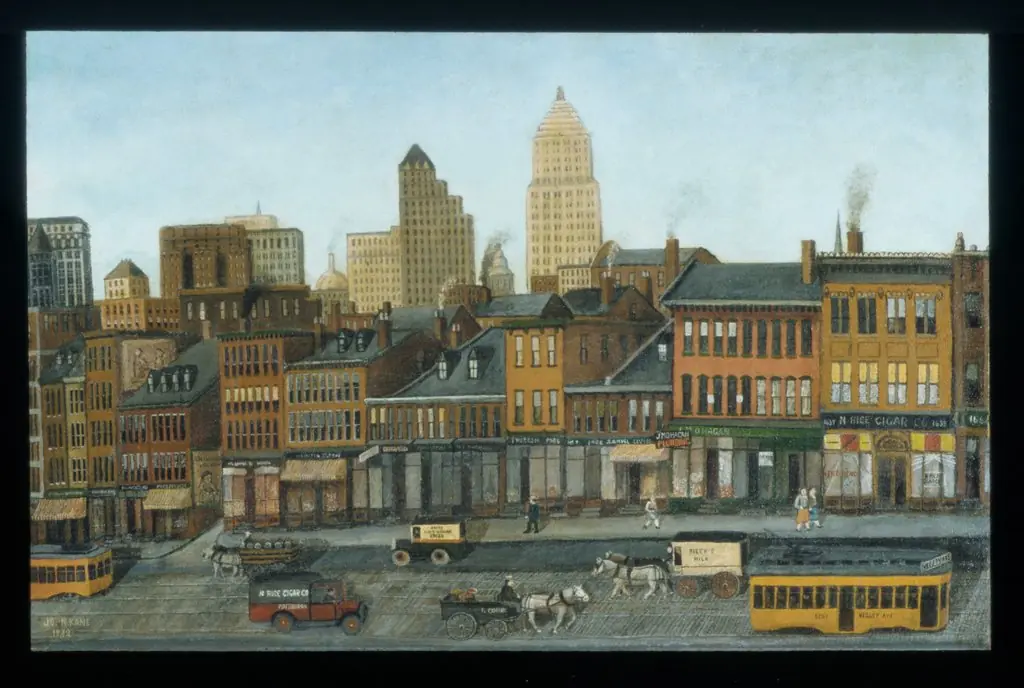 From My Studio Window
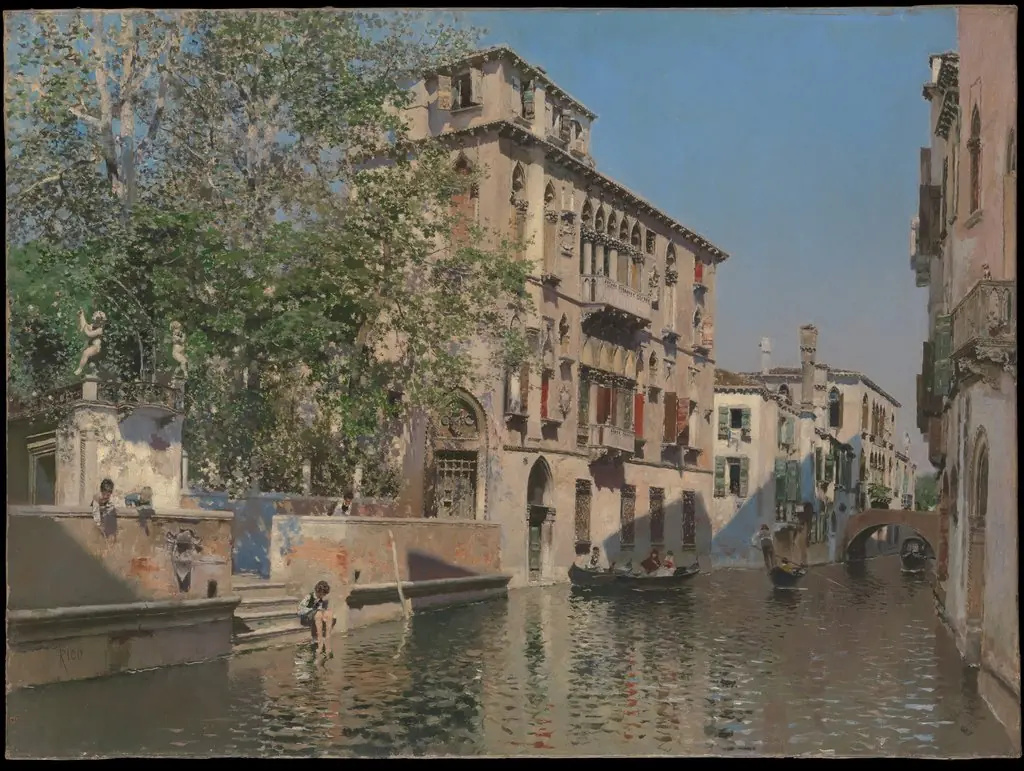 A Canal in Venice
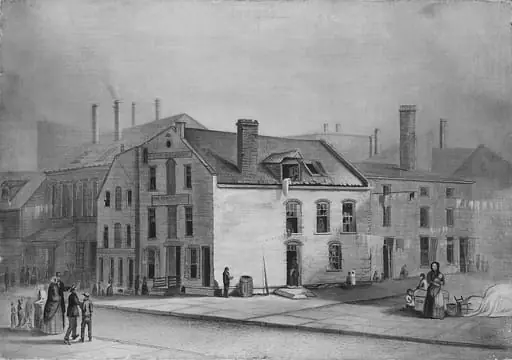 Old Brewery, Five Points Mission, New York
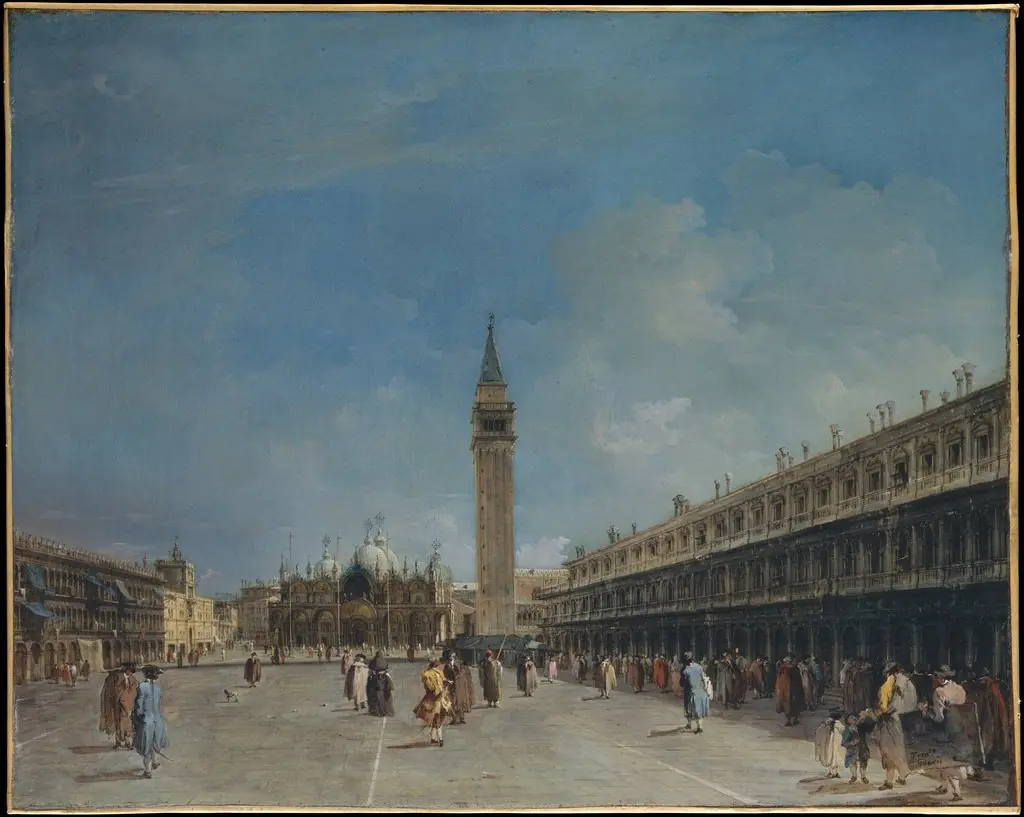 Piazza San Marco
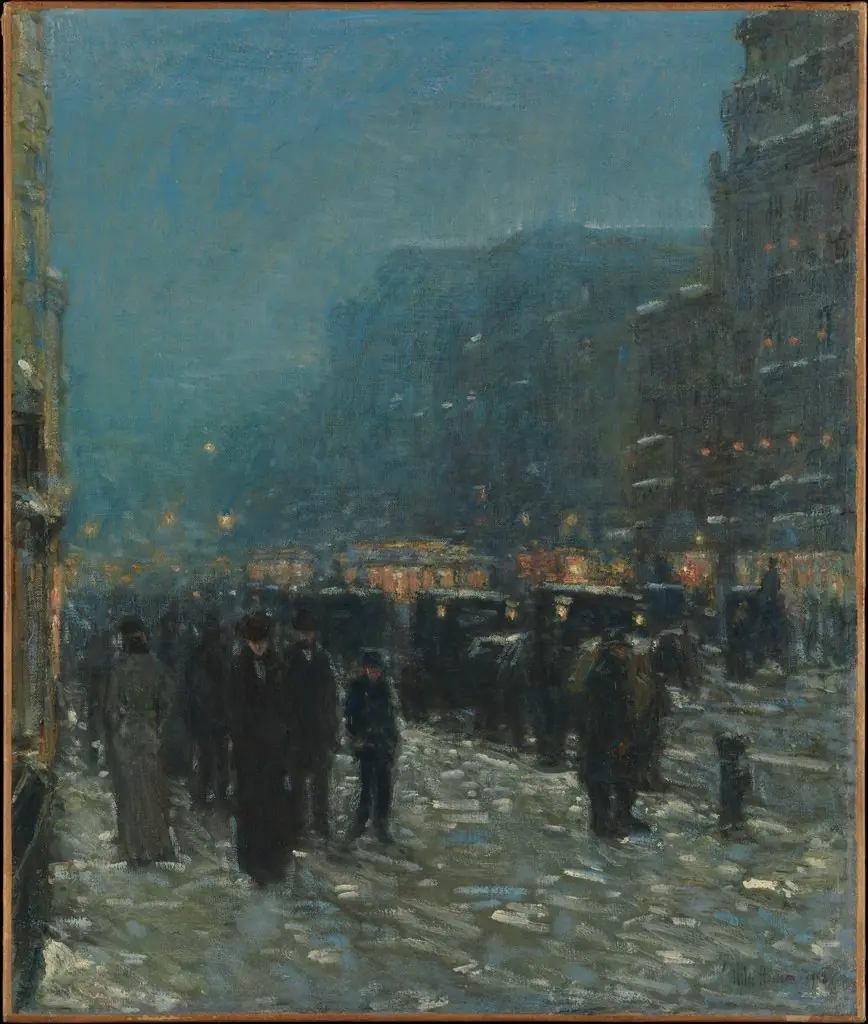 Broadway and 42nd Street
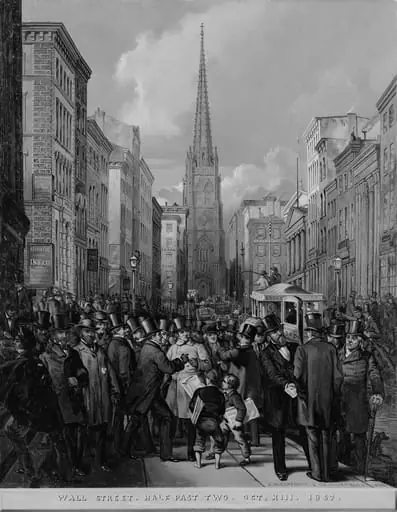 Wall Street, Half Past Two, October 13, 1857
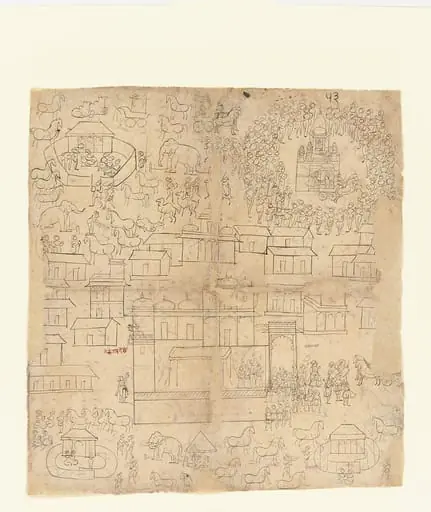 Untitled
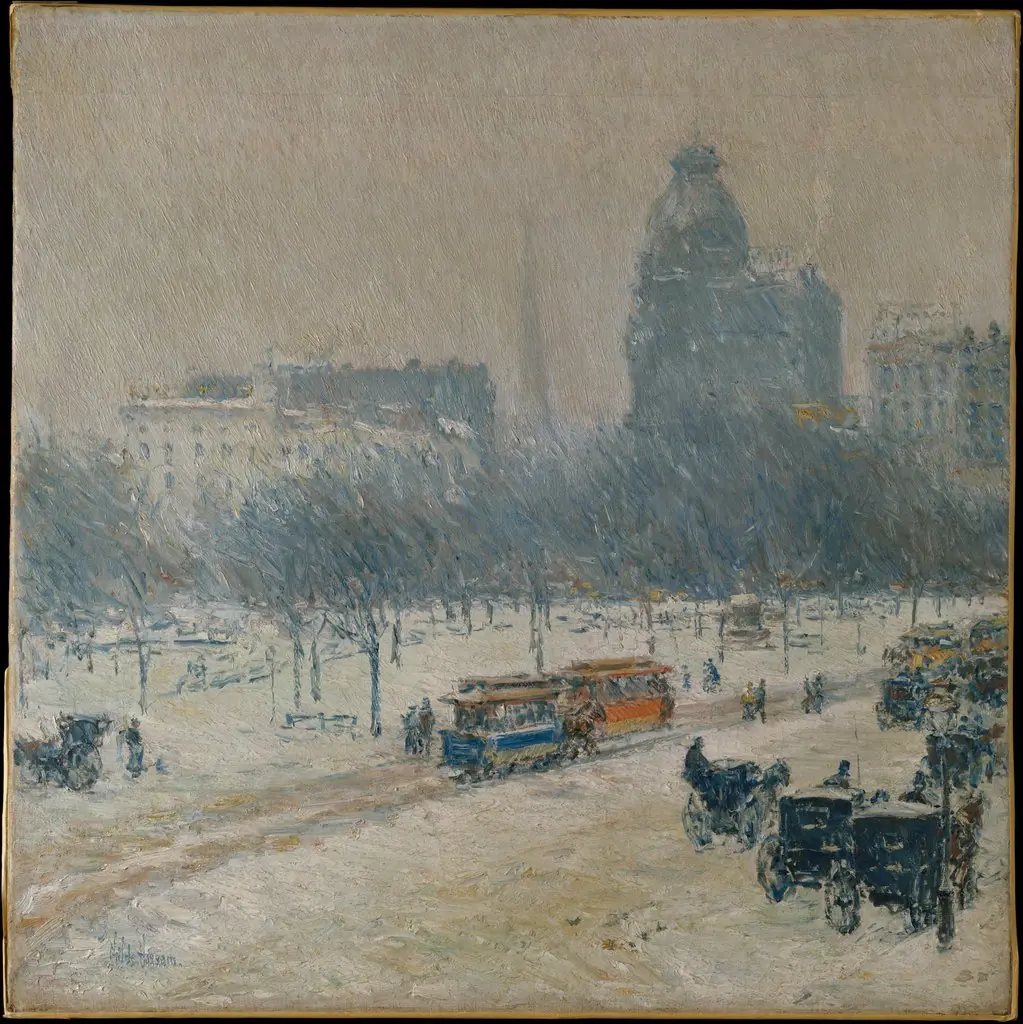 Winter in Union Square
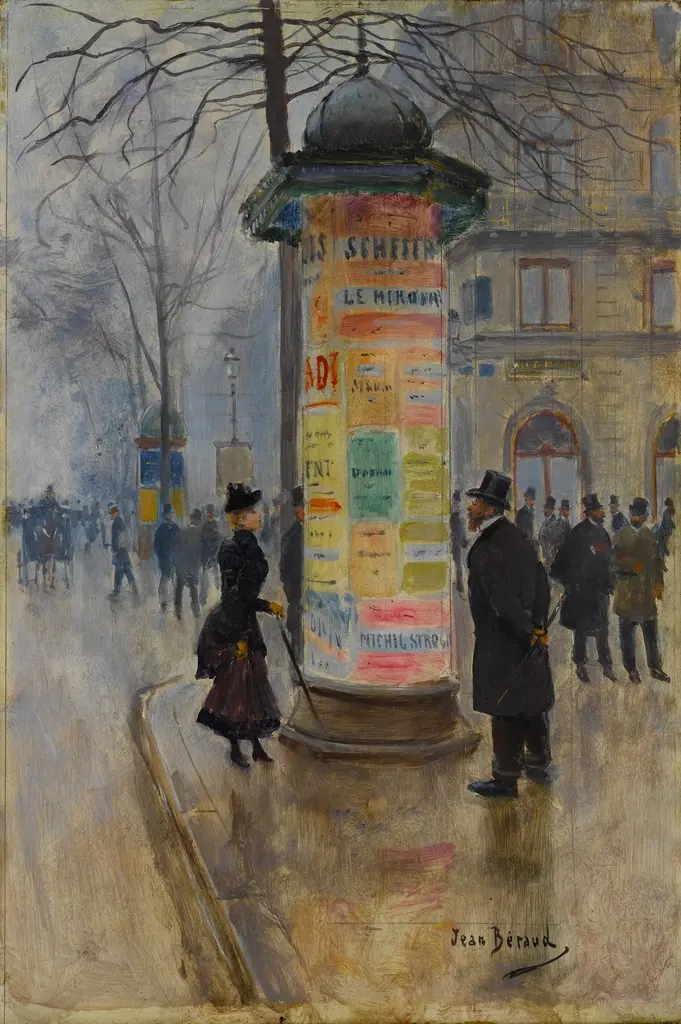 Parisian Street Scene
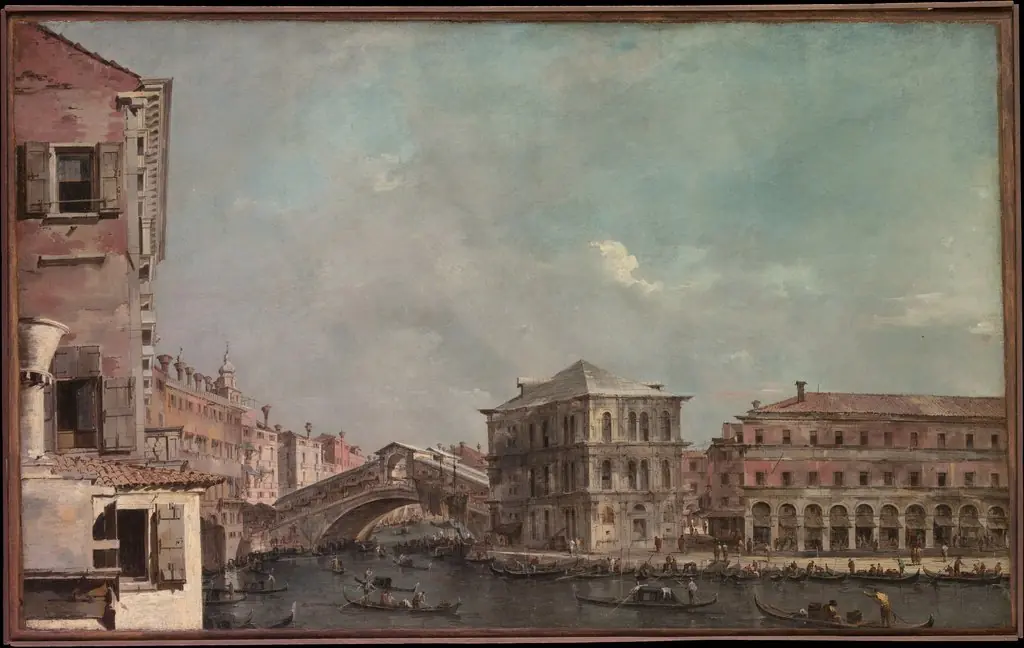 The Grand Canal above the Rialto
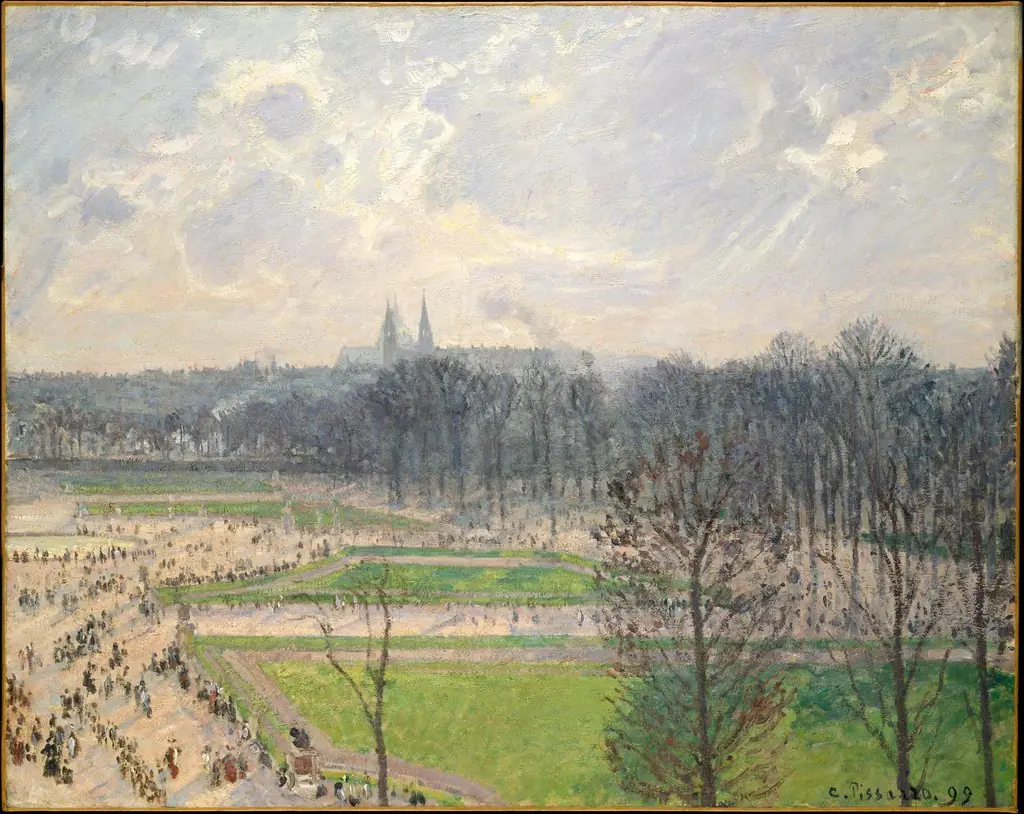 The Garden of the Tuileries on a Winter Afternoon
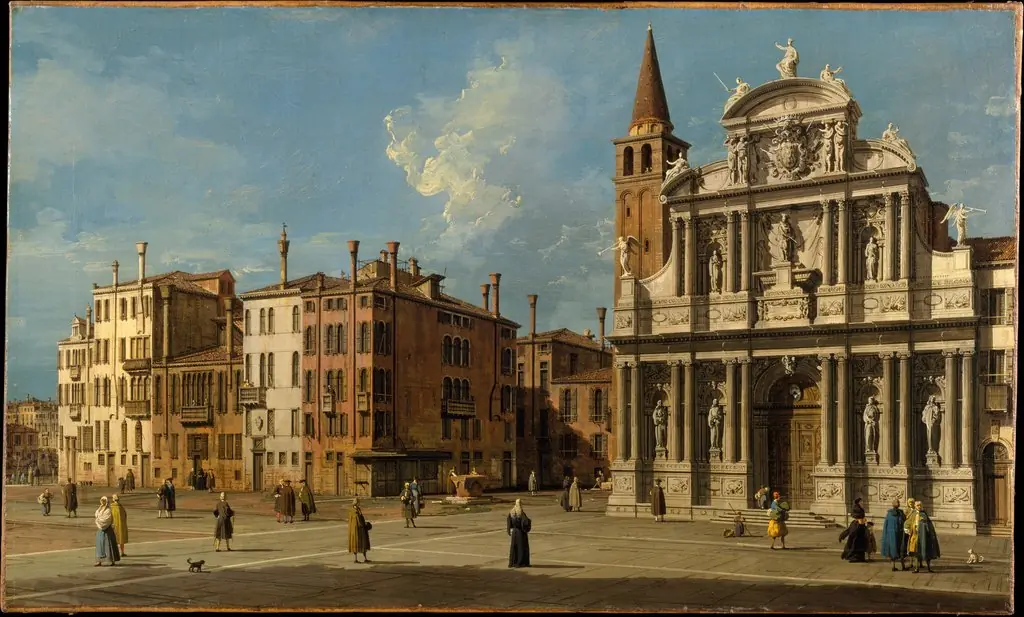 Campo Santa Maria Zobenigo, Venice
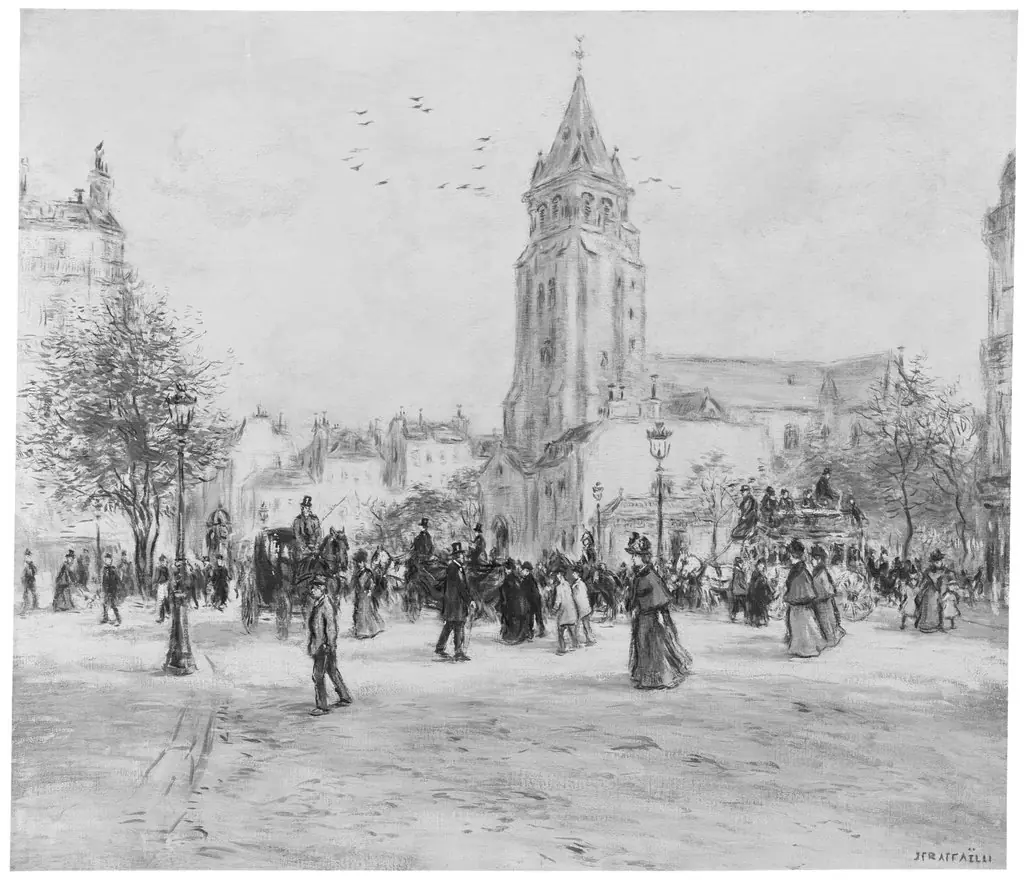 Place Saint-Germain-des-Prés, Paris
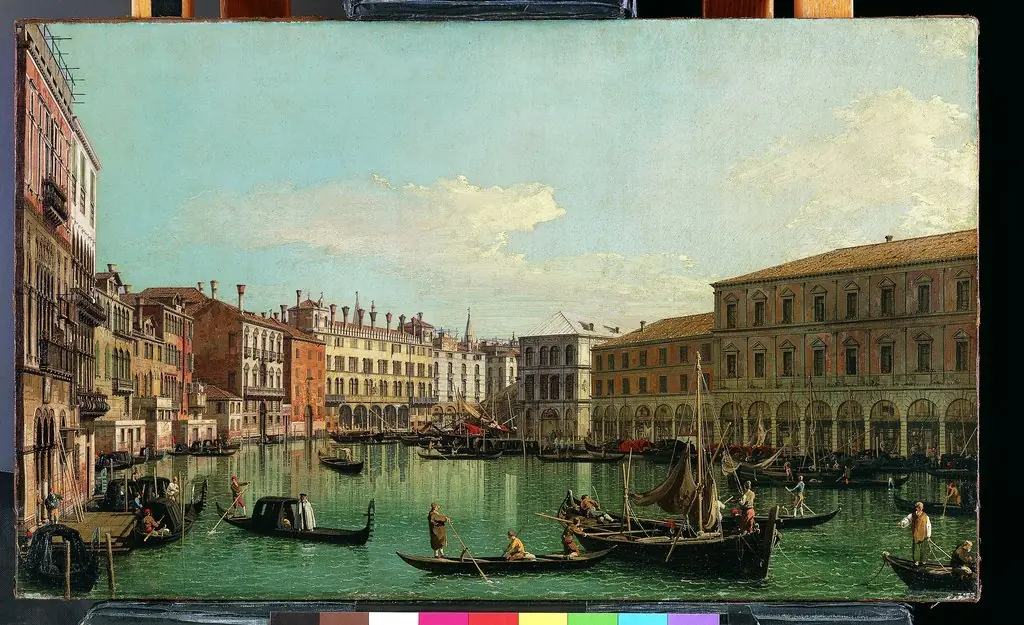 The Grand Canal, Venice, Looking South toward the Rialto Bridge
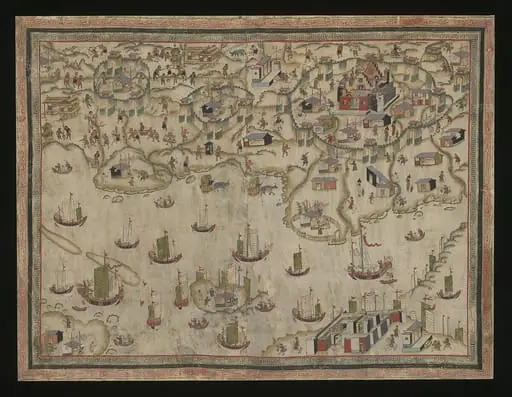 清 佚名 台南地區荷蘭城堡|Forts Zeelandia and Provintia and the City of Tainan
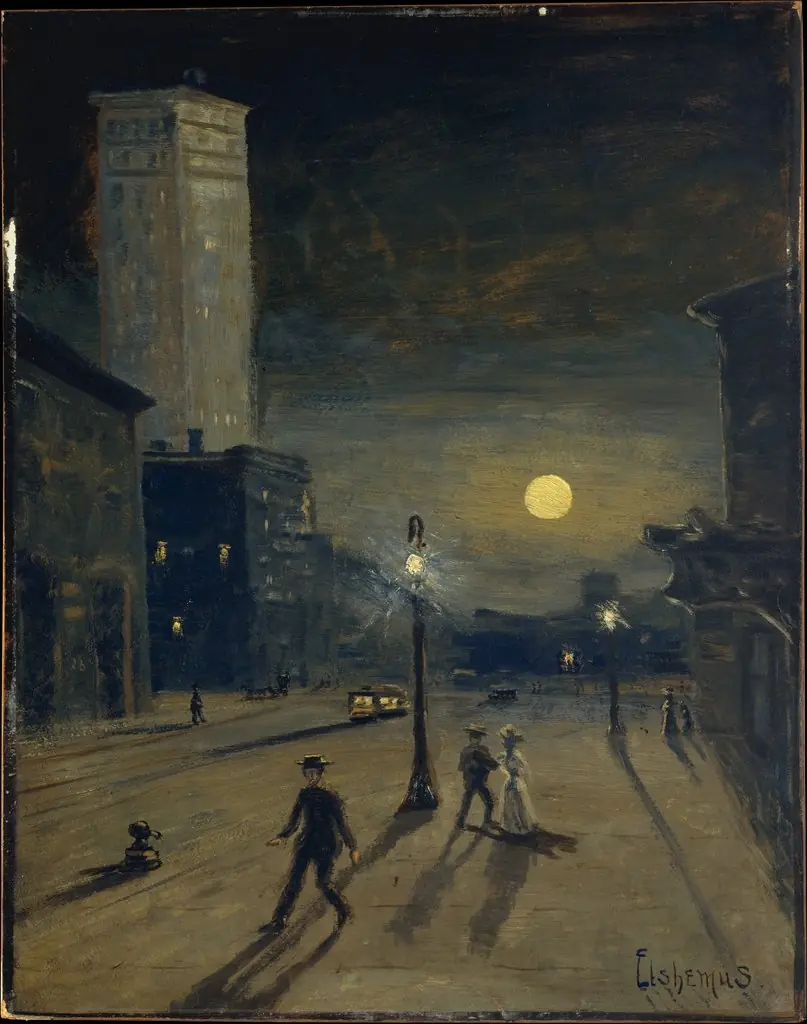 New York at Night
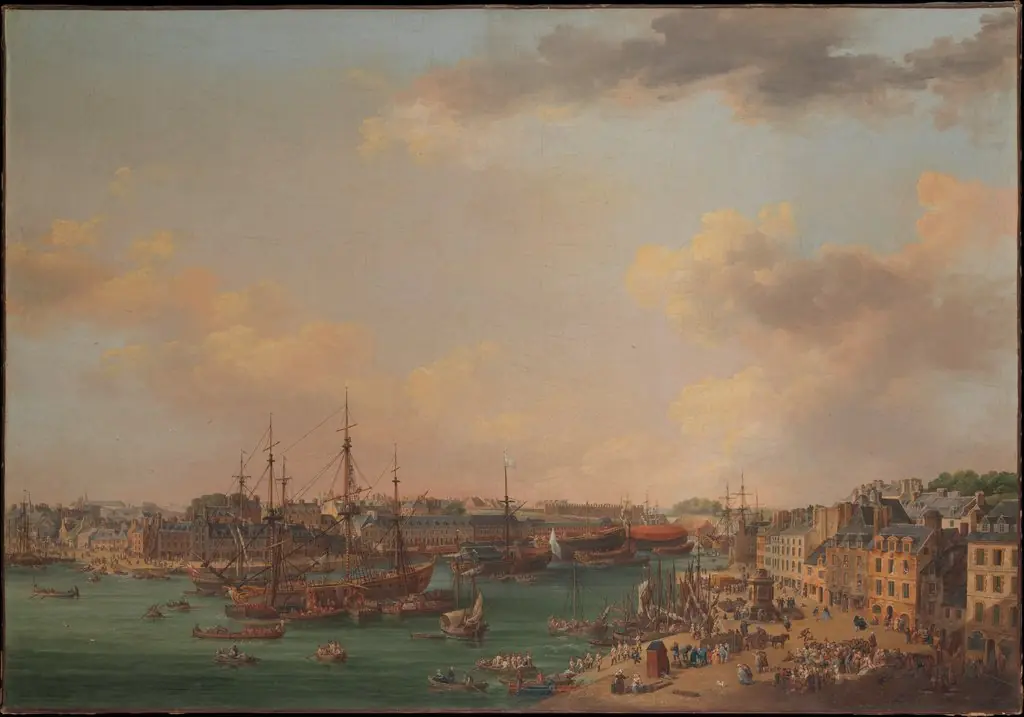 The Outer Harbor of Brest
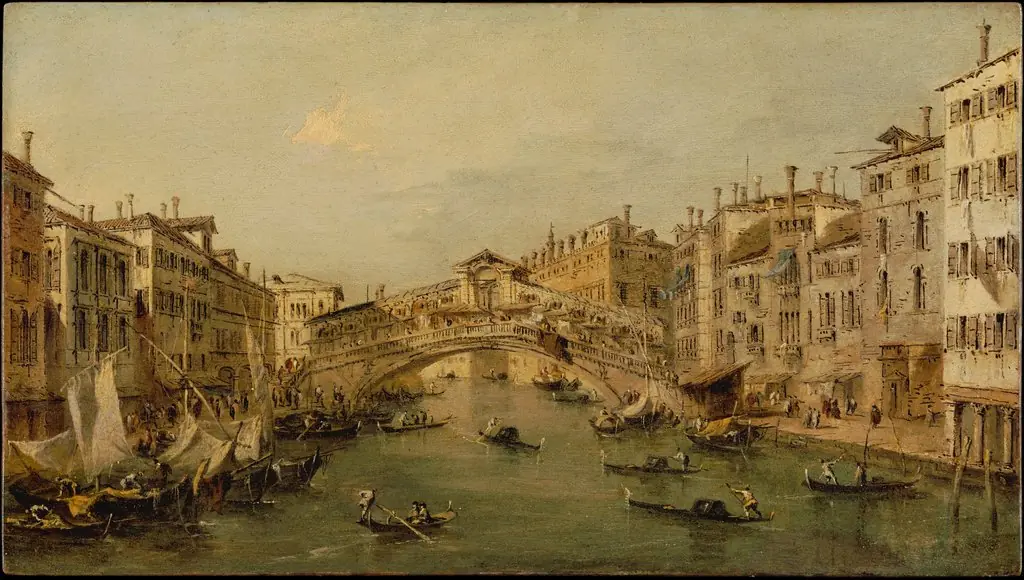 Venice: The Rialto
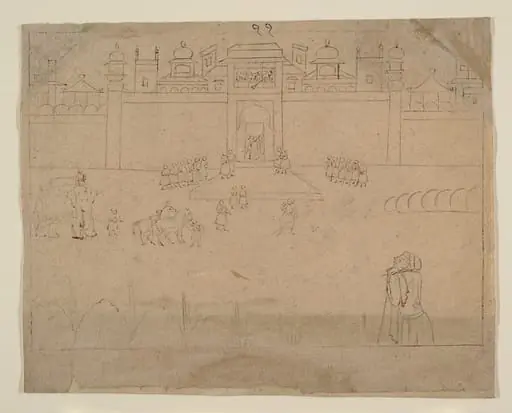 Untitled
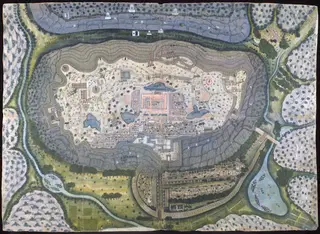 Untitled
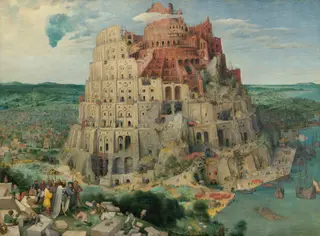 The Tower of Babel
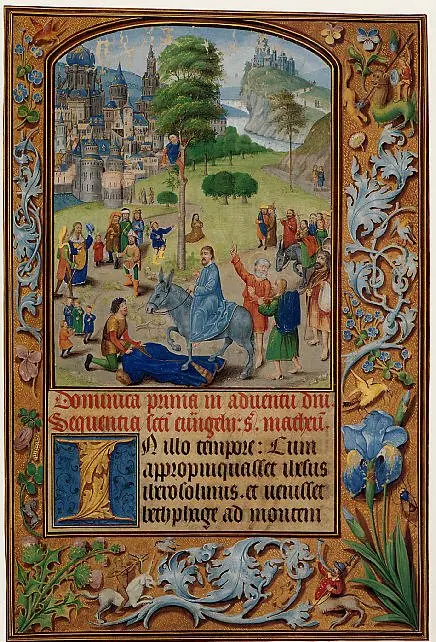 Christ's Entry into Jerusalem
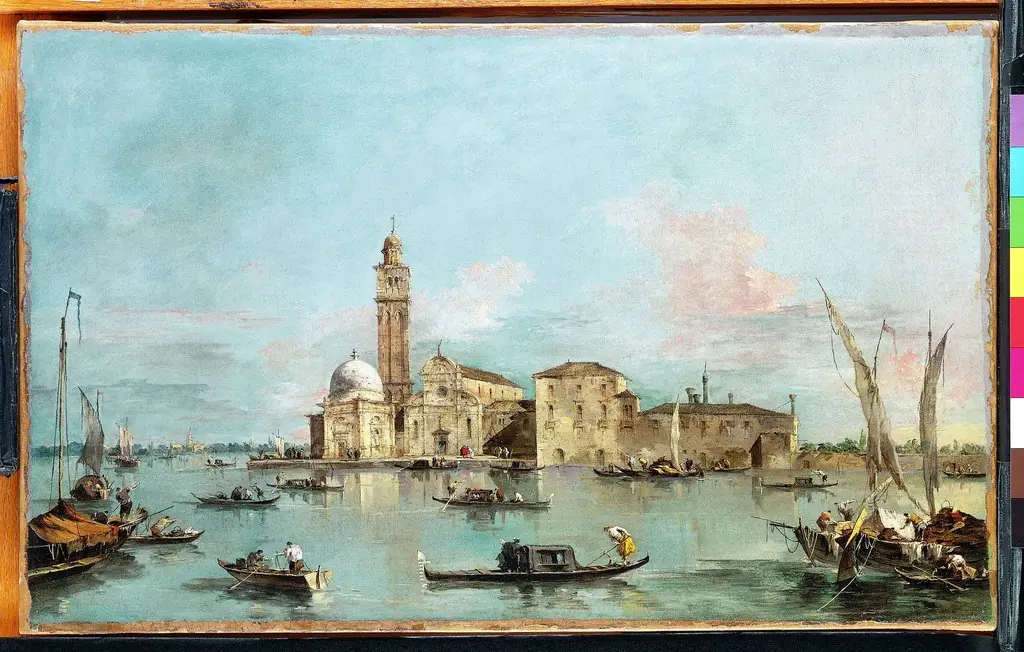 The Island of San Michele, Venice
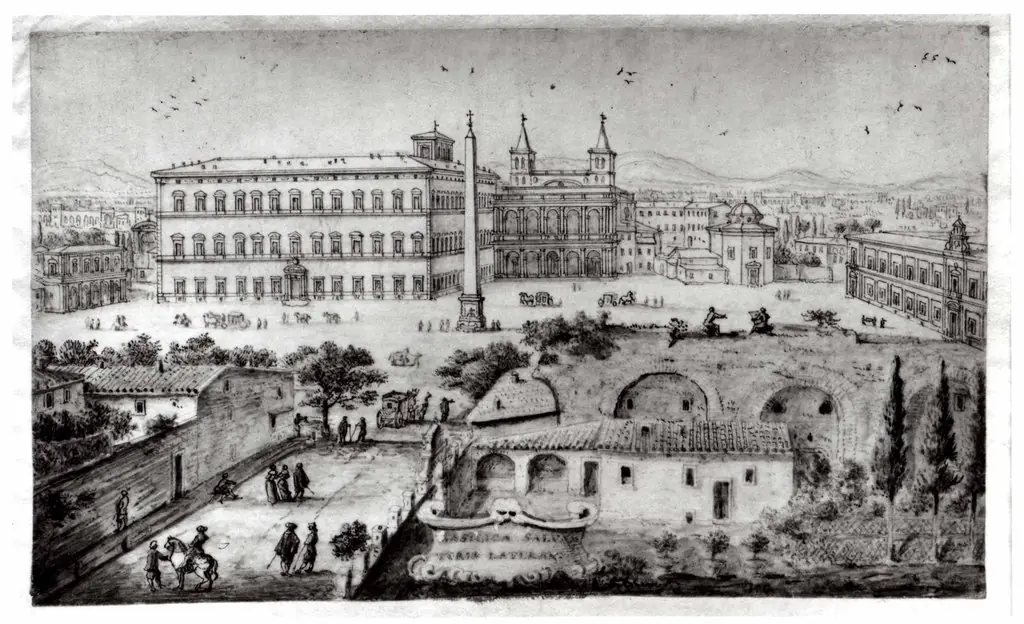 View of Lateran, Rome
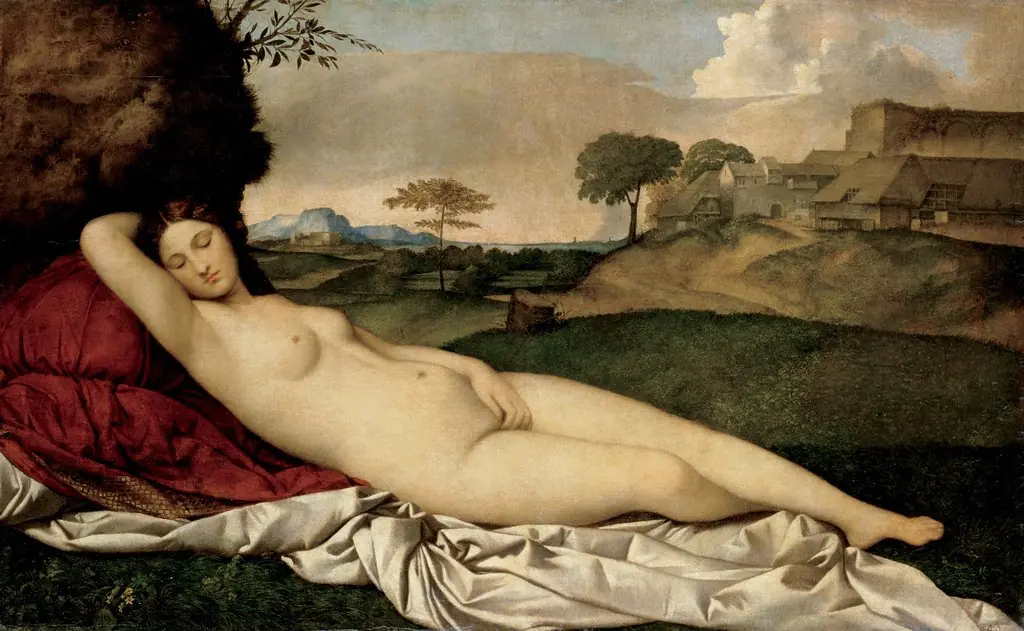 Sleeping Venus
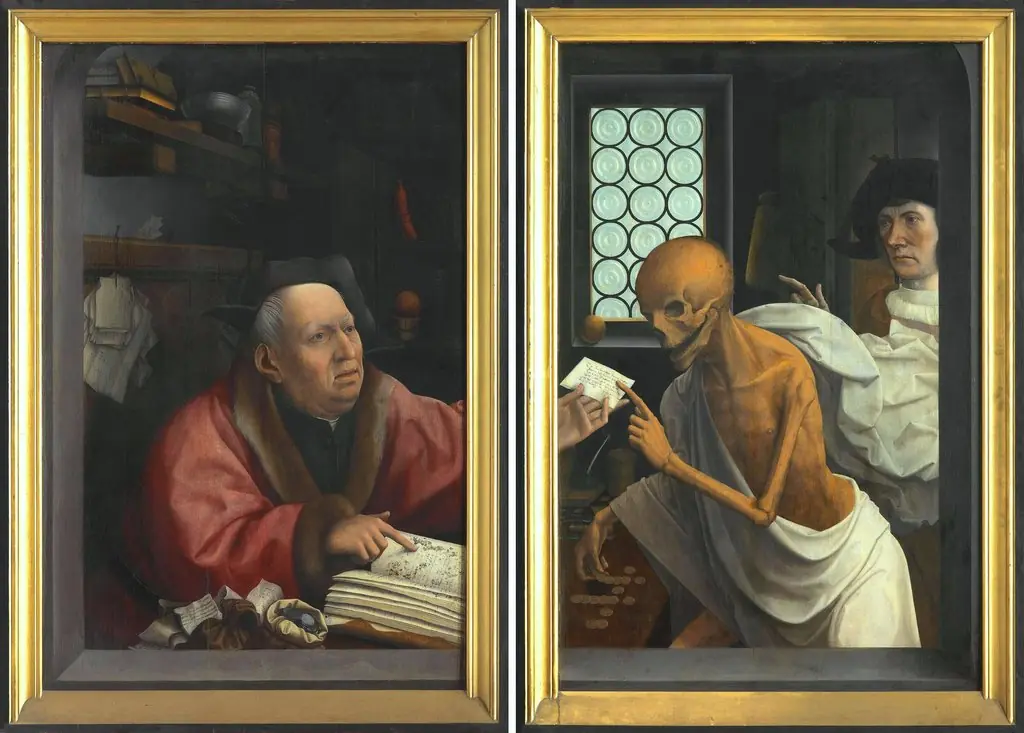 Death and the Miser (outer doors); St. Nicolas with donor and St. Godelieve with donor (inner doors)
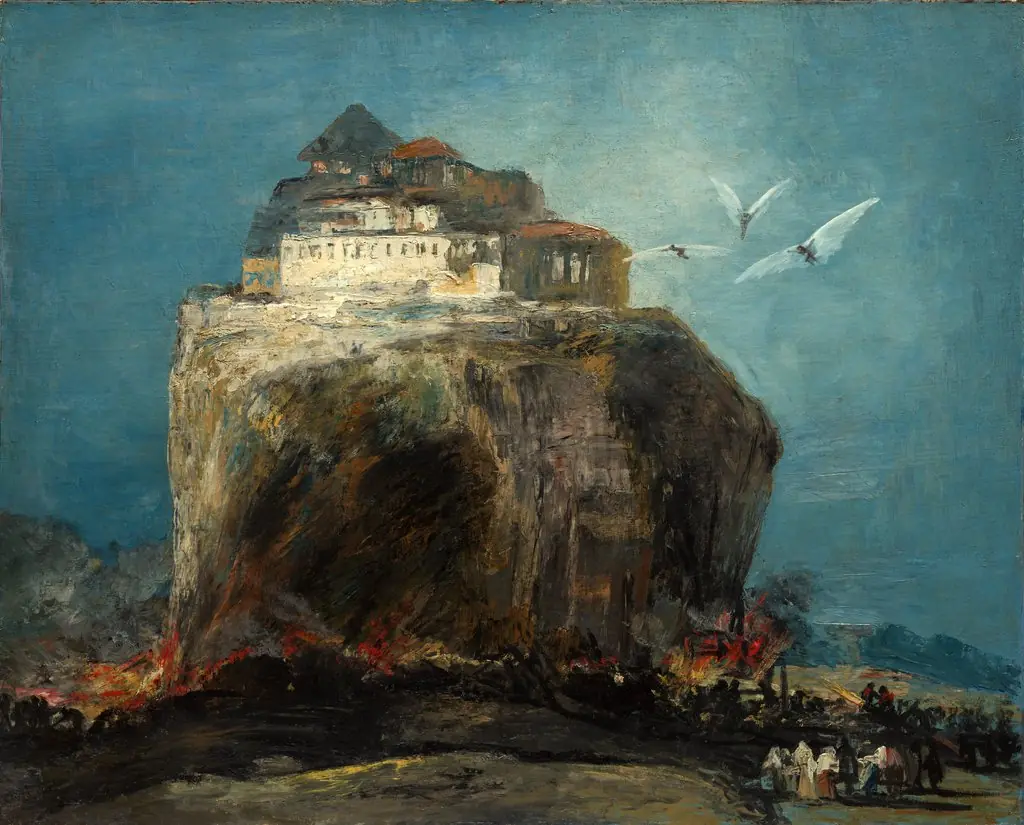 A City on a Rock
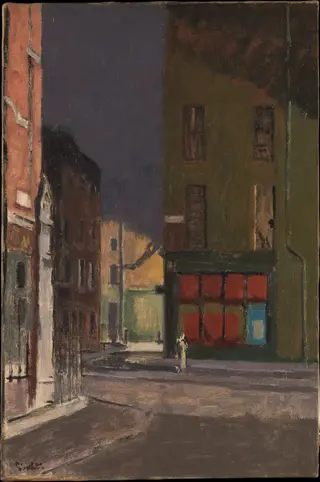 Maple Street, London
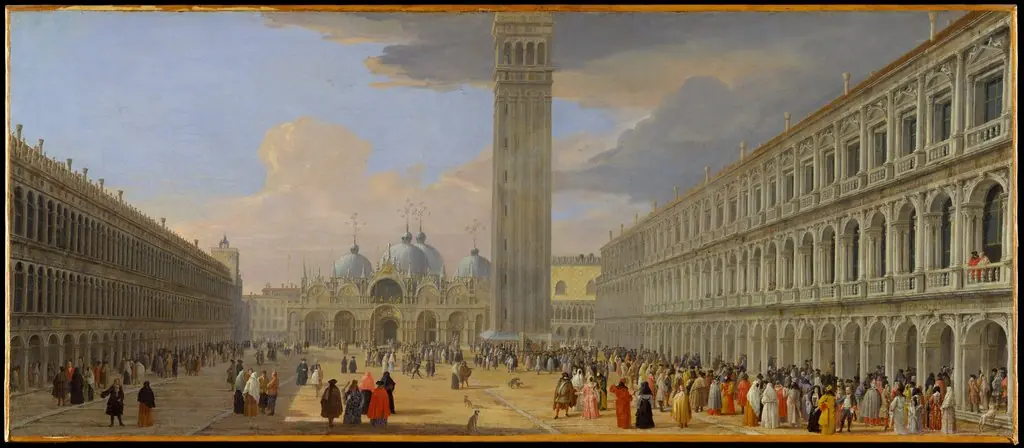 Piazza San Marco, Venice
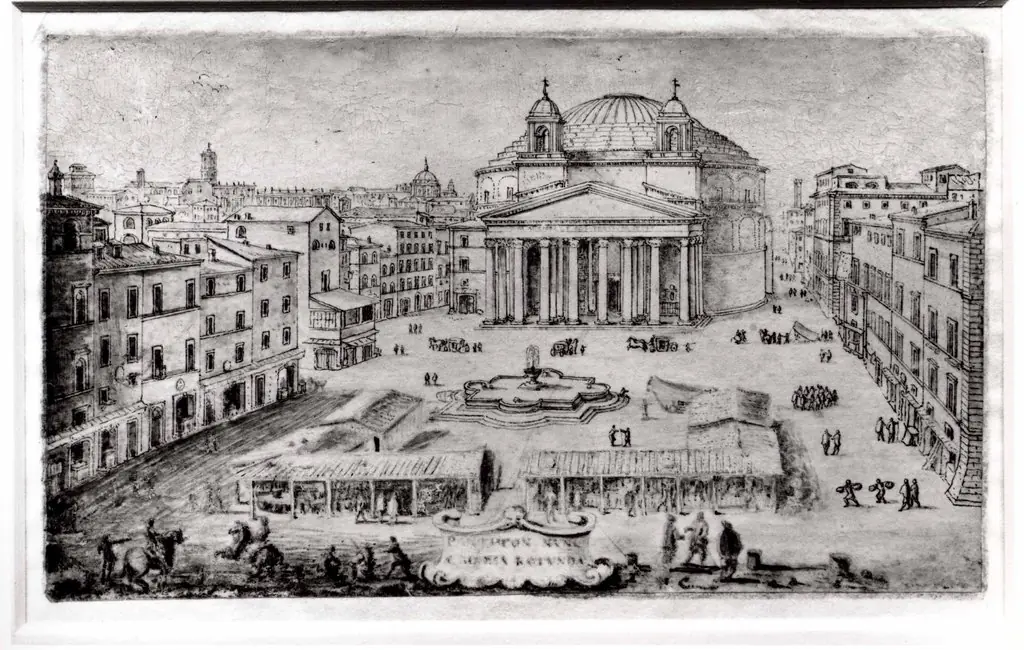 View of the Pantheon, Rome
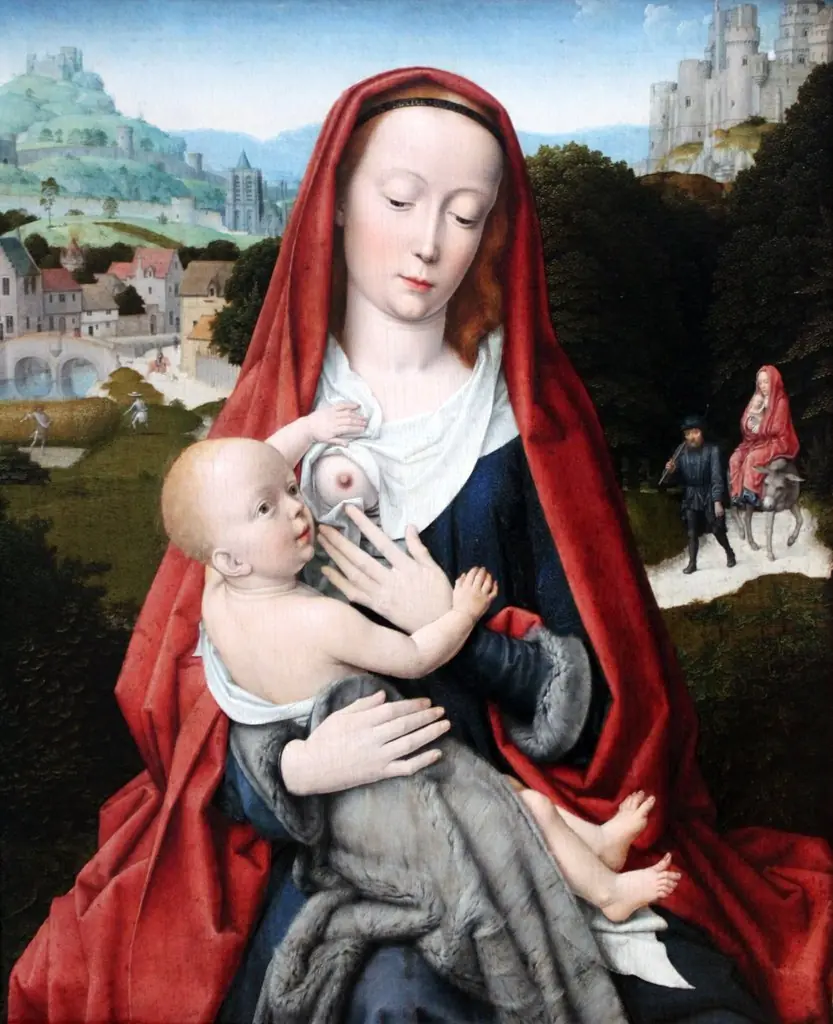 Madonna and Child
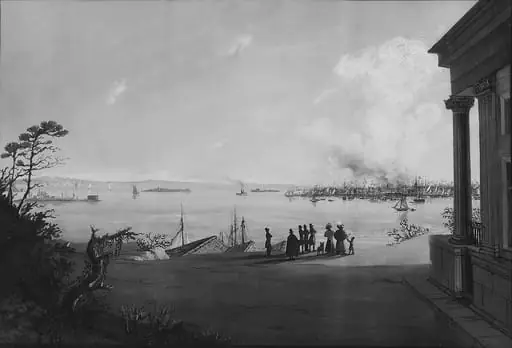 View of the City of New York and Governors Island Taken from Brooklyn Heights on the Morning after the Conflagration
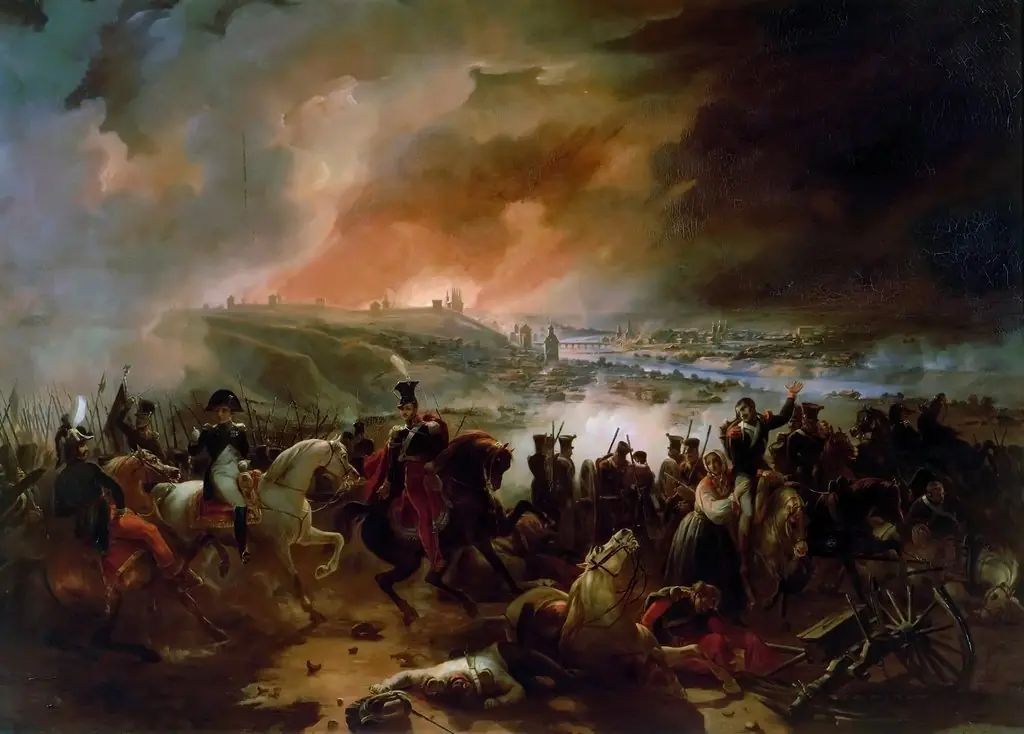 The Battle of Smolensk, 17th August 1812
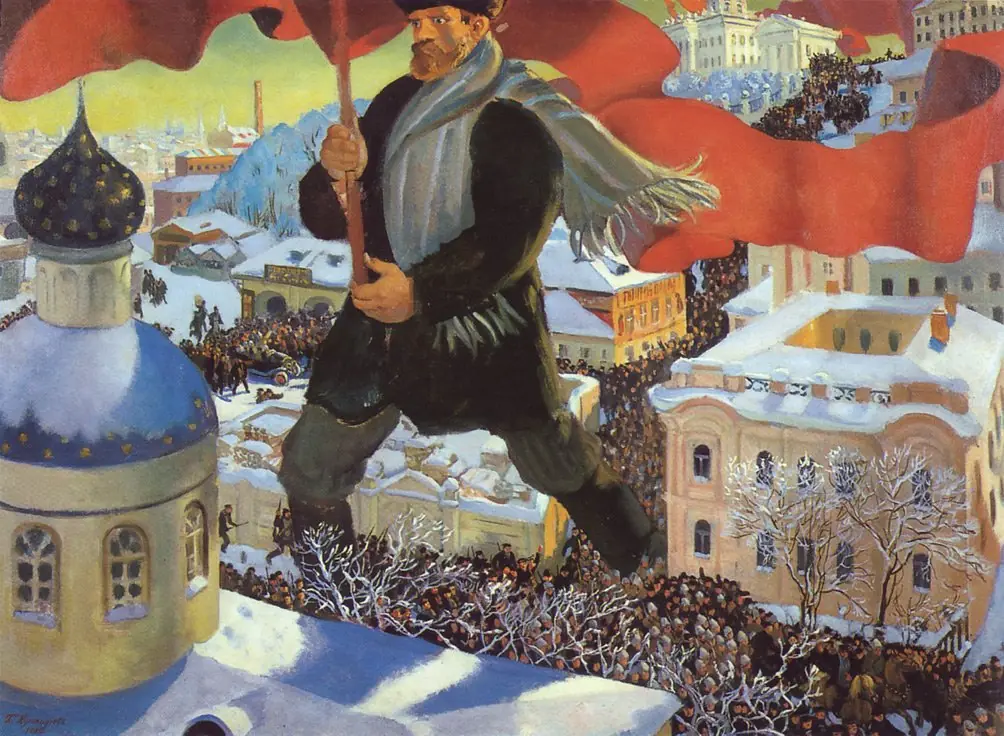 Bolshevik
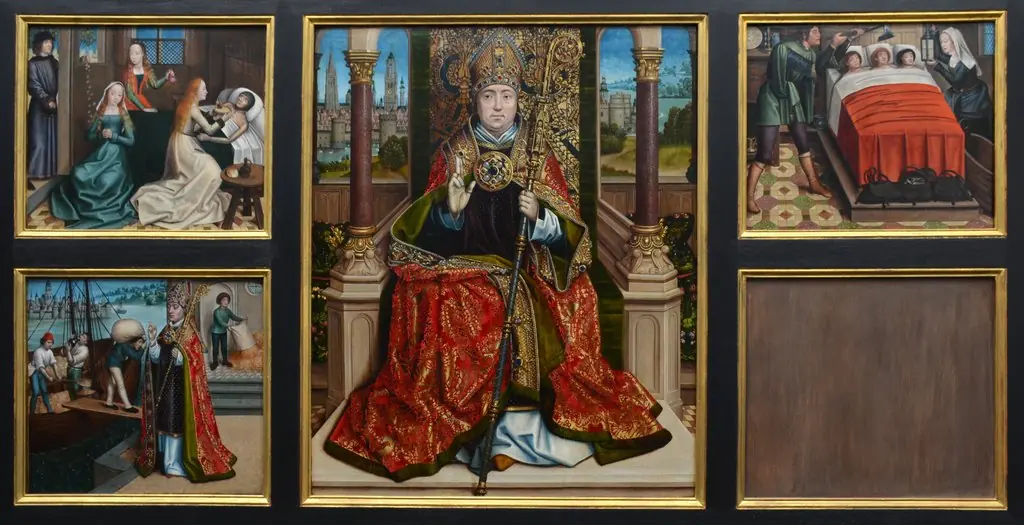 Altarpiece of St. Nicholas
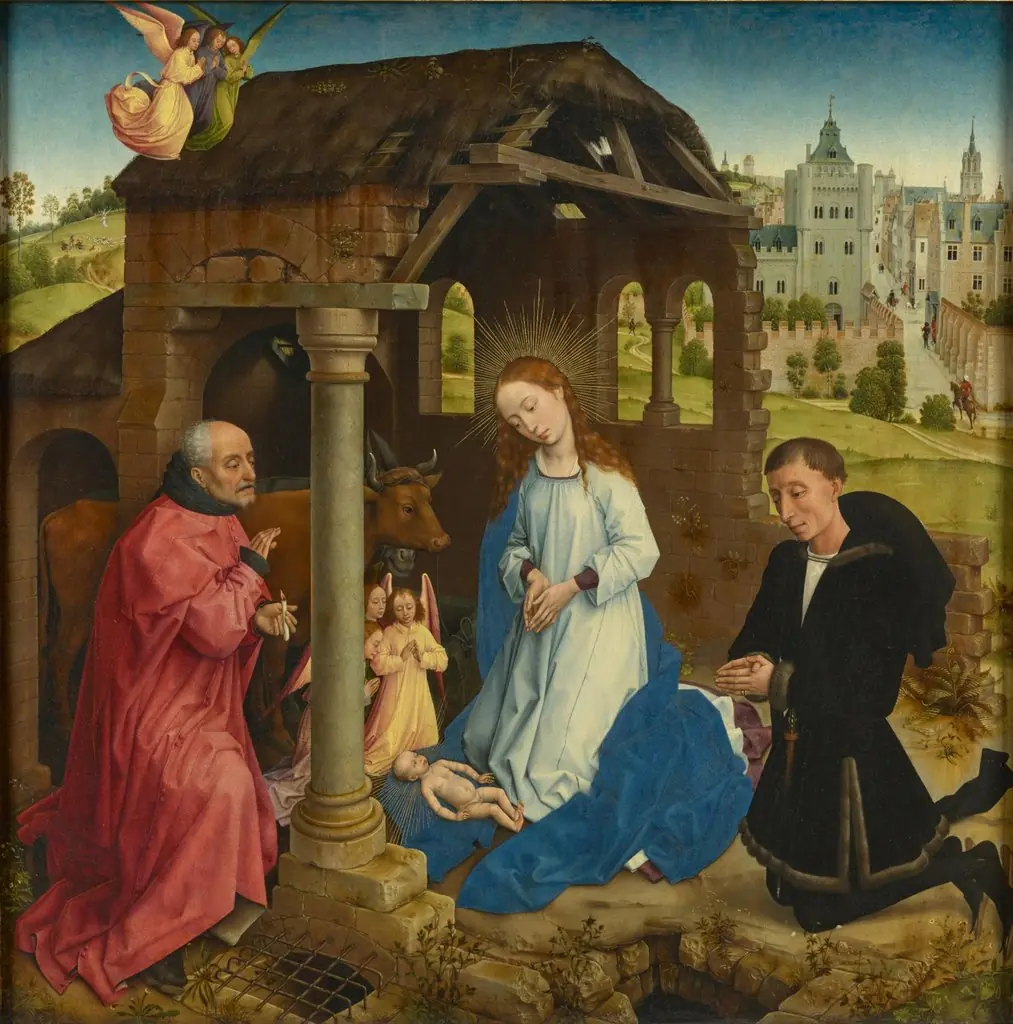 Bladelin Triptych Nativity (central panel)
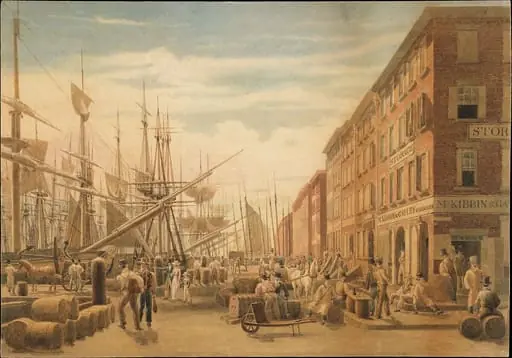 View of South Street, from Maiden Lane, New York City
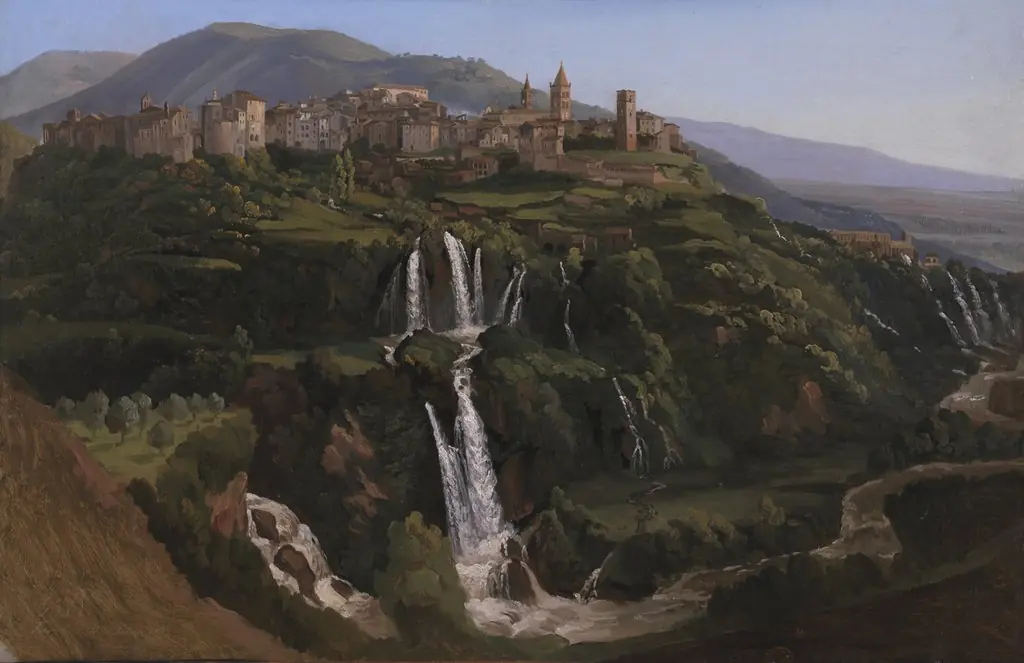 View of Tivoli in Italy
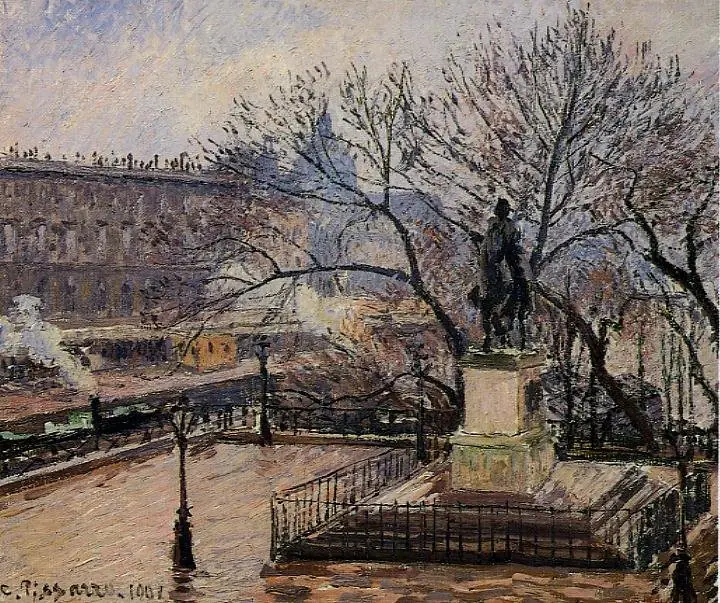 View of Pont-Neuf with Statue of Henri IV
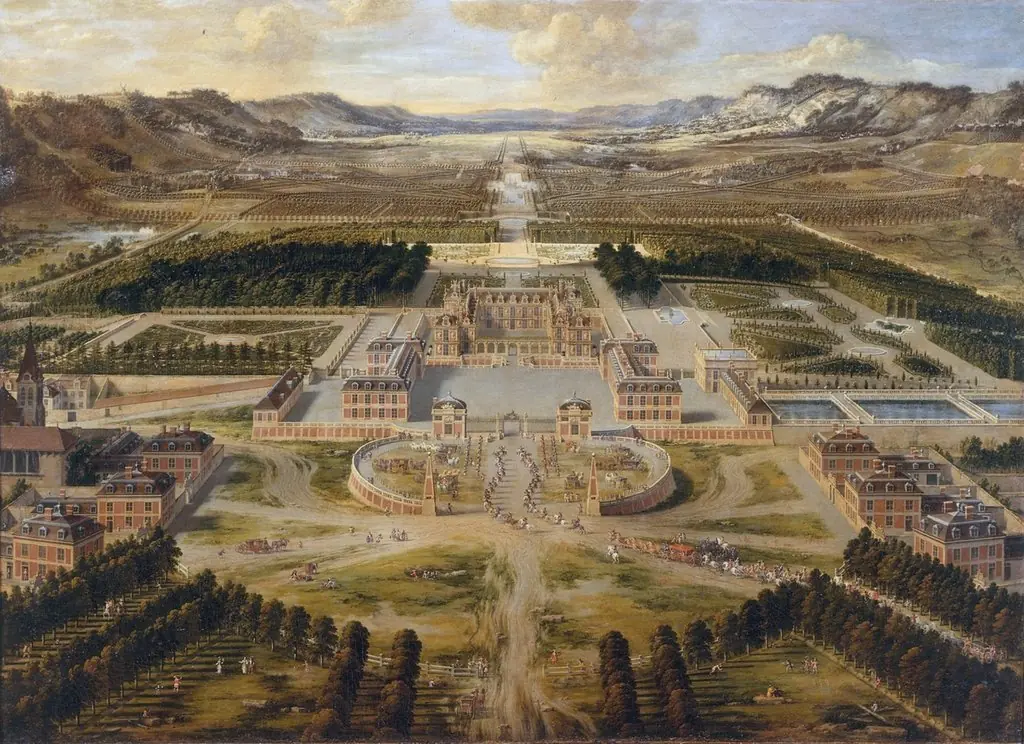 View of the Palace of Versailles and the gardens from the Avenue de Paris in 1668
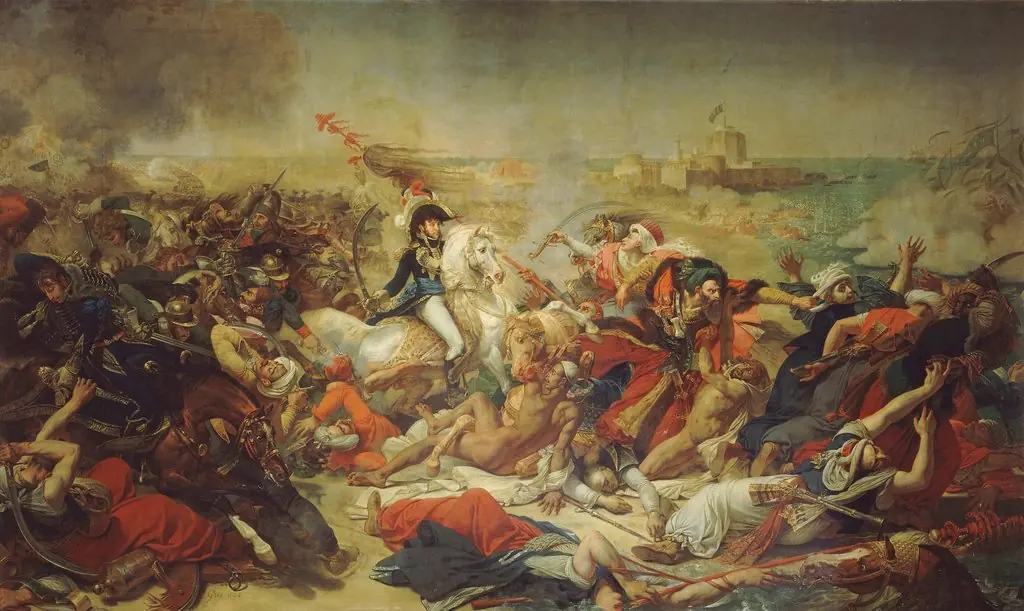 Bataille d'Aboukir, 25 Juillet 1799
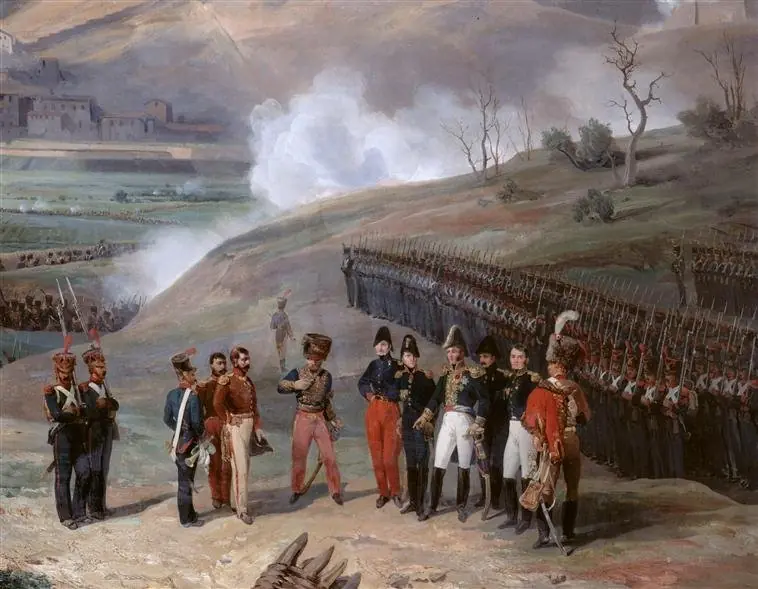 Surrender of Tortosa, January 2, 1811
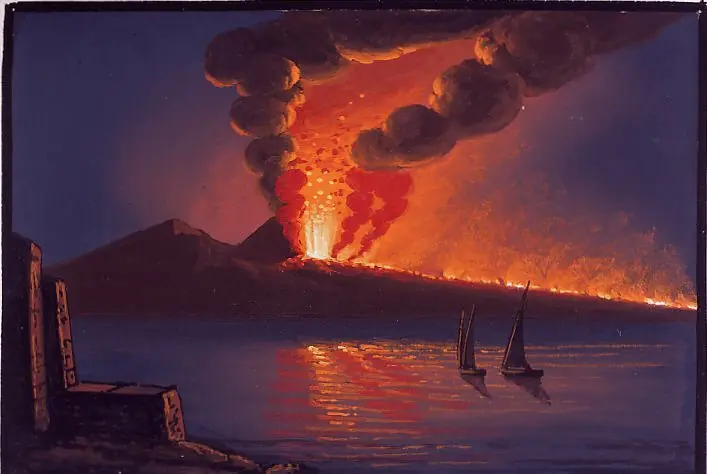 Sketchbook: Souvenir of Naples
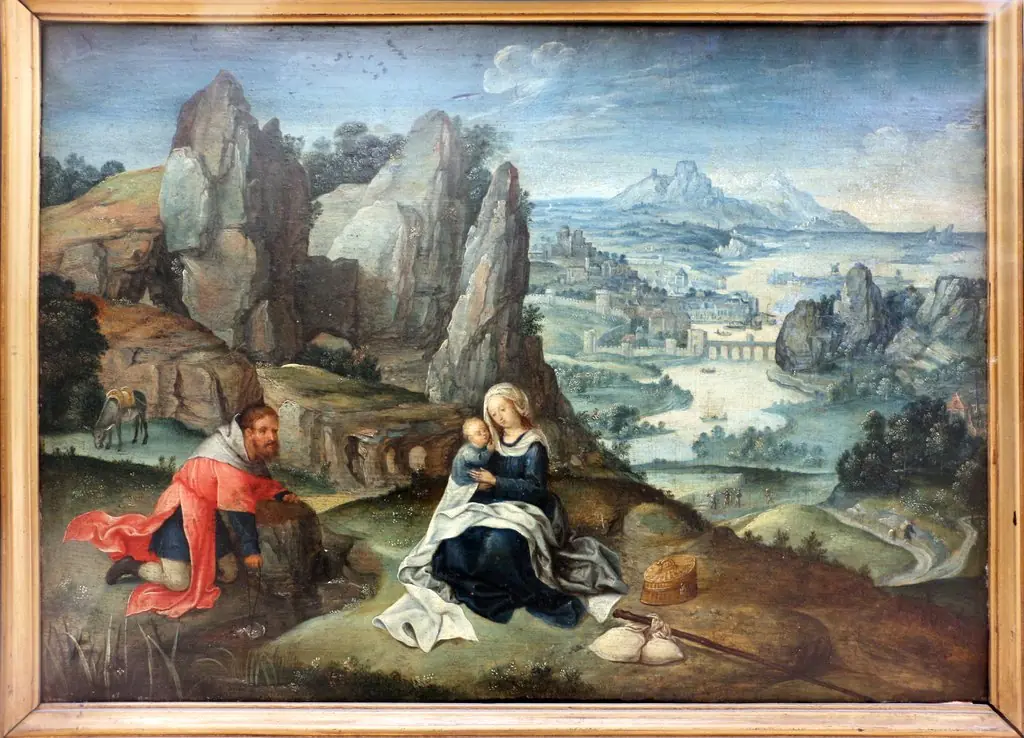 Rest on the Flight into Egypt
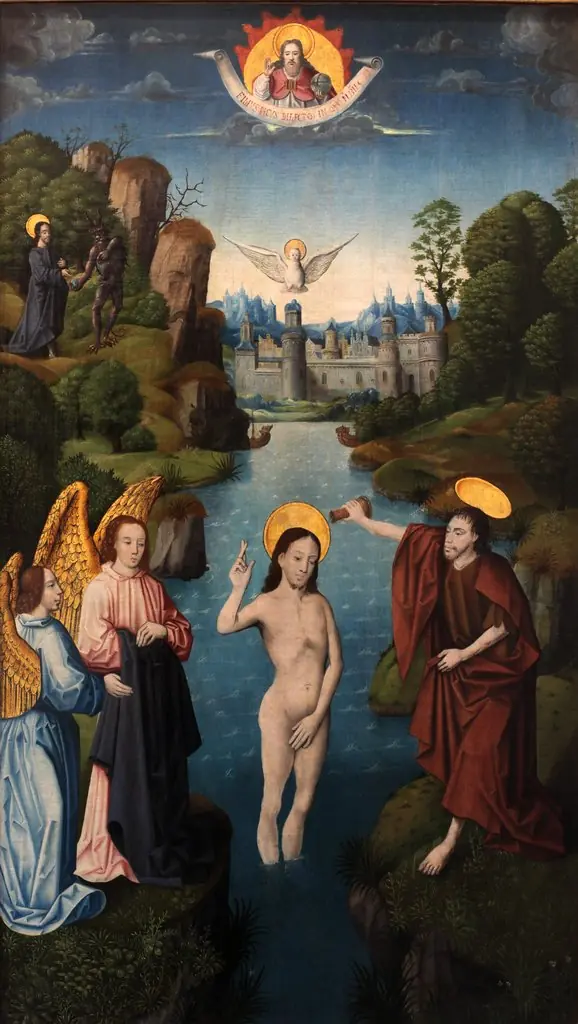 Le baptême du Christ
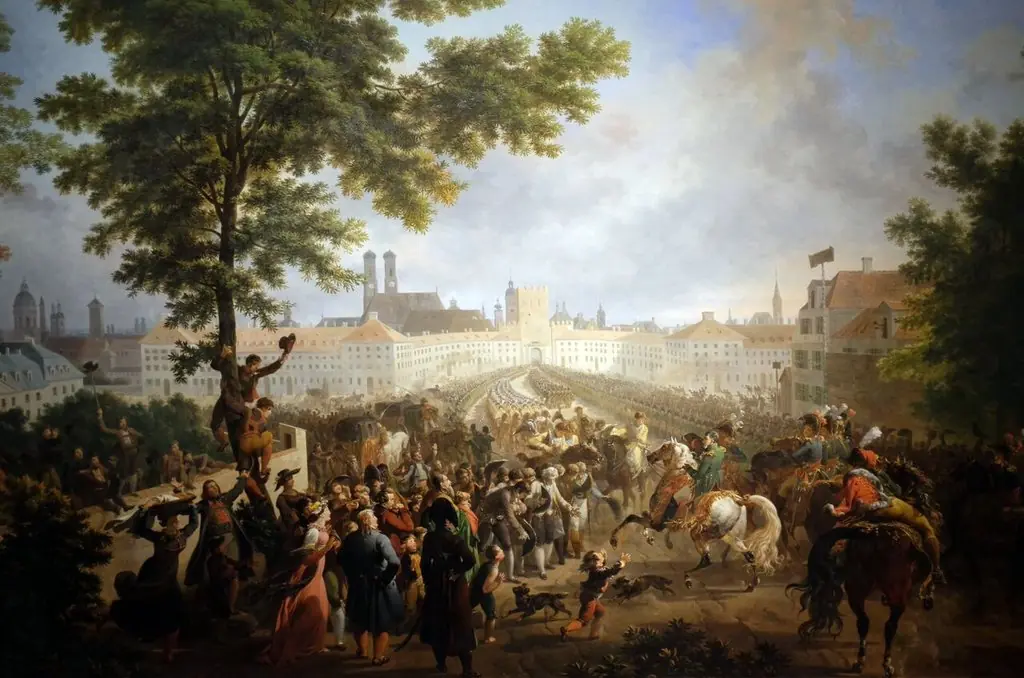 Entry of the French army in Munich
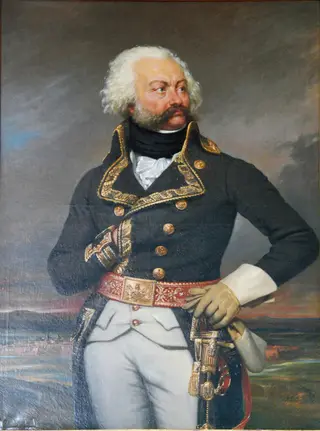 Adam-Philipe, comte de Custine, general-in-chief of the army of the Rhine in 1792 (1742-1793)
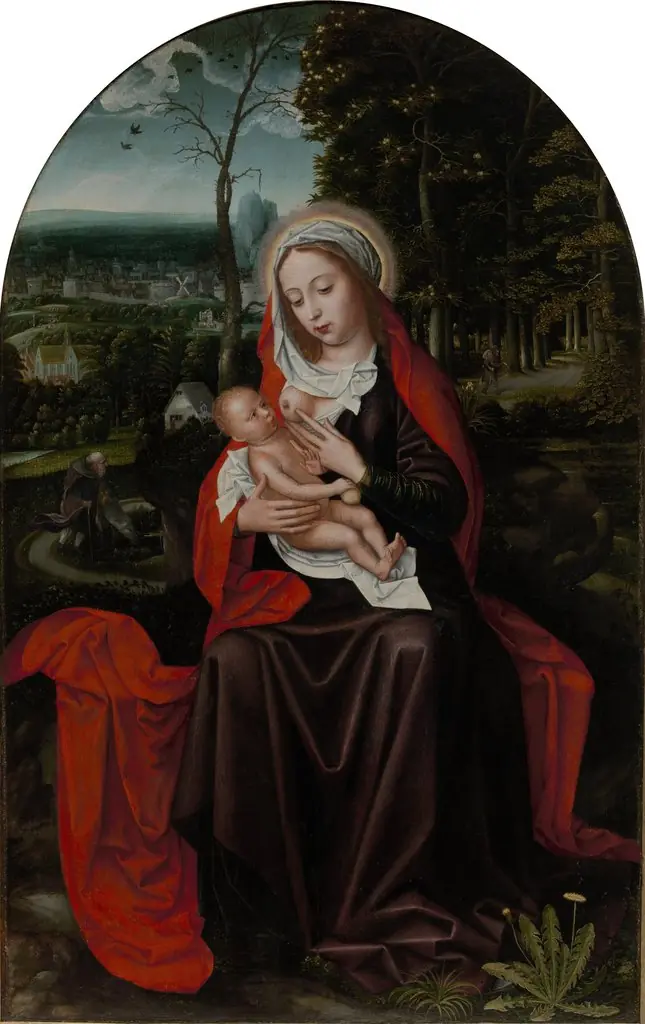 Rest on the flight into Egypt
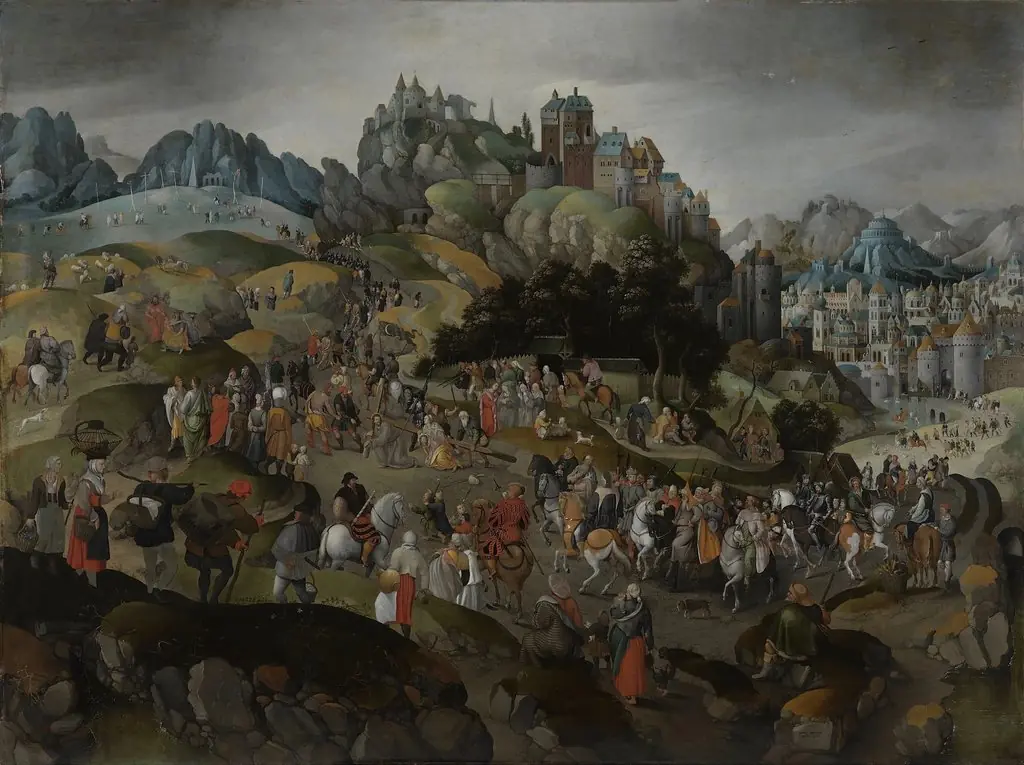 Christ carrying the Cross
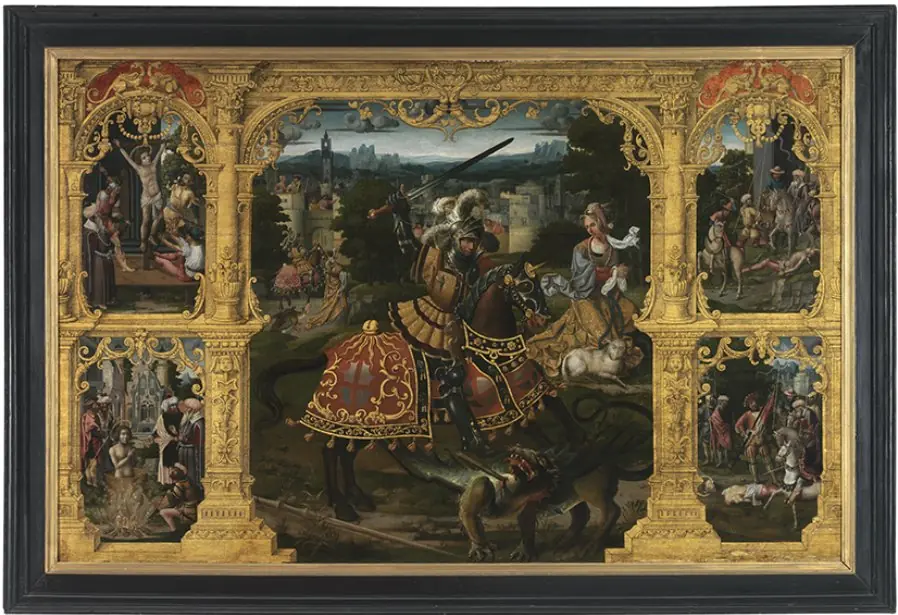 Legend of Saint George
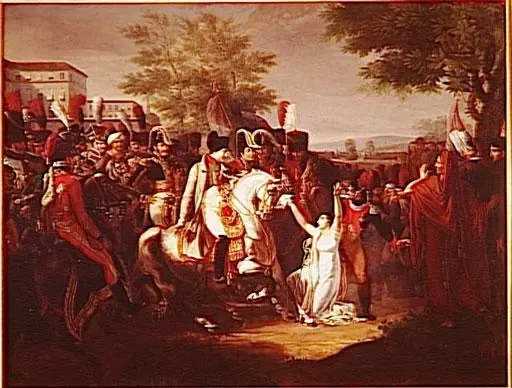 Mademoiselle de Saint-Simon asking for her father's pardon, December 1808
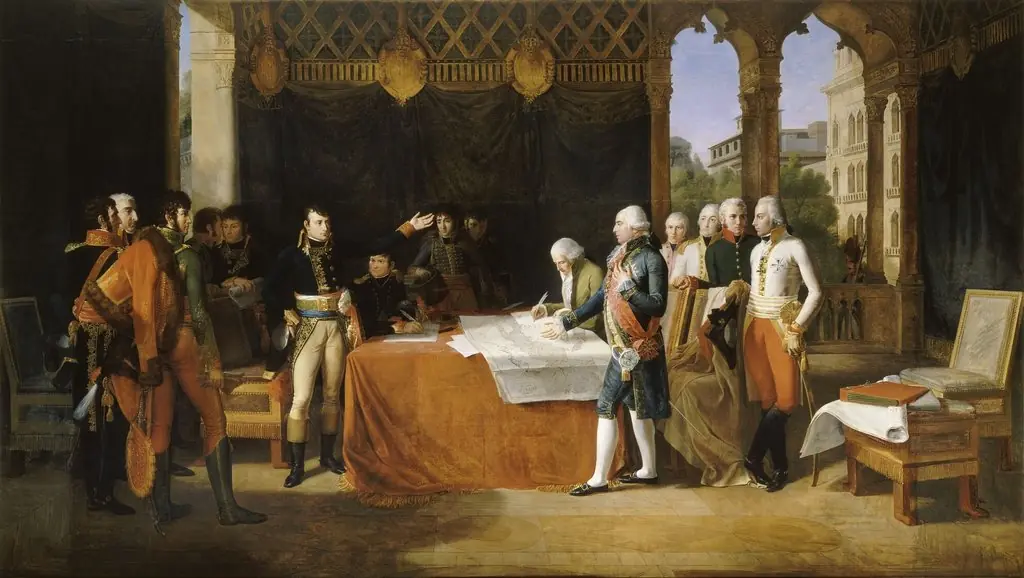 Treaty of Loeben, April 17, 1797
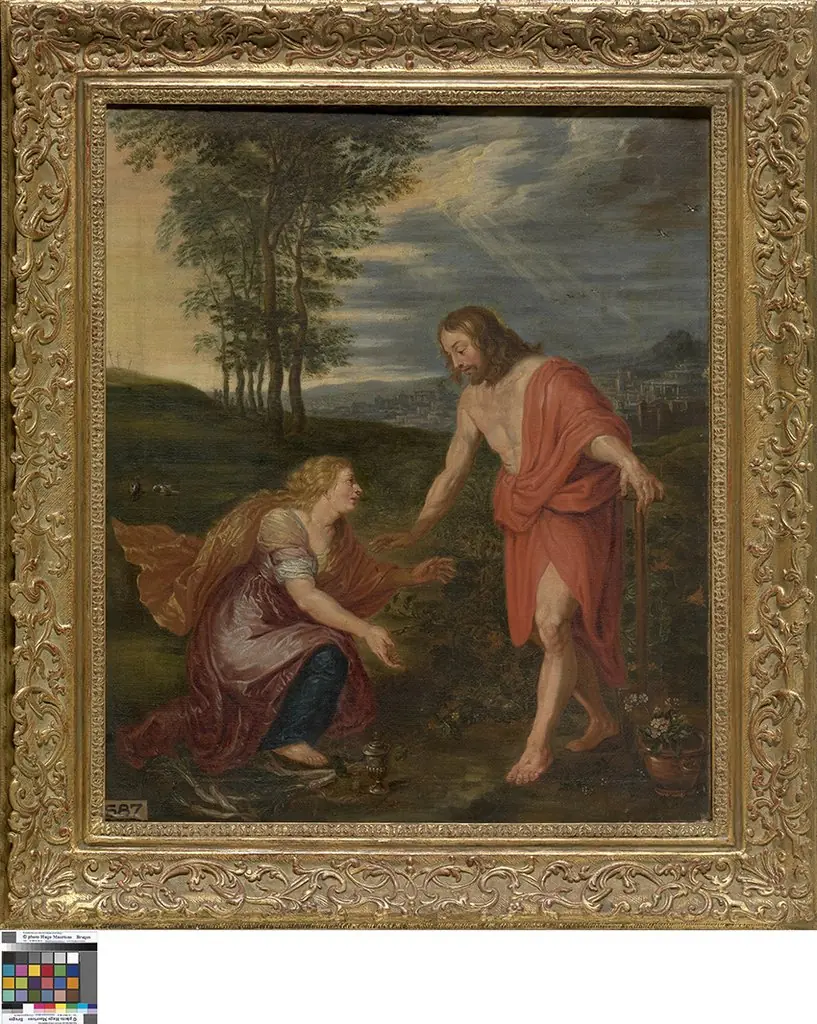 Noli me tangere
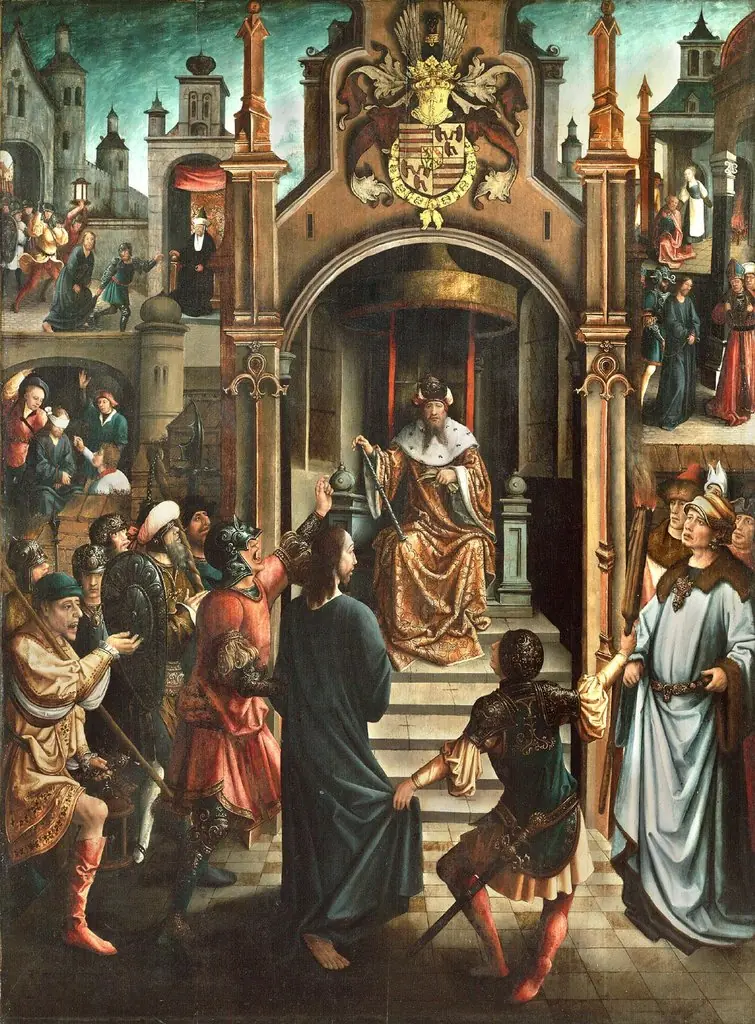 Christ before Pilate, with Christ Led to Annas, the Mocking of Christ, the Denial by Peter, and Christ before Caiaphas
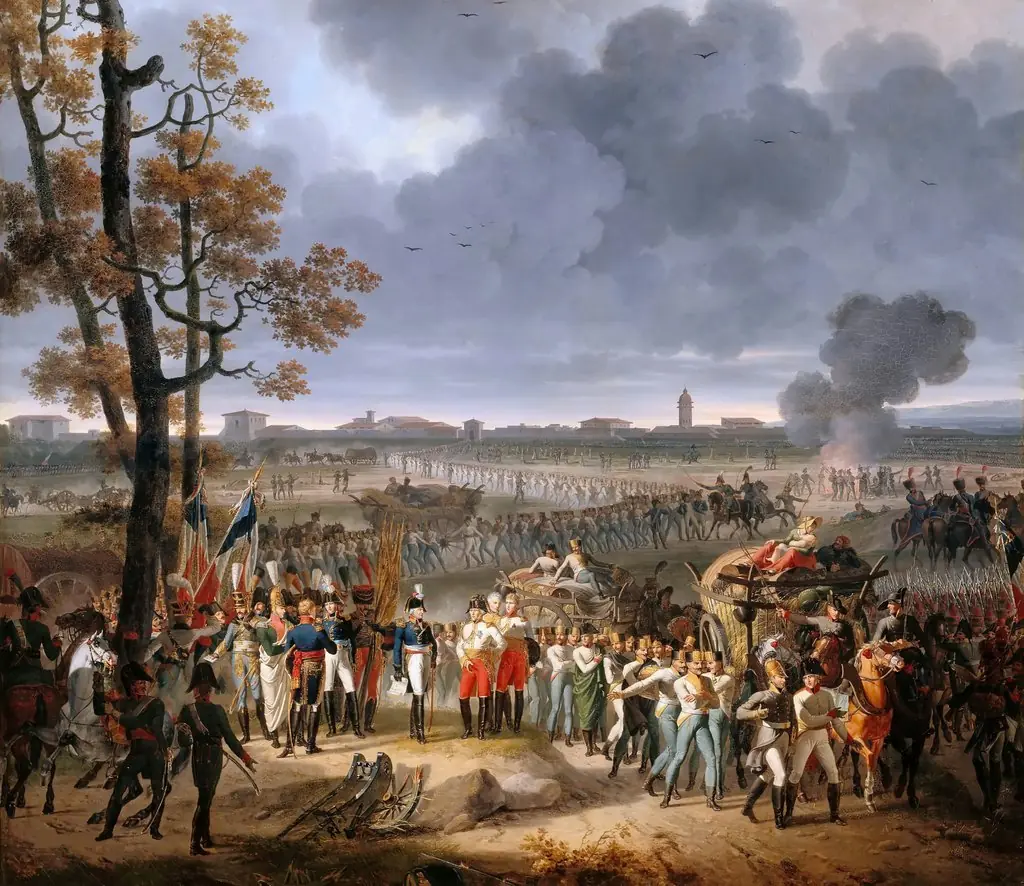 Surrender of Mantua, February 2, 1797
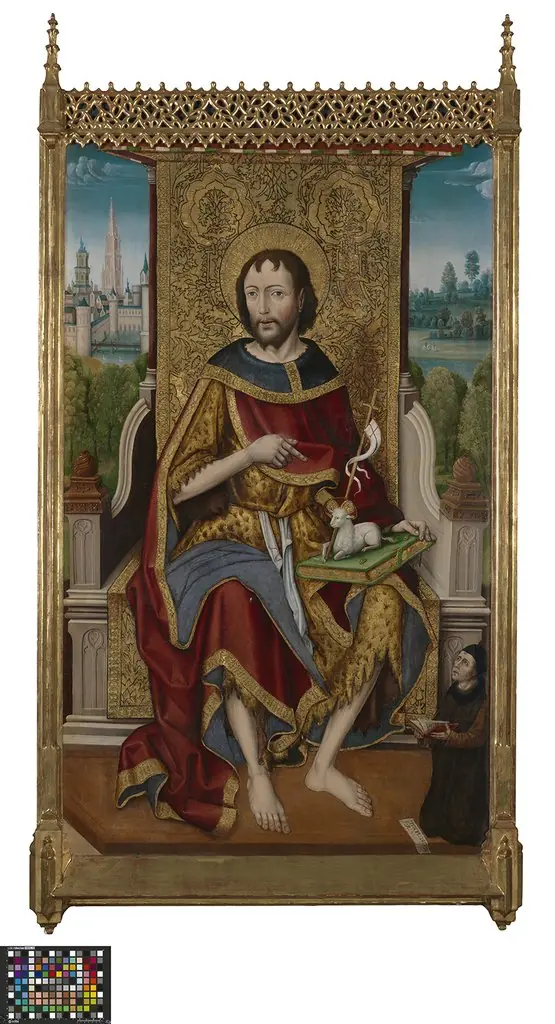 John the Baptist enthroned with the Founder Ivan de la Pena
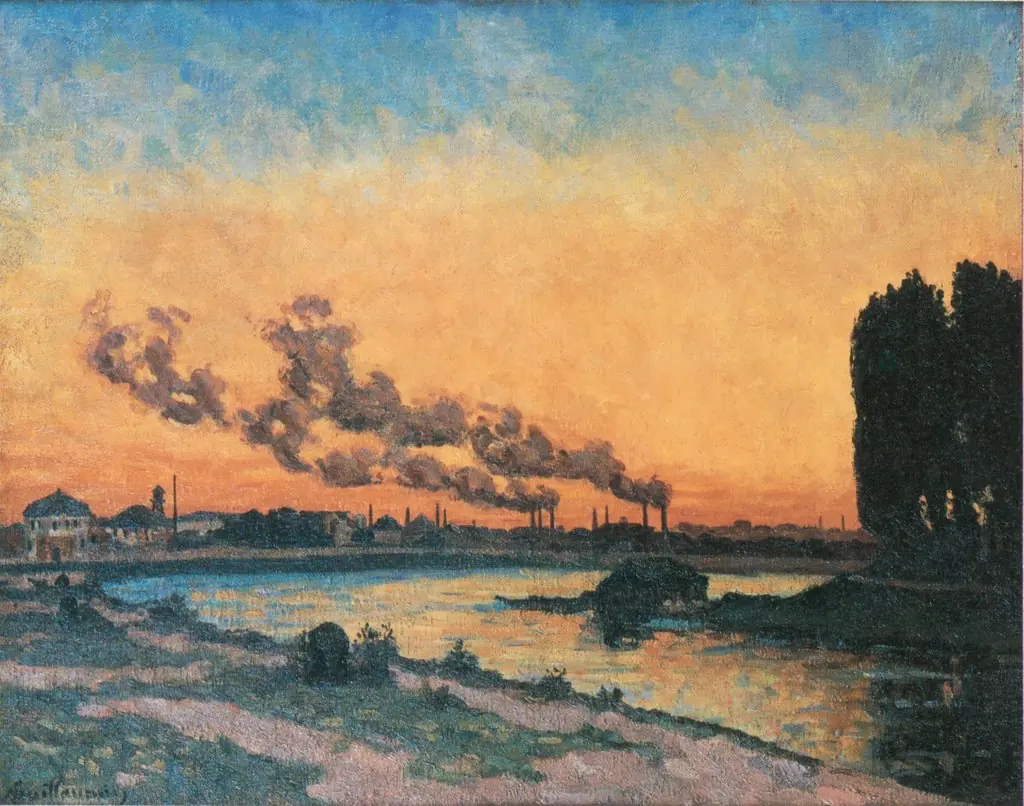 Soleil couchant à Ivry
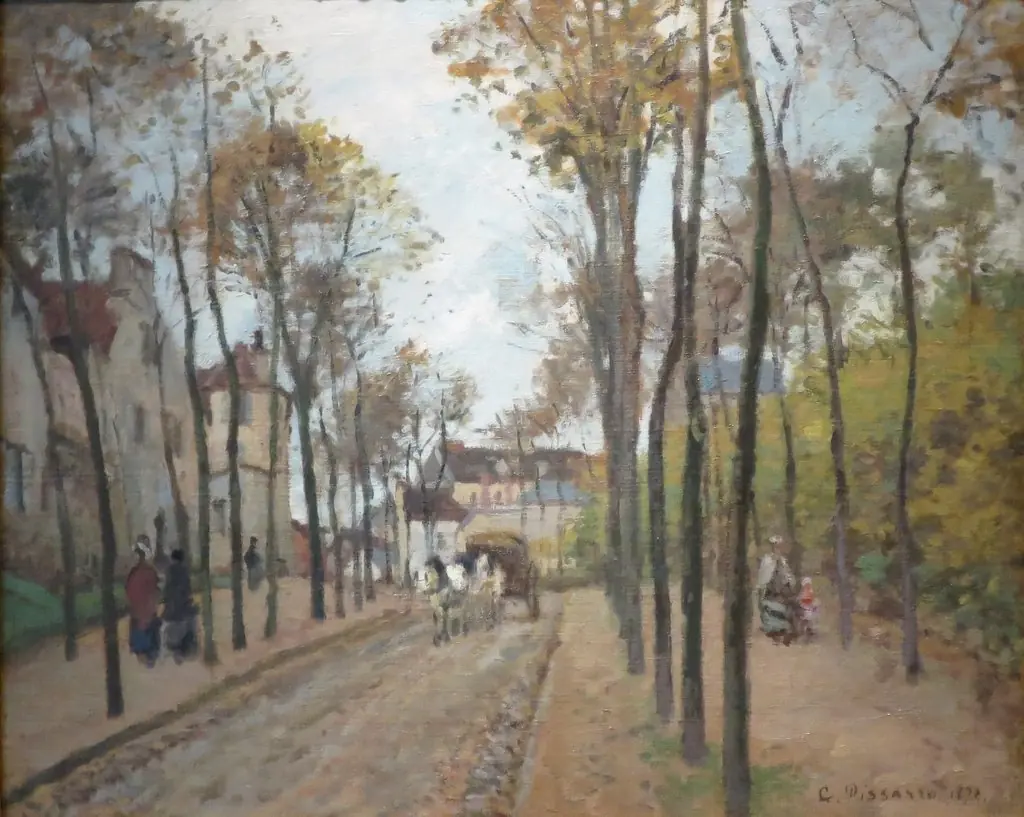 The Boulevard des Fossés, Pontoise
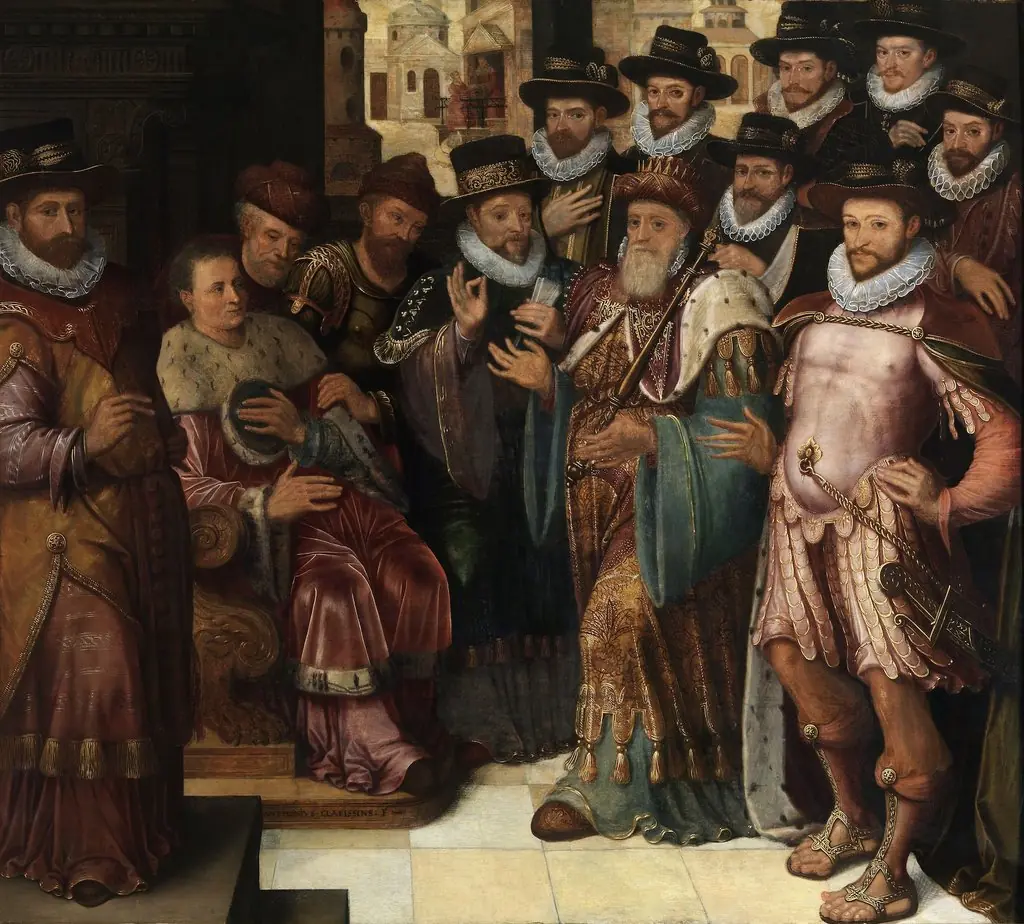 The judgement of Cambyses
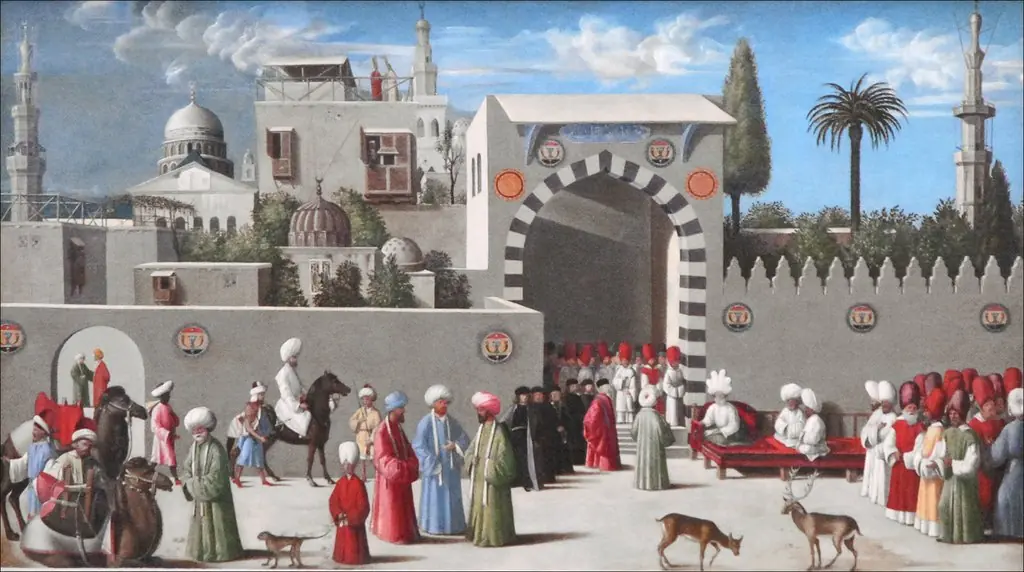 Reception of a Venetian Delegation in Damascus in 1511
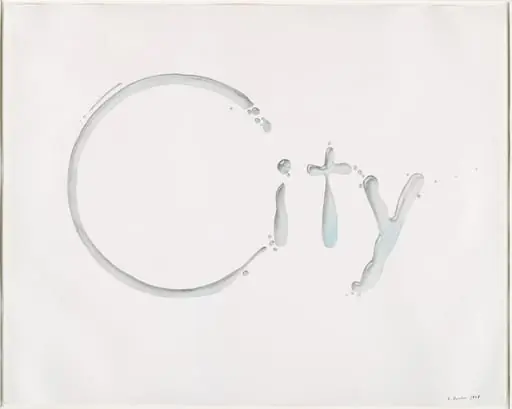 Untitled
Frequently asked questions
What is City?
City is a subject in art. A city is a human settlement of a substantial size.
How many City works does Artifact World Gallery have?
Artifact World Gallery holds 72 public-domain City works, all free to view and download.
Who are the key City artists?
Key City artists in the collection include Camille Pissarro, El Greco and Canaletto.
Where can I see City works?
City works in the collection are held by Metropolitan Museum of Art, Palace of Versailles and Groeningemuseum.