Artwork
Il Solimano, Act I
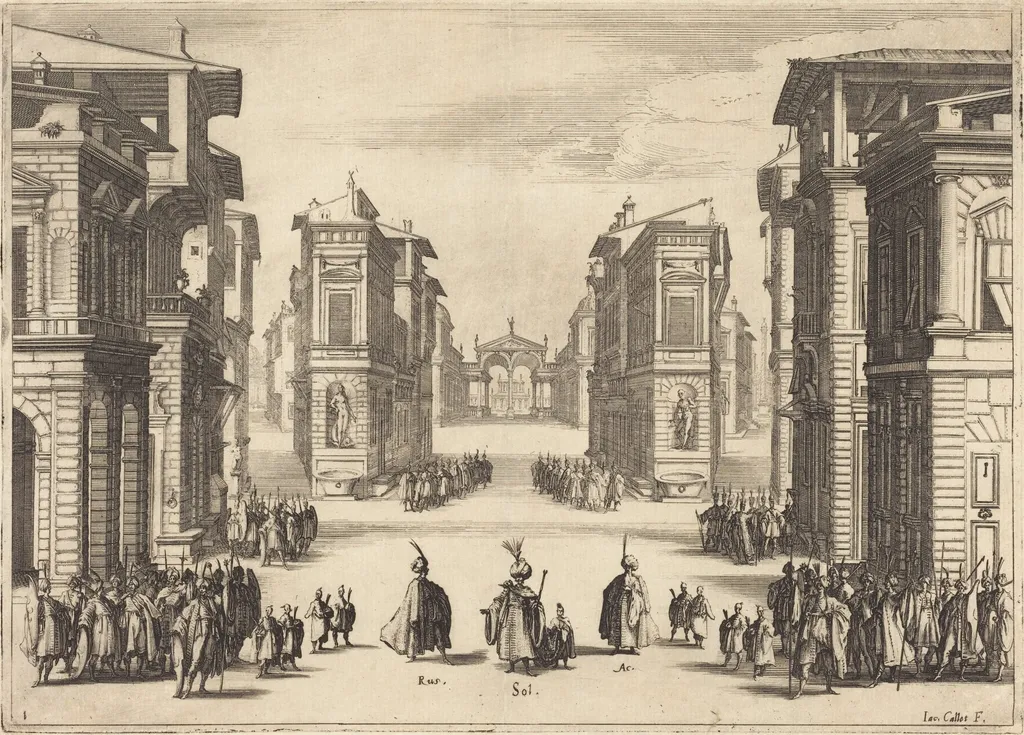
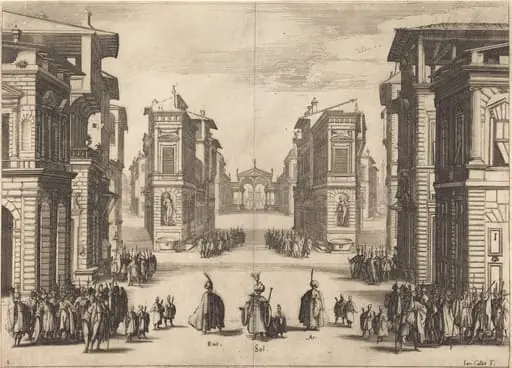
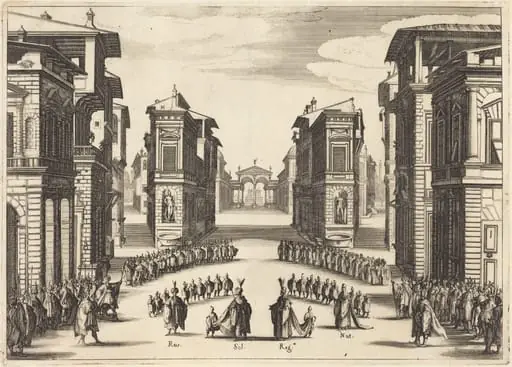
Il Solimano, Act I is an ink print by the Baroque artist Jacques Callot. It dates from 1620 and is held in the collection of the National Gallery of Art.
About this work
Overview
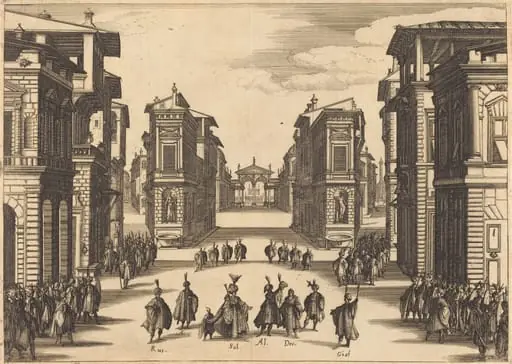
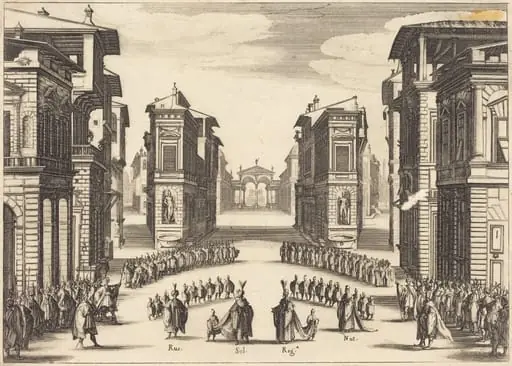
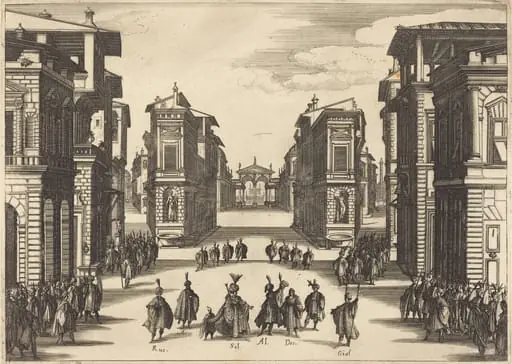
Jacques Callot’s Il Solimano, Act I is a 1620 print combining etching and engraving on laid paper. Part of the French Baroque tradition, the work reflects Callot’s skill in rendering intricate scenes with precision. This print belongs to a larger series depicting theatrical performances, capturing the visual richness of early 17th-century stage productions through meticulous detail.
Subject & Meaning
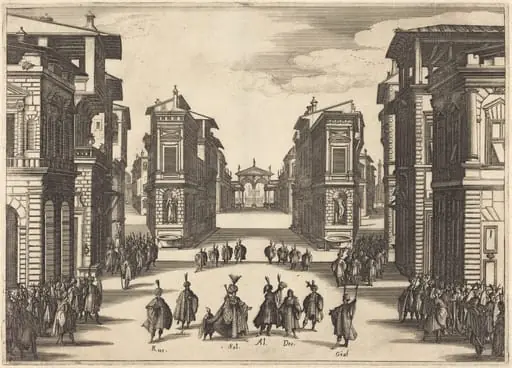
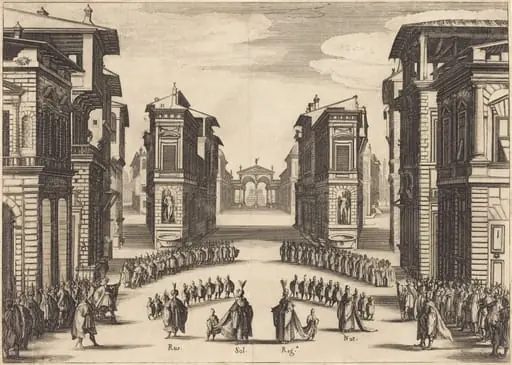
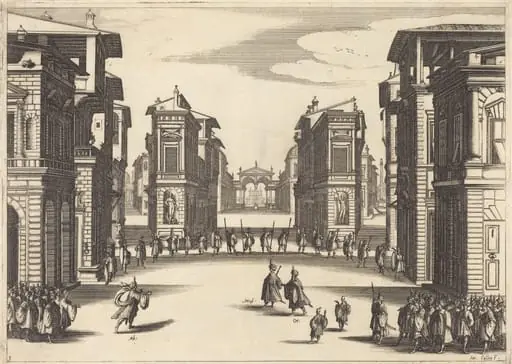
The print depicts a scene from the first act of Il Solimano, a theatrical work of the period. Figures in ornate costumes fill a grand urban setting, suggesting a procession or ceremonial gathering. The architectural backdrop, with its statues and balconies, reinforces the scene’s formal, performative nature, while the armed attendants hint at themes of power or spectacle central to the narrative.
Technique & Style
The technique allows for both delicate ornamentation on costumes and the structural solidity of buildings, demonstrating Callot’s command of intaglio methods.
Callot employed etching and engraving to achieve fine lines and layered textures, characteristic of Baroque printmaking. The composition balances dense figural groupings with architectural depth, using cross-hatching and stippling to model forms. The technique allows for both delicate ornamentation on costumes and the structural solidity of buildings, demonstrating Callot’s command of intaglio methods.
History & Provenance
Created in 1620, Il Solimano, Act I originates from Callot’s time in Florence, where he worked under the patronage of the Medici court. The print is part of a series documenting performances, likely commissioned to preserve the visual splendor of theatrical events. Its survival in collections reflects the enduring appeal of Callot’s work among print connoisseurs.
Context
The print emerges from a period when theater served as both entertainment and political display in European courts. Callot’s scenes of Il Solimano align with the era’s fascination with exoticism and grand spectacle, often drawn from historical or mythological narratives. His work captures the intersection of art, performance, and social hierarchy in Baroque culture.
Legacy
Callot’s prints, including Il Solimano, Act I, influenced later generations of printmakers through their technical virtuosity and narrative clarity. The work’s detailed depiction of costume and architecture provides historical insight into early modern stagecraft. Today, it remains a key example of Baroque printmaking, valued for its artistic and documentary significance.
Own this work as a print
Artist & collection
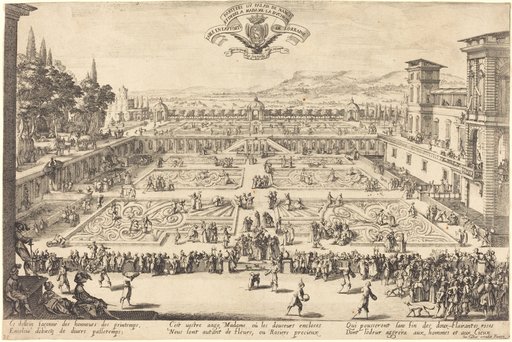
Artist
Jacques Callot (French: ; c. 1592 – 1635) was a baroque printmaker and draftsman from the Duchy of Lorraine. He is an important person in the development of the old master print. He made more than 1,400 etchings that…

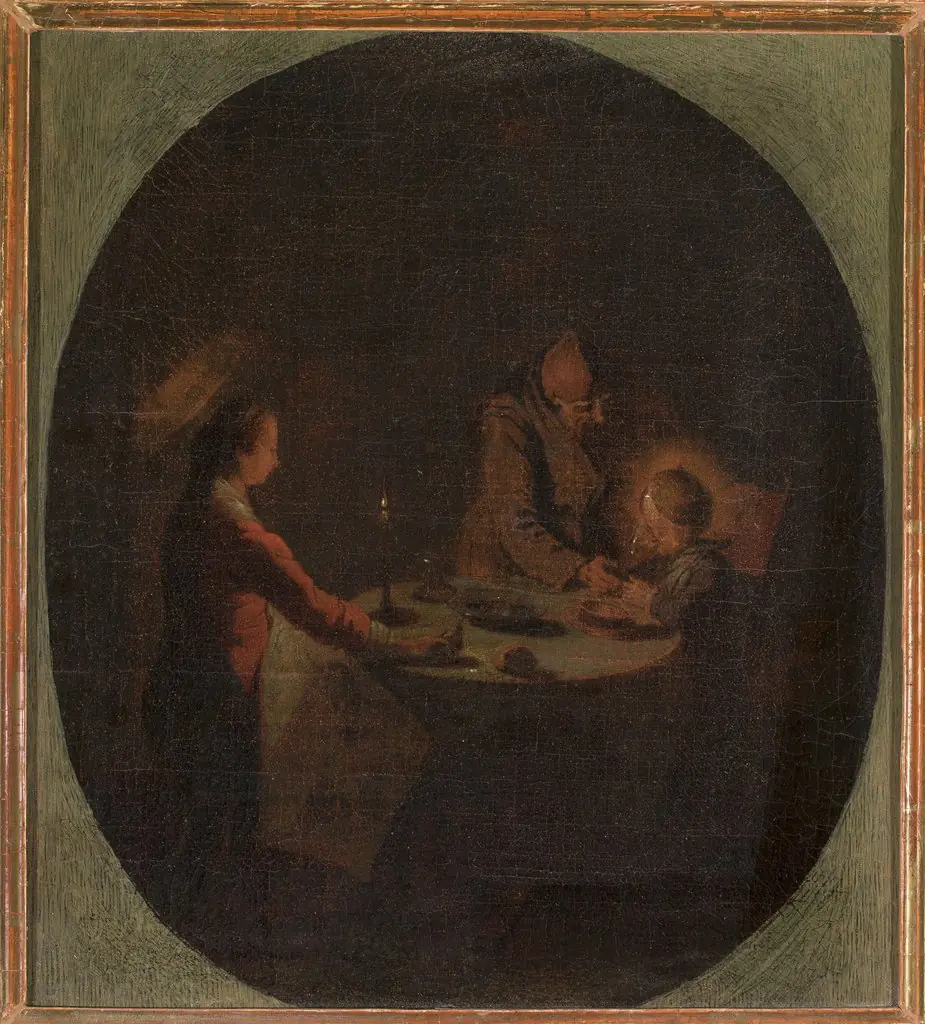 Holy Family at supper
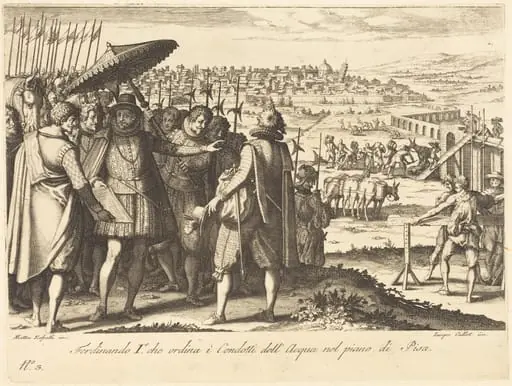 Restoration of the Aqueduct at Pisa
 Restoration of the Aqueduct at Pisa
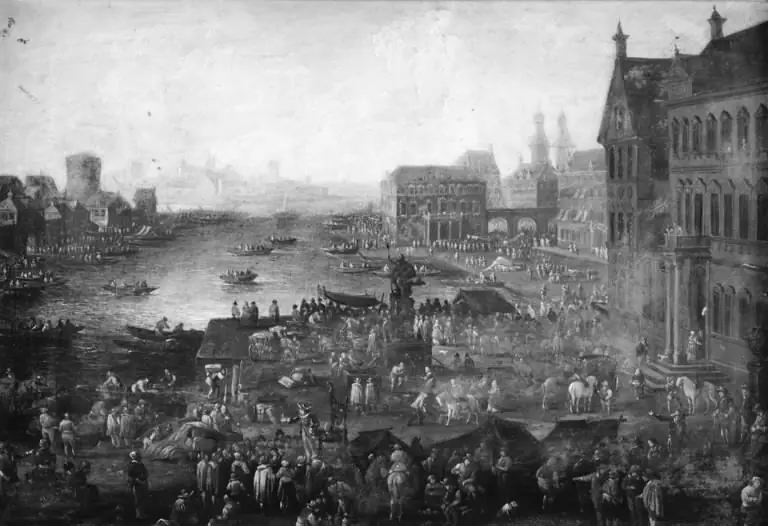 Square in Paris with Many Figures
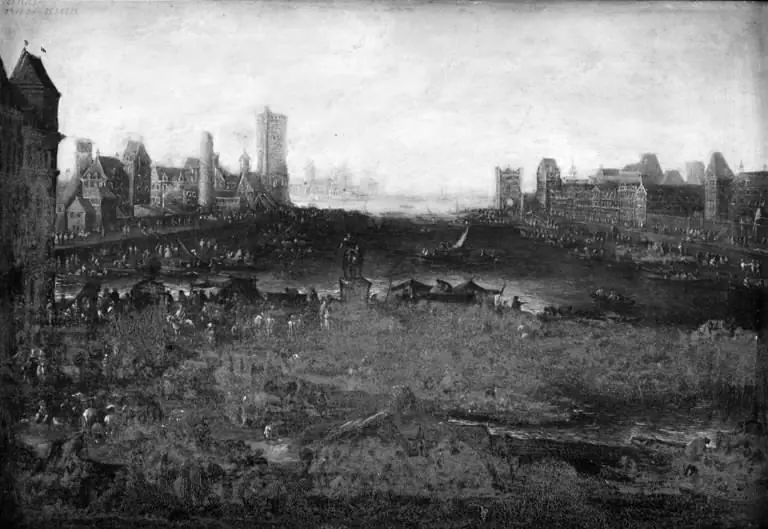 Square in Paris with Many Figures
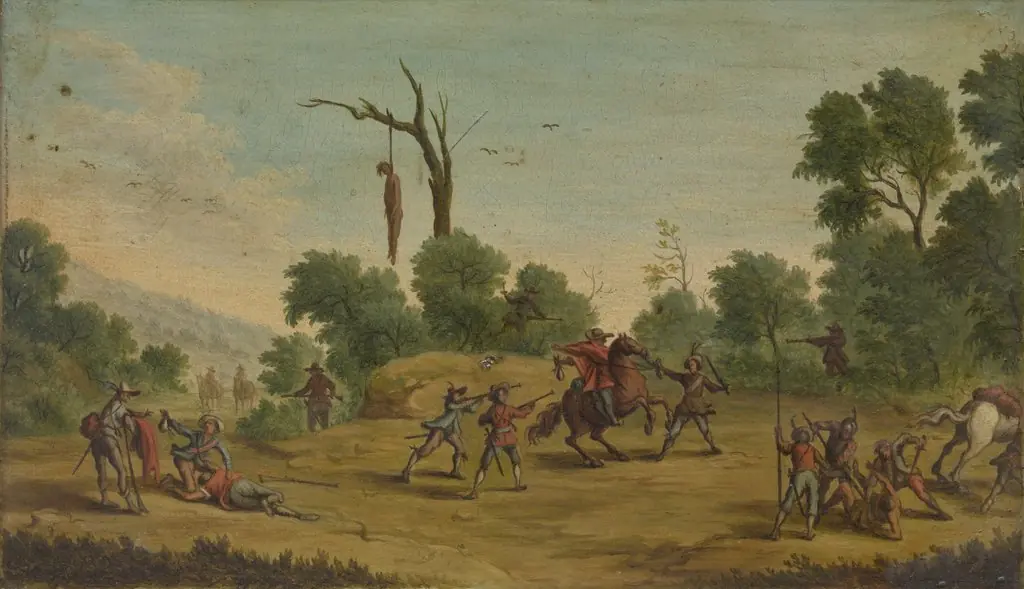 Horsemen Attacked by Robbers
 HOW WILL A COVERED PART BE CORRECTED?HOW WIKA A COVERED HEART DEED CORRECTED?
![Christ Walking on the Water [second plate], by Jacques Callot](https://artifactworldgallery.com/img/jacques-callot--christ-walking-on-the-water-second-plate--2069f3bfe4cb2126-w320.webp) Christ Walking on the Water [second plate]
Christ Walking on the Water [second plate]