Artwork
Jesus with the Pharisees
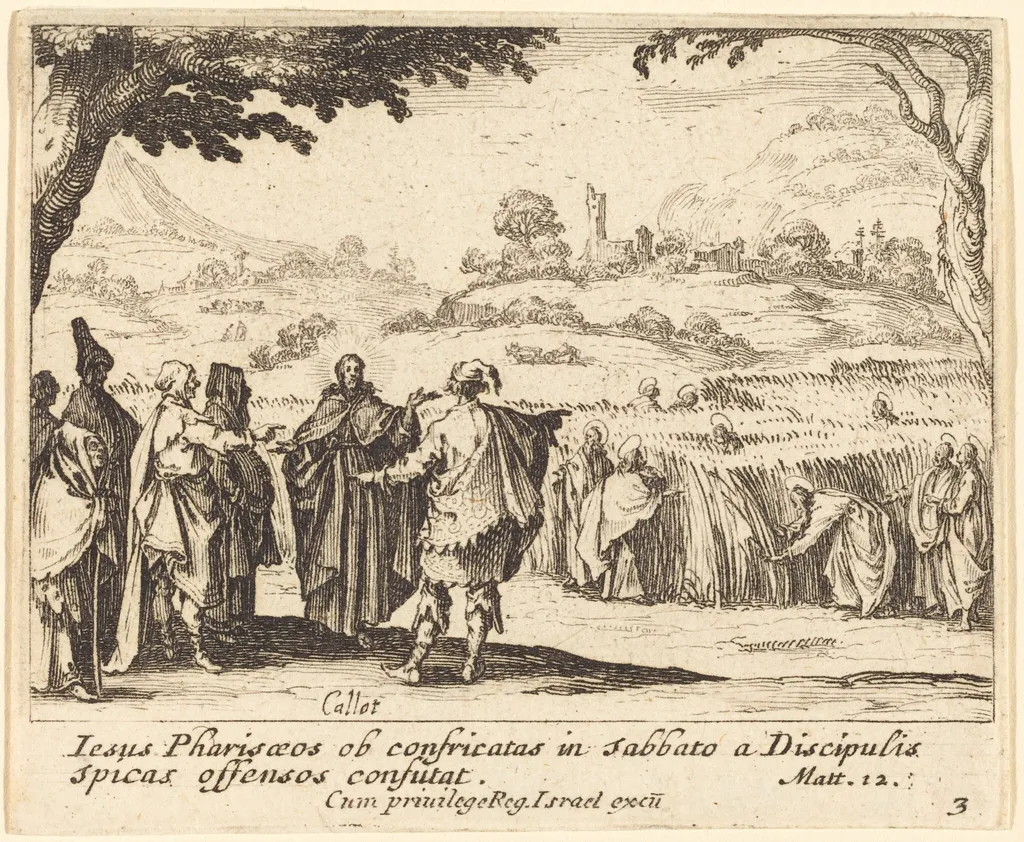
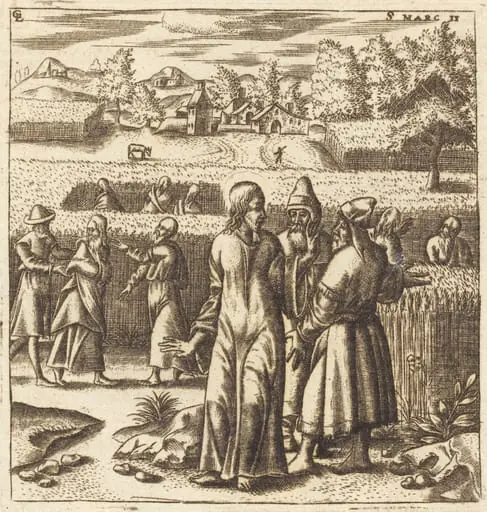
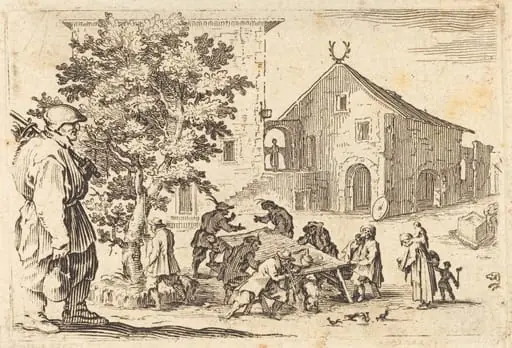
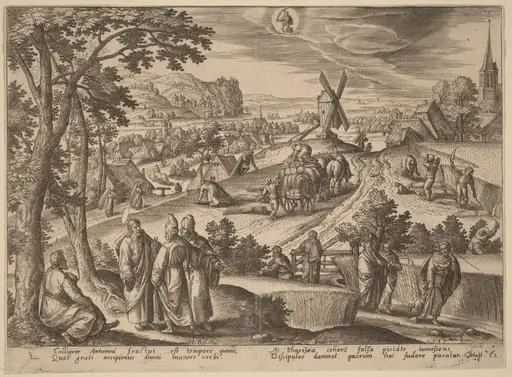
Jesus with the Pharisees is an ink print by the Baroque artist Jacques Callot. It dates from 1635 and is held in the collection of the National Gallery of Art.
About this work
Overview
This piece is one of many in his oeuvre that translates scriptural narratives into intimate, human-scale scenes, rendered with precision and emotional nuance.
Created in 1635 by Jacques Callot, this etching on laid paper captures a moment from the New Testament in which Jesus engages with the Pharisees. As a printmaker from the Duchy of Lorraine, Callot produced hundreds of works that blended religious themes with keen observations of daily life. This piece is one of many in his oeuvre that translates scriptural narratives into intimate, human-scale scenes, rendered with precision and emotional nuance.
Subject & Meaning
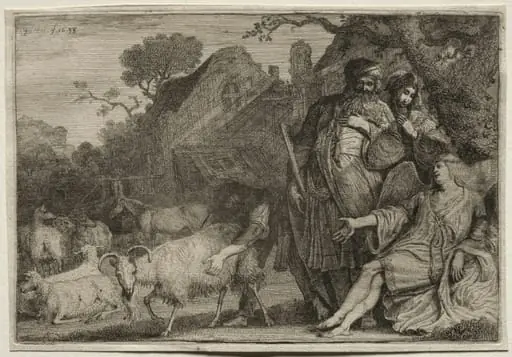
The scene depicts a confrontation between Jesus and a group of Pharisees, likely referencing their questioning of his authority. One figure in elaborate attire gestures emphatically, drawing attention as others observe or react with tension. The focus is less on Christ’s words than on the crowd’s varied expressions, skepticism, scrutiny, and unease, suggesting a meditation on moral authority and social division rather than doctrinal debate.
Technique & Style
Callot employed fine, controlled etching lines to define figures and textures, capturing the weight of fabric, the angle of gestures, and the rustle of movement. The background features a detailed village and sprawling fields under a gnarled tree, its branches framing the scene like a natural arch. The contrast between the intimate foreground and expansive landscape enhances the psychological gravity of the moment, typical of Callot’s narrative precision.
History & Provenance
The print was made during Callot’s mature period in Nancy, after years of working in Florence and Paris. It circulated among collectors and religious institutions in Lorraine and beyond, valued for its technical mastery and spiritual resonance. No specific early ownership records are documented, but its survival in multiple institutional collections suggests consistent appreciation among connoisseurs of Baroque printmaking.
Context
In mid-17th-century Europe, religious imagery remained central to print culture, even amid rising secular interests. Callot’s work responded to both devotional needs and the public’s appetite for visually rich biblical stories. His depictions avoided overt propaganda, instead emphasizing human psychology and social dynamics, aligning with broader trends in Counter-Reformation art that prioritized emotional engagement over dogma.
Legacy
Callot’s etchings influenced generations of printmakers through their technical innovation and narrative clarity. While not as widely known as his war scenes or carnival series, works like this one demonstrate his ability to infuse sacred subjects with psychological depth. Today, the print is studied for its composition and as an example of how religious themes were rendered with observational realism in early modern Europe.
Own this work as a print
Artist & collection
Artist
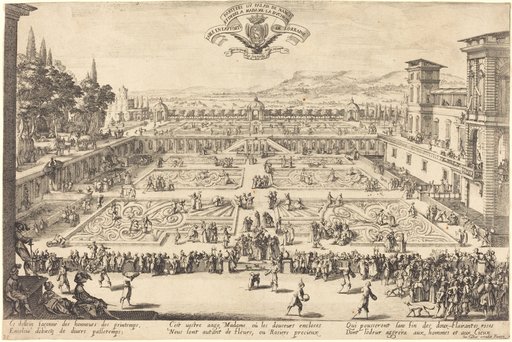
Jacques Callot (French: ; c. 1592 – 1635) was a baroque printmaker and draftsman from the Duchy of Lorraine. He is an important person in the development of the old master print. He made more than 1,400 etchings that…

 Holy Family at supper
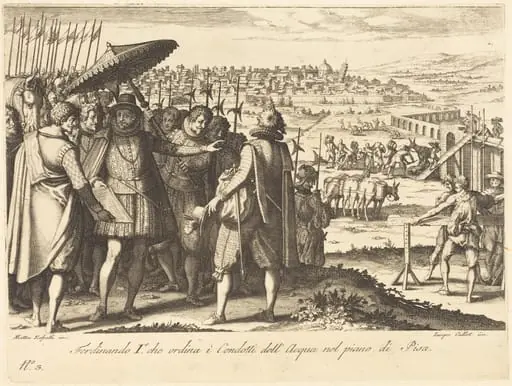 Restoration of the Aqueduct at Pisa
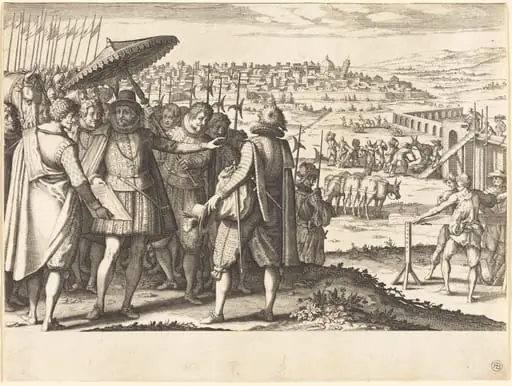 Restoration of the Aqueduct at Pisa
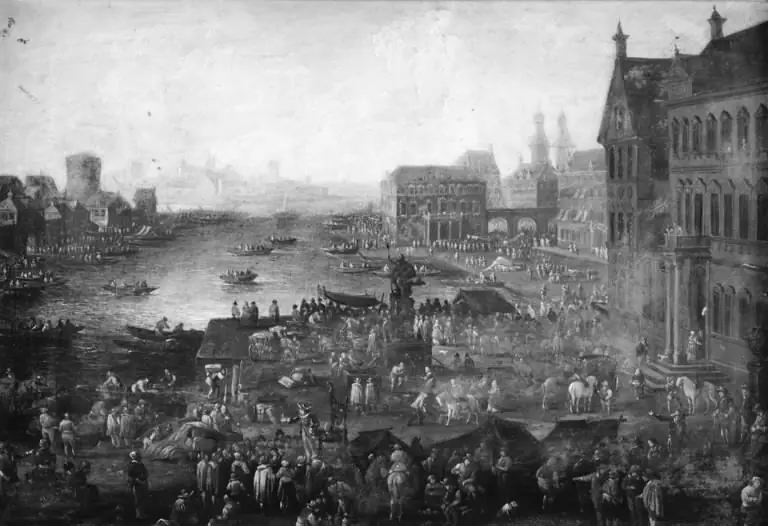 Square in Paris with Many Figures
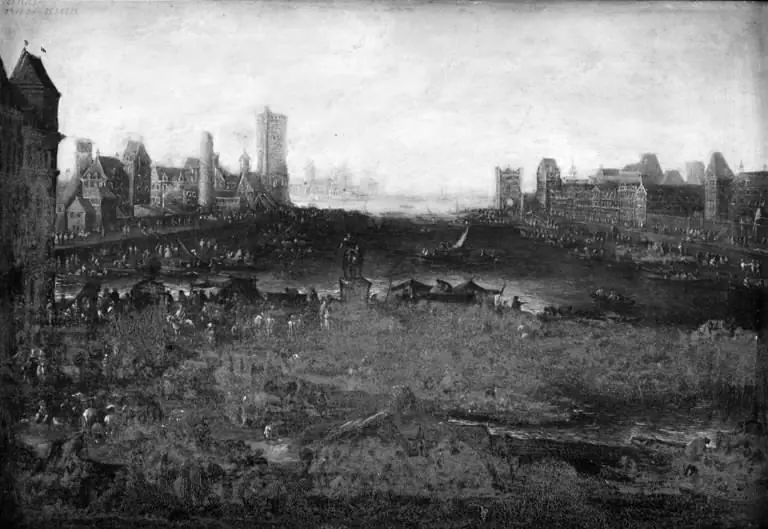 Square in Paris with Many Figures
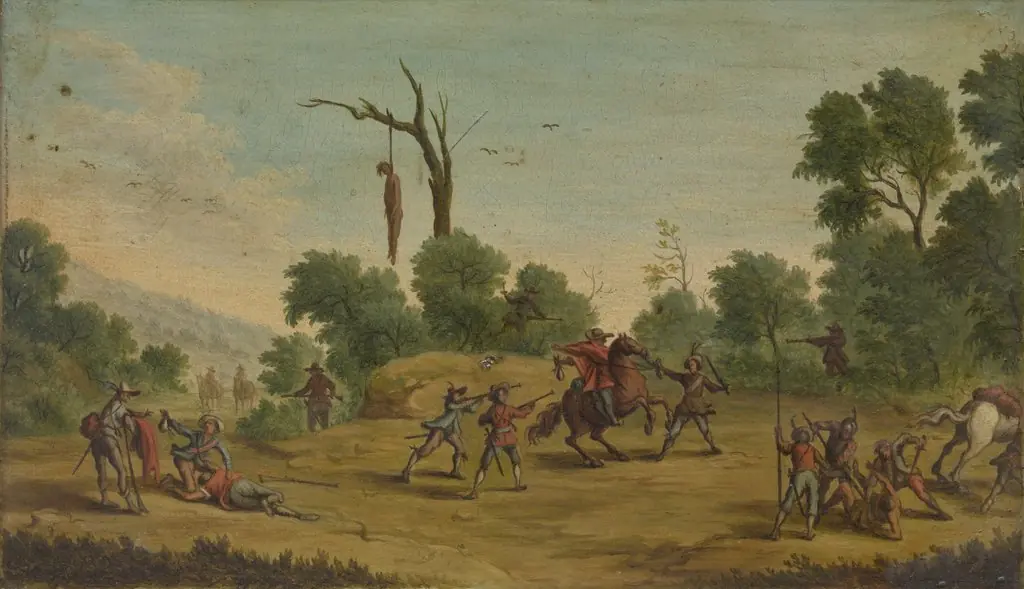 Horsemen Attacked by Robbers
 HOW WILL A COVERED PART BE CORRECTED?HOW WIKA A COVERED HEART DEED CORRECTED?
![Christ Walking on the Water [second plate], by Jacques Callot](https://artifactworldgallery.com/img/jacques-callot--christ-walking-on-the-water-second-plate--2069f3bfe4cb2126-w320.webp) Christ Walking on the Water [second plate]
Christ Walking on the Water [second plate]