Subject
Goat
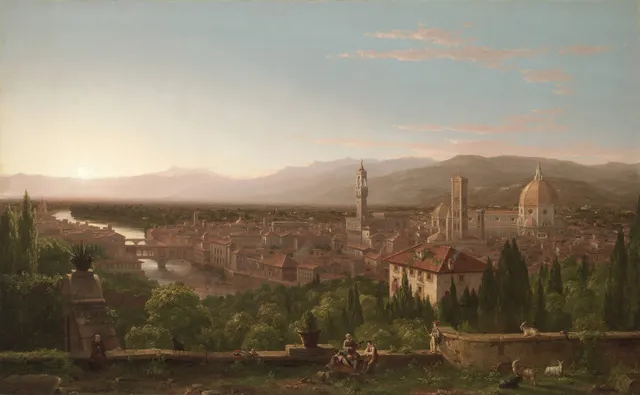
Goat is a subject in art. The gallery holds 69 works in this subject in art, including works by Thomas Cole, Lodewijk Tieling and Camille Pissarro.
Few animals have a longer or stranger career in art than the goat. Among the first animals domesticated—Capra hircus was bred from the wild bezoar goat (C. aegagrus) of Southwest Asia roughly 10,000 years ago—it entered the visual record as both a fixture of agricultural life and a vessel for the sacred. One of the earliest masterpieces of the genre is the so-called "Ram in a Thicket" from the Royal Cemetery at Ur (c. 2600–2400 BCE, now split between the British Museum and the Penn Museum), in fact a goat of gold, lapis lazuli, and shell rearing against a flowering tree—a cosmic image possibly tied to a sunrise ritual.
In the Greek world the goat became inseparable from Dionysus, god of wine and theatre. The very word "tragedy" derives from tragos (goat) and ōidē (song), echoing the goat-skinned performers who played satyrs or the goat sacrificed at the god's festivals. Through their fusion with the goat-legged god Pan, satyrs acquired their familiar horns and cloven hooves, and with them a reputation for unbridled lust that artists from antiquity through the Renaissance exploited. The same horned silhouette, crossed with the biblical scapegoat of Leviticus and the goat of Mendes, hardened into the cloven-hoofed Devil of Christian iconography, typically a black billy goat.
The pastoral tradition kept the goat earthbound and ordinary. Dutch and Flemish painters such as David Teniers the Younger placed goats among shepherds and flocks as emblems of rural plenty, a strain continued by nineteenth-century landscapists. William Holman Hunt made the animal tragic again in The Scapegoat (1854–56), painting a doomed goat on the shore of the Dead Sea as a Pre-Raphaelite meditation on sacrifice.
In the twentieth century the goat turned avant-garde. Pablo Picasso assembled his She-Goat (1950) from a wicker basket, palm fronds, and ceramic pots before casting it in bronze. Robert Rauschenberg answered with Monogram (1955–59), a taxidermied Angora goat ringed by a tire on a painted platform—one of the defining "Combines" that dissolved the border between painting and object. From Ur's gilded worshipper to Rauschenberg's tire-wreathed ram, the goat has carried fertility, transgression, and the sacred across five millennia of art.
Key artists


Overview
The goat, or domestic goat (Capra hircus), is a species of goat-antelope that has served as a recurring motif in art for millennia. Domesticated from the wild goat (C. aegagrus) of Southwest Asia and Eastern Europe, it was among the first animals to be domesticated by humans, with evidence of domestication dating back approximately 10,000 years to sites such as Ganj Dareh in Iran. As a subject in art, the goat carries multivalent significance, appearing across cultures and periods as a symbol of pastoral life, religious sacrifice, pagan ritual, and demonic association. Its presence in a single institutional collection spans 80 works, ranging from biblical scenes and landscapes to genre paintings, reflecting the animal's deep integration into human visual culture.
Iconography & meaning
The iconography of the goat encompasses sacred and profane registers. In religious contexts, goats appear in biblical narratives, notably in the Israelite ritual of the scapegoat, where one of two goats was symbolically burdened with the sins of the community and sent into the wilderness. This duality, purification and banishment, informs much of the animal's symbolic weight. In classical mythology, the goat connects to nurturing and fertility through figures such as Amalthea, the goat who nursed the infant Zeus. Norse mythology features goats pulling the chariot of Thor, while the Scandinavian Yule goat persists in folk tradition. Conversely, the goat became associated with witchcraft and demonic imagery in medieval and early modern Europe, a tradition culminating in the goat-headed depiction of Satan and the witches' sabbath. The Dutch and German medieval sources note that goats were sometimes linked to witches and devils, the buck's odor and sexual vigor contributing to this negative symbolism. The animal's horizontal, slit-shaped pupils, noted in biological descriptions, have occasionally lent it an uncanny or otherworldly appearance in visual representation.
Across movements & periods
The treatment of the goat in art shifted considerably across movements and cultures. In ancient and medieval art, goats appeared in Mediterranean and Near Eastern contexts as sacrificial animals and attributes of deities. With the rise of Christian art, the goat acquired negative connotations through its association with the damned in Last Judgment scenes and with demonic figures. The Renaissance and Baroque periods saw the goat return to pastoral and mythological contexts, often as part of idealized landscapes or bacchanalian scenes. The Dutch Golden Age elevated the goat to a prominent place in landscape and genre painting, where it served as an authenticating detail of rural life, as seen in the collection's polder scenes and goatherd subjects. In the eighteenth and nineteenth centuries, Romantic and Realist artists employed goats to evoke pastoral nostalgia or social commentary on peasant life. The modern period brought more radical reinterpretations, most notably in Francisco de Goya's Witches' Sabbath or The Great He-Goat (1820-1823), where the goat-form of Satan dominates a coven of witches in one of the artist's fourteen Black Paintings. Goya's mural, originally executed in oil on plaster at his house, the Quinta del Sordo, transferred to canvas around 1874, represents perhaps the most psychologically charged deployment of the goat in Western art, linking the animal to themes of violence, intimidation, aging, and death.
Notable depictions
Among the most significant depictions of the goat in art history is Francisco de Goya's Witches' Sabbath or The Great He-Goat (El gran cabrón), painted between 1820 and 1823. This monumental work, measuring 140.5 by 435.7 cm, depicts Satan as a goat in moonlit silhouette presiding over a coven of terrified old women. Originally painted in oil on plaster wall at Goya's farmhouse outside Madrid, it was transferred to canvas after the artist's death, losing approximately 140 cm from its right-hand side in the process. The title, given by painter Antonio Brugada, derives from the Basque akelarre, combining akerra (male goat) with larre (field). The work is now held in the Museo del Prado, Madrid, following its donation by the Belgian owner Frédéric Émile d'Erlanger in 1881. Other notable depictions in the collection include The Goat Girl and Village Scene, Grasse, though specific artists for these works are not provided in the source material. The collection's landscape and biblical works, such as Landscape with Goatherd and The Rebuke of Adam and Eve, represent more conventional treatments of the subject across European painting traditions.
Legacy
The goat's afterlife in visual culture extends from its ancient roles in sacrifice and pastoral idyll to its persistent power as a symbol of the demonic and the Other. Goya's Witches' Sabbath has proven particularly influential, with its raw expression of disillusionment and its critique of superstition and authoritarian power resonating through subsequent centuries of art history. The work's transfer from private mural to museum masterpiece illustrates the changing fortunes of the Black Paintings, which were created in secrecy and only gradually entered public consciousness. In broader cultural terms, the goat continues to circulate between positive and negative poles, from the Yule goat and pastoral innocence to heavy metal imagery and contemporary slang, where "GOAT" has become an acronym for "Greatest of All Time." The 2026 animated film Goat, produced by Columbia Pictures and Sony Pictures Animation, represents a recent commercial appropriation of the motif, featuring an anthropomorphic goat protagonist in a sports narrative. The animal's persistence across 80 works in a single collection, spanning from Renaissance biblical scenes to nineteenth-century landscapes, testifies to its enduring utility as a vehicle for human concerns about nature, religion, and society.
Works
 The Ark
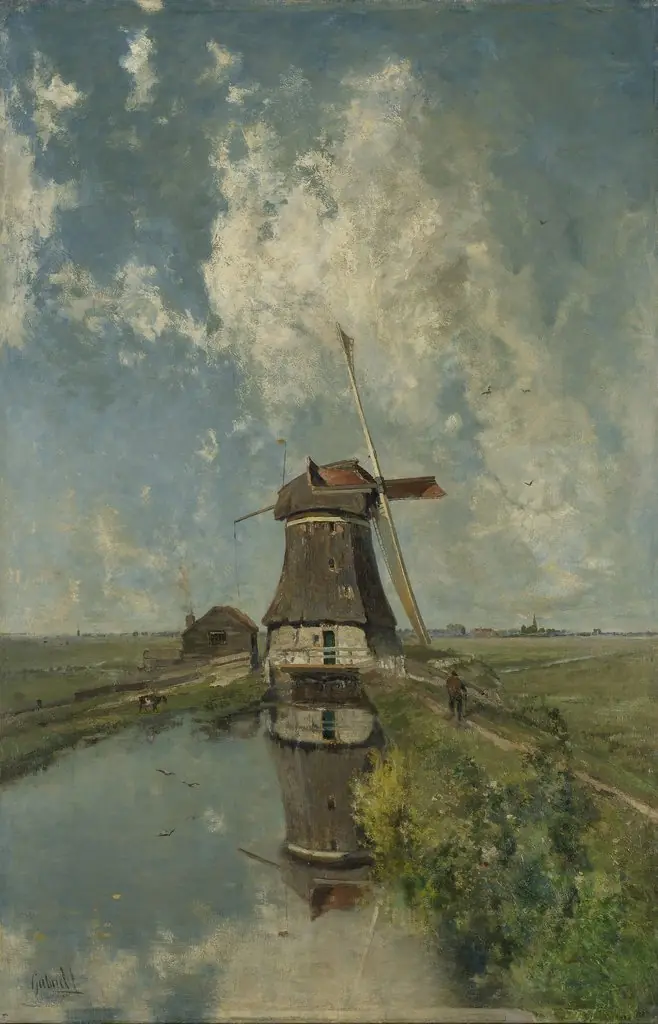 A Windmill on a Polder Waterway, Known as ‘In the Month of July’
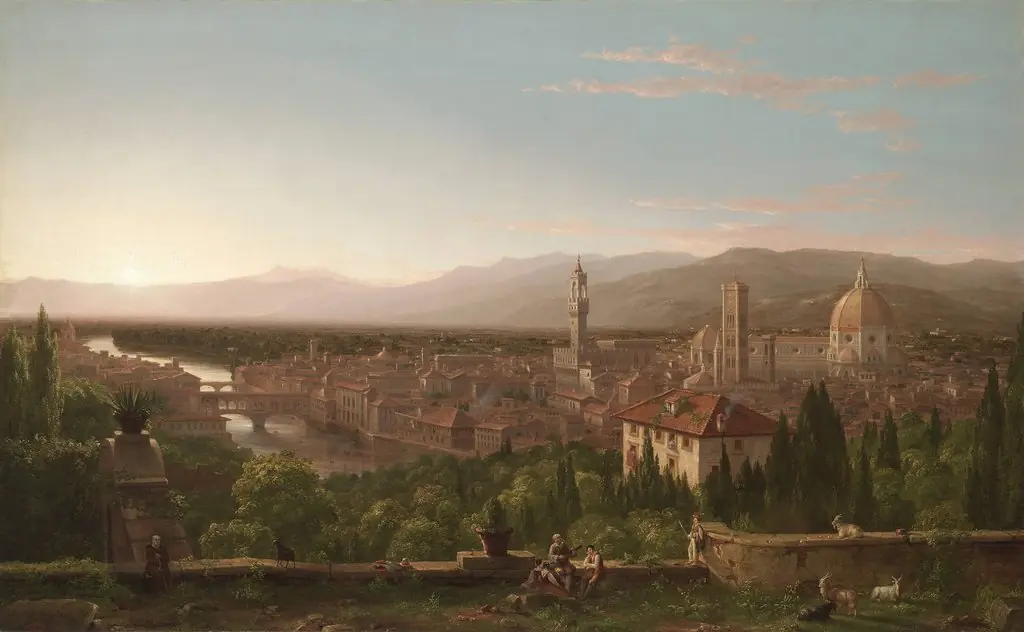 View of Florence
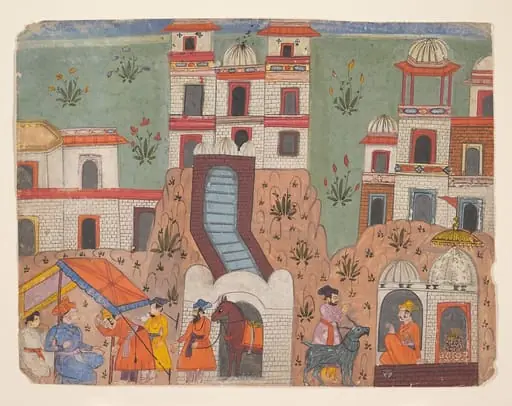 Untitled
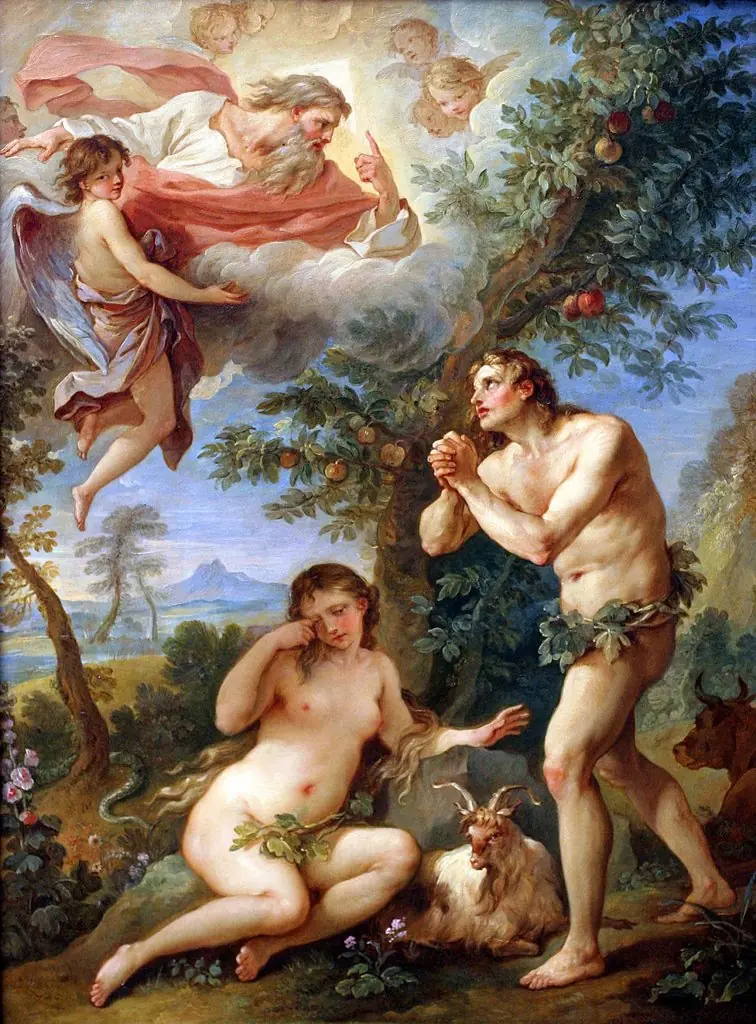 The Rebuke of Adam and Eve
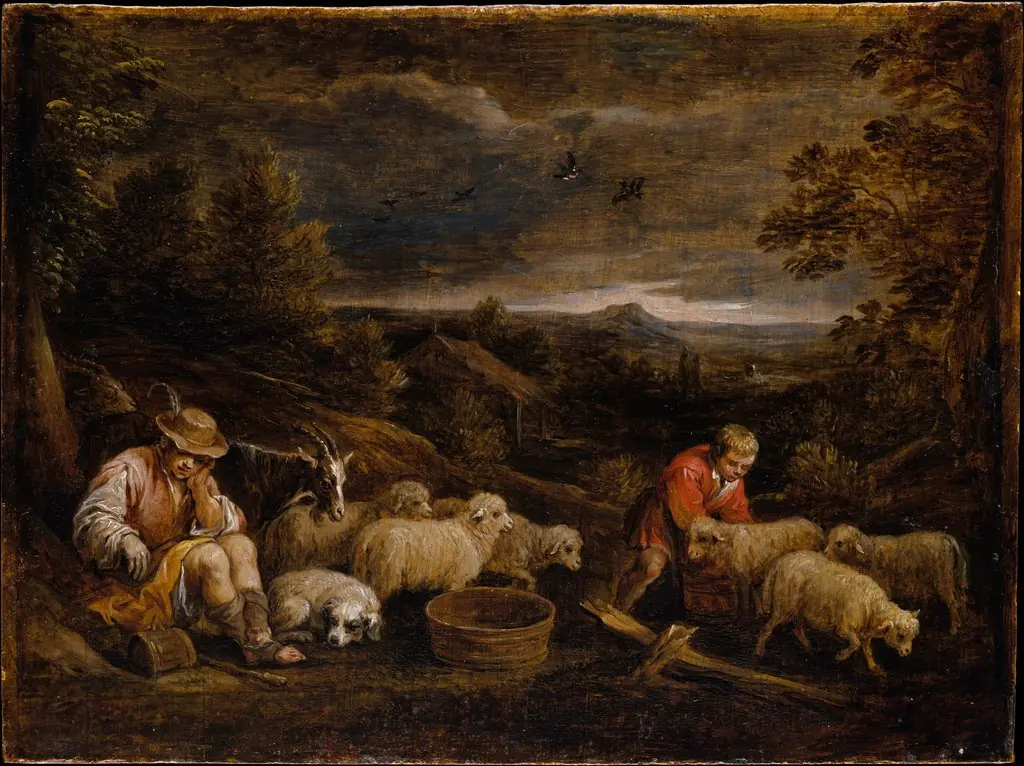 Shepherds and Sheep
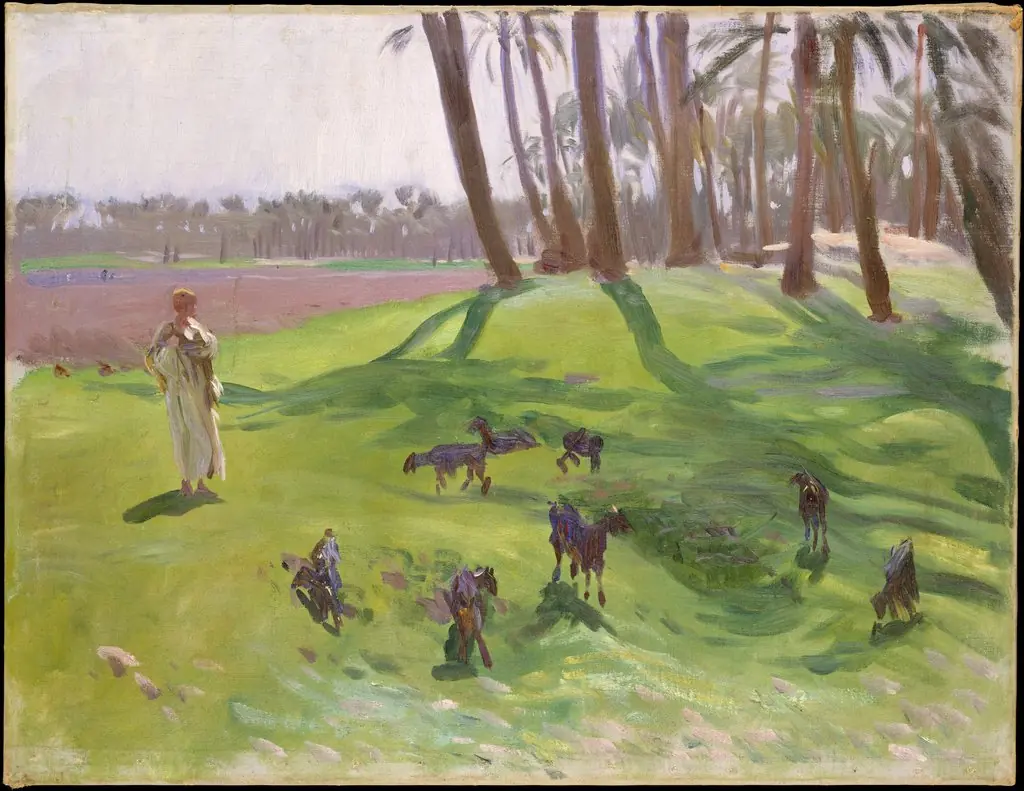 Landscape with Goatherd
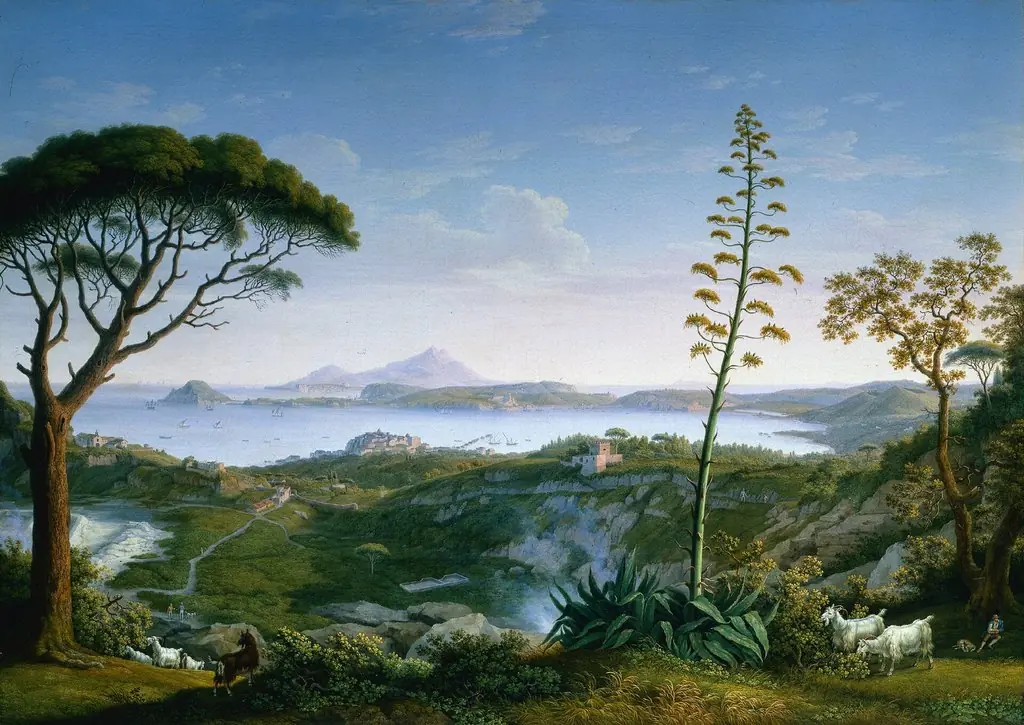 View of the Gulf of Pozzuoli from Solfatara
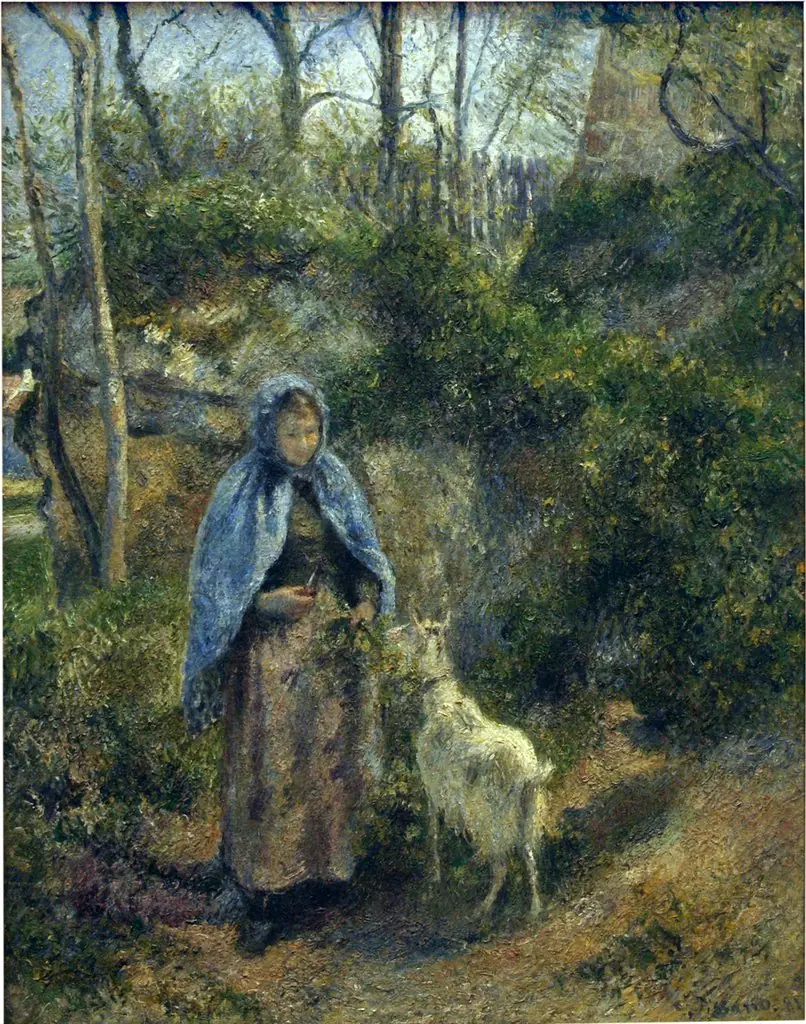 The Goat Girl
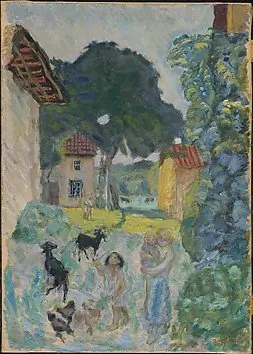 Village Scene, Grasse
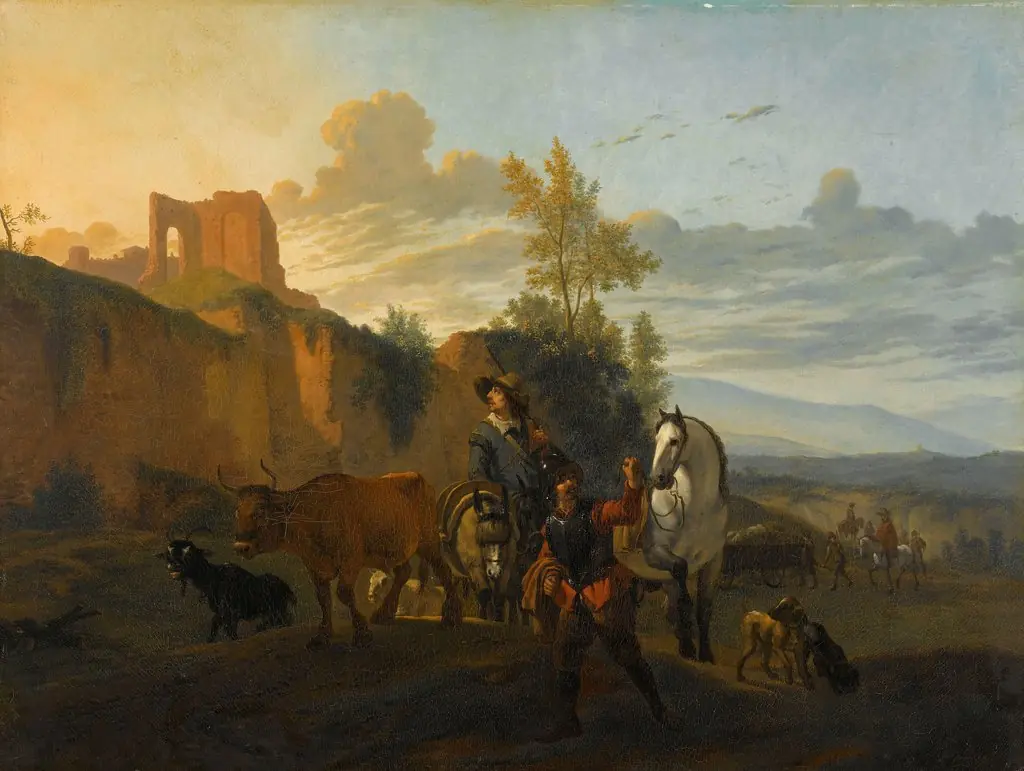 Italian landscape with soldiers
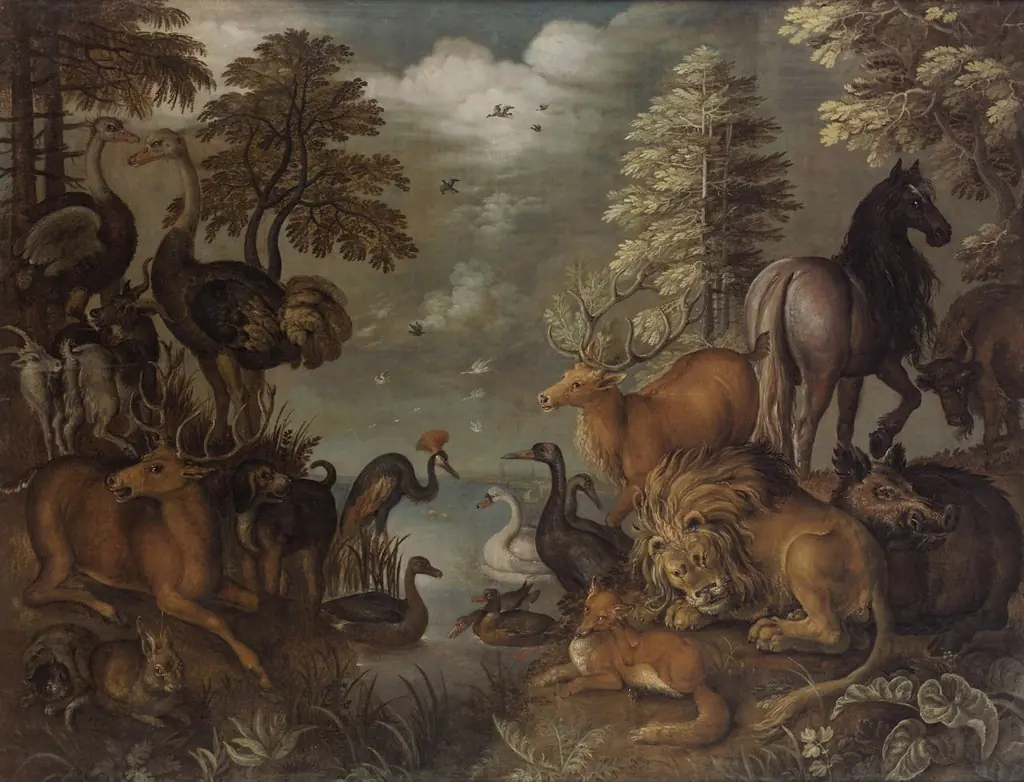 Große Landschaft mit Tieren
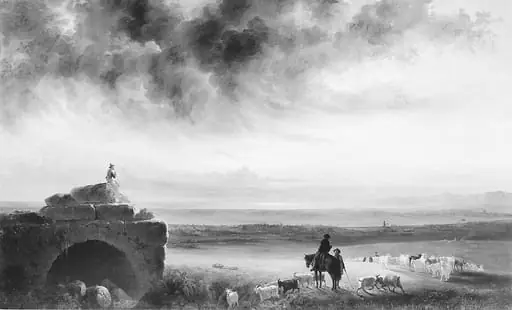 The Roman Campagna
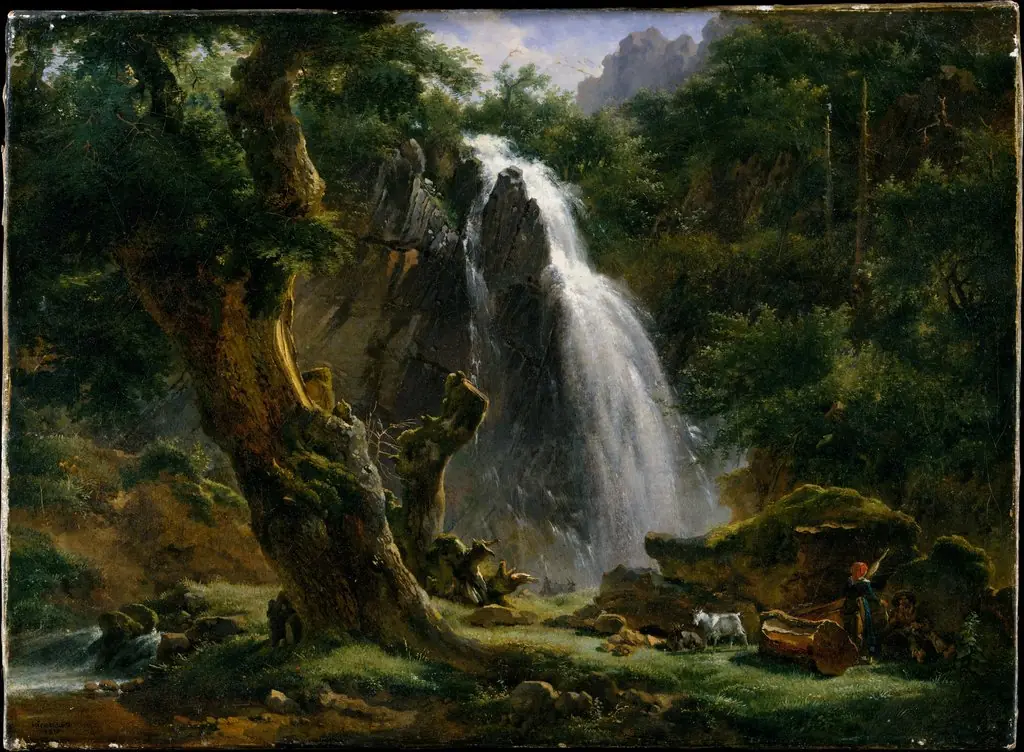 Waterfall at Mont-Dore
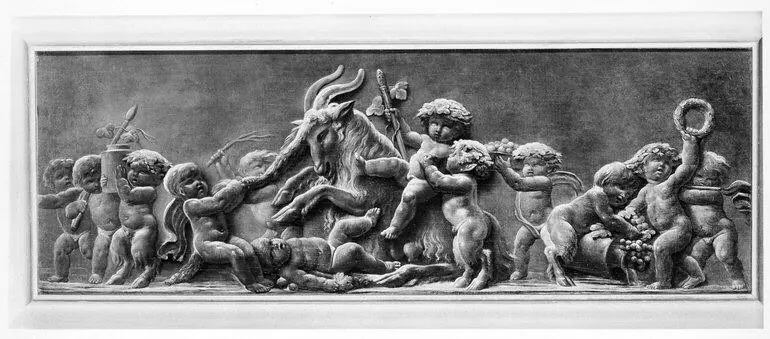 Infant Bacchanal
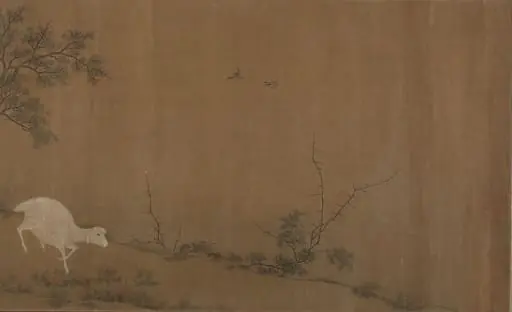 清 佚名 群羊圖卷絹本設色|Landscape with goats
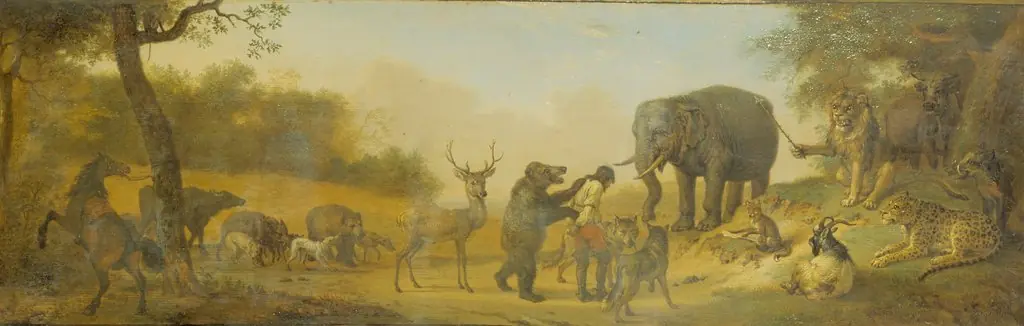 Hunter and Hounds being Judged
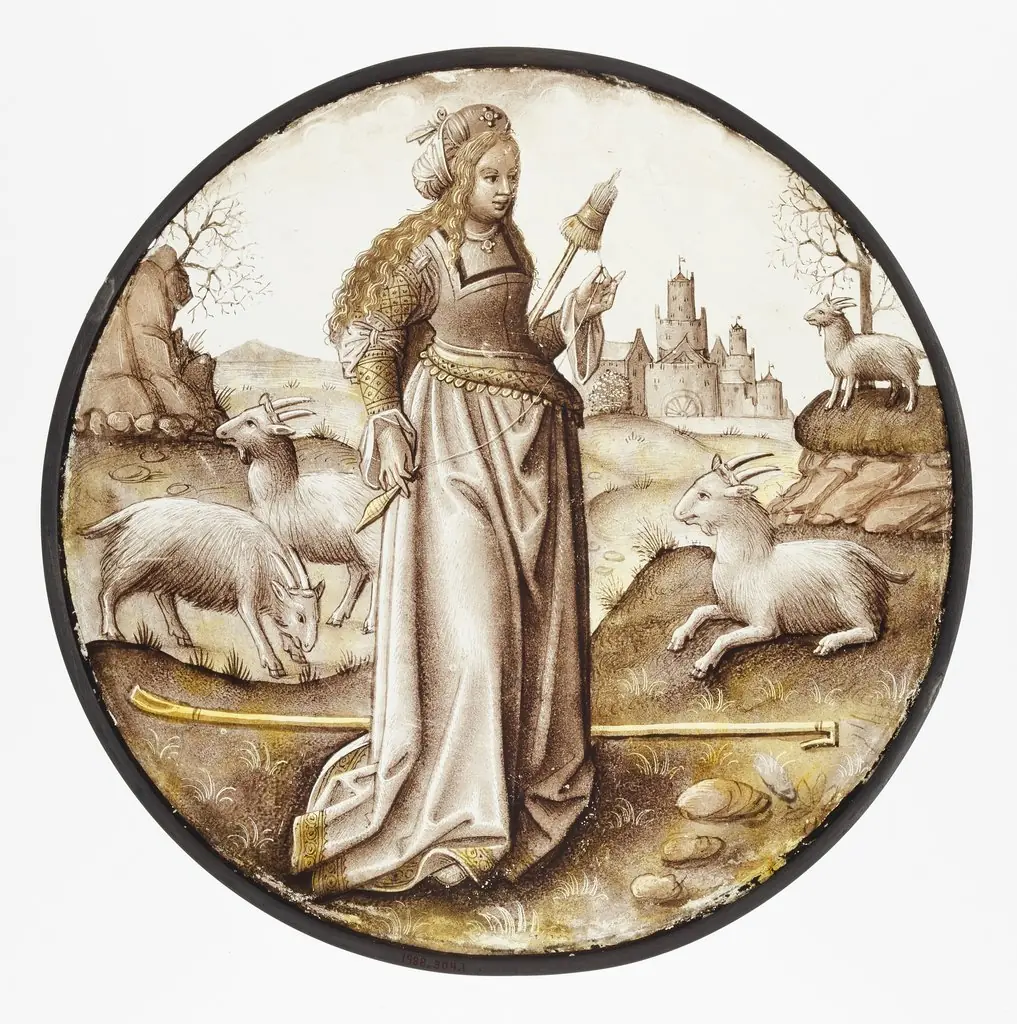 Roundel with Allegorical Figure
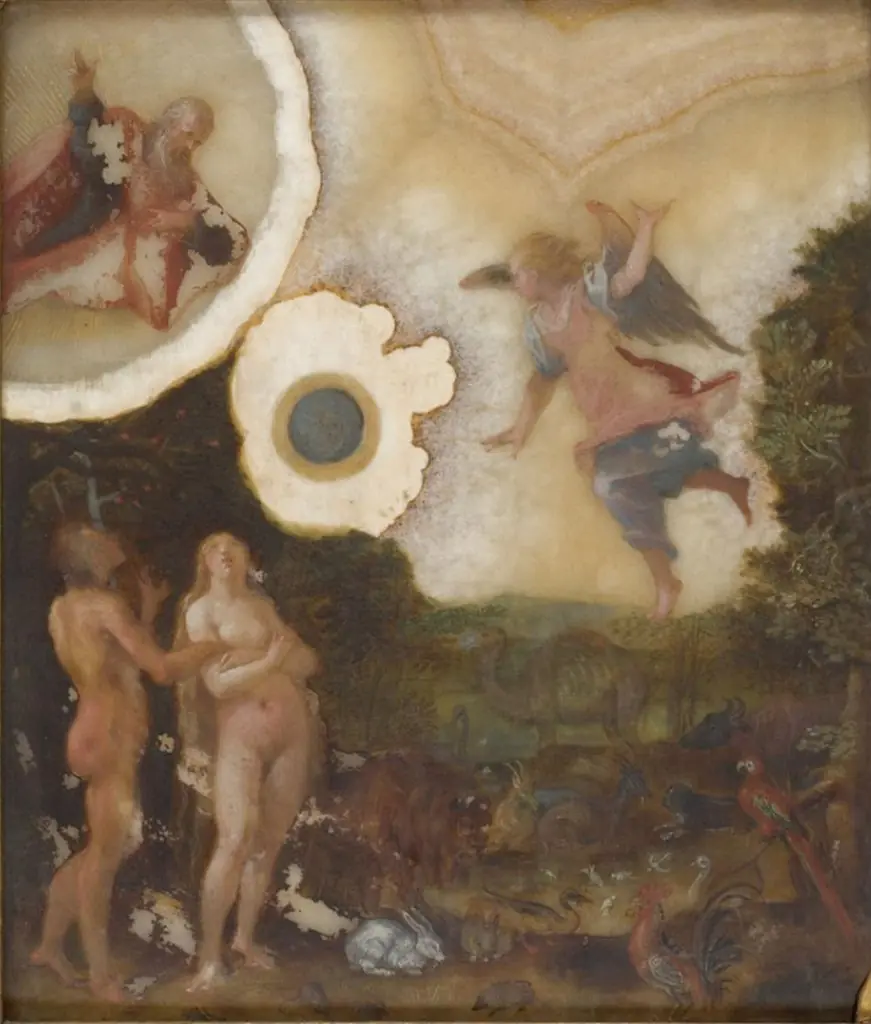 Expulsion from earthly Paradise.
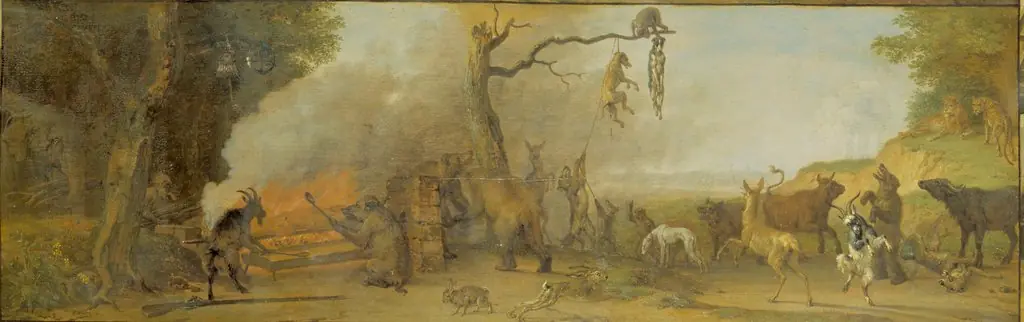 Execution of Hunter and Hounds
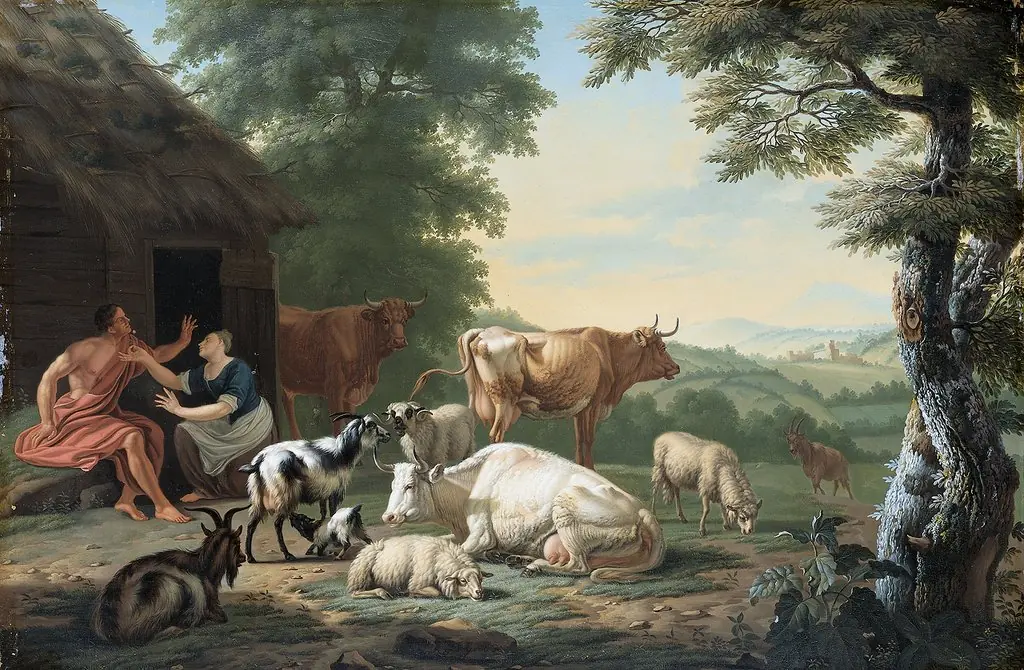 Arcadian Landscape with Shepherds and Animals
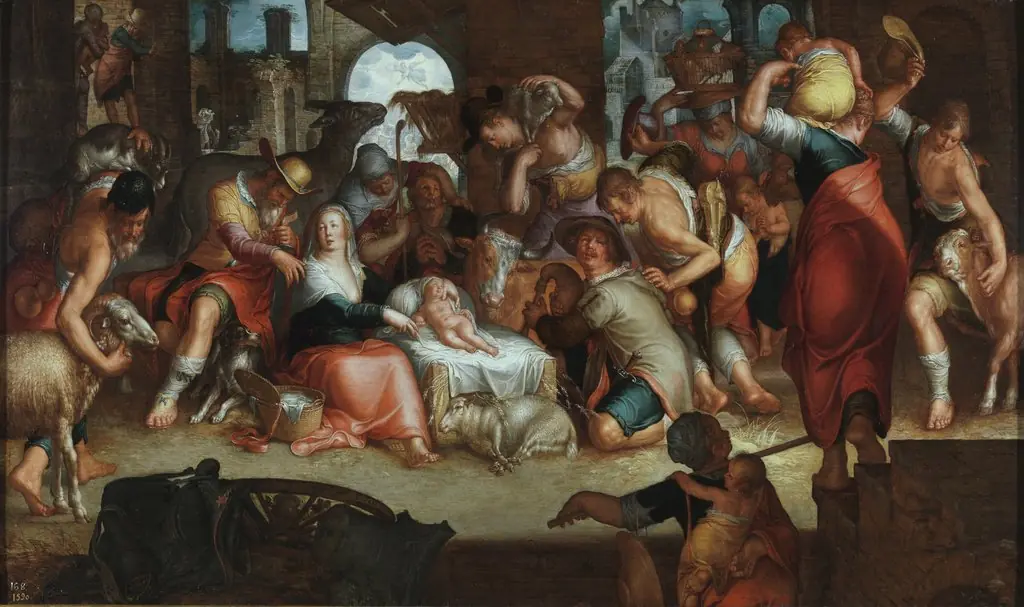 Adoration of the Shepherds
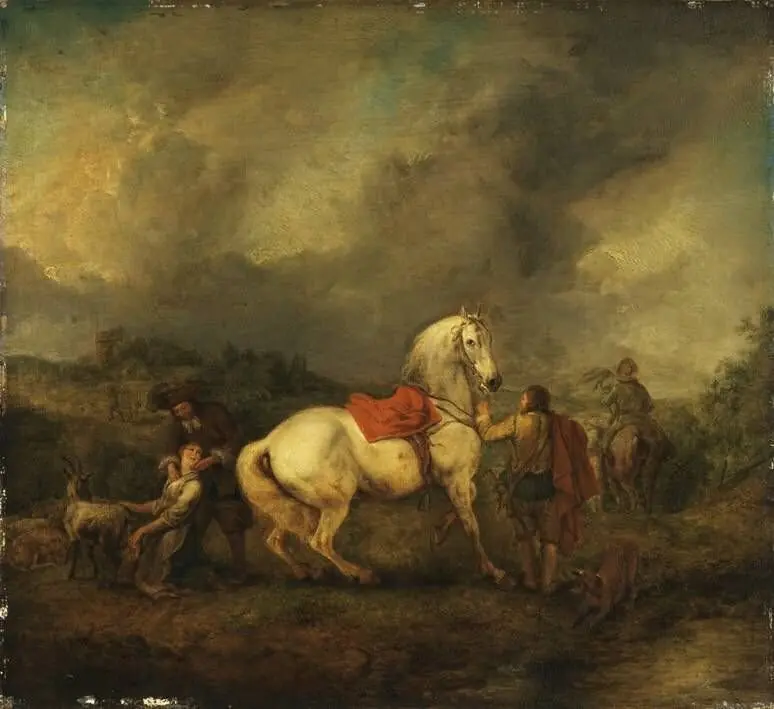 Falconer before Riding Out
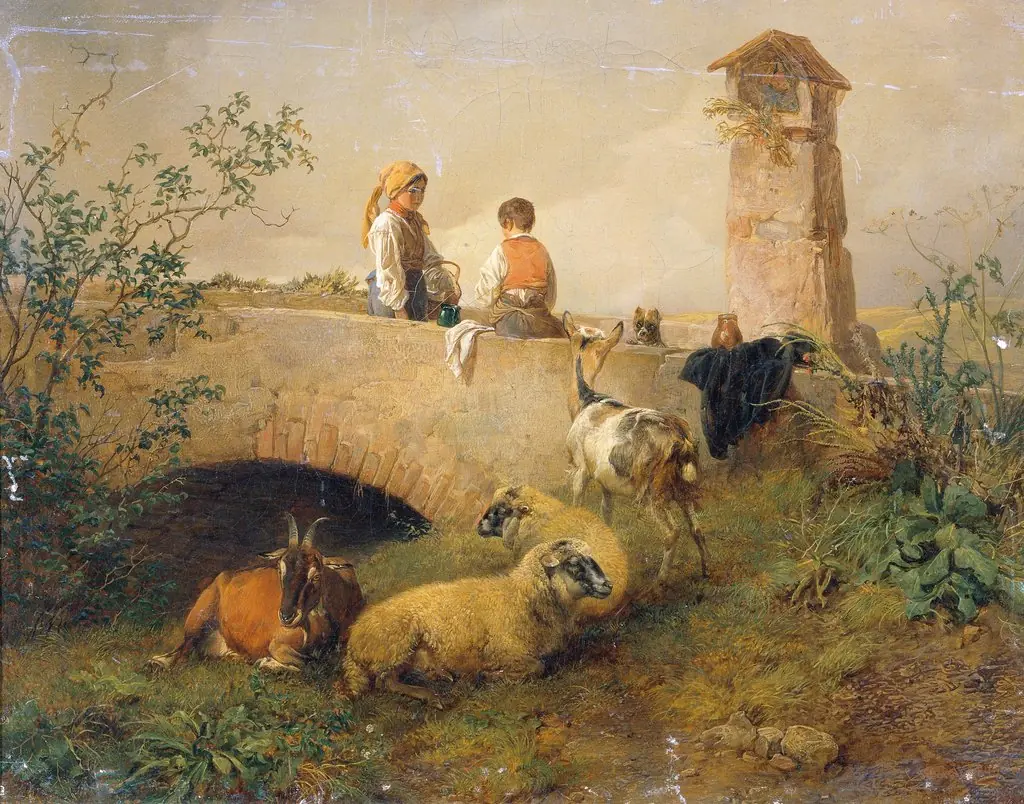 Boy and Girl with Sheep and Goats
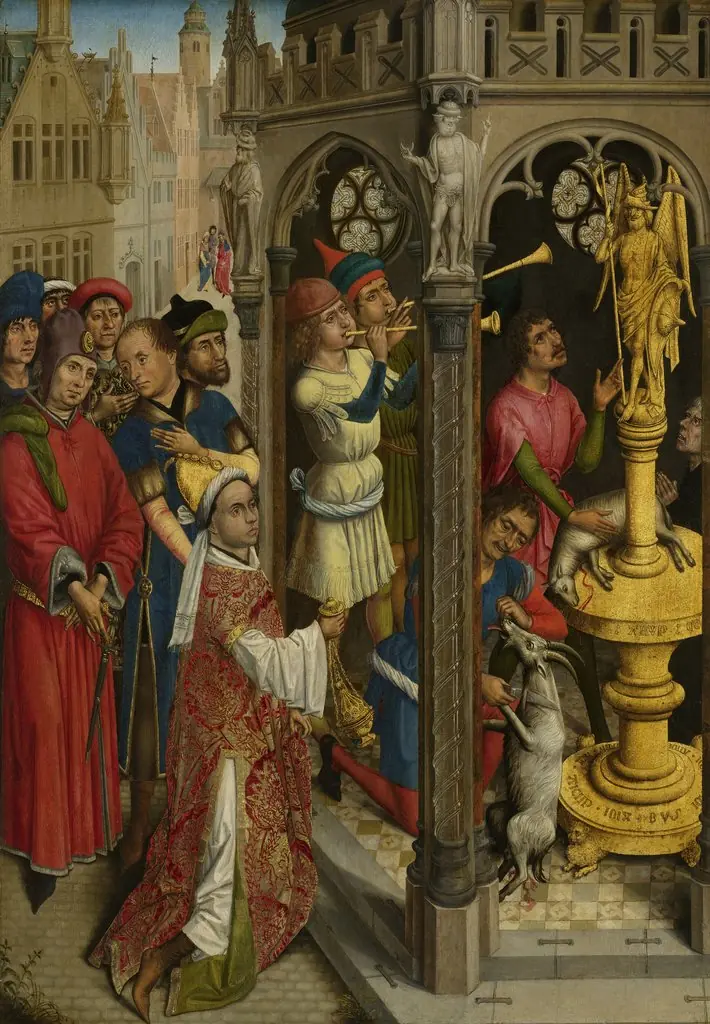 Augustine sacrificing to an idol of the Manichaeans (?)
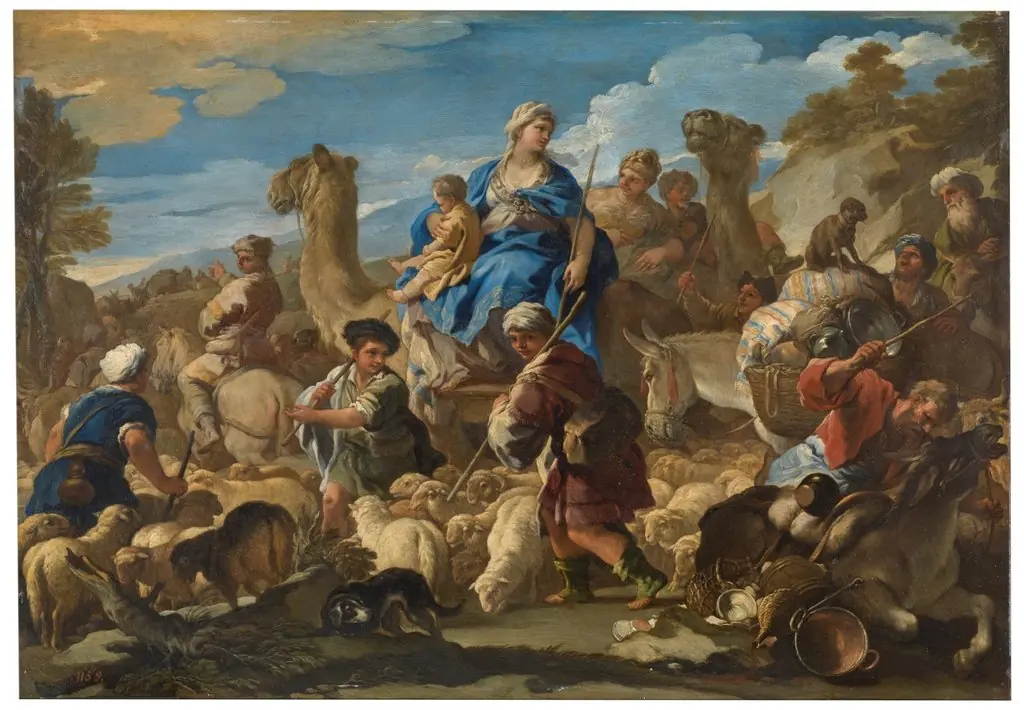 Viaje de Jacob a Caná
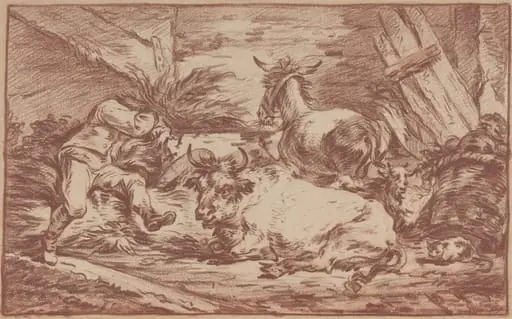 Animals in a Stable
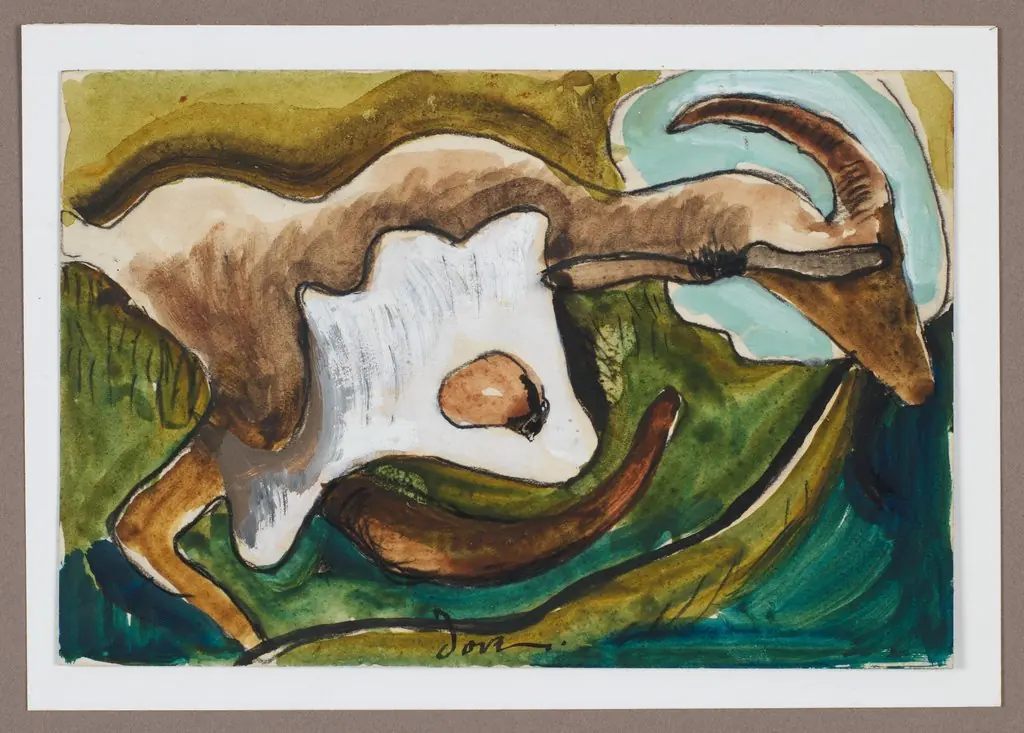 Study for "Goat"
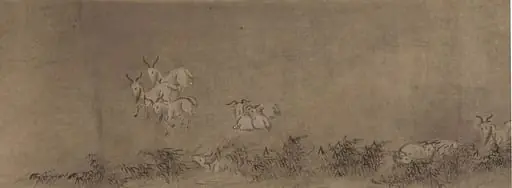 Untitled
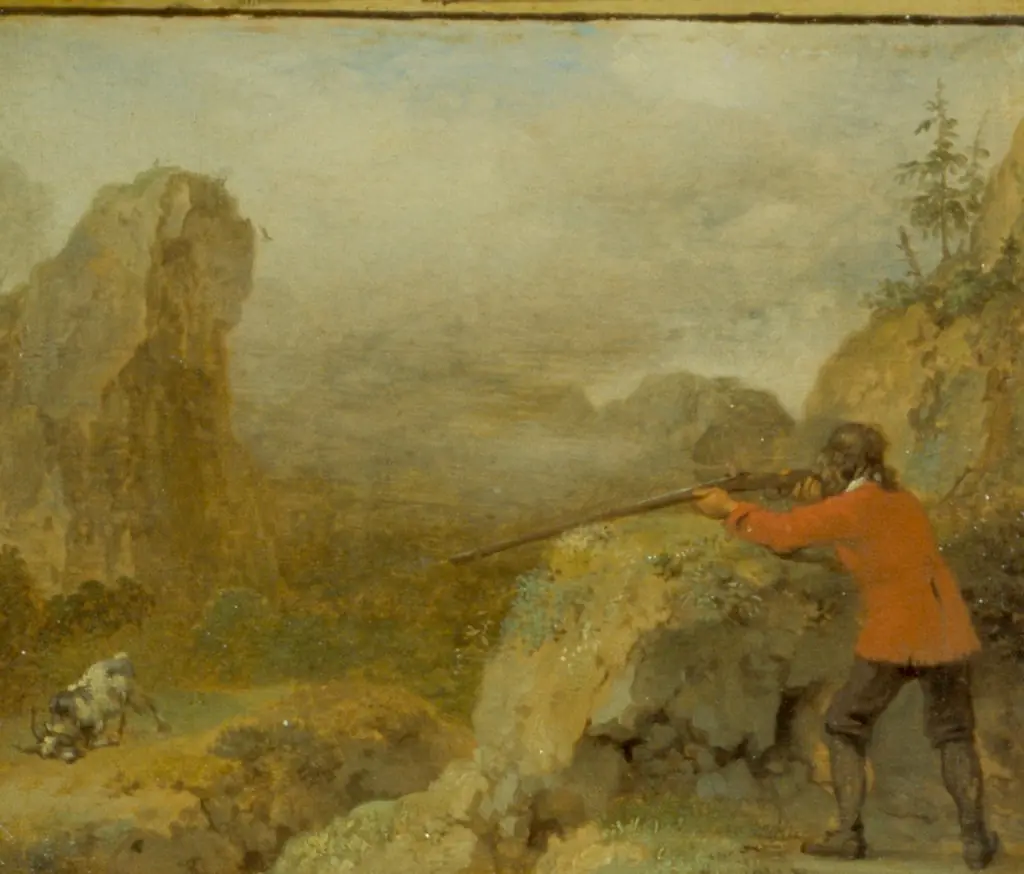 Hunting a Goat
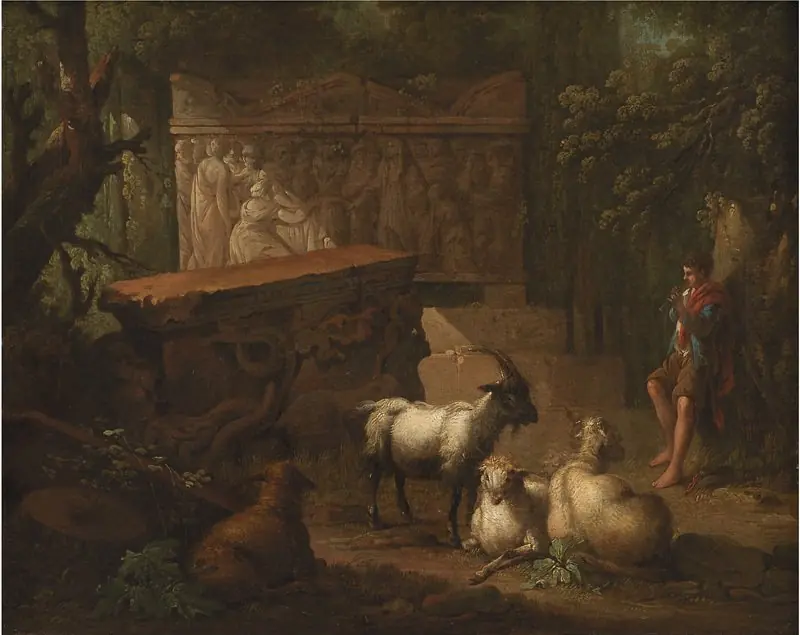 Antikke ruiner omgivet af træer, i forgrunden en hyrde og nogle geder
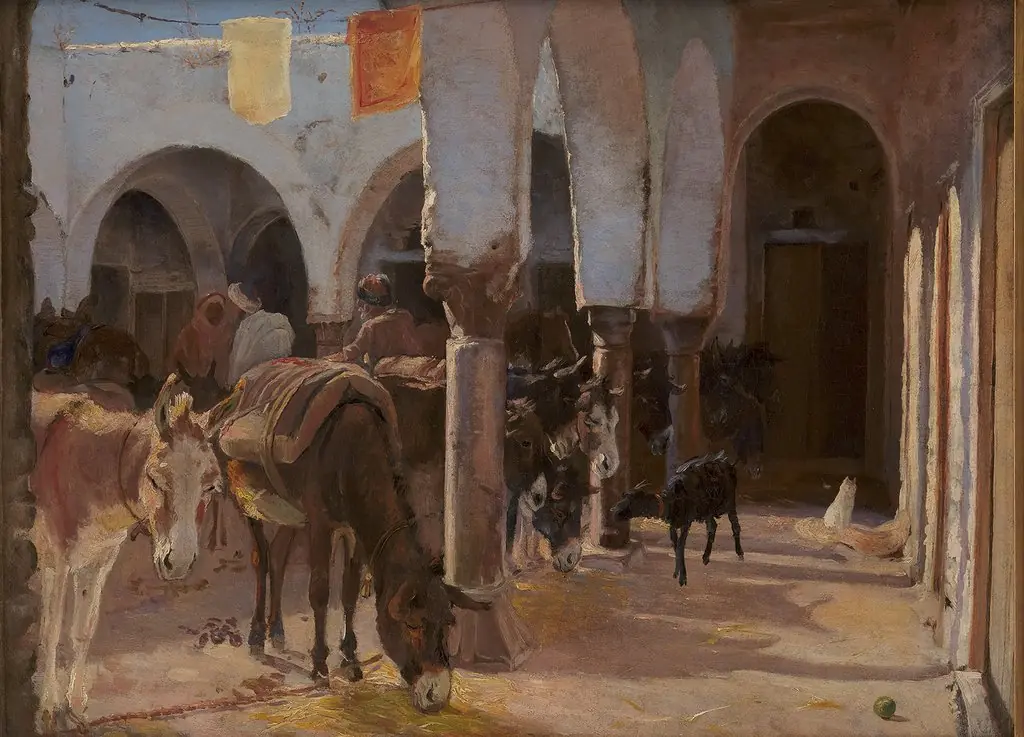 A Donkey House in Tunis
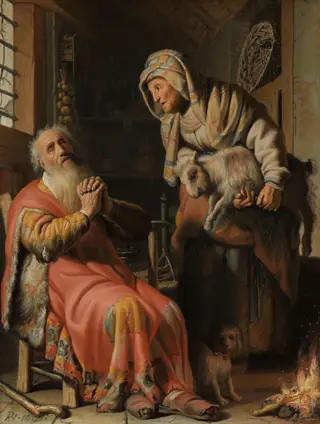 Tobit and Anna with the Kid
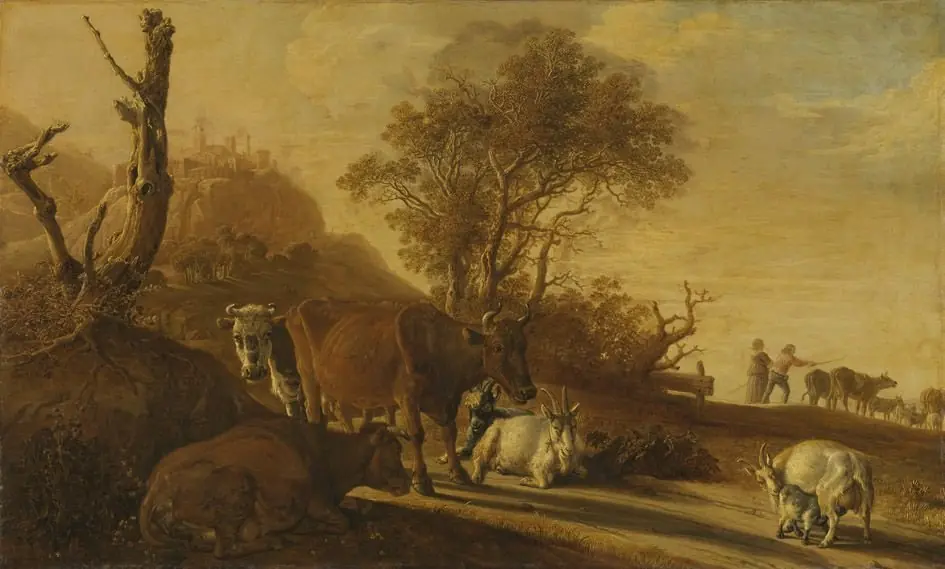 Landscape with Resting Cows and Goats
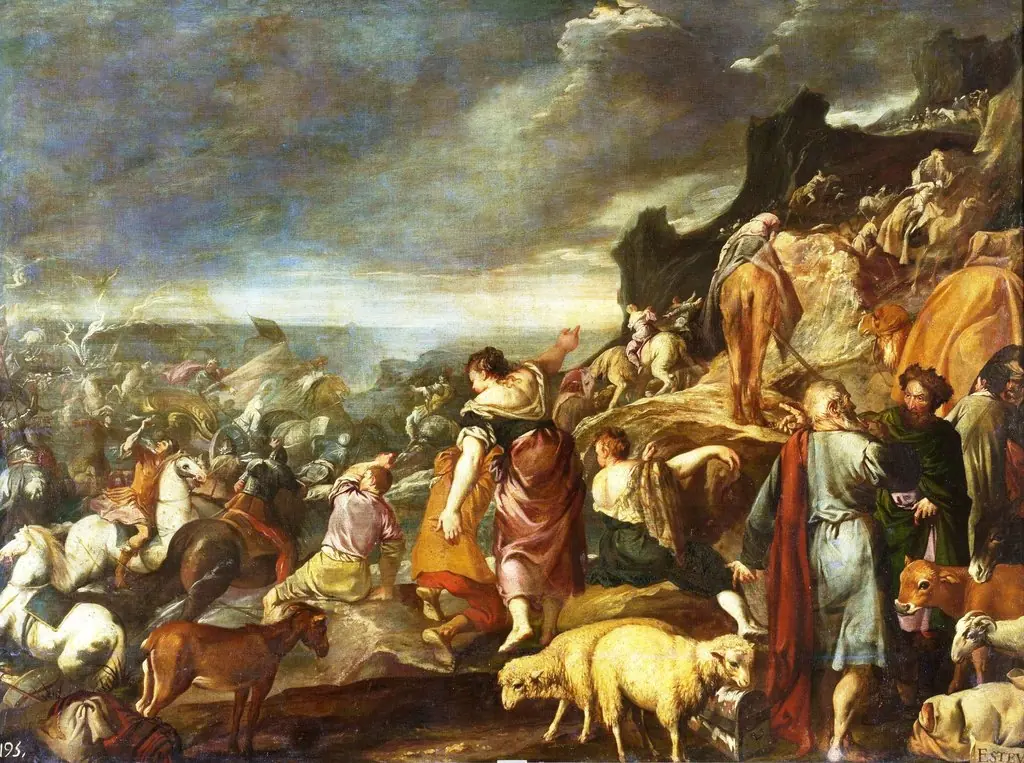 El paso del mar Rojo
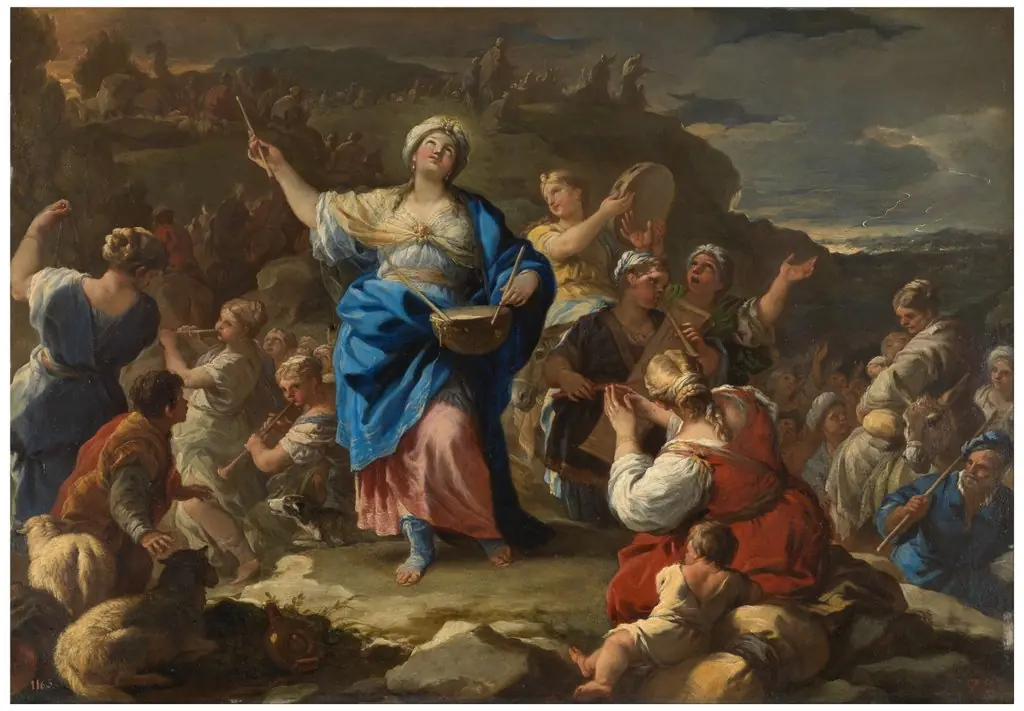 El cántico de la profetisa María
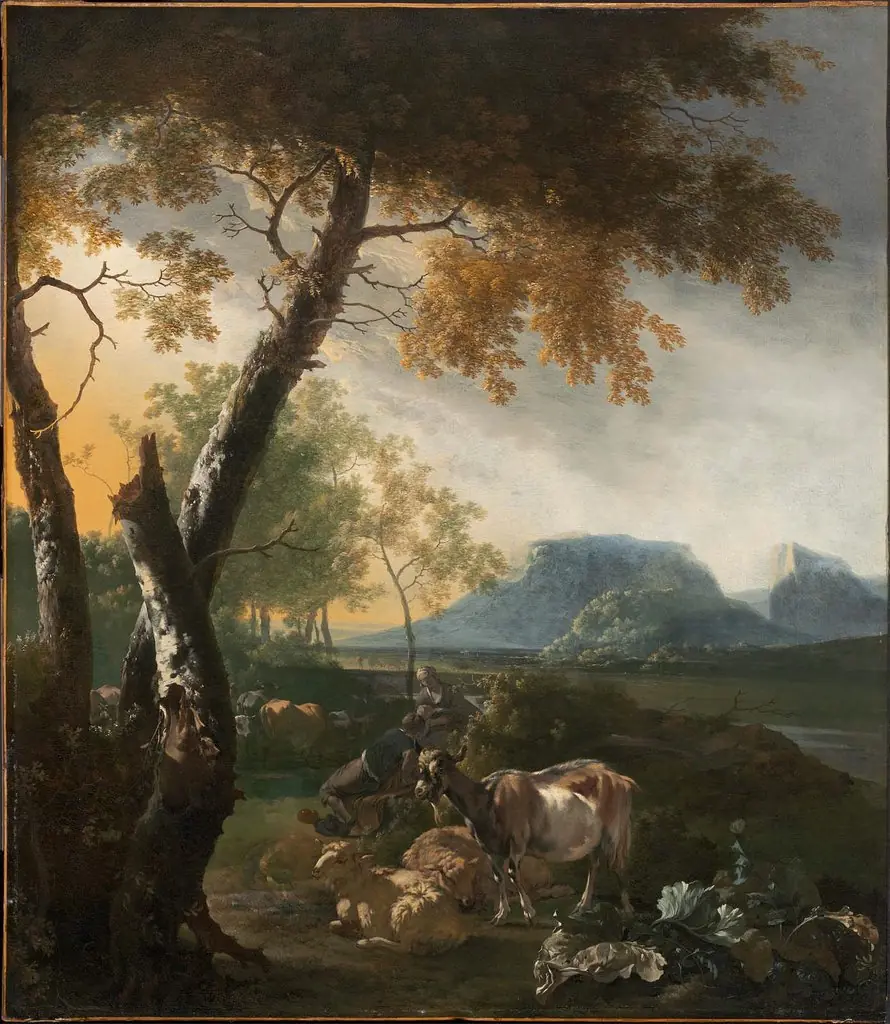 Landscape with Goats
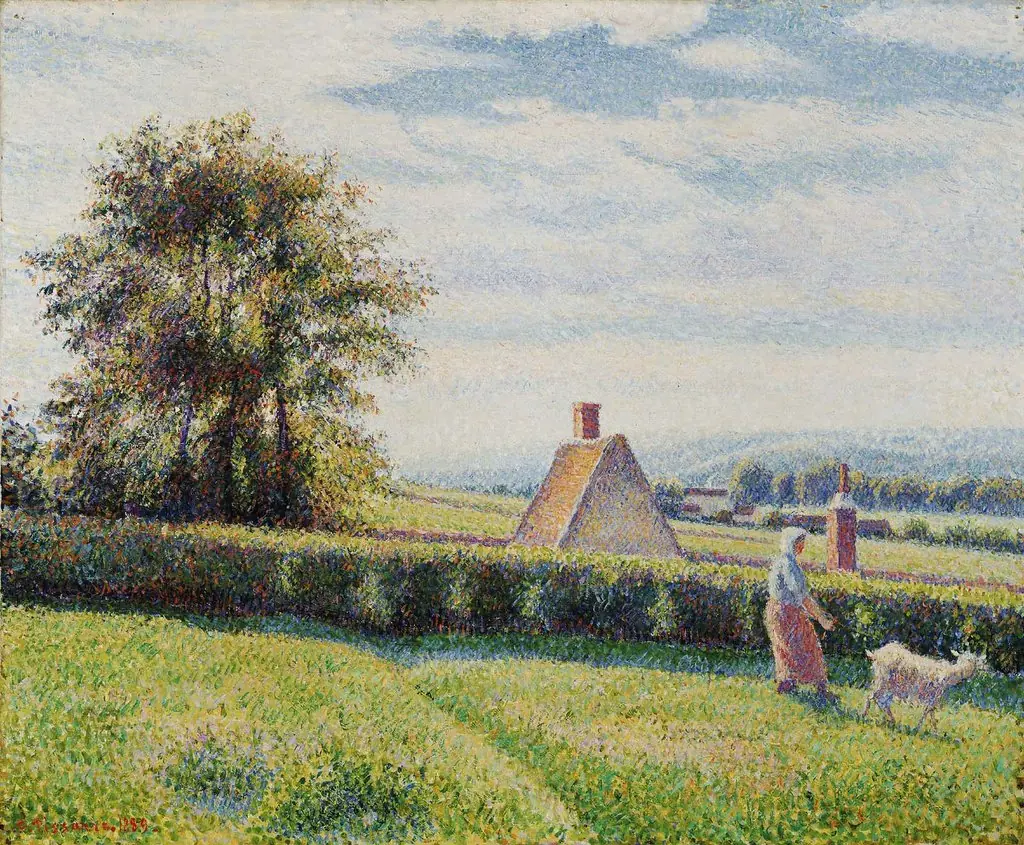 Spring Pasture
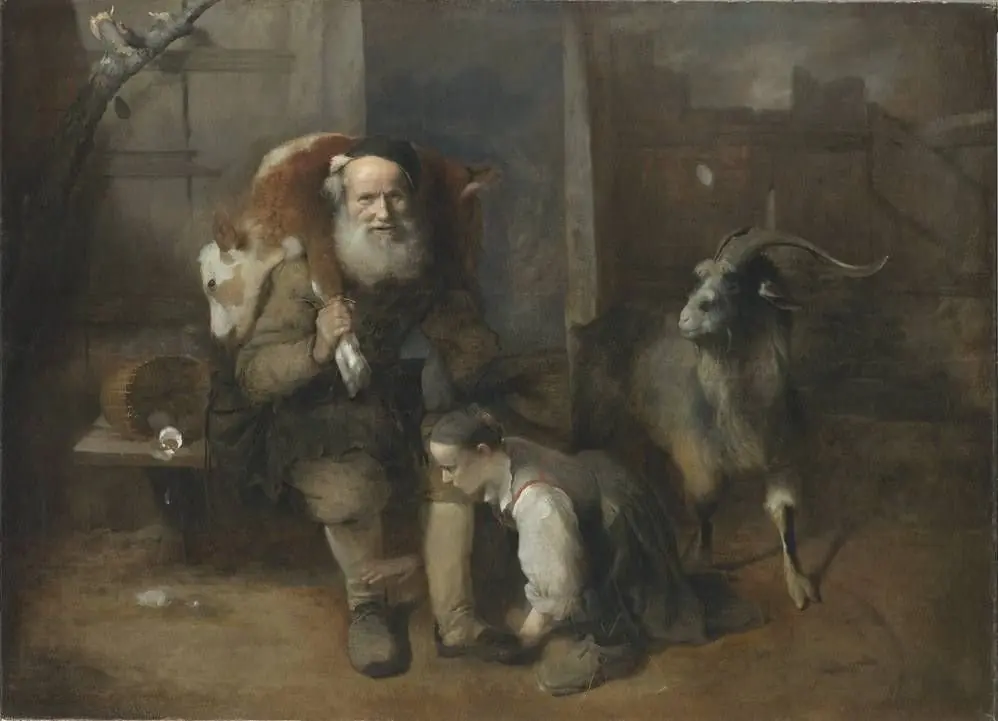 Peasant returning from the market
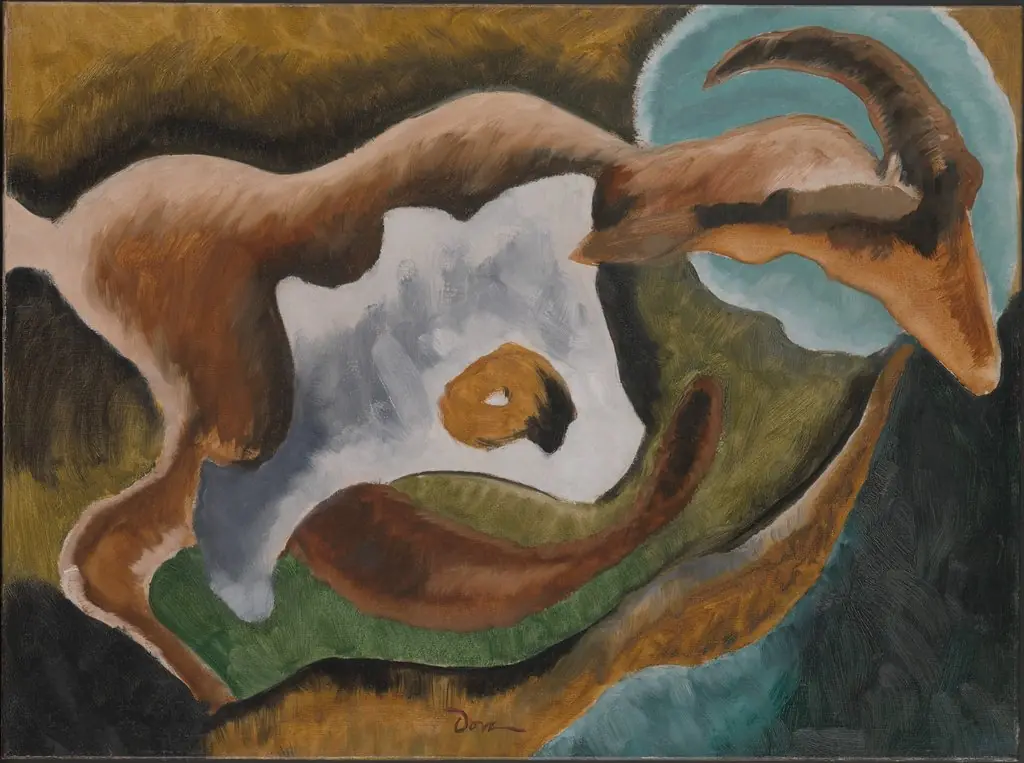 Goat
Goat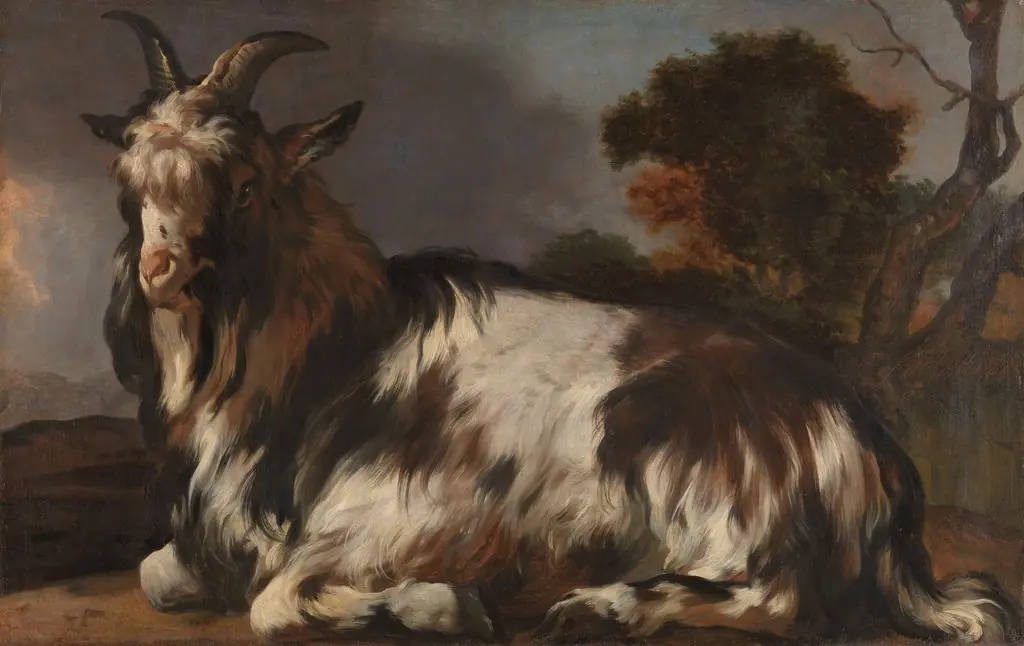 Goat Lying Down
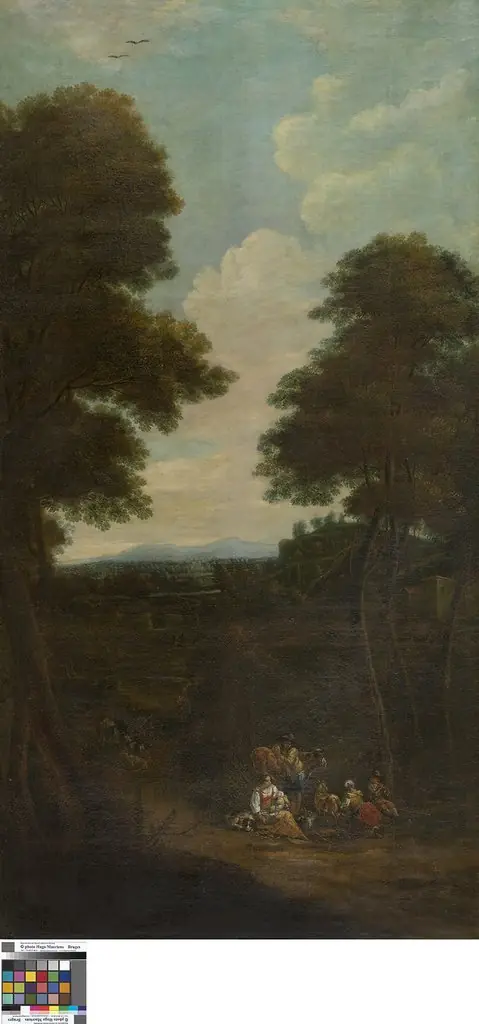 Landschap
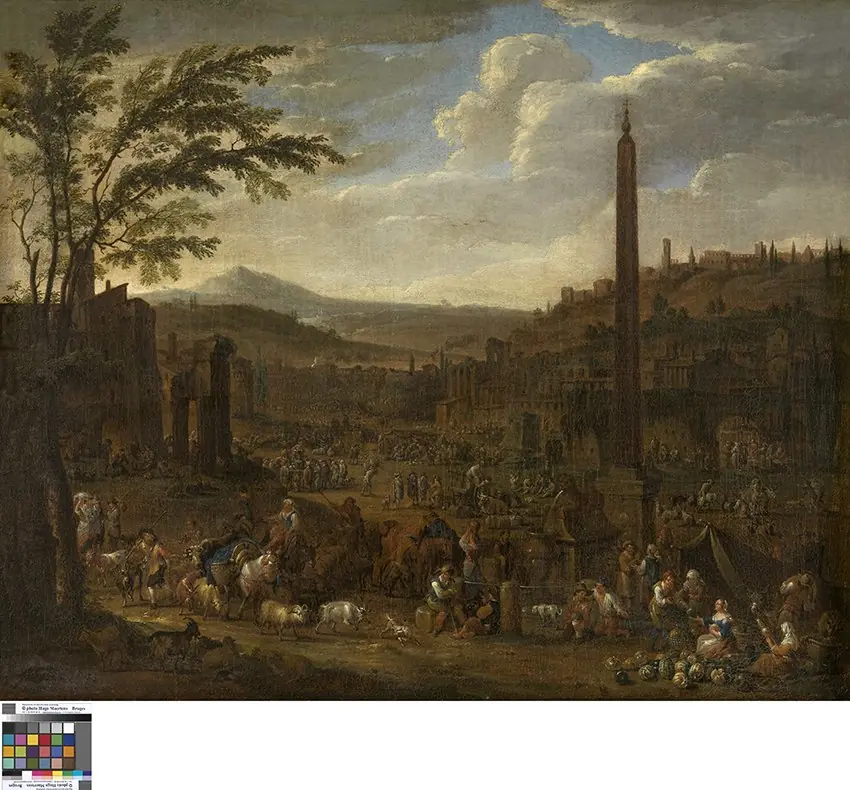 Italianiserend landschap met markttafereel
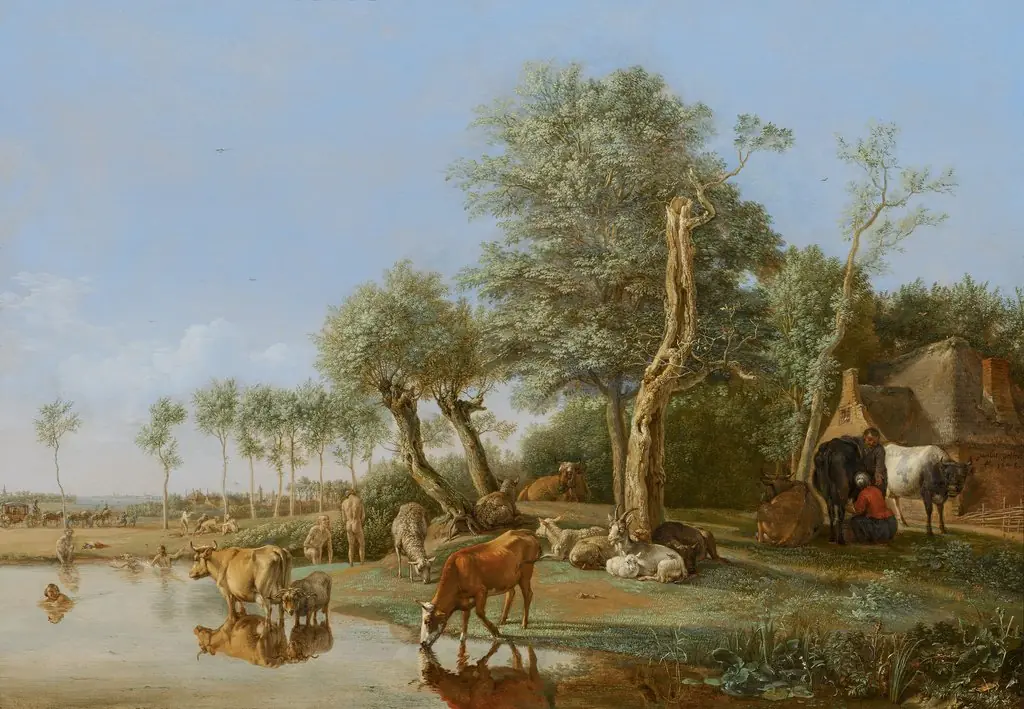 Cows reflected in the water
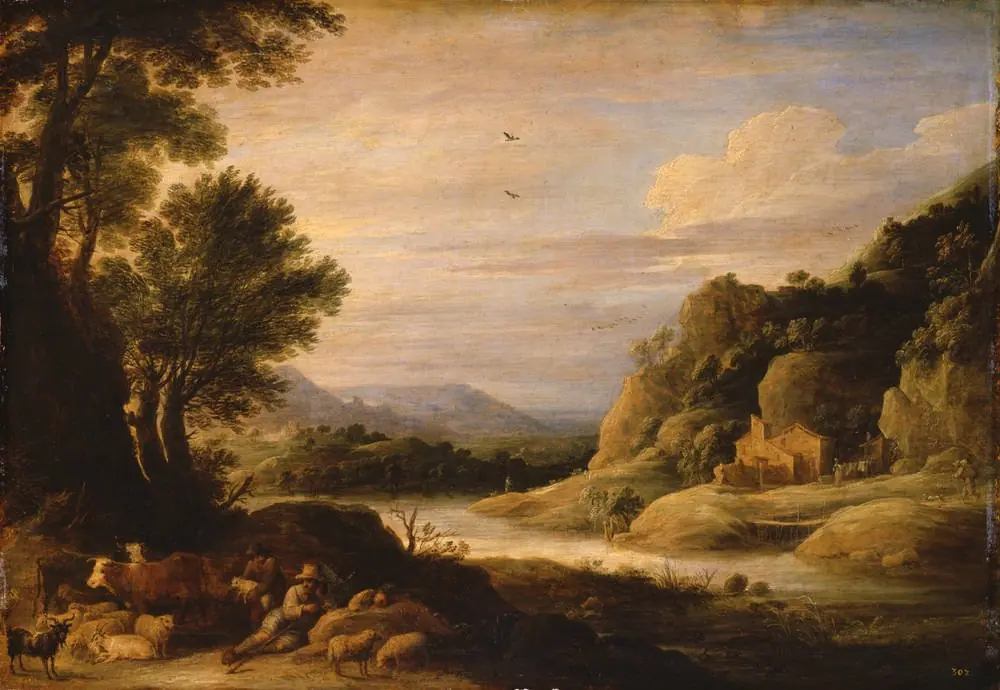 River landscape with resting shepherds and herds
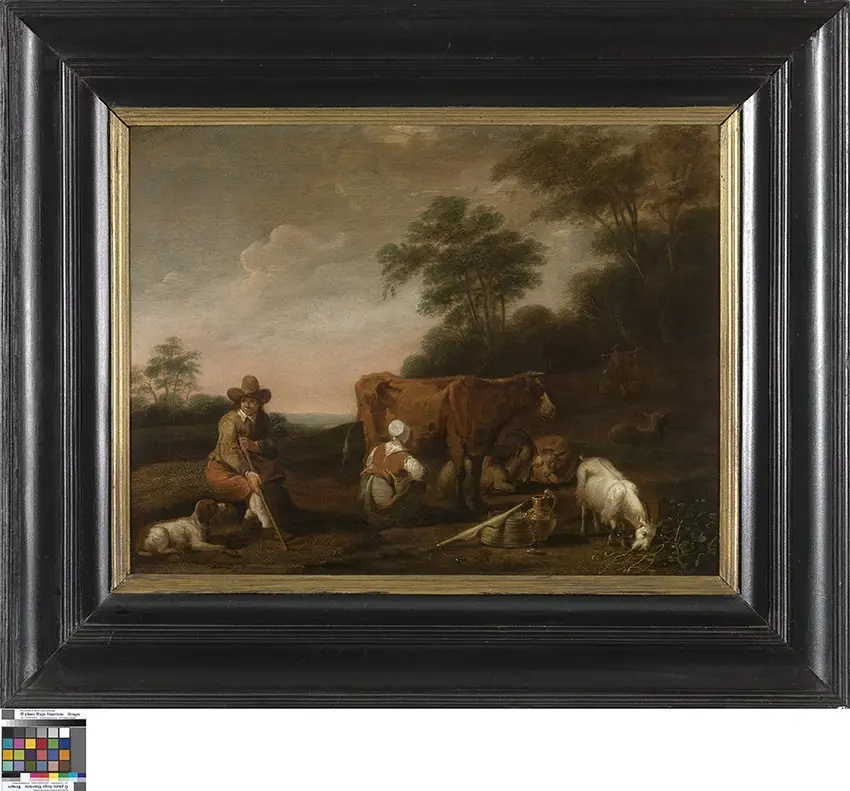 Landschap met herder en melkmeid
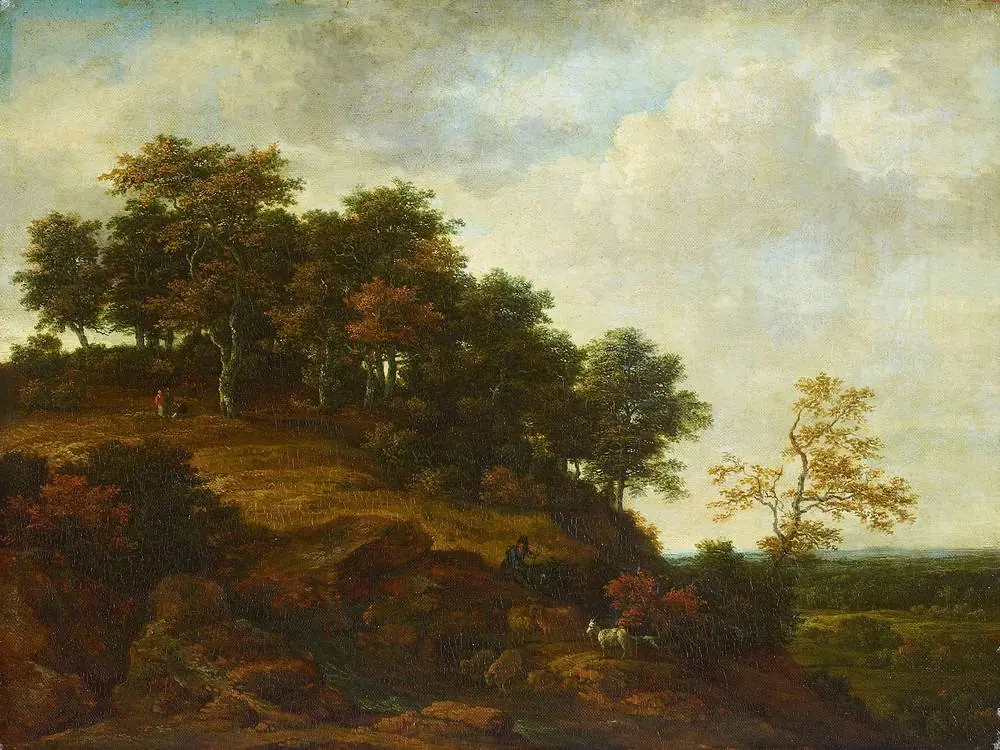 A hill with an oak wood and a little waterfall
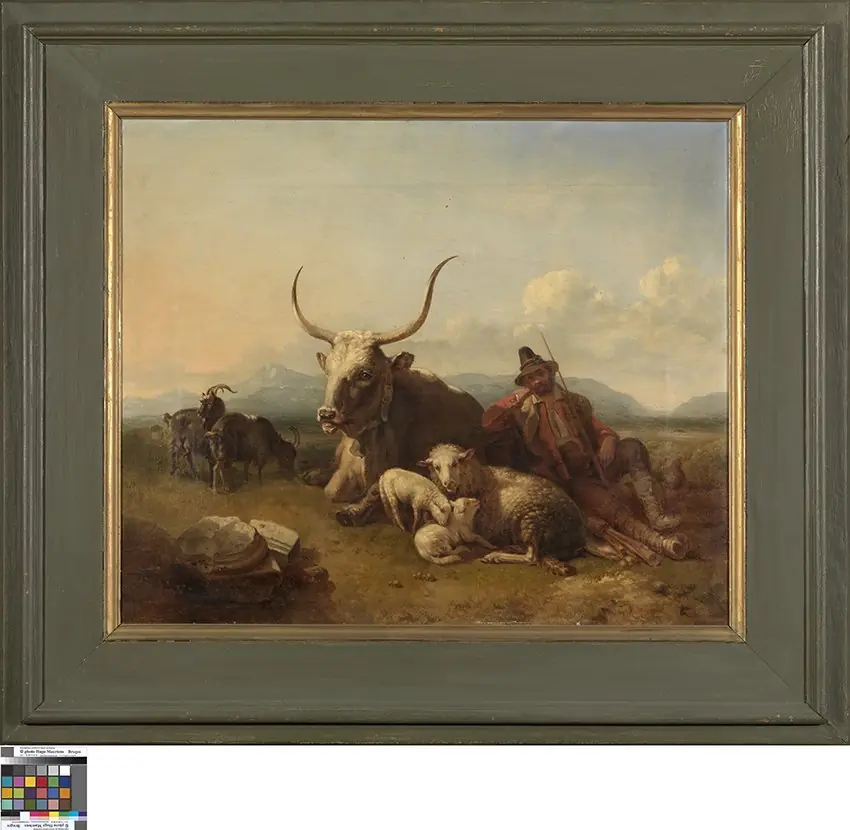 Herder met kudde
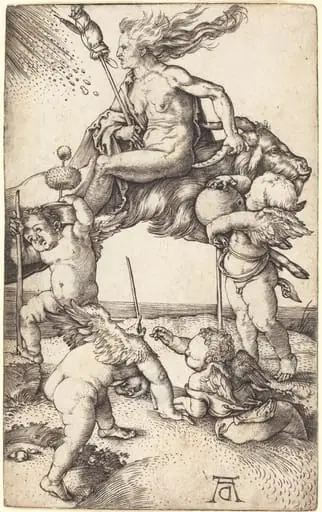 Witch Riding on a Goat
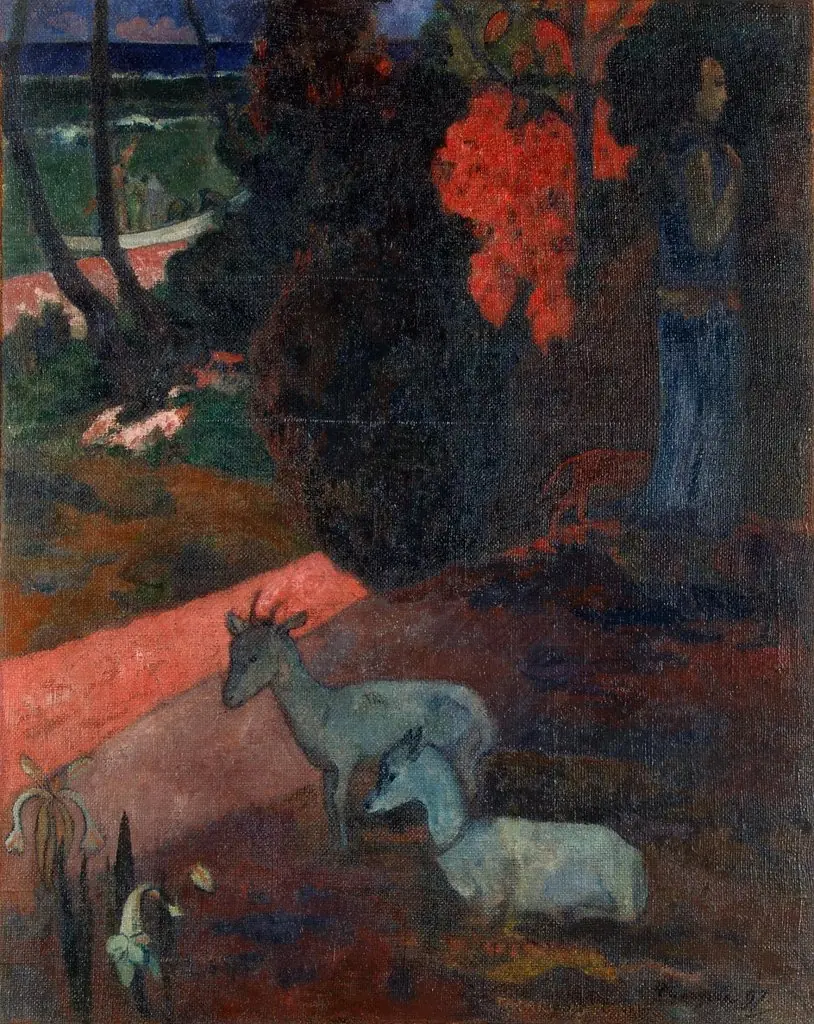 Landscape with Two Goats (Tarari Maruru)
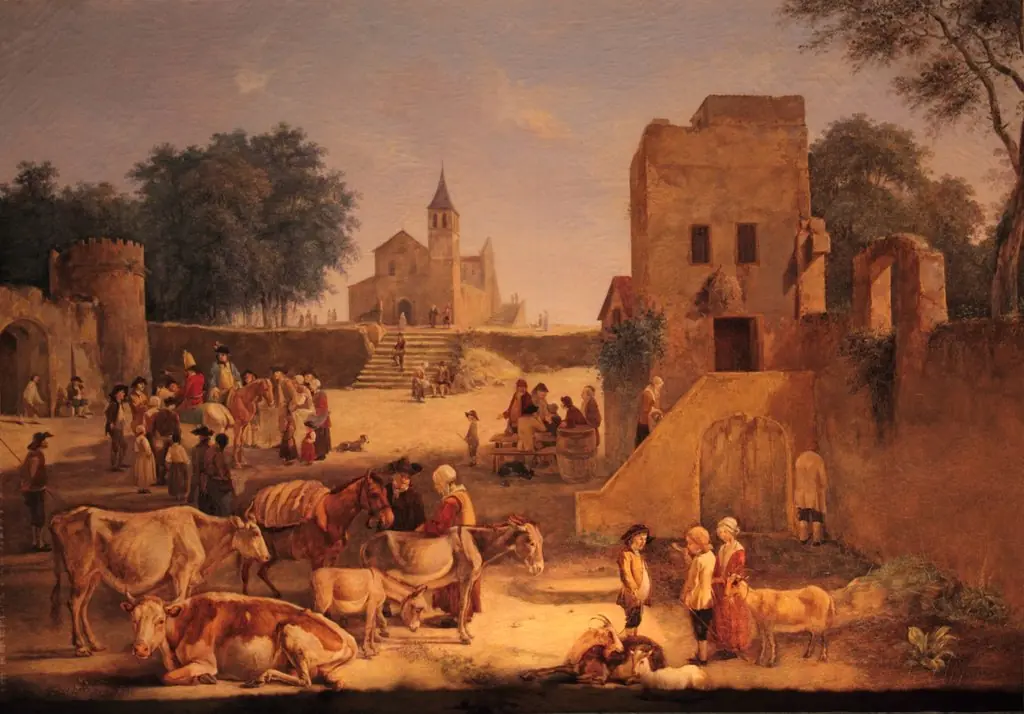 Animal market
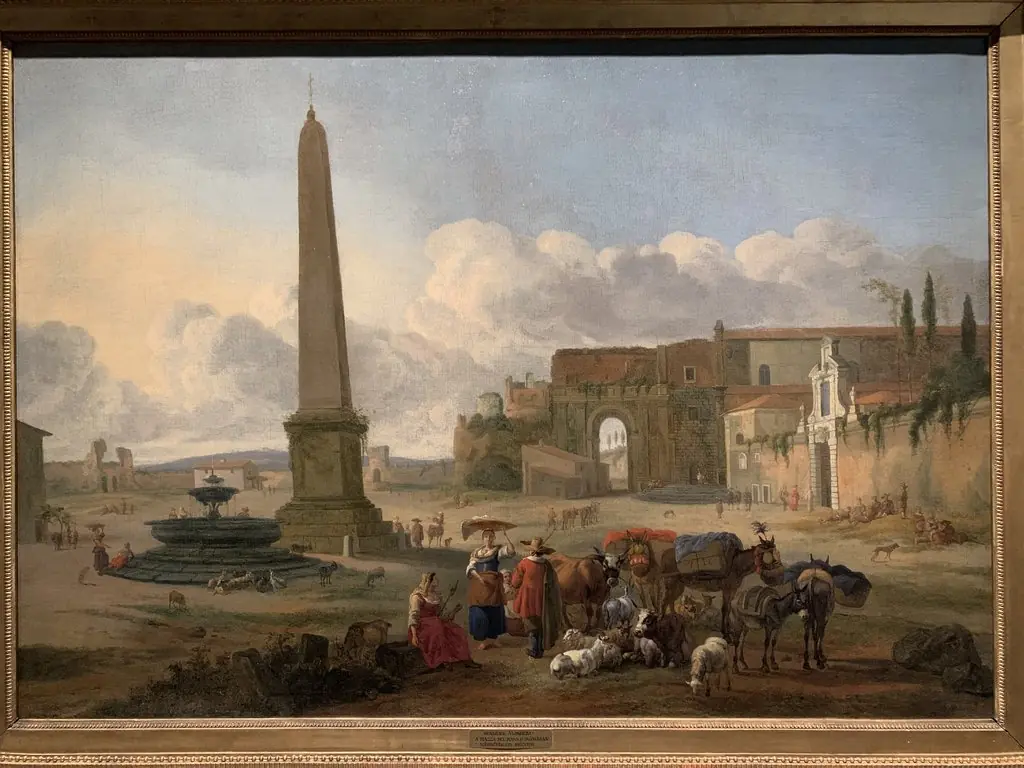 Roman populace in the Piazza del Popolo in Rome
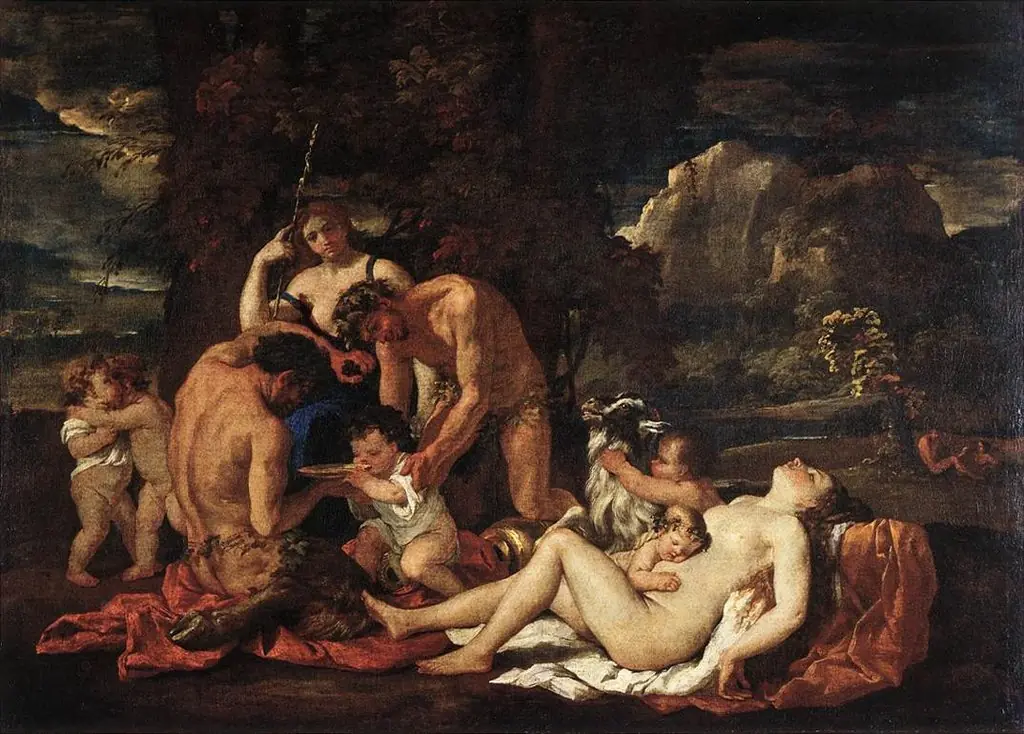 The Nurture of Bacchus
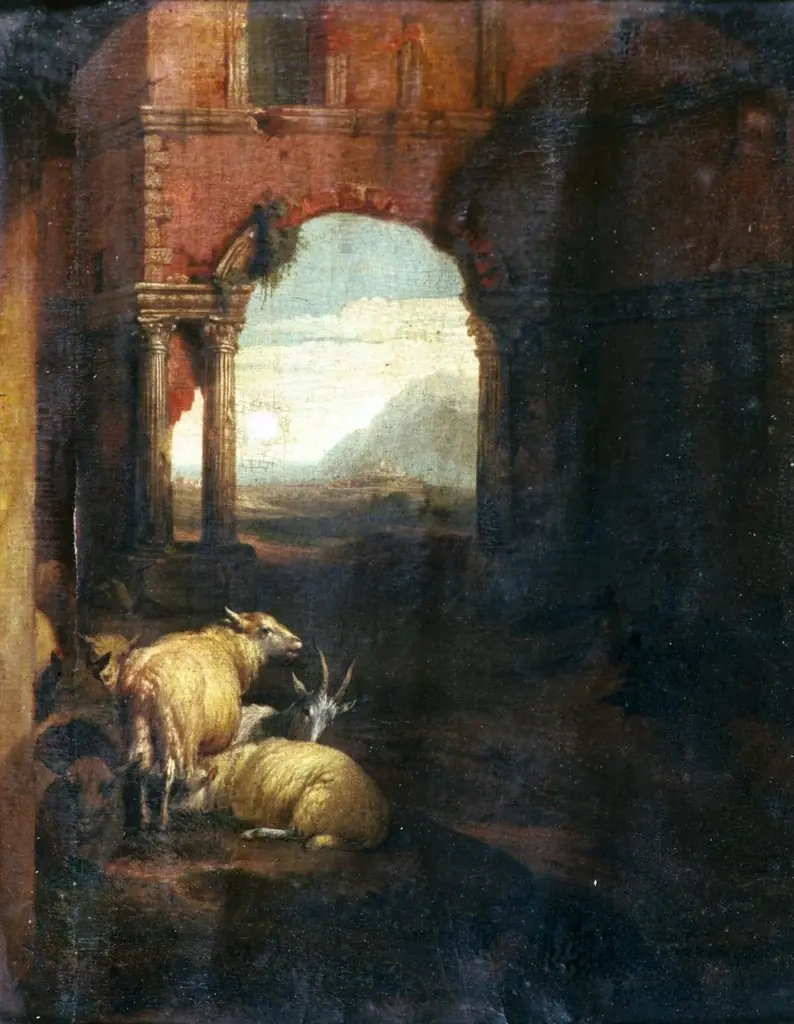 Classical landscape with sheep and goat
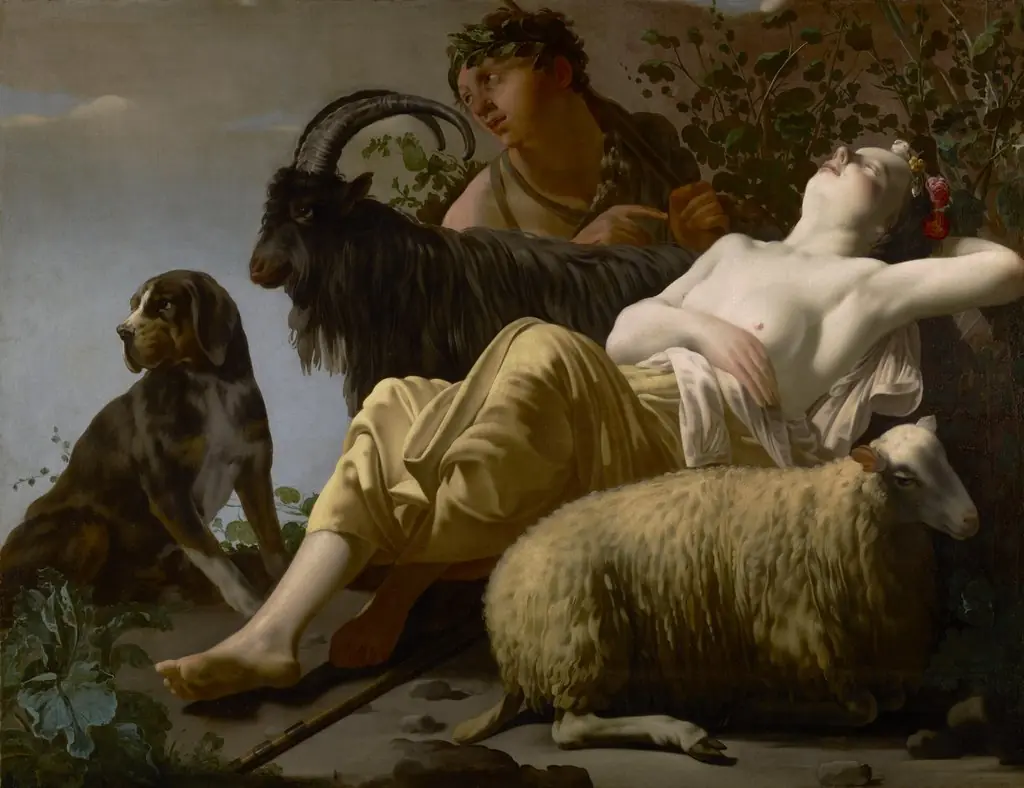 Shepherd and Sleeping Shepherdess
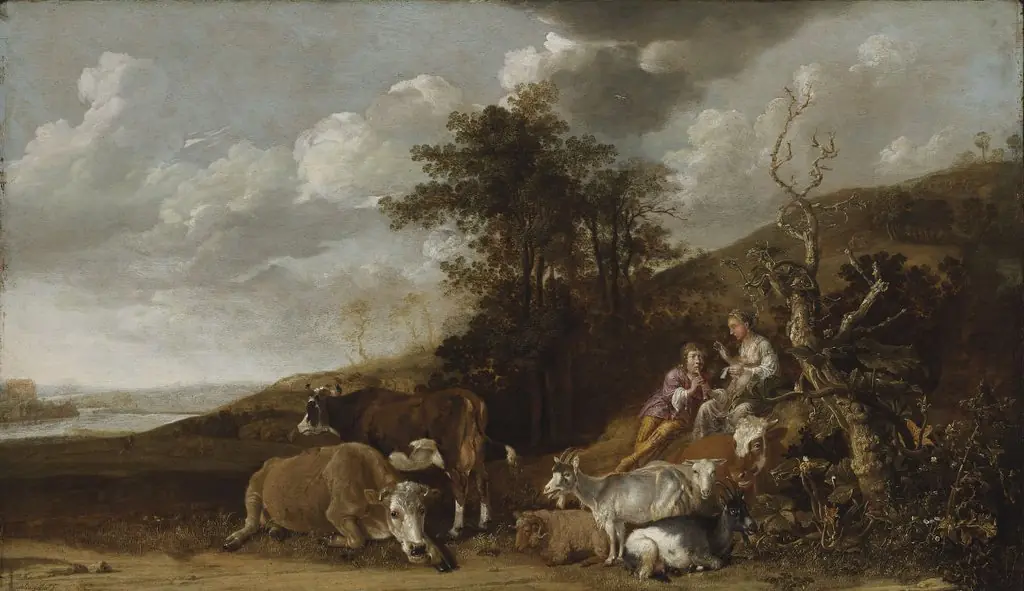 Landscape with Shepherdess and Shepherd Playing Flute
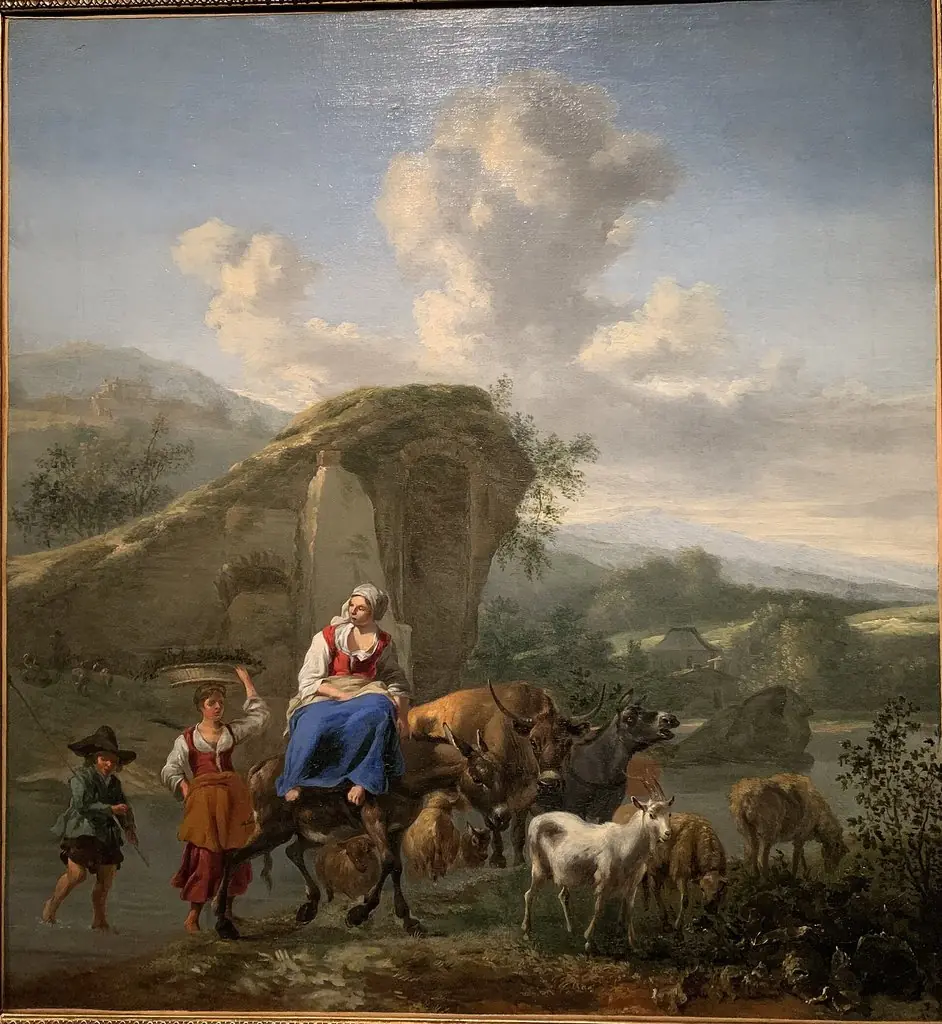 Shepherds at a Ford
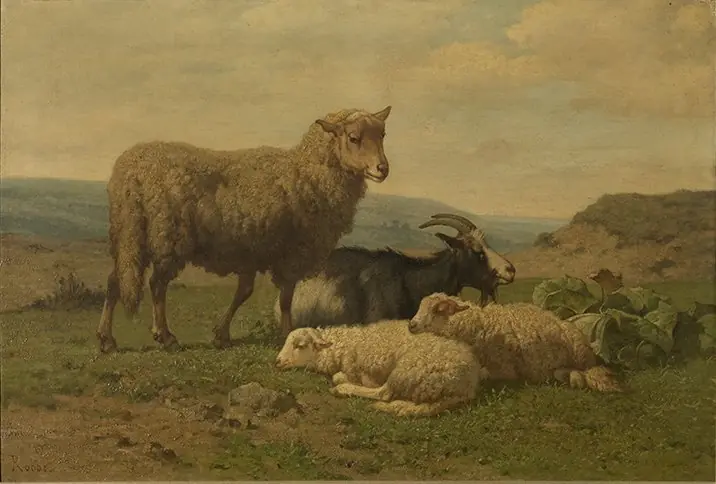 Kleinvee in het veld
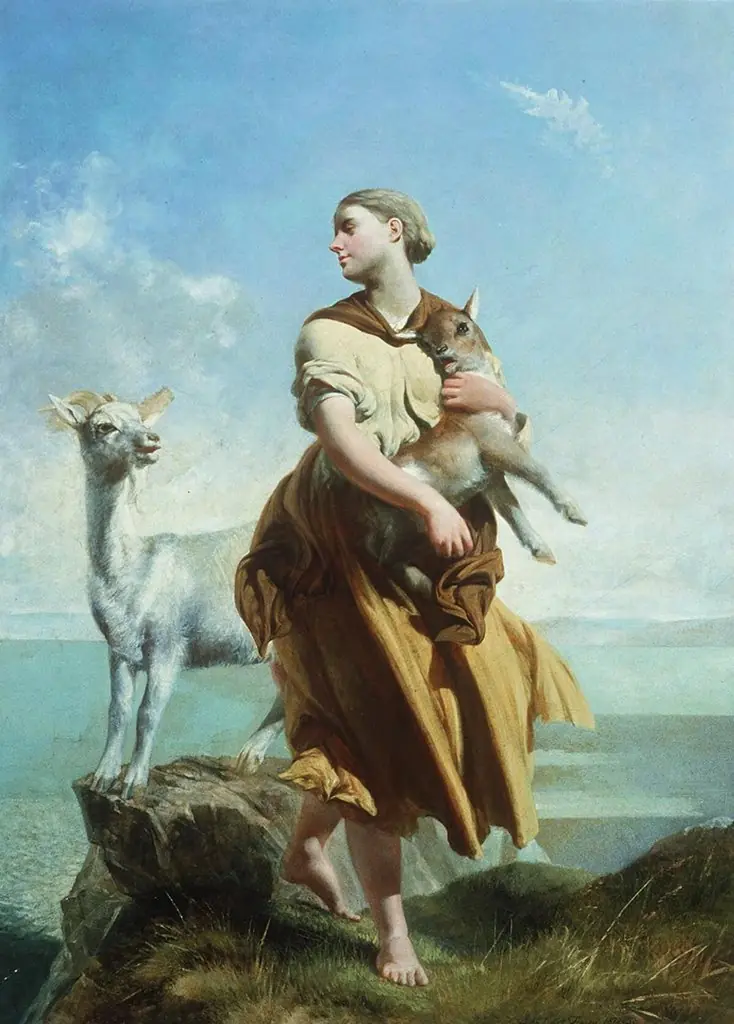 North Wales
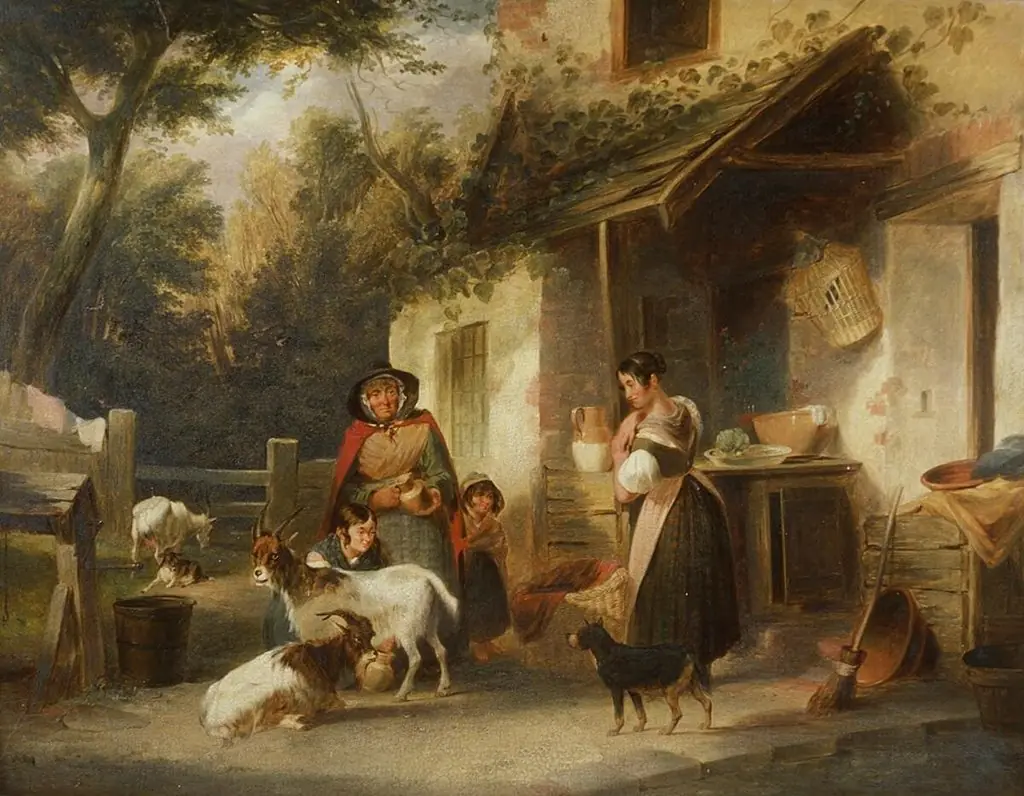 Farm scene, Wales?
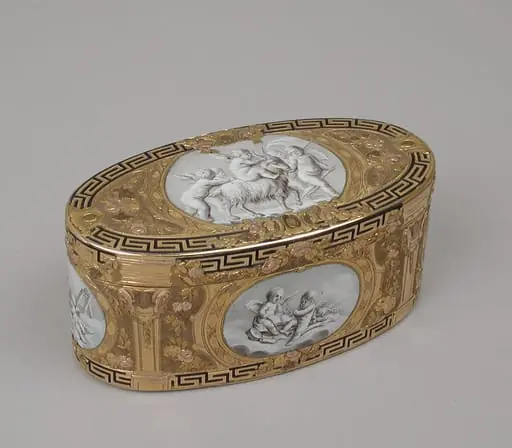 Snuffbox
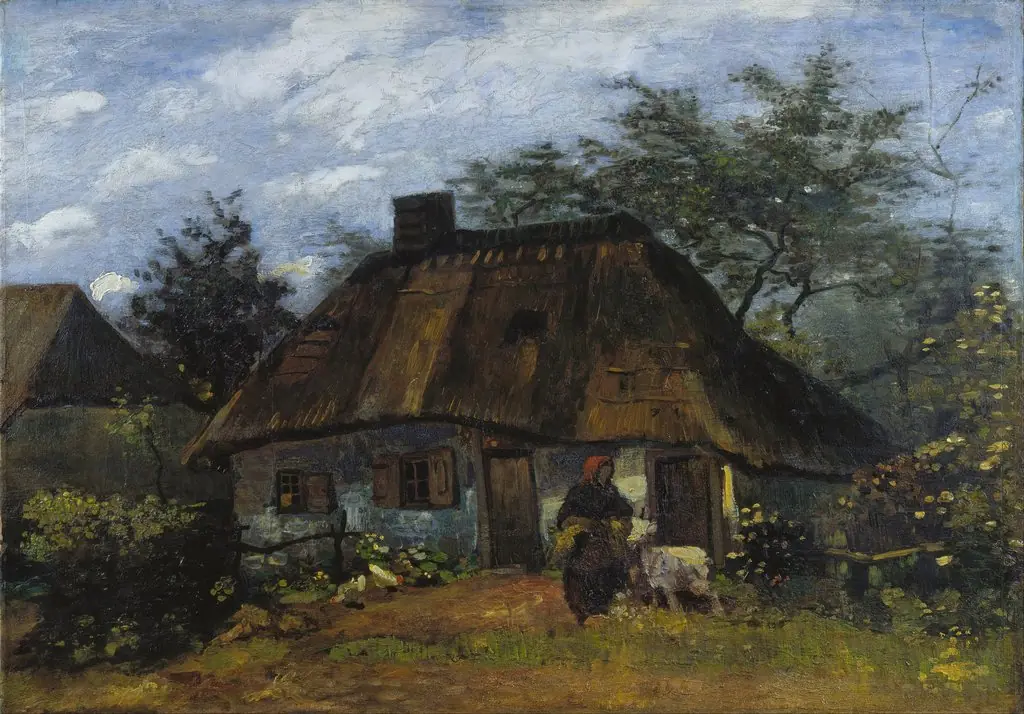 Cottage and Woman with Goat
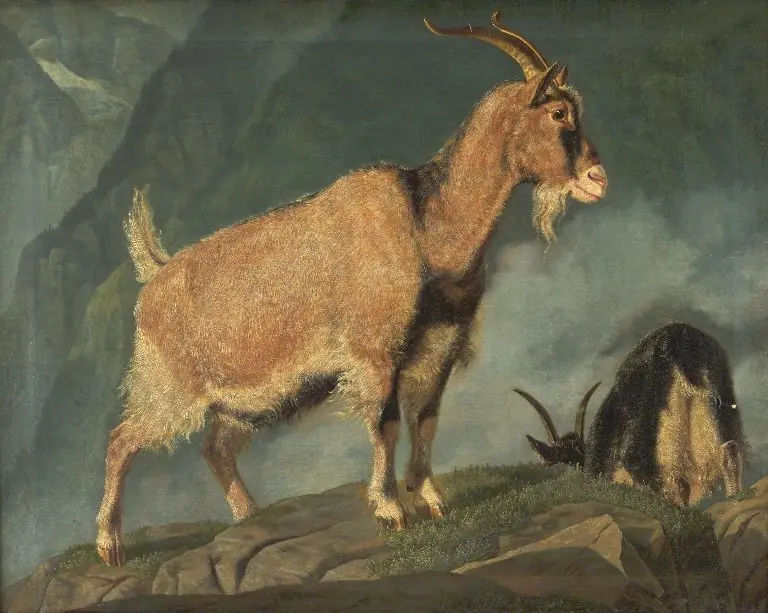 Geder i Alperne
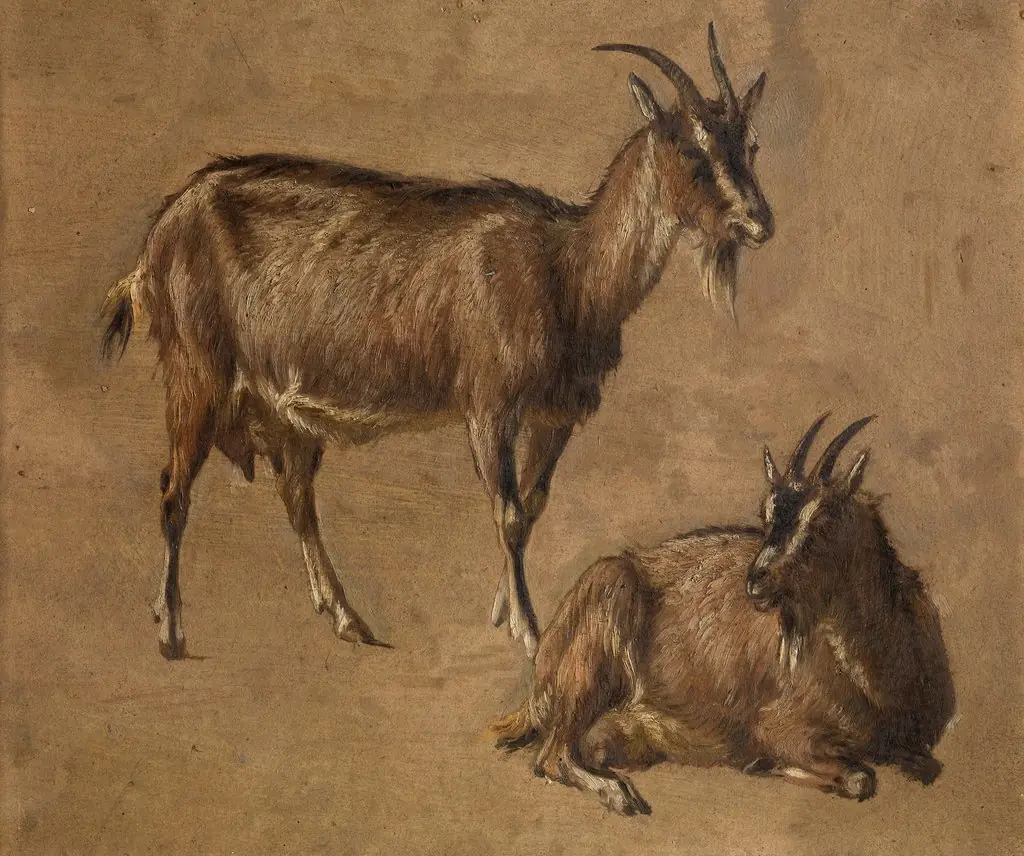 Goats
Goats A Shawl goat
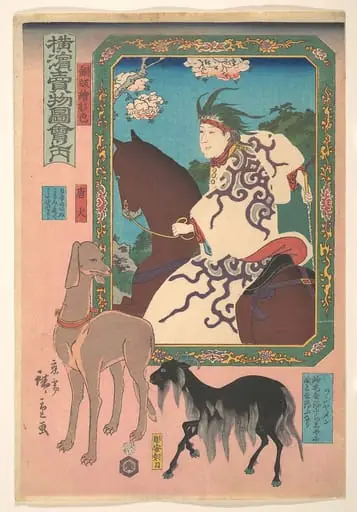 横浜賣物図会の内 唐犬|Copper Plate Engraving of a Woman Riding a Horse, a Goat and a Dog
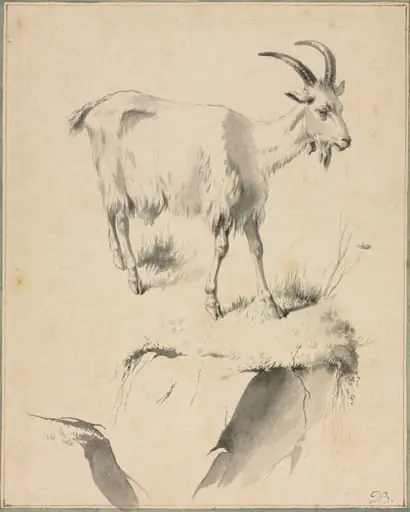 Study of a Goat
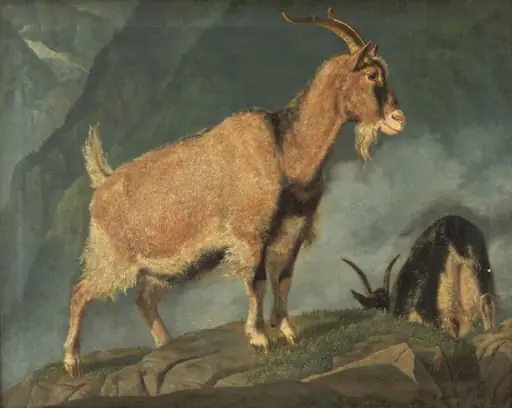 Geder i Alperne
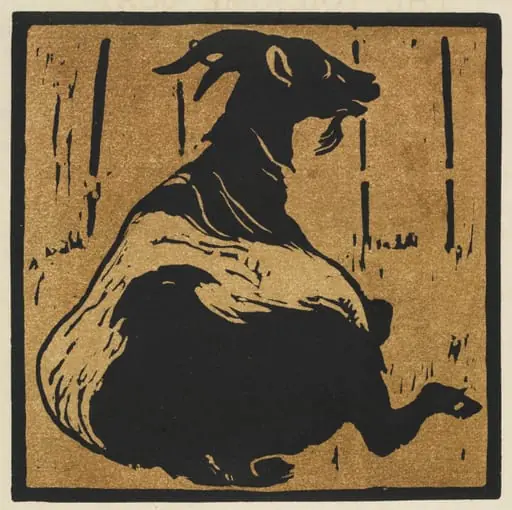 The Square Book of Animals: The Toilsome Goat
Frequently asked questions
What is Goat?
Goat is a subject in art. The goat or domestic goat (Capra hircus) is a species of goat-antelope that is mostly kept as livestock.
How many Goat works does Artifact World Gallery have?
Artifact World Gallery holds 69 public-domain Goat works, all free to view and download.
Who are the key Goat artists?
Key Goat artists in the collection include Thomas Cole, Lodewijk Tieling and Camille Pissarro.
Where can I see Goat works?
Goat works in the collection are held by Metropolitan Museum of Art, Rijksmuseum and Groeningemuseum.