Artwork
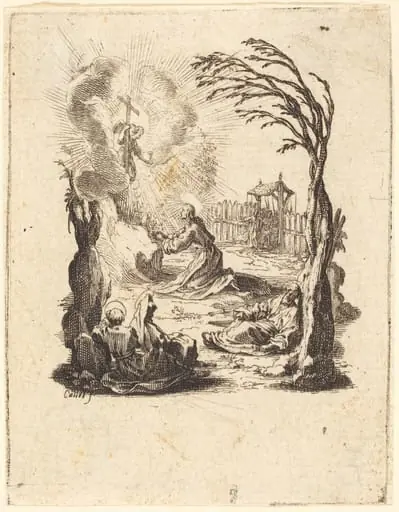
The Agony in the Garden
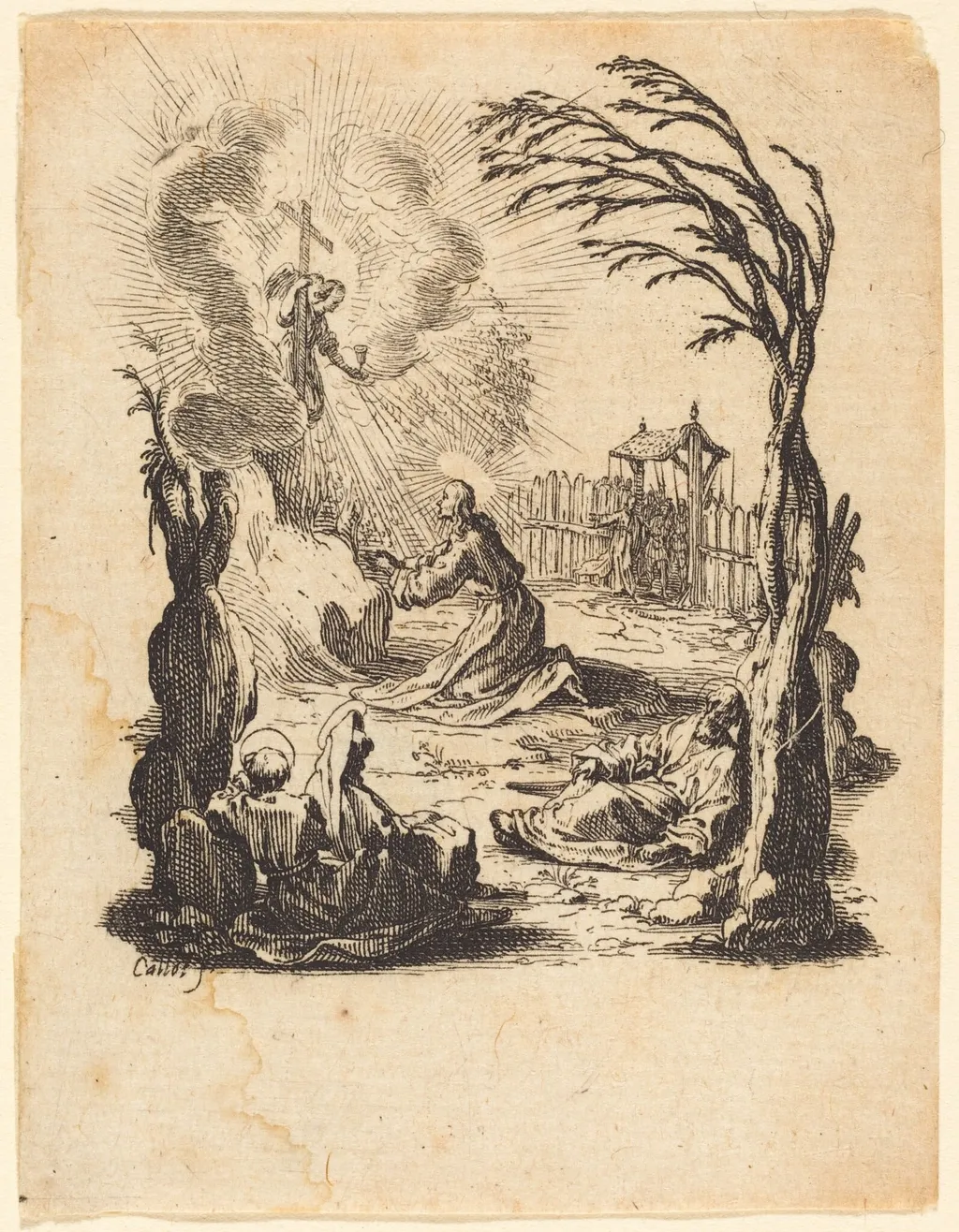
The Agony in the Garden is an ink print by the Baroque artist Jacques Callot. It dates from 1624 and is held in the collection of the National Gallery of Art.
About this work
Overview
The Agony in the Garden is an etching on laid paper created by Jacques Callot around 1624. It is a representative work of the French artist, known for producing over 1,400 etchings during his career.
Subject & Meaning
The scene depicts a moonlit moment with three figures: one praying, another standing with a staff, and a third, possibly an angel, hovering above. The composition is framed by trees and a small building with a cross, suggesting a religious narrative.
Technique & Style
The etching showcases Callot's skill in using fine lines to achieve detailed textures, such as tree bark and fabric folds. The contrast between the dark surroundings and the angel's soft glow highlights the figures, demonstrating the artist's mastery of light and shadow.
Own this work as a print
Artist & collection
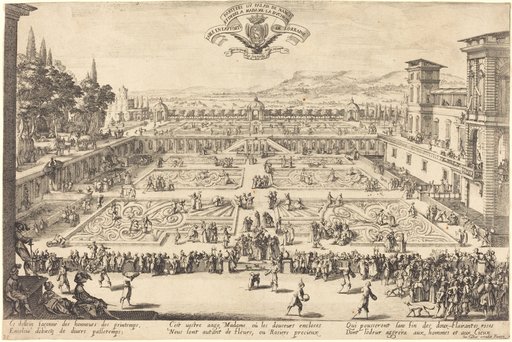
Artist
Jacques Callot (French: ; c. 1592 – 1635) was a baroque printmaker and draftsman from the Duchy of Lorraine. He is an important person in the development of the old master print. He made more than 1,400 etchings that…

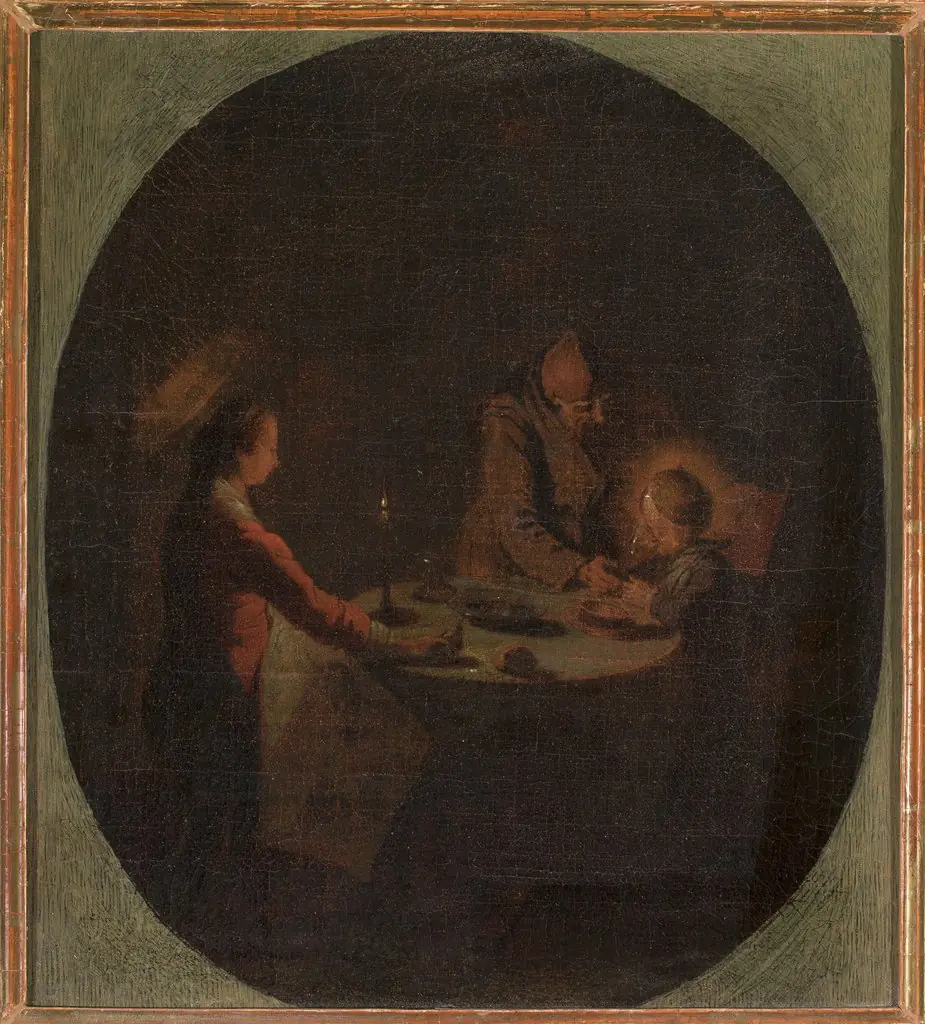 Holy Family at supper
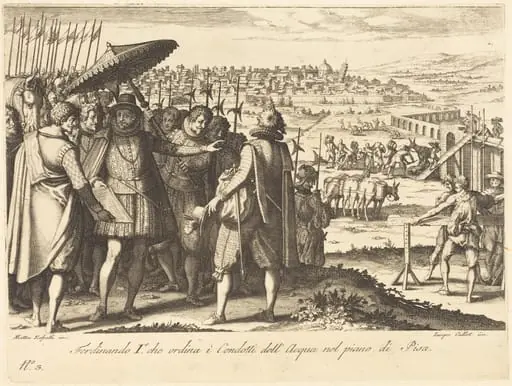 Restoration of the Aqueduct at Pisa
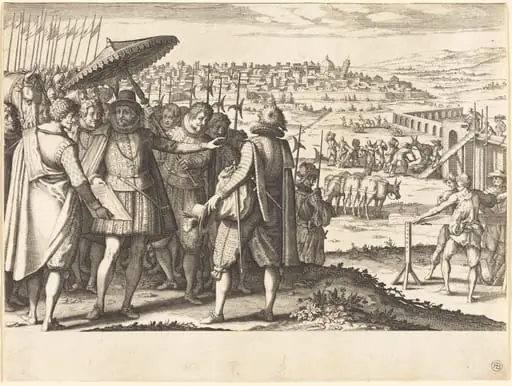 Restoration of the Aqueduct at Pisa
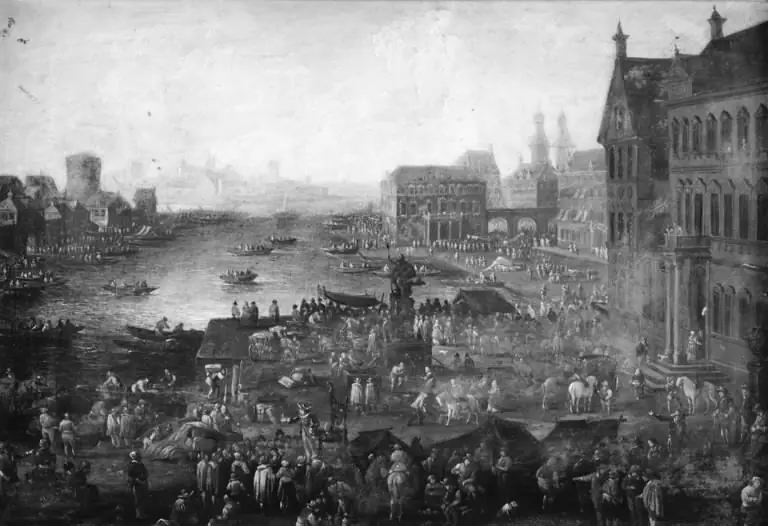 Square in Paris with Many Figures
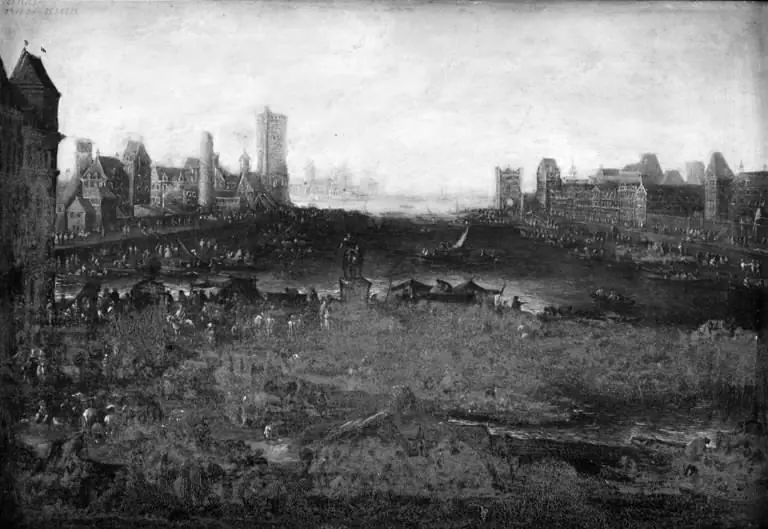 Square in Paris with Many Figures
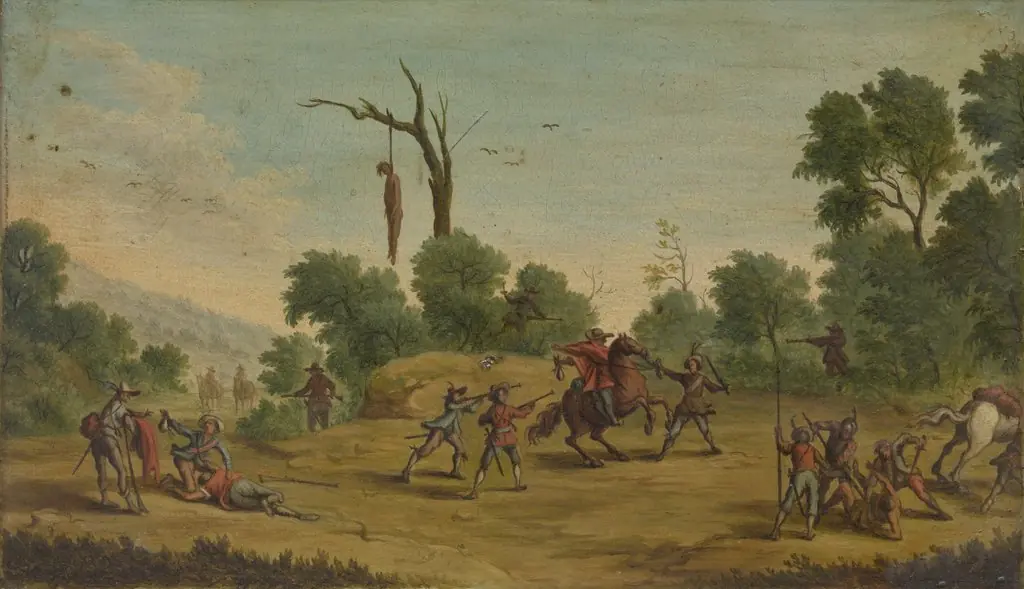 Horsemen Attacked by Robbers
 HOW WILL A COVERED PART BE CORRECTED?HOW WIKA A COVERED HEART DEED CORRECTED?
![Christ Walking on the Water [second plate], by Jacques Callot](https://artifactworldgallery.com/img/jacques-callot--christ-walking-on-the-water-second-plate--2069f3bfe4cb2126-w320.webp) Christ Walking on the Water [second plate]
Christ Walking on the Water [second plate]