Subject
Christ
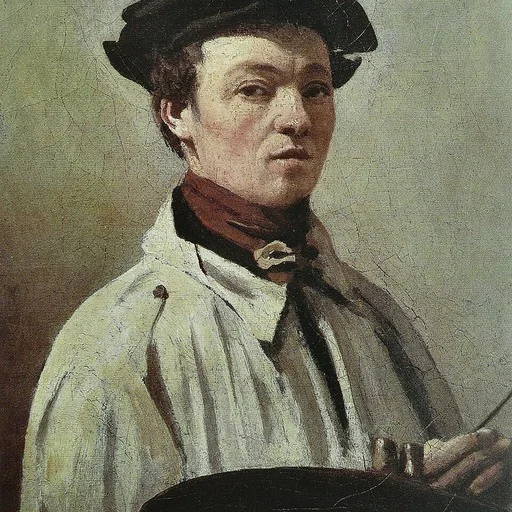
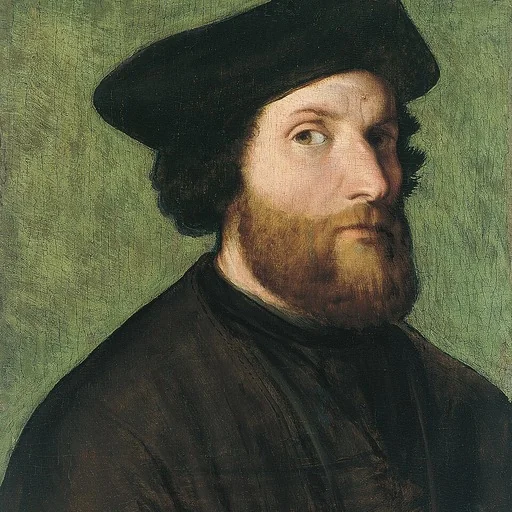
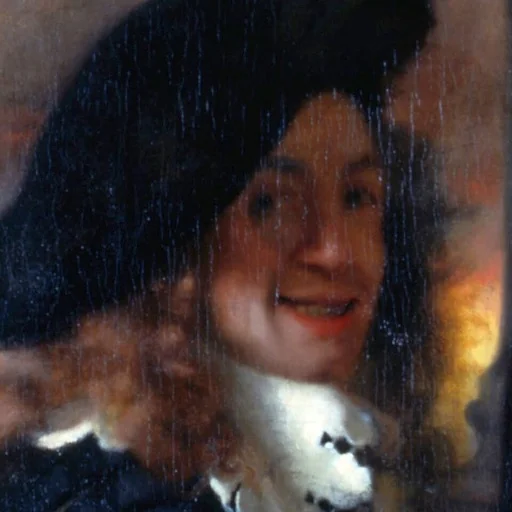
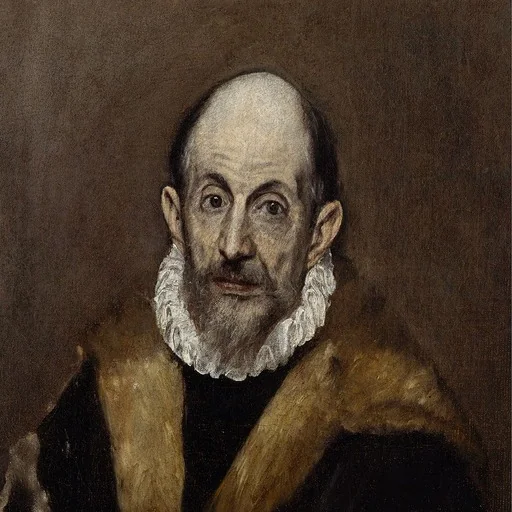
Christ is a subject in art. The gallery holds 154 works in this subject in art, including works by Jean Baptiste Camille Corot, Lorenzo Lotto and Johannes Vermeer.
No single subject has shaped Western art more profoundly than Jesus Christ, whose image has been continuously reimagined for some eighteen centuries. The earliest depictions emerge in the Roman catacombs of the second and third centuries, where Christians, wary of idolatry, favoured symbol over portrait. The dominant motif was the Good Shepherd—a beardless youth carrying a lamb across his shoulders—a form borrowed directly from the pagan kriophoros and the Greek philosopher type. This pastoral, approachable Christ persisted until roughly the fifth century, when, in the wake of Constantine's conversion, the imagery shifted toward majesty and rule.
Byzantium fixed the canonical face. The Christ Pantocrator ("ruler of all")—frontal, bearded, stern, one hand raised in blessing while the other holds the Gospels—appears in its earliest surviving form in a sixth-century encaustic icon at Saint Catherine's Monastery, Sinai, and dominates apse and dome from the ninth century onward. Set against fields of gold symbolising divine light, such images were governed by strict conventions and reinforced by the legend of the acheiropoieta, images "not made by human hands," such as the Mandylion of Edessa, which lent the type the authority of a true likeness.
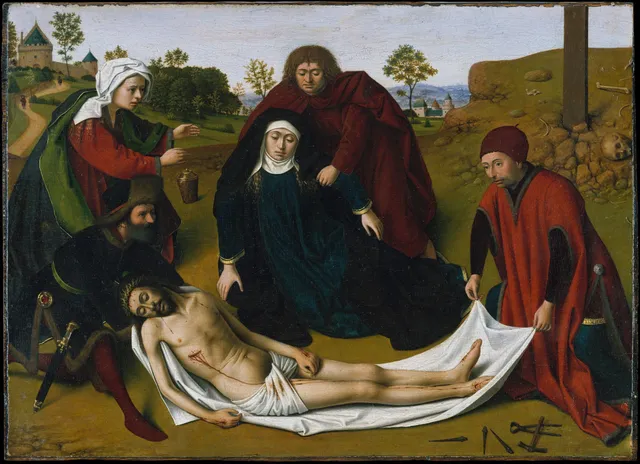
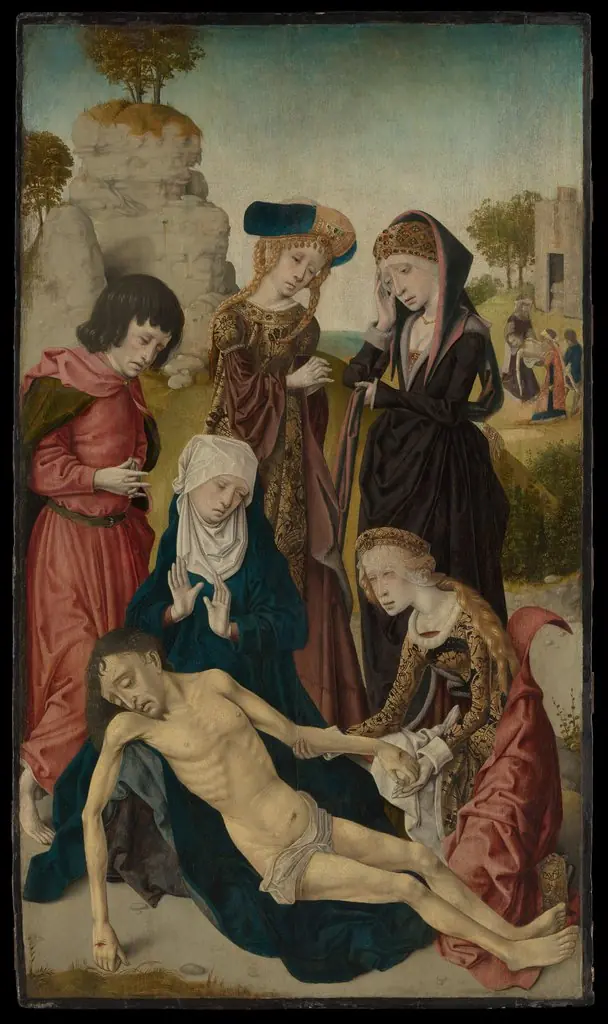
The medieval West turned increasingly toward Christ's humanity and suffering. The Crucifixion, the Lamentation, the Pietà, and the half-length Man of Sorrows invited devotional empathy. Northern painters pursued this pathos with unflinching realism—Petrus Christus, represented here by his tender Lamentation (c. 1455), and above all Matthias Grünewald, whose Isenheim Altarpiece (c. 1512–16), painted for a plague hospital near Colmar, renders the crucified body sore-pitted and wracked.
The Renaissance and Baroque balanced this anguish with idealised beauty and theological argument. Leonardo's Last Supper, Michelangelo's sculpted Pietà, and Caravaggio's raking naturalism gave the narrative new force, while Diego Velázquez stripped his Christ Crucified (c. 1632) to a serene figure against darkness. In Counter-Reformation Holland, Johannes Vermeer made Christ's saving work the hidden theme of his Allegory of the Catholic Faith. From catacomb fresco to altarpiece, the figure of Christ remained the engine driving the development of composition, perspective, and emotional realism across the whole of European art.
Key artists
Overview
Christ, the central figure of Christianity, is one of the most depicted subjects in the history of Western art. The figure of Jesus of Nazareth, understood by believers as the Son of God and the Messiah, has inspired artists for nearly two millennia to create works ranging from intimate devotional images to monumental public commissions. This subject recurs in art not merely as religious illustration, but as a vehicle for theological exploration, cultural expression, and aesthetic innovation. The collection under discussion holds 180 works depicting Christ, a number that indicates both the subject's enduring importance and its remarkable flexibility across media, periods, and artistic intentions. From narrative scenes of his life, death, and resurrection to symbolic and allegorical treatments, Christ as an artistic subject encompasses an extraordinarily broad spectrum of human creative endeavor.
Iconography & meaning
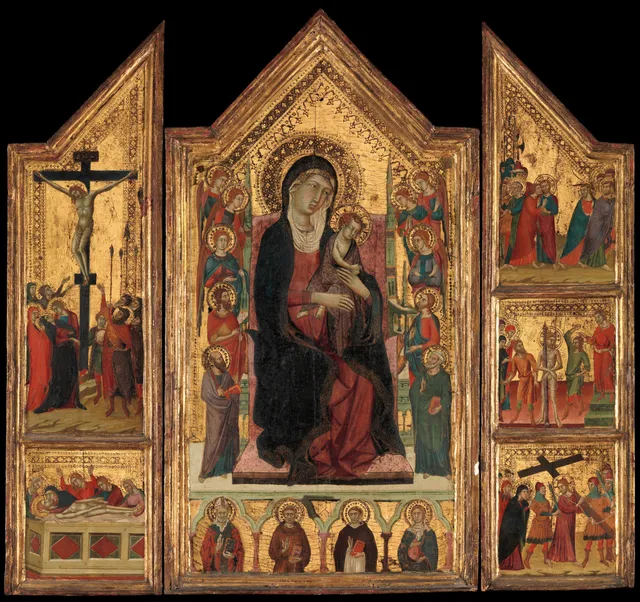
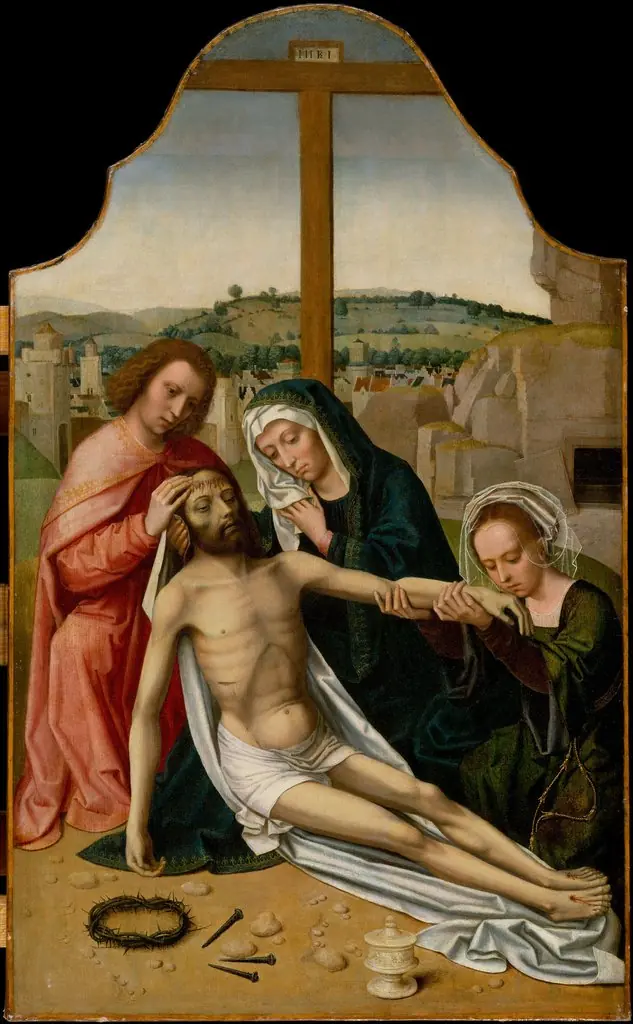
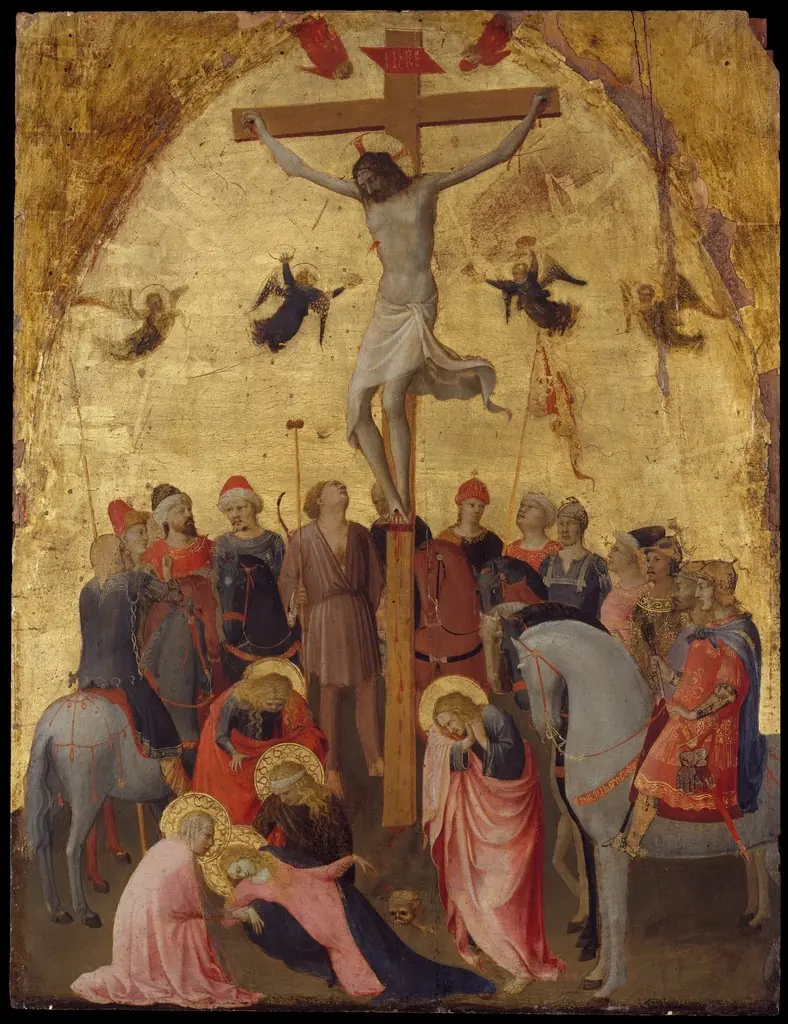
The iconography of Christ in art developed through centuries of theological debate and devotional practice. Early Christian art favored symbolic representations, the fish, the Good Shepherd, or the Chi-Rho, before gradually embracing figural depictions. By the medieval period, a complex visual language had emerged. Christ's attributes include the cruciform halo, the orb and scepter in images of divine kingship, and the wounds of the Passion. Specific narrative moments carry distinct iconographic conventions: the Lamentation shows his body mourned by followers, the Crucifixion emphasizes sacrificial suffering, and the Last Supper captures institutional foundation. The Salvator Mundi type presents Christ as cosmic ruler, hand raised in blessing, holding a crystal orb symbolizing the cosmos he sustains. Theological developments shaped these representations. The Transfiguration, for instance, required visualizing divine radiance and the presence of Moses and Elijah alongside Christ, as Raphael would later compose. The Passion narrative demanded increasingly naturalistic treatment of physical suffering to engage viewer empathy, a trajectory from Giotto's pioneering emotional directness toward ever-greater dramatic intensity. Different traditions emphasized different aspects: Byzantine iconography stressed the divine and unchanging nature, while Western medieval and Renaissance art increasingly explored the human and temporal dimensions of Christ's life.
Notable depictions
Certain depictions of Christ have achieved canonical status through their artistic achievement, historical influence, or cultural penetration. Giotto's Lamentation of Christ in the Scrovegni Chapel, Padua, effectively initiated Western religious painting's engagement with human emotion, its mourning figures and weeping angels establishing a model for centuries. Leonardo da Vinci's The Last Supper in Milan's Santa Maria delle Grazie, painted in tempera and oil on a dry wall between 1495 and 1498, captures the psychological drama of Christ's announcement of betrayal, each apostle reacting with individual gesture and expression. The same artist's Salvator Mundi, painted around 1499-1510 and rediscovered after two centuries of obscurity, achieved the highest auction price ever recorded for a painting when it sold at Christie's in November 2017 for $450.3 million, its current location undisclosed. Michelangelo's Creation of Adam from the Sistine Chapel ceiling (1508-1512) became perhaps the most reproduced sacred image in global visual culture, its near-touching fingers encapsulating divine creation. His later Last Judgment presented a muscular, implacable Christ of overwhelming physical presence. Raphael's unfinished Transfiguration (1516-1520), now in the Vatican Pinacoteca, was honored by being carried at the head of his funeral procession, its contrast between human helplessness below and divine radiance above achieving extraordinary theological tension. These works, though not all in the collection under discussion, represent the standard against which Christ depictions have been measured and the sources from which subsequent artists have drawn inspiration.
Works
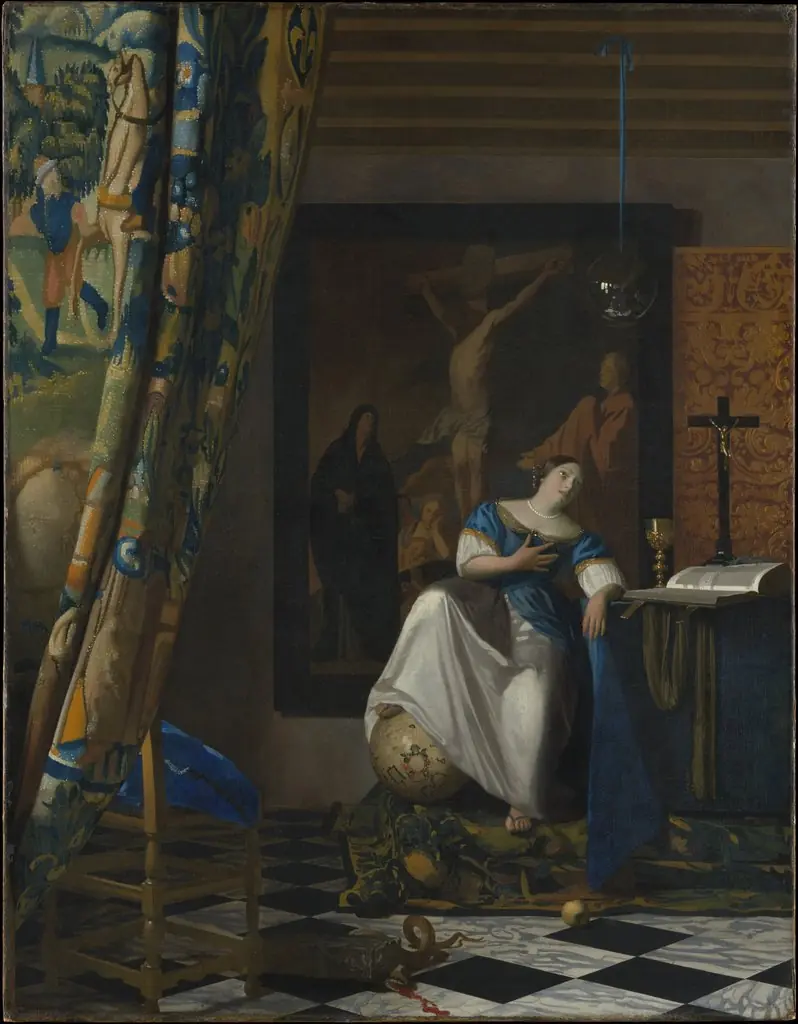 Allegory of the Catholic Faith
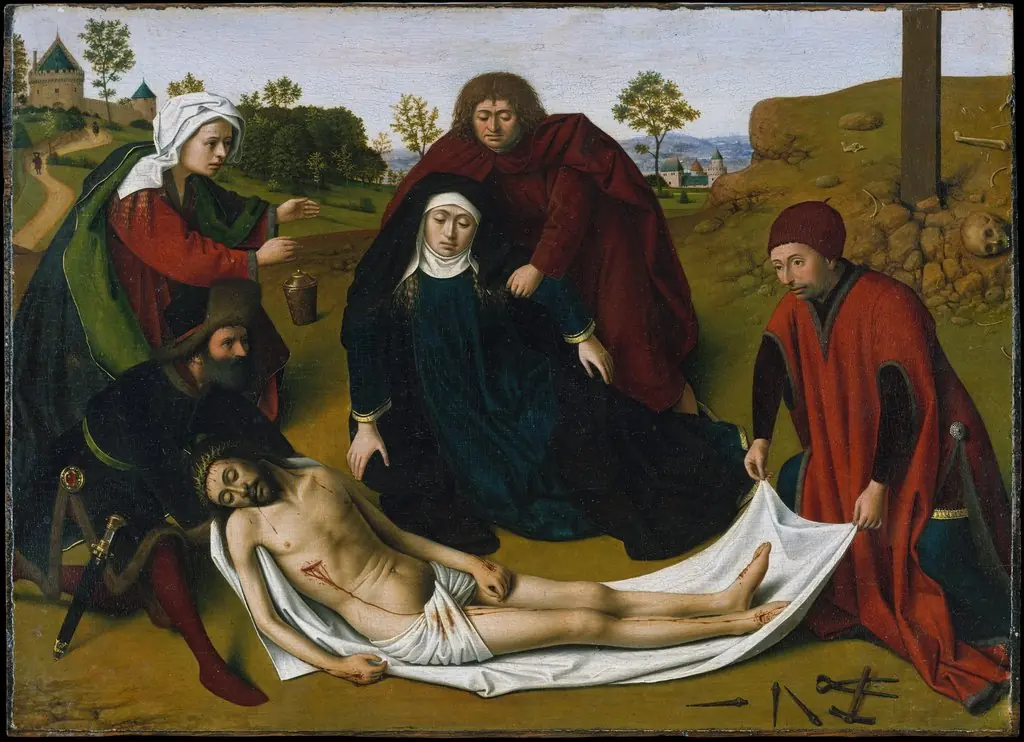 The Lamentation
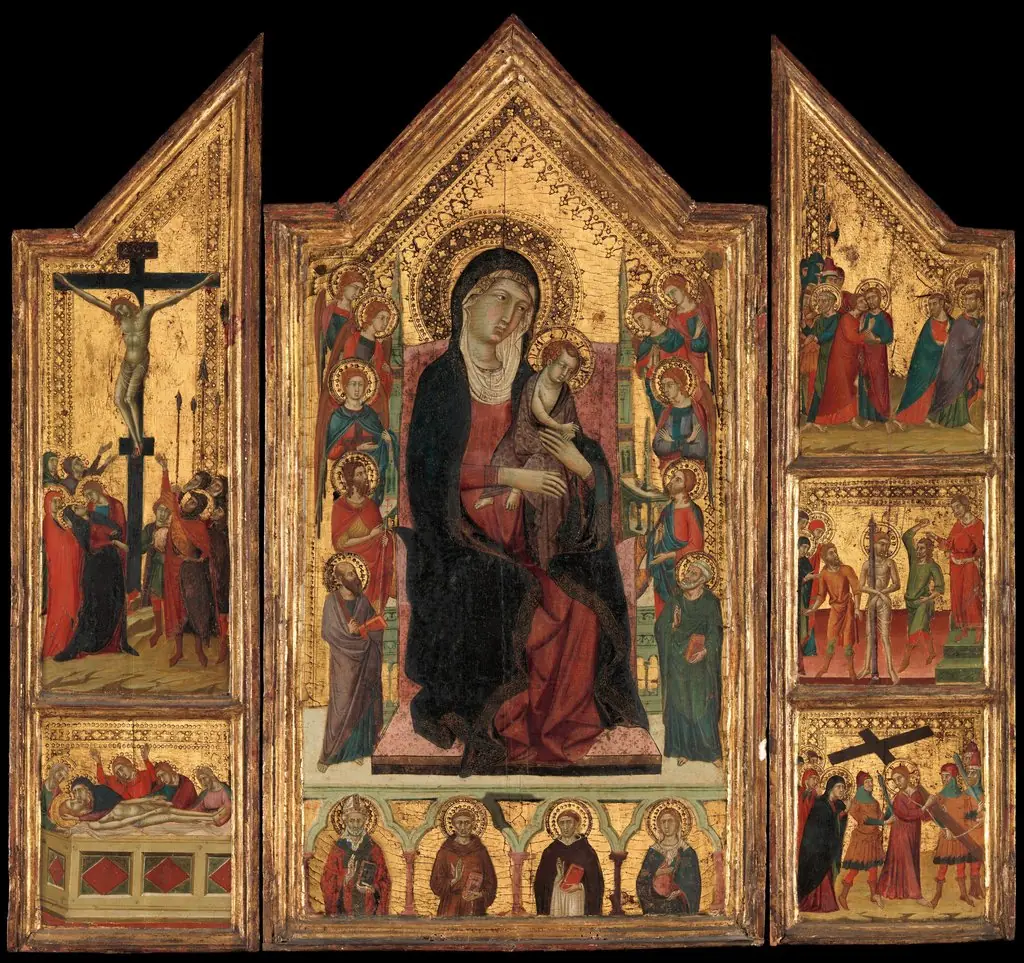 Madonna and Child Enthroned
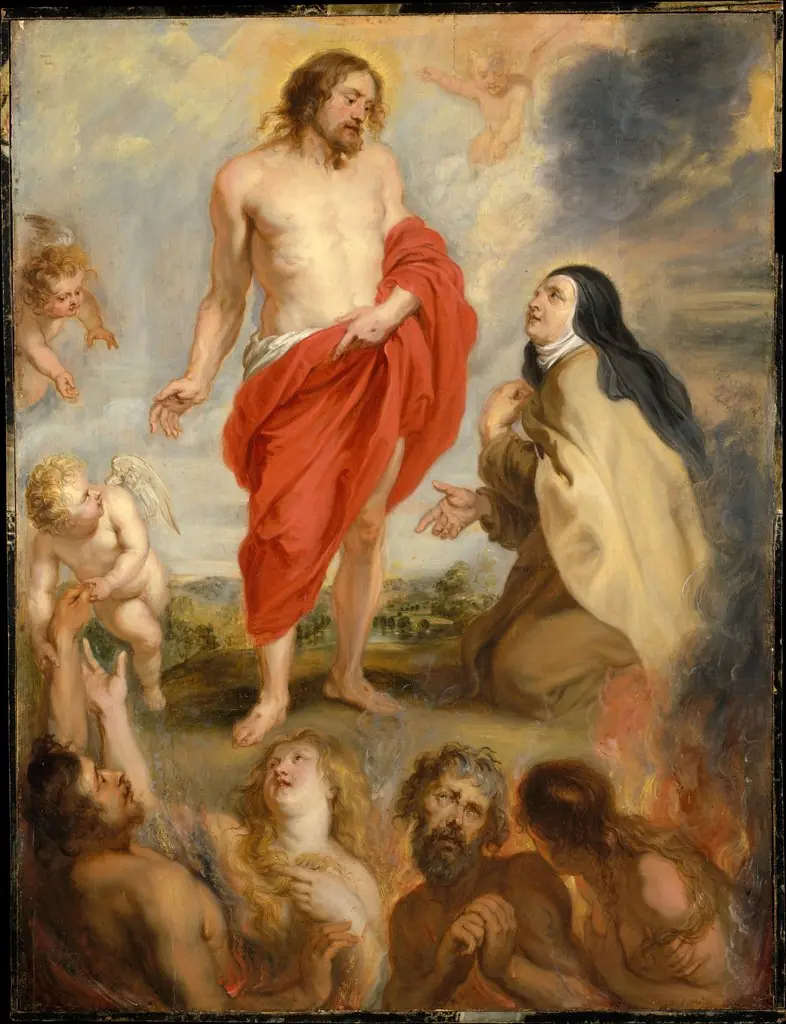 Saint Teresa of Ávila Interceding for Souls in Purgatory
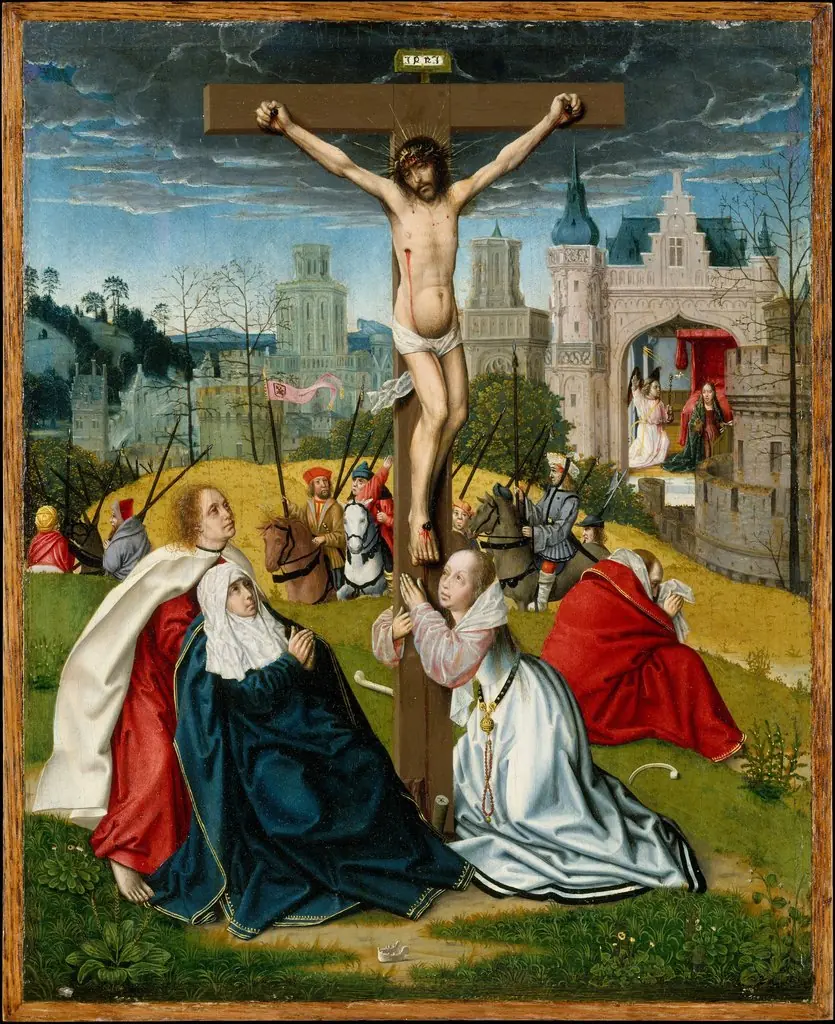 The Crucifixion
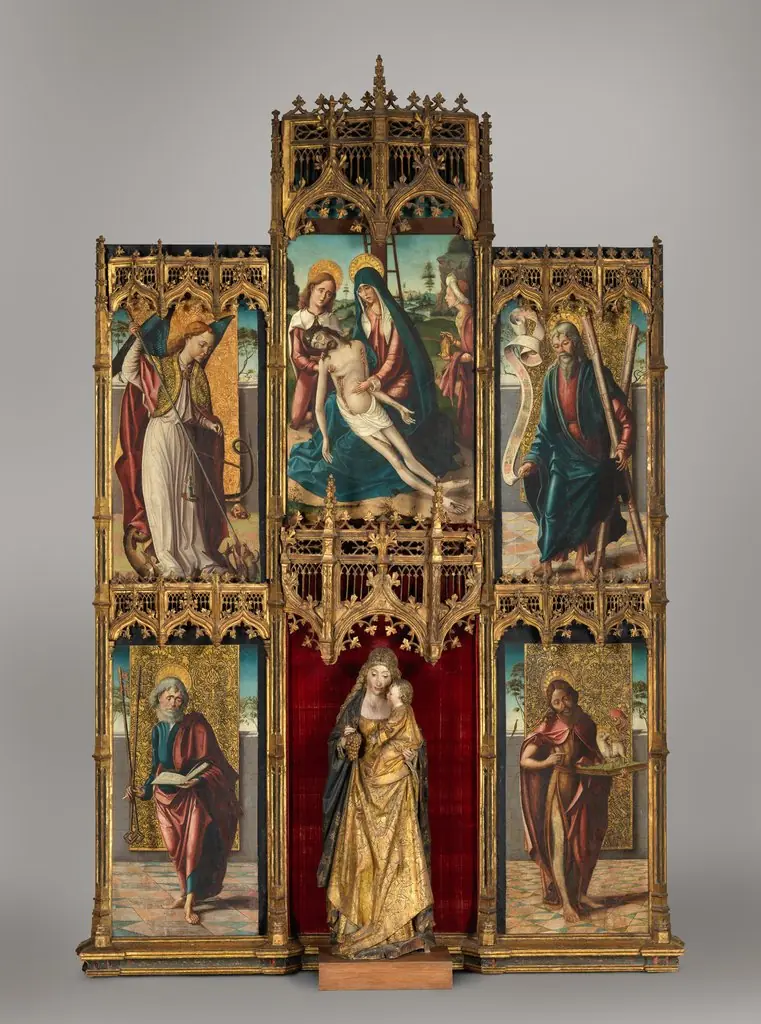 Virgin and Child with the Pietà and Saints
 The Lamentation
 Glorification of the Eucharist
 The Lamentation
 The Crucifixion
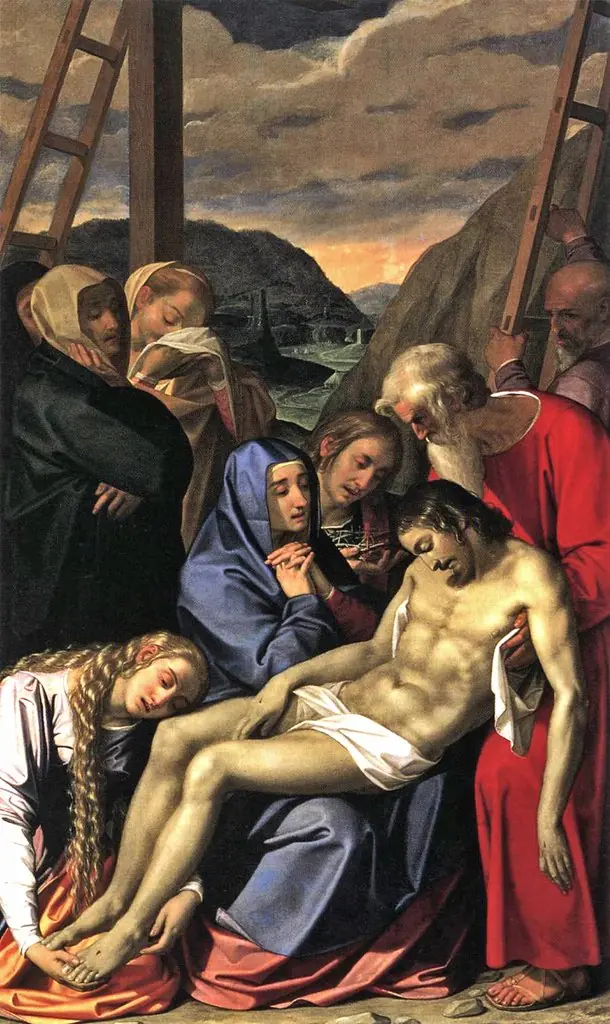 The Lamentation
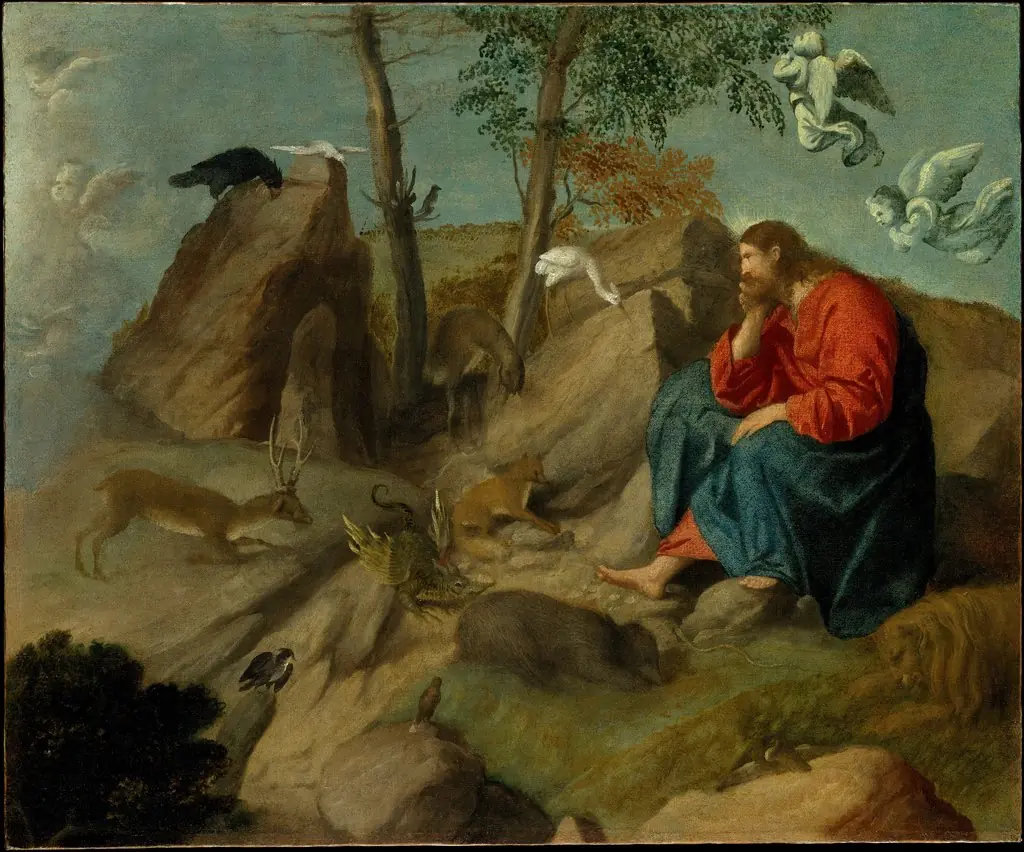 Christ in the Wilderness
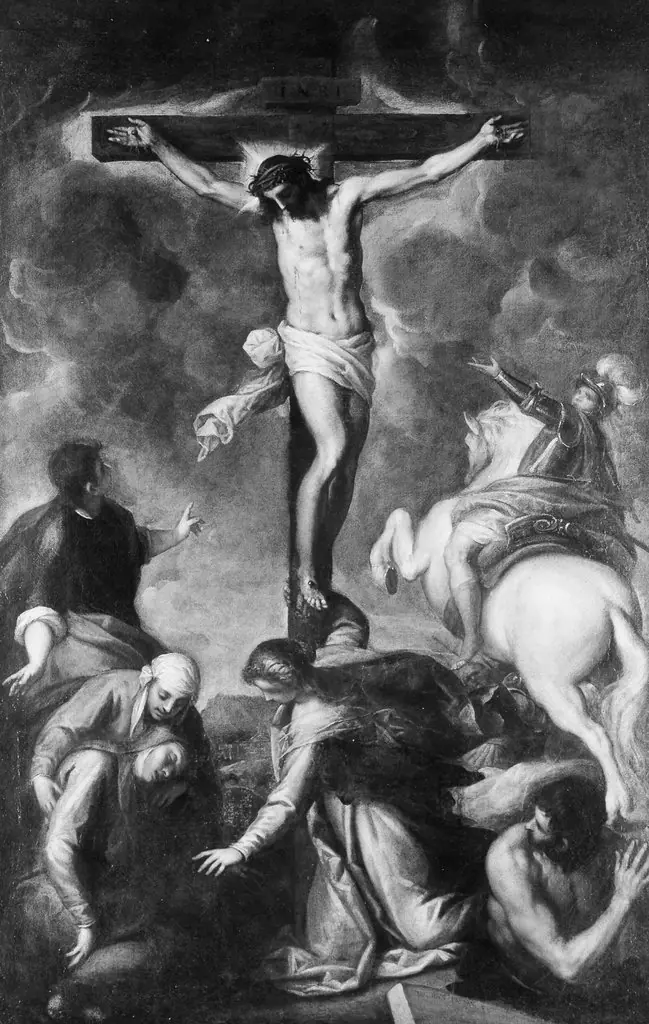 The Crucifixion
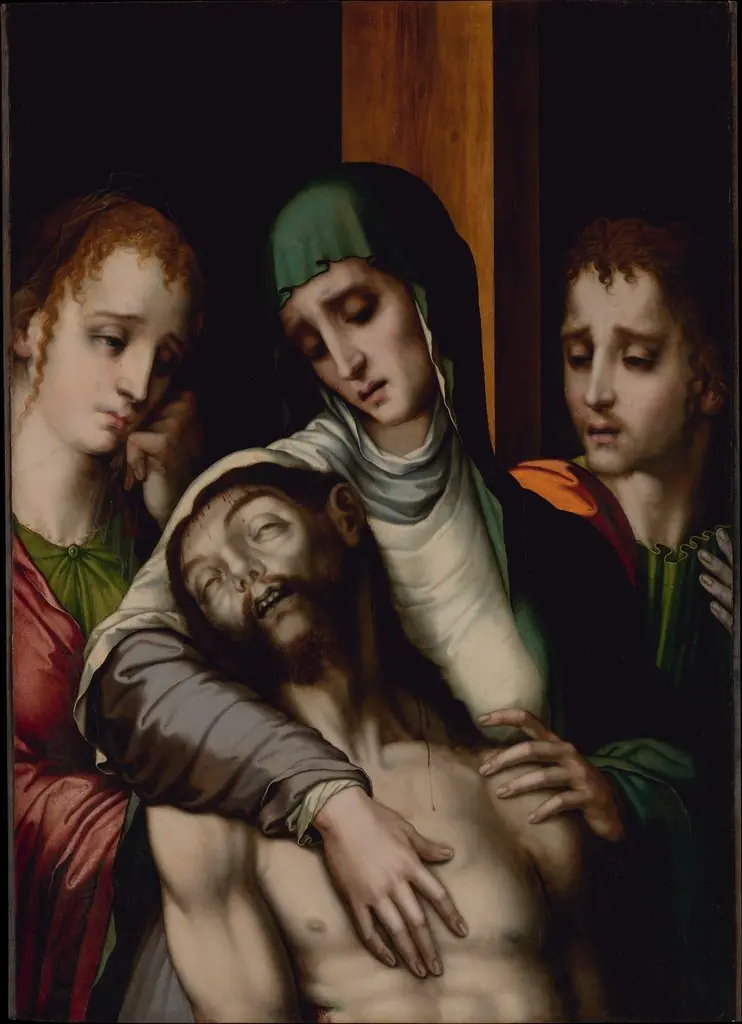 The Lamentation
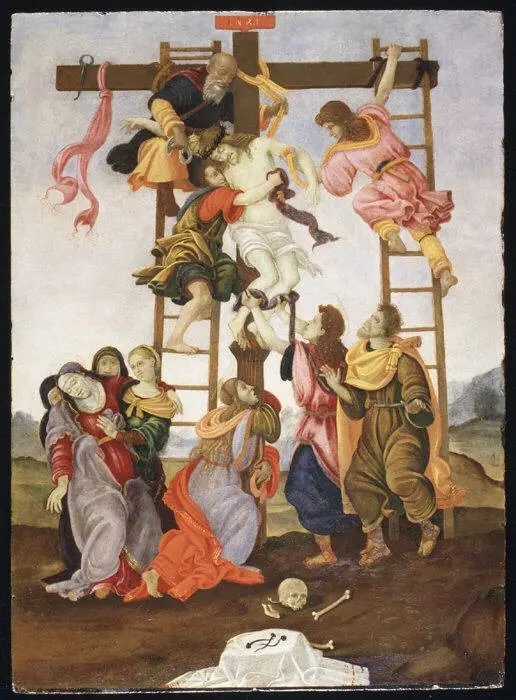 The Descent from the Cross
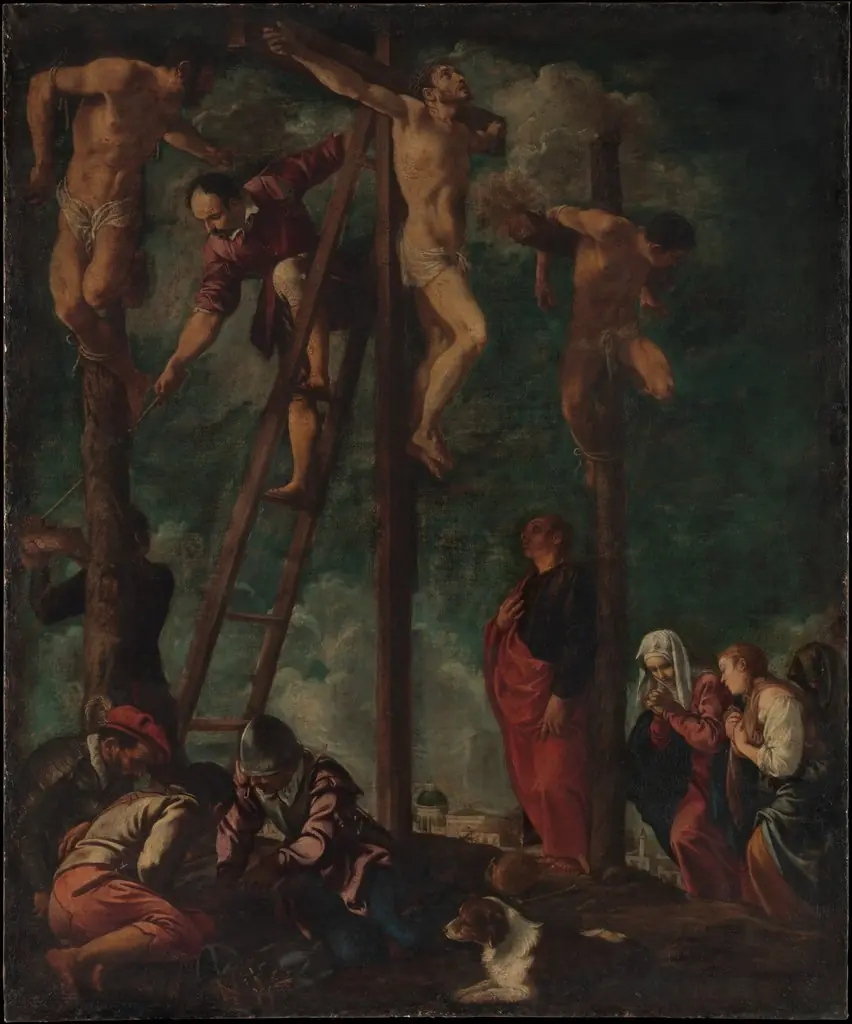 The Crucifixion
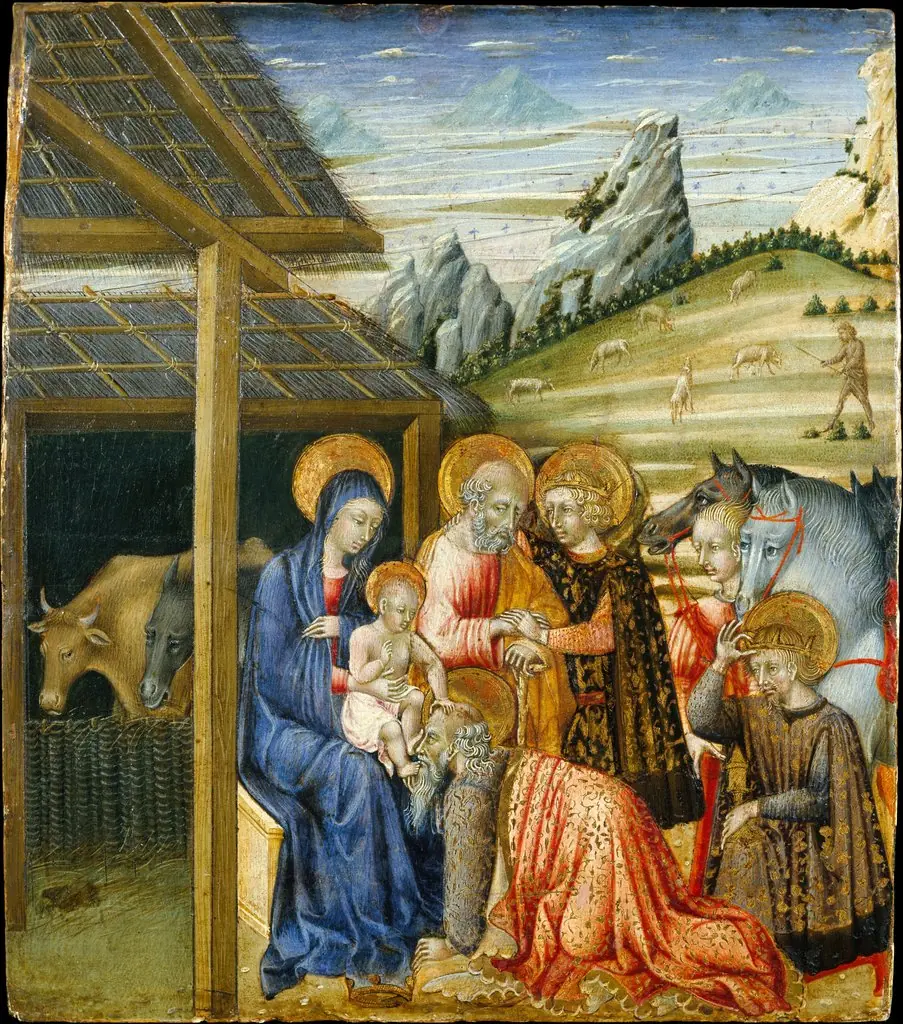 The Adoration of the Magi
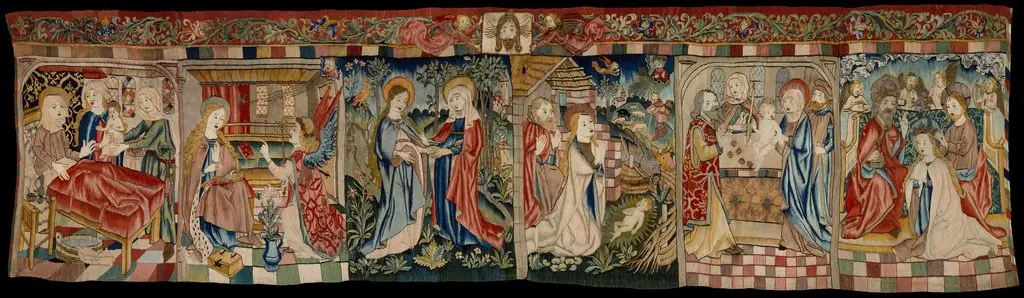 Scenes from the Life of the Virgin
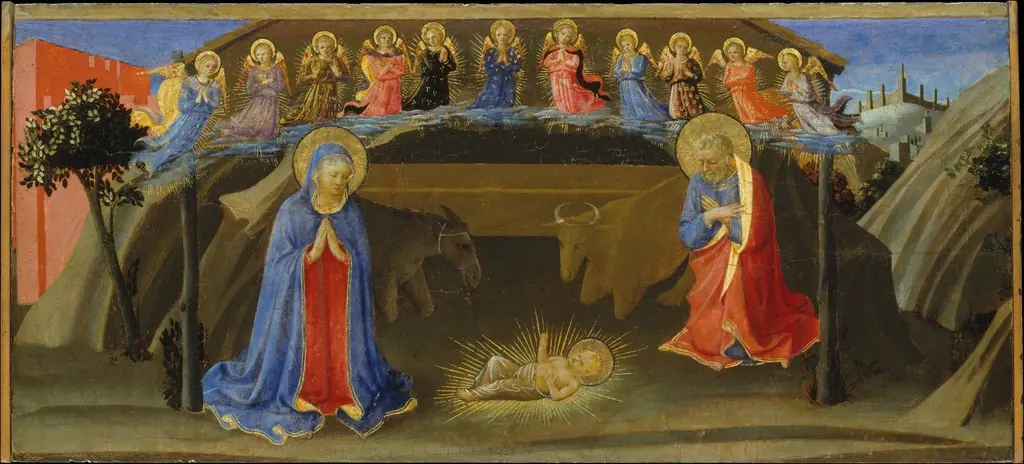 The Nativity
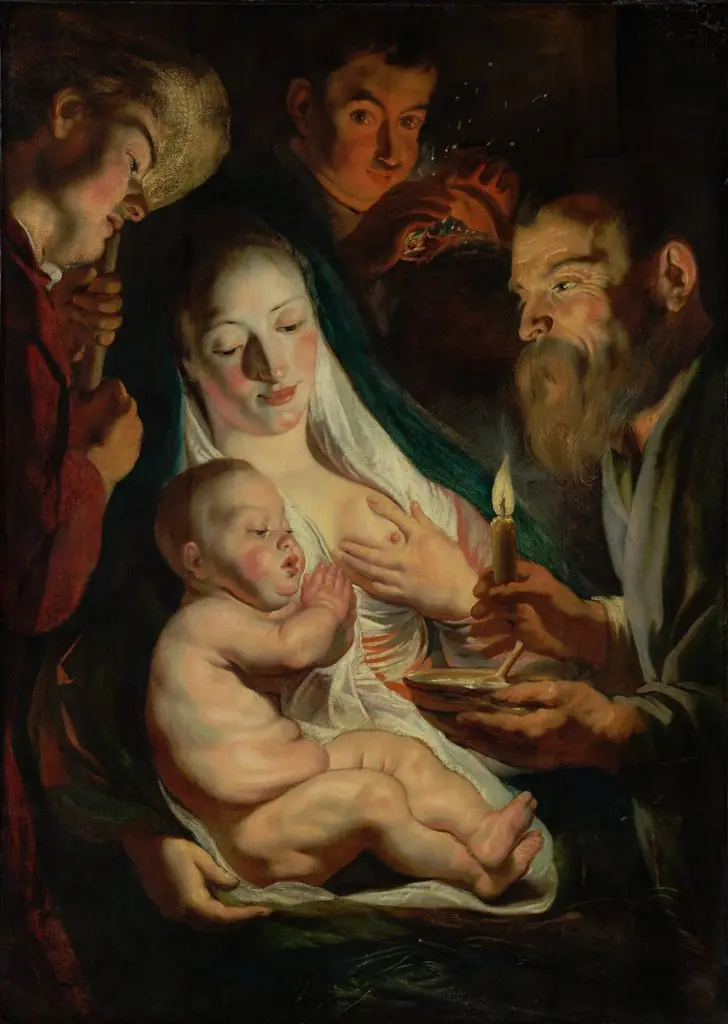 The Holy Family with Shepherds
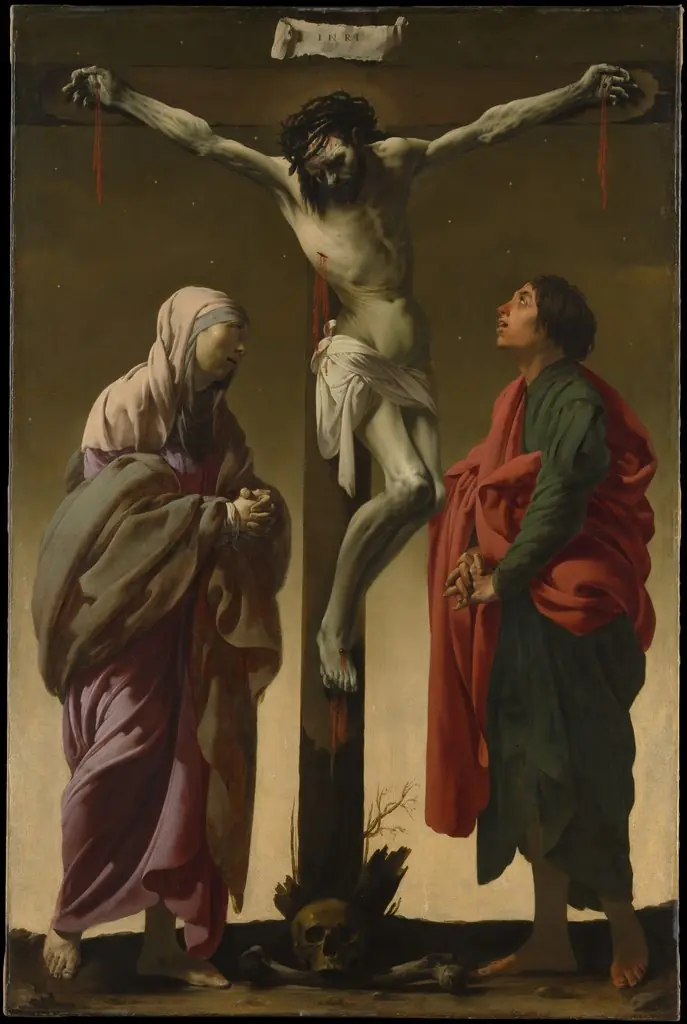 The Crucifixion with the Virgin and St John
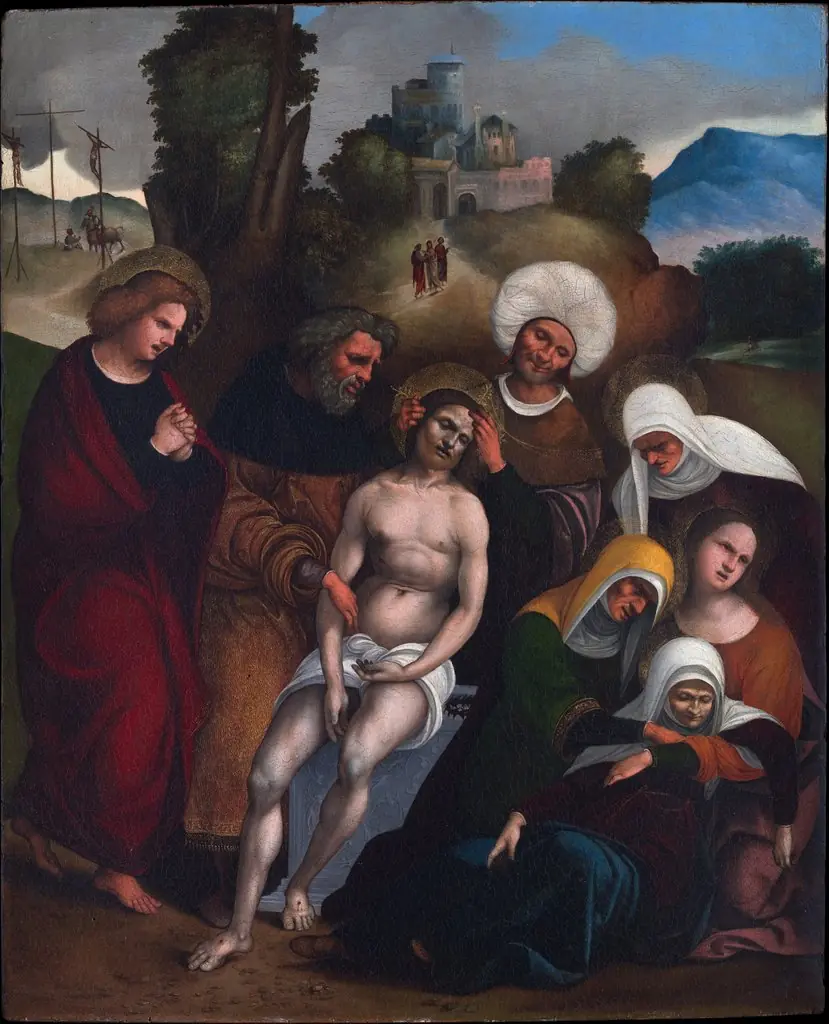 The Lamentation
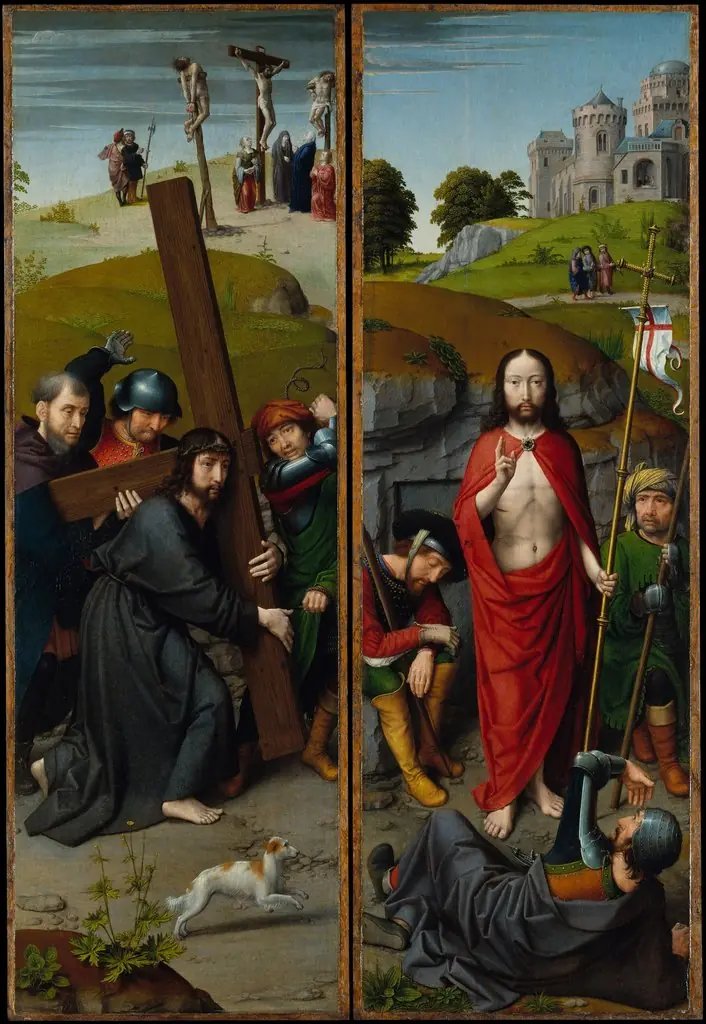 Christ Carrying the Cross, with the Crucifixion; The Resurrection, with the Pilgrims of Emmaus
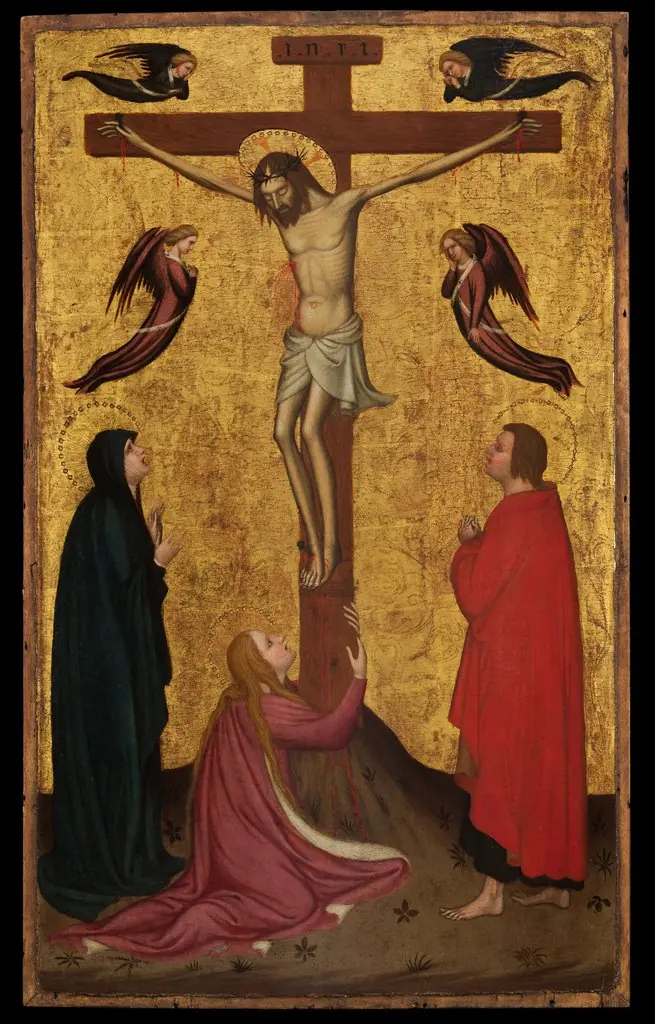 The Crucifixion
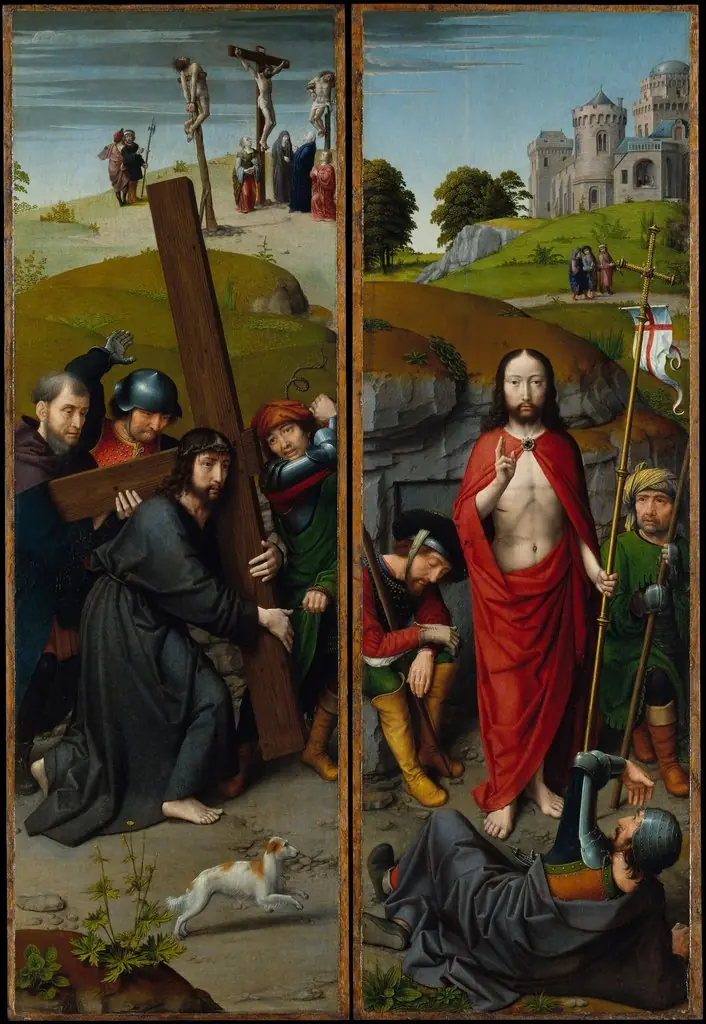 Christ Carrying the Cross, with the Crucifixion; The Resurrection, with the Pilgrims of Emmaus
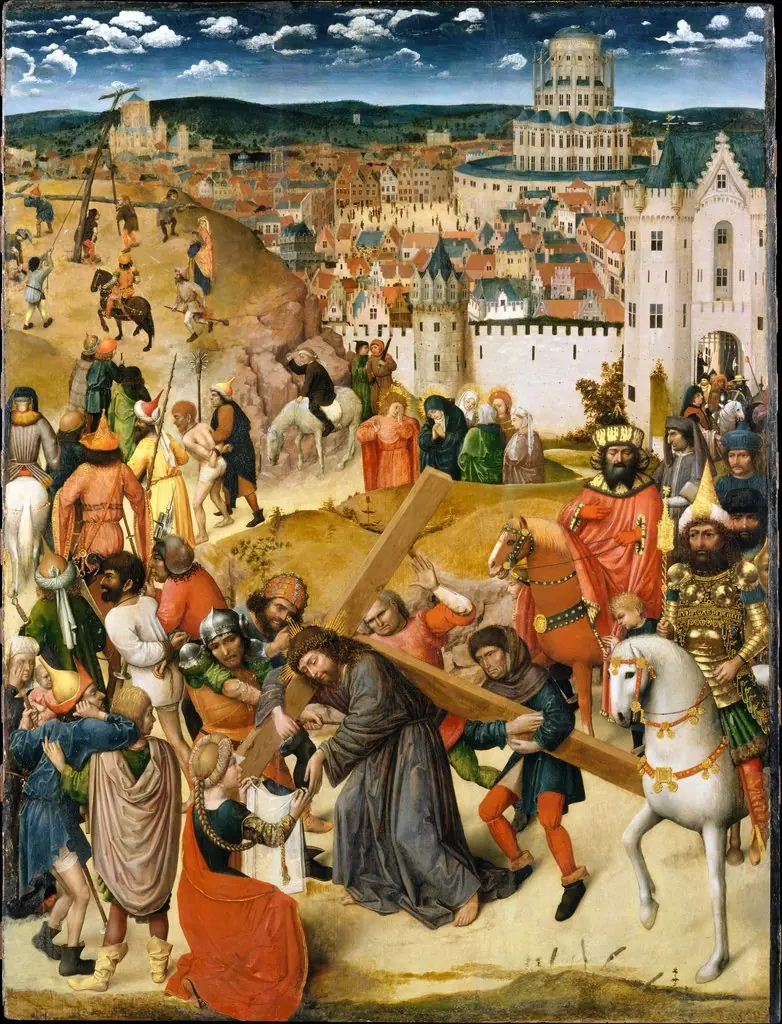 Christ Bearing the Cross
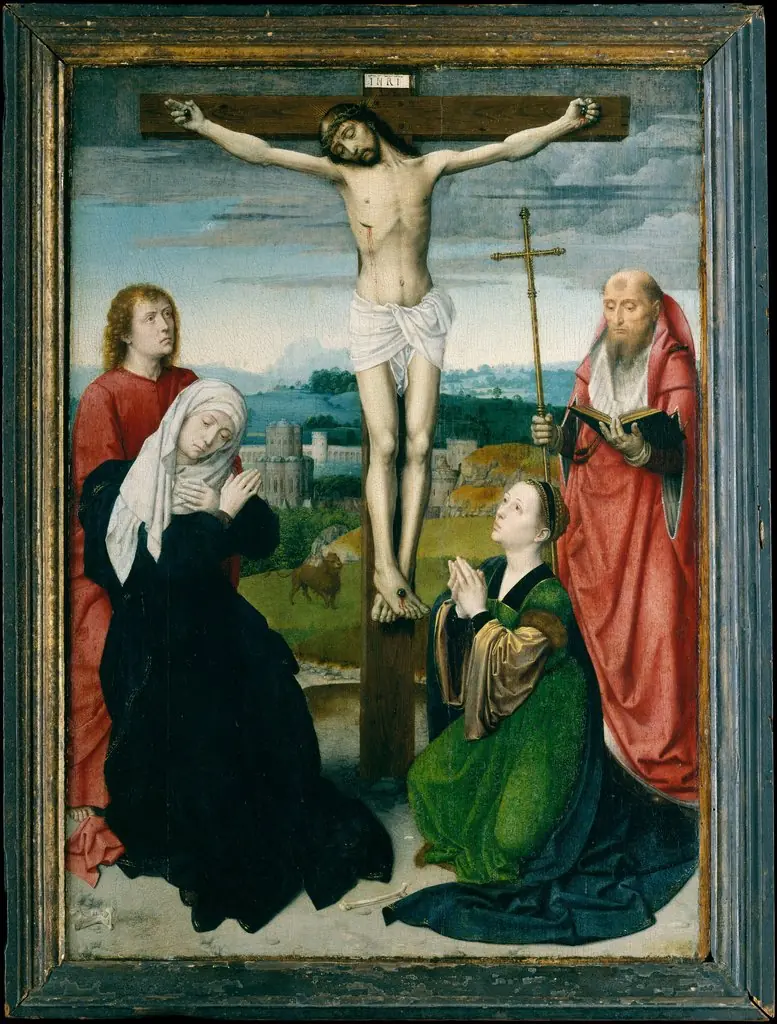 The Crucifixion
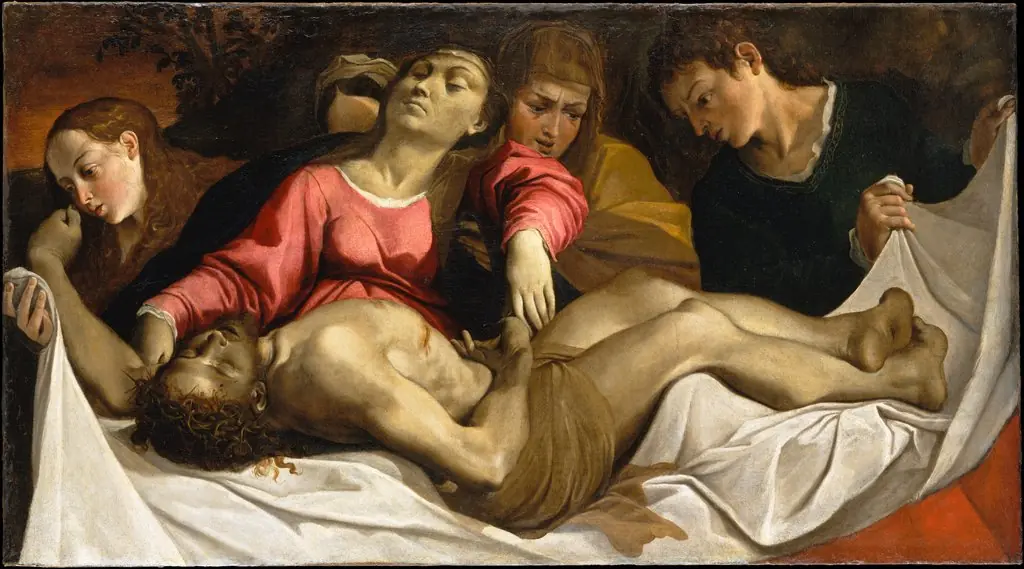 The Lamentation
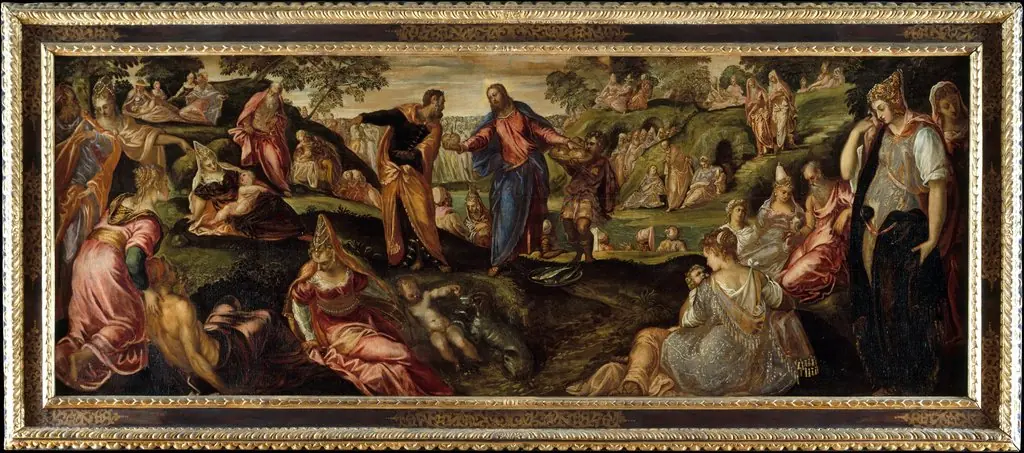 The Miracle of the Loaves and Fishes
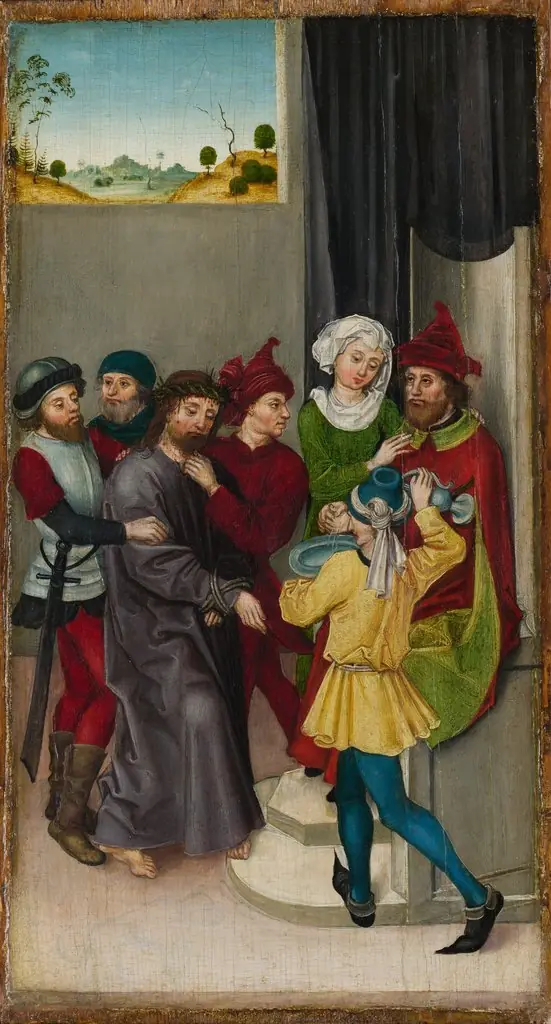 Christ before Pilate; The Resurrection
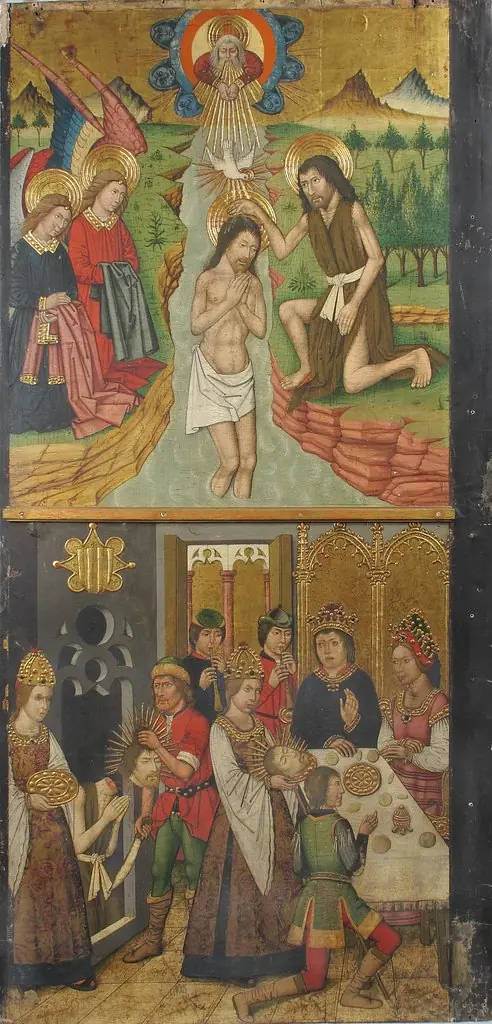 Panel from Saint John Retable
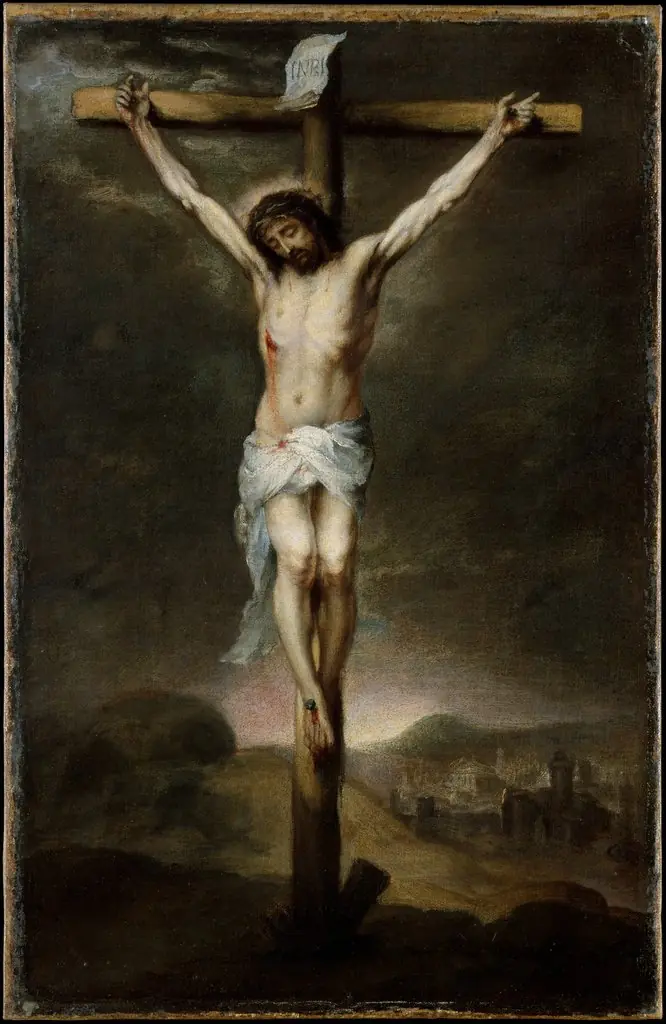 The Crucifixion
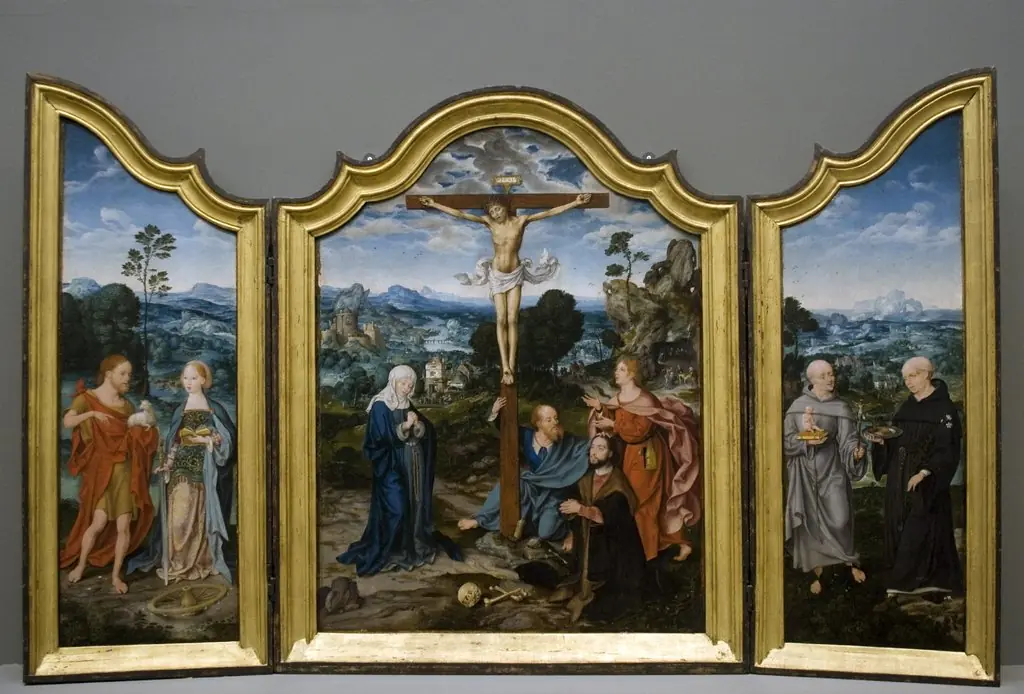 The Crucifixion with Saints and a Donor
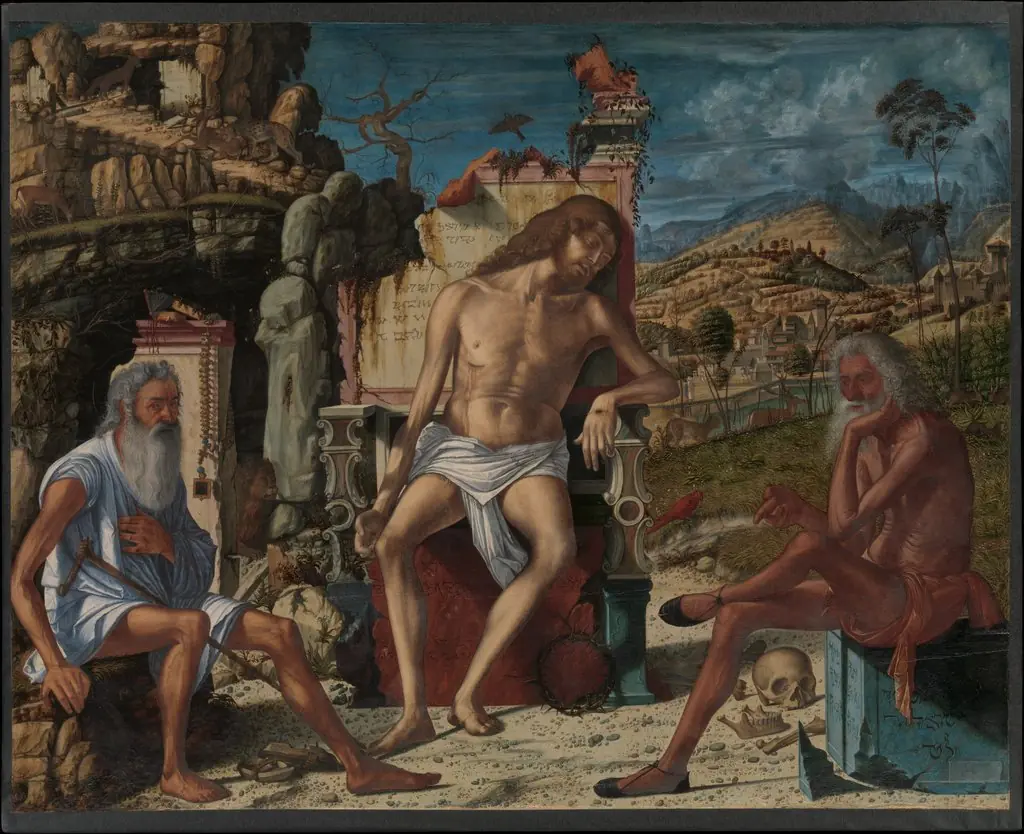 The Meditation on the Passion
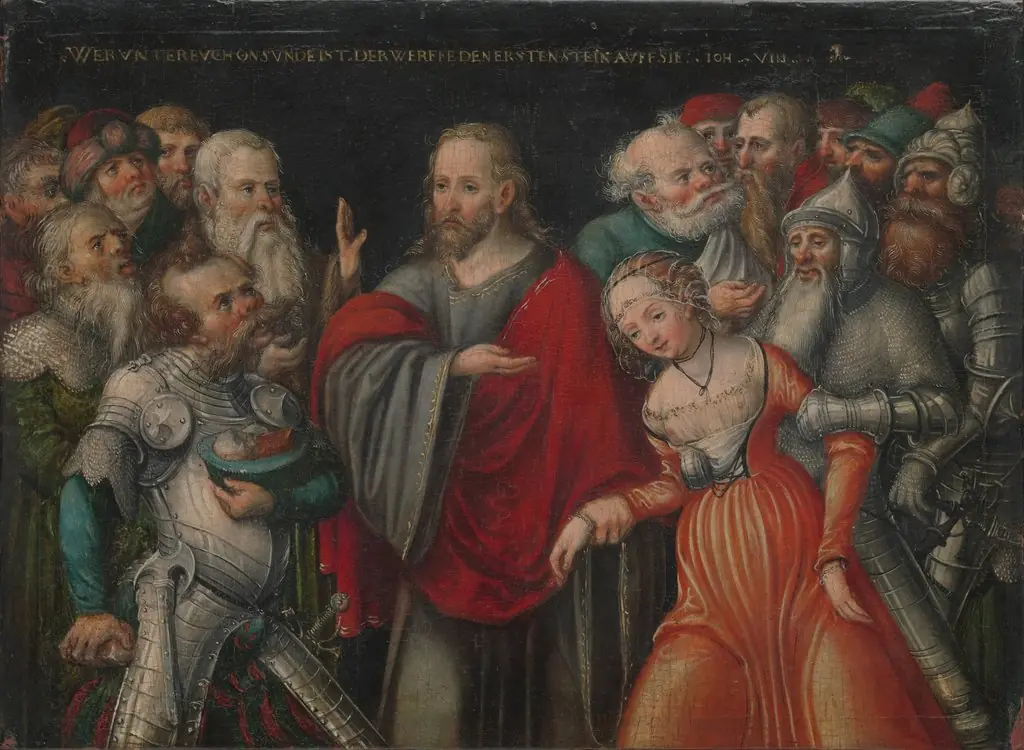 Christ and the Adulteress
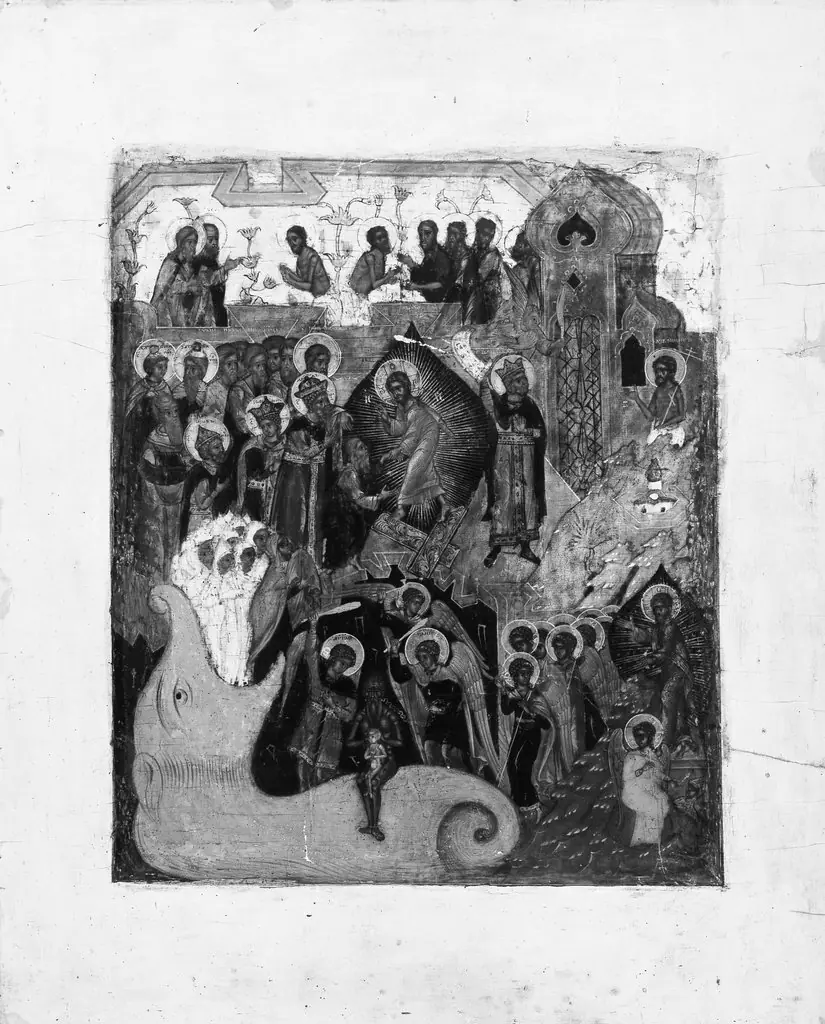 The Resurrection of Christ and the Harrowing of Hell
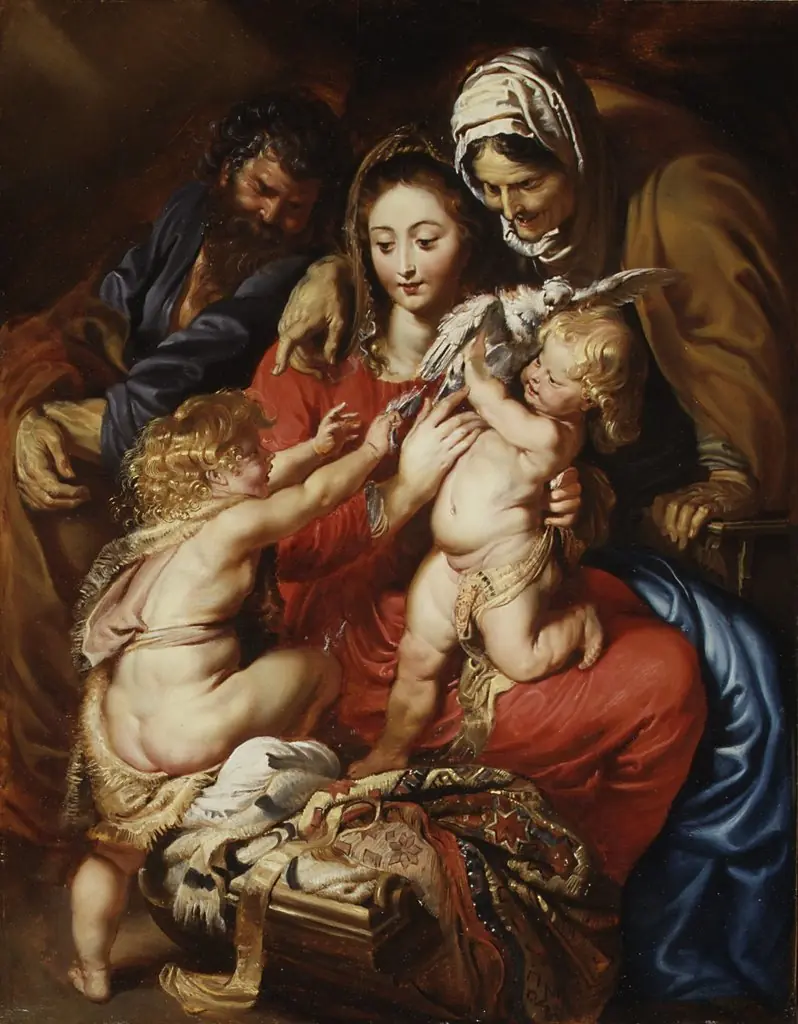 The Holy Family with Saint Elizabeth, Saint John, and a Dove
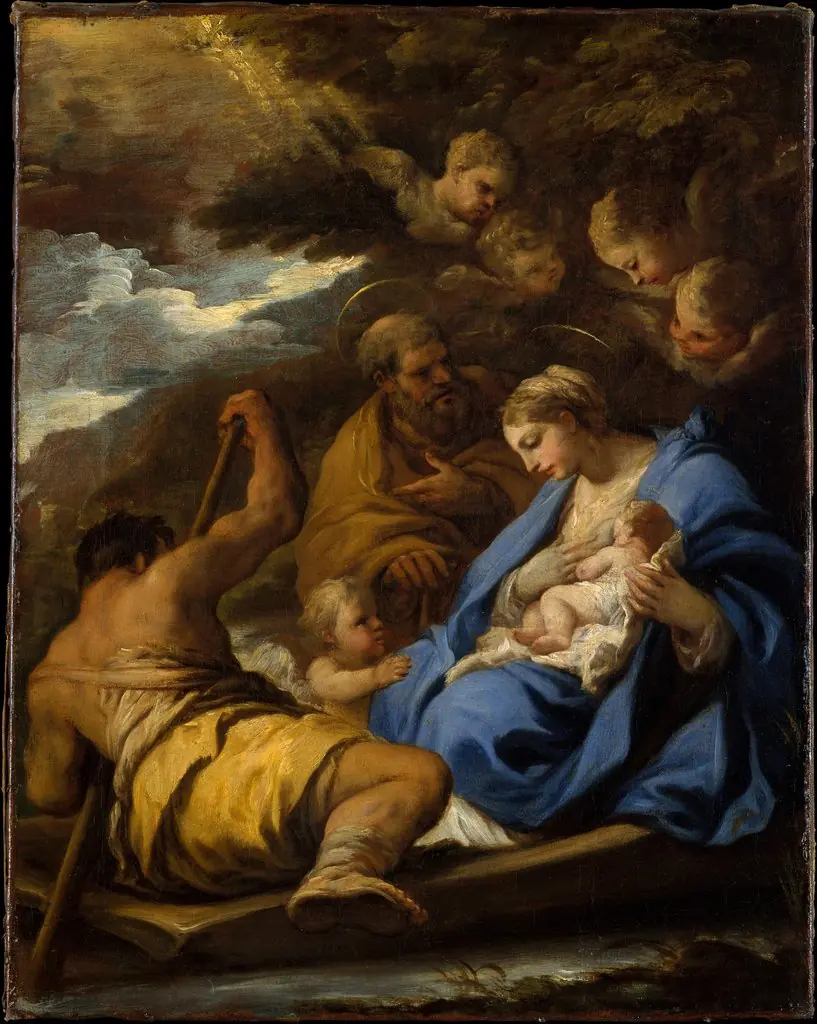 The Flight into Egypt
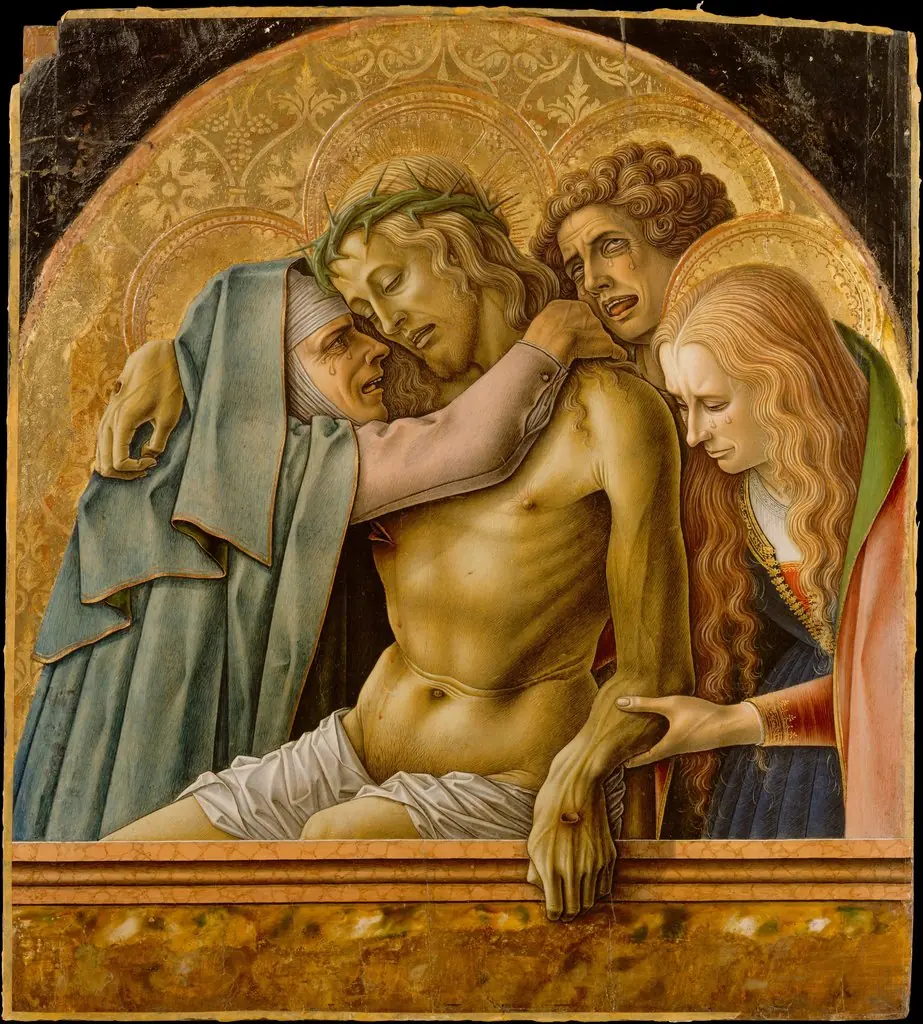 Pietà
Pietà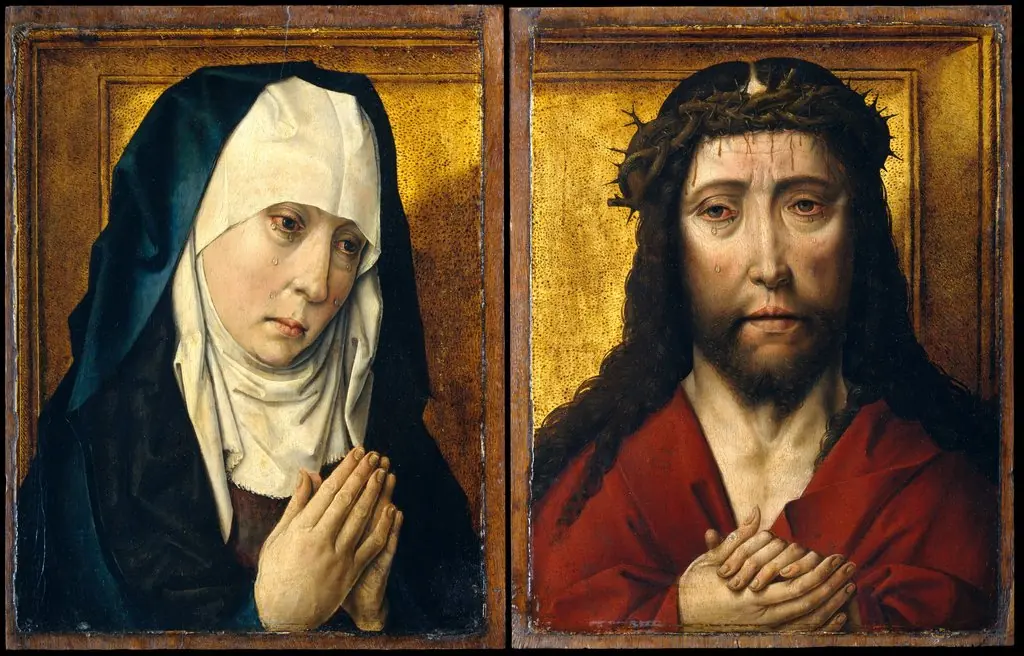 The Mourning Virgin; The Man of Sorrows
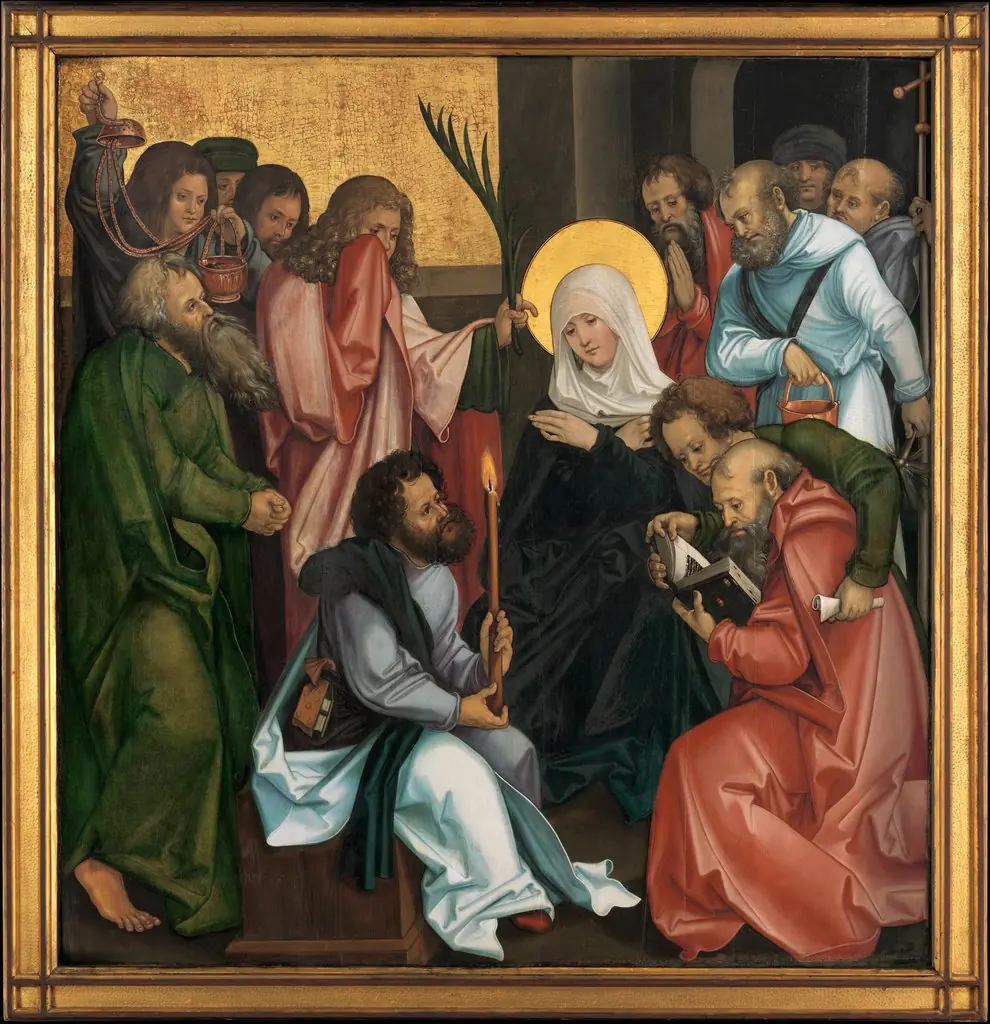 The Dormition of the Virgin; (reverse) Christ Carrying the Cross
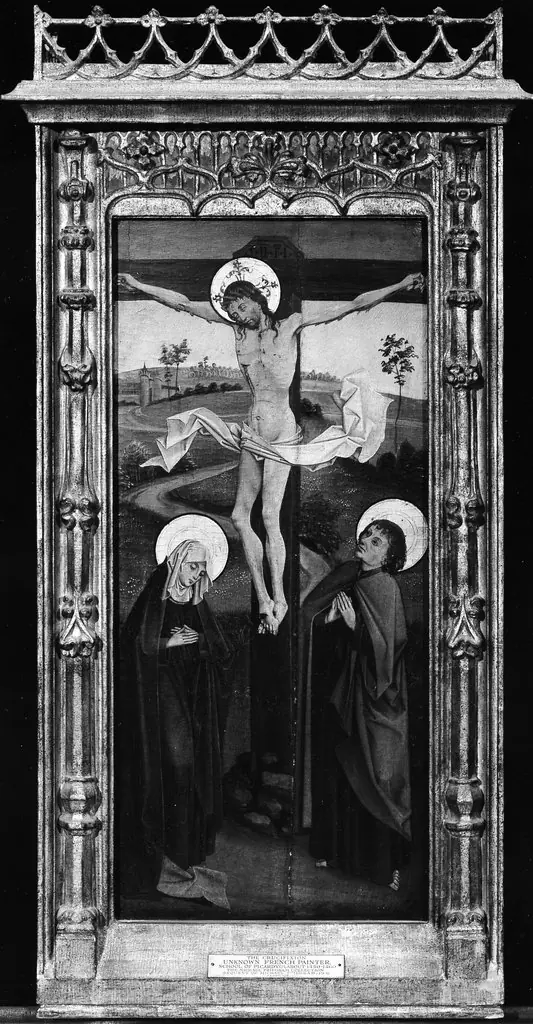 The Crucifixion, (reverse) Saint Francis of Assisi; The Resurrection, (reverse) An Abbot Saint, Possibly Saint Benedict
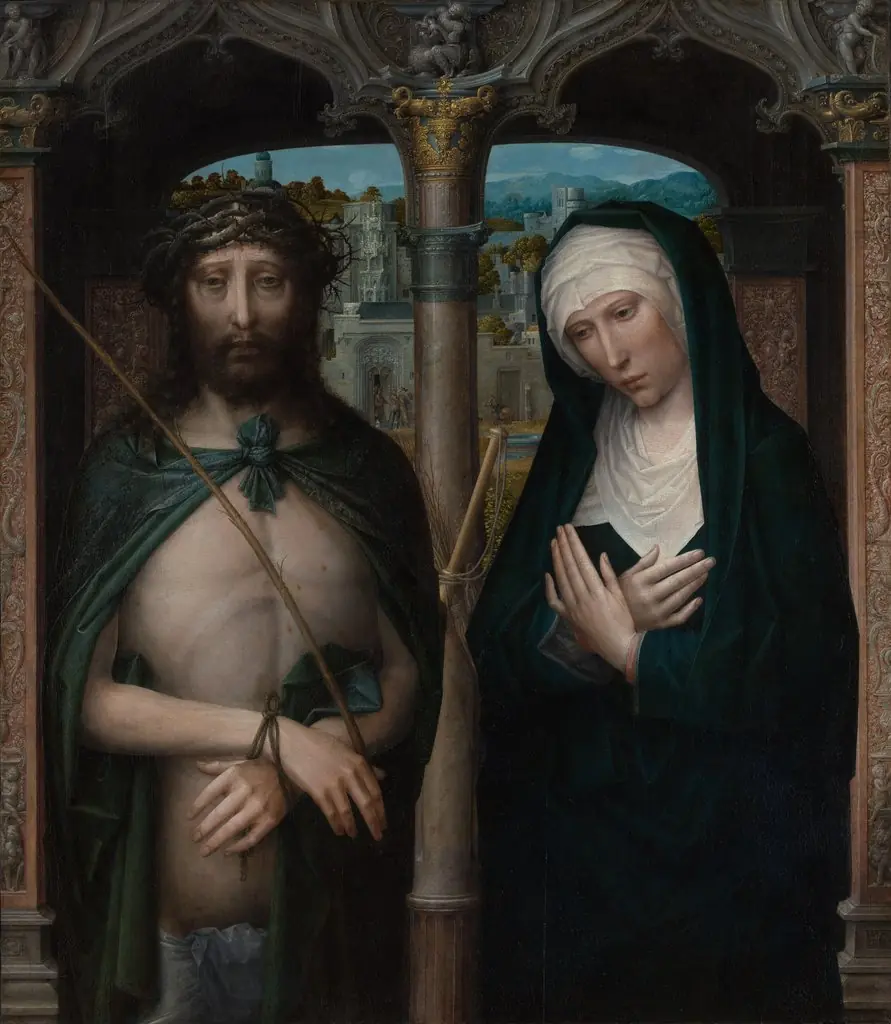 Christ Crowned with Thorns (Ecce Homo), and the Mourning Virgin
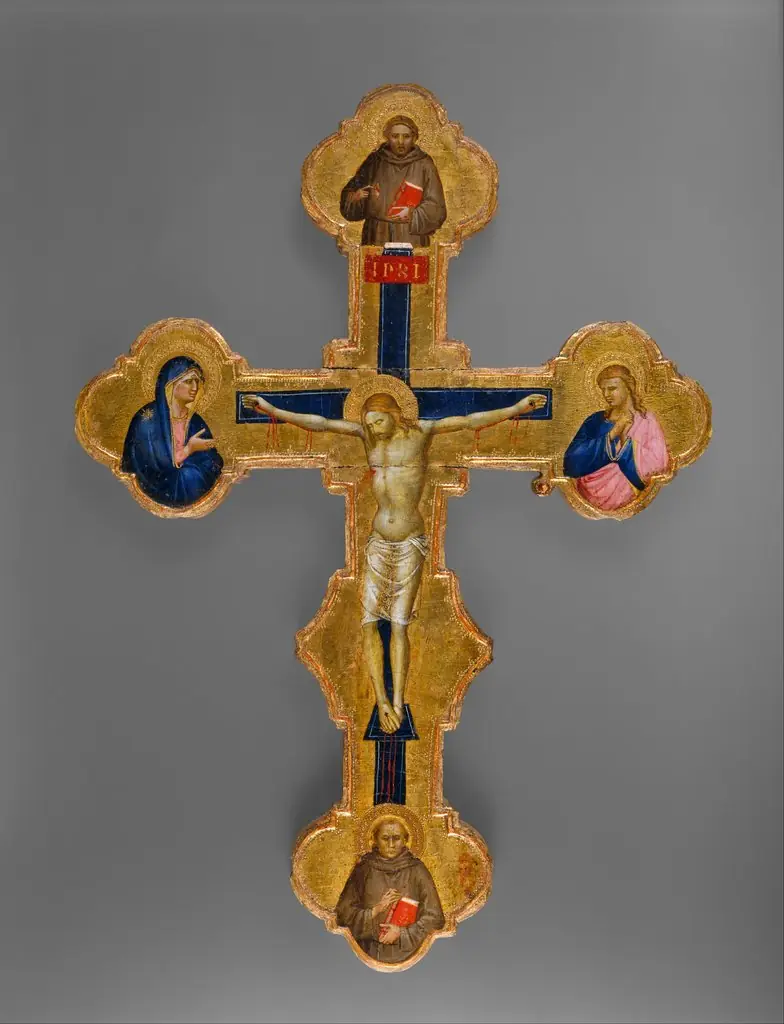 Crucifix
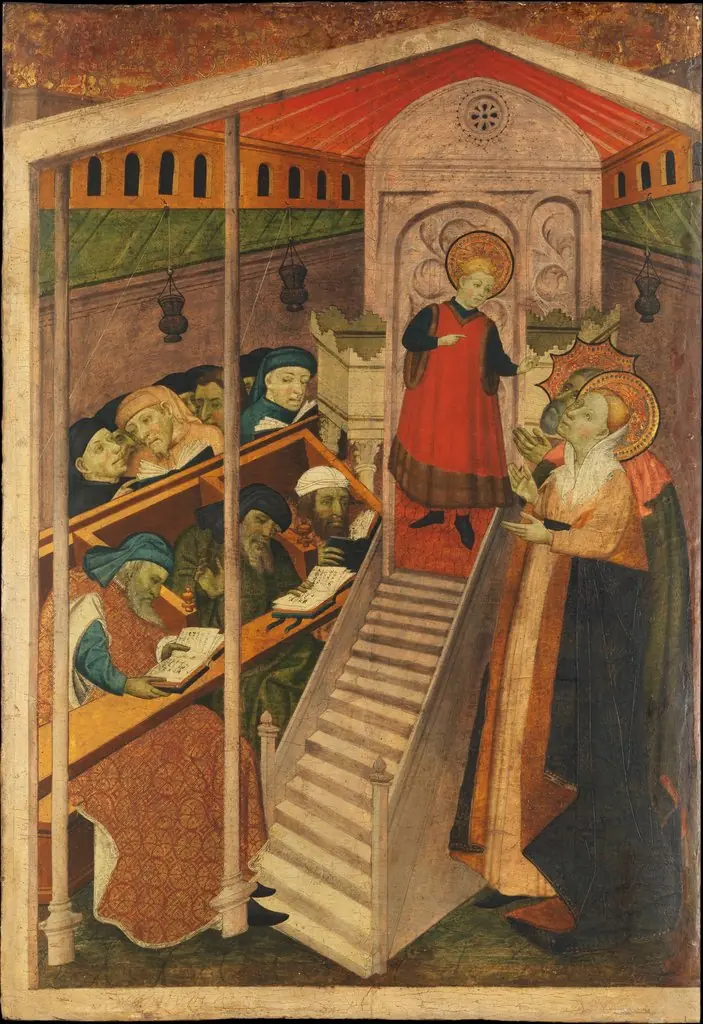 Christ among the Doctors
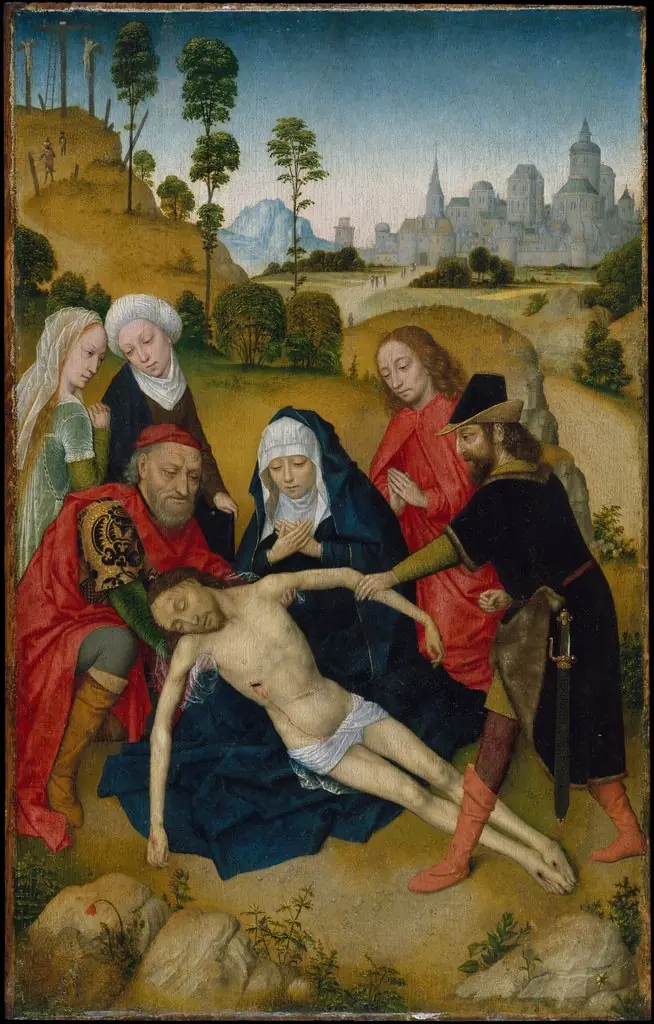 The Lamentation of Christ
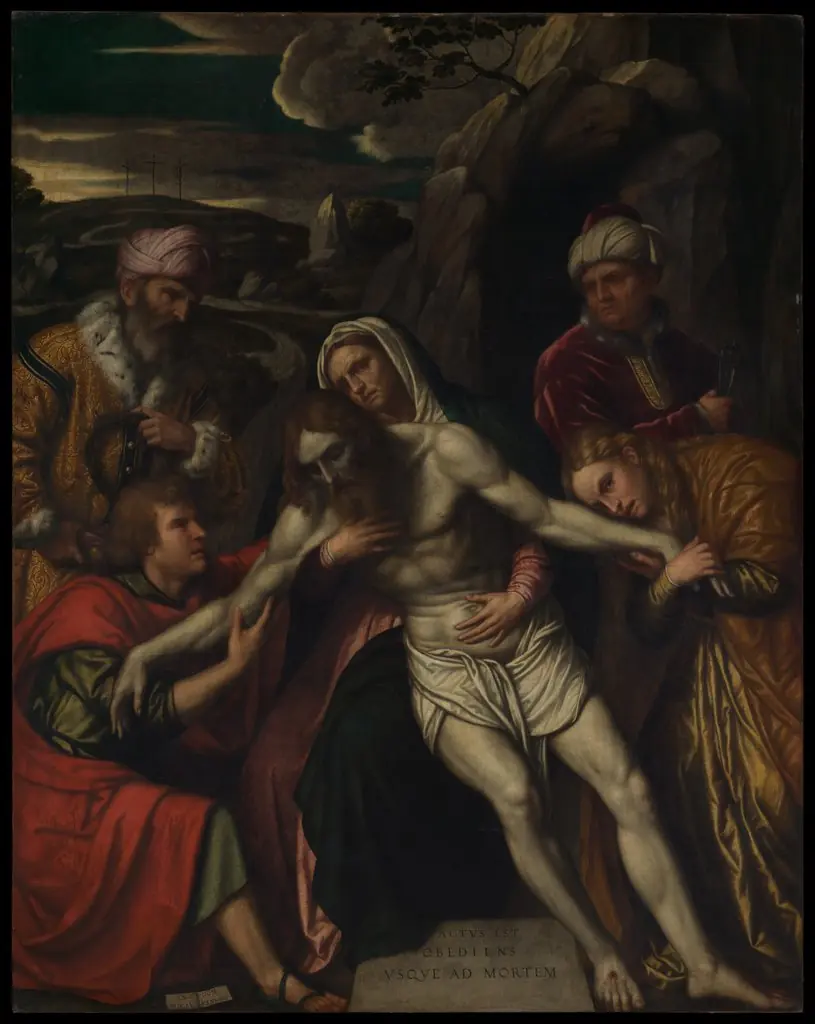 The Entombment
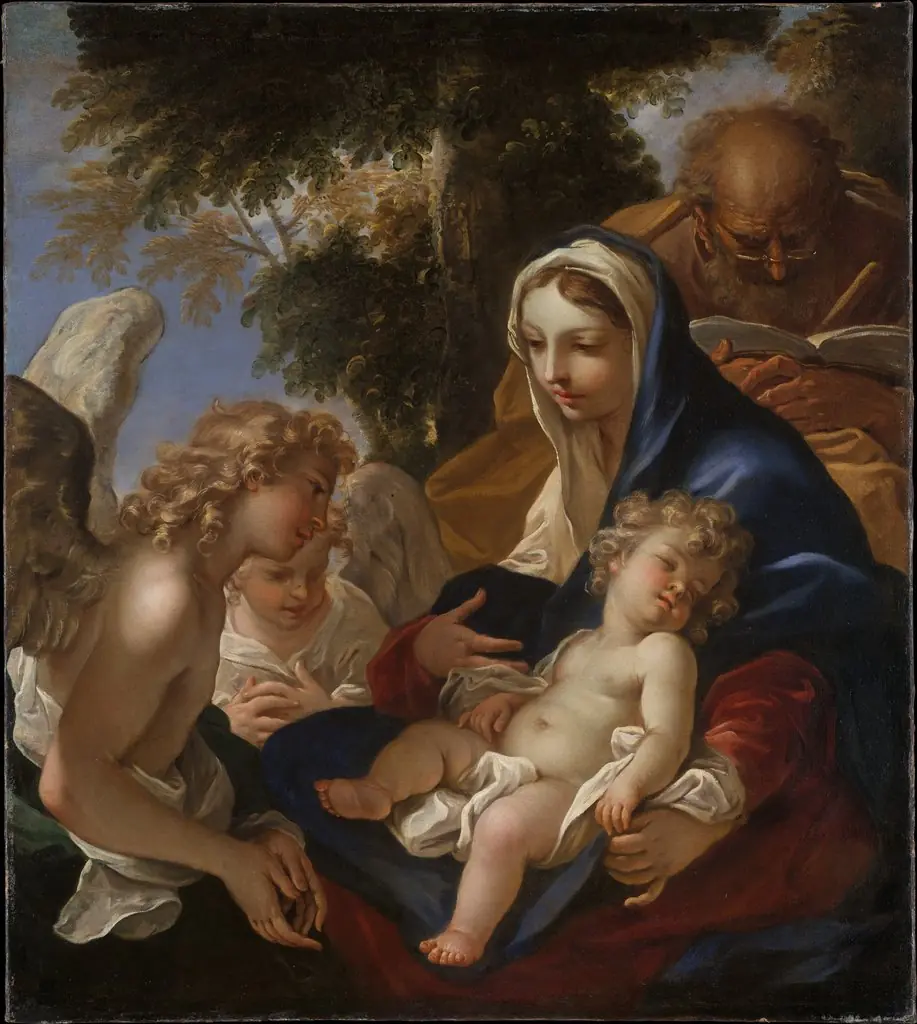 The Holy Family with Angels
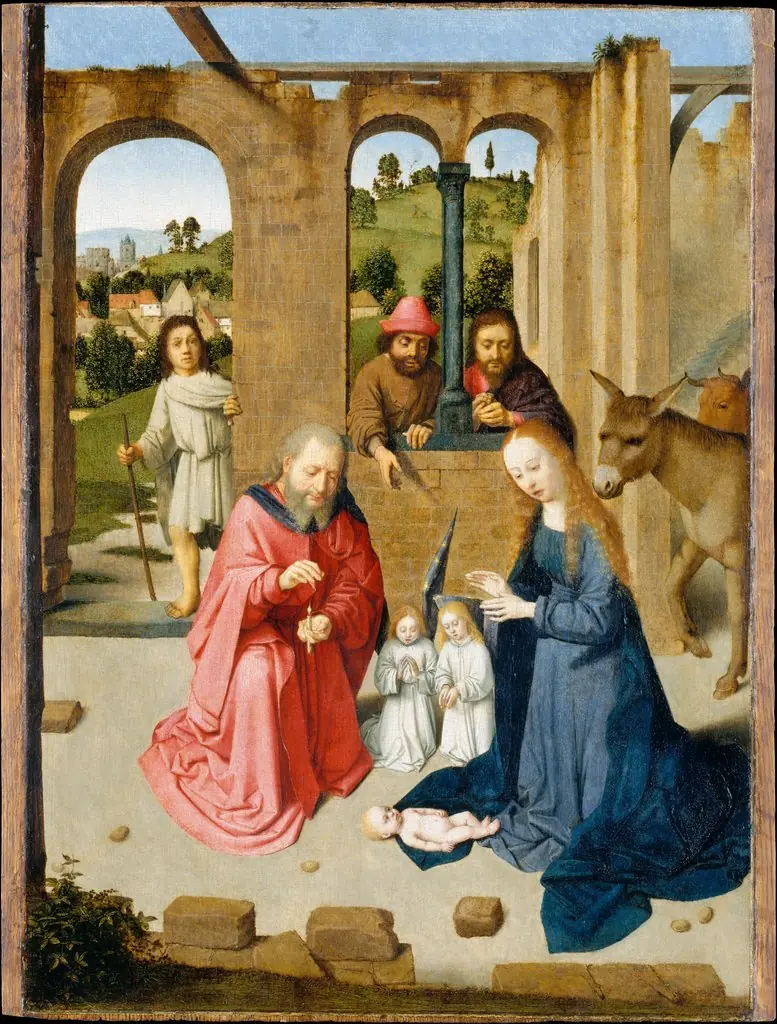 The Nativity
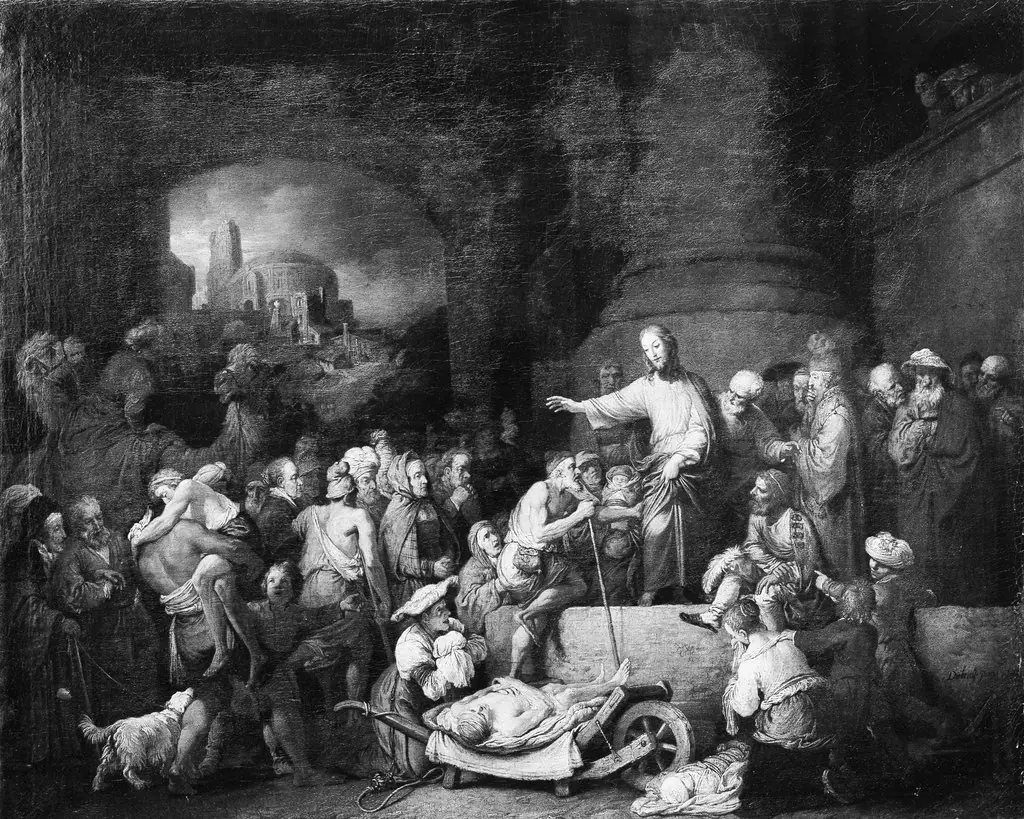 Christ Healing the Sick
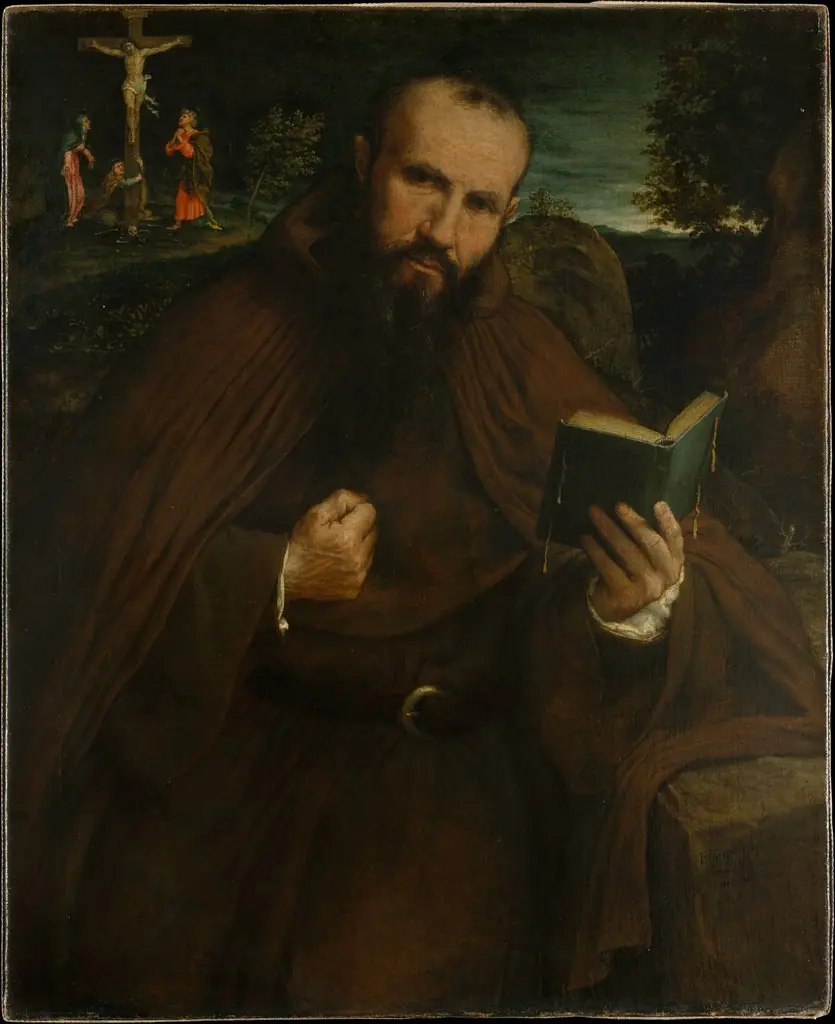 Brother Gregorio Belo of Vicenza
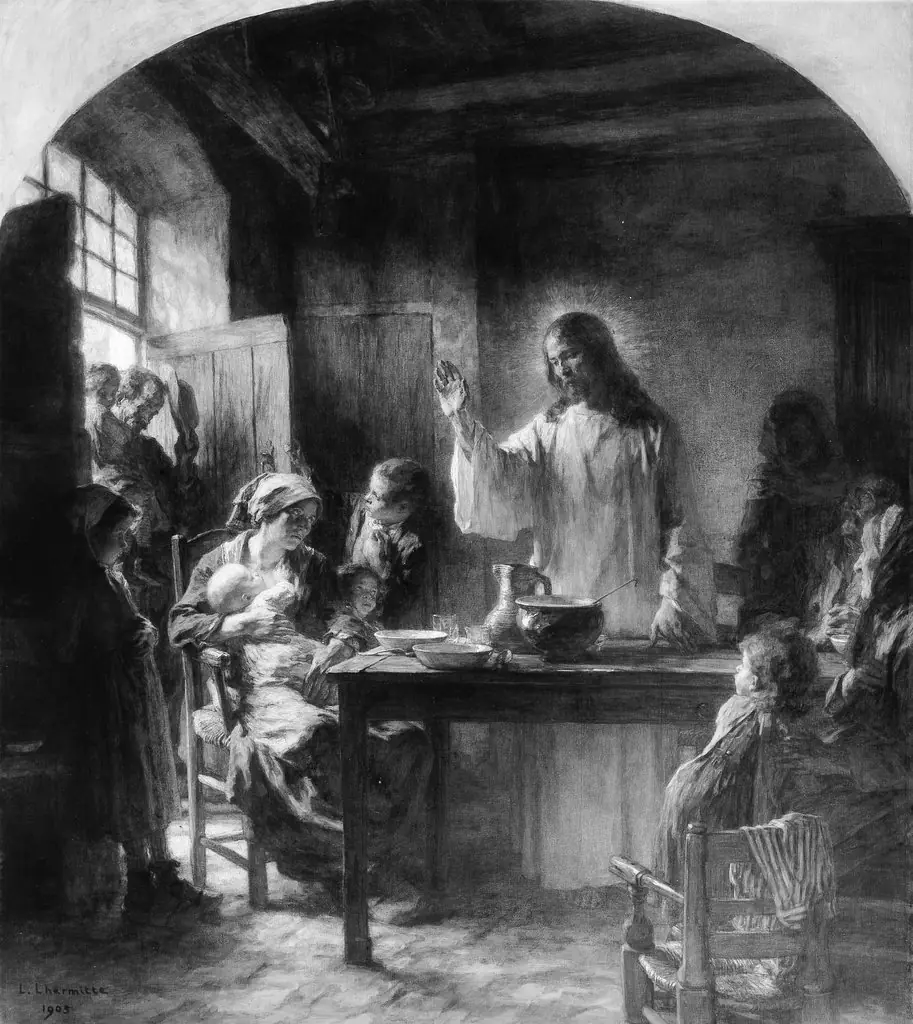 Among the Humble
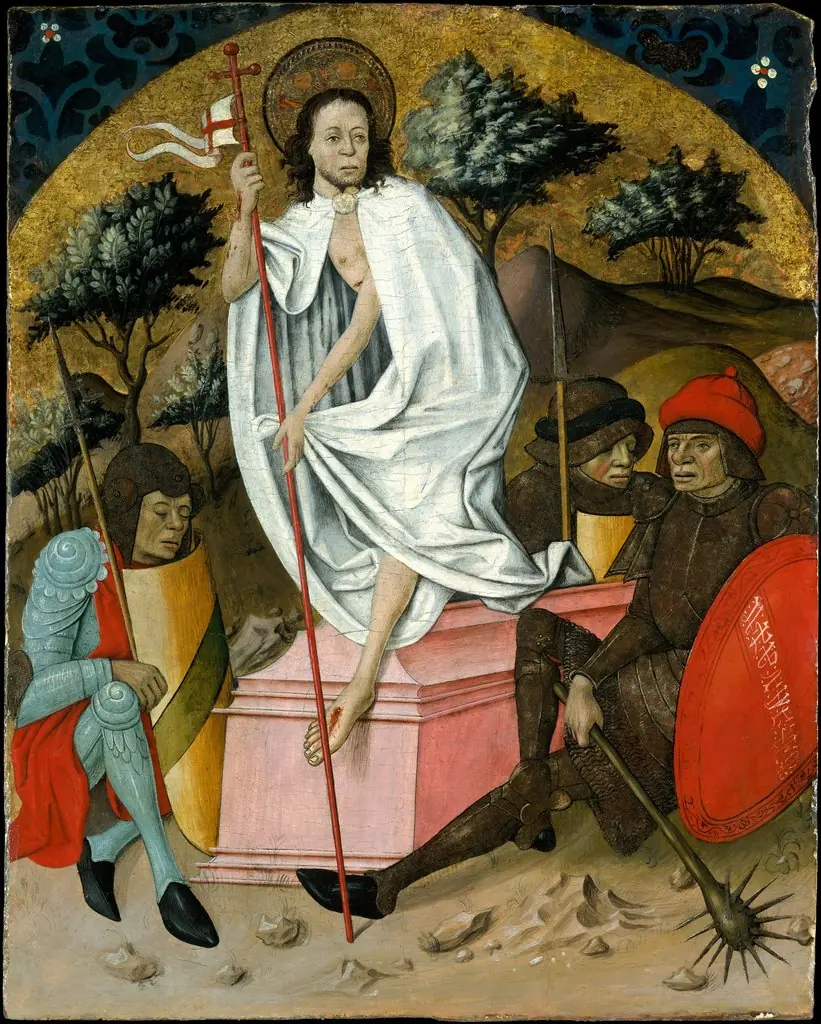 The Resurrection
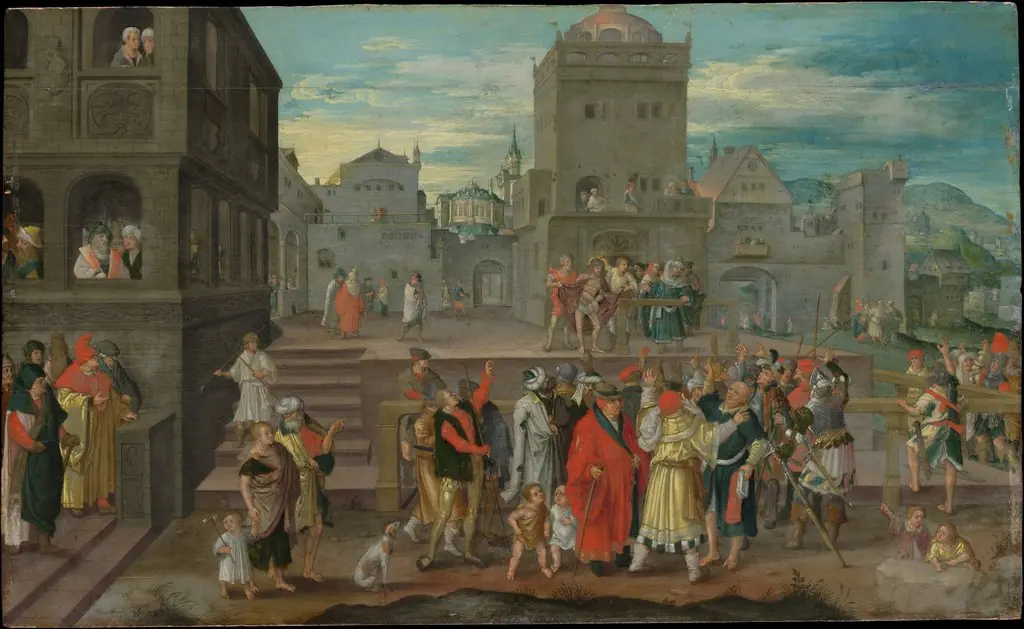 Christ Presented to the People
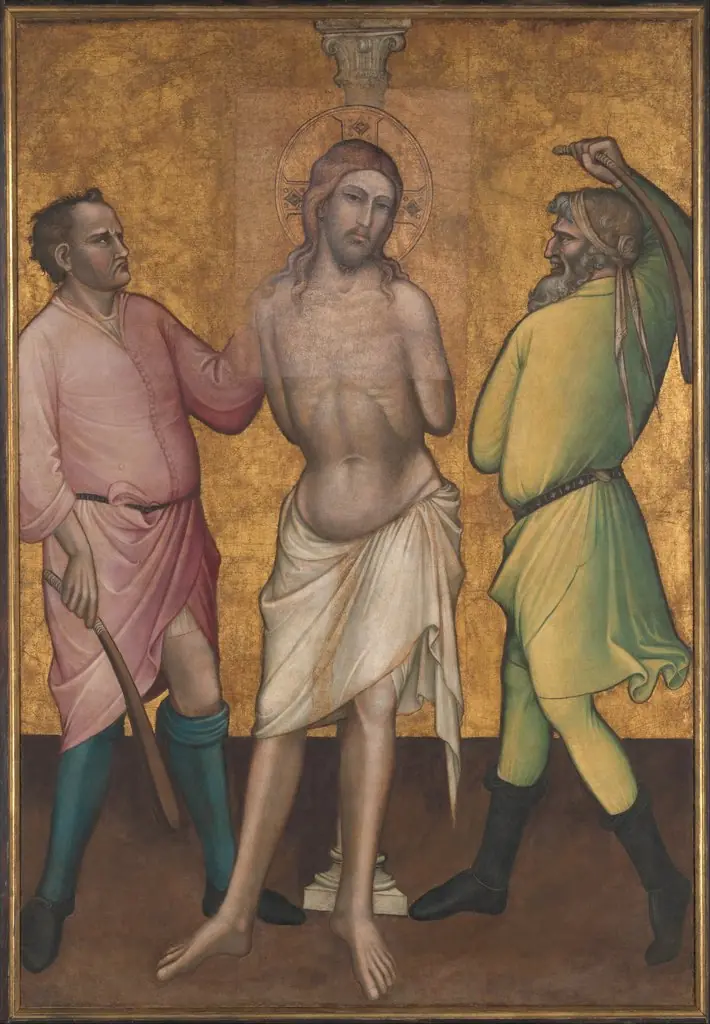 Saint Mary Magdalen Holding a Crucifix; (reverse) The Flagellation
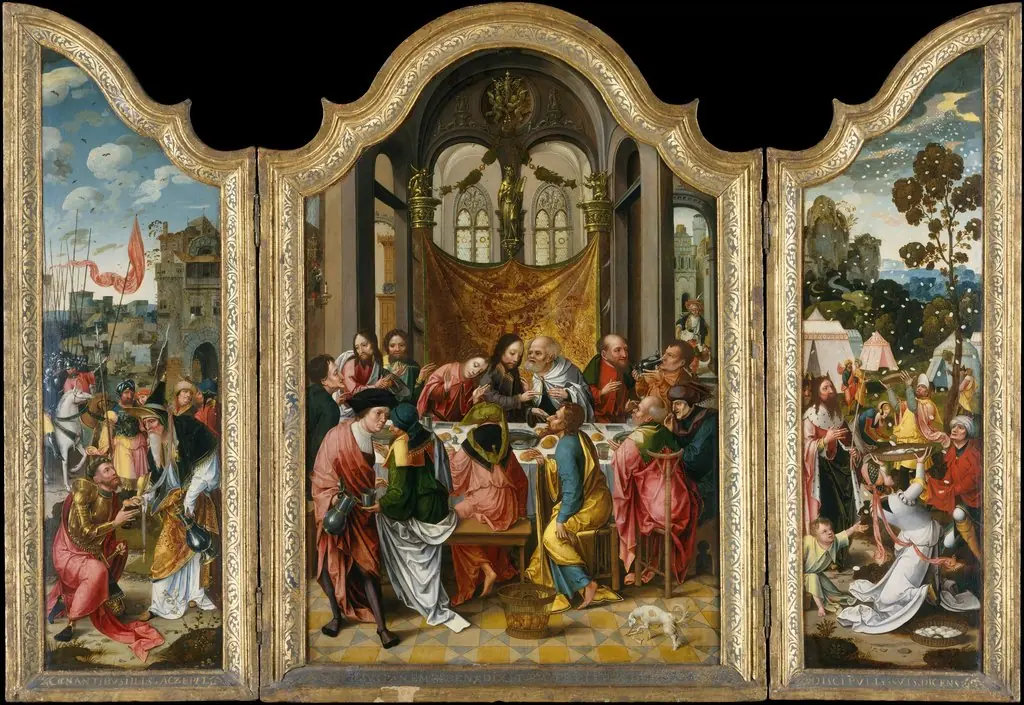 The Last Supper
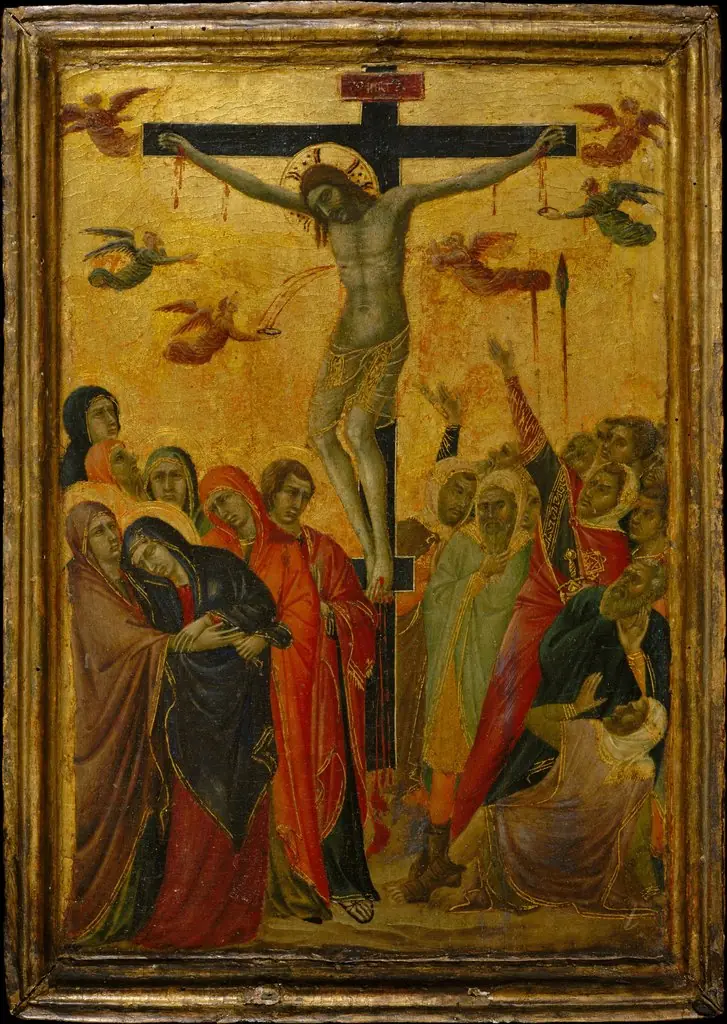 The Crucifixion
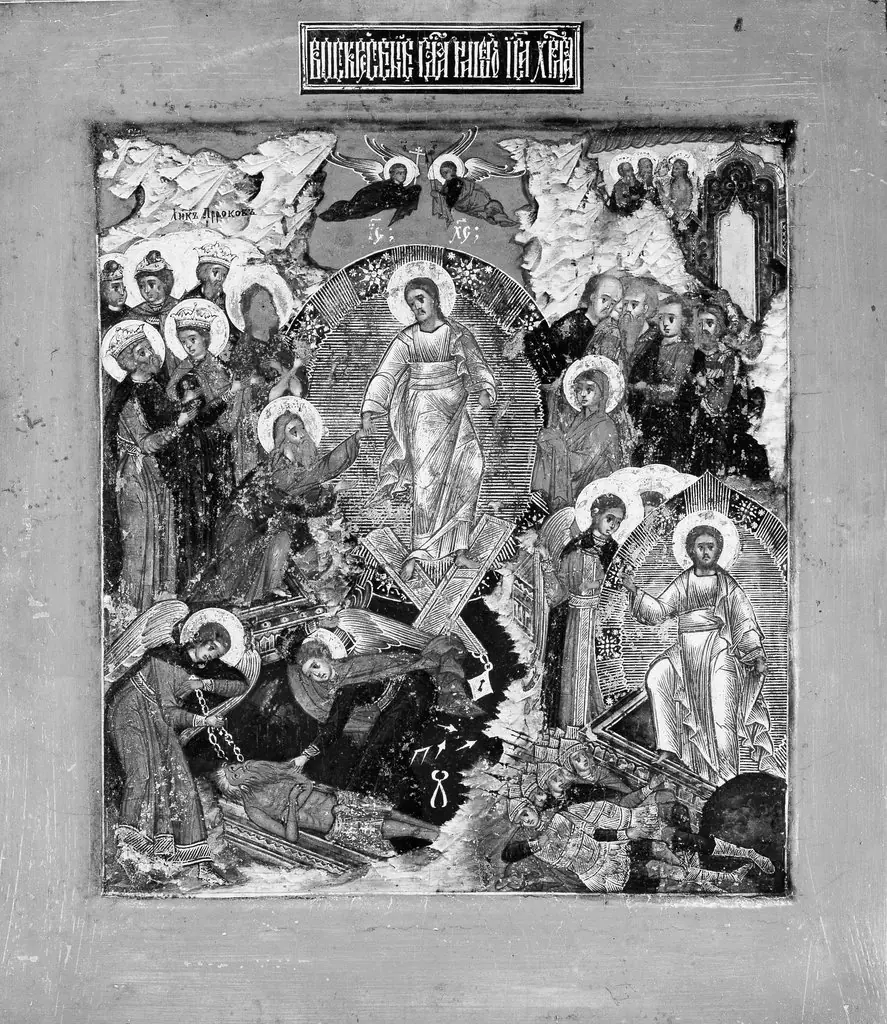 The Resurrection of Christ and the Harrowing of Hell
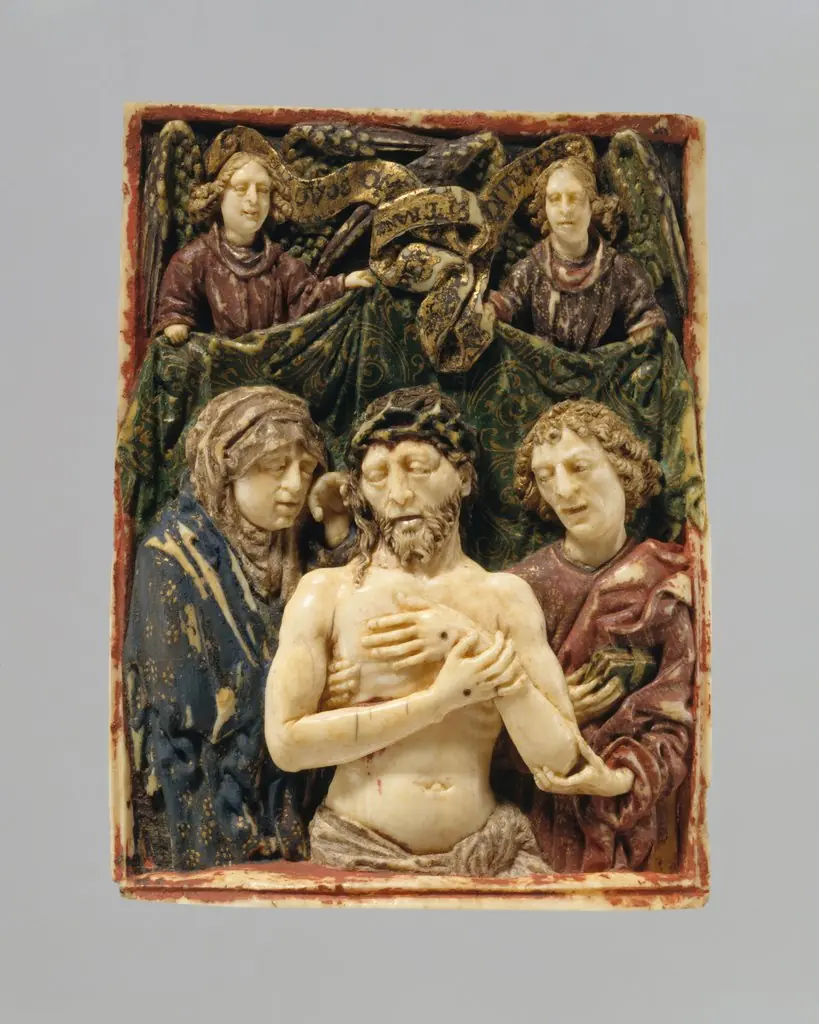 Man of Sorrows
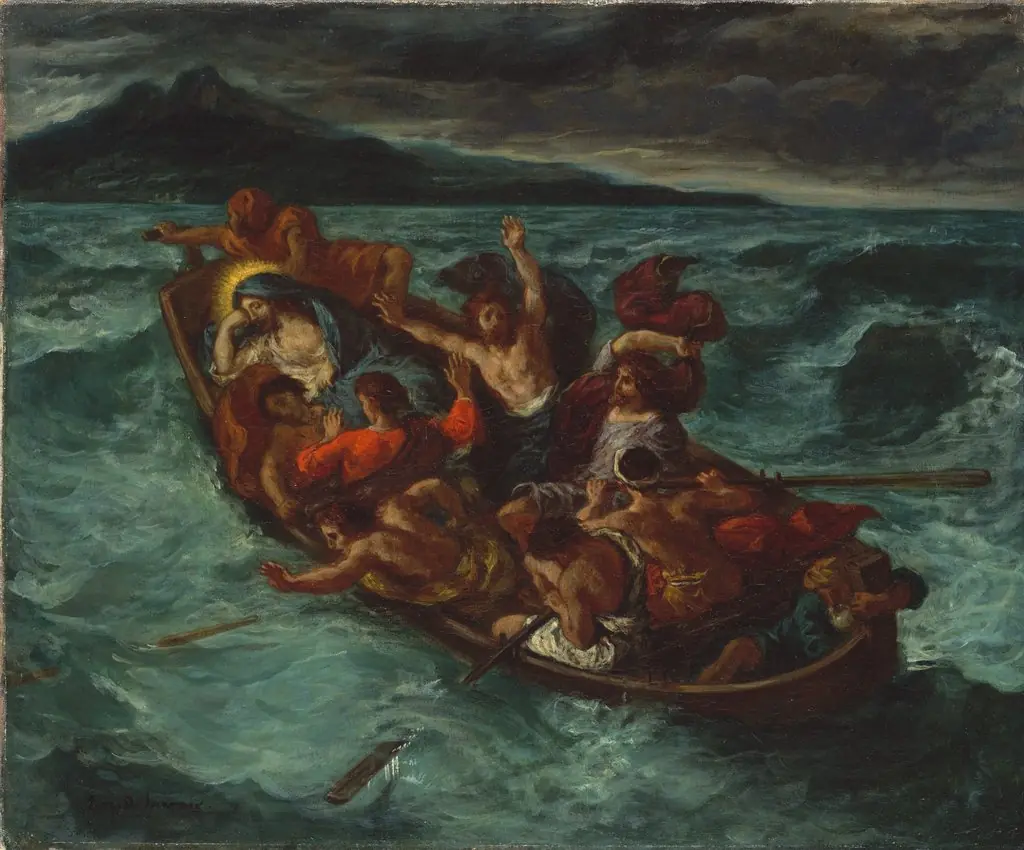 Christ Asleep during the Tempest
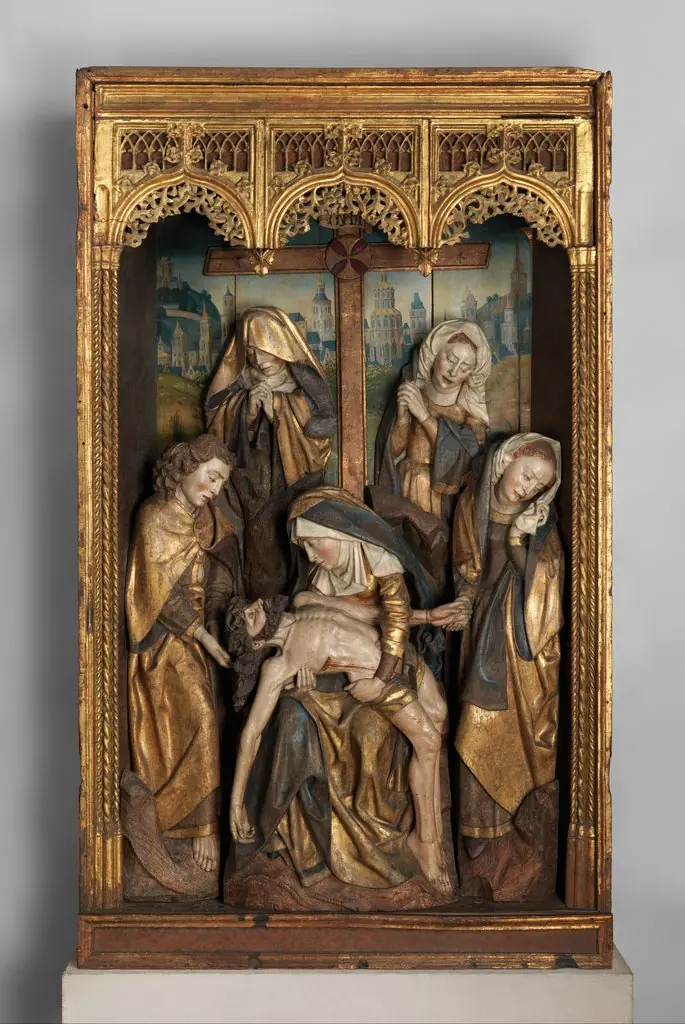 The Lamentation
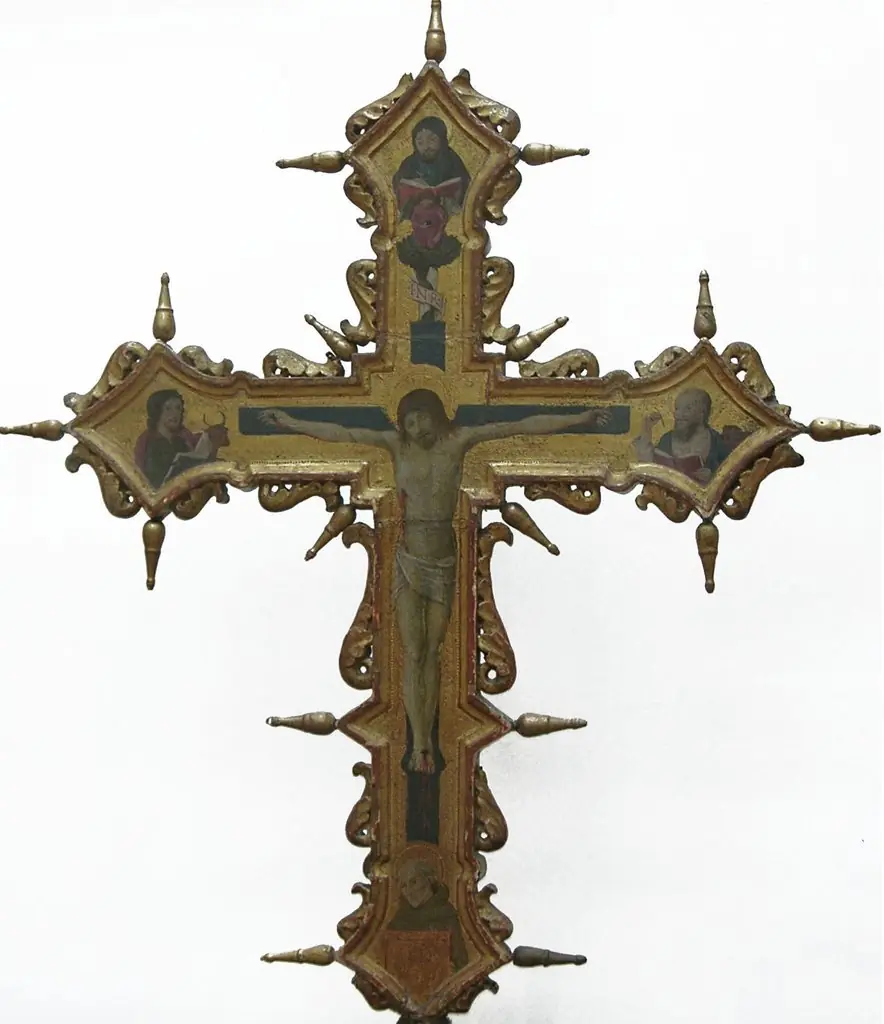 Processional Crucifix
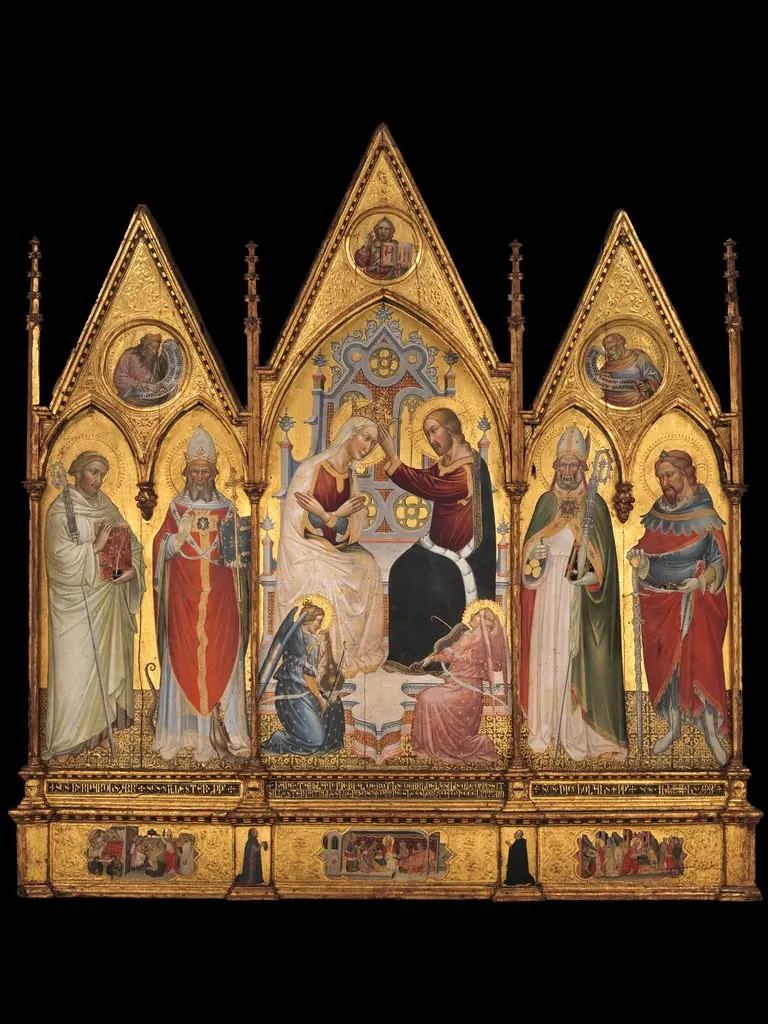 The Coronation of the Virgin, and Saints
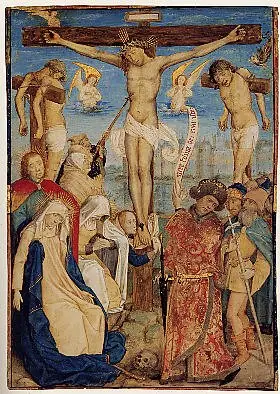 The Crucifixion
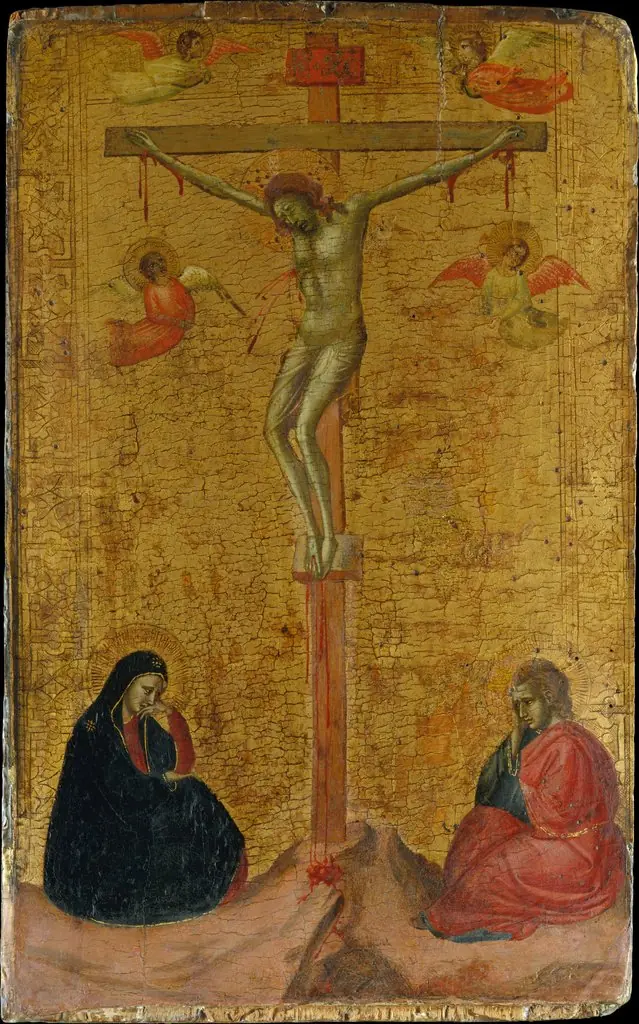 The Crucifixion
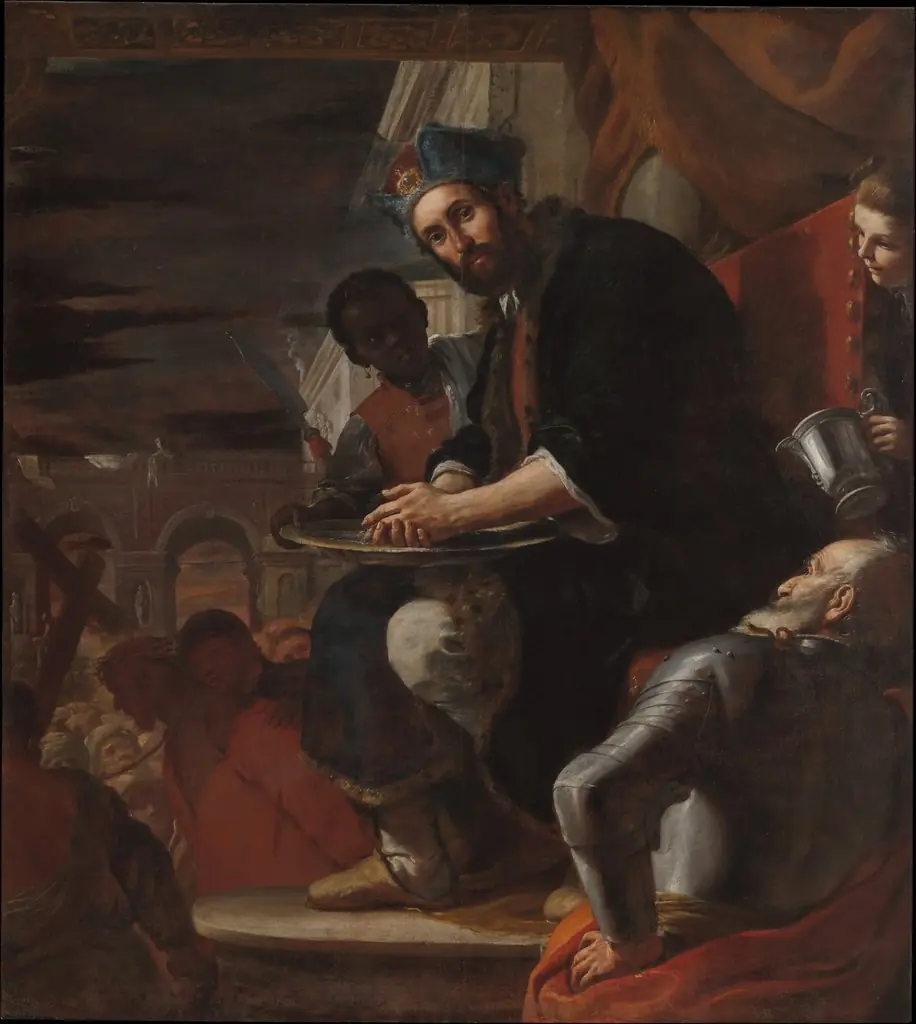 Pilate Washing His Hands
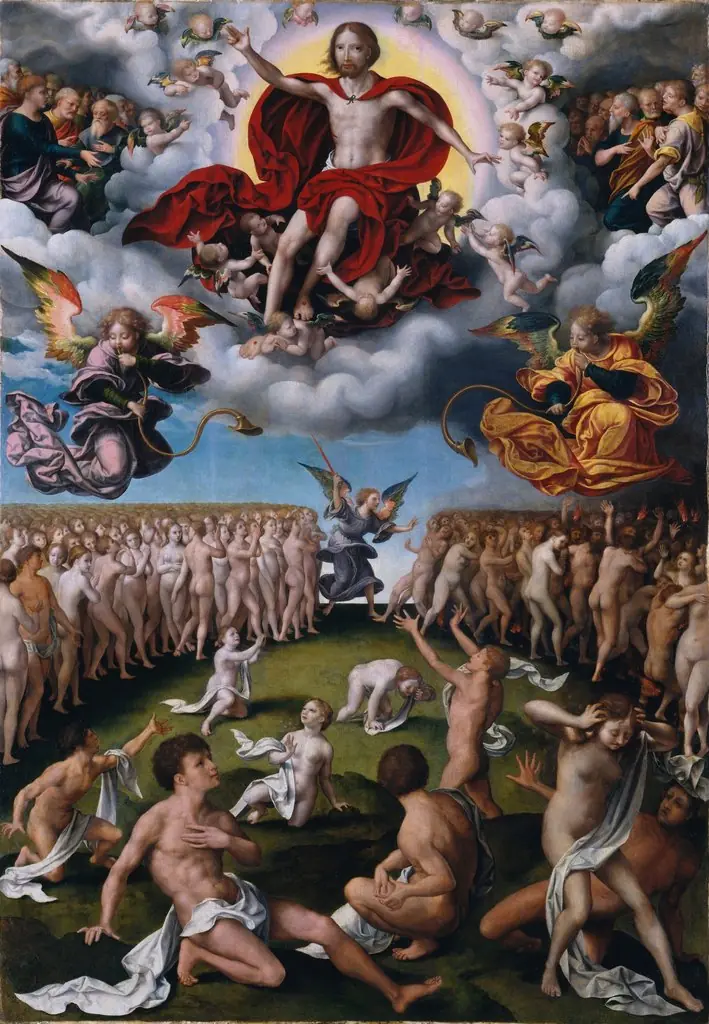 The Last Judgment
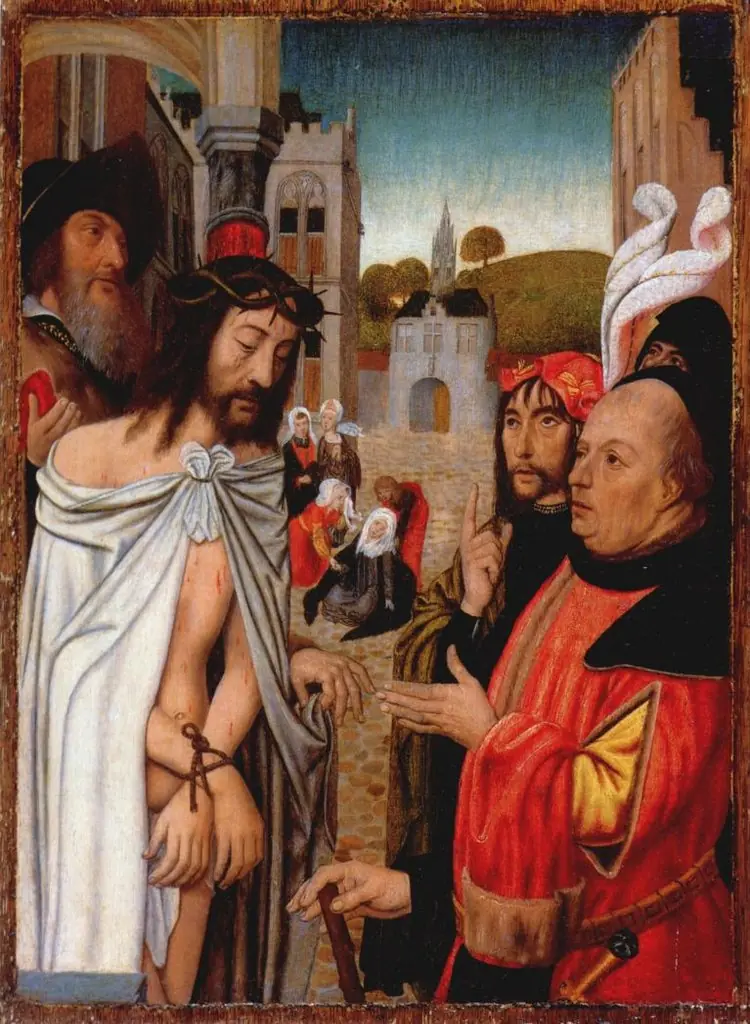 Christ Shown to the People
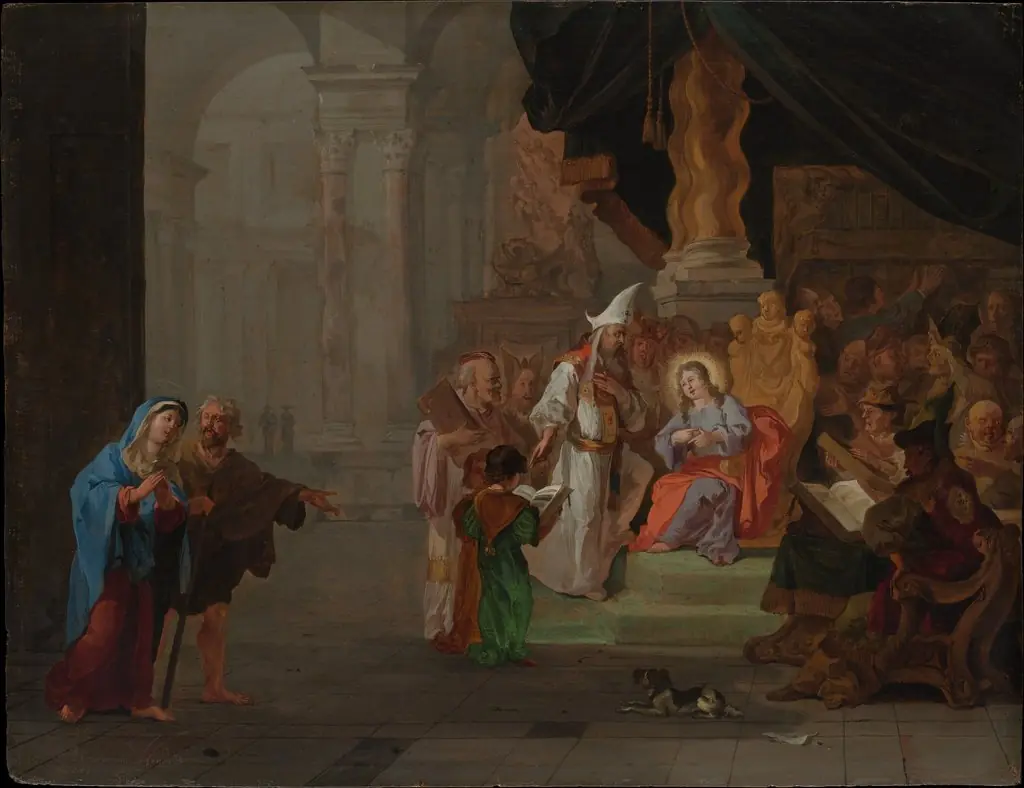 Christ among the Doctors
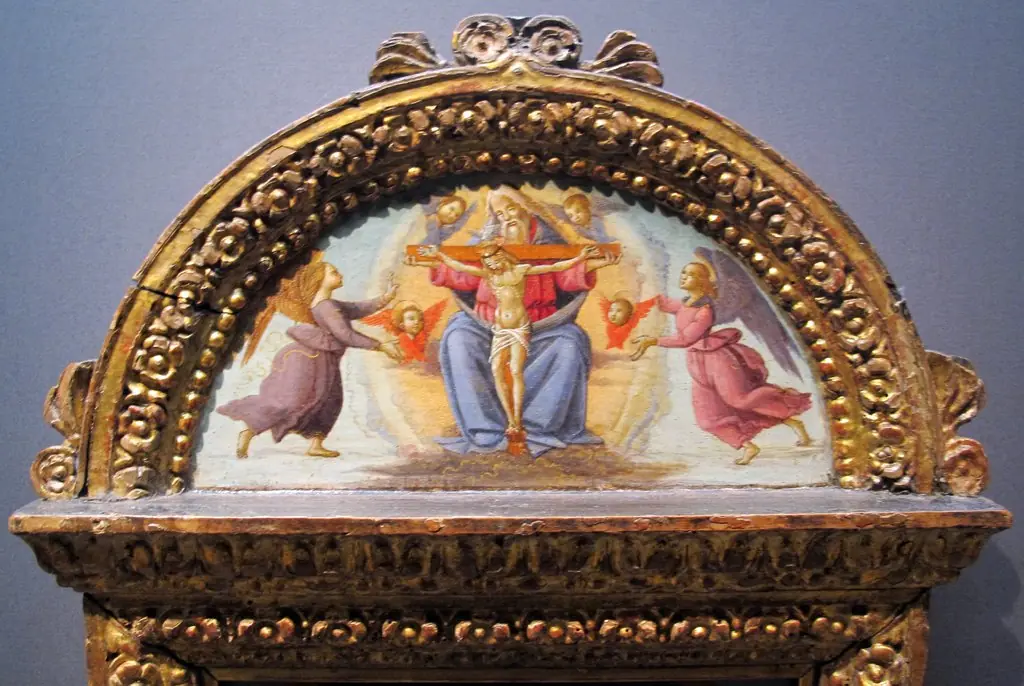 The Trinity
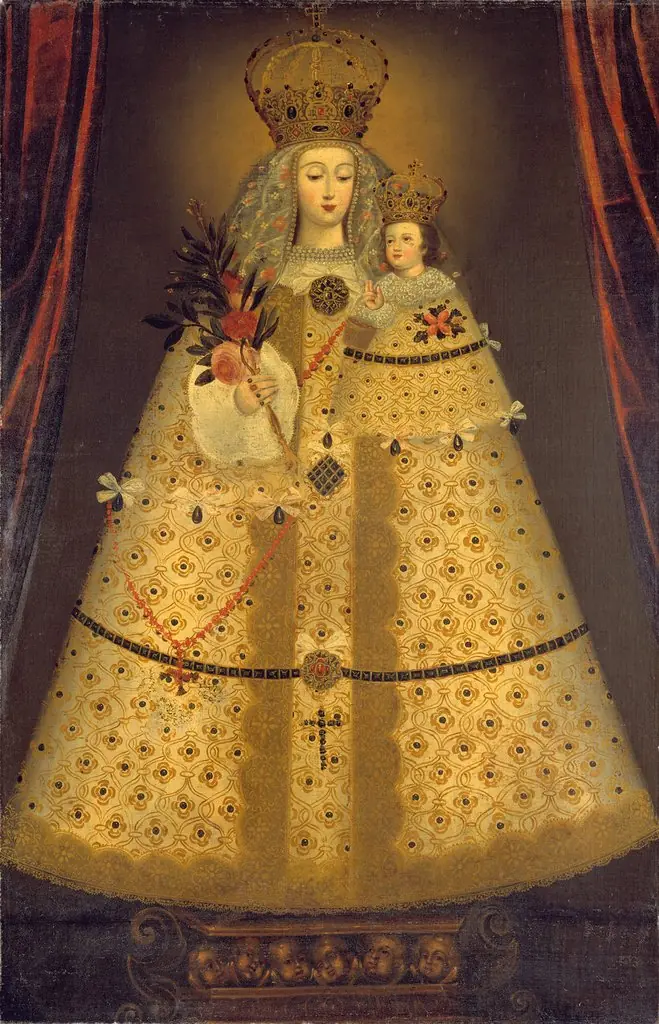 Virgin of the Rosary of Guápulo
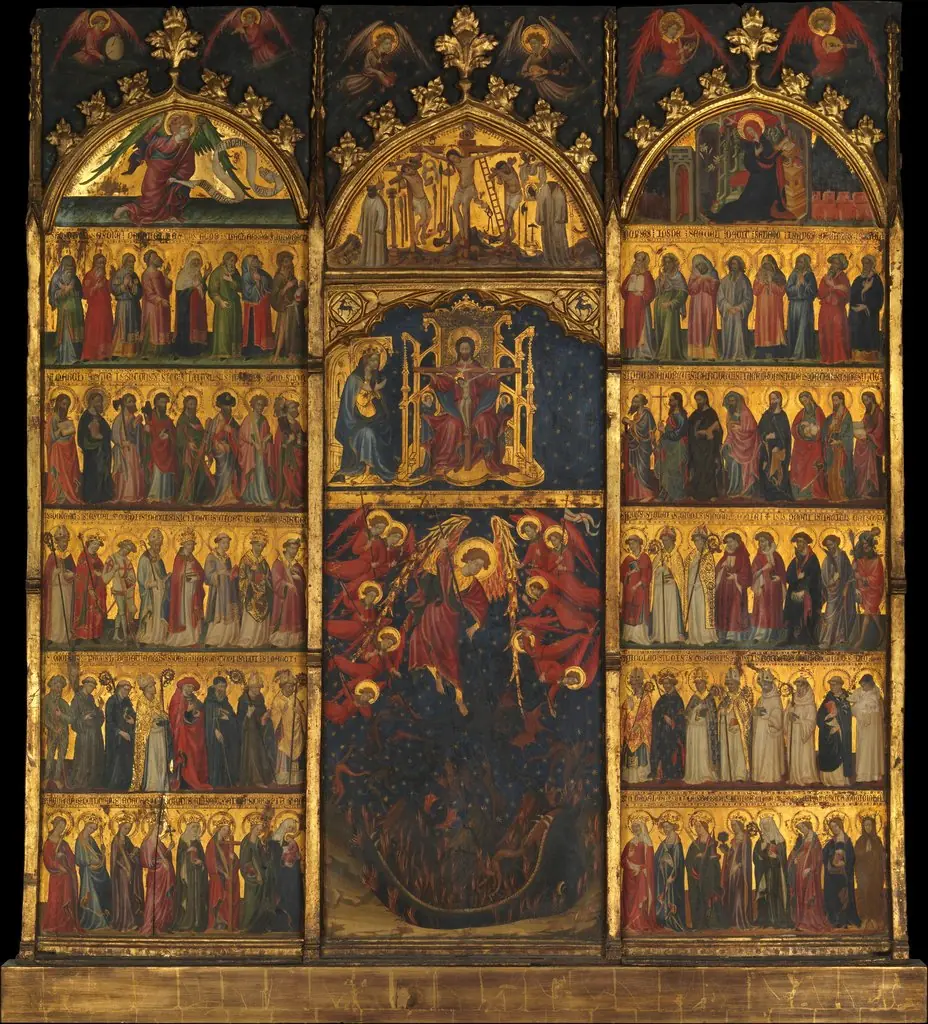 The Trinity Adored by All Saints
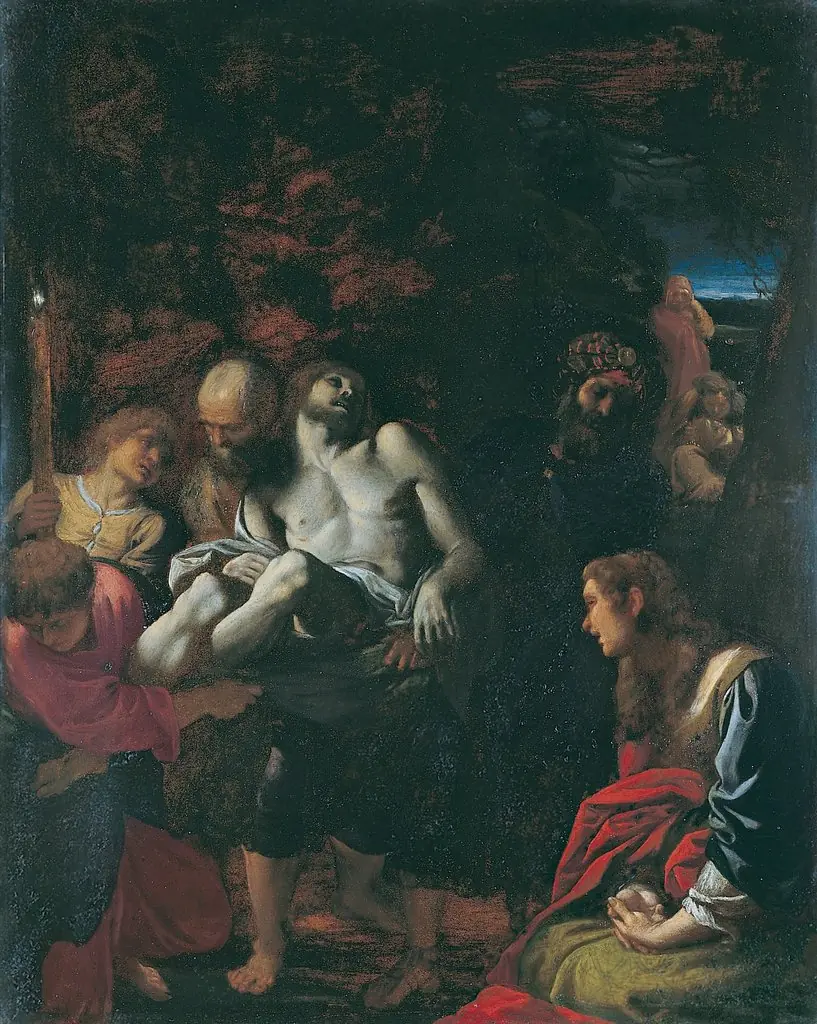 The Burial of Christ
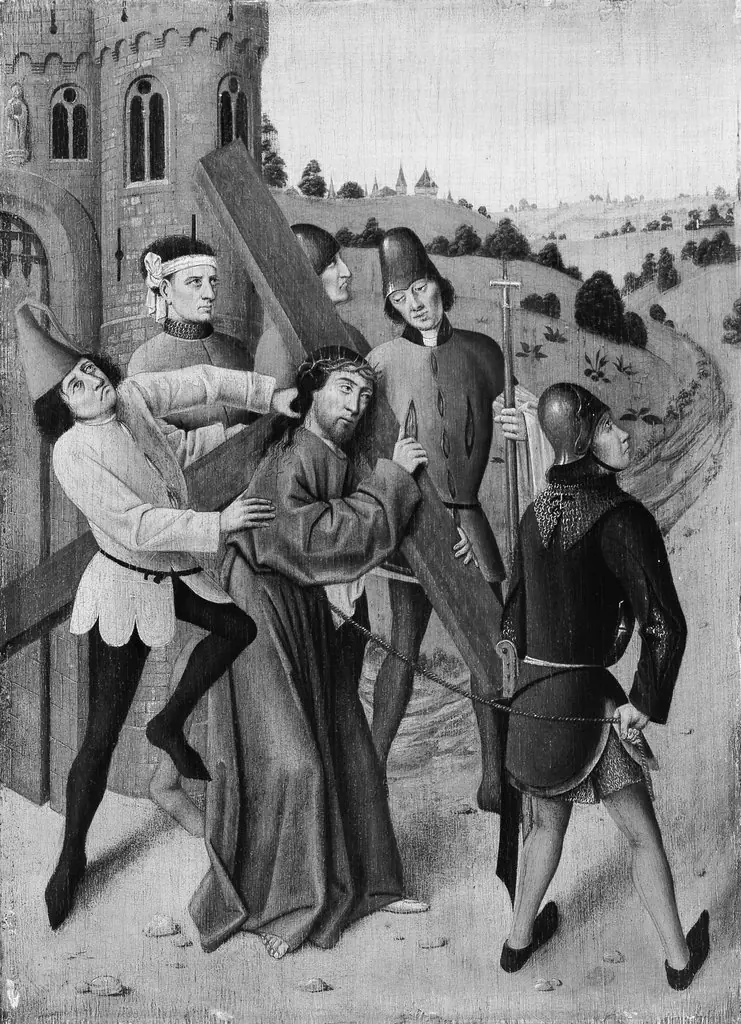 Christ Bearing the Cross
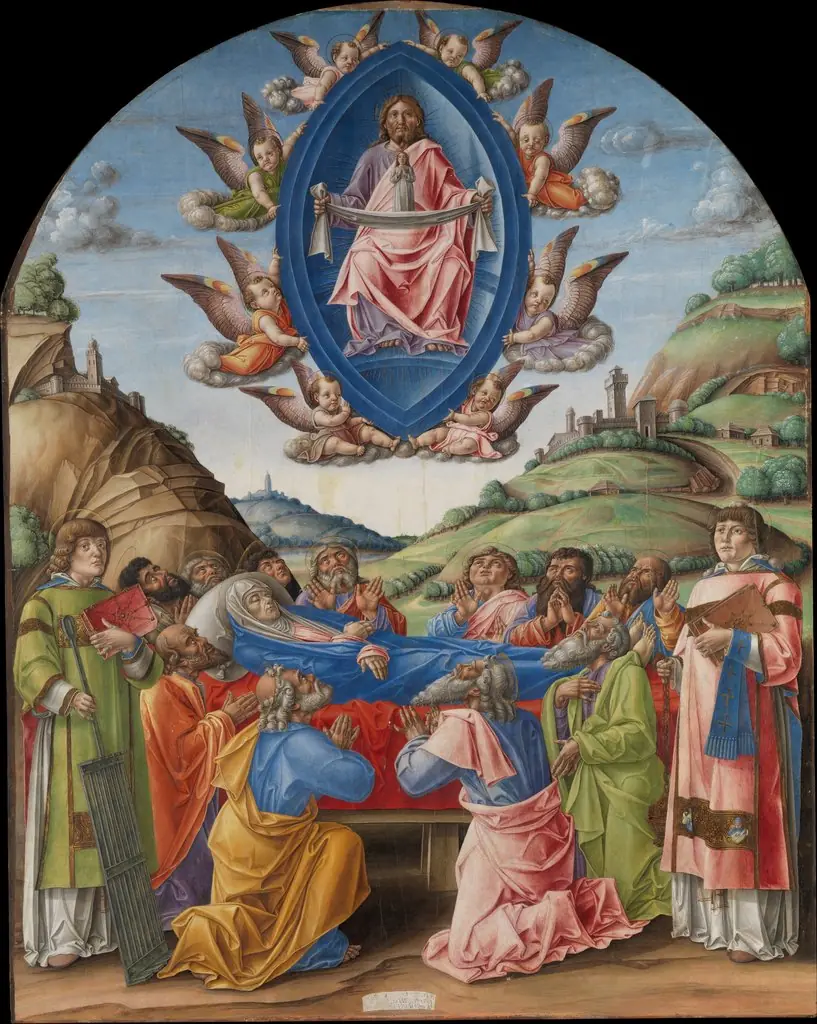 The Death of the Virgin
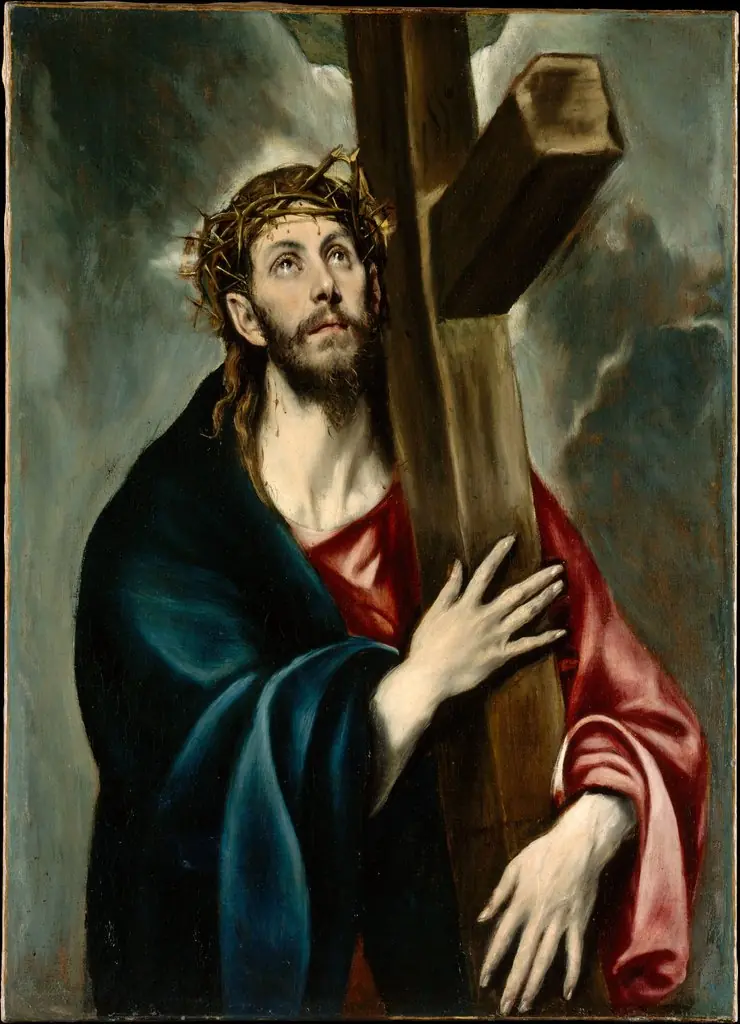 Christ Carrying the Cross
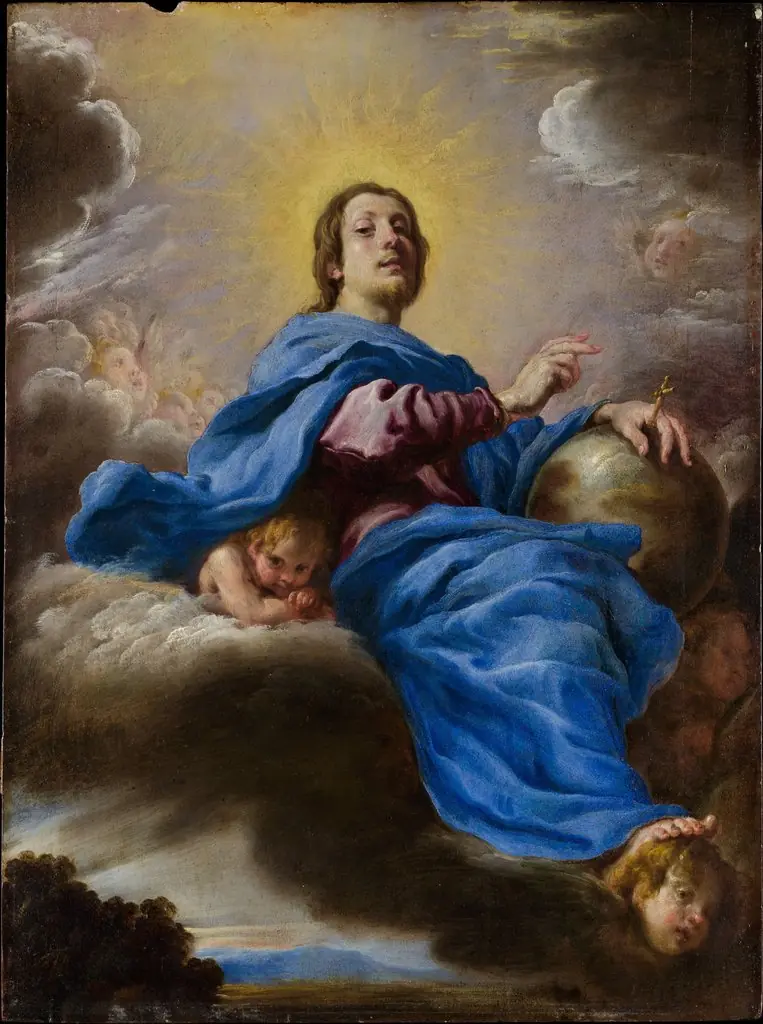 Salvator Mundi
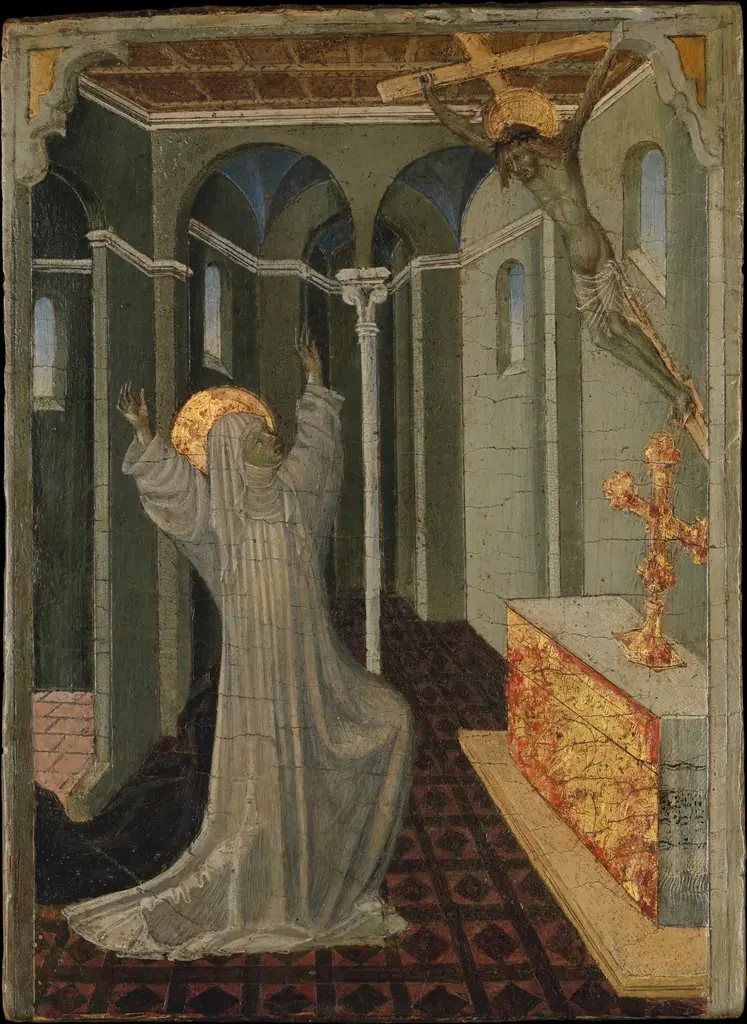 Saint Catherine of Siena Receiving the Stigmata
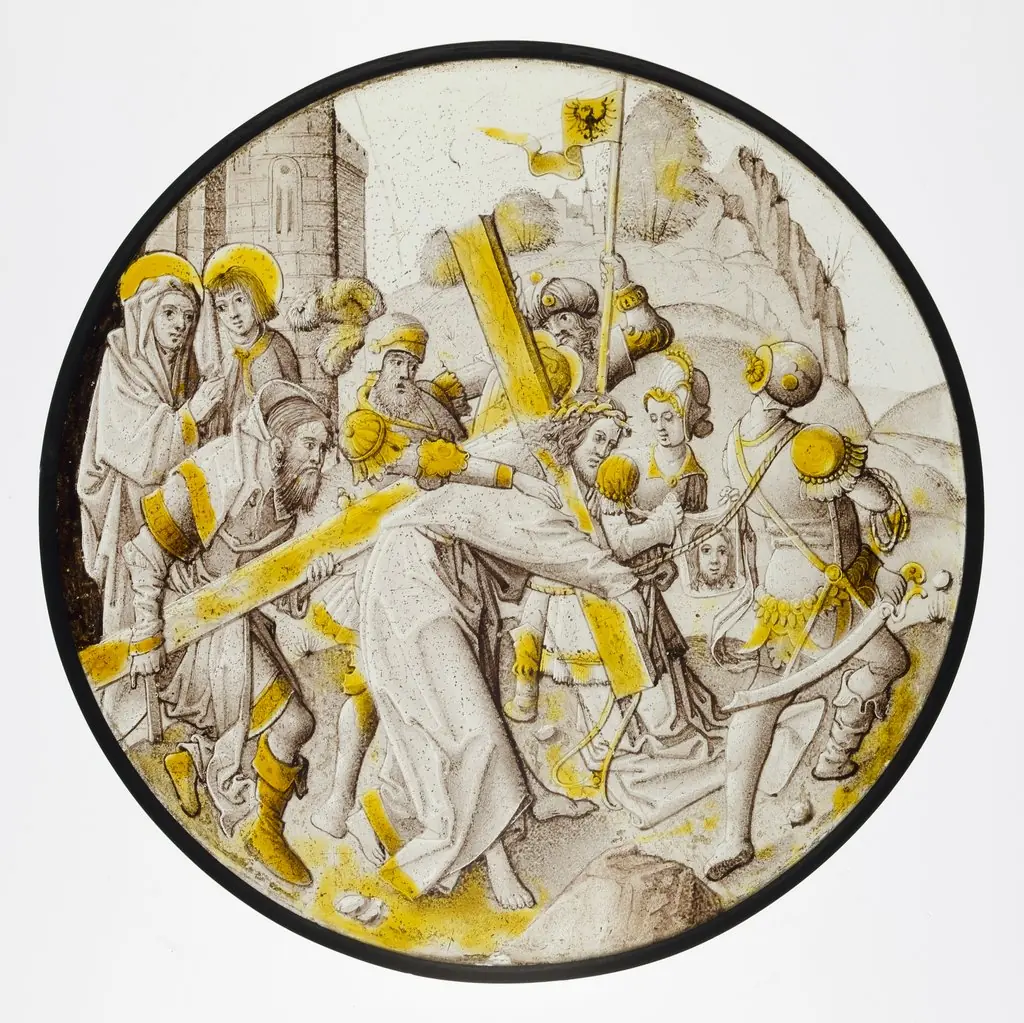 Roundel with Christ Carrying the Cross with Saint Veronica
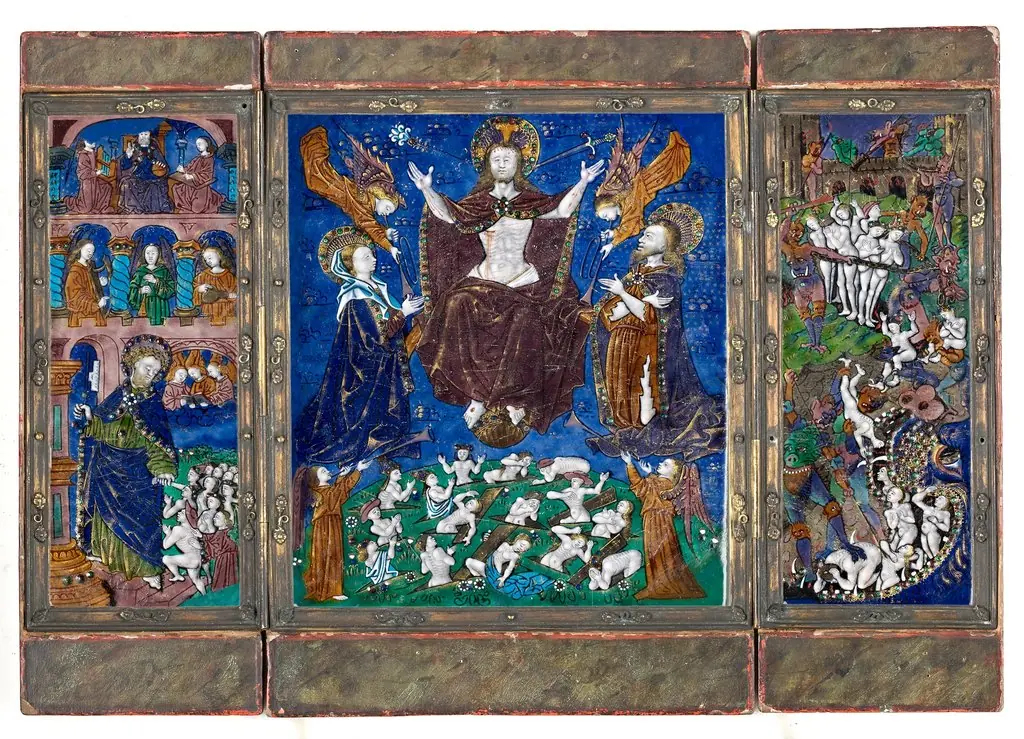 Triptych: The Last Judgment
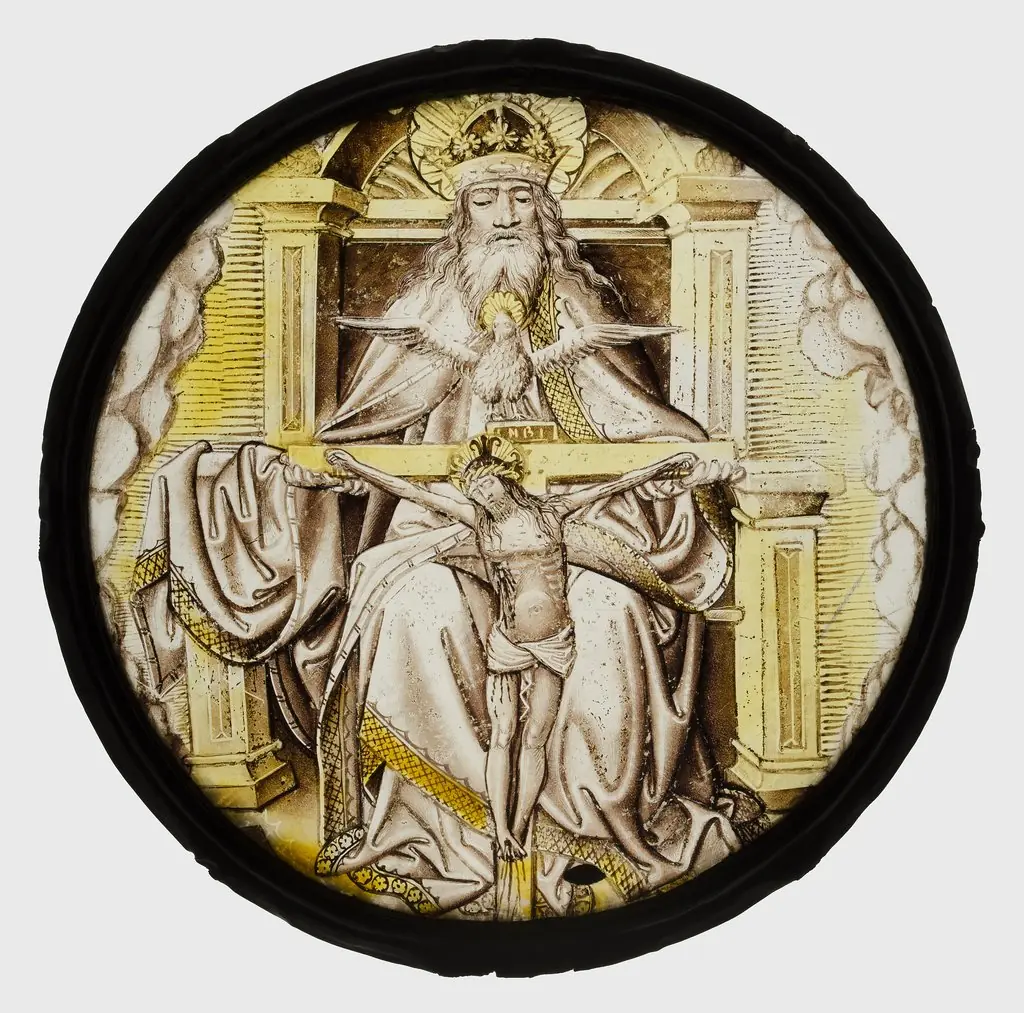 Roundel with the Holy Trinity
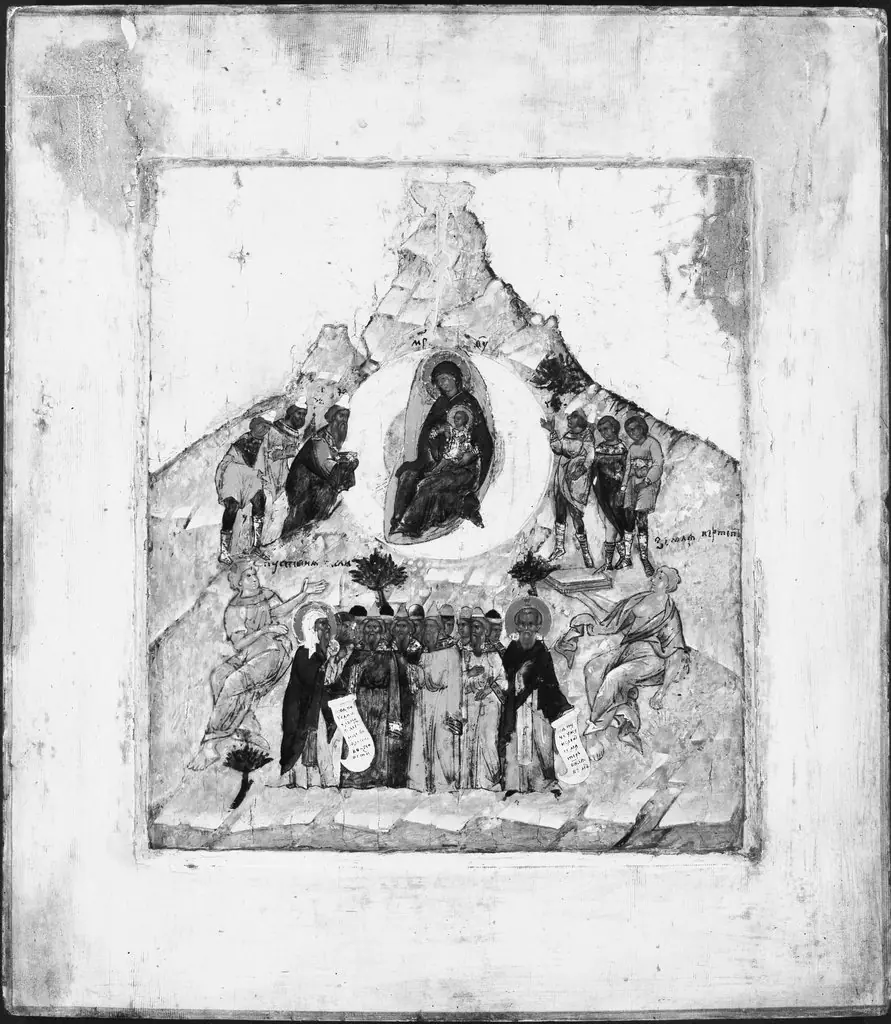 The Congregation of the Mother of God
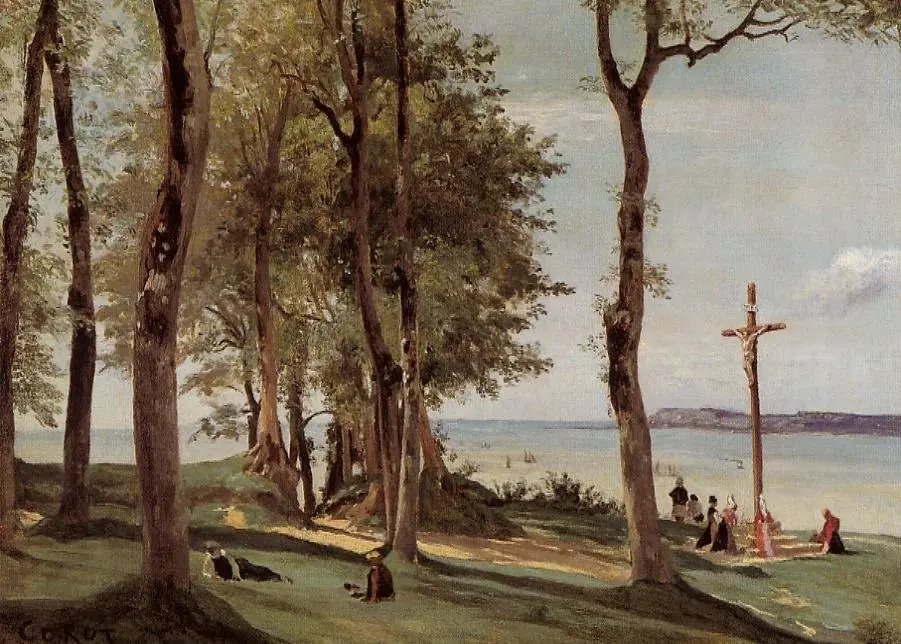 Honfleur: Calvary
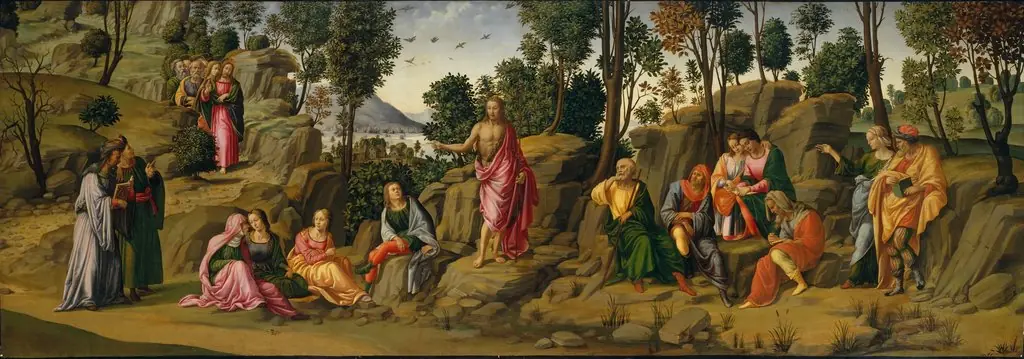 Saint John the Baptist Bearing Witness
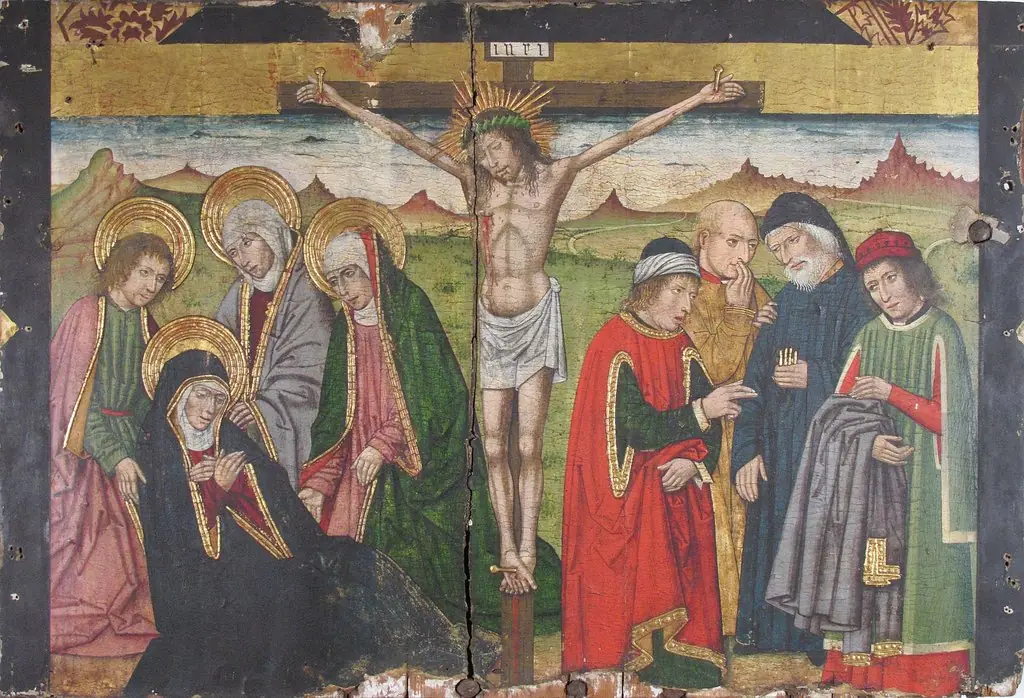 Panel with The Crucifixion from Retable
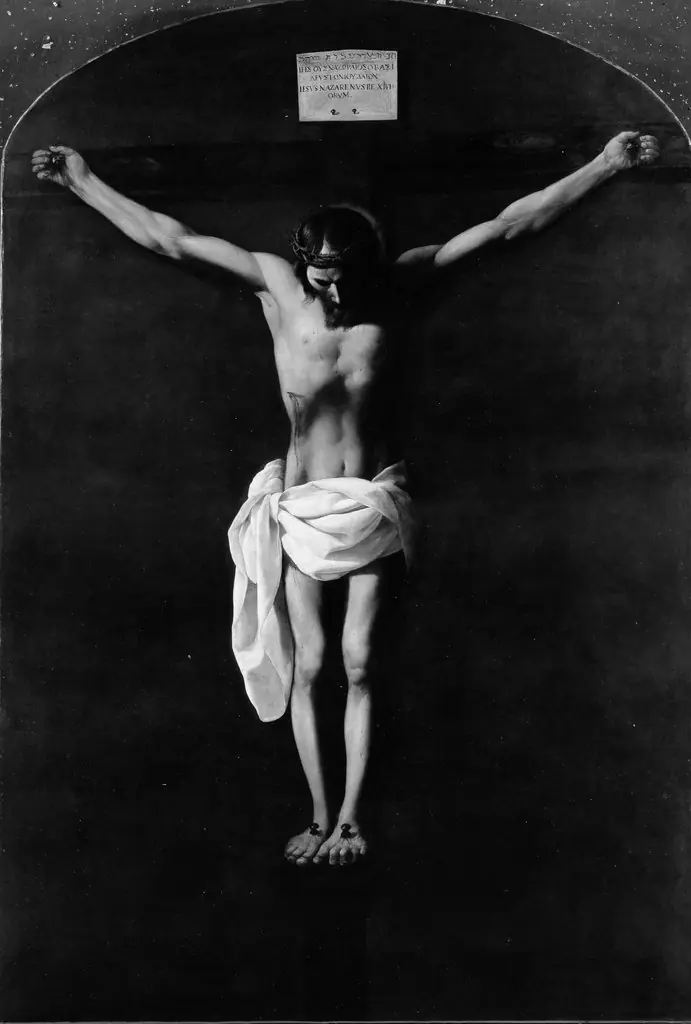 The Crucifixion
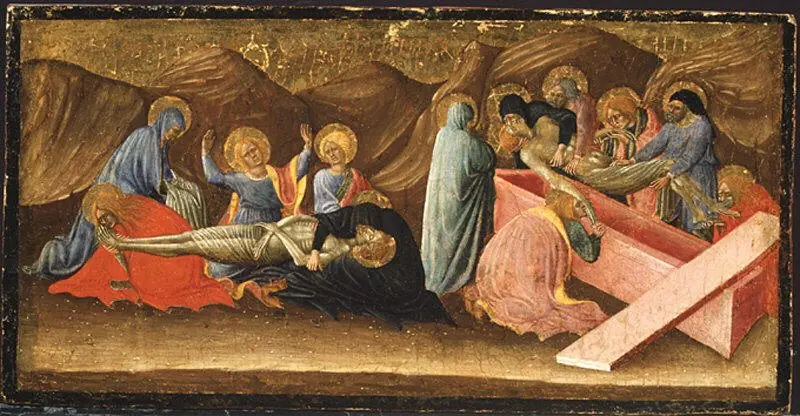 The Lamentation and the Entombment
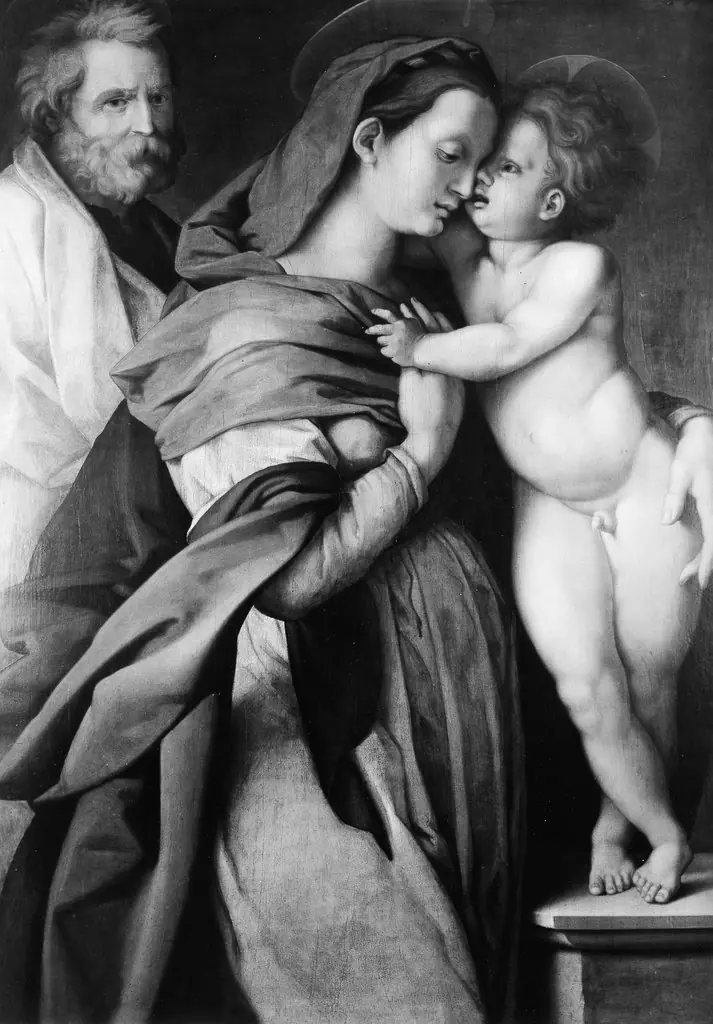 Holy Family
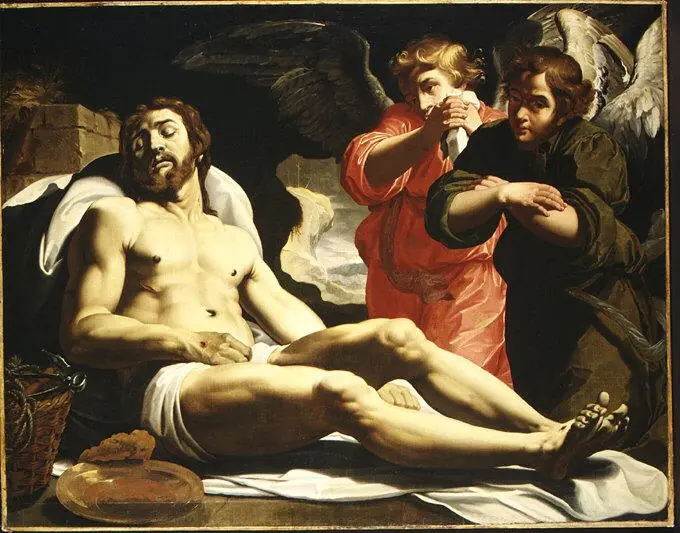 The Dead Christ in the Tomb with Two Angels
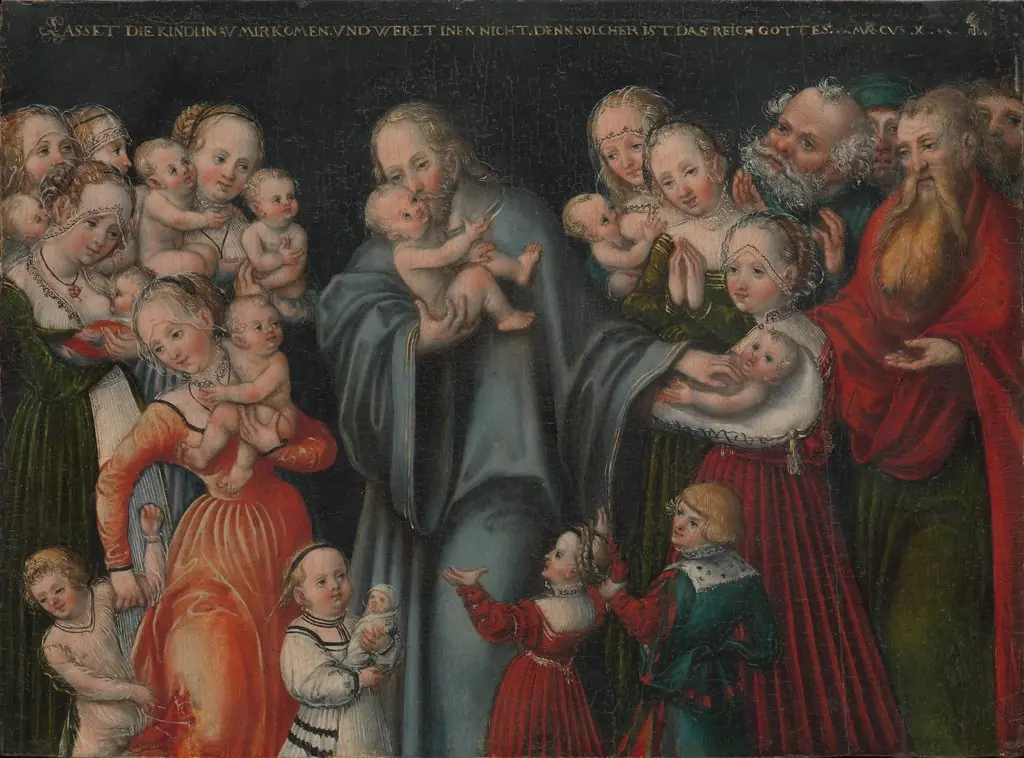 Christ Blessing the Children
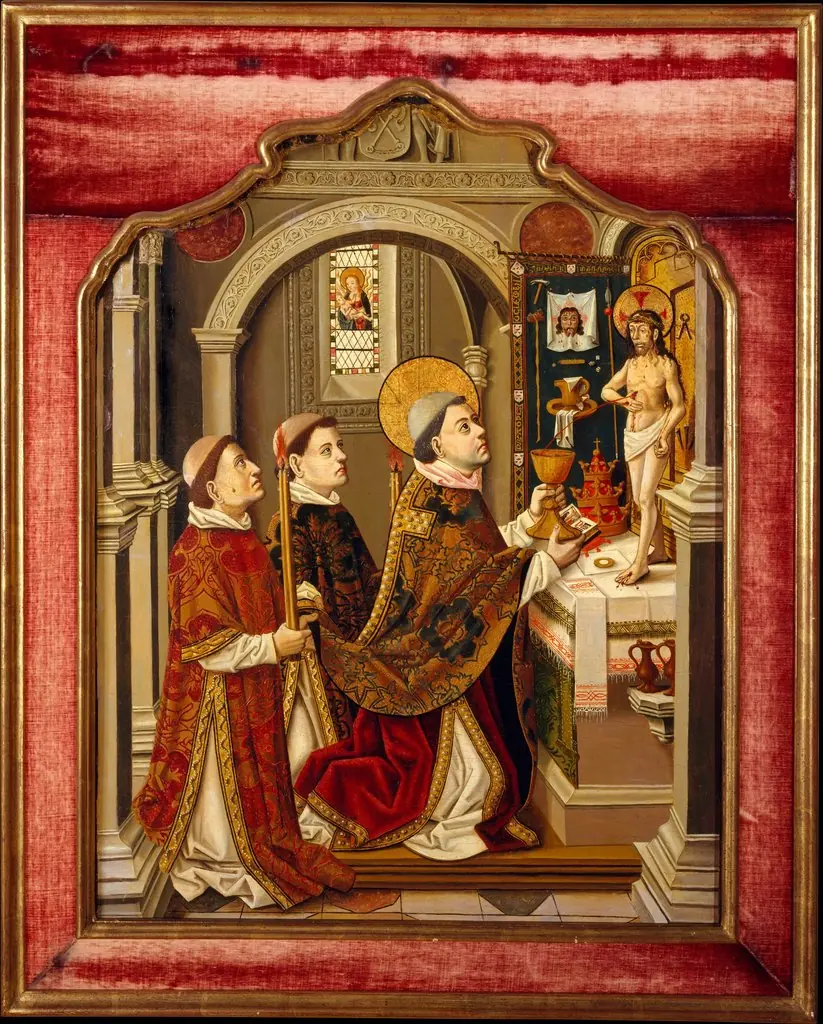 The Mass of Saint Gregory
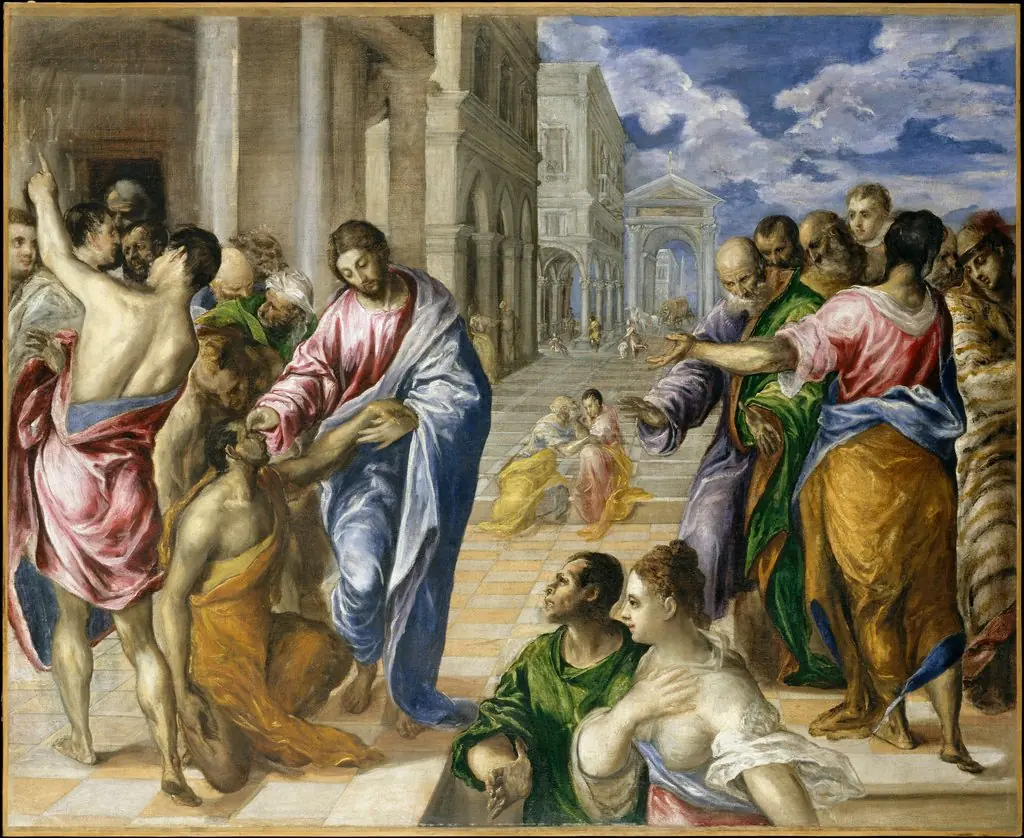 Christ Healing the Blind
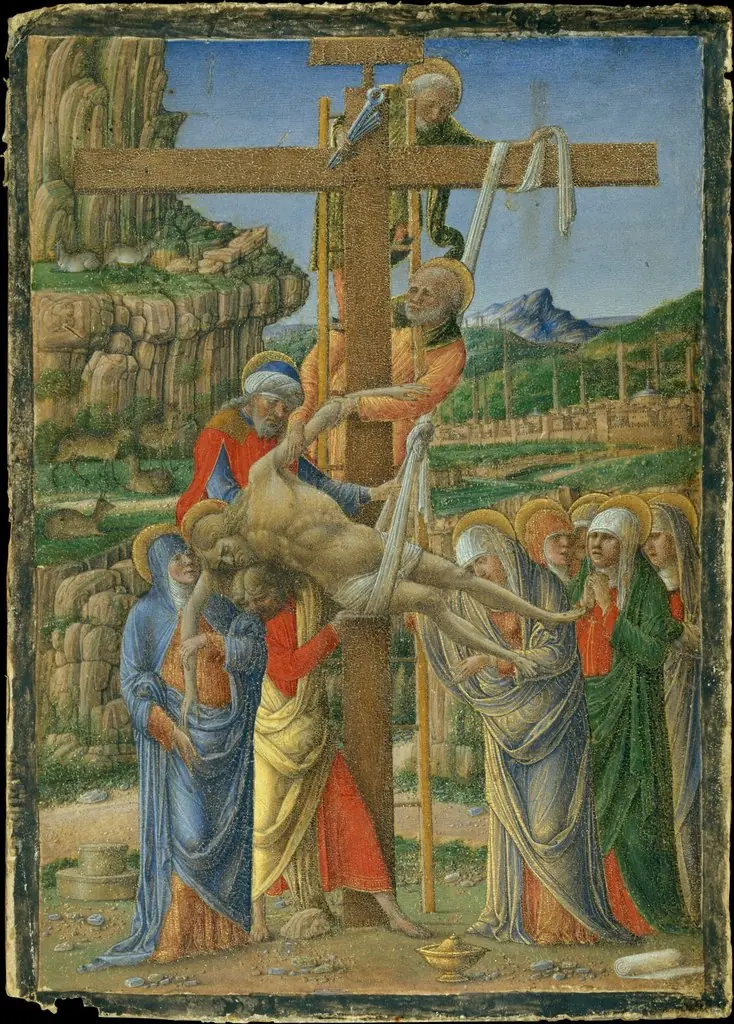 Descent from the Cross
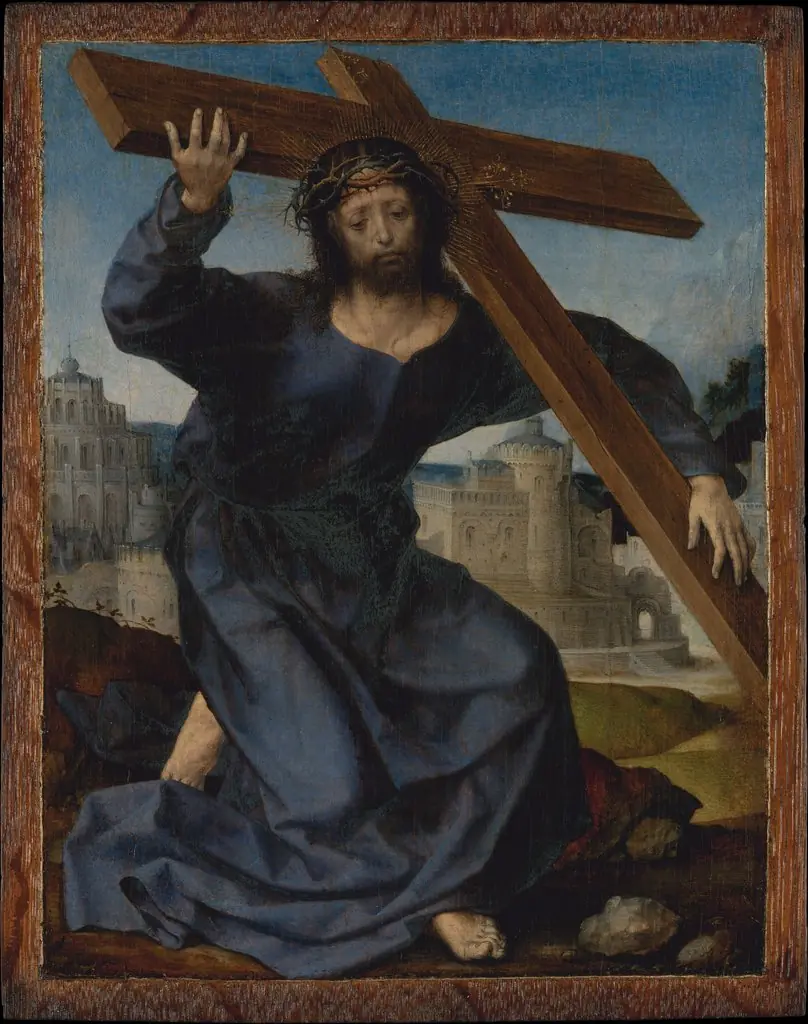 Christ Carrying the Cross
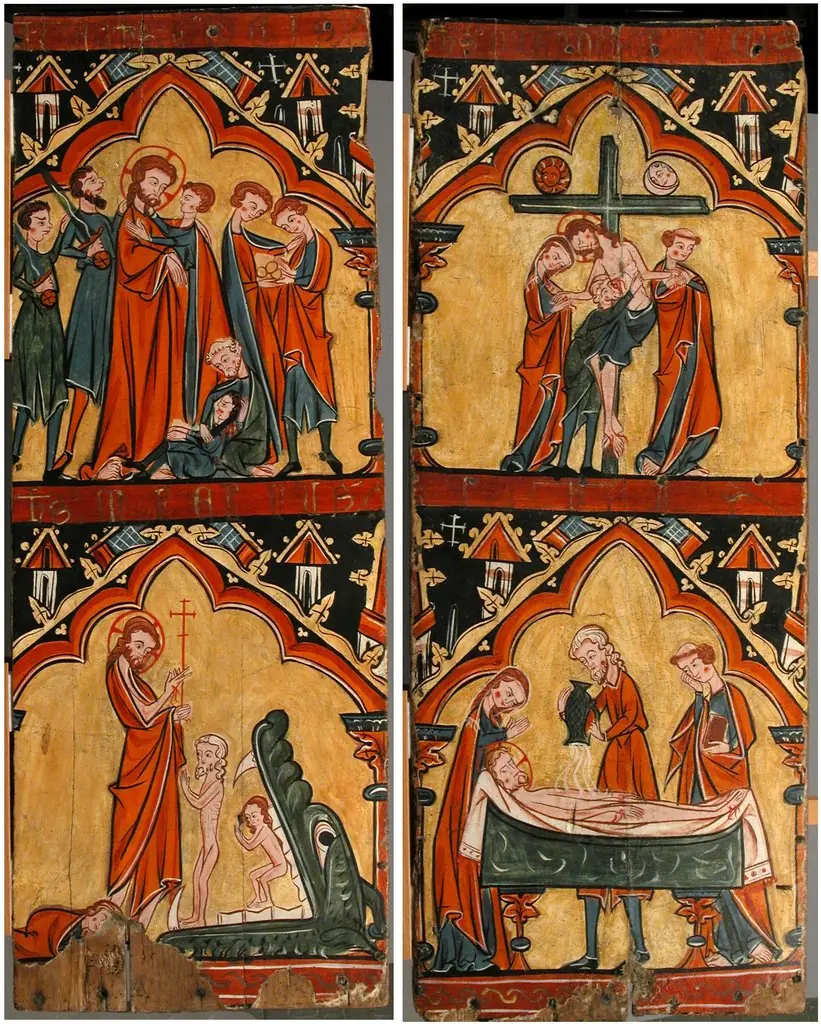 Scenes from the Life of Christ: Arrest of Christ, Christ in Limbo; Descent from the Cross, Preparation of Christ’s Body for His Entombment
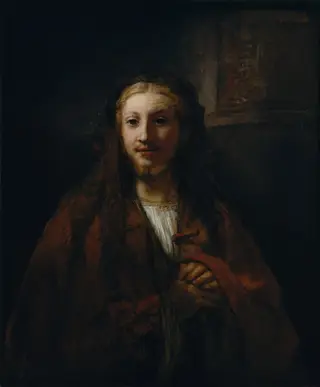 Christ with a Staff
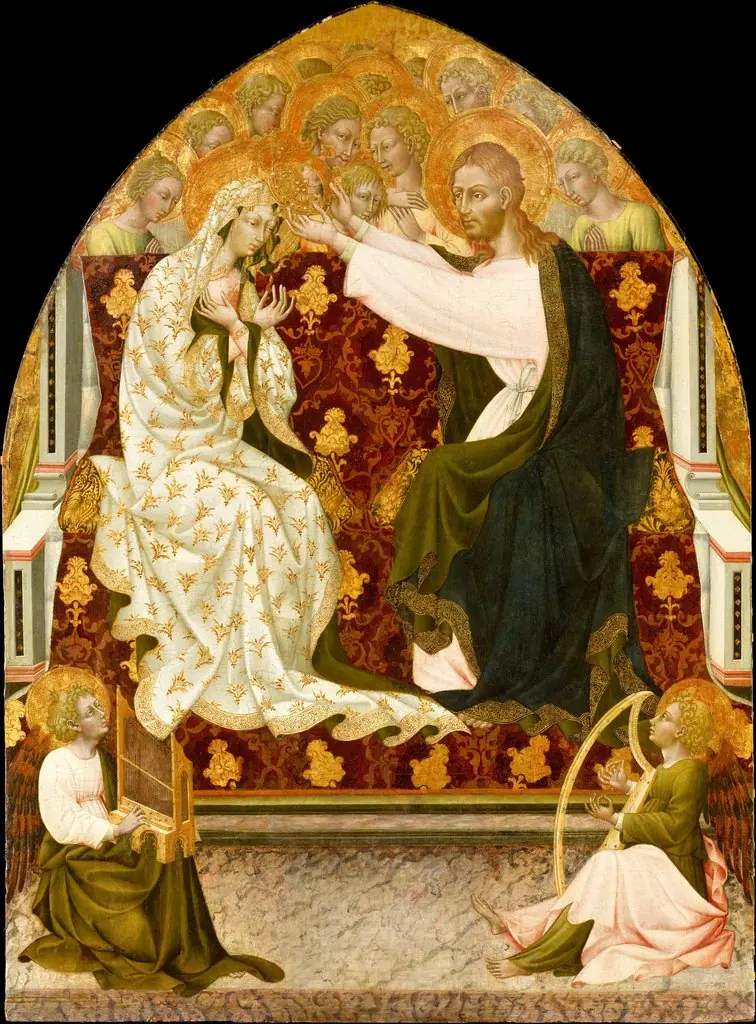 Coronation of the Virgin
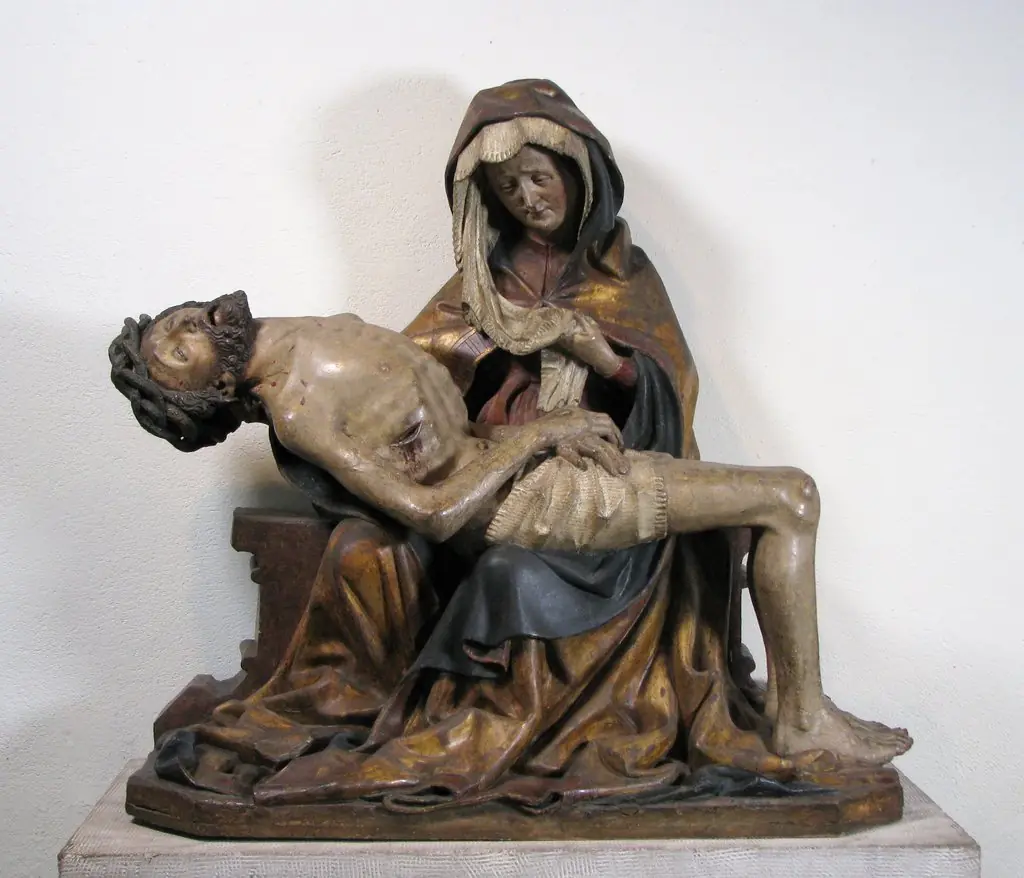 Pietà
Pietà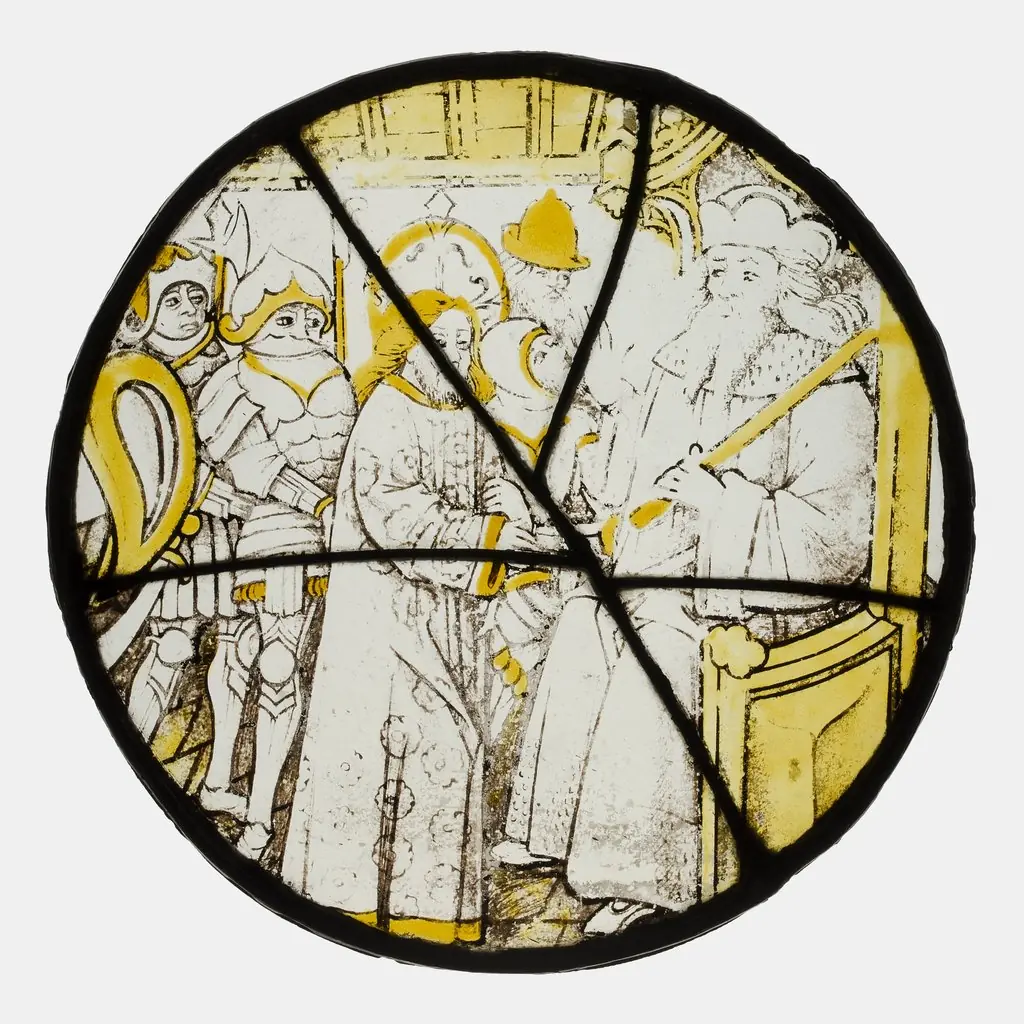 Roundel with Christ before Pilate
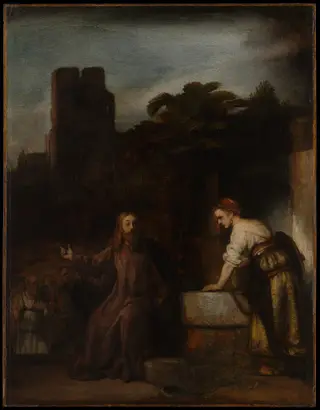 Christ and the Woman of Samaria
 Christ and the Twelve Apostles
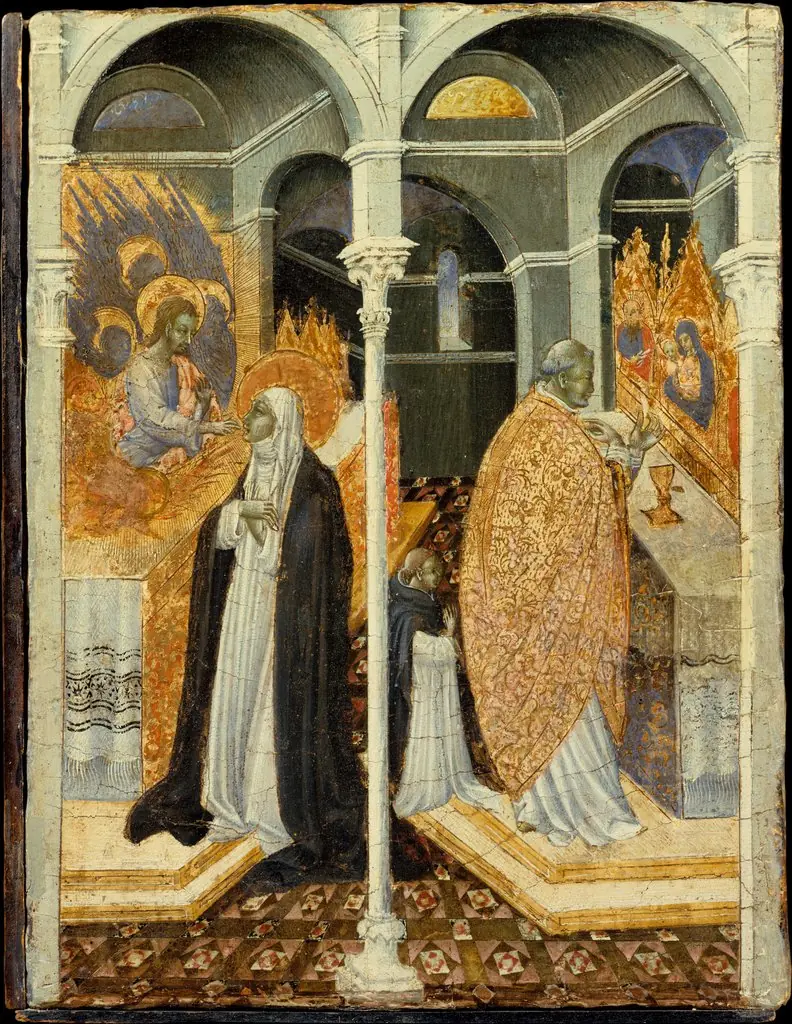 The Miraculous Communion of Saint Catherine of Siena
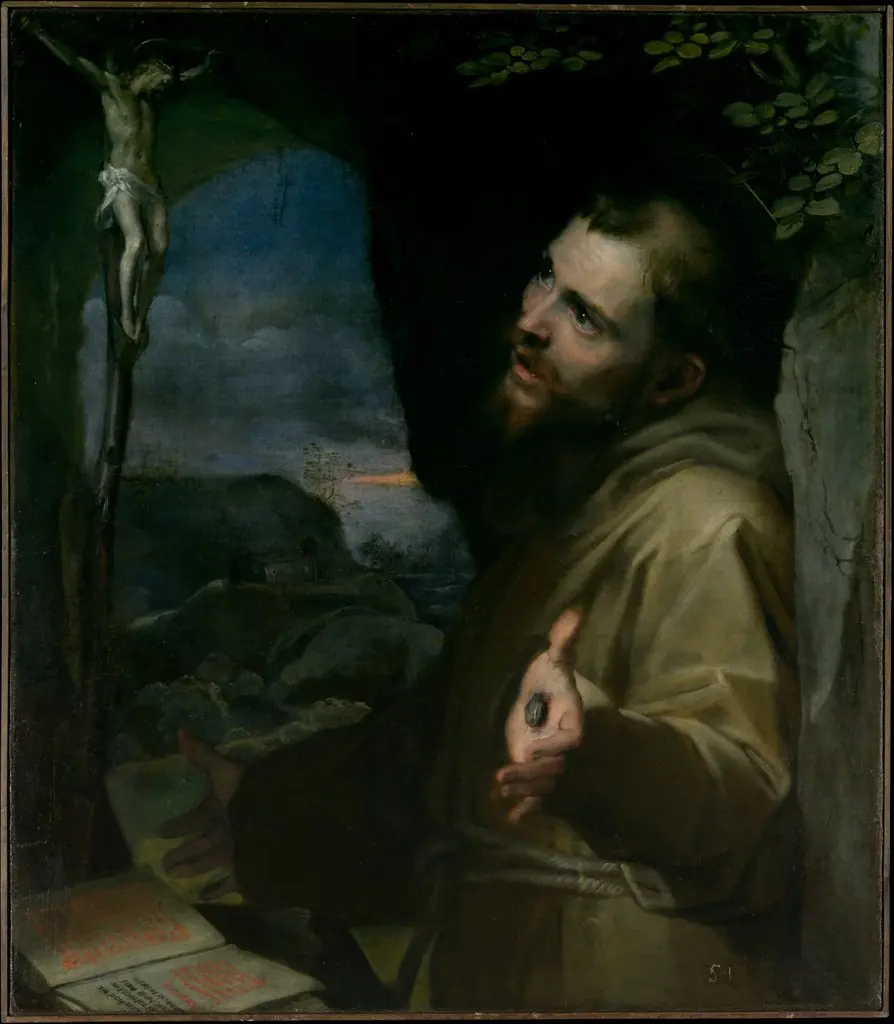 Saint Francis
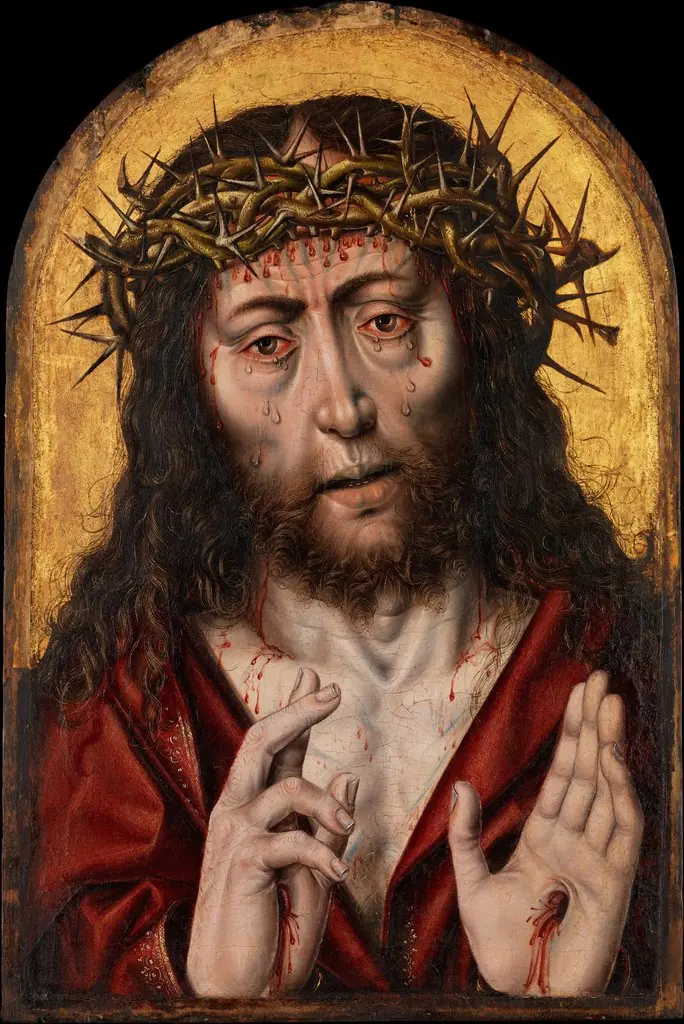 The Man of Sorrows
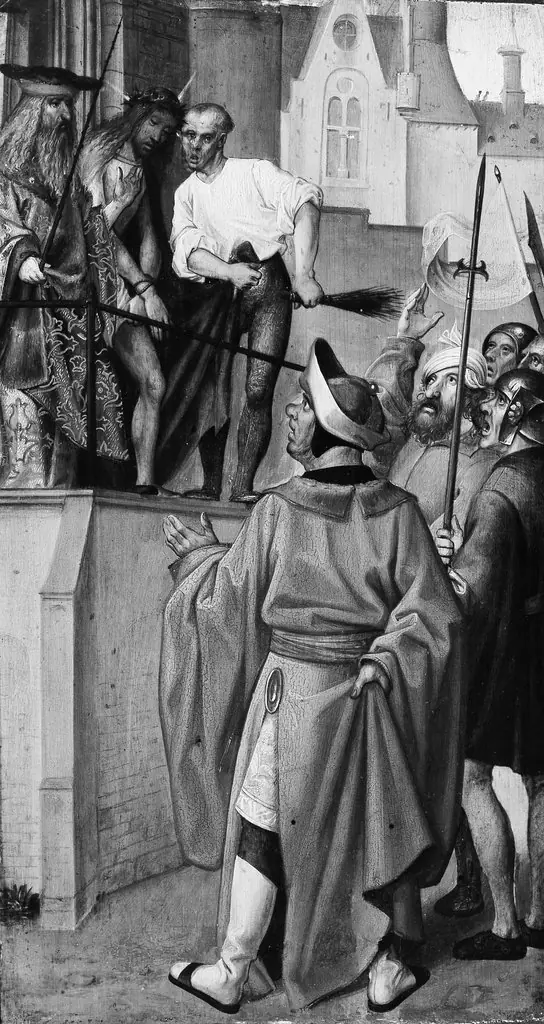 Ecce Homo, (reverse) Christ Blessing; The Disrobing of Christ, (reverse) Saint John the Baptist
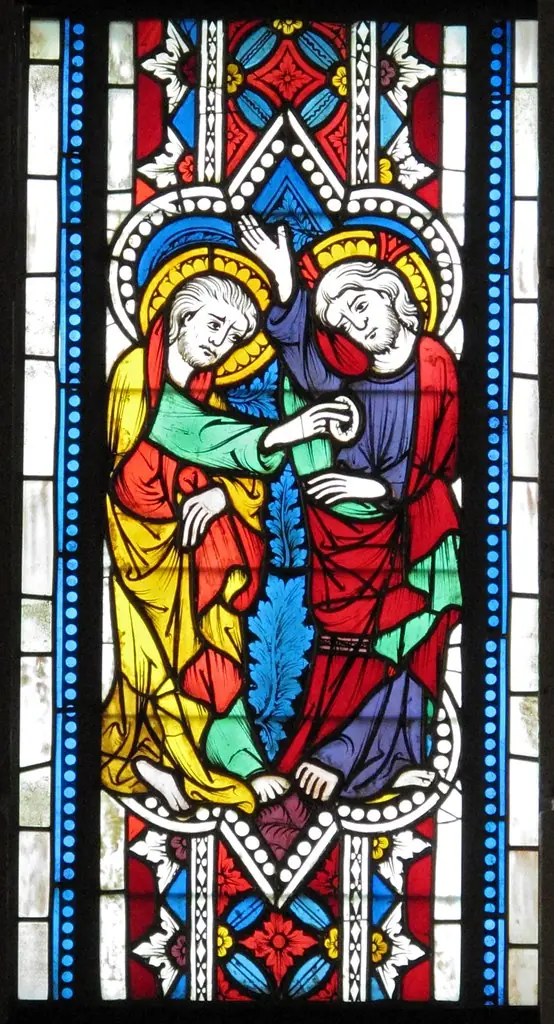 Doubting Thomas
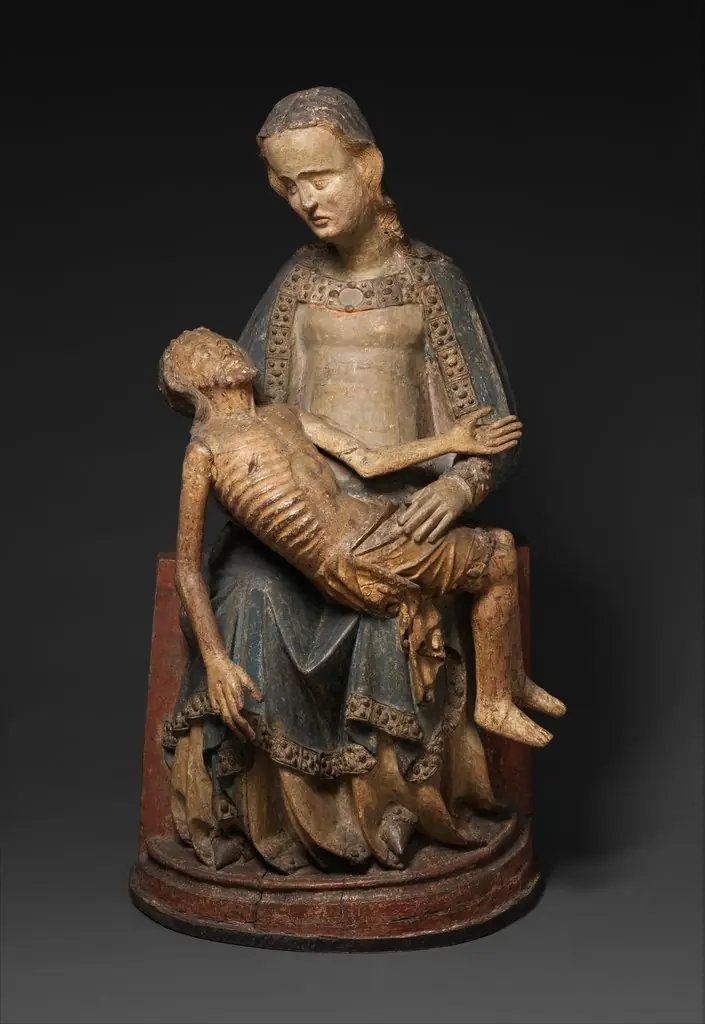 Pietà
Pietà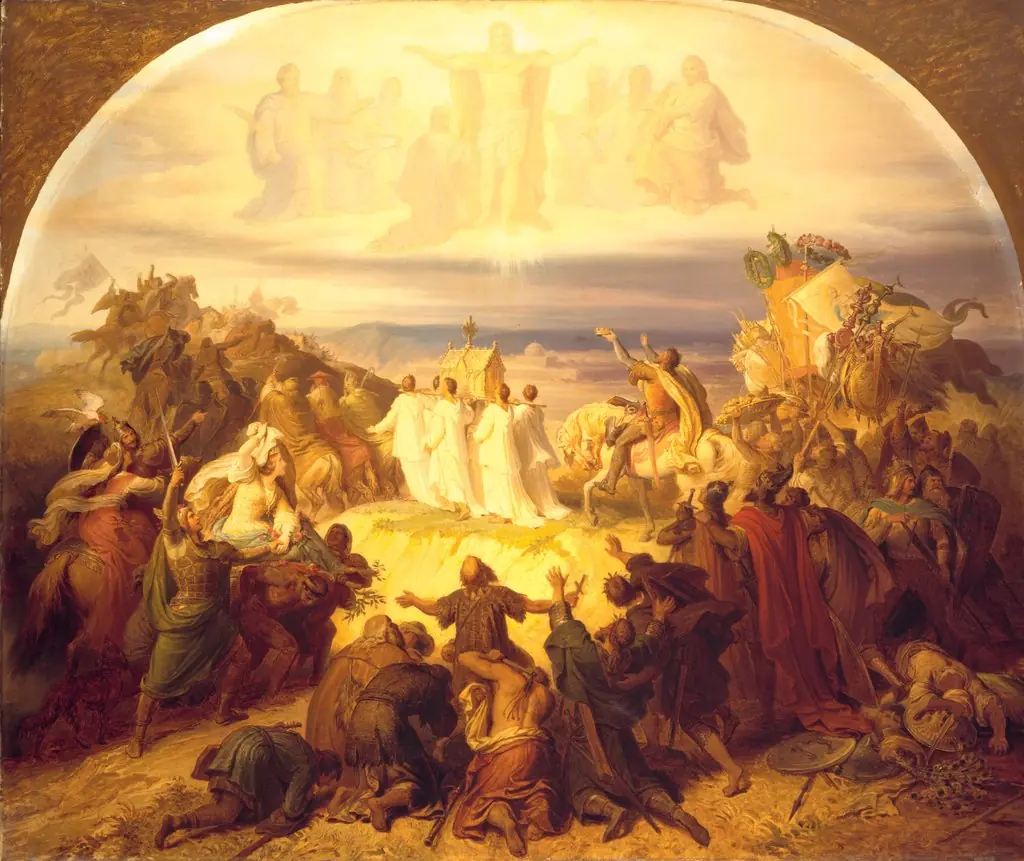 Crusaders before Jerusalem
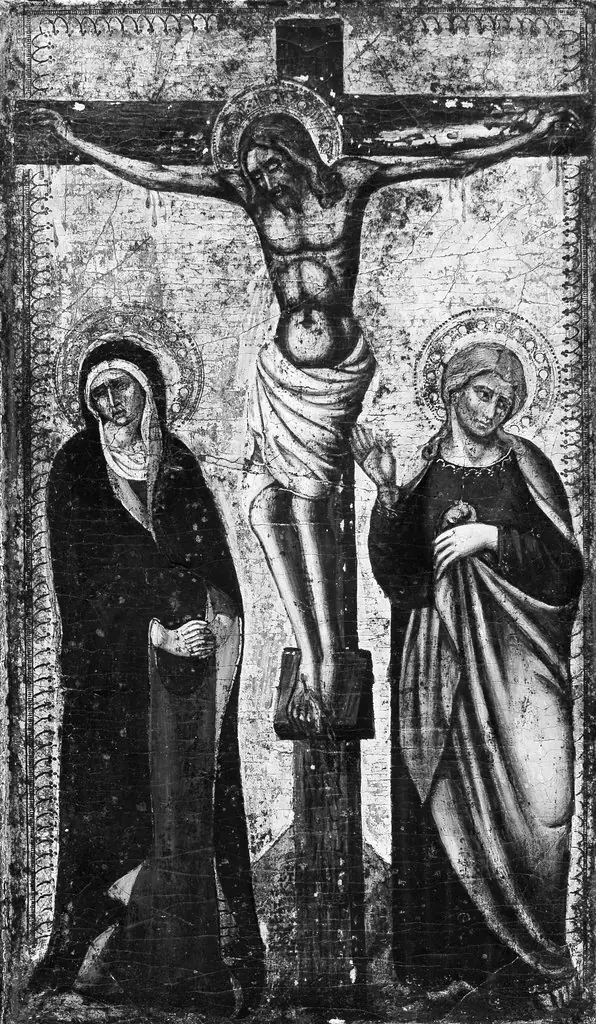 The Crucifixion
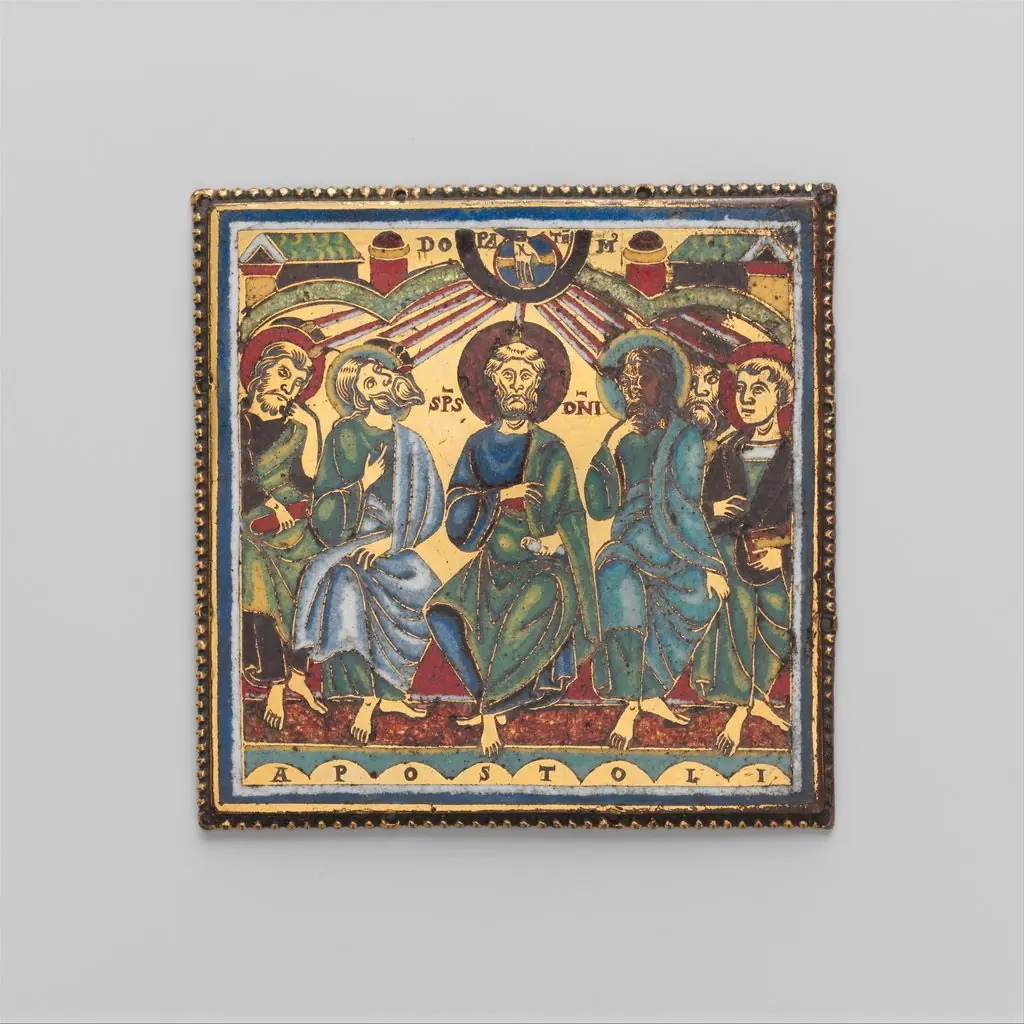 Plaque with the Pentecost
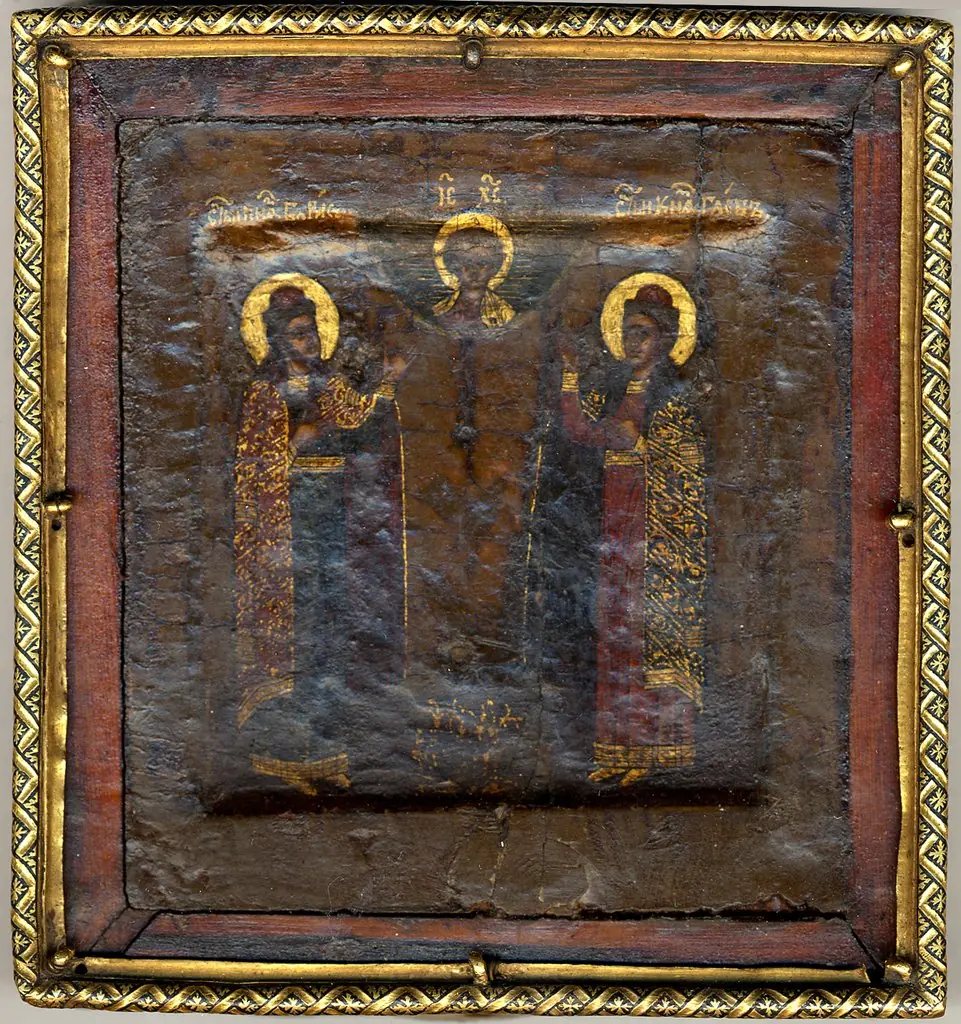 The Christ Child with Saints Boris and Gleb
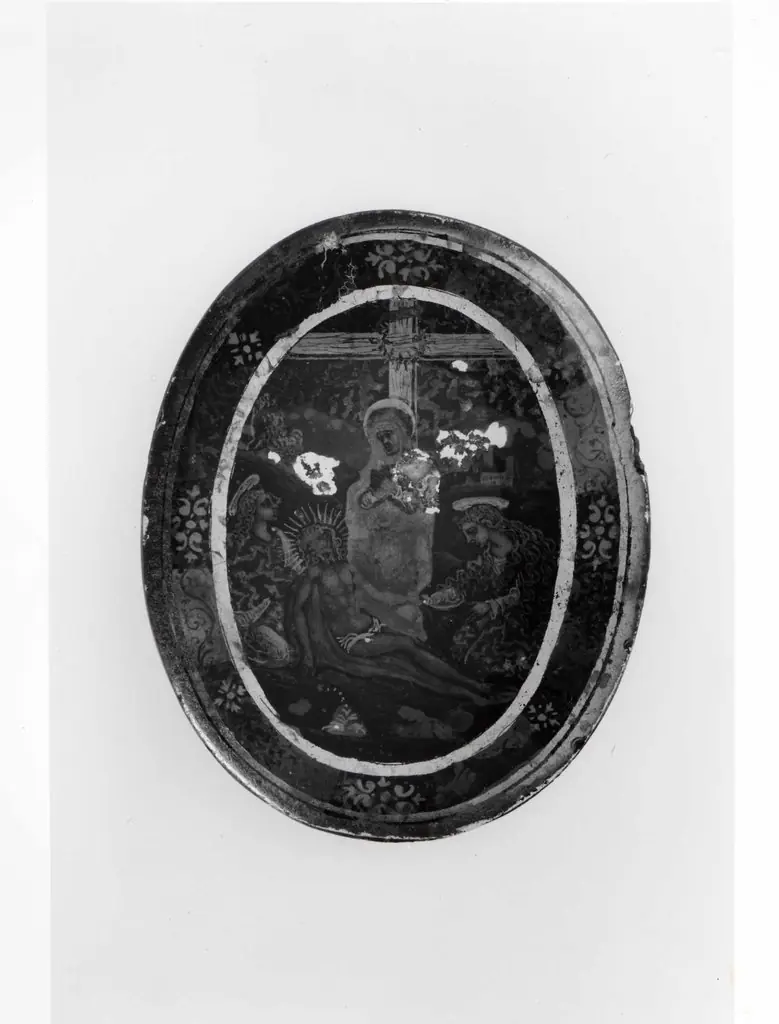 The Deposition
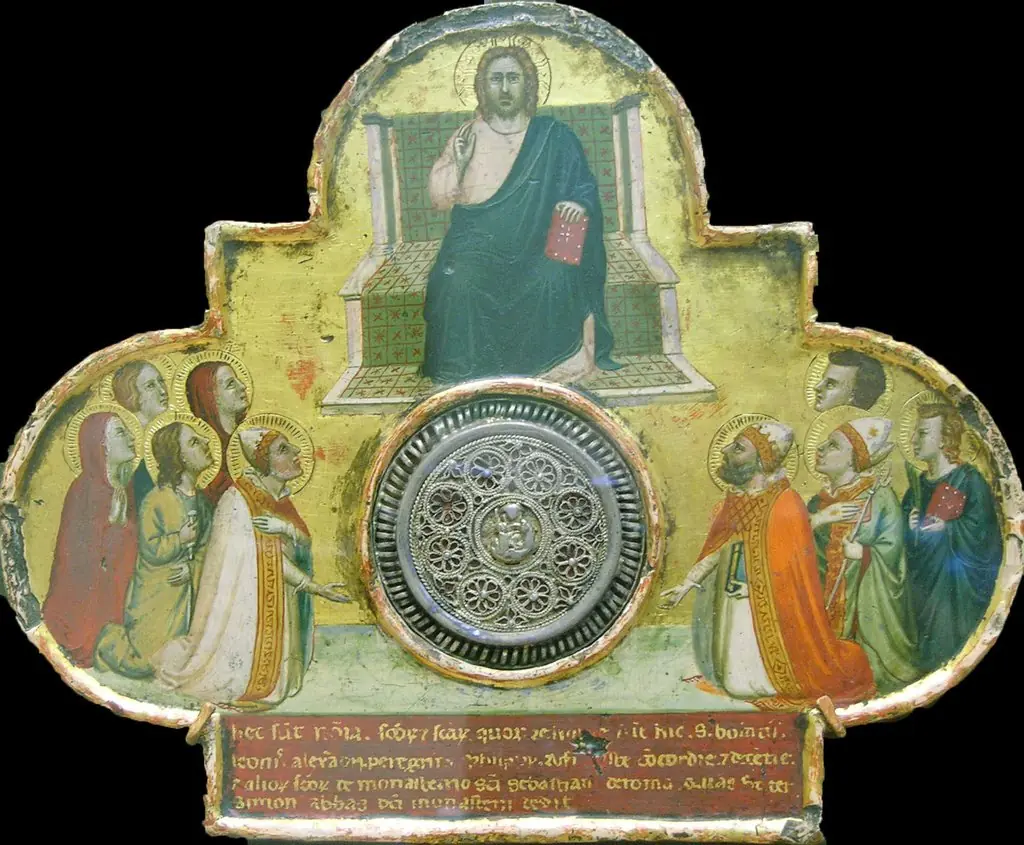 Christ Enthroned with Saints
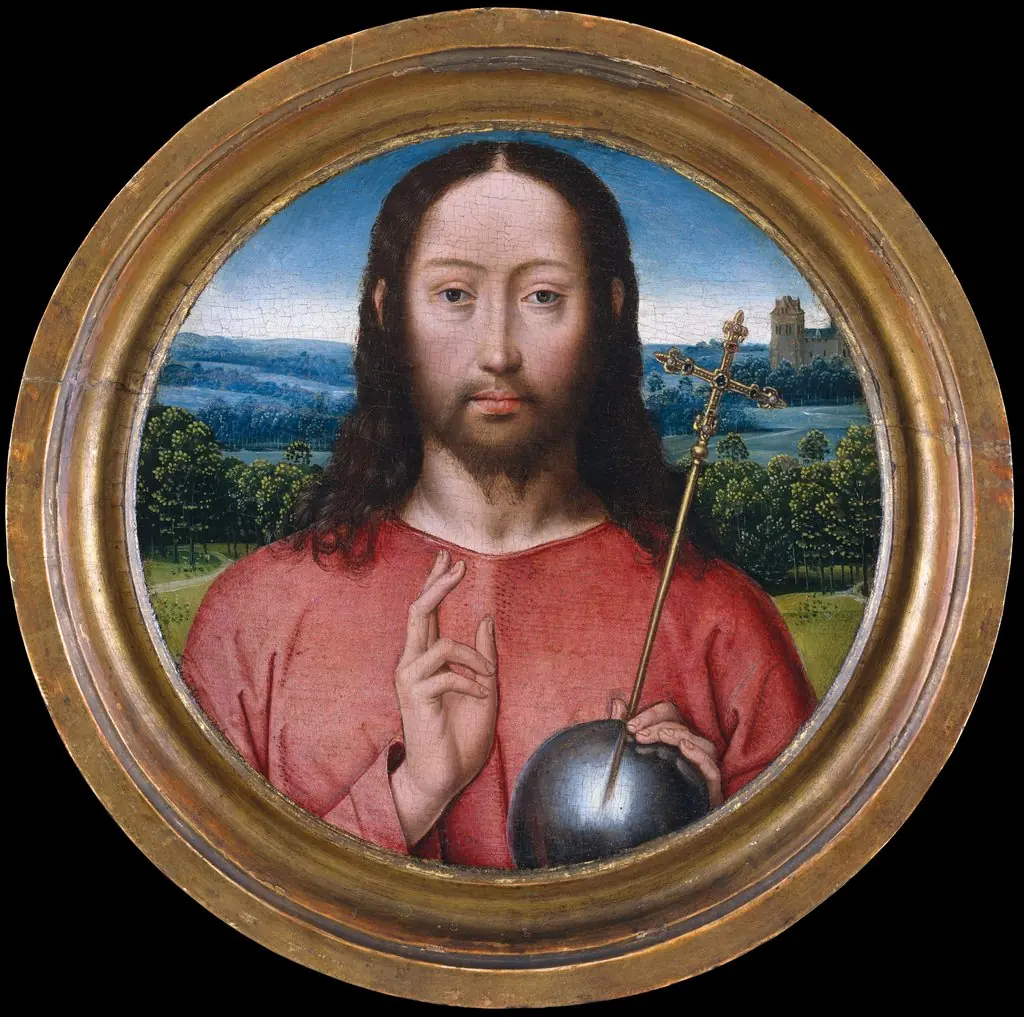 Salvator Mundi
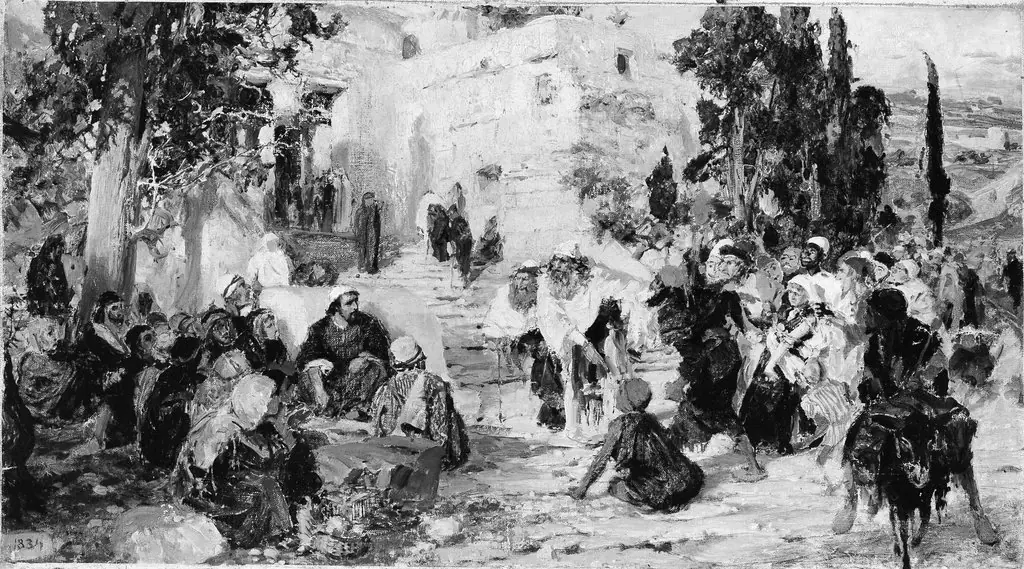 Christ and the Woman Taken in Adultery
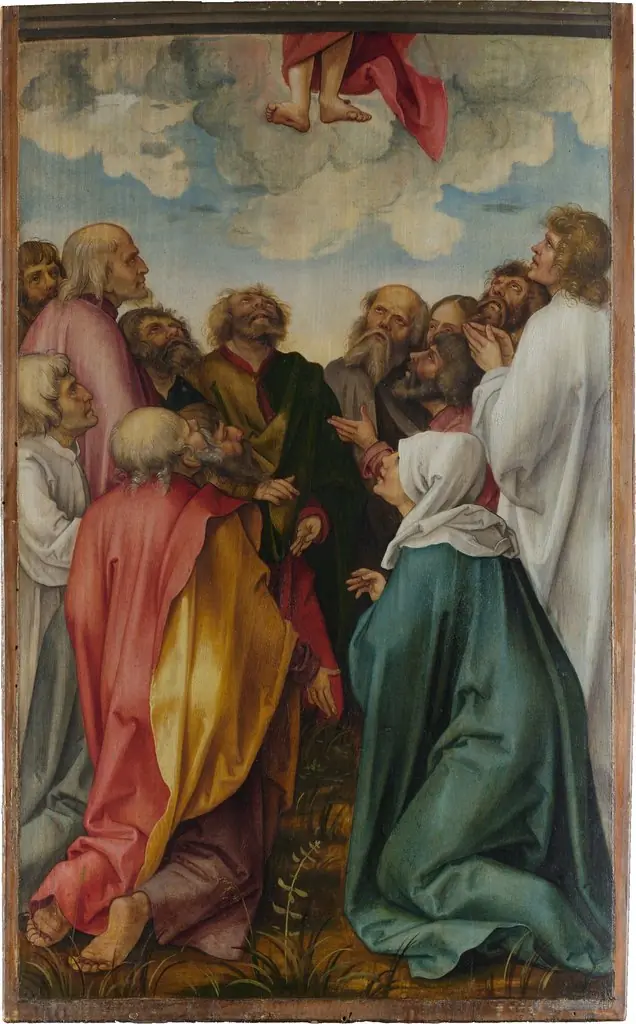 The Ascension of Christ
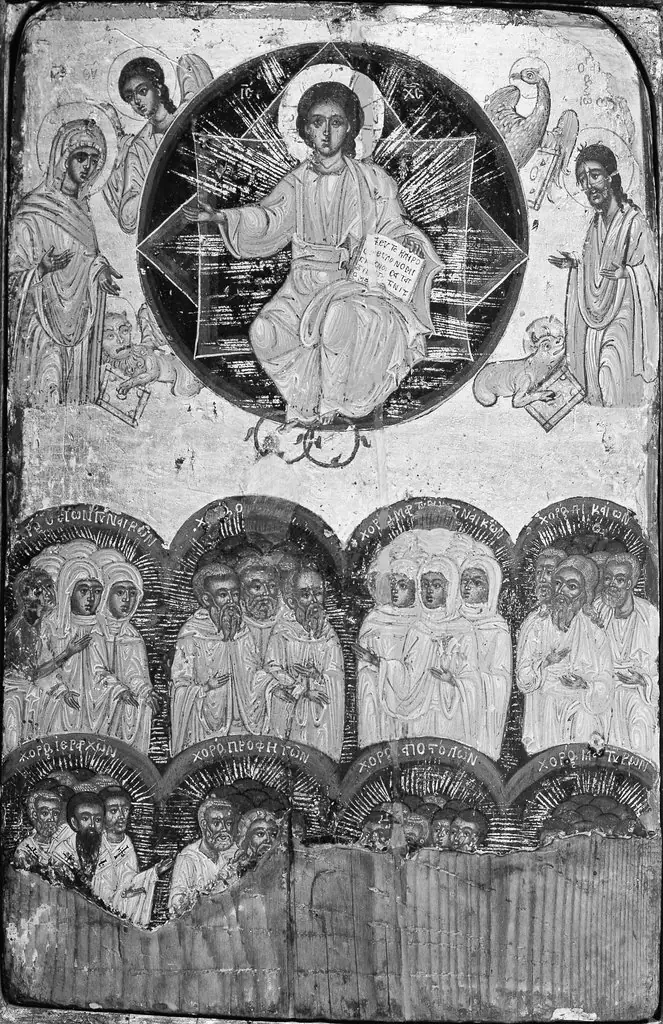 All Saints
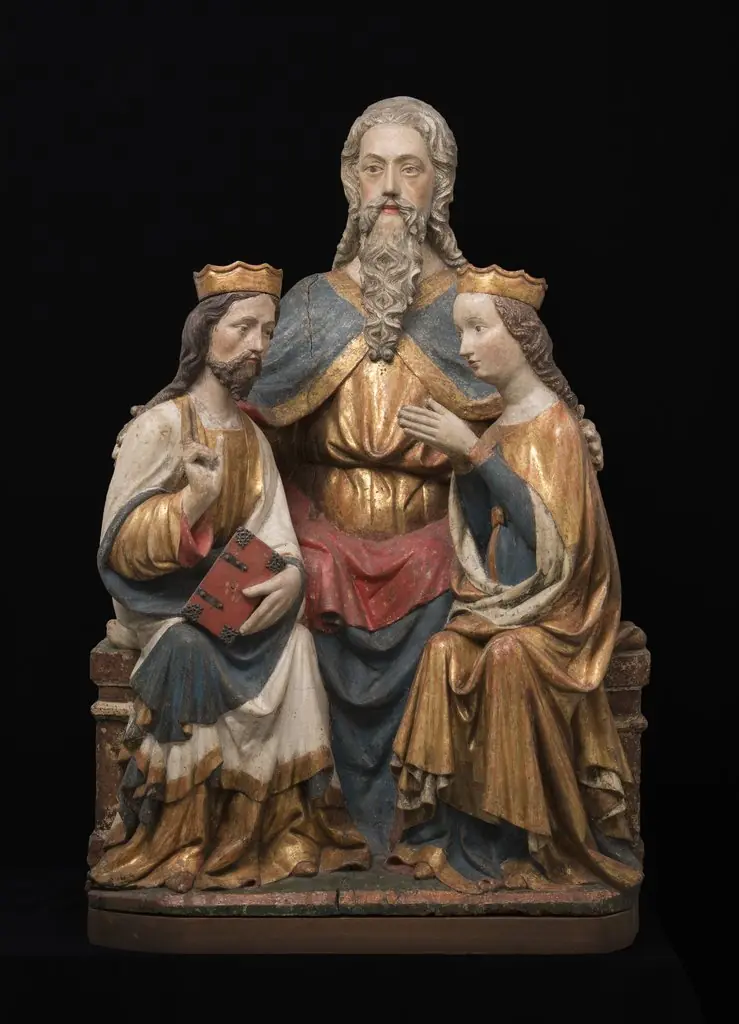 Coronation of the Virgin
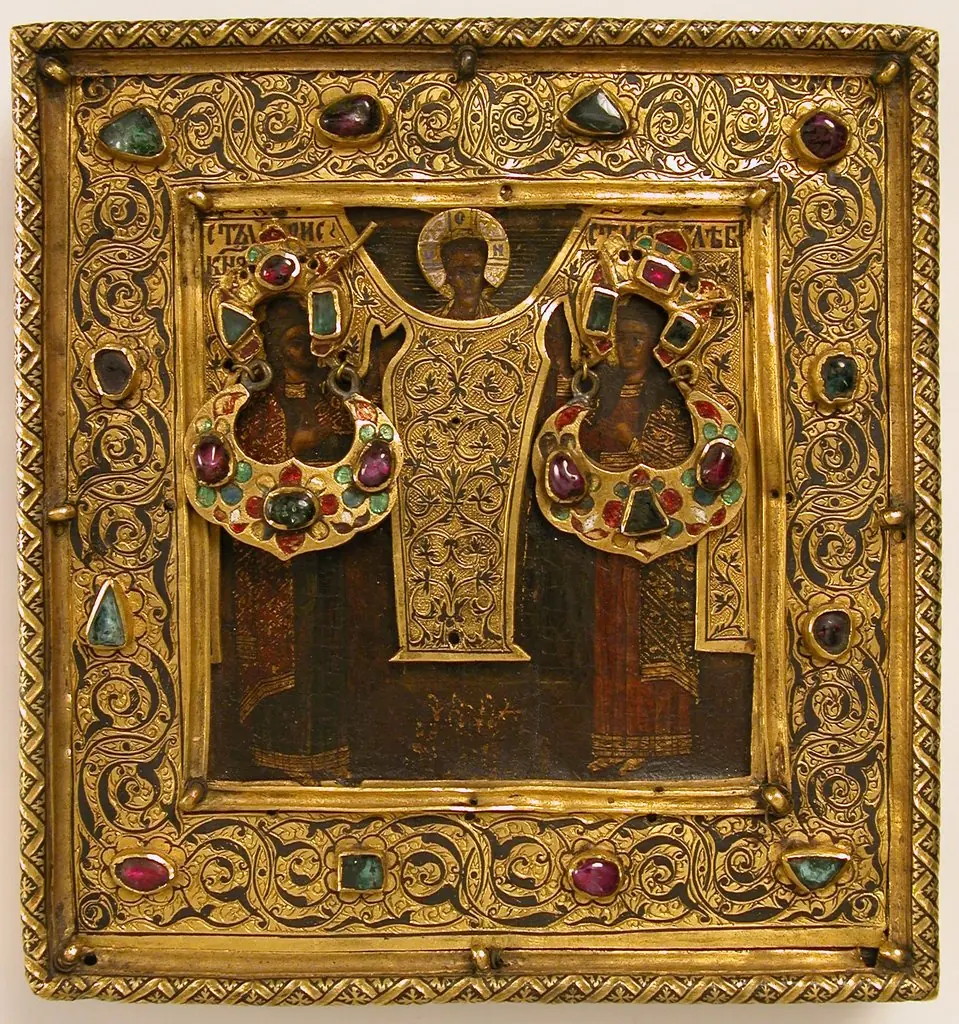 The Christ Child with Saints Boris and Gleb
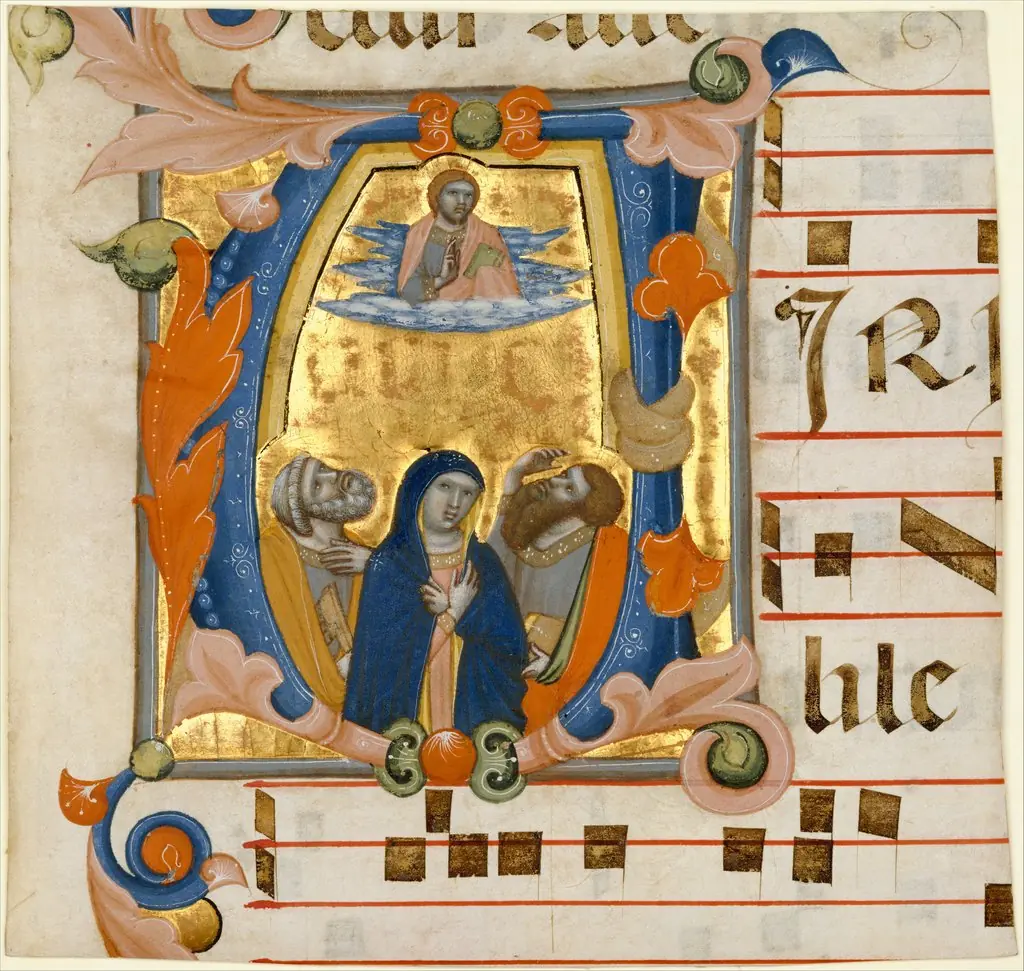 Ascension in an Initial V
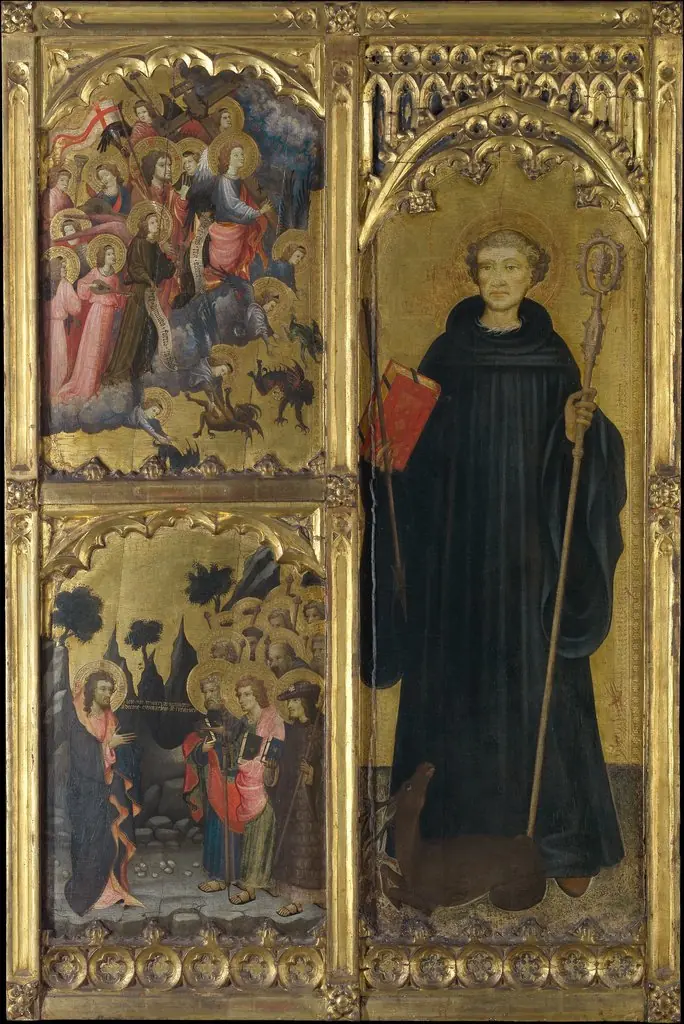 Saint Giles with Christ Triumphant over Satan and the Mission of the Apostles
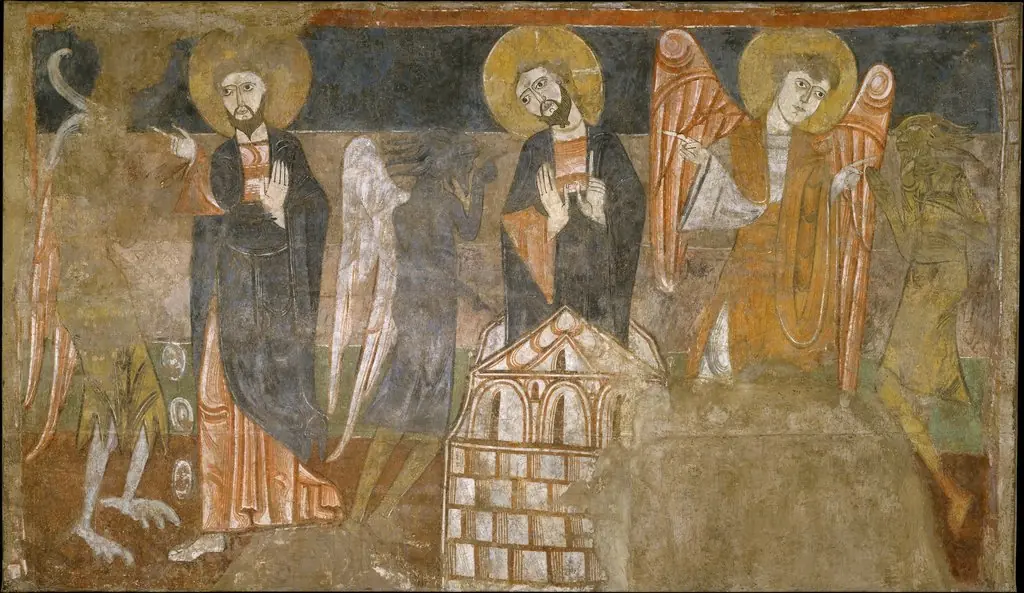 The Temptation of Christ by the Devil
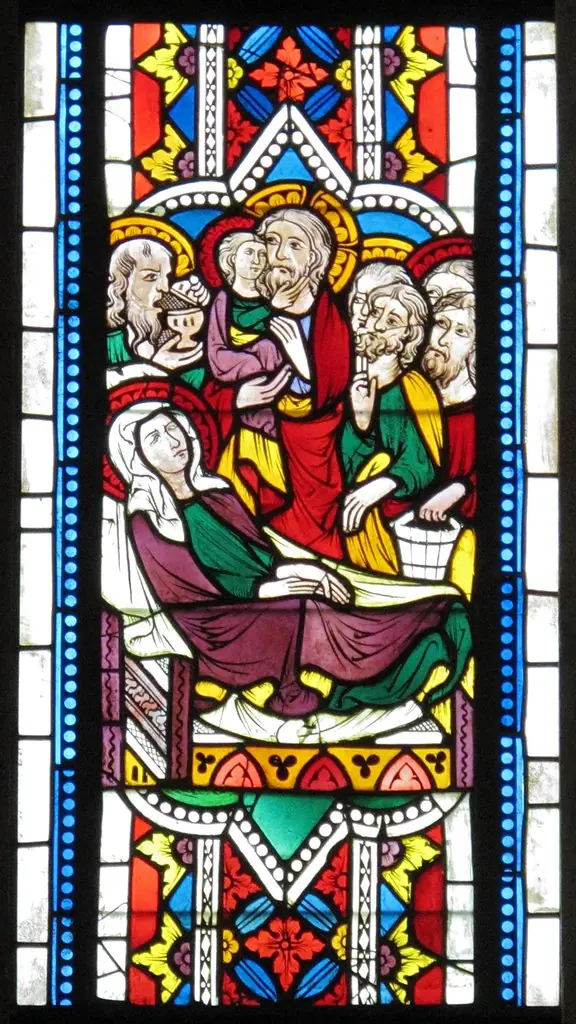 Dormition of the Virgin
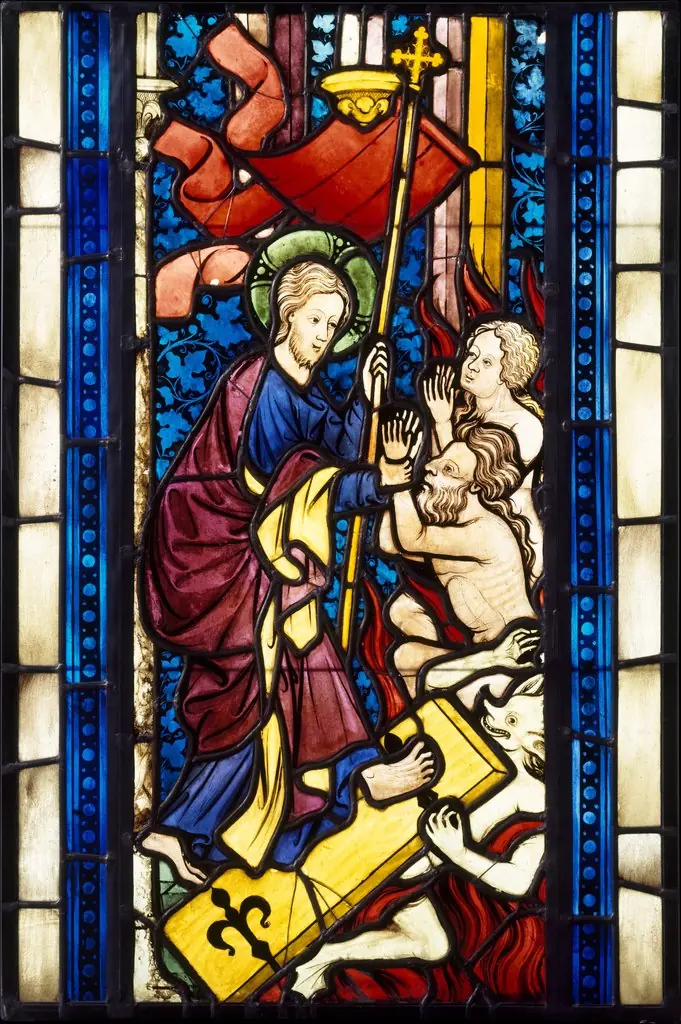 The Harrowing of Hell
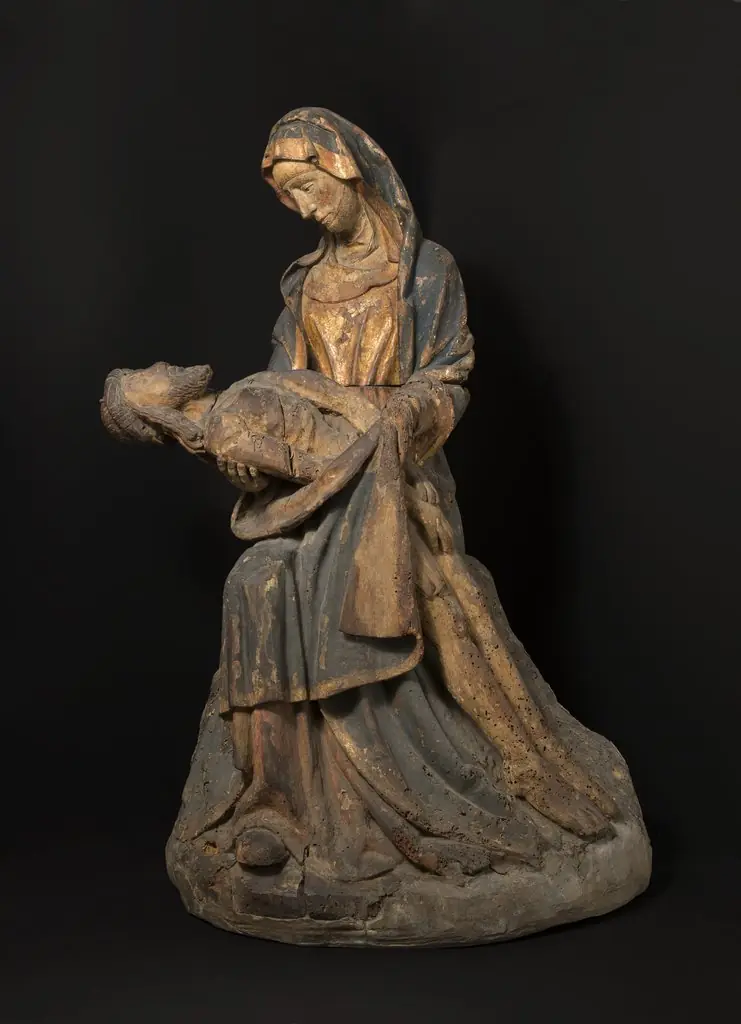 Pietà
Pietà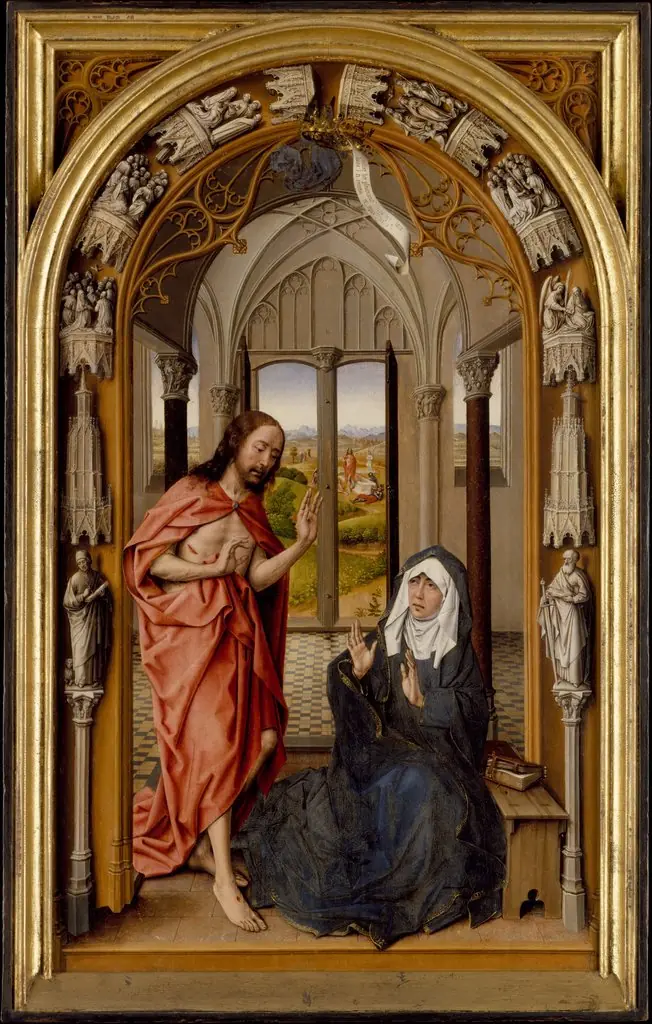 Christ Appearing to His Mother
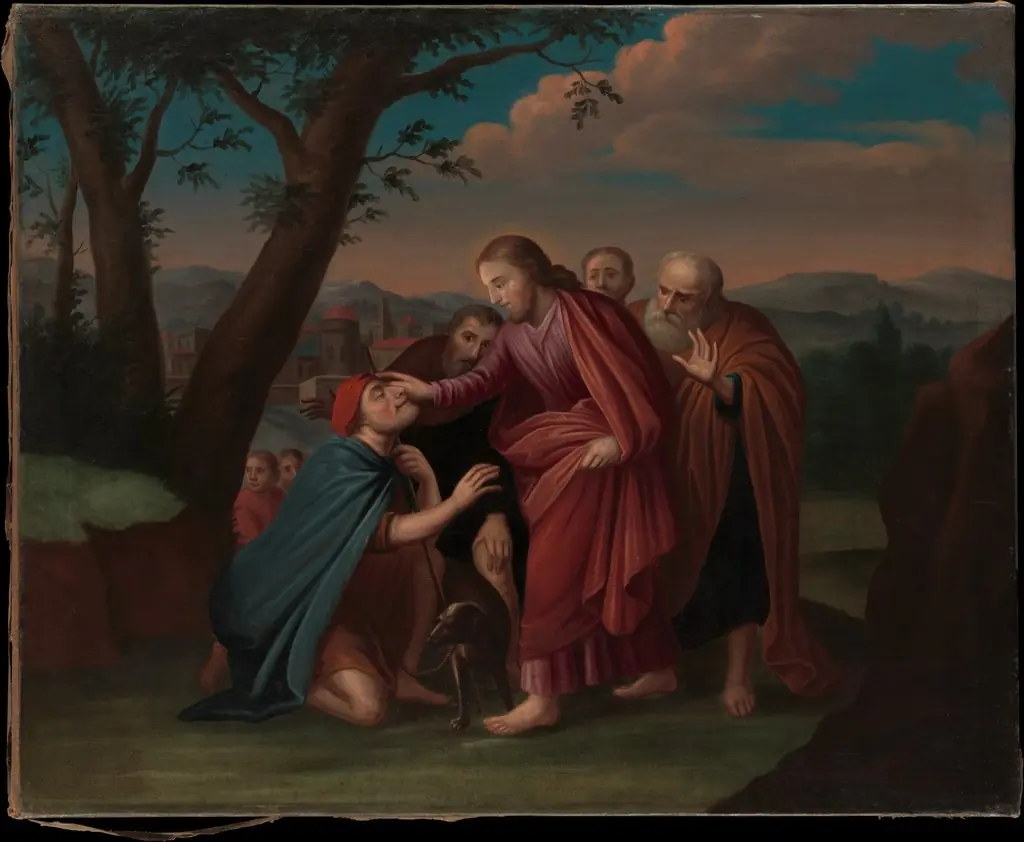 Christ Healing the Blindman
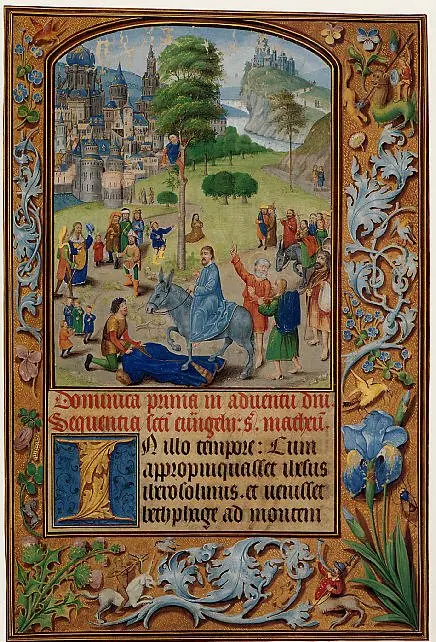 Christ's Entry into Jerusalem
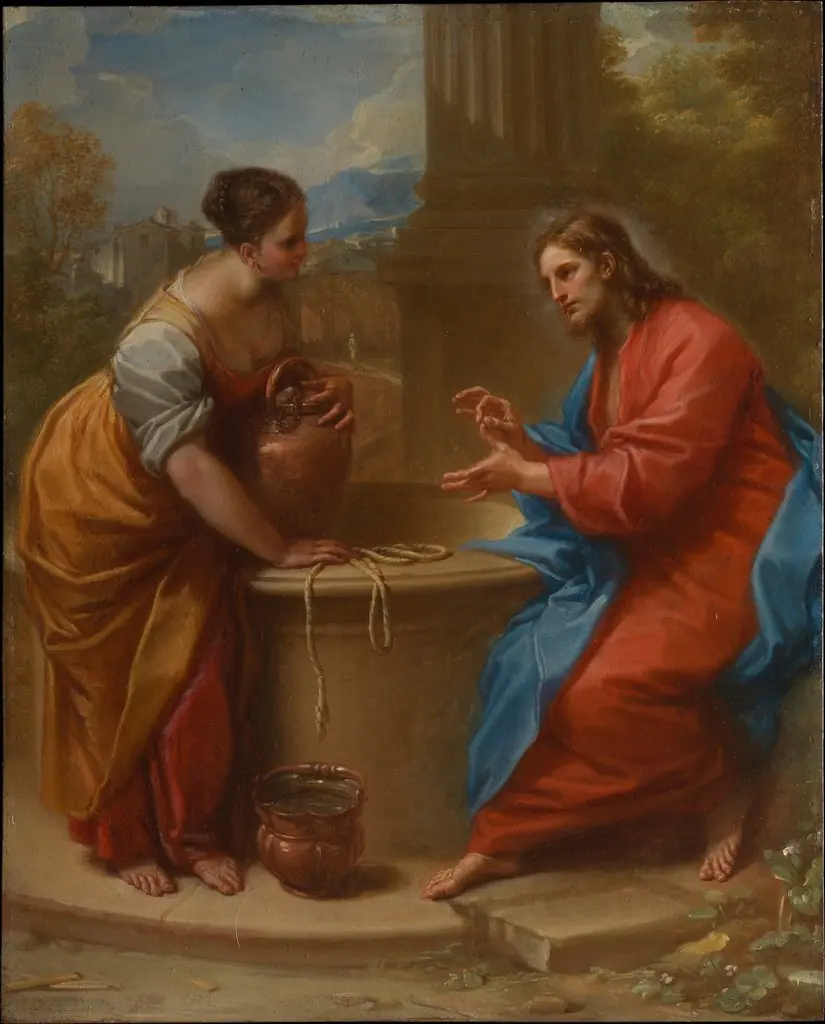 Christ and the Woman of Samaria
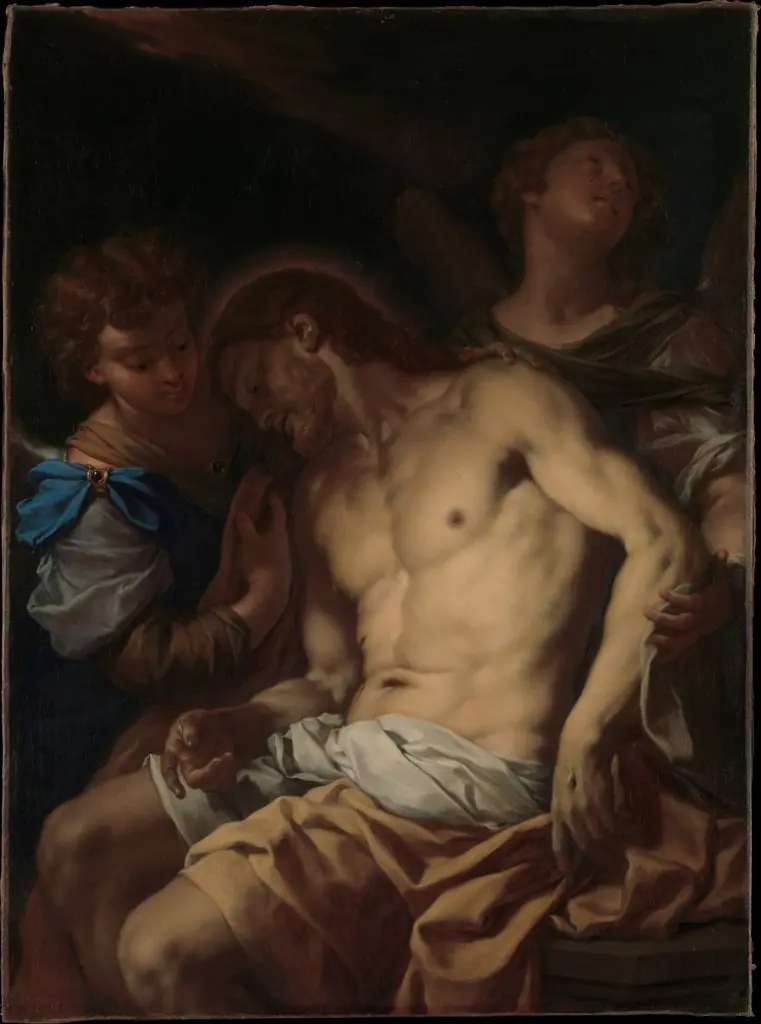 Dead Christ Supported by Angels
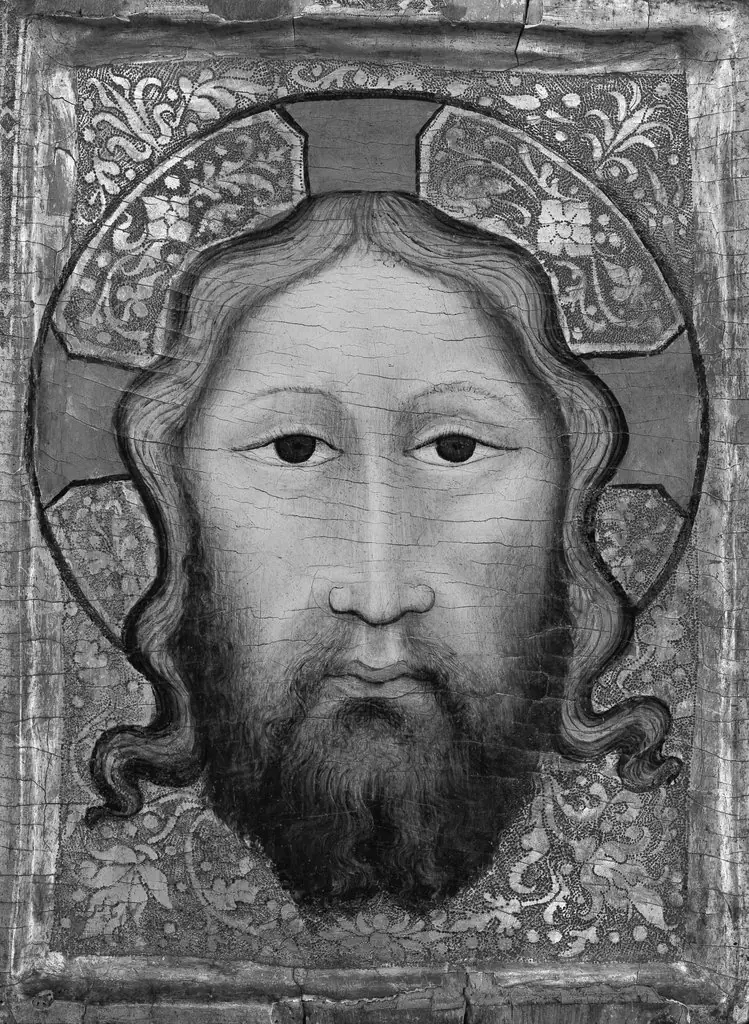 Head of Christ
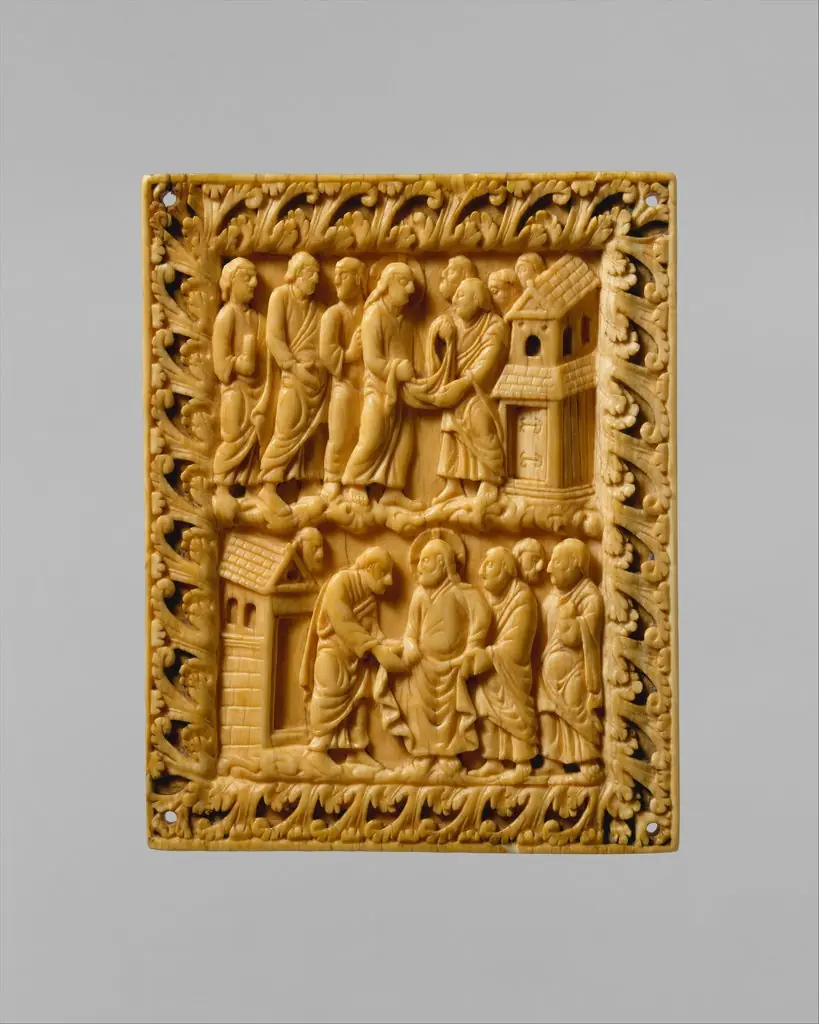 Two Scenes of Christ and the Apostles
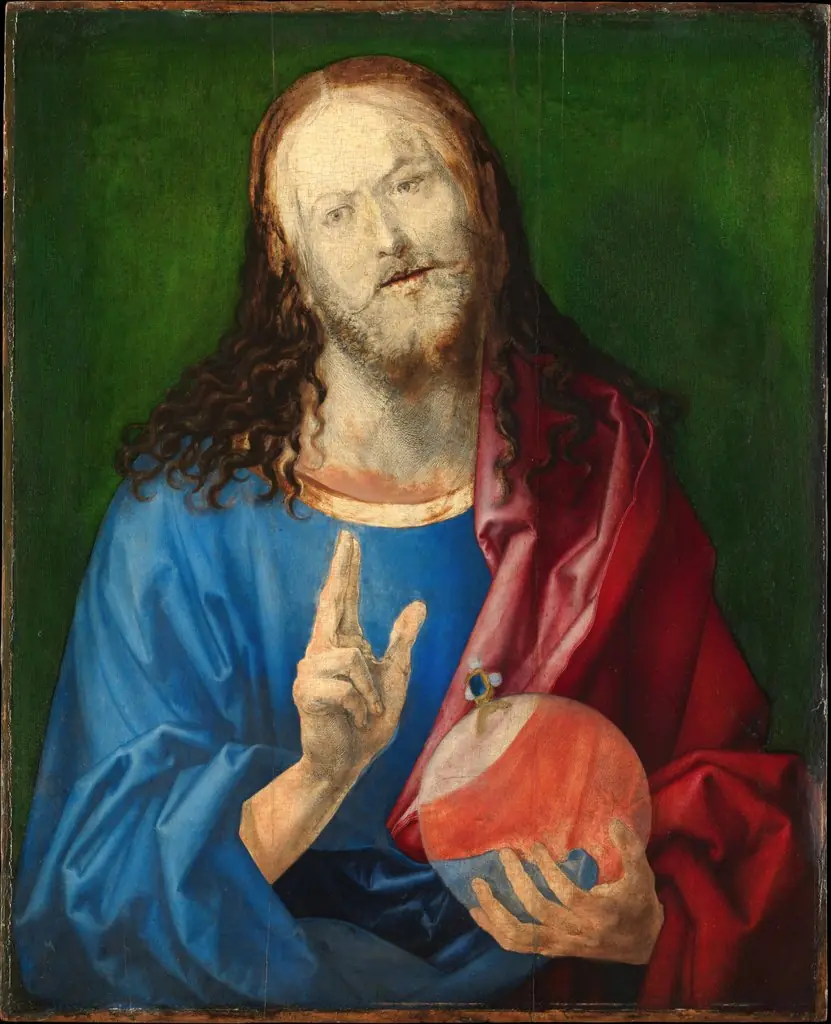 Salvator Mundi
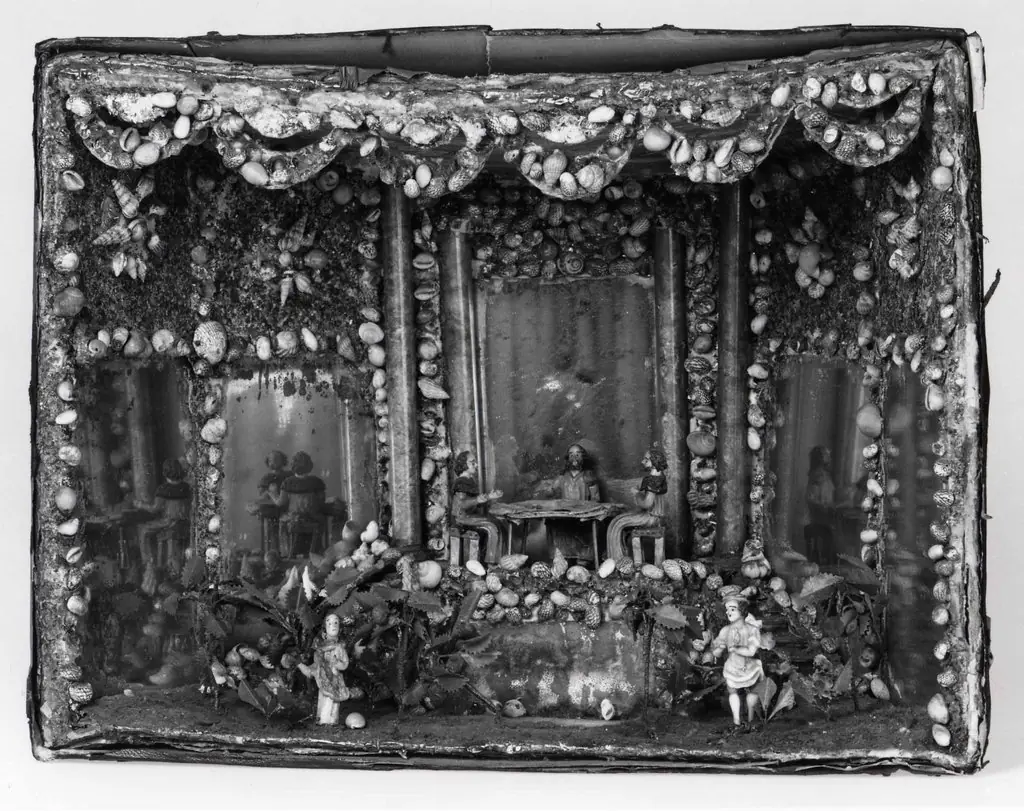 The Supper at Emmaus
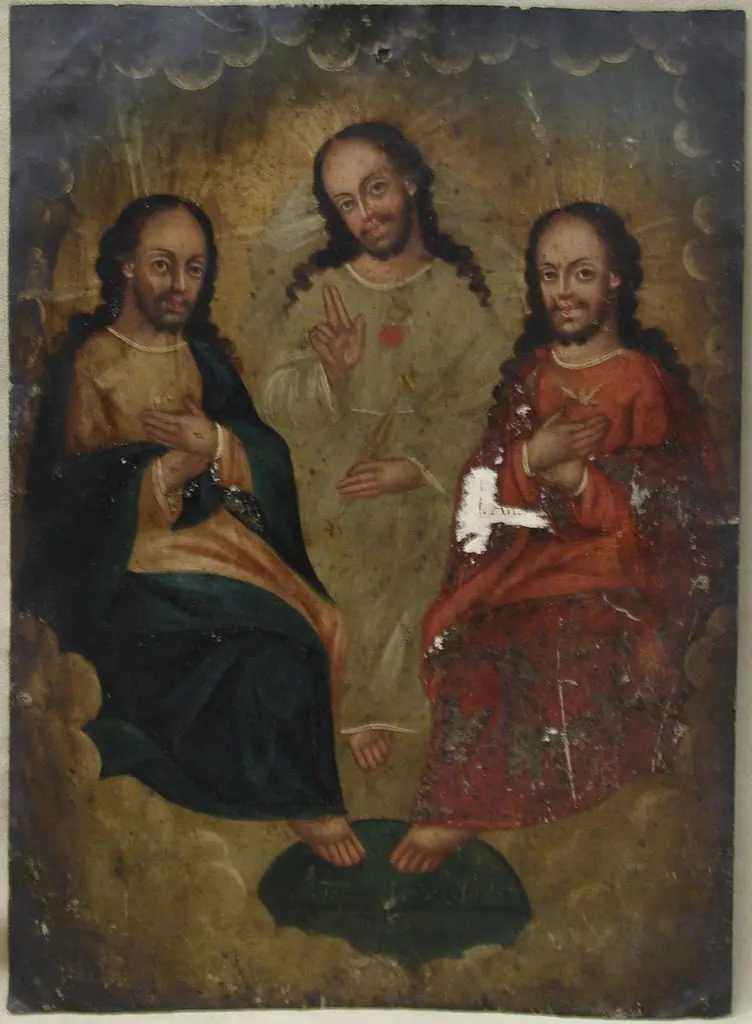 The Trinity
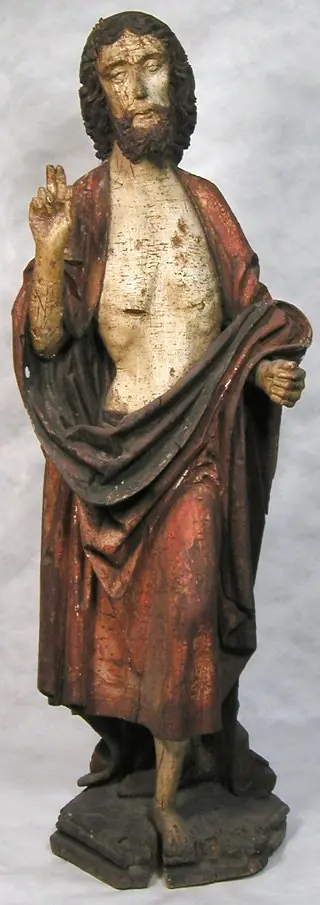 Man of Sorrows
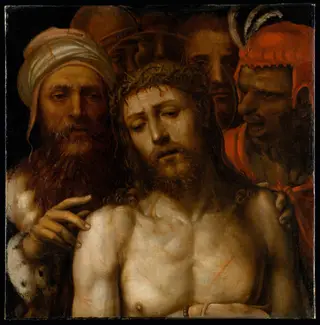 Christ Presented to the People (Ecce Homo)
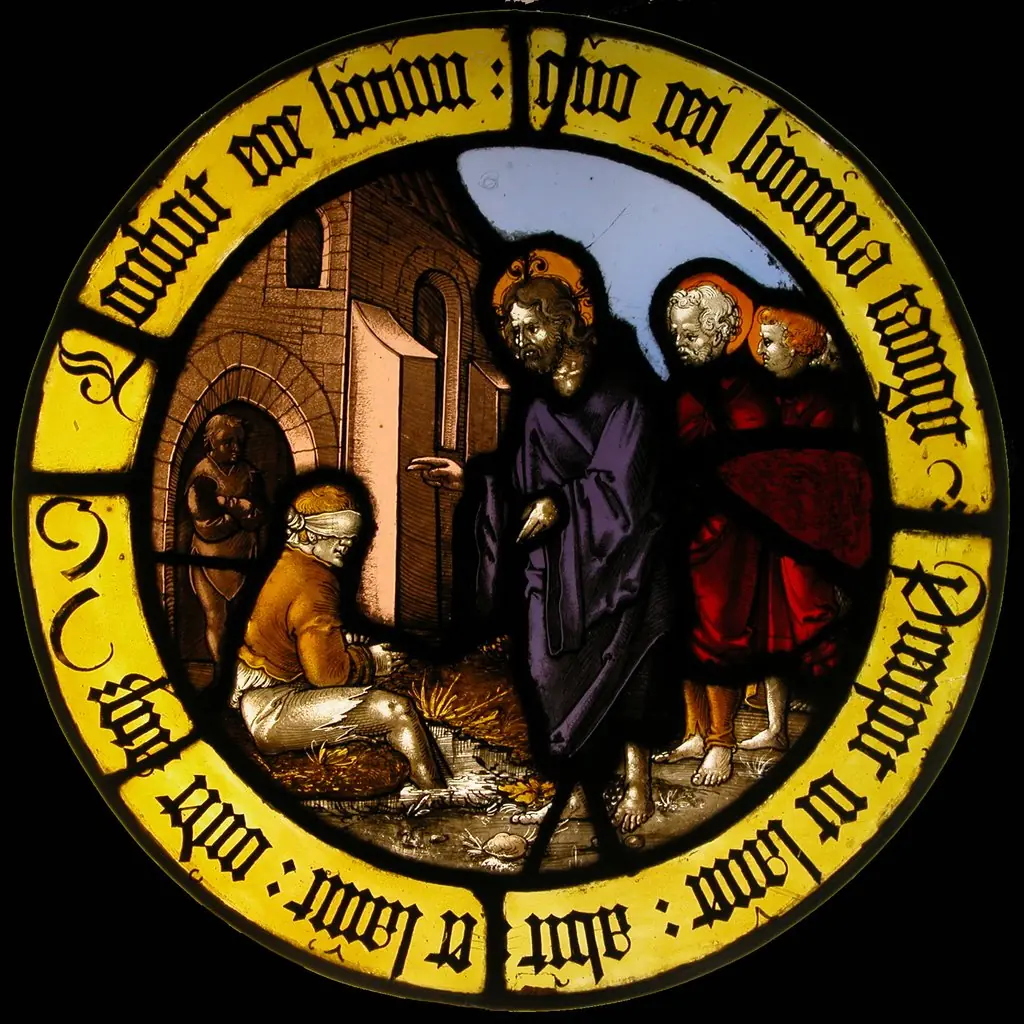 Roundel with Christ Healing the Blind Man
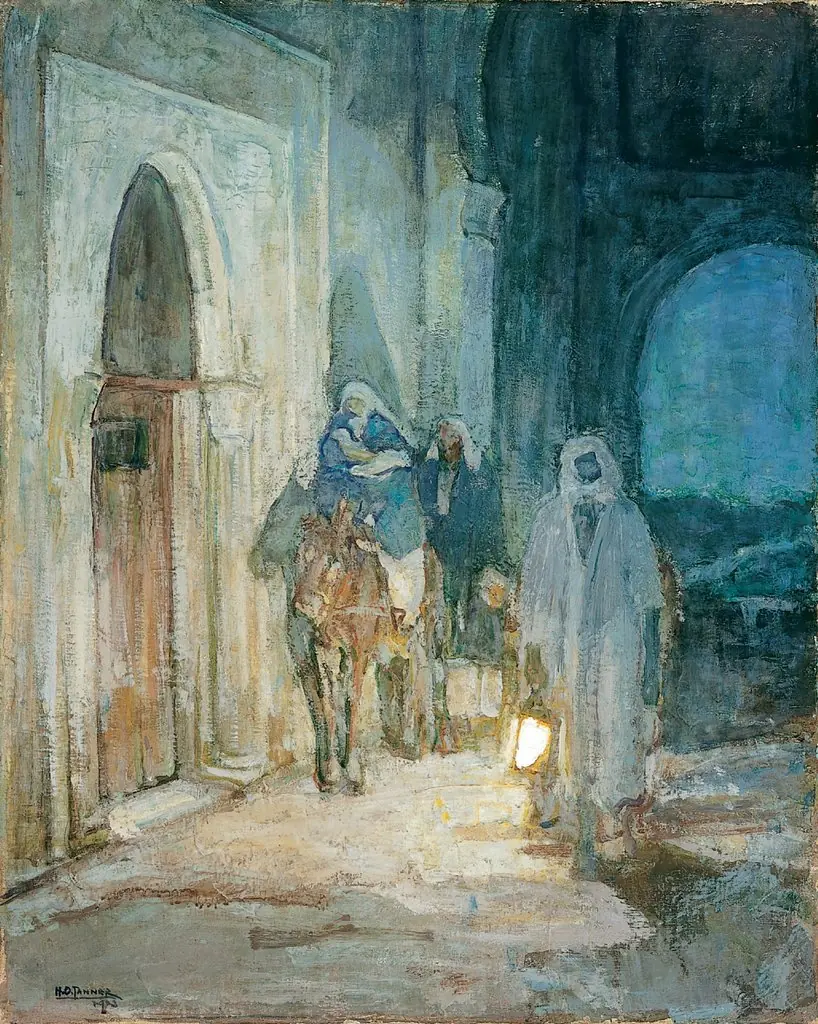 Study for "Christ at the Home of Lazarus"
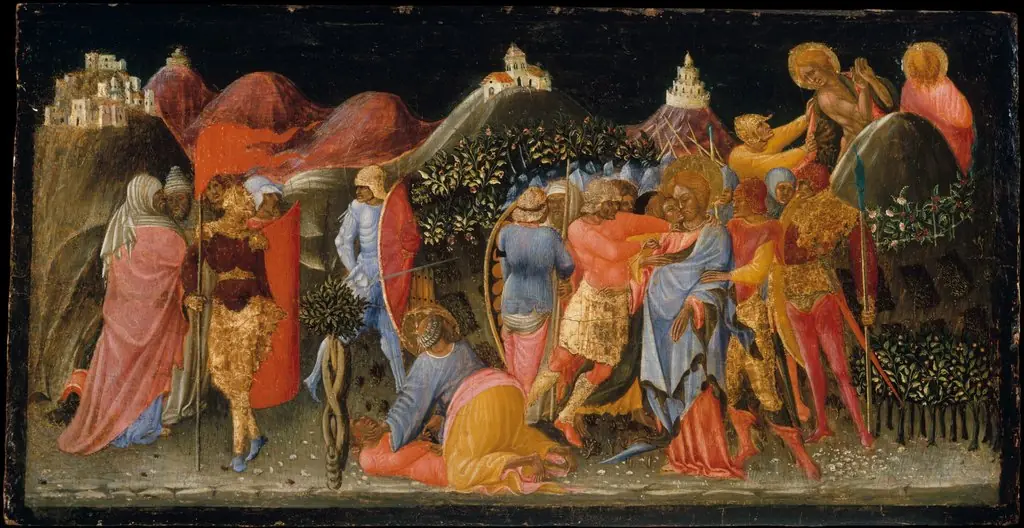 The Betrayal of Christ
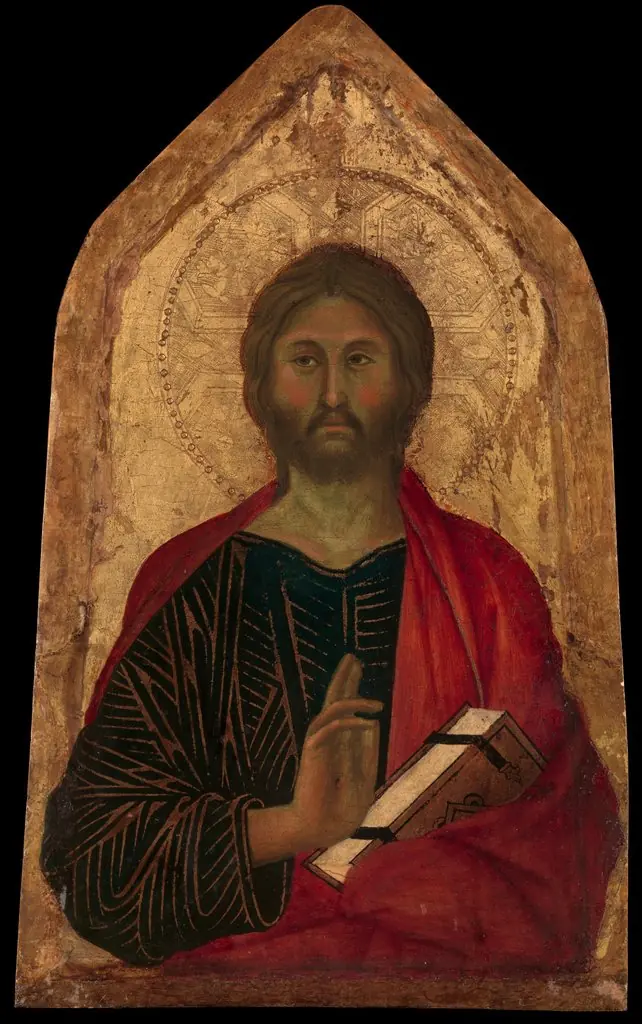 Christ Blessing
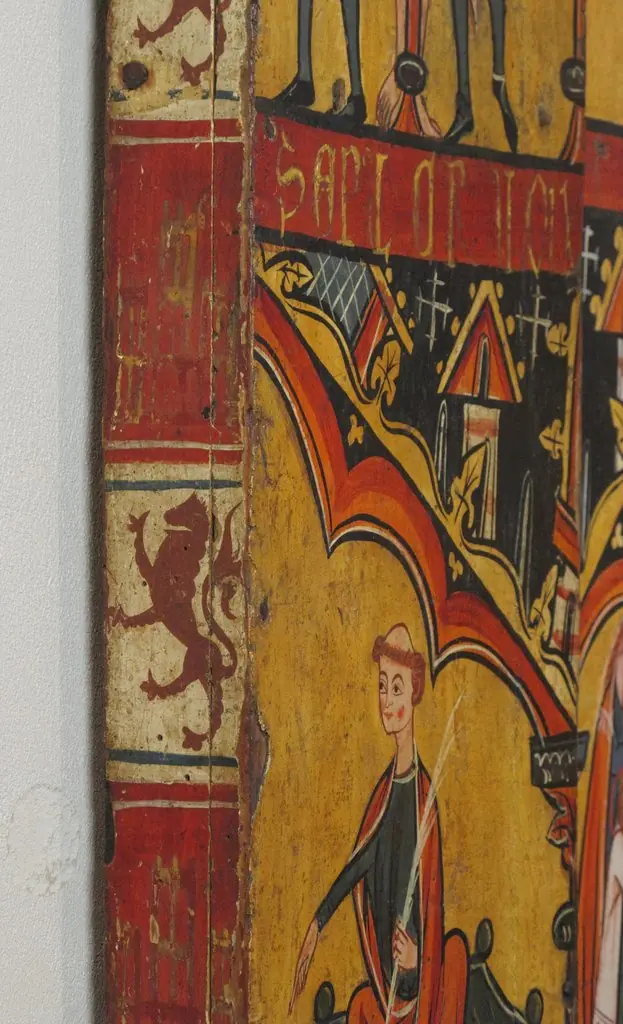 Scenes from the Life of Christ: Disrobing Youths from the Entry into Jerusalem, Flagellation, and Angel at the Sepulchre
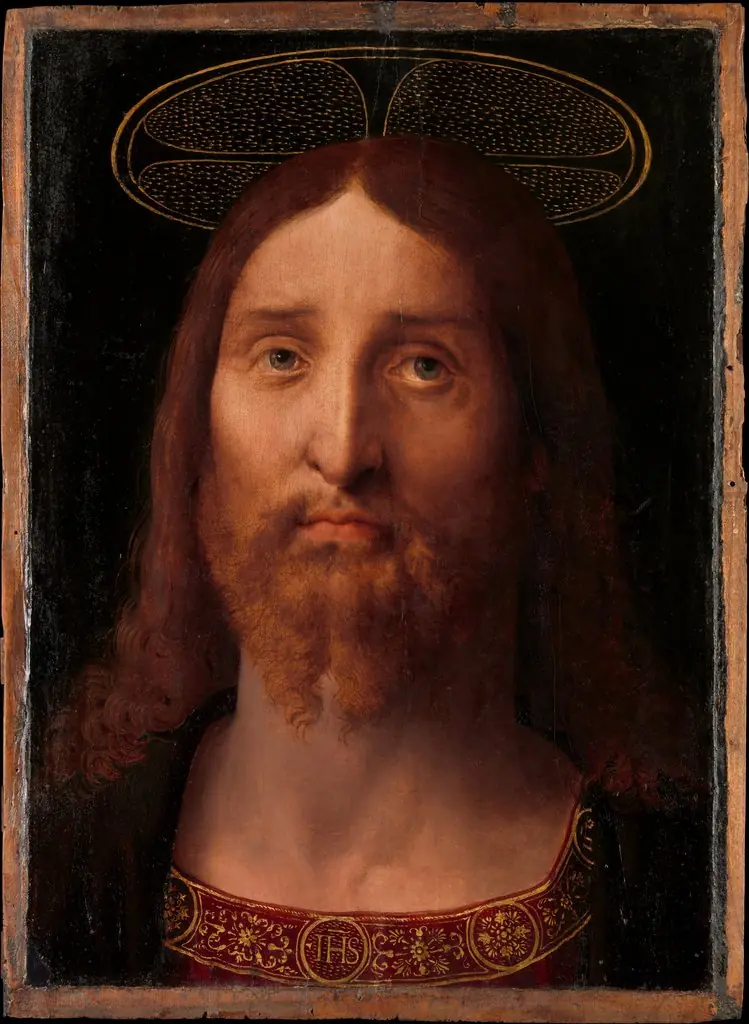 Head of Christ
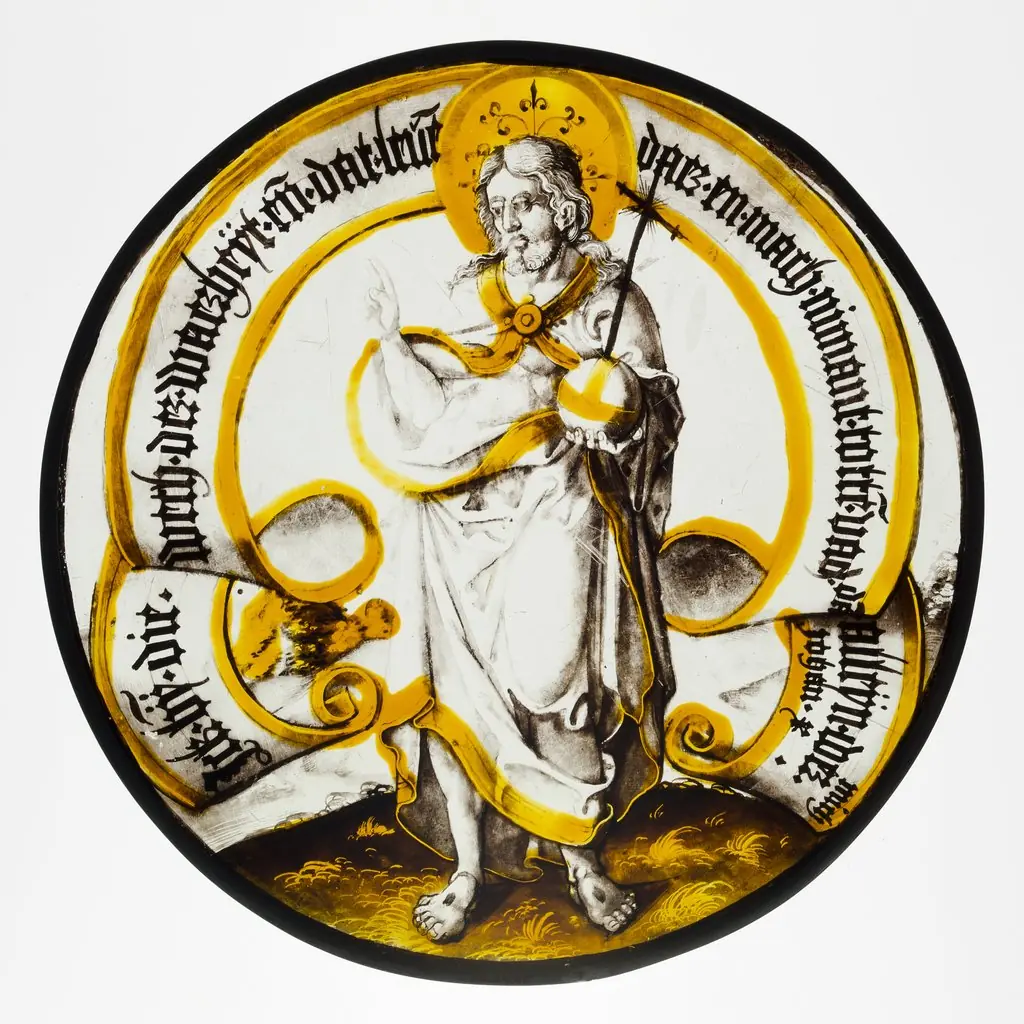 Roundel with Christ as Savior of the World
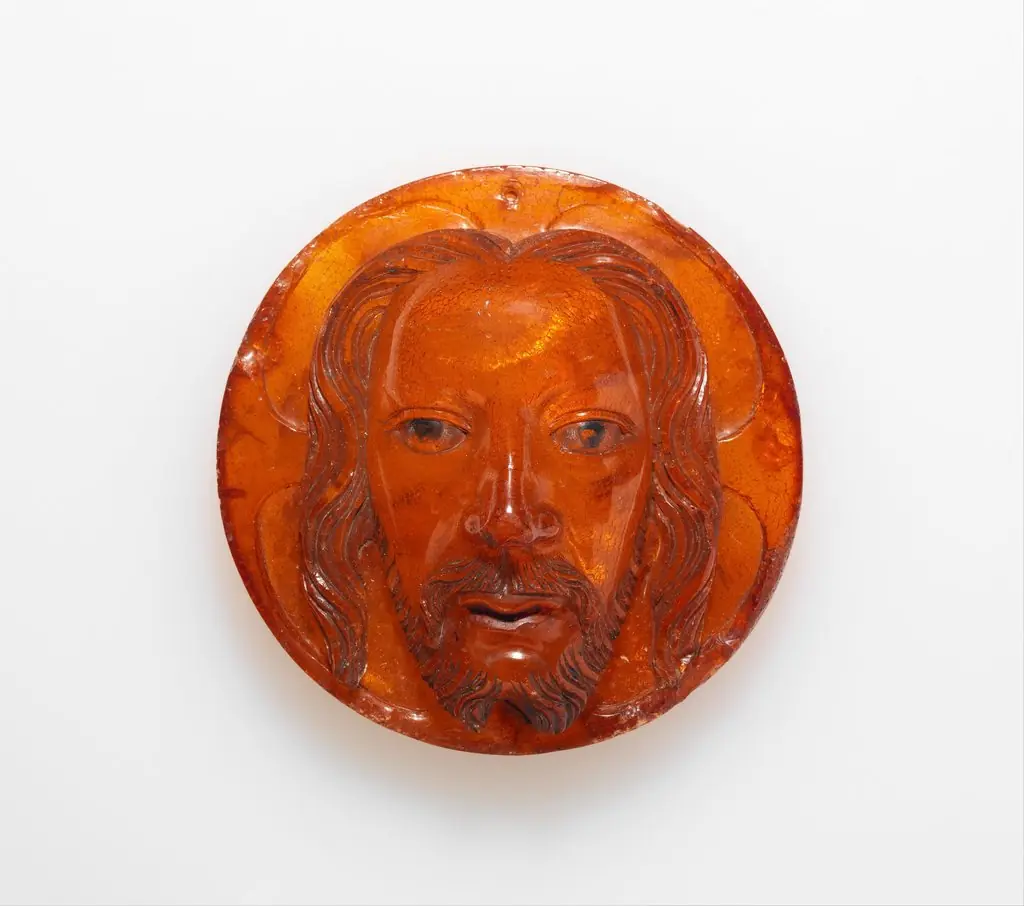 Medallion with the Face of Christ
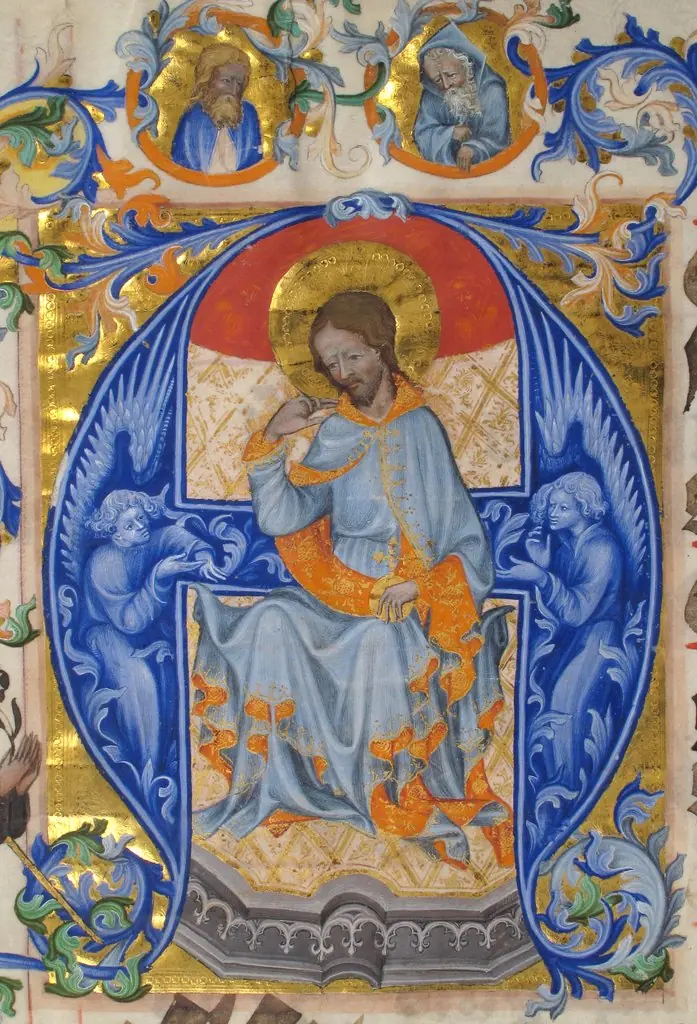 Bifolium with Christ in Majesty in an Initial A, from an Antiphonary
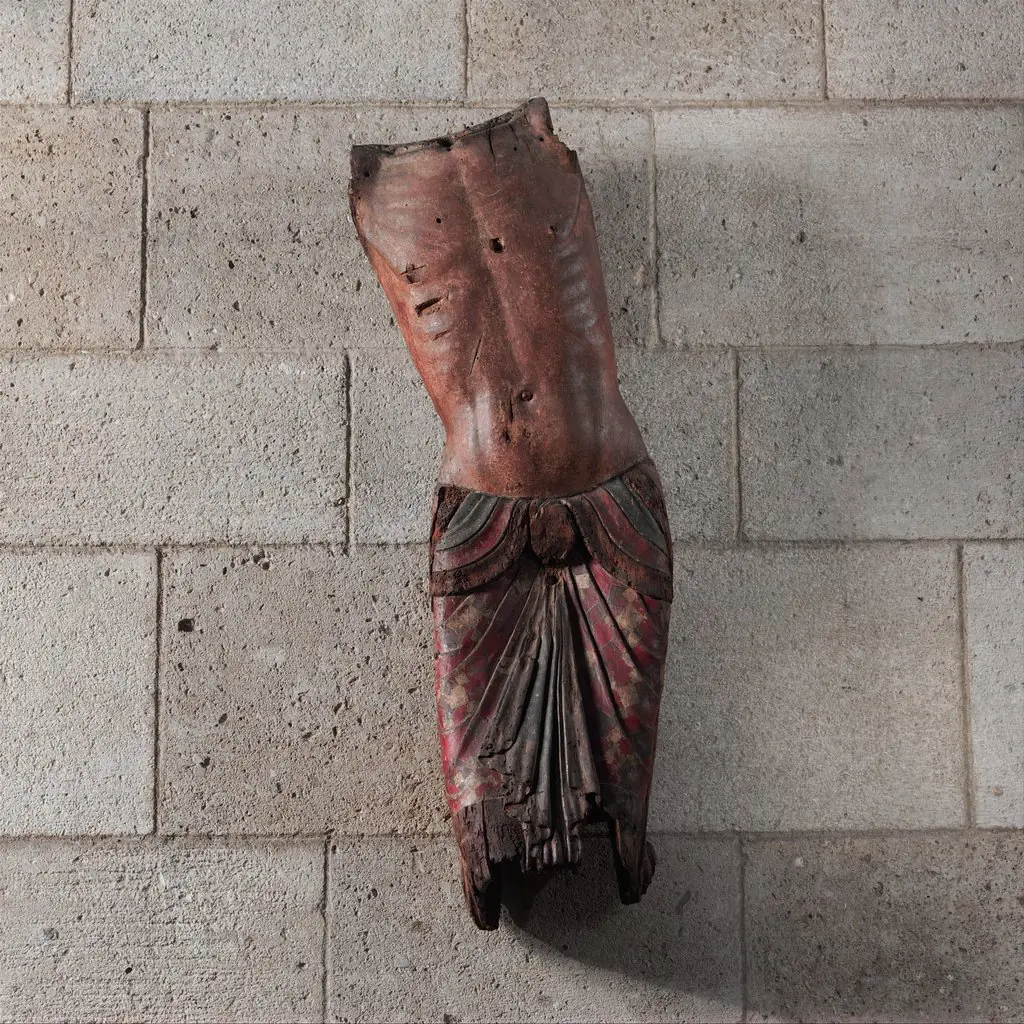 Torso of Christ from a Deposition
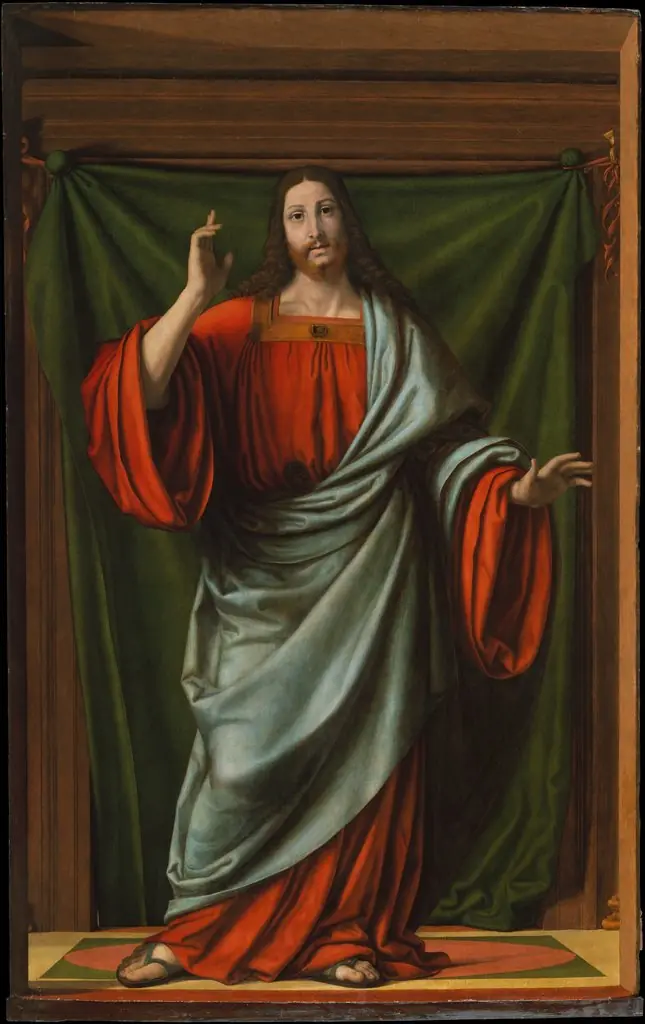 Christ Blessing
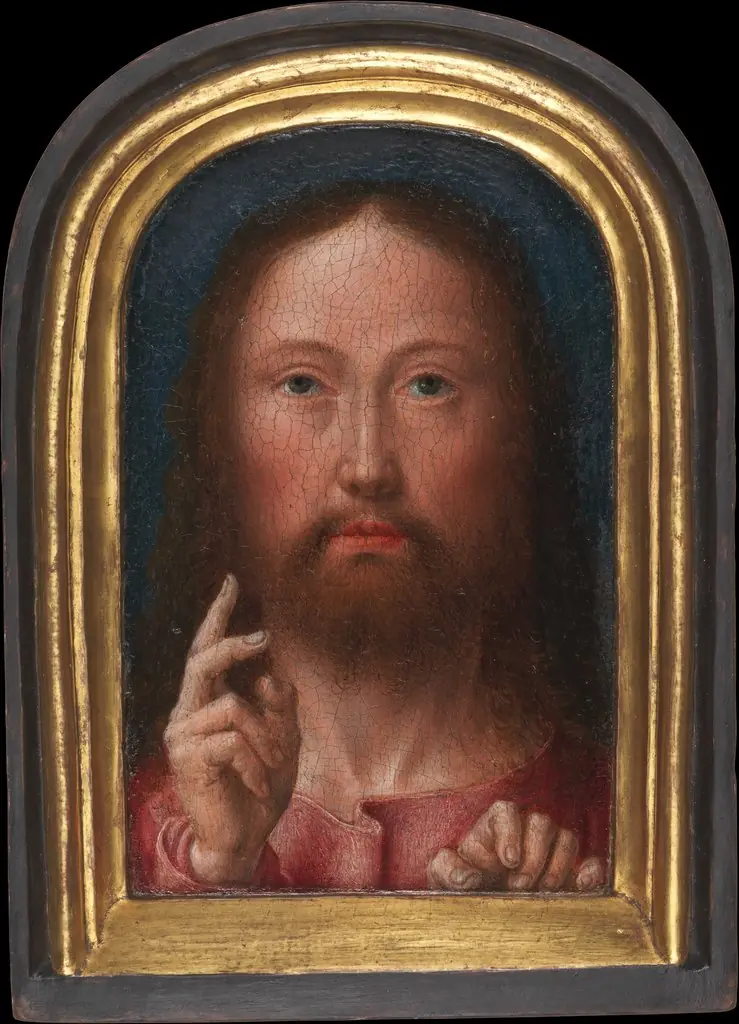 Christ Blessing
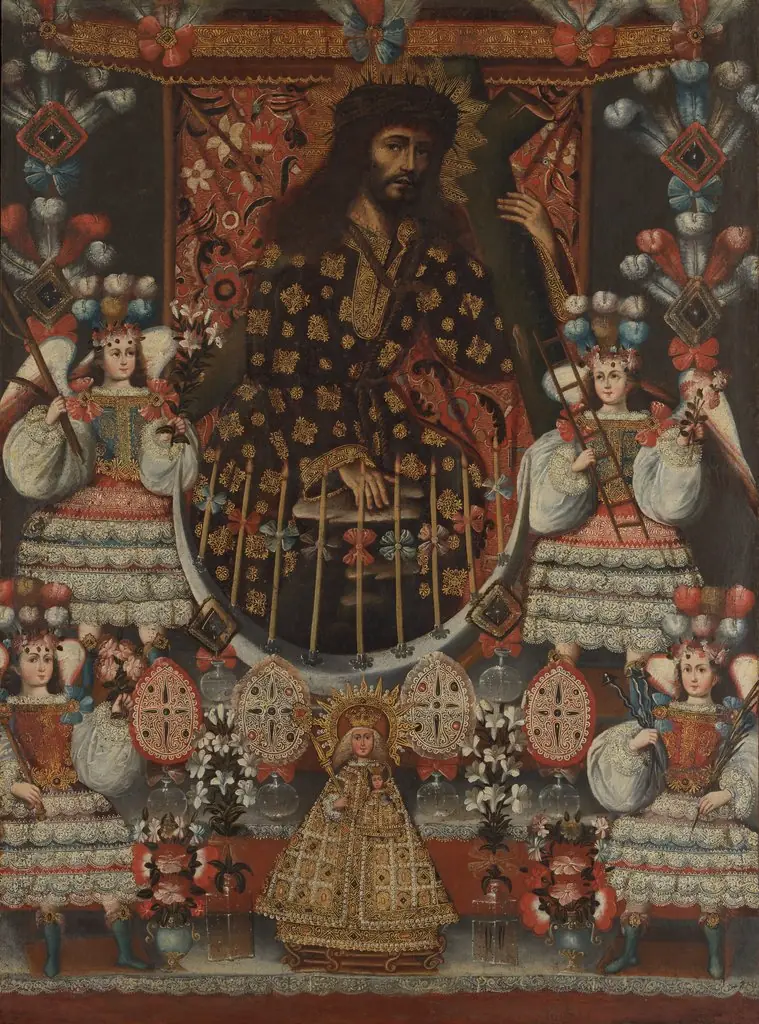 Christ Carrying the Cross, called "The Lord of the Fall"
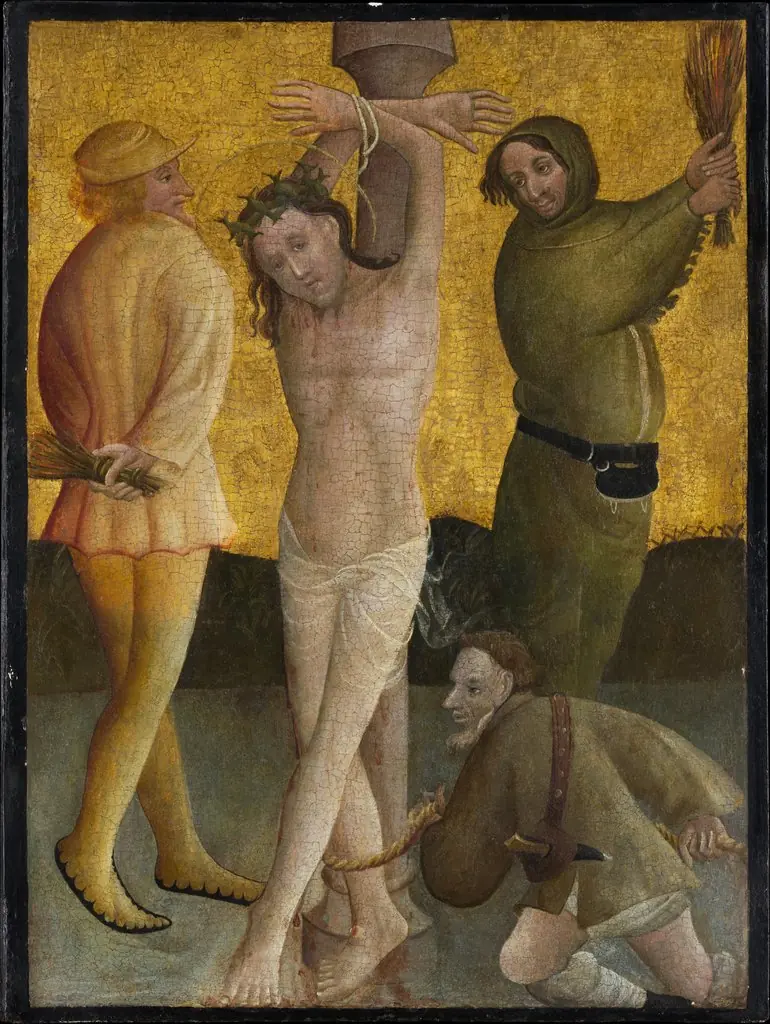 The Flagellation
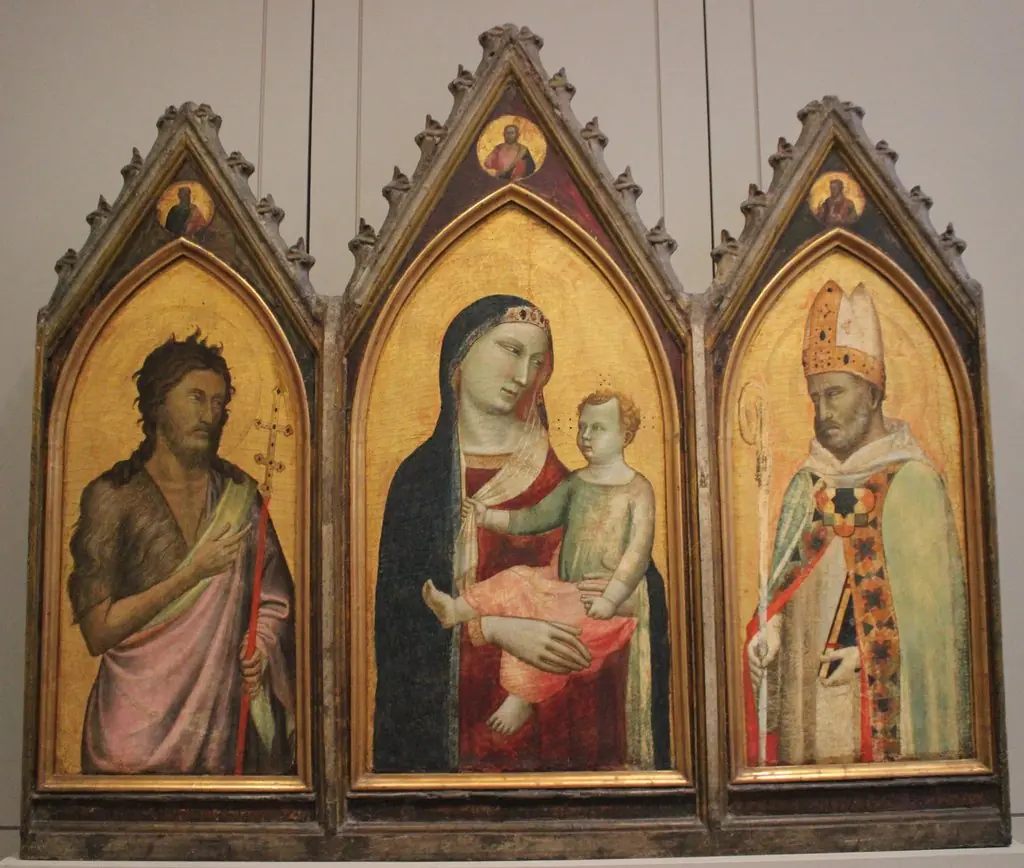 Virgin and Child with Saints John the Baptist and Giles, Two Prophets, and Christ the Redeemer
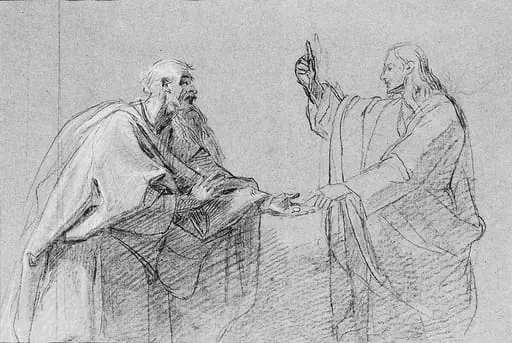 Study for "The Tribute Money"
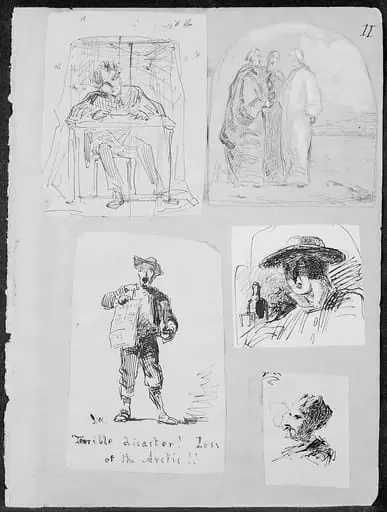 Christ and Two Disciples on the Road to Emmaus (from Sketchbook)
Frequently asked questions
What is Christ?
Christ is a subject in art. male given name
How many Christ works does Artifact World Gallery have?
Artifact World Gallery holds 154 public-domain Christ works, all free to view and download.
Who are the key Christ artists?
Key Christ artists in the collection include Jean Baptiste Camille Corot, Lorenzo Lotto and Johannes Vermeer.
Where can I see Christ works?
Christ works in the collection are held by Metropolitan Museum of Art, Cook collection and Philadelphia Museum of Art.