Artwork
The Ecce Homo
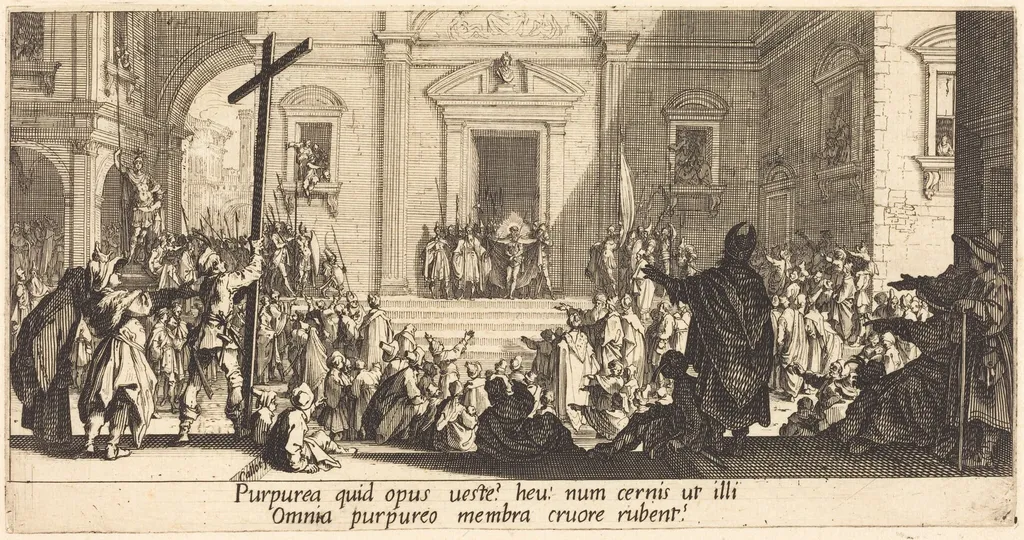
The Ecce Homo is an ink print by the Baroque artist Jacques Callot. It dates from 1618 and is held in the collection of the National Gallery of Art.
- Inscription
- Inscribed:lower left in plate: Callot f; lower center in plate: Purpurea quid opus ueste? heu: num cernis ut illi / Omnia purpureo membra cruore rubent? (What need is there of purple garmen
About this work
Overview
The Ecce Homo is a print by French artist Jacques Callot, created around 1618 using etching and engraving techniques on laid paper.
Subject & Meaning
The scene depicts a crowded courtyard with a central figure holding a cross, surrounded by kneeling onlookers, set against a backdrop of a grand stone building with arches and columns, conveying a sense of solemnity and reverence.
Technique & Style
The etching showcases Callot's skill in printmaking, with intricate lines and textures that create depth and dimension through the use of light and shadow, characteristic of his detailed and nuanced style.
Artist & collection
Artist
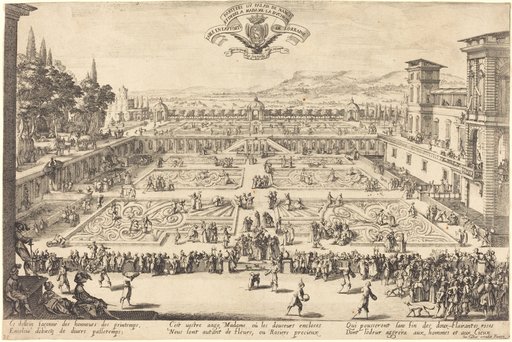
Jacques Callot (French: ; c. 1592 – 1635) was a baroque printmaker and draftsman from the Duchy of Lorraine. He is an important person in the development of the old master print. He made more than 1,400 etchings that…

 Holy Family at supper
 Restoration of the Aqueduct at Pisa
 Restoration of the Aqueduct at Pisa
 Square in Paris with Many Figures
 Square in Paris with Many Figures
 Horsemen Attacked by Robbers
 HOW WILL A COVERED PART BE CORRECTED?HOW WIKA A COVERED HEART DEED CORRECTED?
![Christ Walking on the Water [second plate], by Jacques Callot](https://artifactworldgallery.com/img/jacques-callot--christ-walking-on-the-water-second-plate--2069f3bfe4cb2126-w320.webp) Christ Walking on the Water [second plate]
Christ Walking on the Water [second plate]
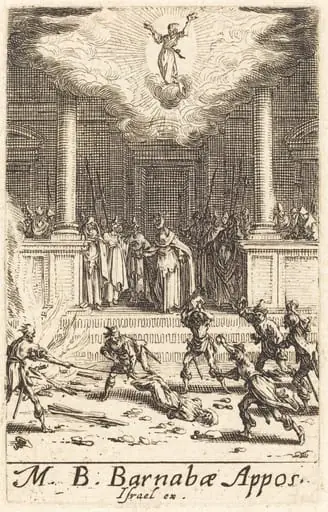 The Martyrdom of Saint Barnabas
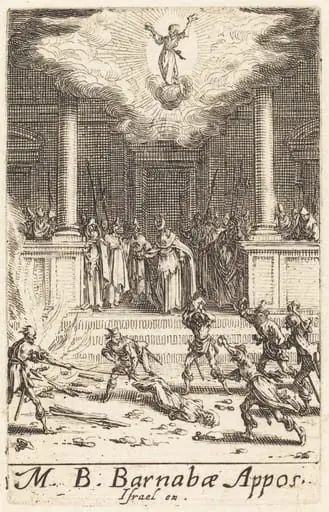 The Martyrdom of Saint Barnabas
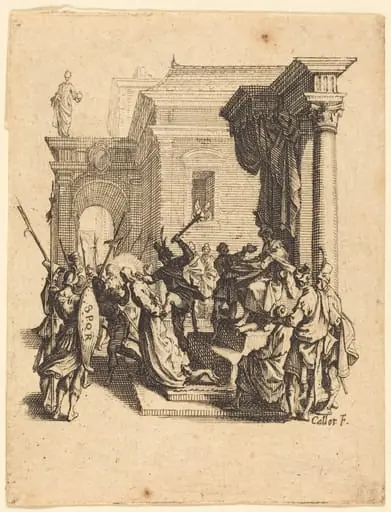 Christ Condemned to Death by Pilate
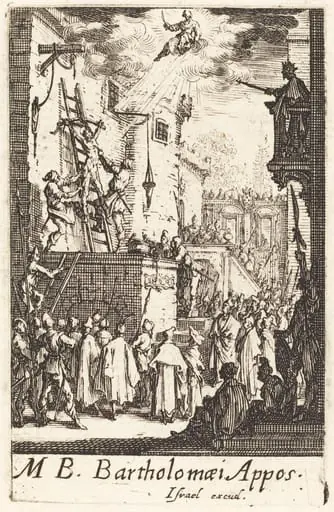 The Martyrdom of Saint Bartholomew
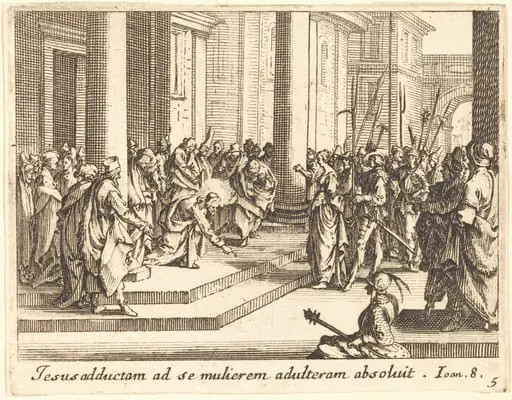 Christ and the Woman Taken in Adultery
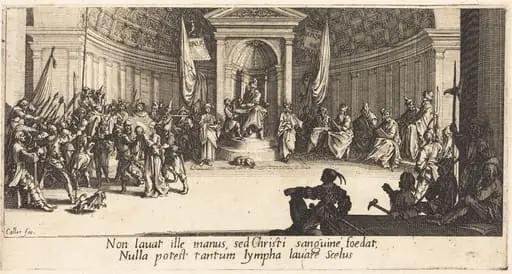 The Condemnation to Death
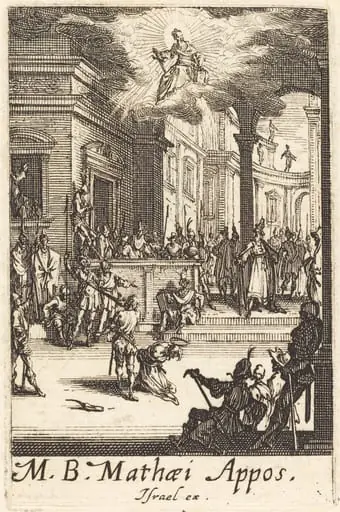 The Martyrdom of Saint Matthew
 The Condemnation to Death
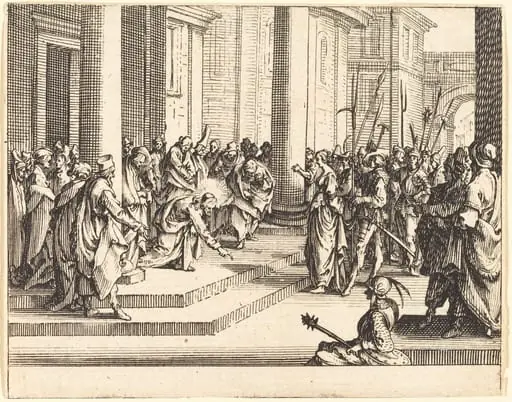 Stoning of Jesus
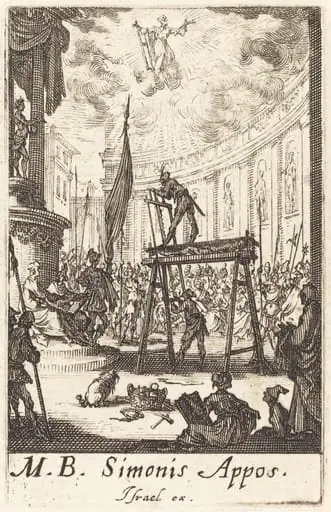 The Martyrdom of Saint Simon
- The Ecce Homo
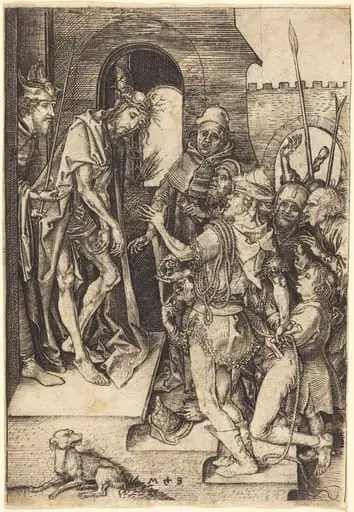 Ecce Homo