Artwork
The Ecce Homo
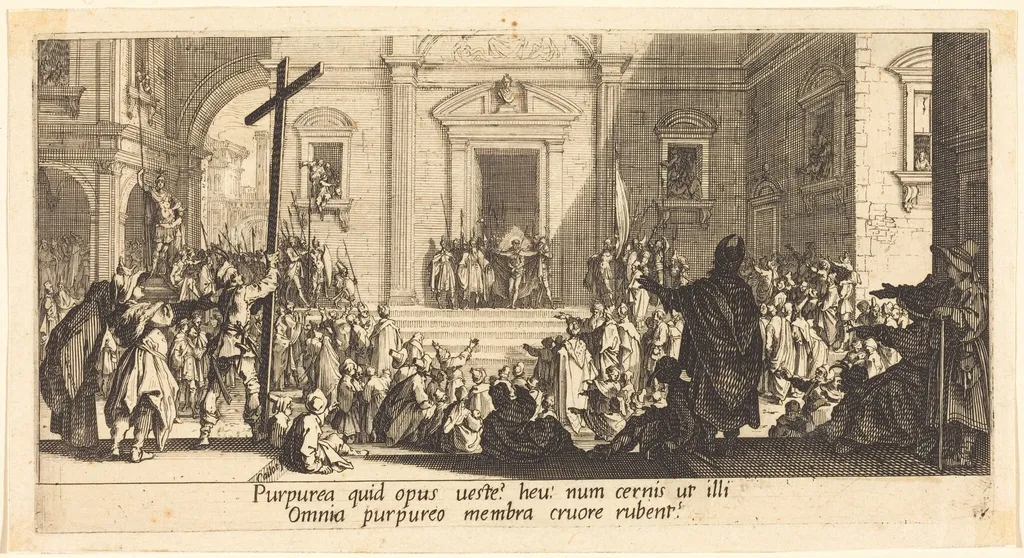
The Ecce Homo is an ink print by the Baroque artist Jacques Callot. It dates from 1618 and is held in the collection of the National Gallery of Art.
About this work
Overview
Created around 1618 by Jacques Callot, The Ecce Homo is a black-and-white print made through the combined techniques of etching and engraving on laid paper.
Created around 1618 by Jacques Callot, The Ecce Homo is a black-and-white print made through the combined techniques of etching and engraving on laid paper. As one of over 1,400 prints in Callot’s career, it exemplifies his mastery of fine line work and compositional density. The subject draws from a pivotal moment in the Passion narrative, rendered with meticulous attention to individual figures and spatial depth, characteristic of his Baroque style.
Subject & Meaning
The scene depicts Christ presented to the crowd by Pontius Pilate, holding a cross, as described in the Gospel of John. Surrounding him, a heterogeneous crowd reacts with varied expressions, some kneel in reverence, others observe with detachment or hostility. The inclusion of elevated figures in robes suggests religious and civic authorities, reinforcing the tension between divine suffering and human judgment. The Latin inscription anchors the image in liturgical tradition.
Technique & Style
Callot employed fine etched lines and precise engraving to render minute details across a crowded composition. Each face, gesture, and fold of fabric is articulated with clarity, even in shadowed areas. The background features an architectural setting with columns and a doorway, adding spatial complexity.
His use of layered line work achieves a sense of volume and movement, distinguishing his prints from coarser contemporary examples.
History & Provenance
The print emerged during Callot’s early period in Florence, where he was influenced by Italian art and religious imagery. It was likely produced for a devotional or scholarly audience, circulating among collectors and clergy. No definitive early ownership records survive, but its technical refinement suggests it was intended as a high-quality reproductive print, consistent with Callot’s commercial and artistic ambitions at the time.
Context
In early 17th-century Europe, religious prints served both devotional and educational purposes, especially amid the Counter-Reformation. Callot, from Lorraine, operated at the intersection of French, Italian, and Flemish artistic currents. His focus on crowd scenes and social types extended to religious subjects, blending documentary observation with theological narrative, a distinctive approach among printmakers of his generation.
Legacy
Callot’s The Ecce Homo contributed to the evolution of narrative printmaking by demonstrating how complex scenes could be rendered with precision and emotional nuance. His techniques influenced later generations of engravers, particularly in their handling of large groups and architectural settings. While not widely exhibited today, the work remains a key example of Baroque print culture’s capacity for psychological and spatial depth.
Artist & collection
Artist
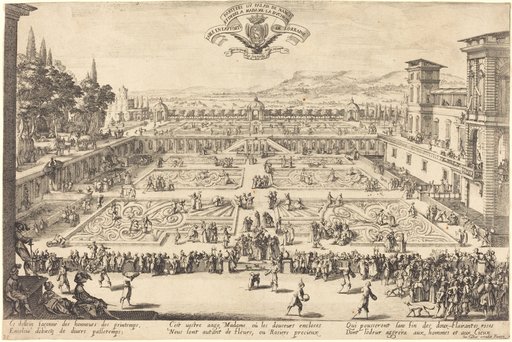
Jacques Callot (French: ; c. 1592 – 1635) was a baroque printmaker and draftsman from the Duchy of Lorraine. He is an important person in the development of the old master print. He made more than 1,400 etchings that…

 Holy Family at supper
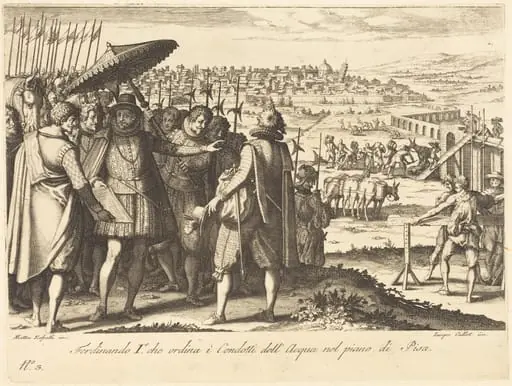 Restoration of the Aqueduct at Pisa
 Restoration of the Aqueduct at Pisa
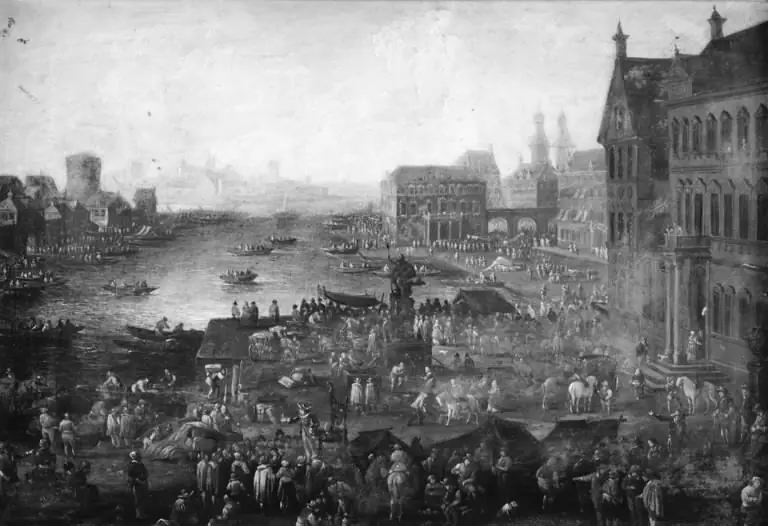 Square in Paris with Many Figures
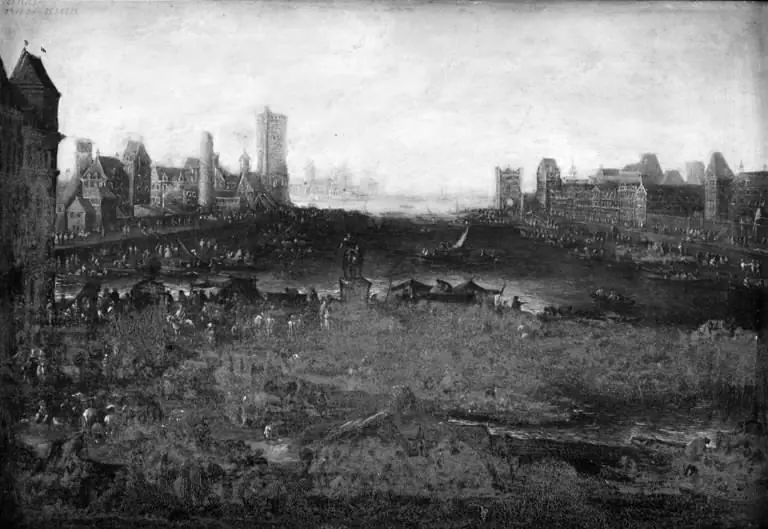 Square in Paris with Many Figures
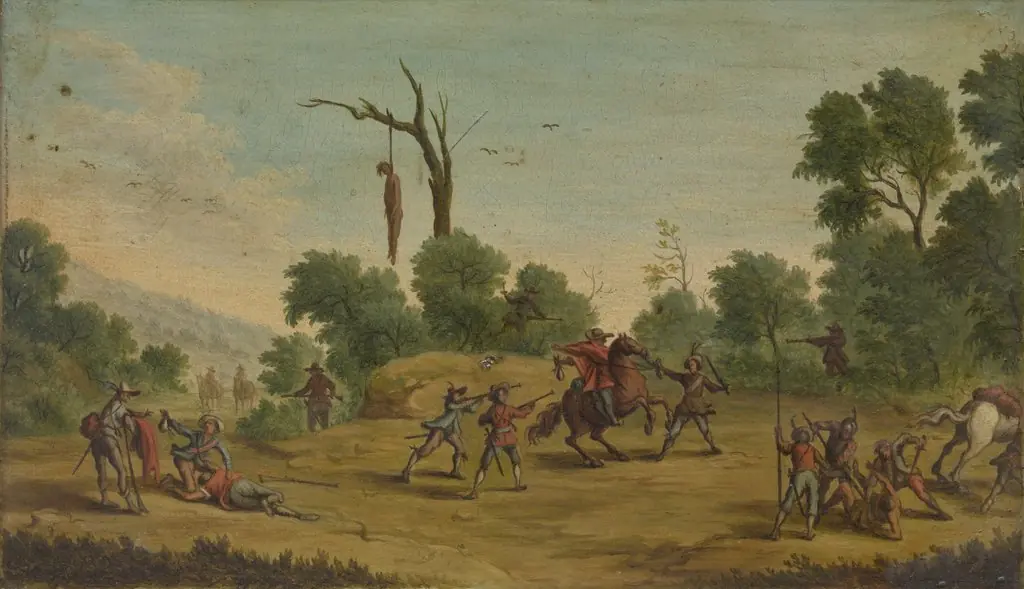 Horsemen Attacked by Robbers
 HOW WILL A COVERED PART BE CORRECTED?HOW WIKA A COVERED HEART DEED CORRECTED?
![Christ Walking on the Water [second plate], by Jacques Callot](https://artifactworldgallery.com/img/jacques-callot--christ-walking-on-the-water-second-plate--2069f3bfe4cb2126-w320.webp) Christ Walking on the Water [second plate]
Christ Walking on the Water [second plate]
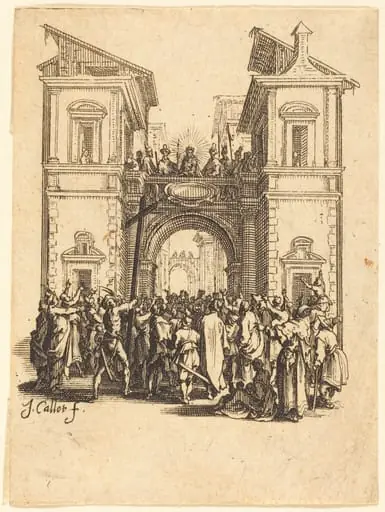 Ecce Homo
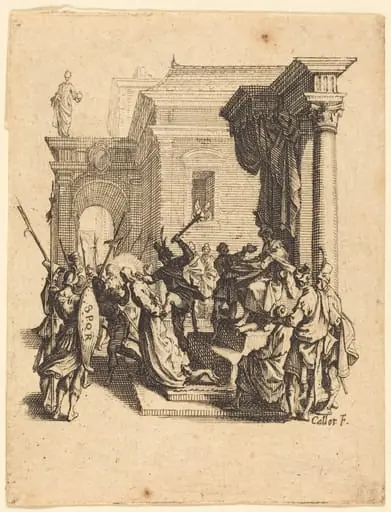 Christ Condemned to Death by Pilate
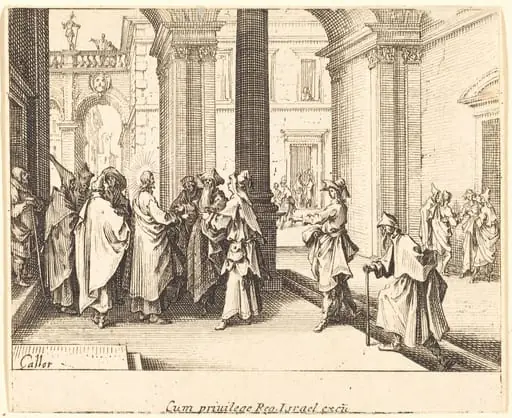 Caesar's Coin
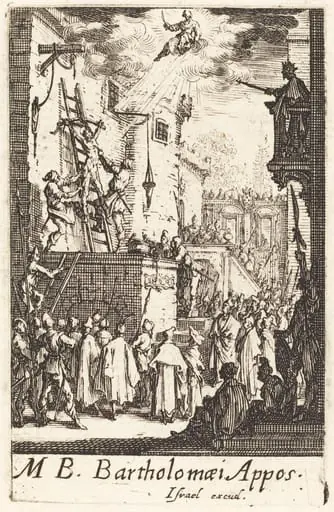 The Martyrdom of Saint Bartholomew
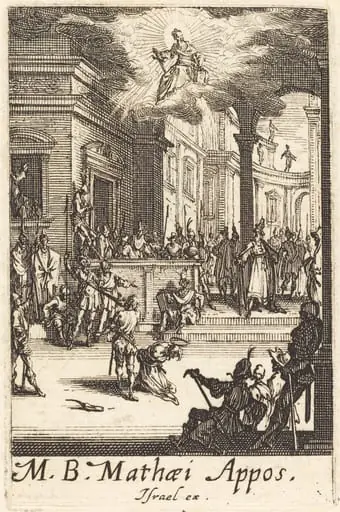 The Martyrdom of Saint Matthew
 The Martyrdom of Saint Matthew
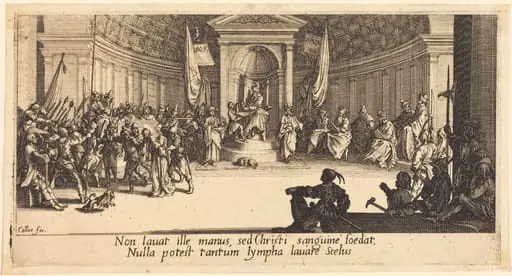 The Condemnation to Death
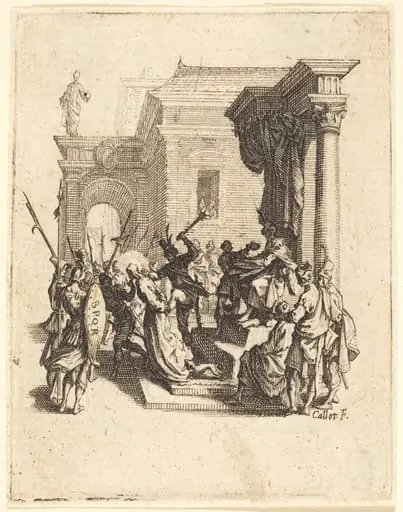 Christ Condemned to Death by Pilate
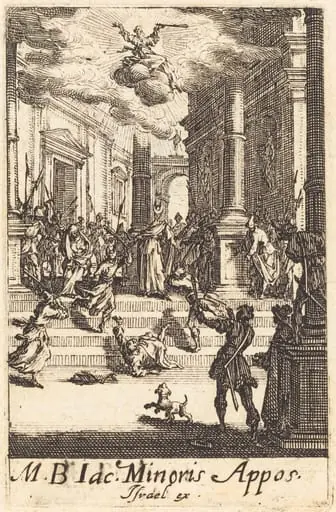 The Martyrdom of Saint James Minor
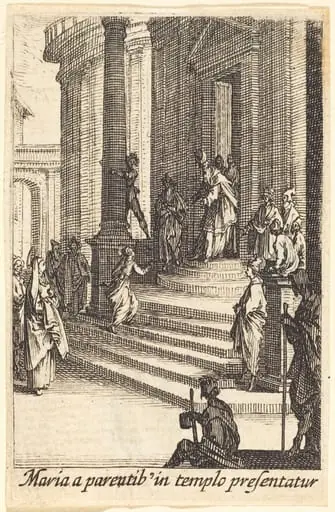 The Presentation of the Virgin
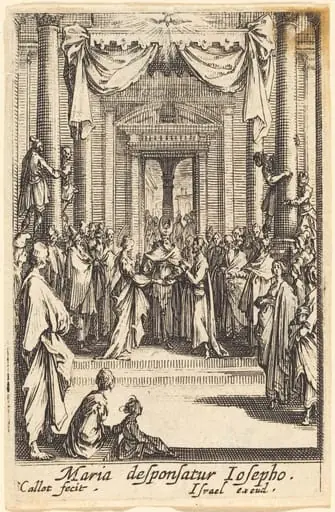 The Marriage of the Virgin
- The Ecce Homo