Artwork
Portræt af hertuginde Antoinette Amalie af Braunschweig-Wolfenbüttel
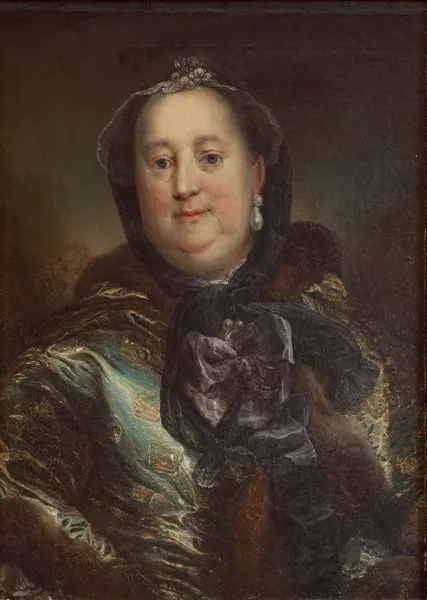
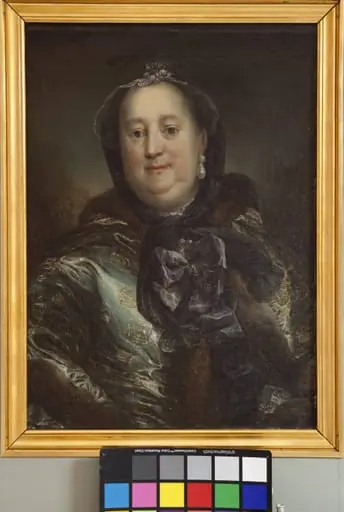
Portræt af hertuginde Antoinette Amalie af Braunschweig-Wolfenbüttel is an oil painting by the Rococo painting artist Carl Gustaf Pilo. It dates from 1759 and is held in the collection of the Statens Museum for Kunst.
About this work
This portrait features a woman dressed in 18th-century attire, adorned with a lavish fur-trimmed coat and a delicate headpiece.
This portrait features a woman dressed in 18th-century attire, adorned with a lavish fur-trimmed coat and a delicate headpiece. Her dark hair is styled beneath a black hood, and she wears pearl earrings. The background of the painting is a muted brown color.
The woman's gaze is directed straight ahead, and her expression is neutral. The artist has used oil paint to create a detailed and realistic image of the subject.
The painting is a representation of Princess Antoinette of Brunswick-Wolfenbüttel, created by Carl Gustaf Pilo in 1759. To learn more about the artist's work, look up Carl Gustaf Pilo.
Subject & Meaning
The work depicts Princess Antoinette of Brunswick-Wolfenbüttel, identified as the main subject of the 1759 oil painting by Carl Gustaf Pilo. As a portrait genre piece, the artwork focuses on the representation of this specific royal figure. The painting serves as a visual record of the princess, capturing her likeness within the context of 18th-century portraiture.
Technique & Style
Created in 1759, the portrait is executed in oil paint on a canvas support. The work functions as a formal portrait depicting Antoinette Amalie, Duchess of Brunswick-Wolfenbüttel. While the specific handling or current physical condition of the surface is not detailed in the available records, the medium and support are definitively identified as oil on canvas. The painting is classified within the genre of portraiture.
Overview
This 1759 oil painting by Carl Gustaf Pilo depicts Princess Antoinette Amalie of Braunschweig-Wolfenbüttel in a characteristic Rococo style, reflecting Pilo's role as a prominent court painter in Denmark.
History & Provenance
Created during Pilo's tenure as Denmark's leading portraitist and court painter, the painting is now part of the collection at Statens Museum for Kunst, highlighting its significance within Pilo's oeuvre of royal and noble portraits.
Context
As part of Pilo's body of work for the Danish royal family and nobility, this portrait reflects the artistic and social dynamics of 18th-century European court life, where such artworks served to affirm status and alliances.
Legacy
While the specific legacy of this portrait is not broadly outlined in available information, it contributes to the broader recognition of Pilo's contributions to Danish and Swedish art history as a prolific and esteemed portraitist of his time.
Artist & collection
Artist
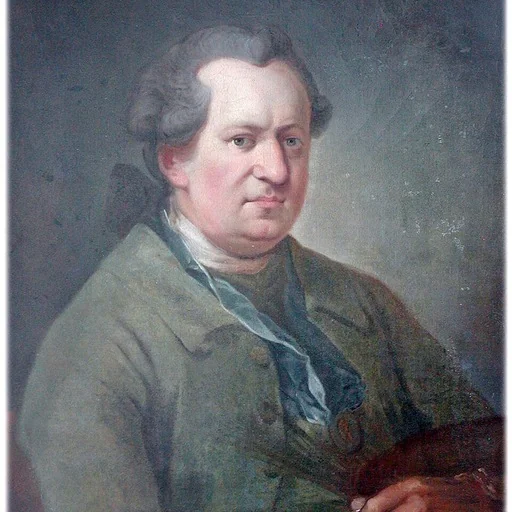
Carl Gustaf Pilo (5 March 1711 – 2 March 1793) was a Swedish painter. Pilo worked extensively in Denmark as a painter to the Danish Royal Court and as professor and director at the Royal Danish Academy of Art (Danish:…

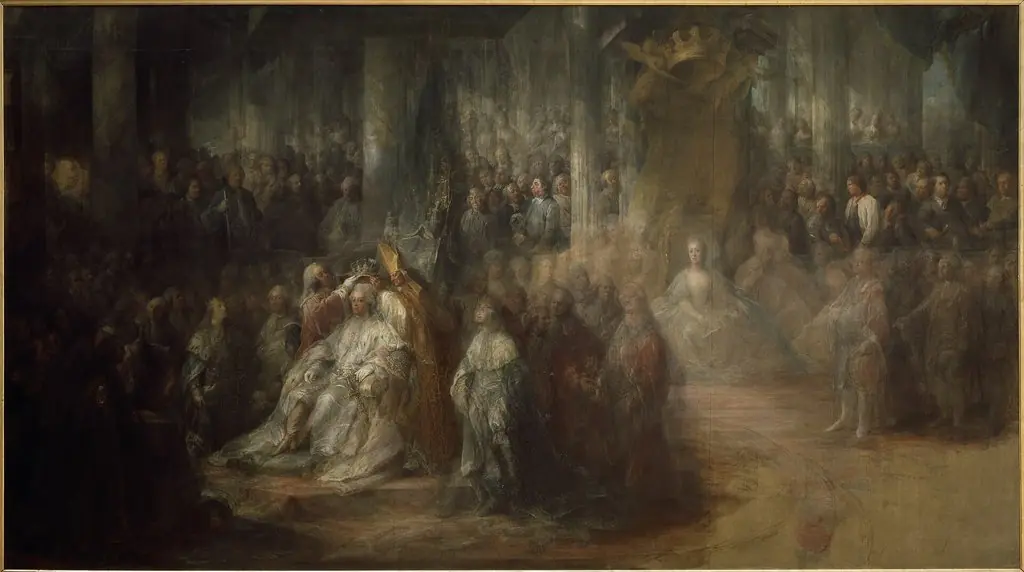 Coronation of Gustav III.
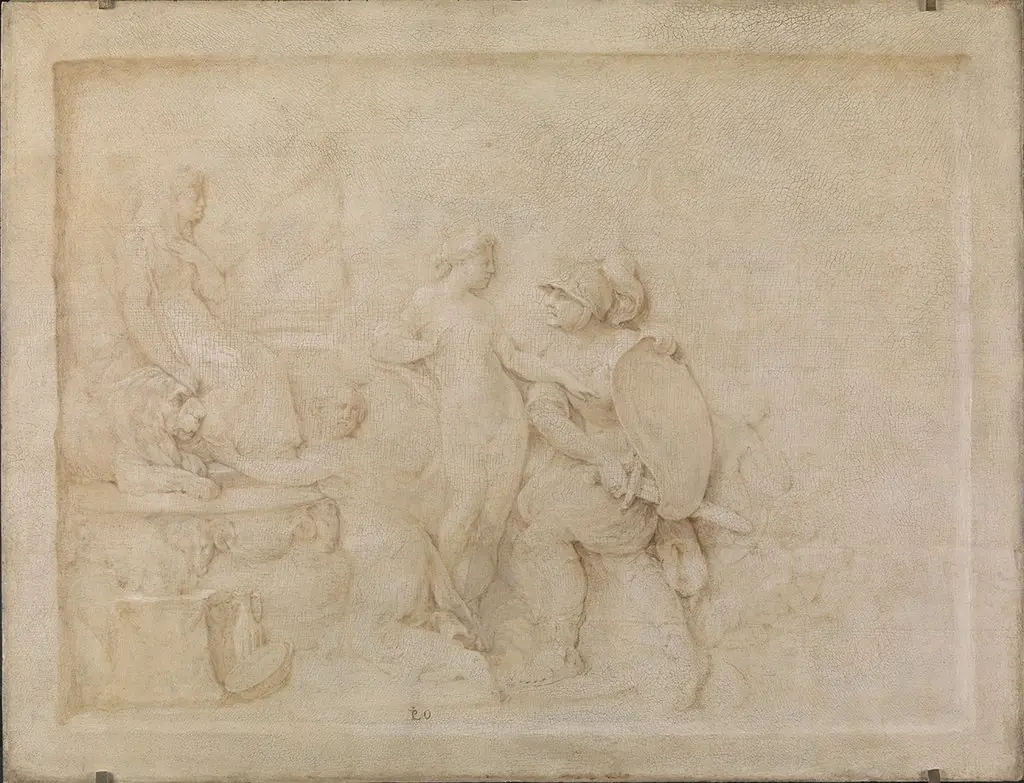 Aeneas hindres af Venus i sin hævn mod Helena, som har søgt tilflugt ved Cybeles alter
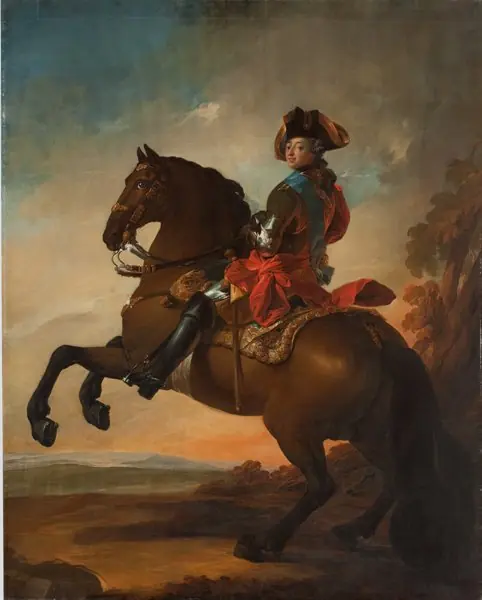 Frederik V on Horseback
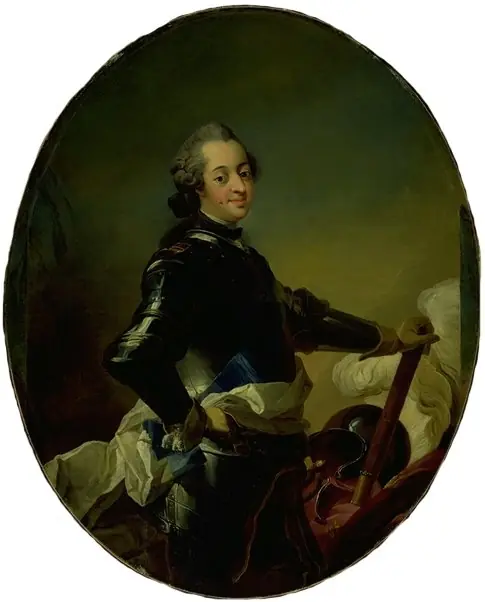 Portræt af Frederik V i rustning
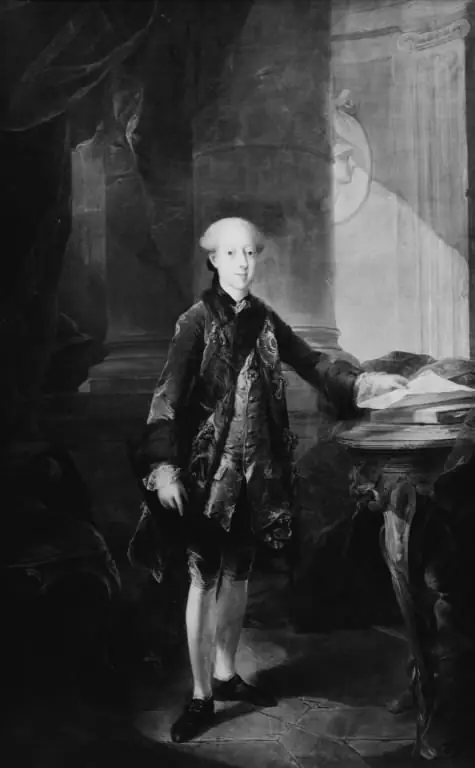 Portræt af Christian VII som kronprins
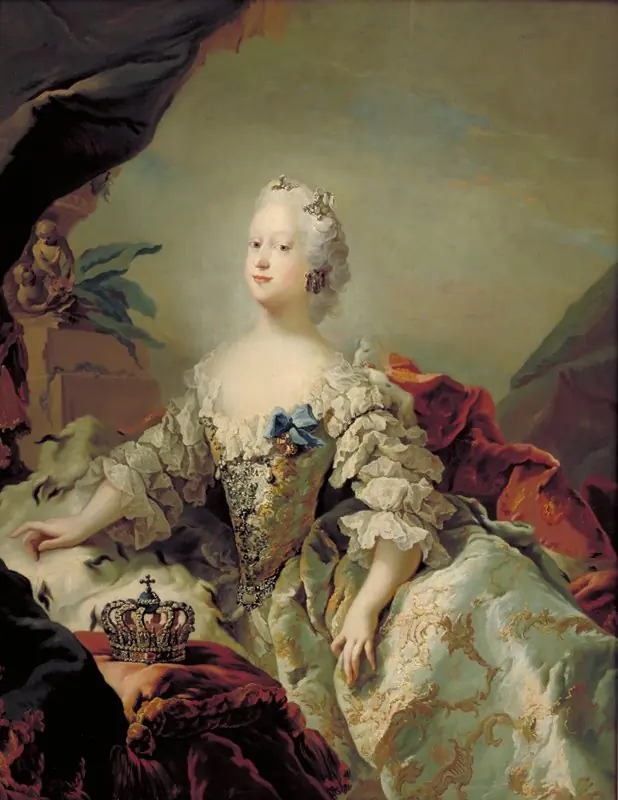 Louise, Frederik V's First Queen in her Coronation Robes
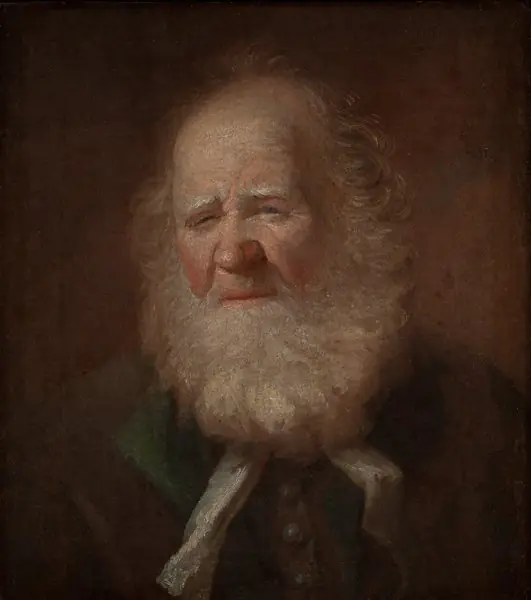 Portræt af Christian Jacobsen Drakenberg
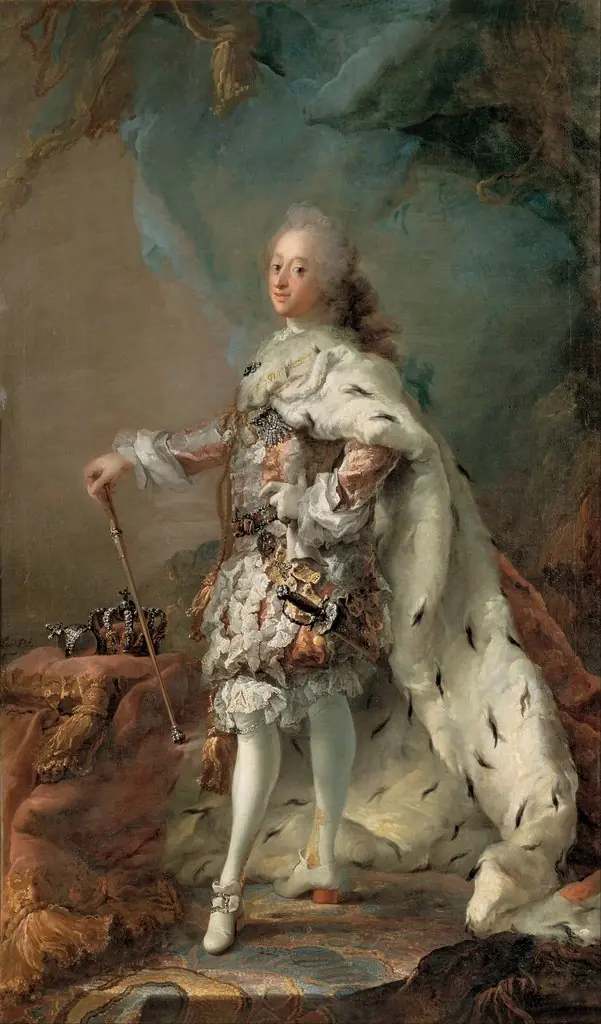 Portrait of Frederik V in Anointment Robe
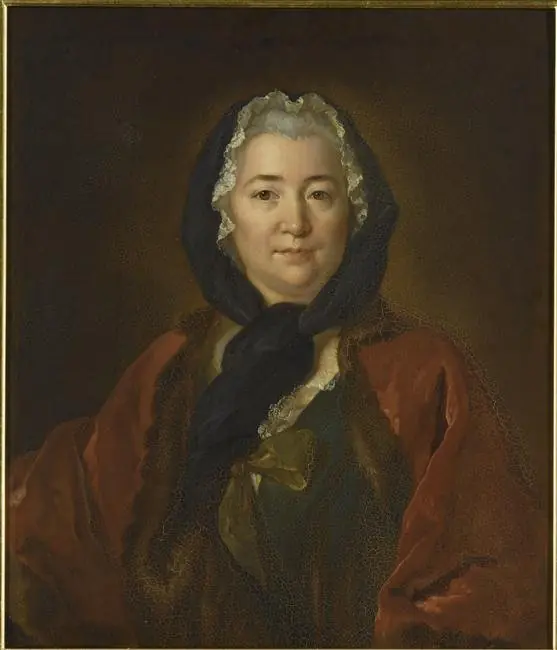 Presumed portrait of Françoise de Graffigny (1695-1758)
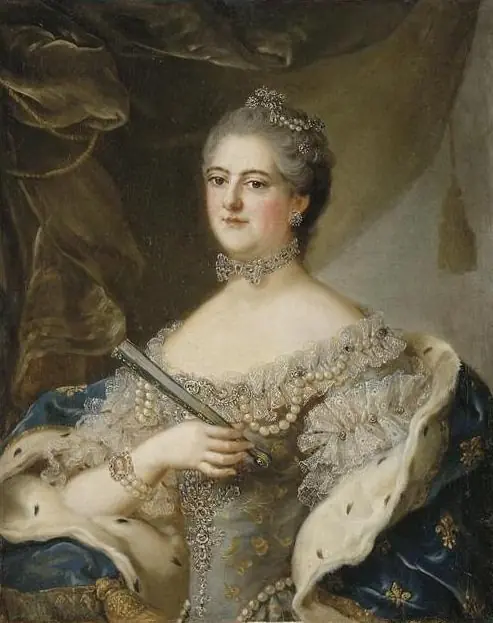 Élisabeth-Alexandrine de Bourbon, Mademoiselle de Sens (1705–1765)
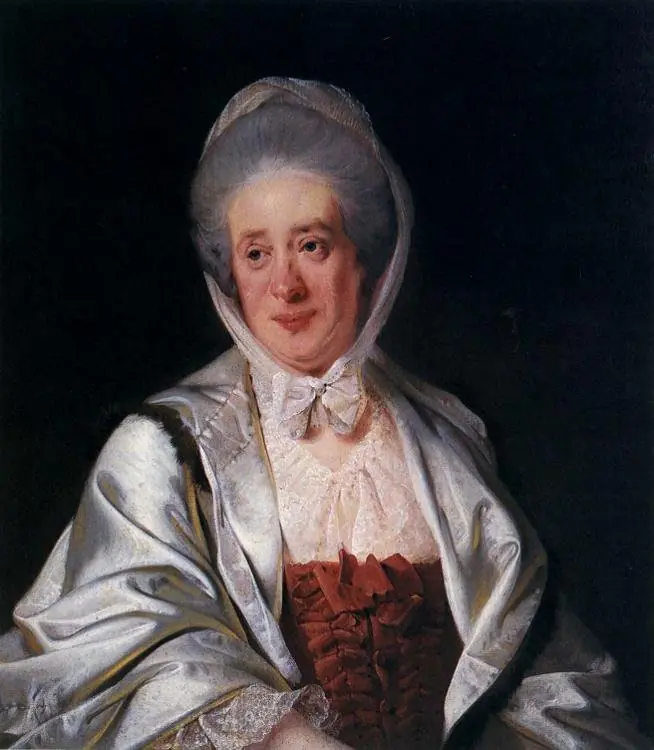 Elizabeth Crompton
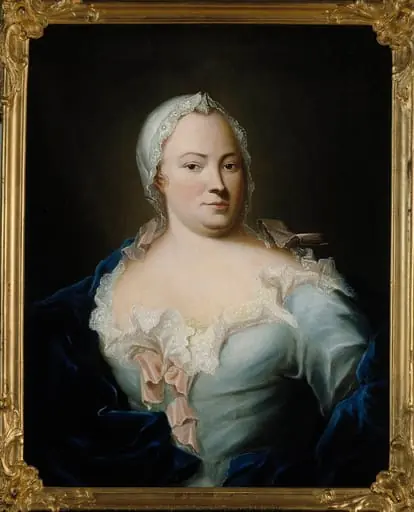 Naisen muotokuva
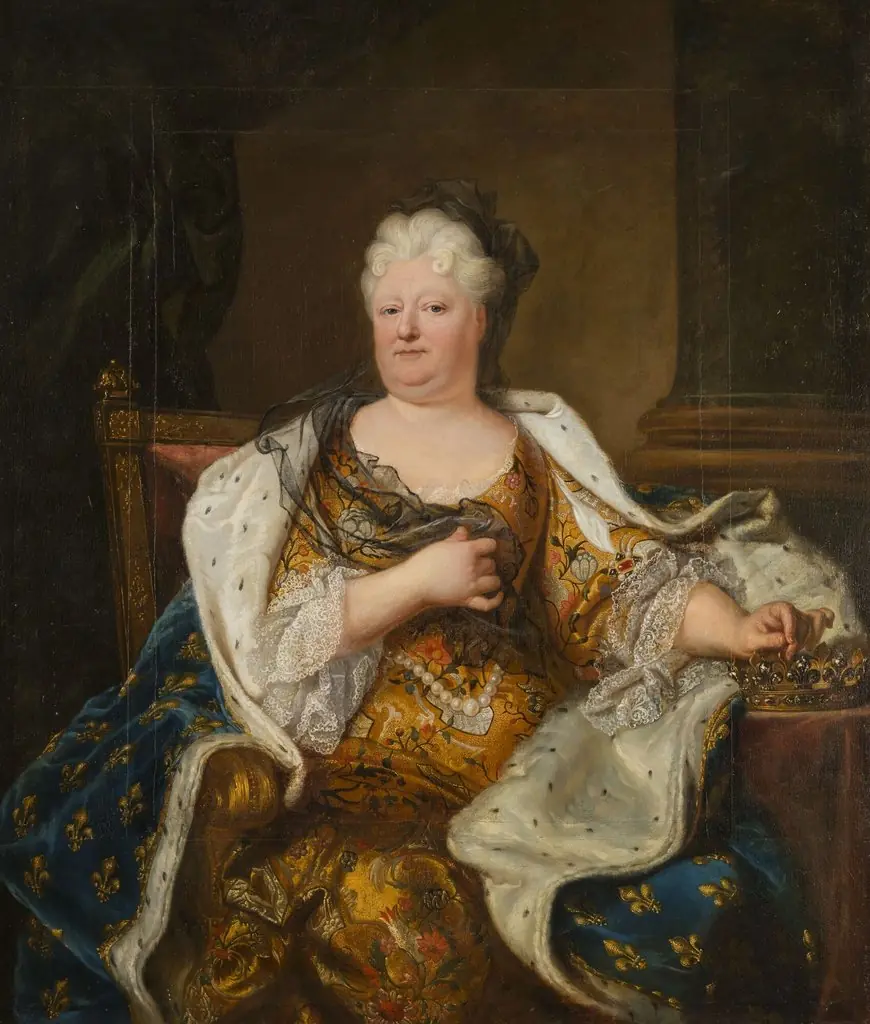 Elizabeth Charlotte, Princess Palatine
 Juliana Elisabet König
 Împărăteasa Elisabetha Christina ; în registrul inventar: Prințesă necunoscută
 Porträt der Varvara Alexeevna Sheremeteva
 Portrait of a Woman