Artwork
Portrait of a Gentleman
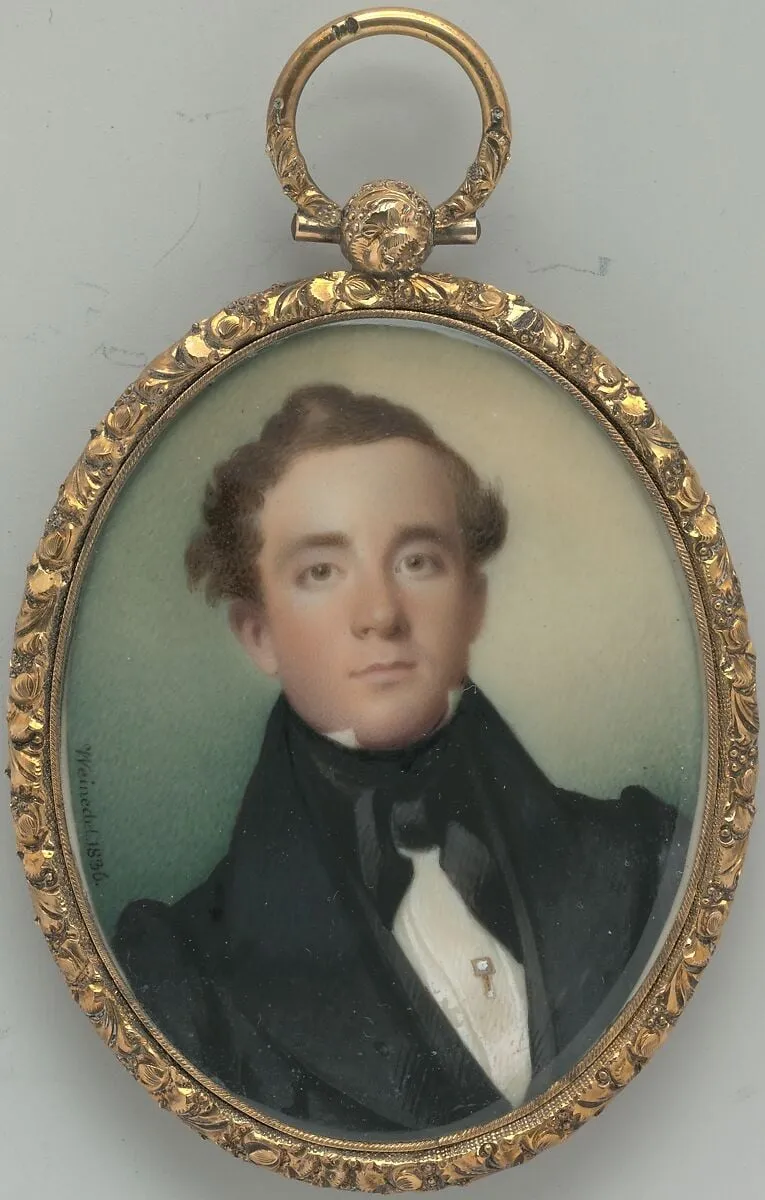
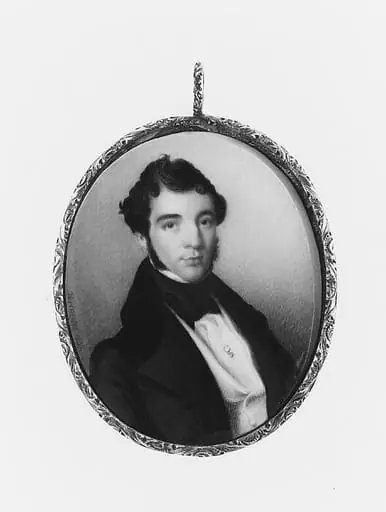
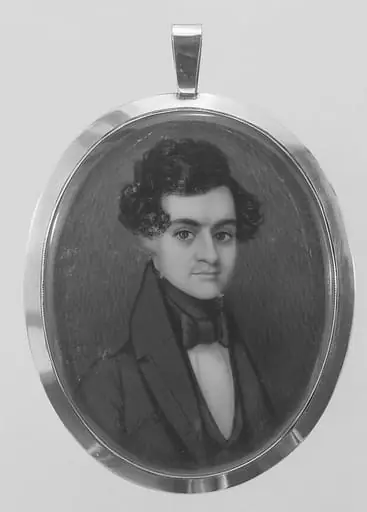
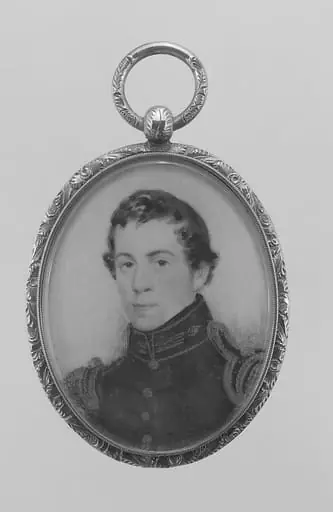
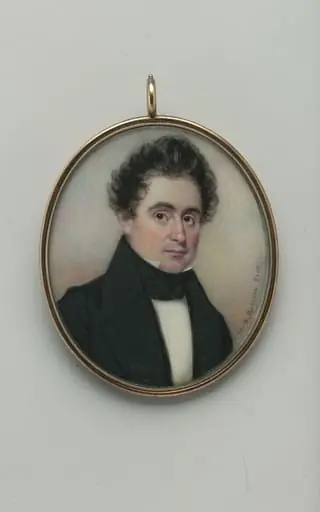
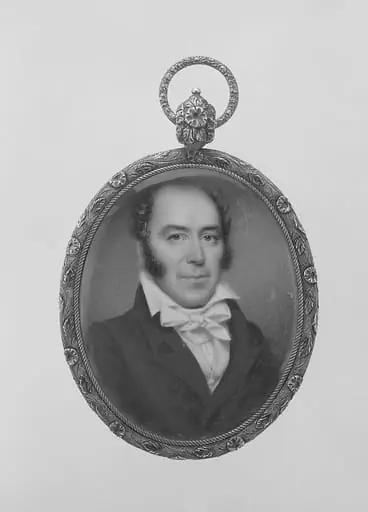
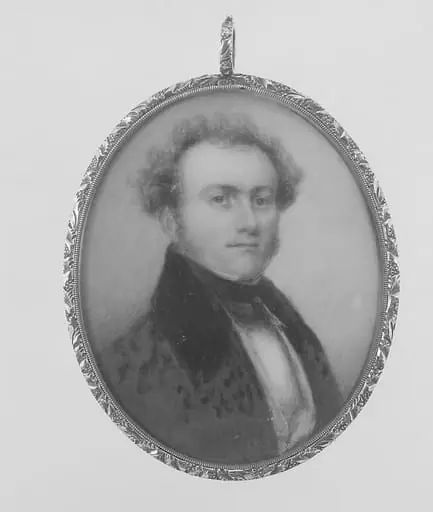
Portrait of a Gentleman is a watercolor painting by the Biedermeier artist Carl Weinedel. It dates from 1836 and is held in the collection of the Metropolitan Museum of Art.
About this work
Technique & Style
The work is classified under The American Wing at the Metropolitan Museum of Art, reflecting its place within American artistic production of the period.
Carl Weinedel executed this 1836 portrait in watercolor on ivory, a delicate medium prized for miniature painting in the nineteenth century. The work measures 6 by 4.7 cm, a small scale typical of portrait miniatures intended for intimate viewing. The ivory support, with its smooth, luminous surface, allowed for fine detail and subtle tonal gradations in watercolor.
As a portrait of a gentleman, the composition likely emphasized the sitter's social standing through careful attention to facial features and attire. The watercolor medium on ivory produces a distinctive translucent quality, with the natural warmth of the ivory ground contributing to the overall tonal harmony. The work is classified under The American Wing at the Metropolitan Museum of Art, reflecting its place within American artistic production of the period.
History & Provenance
The Portrait of a Gentleman was created by Carl Weinedel in 1836. Executed in watercolor on ivory, the work measures approximately 6 by 4.7 cm. Its inception aligns with the mid-19th-century American portrait miniatures tradition, though no specific commissioning patron has been documented. The portrait entered the Metropolitan Museum of Art's collection, classified within the institution's American Wing, under accession number 2006.235.270. Its earlier provenance and any exhibition history are unrecorded in the available sources.
Overview
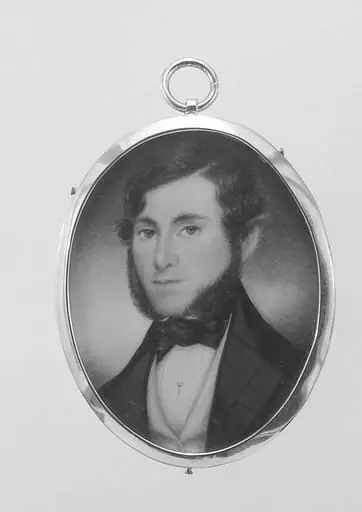
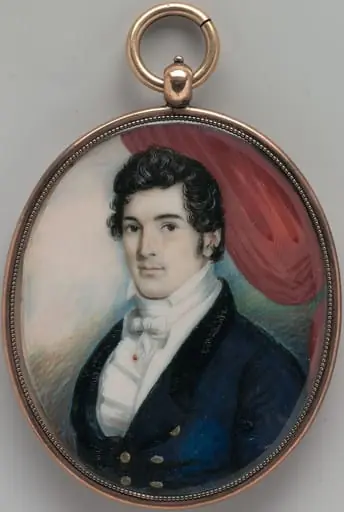
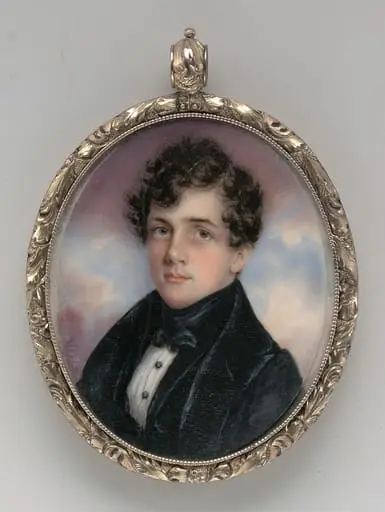
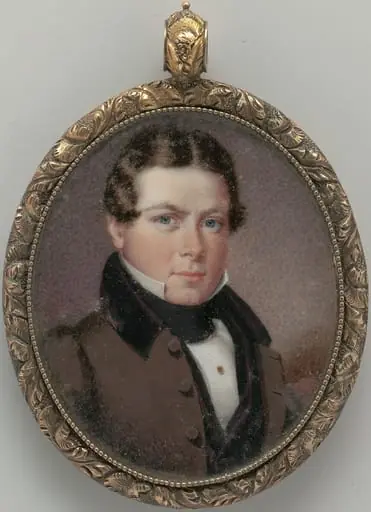
Carl Weinedel created this Portrait of a Gentleman in 1836, utilizing watercolor on ivory. The small-scale work presents an unidentified man, depicted with a direct gaze towards the viewer. He wears a dark coat, his face softly illuminated, emphasizing his neat hair and a crisply starched collar. This intimate format was characteristic of portraiture during its era.
Context
Before the advent of photography, miniature portraits like this one served a significant personal function. Their small size made them portable, allowing individuals to carry images of loved ones as cherished mementos. These intimate objects were often exchanged between family members or kept as private keepsakes, offering a tangible connection to absent individuals.
Artist & collection