Artwork
Portrait of a Gentleman
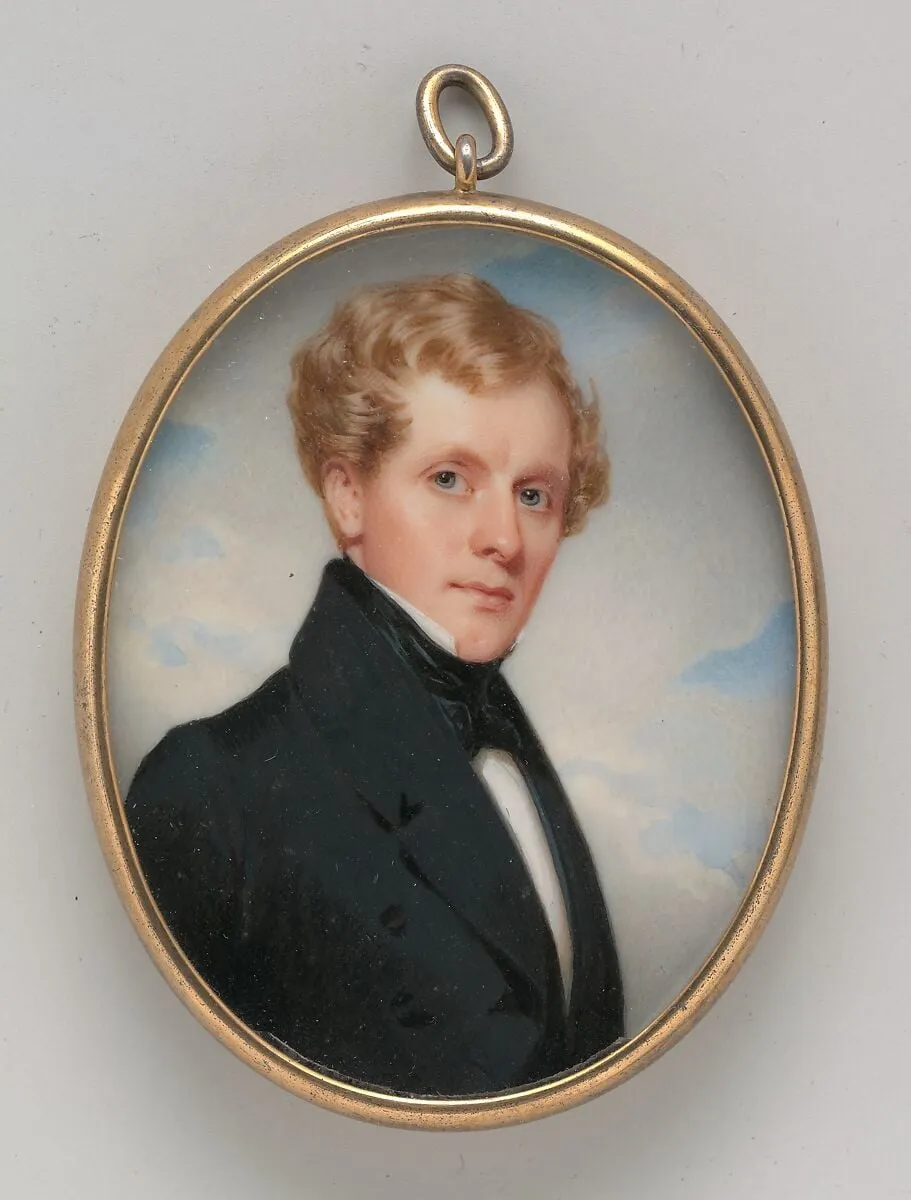
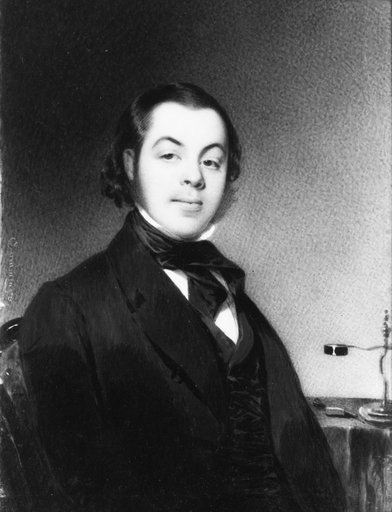
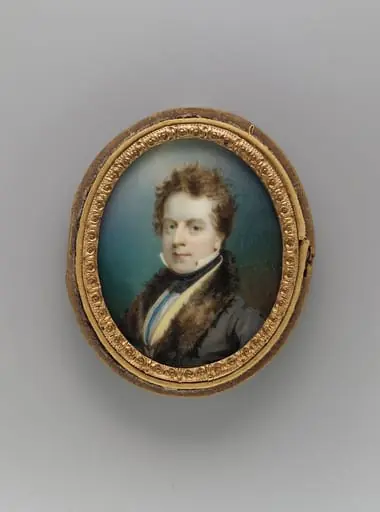
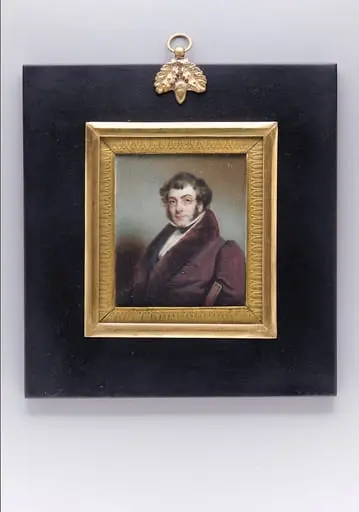
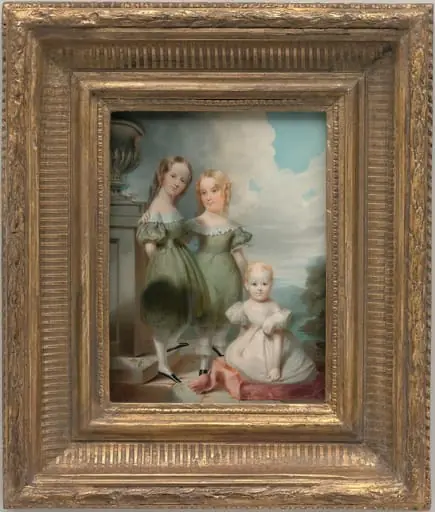
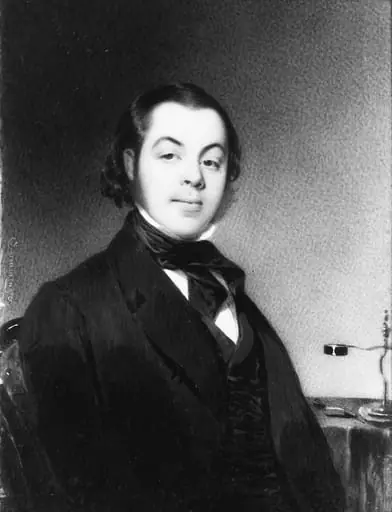
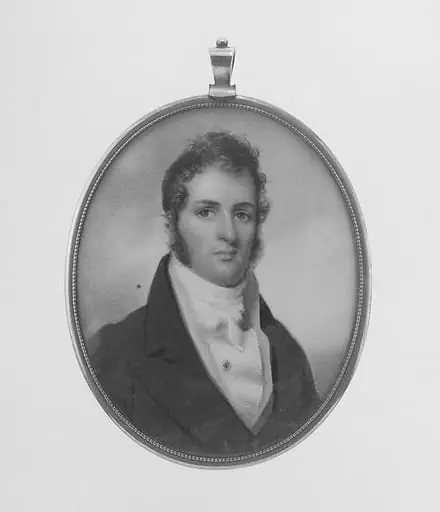
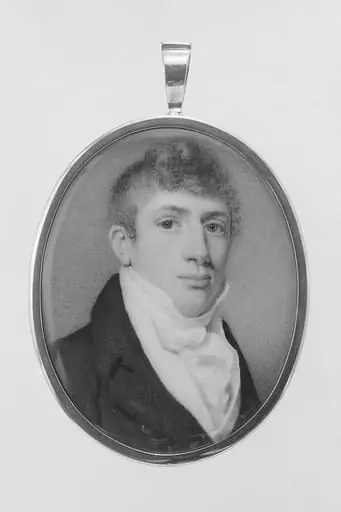
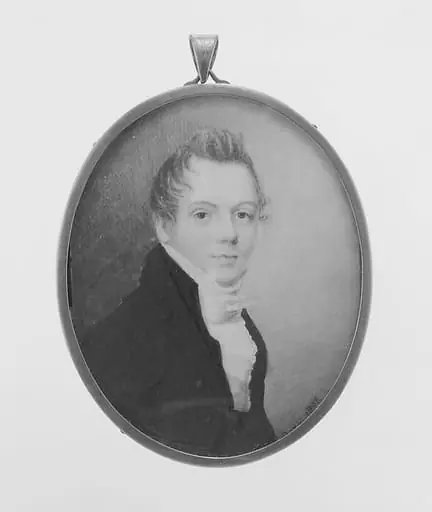
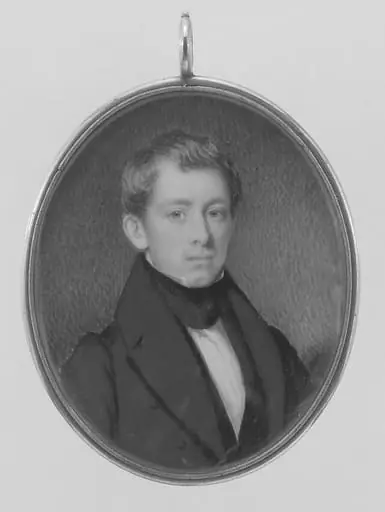
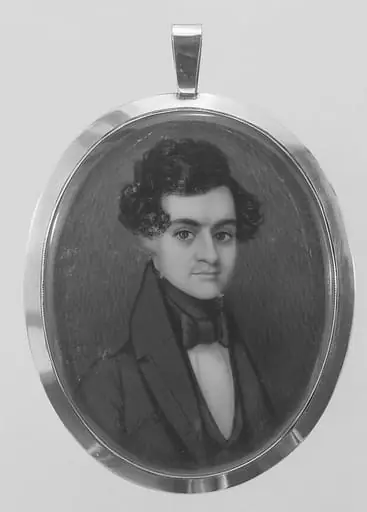
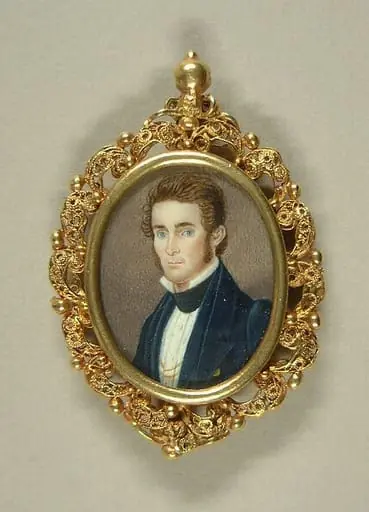
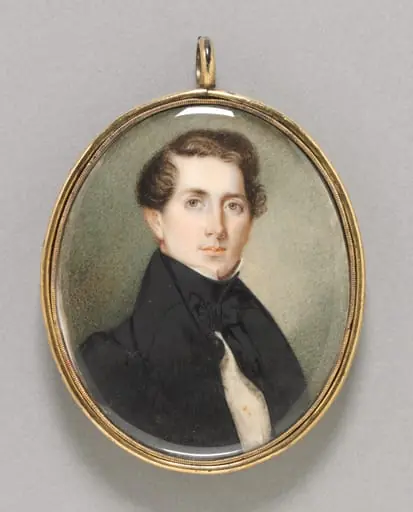
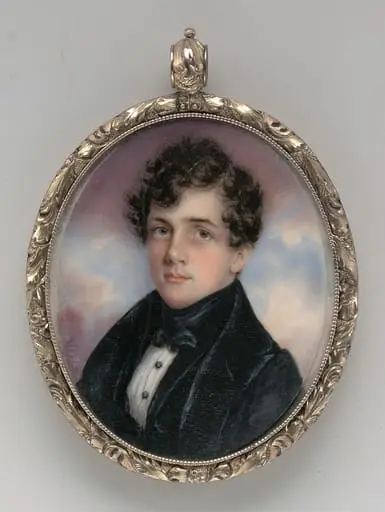
Portrait of a Gentleman is a watercolor painting by the American Folk Art artist Thomas Seir Cummings. It dates from 1835 and is held in the collection of the Metropolitan Museum of Art.
About this work
Subject & Meaning
The painting presents a seated gentleman, rendered in watercolor on ivory, that functions as a conventional portrait of a male sitter.
The painting presents a seated gentleman, rendered in watercolor on ivory, that functions as a conventional portrait of a male sitter. Its classification within The American Wing and its designation as a portrait emphasize the subject’s social identity and the era’s emphasis on genteel representation. The work’s main subject is identified as a man, underscoring a focus on individual status rather than narrative or allegory.
Created by Thomas Seir Cummings in 1835, the piece reflects the aesthetic conventions of early‑American portraiture, where the sitter’s attire and posture communicate refinement and civic responsibility.
Technique & Style
The work is executed in watercolor on a thin ivory support, a technique documented for Cummings’s early portraiture. According to the museum record, the piece measures approximately 6.5 by 5.1 inches and was created in 1835, placing it within the American Wing’s collection of 19th‑century portraits. The composition portrays a seated gentleman rendered with delicate tonal washes and fine line work that emphasize facial features and clothing texture.
The ivory ground contributes a smooth, luminous surface, while the watercolor medium allows subtle gradations of color. Handling is limited by the fragility of the support, and the condition is reported as stable, though sensitive to fluctuations in humidity.
History & Provenance
Portrait of a Gentleman was executed in 1835 by American miniaturist Thomas Seir Cummings, who rendered the work in watercolor on ivory. The painting entered the collection of the Metropolitan Museum of Art, where it is currently housed as part of the American Wing. While no documentation of a specific commission survives, the work’s date and medium place it within Cummings’s active period of portrait miniature production in New York City.
Its provenance thereafter traces directly to the museum’s acquisition, with no recorded intermediate owners noted in the available sources.
Overview
Painted in 1835 by Thomas Seir Cummings, this work is a miniature portrait executed in watercolor on ivory. The composition features a male sitter depicted from the chest up against a neutral, plain gray background. He is dressed in a dark suit with a high white collar and cravat, presenting a serious, direct gaze characteristic of early 19th-century American portraiture.
The support material, ivory, was a standard medium for miniaturists of the era, allowing for translucent layers that create a luminous skin tone and fine detail within a compact format, typically measuring around three inches in height. These works were often intended for personal use, such as settings for lockets or jewelry, serving as intimate tokens of affection or remembrance. Cummings, a prominent figure in the American art community and a founder of the National Academy of Design, utilized this technique to capture the likeness of gentlemen with precision and restraint.
This piece exemplifies the transition of the miniature portrait from a purely decorative object to a respected art form within the American tradition, showcasing the artist's skill in rendering texture and expression on a small scale.
Artist & collection