Artwork
Self Portrait
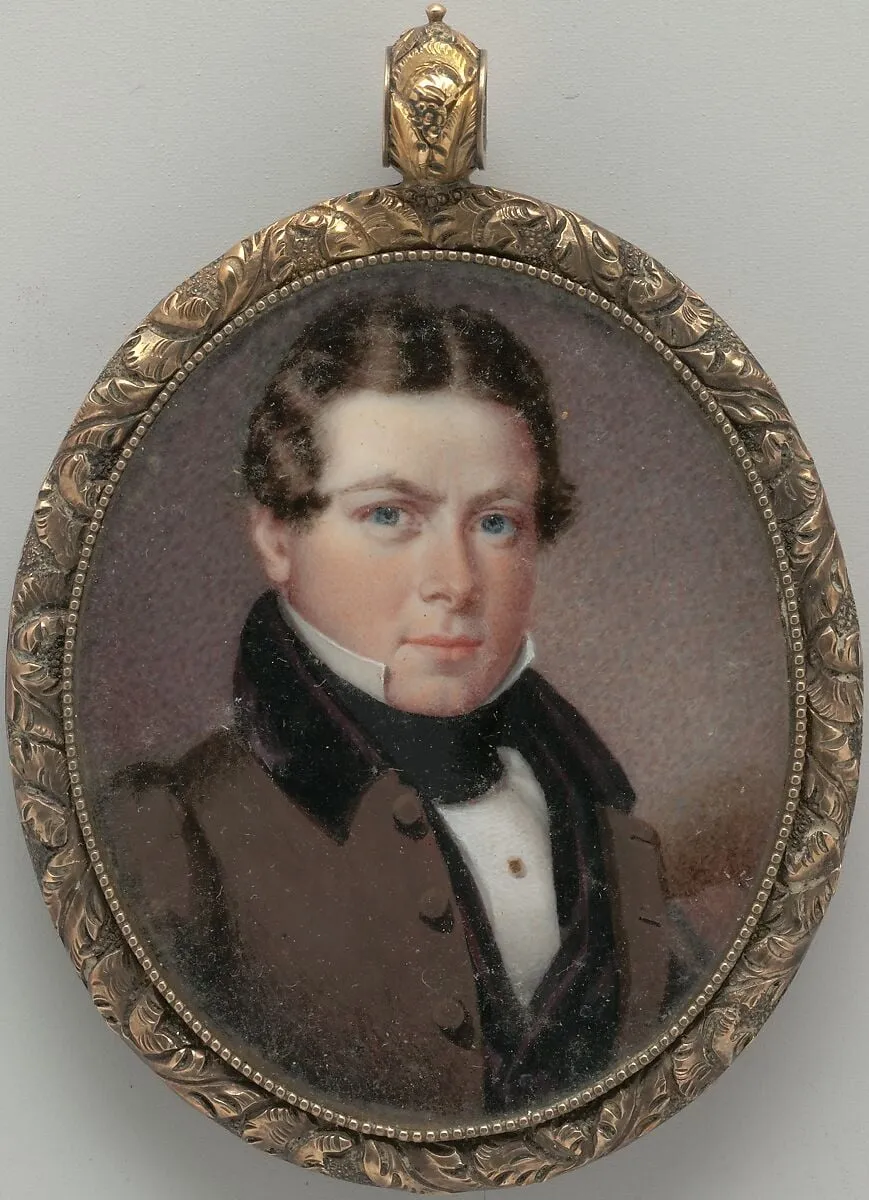
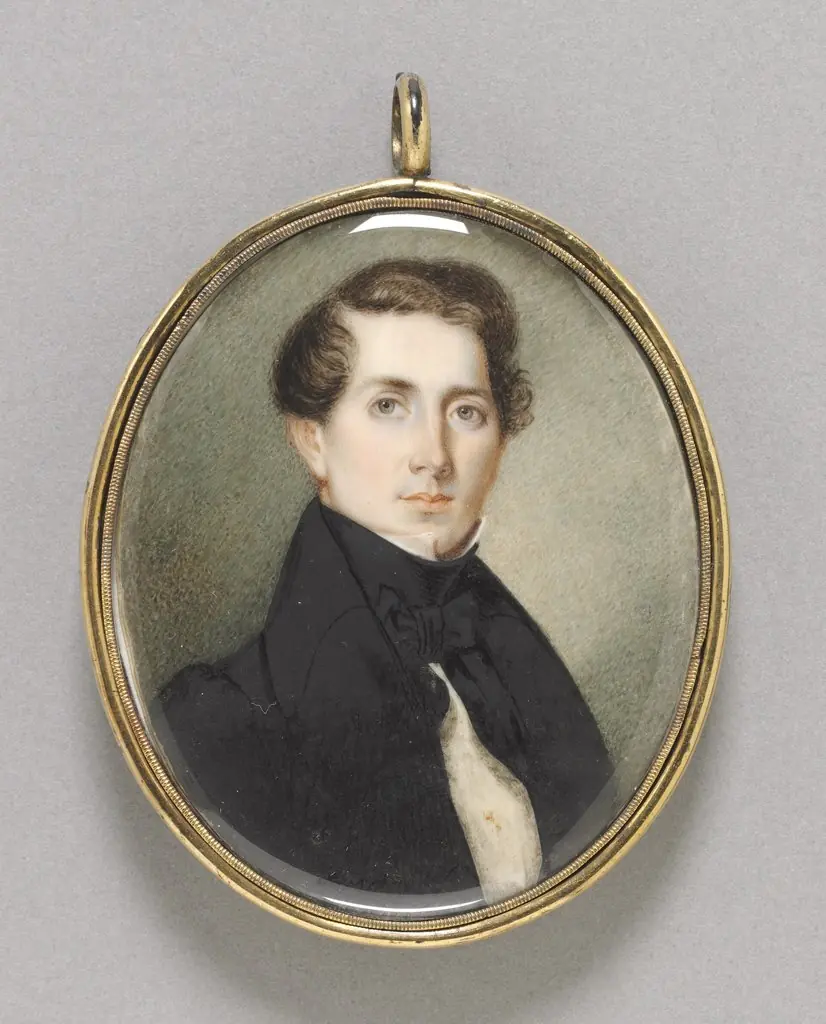
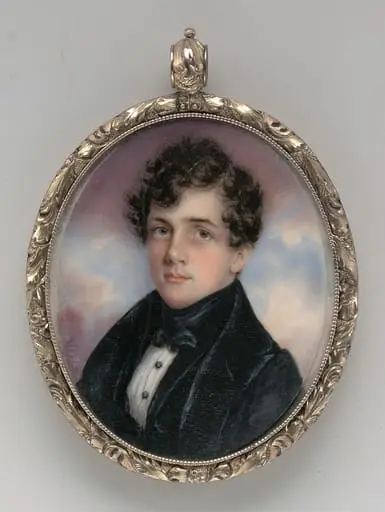
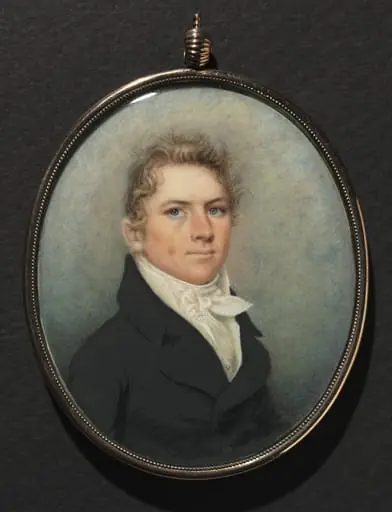
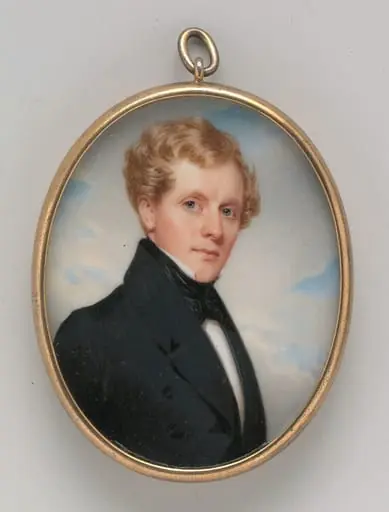
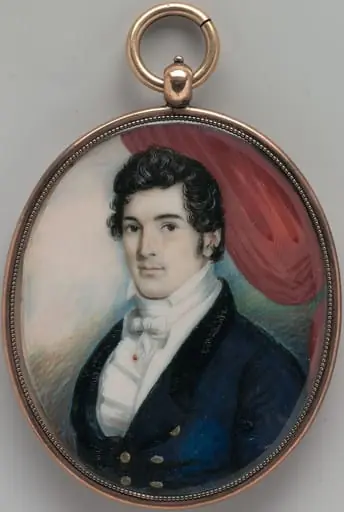
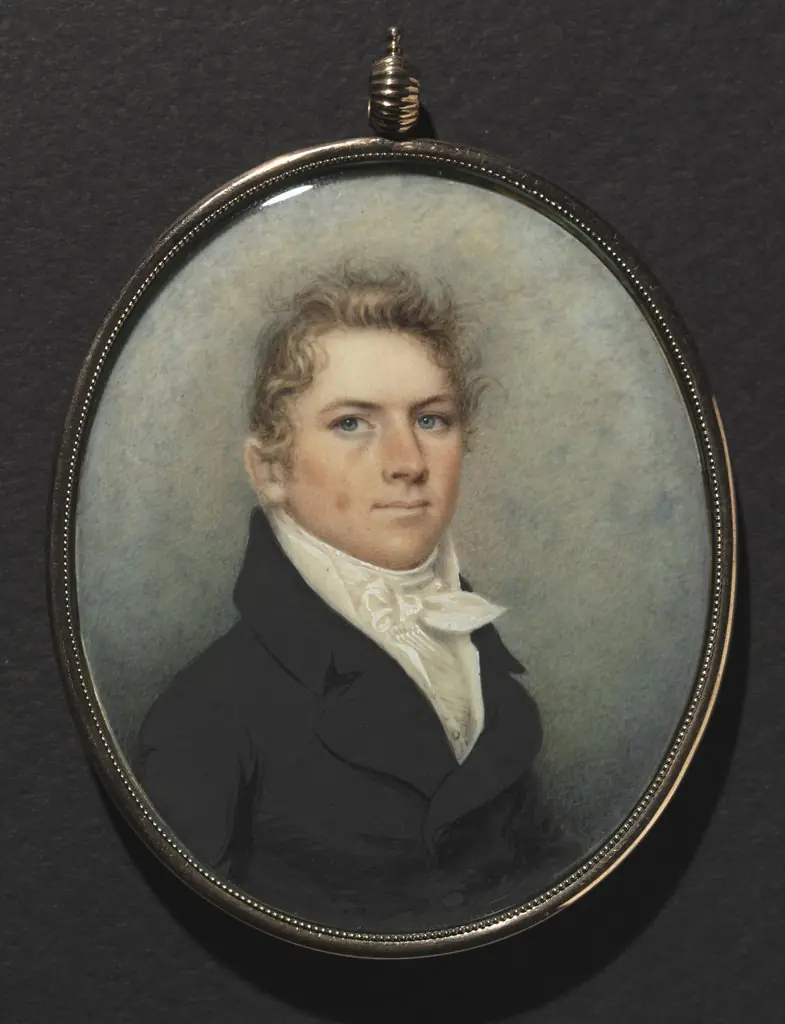
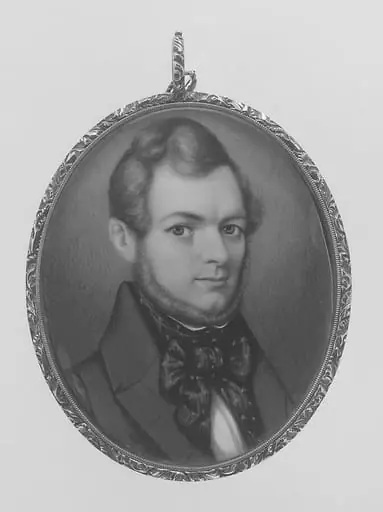
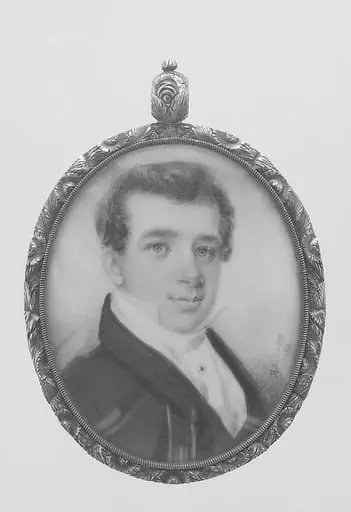
Self Portrait is a watercolor painting by the American Folk Art artist James Van Dyck. It dates from 1835 and is held in the collection of the Metropolitan Museum of Art.
About this work
Subject & Meaning
Both the museum record and the Wikidata entry identify the main subject as Van Dyck himself, emphasizing the personal nature of the image.
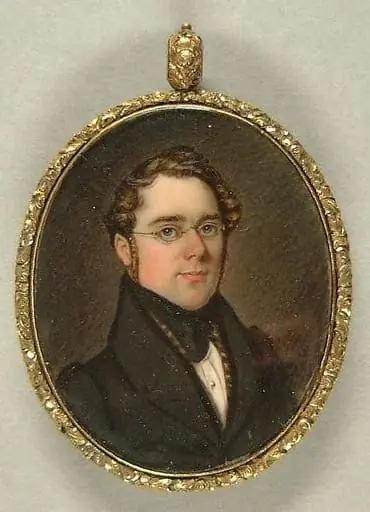
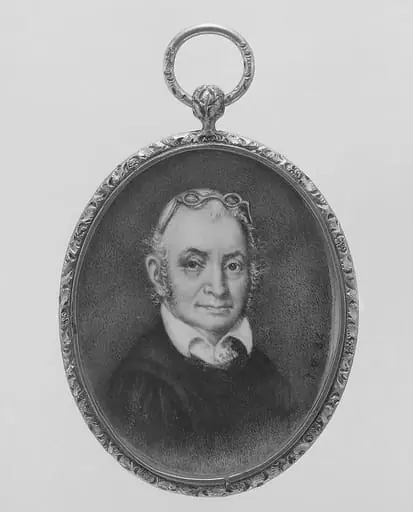
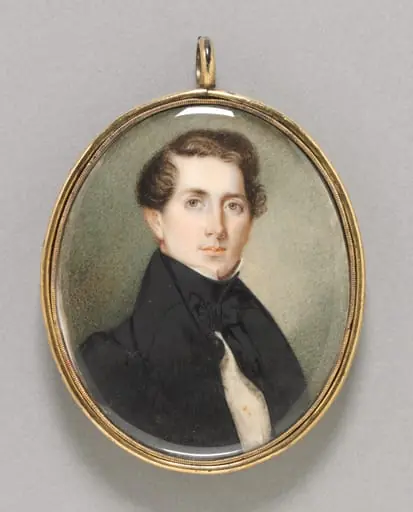
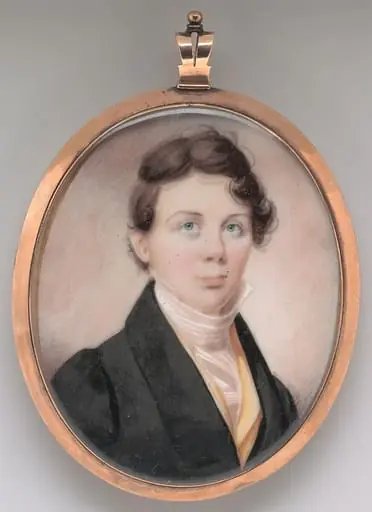
The work is a self‑portrait that shows the artist, James Van Dyck, rendered as a man in a straightforward manner. Both the museum record and the Wikidata entry identify the main subject as Van Dyck himself, emphasizing the personal nature of the image. By presenting himself in a modest, almost intimate format, the painting functions as a visual statement of identity and artistic presence, inviting viewers to consider the artist’s self‑perception and the act of self‑representation within the tradition of portraiture.
Technique & Style
The self-portrait employs watercolor on a thin ivory support, typical of early nineteenth-century miniature practice. The handling is precise and linear, with fine brushwork used to define facial features and costume details. The ivory’s smooth, pale surface enhances the luminosity of the watercolor, allowing subtle gradations in tone to render the sitter’s complexion and the reflective quality of the eyes.
Stylistically, the portrait adheres to the restrained elegance of the period, balancing naturalistic description with idealized presentation. The small scale (4.9 cm × 4 cm) and frontal composition reflect conventions for self-representation in miniature form, emphasizing clarity and immediacy.
History & Provenance
Created in 1834, this self-portrait was executed by the artist James Van Dyck. The work is a miniature painted in watercolor on an ivory support. While specific details regarding a commission or an intermediate ownership chain are not provided in the available records, the piece is currently held in the collection of the Metropolitan Museum of Art, where it is classified within the American Wing. The artwork depicts the artist himself and measures approximately 4.9 by 4 units.
James Van Dyck's 1834 watercolor on ivory, titled Self Portrait, is held in the collection of the Metropolitan Museum of Art. The work is classified within the museum's American Wing and is identified as a miniature portrait depicting the artist himself. While the source data confirms the artwork's current location and physical dimensions, it does not provide a specific accession or inventory number for this piece.
Furthermore, the available records do not document any past or future exhibition history for this specific self-portrait, leaving its display history unrecorded in the provided materials.
Context
James Van Dyck’s 1834 Self Portrait, a watercolor on ivory measuring roughly 4.9 × 4 cm, is catalogued in The American Wing as a portrait and miniature self‑portrait. The work’s material and diminutive scale reflect early‑American practice of using portable media for personal representation, situating it within the broader tradition of American portraiture that emphasized intimate, devotional imagery. Its inclusion in the Metropolitan Museum’s collection underscores scholarly interest in documenting the development of self‑representation in the United States, while its classification as both portrait and miniature highlights the hybrid nature of early 19th‑century artistic conventions.
The piece is frequently referenced in studies of American genre painting and the evolution of self‑portraiture in the young republic.
Overview
This miniature artwork, titled Self Portrait, presents a man in a dark coat, his gaze directed forward. The artist's face is illuminated by a soft, directional light source. Executed in watercolor on a small piece of ivory, the painting is notably diminutive, measuring less than a standard playing card. It resides within The American Wing, representing an early example of self-portraiture by an American artist.
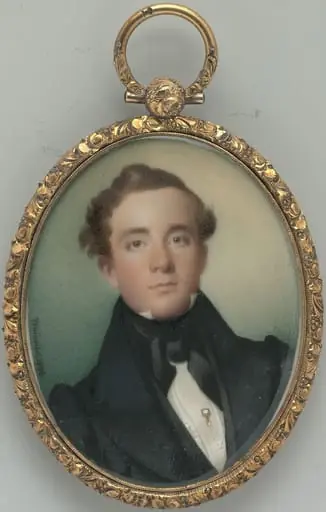
Artist & collection

Artist
James Van Dyck was an American portrait painter active in New York from about 1825 into the 1840s.