Artwork
Jesusknabe mit Blumenkranz
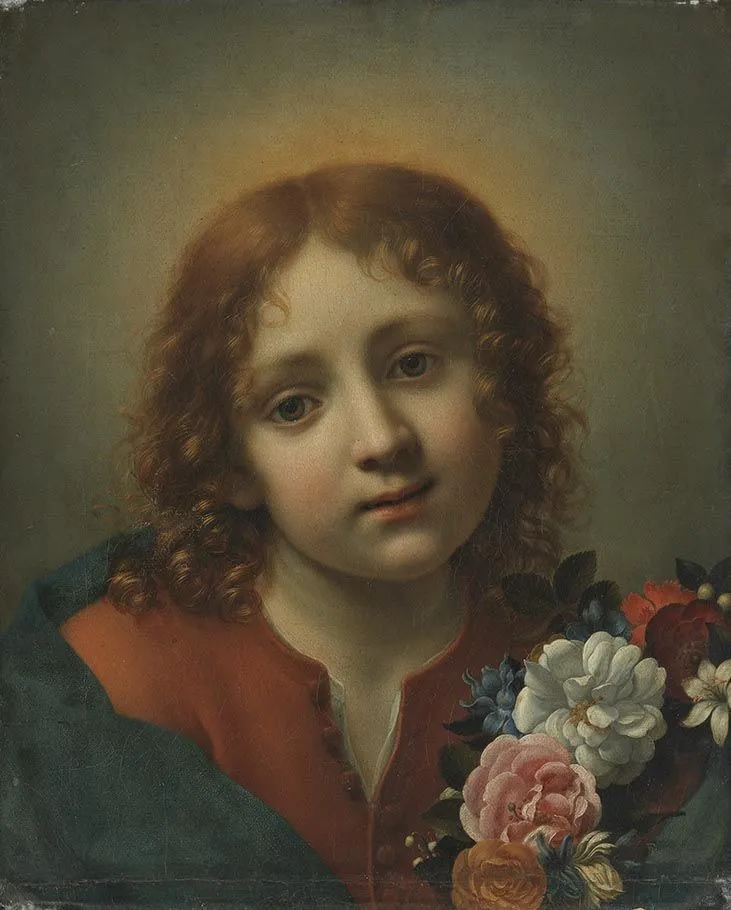
Jesusknabe mit Blumenkranz is an unspecified painting by the Early Baroque Italian artist Carlo Dolci. It dates from 1651 and is held in the collection of the Bavarian State Painting Collections.
About this work
Subject & Meaning
The flowers, including white lilies, red roses, and blue cornflowers, are arranged symmetrically around the figure, emphasizing innocence and purity.
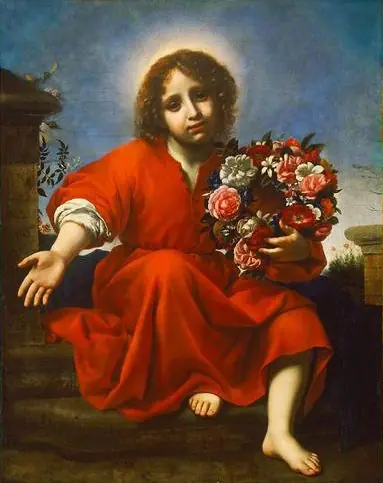
The painting depicts the Christ Child holding a floral wreath. The child is shown frontally, with a serene expression, framed by a garland of mixed blooms that encircles his head. The flowers, including white lilies, red roses, and blue cornflowers, are arranged symmetrically around the figure, emphasizing innocence and purity.
In Christian iconography, the Christ Child often carries floral symbols to signify his role as the "new Adam" and the promise of redemption, with lilies representing purity and roses martyrdom. The wreath further evokes the crown of thorns, foreshadowing the Passion.
History & Provenance
The work Jesusknabe mit Blumenkranz is dated 1651, aligning with the documented period of Carlo Dolci’s activity in Florence.
It entered the Bavarian State Painting Collections, where it has been held since at least the mid-20th century. The Alte Pinakothek in Munich currently lists the painting in its holdings.
The painting Jesusknabe mit Blumenkranz by Carlo Dolci is held in the collection of the Bavarian State Painting Collections. It is currently located at the Alte Pinakothek. The work was created in 1651.
No specific inventory number or exhibition history for this artwork is provided in the available sources.
Context
Carlo Dolci painted this half-length depiction of the Christ Child wearing a flower crown in 1651, now housed in the Alte Pinakothek in Munich. Contemporary accounts highlight its devotional intensity and intricate detail, reflecting Counter-Reformation emphasis on personal piety. Art historians situate it within Dolci's mature religious oeuvre, noting its technical precision and emotional restraint compared to earlier works. The painting exemplifies 17th-century Tuscan naturalism adapted to intimate devotional subjects.
Overview
Carlo Dolci, a Florentine painter active in the mid‑17th century, created the work known as Jesusknabe mit Blumenkranz in 1651. Executed during the early phase of the Italian Baroque, the painting presents a tender image of the Christ Child. It is part of the permanent collection of the Alte Pinakothek in Munich.
Technique & Style
Dolci employs a refined chiaroscuro, allowing the soft light to illuminate the infant’s face while the background recedes into muted tones. Smooth, almost invisible brushstrokes blend shadows and highlights, rendering the skin with a lifelike translucency and giving the floral arrangement a delicate three‑dimensional presence.
Artist & collection
Artist
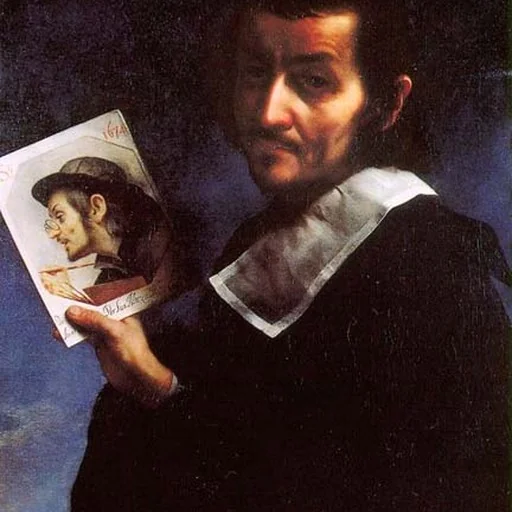
Carlo (or Carlino) Dolci (25 May 1616 – 17 January 1686) was an Italian Baroque painter active mainly in Florence, known for highly finished religious pictures, often repeated in many versions.

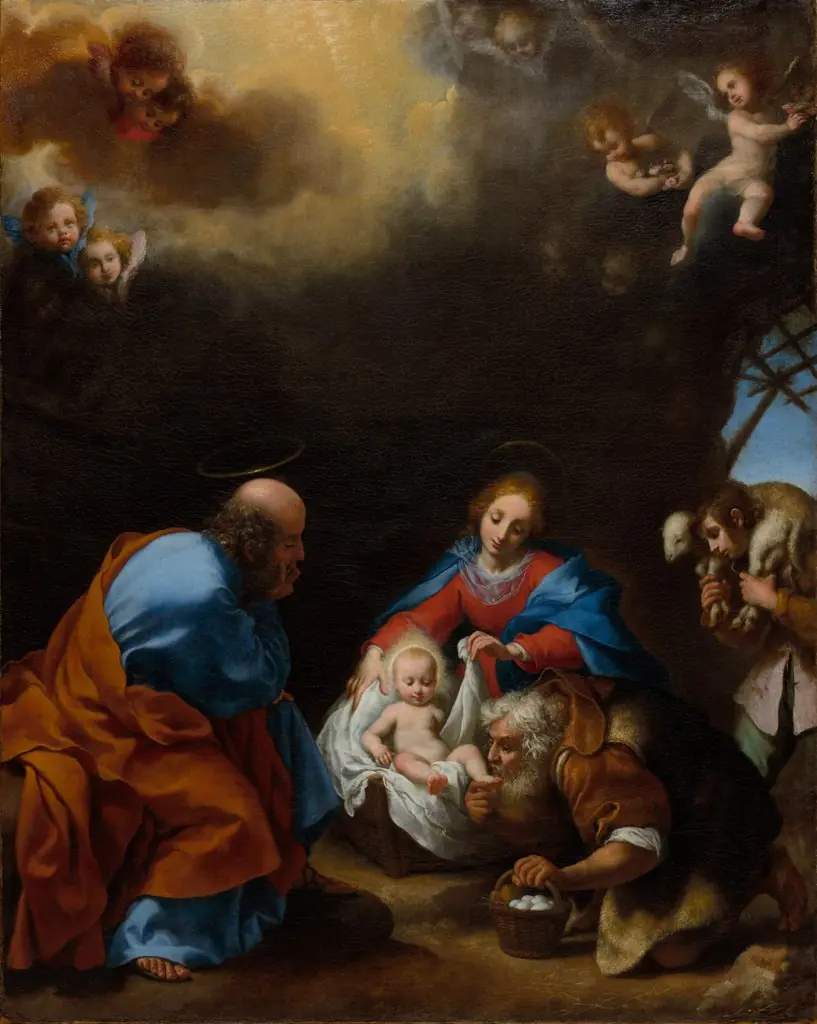
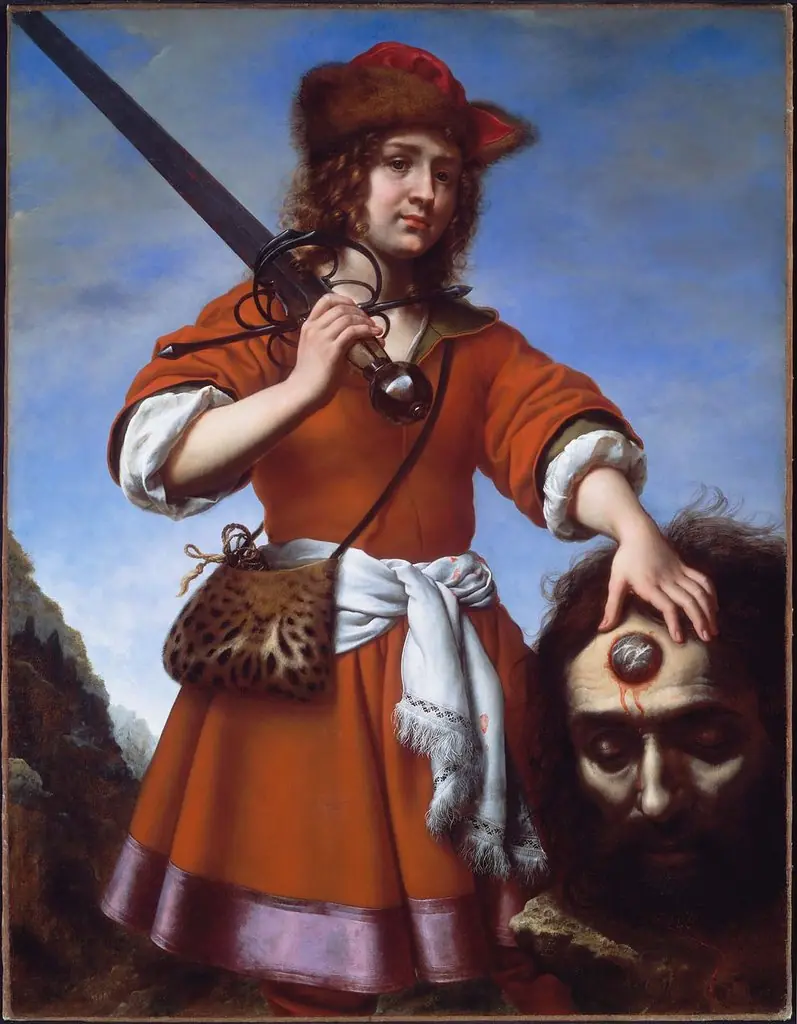
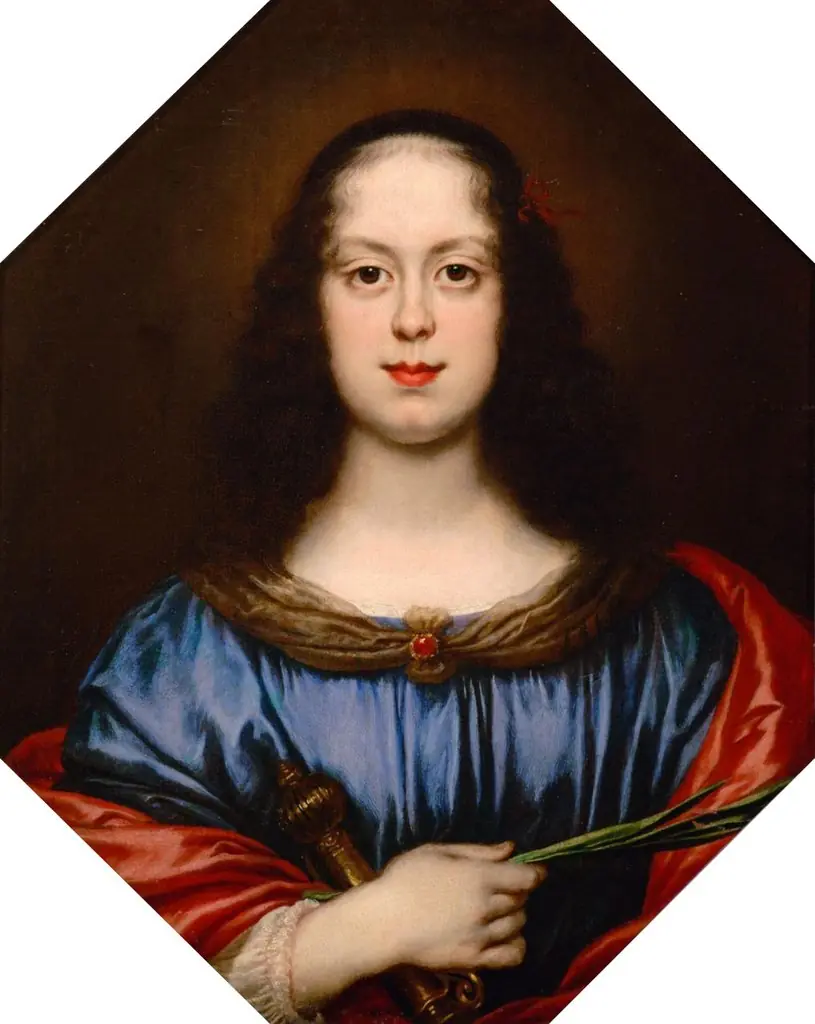



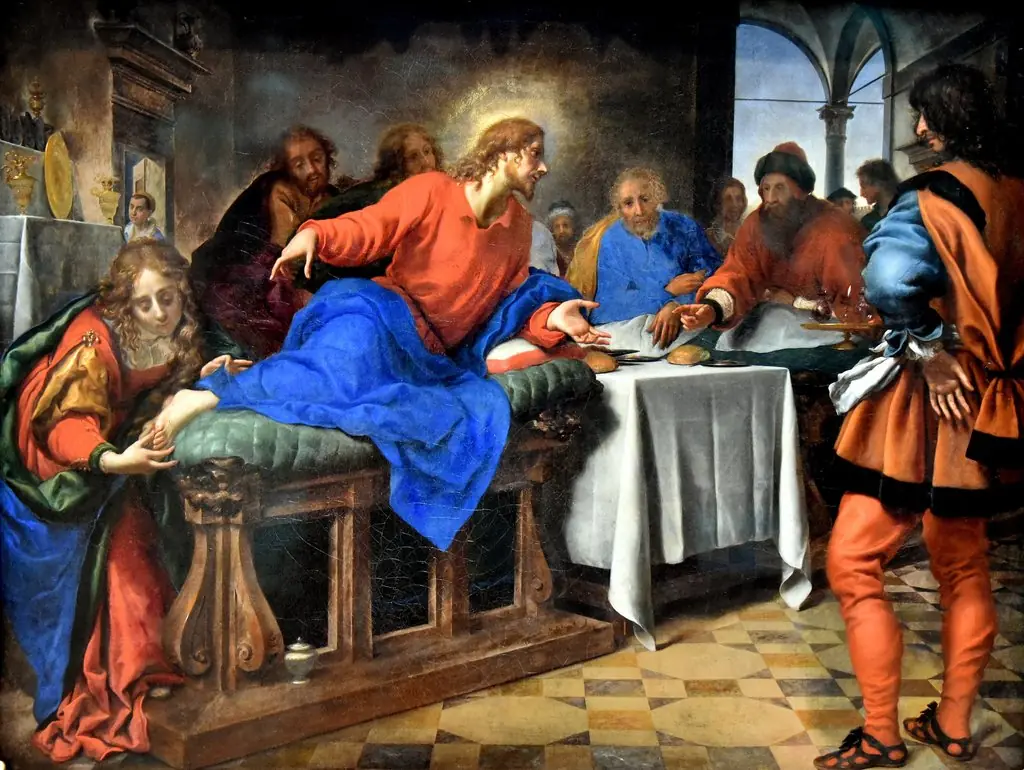
- The boy Jesus invites the Christian soul to crown it according to the Song of Songs
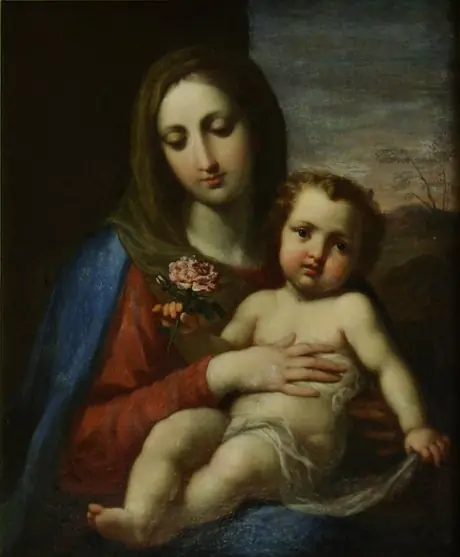 Saint mary with Jesus
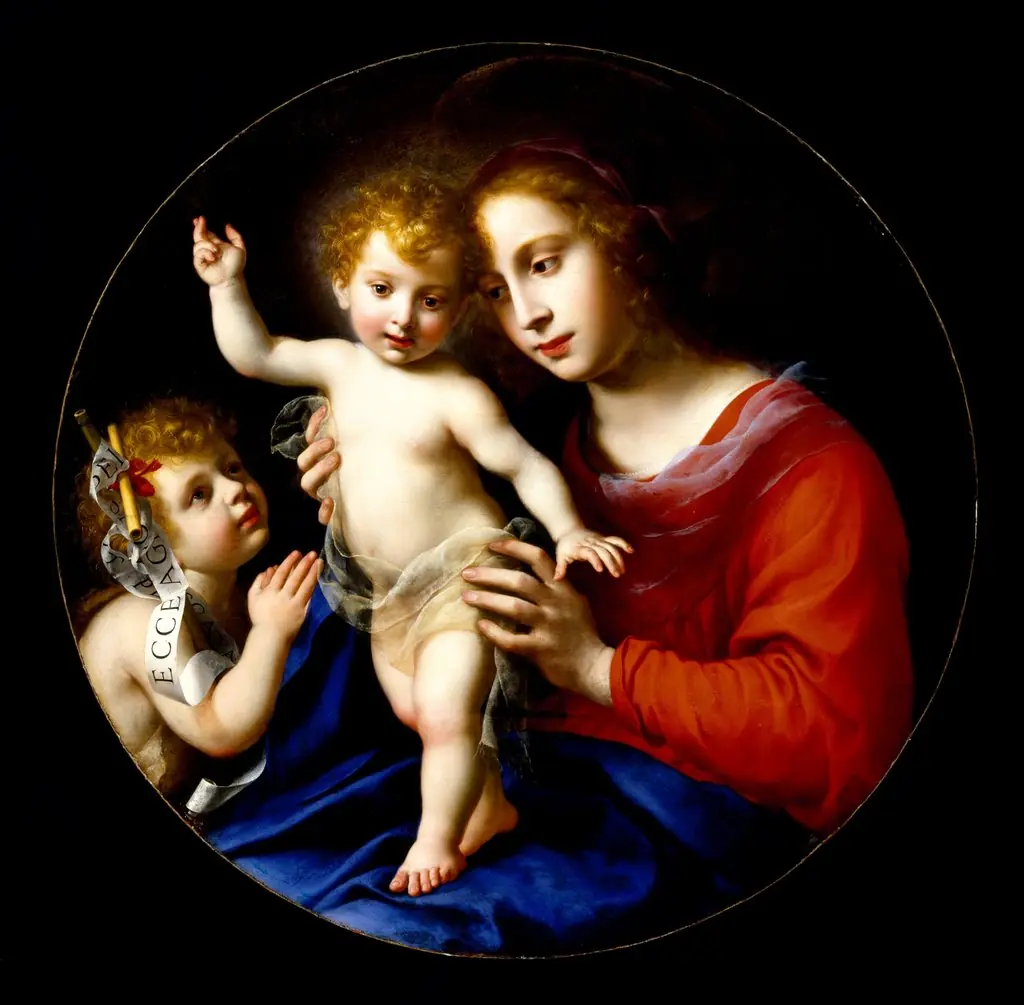 Virgin and Child with the Infant Saint John the Baptist
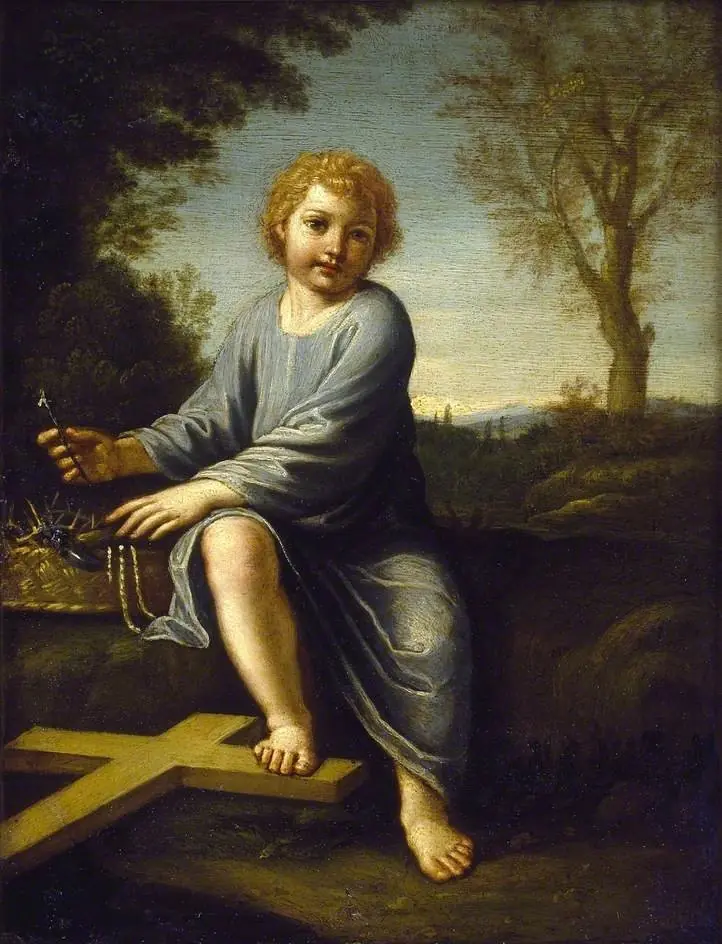 The Infant Christ with the Instruments of the Passion
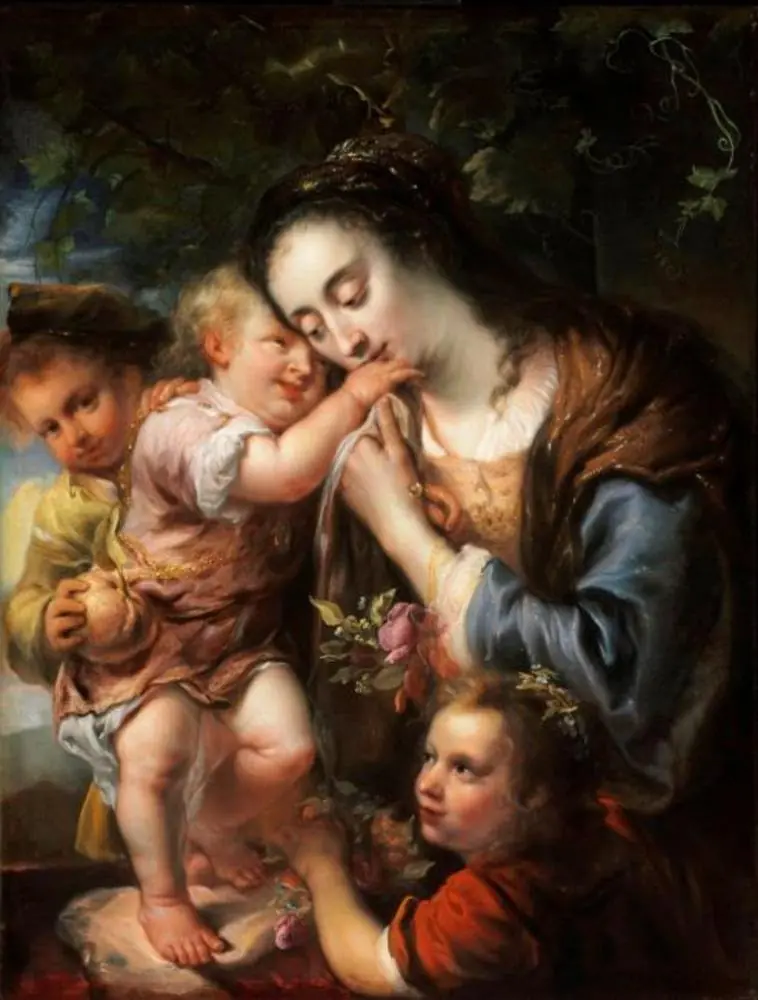 Mother with her Three Children (Maria Ovens, the Wife of the Painter)
 Maria cu Pruncul și Sfânta Ana
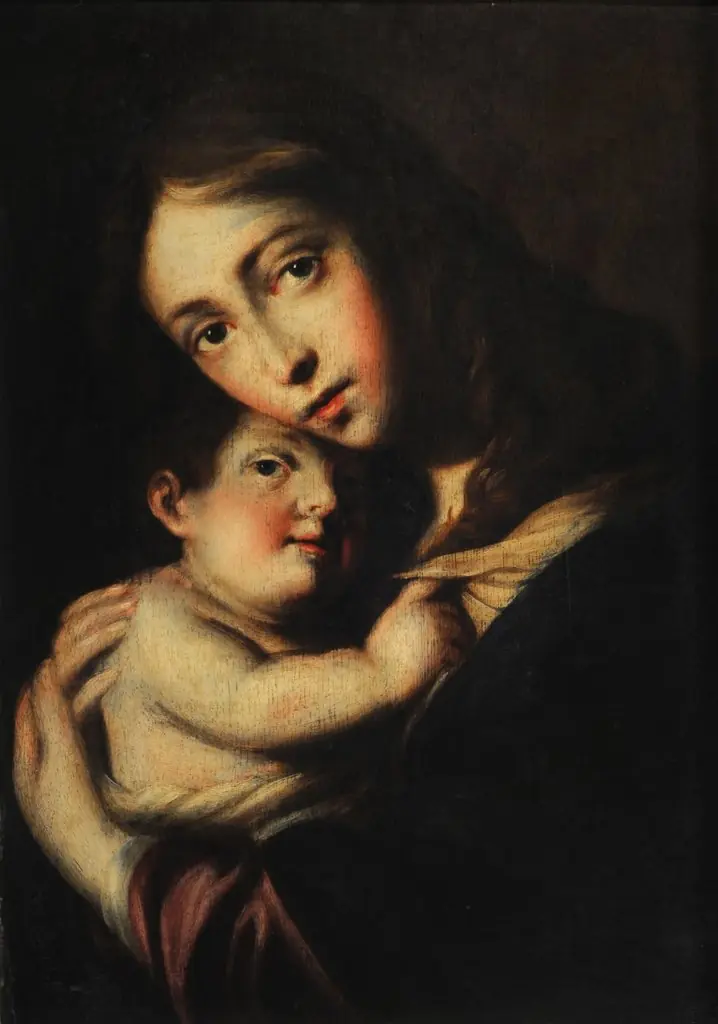 Virgin and child
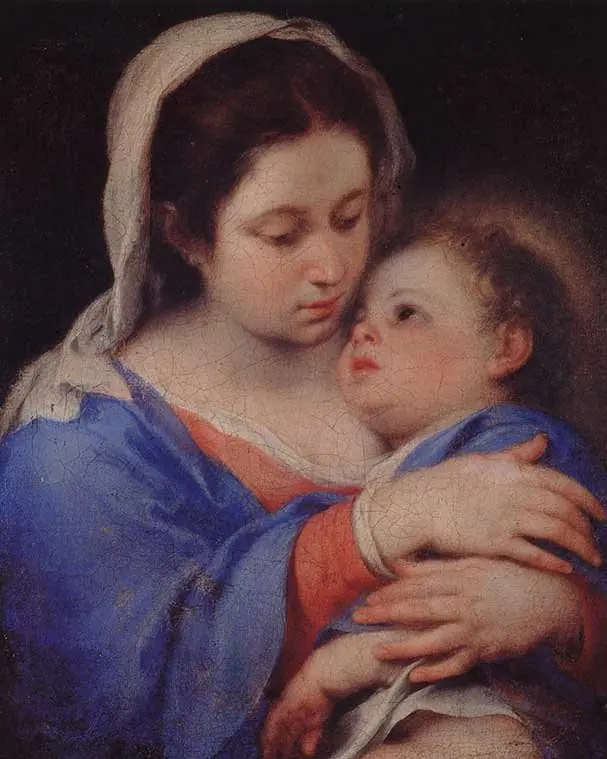 Virgen con el Niño
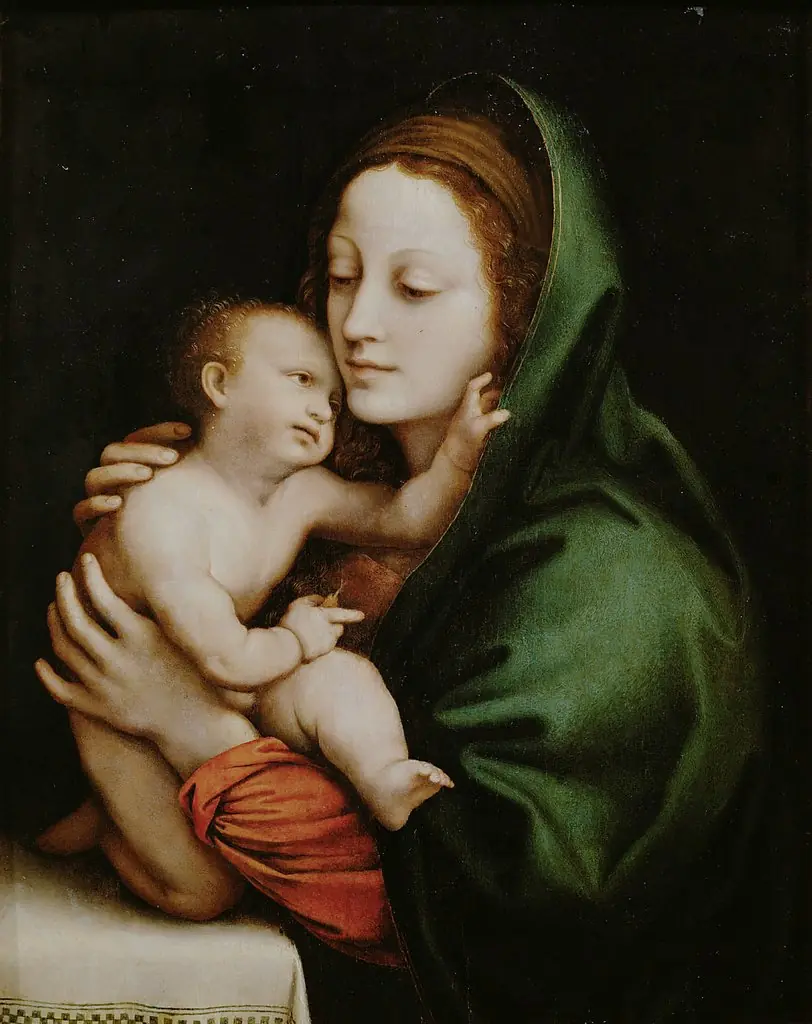 Maria mit Kind
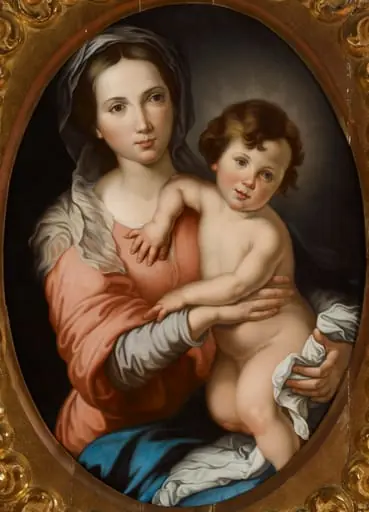 Neitsyt Maria ja lapsi
 Madonna and Child