Artwork
Saint Philip Neri (1515–1595)
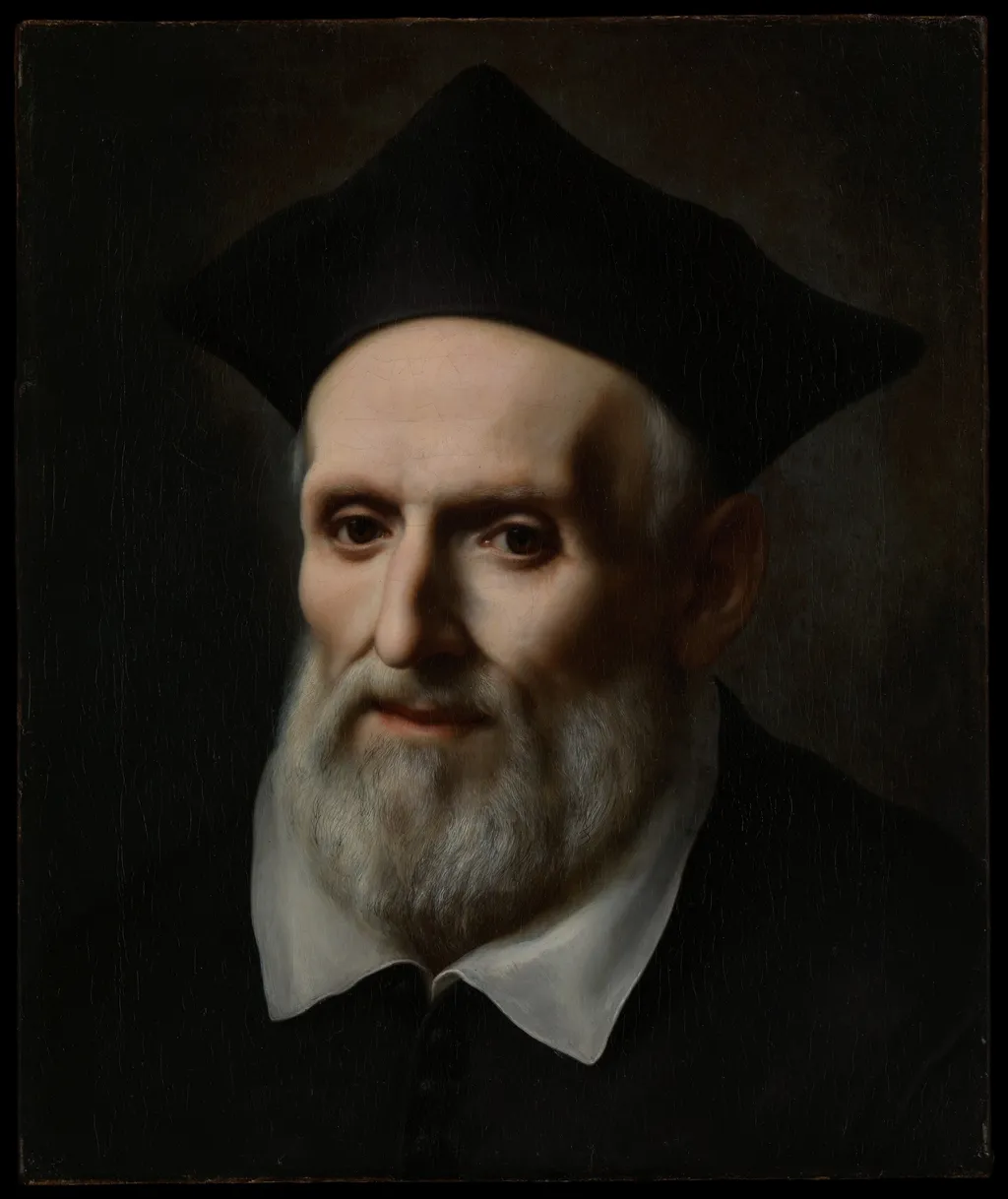
Saint Philip Neri (1515–1595) is an oil painting by the Early Baroque Italian artist Carlo Dolci. It dates from 1645 and is held in the collection of the Metropolitan Museum of Art.
About this work
Subject & Meaning
The portrait genre situates the subject as a specific, identifiable holy person, emphasizing his individual character and spiritual legacy.
Carlo Dolci's 1645 oil painting portrays Saint Philip Neri (1515–1595), the Italian Catholic reformer and founder of the Oratorians. The work is classified as a portrait and depicts Philip Neri as a man and saint, rendered in oil on canvas. As a devotional portrait, the image functions both as a likeness of the historical figure and as an iconographic representation of his sanctity, presenting him for veneration rather than as a narrative scene.
The portrait genre situates the subject as a specific, identifiable holy person, emphasizing his individual character and spiritual legacy. By depicting Neri in this format, Dolci aligns the work with the tradition of saint portraits intended for private devotion or ecclesiastical commemoration, where the visual focus on the saint's face and bearing communicates his holy status and serves as a focus for the viewer's contemplation of his life and virtues.
Technique & Style
Carlo Dolci executed this portrait of Saint Philip Neri in 1645 using oil paint on canvas, a standard support for mid-seventeenth-century Italian devotional portraiture. The work is relatively intimate in scale, measuring 43.8 cm in height by 36.2 cm in width, a format suited to private devotional viewing. Classified as a portrait painting, it depicts the saint as a man, consistent with Dolci's broader practice of producing carefully finished, devotional likenesses of Counter-Reformation holy figures.
The combination of oil medium and modest canvas dimensions points to a finely worked surface treatment rather than a large-scale alt commissions.
History & Provenance
The painting is held by the Metropolitan Museum of Art, New York, where it is inventoried as Saint Philip Neri (1515–1595) (accession no. 66.72). It has not been documented in major traveling exhibitions in recent decades, and its exhibition history is limited to the museum’s permanent galleries in Gallery 630 (European Paintings, 1600–1800).
Context
Carlo Dolci’s 1645 oil portrait of Saint Philip Neri, accessioned by the Metropolitan Museum of Art, illustrates a mid‑17th‑century Italian tendency to render saints in intimate portrait format. The work, catalogued as a painting and portrait, underscores Dolci’s specialization in devotional subjects and reflects the broader Baroque emphasis on personal piety. Its presence in a major museum collection highlights scholarly interest in the visual cult of saints during this period, positioning the piece as a representative example of religious portraiture in the era.
Overview
Carlo Dolci, a prominent Florentine Baroque painter, completed this oil portrait of Saint Philip Neri in 1645. The painting depicts the 16th-century Catholic saint with a solemn expression, rendered with the artist's characteristic precision. This work is part of the collection at The Metropolitan Museum of Art, representing Dolci's detailed approach to religious subjects.
Own this work as a print
Artist & collection
Artist
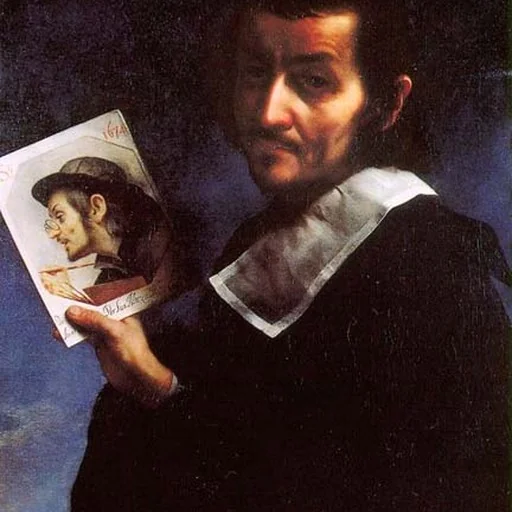
Carlo (or Carlino) Dolci (25 May 1616 – 17 January 1686) was an Italian Baroque painter active mainly in Florence, known for highly finished religious pictures, often repeated in many versions.

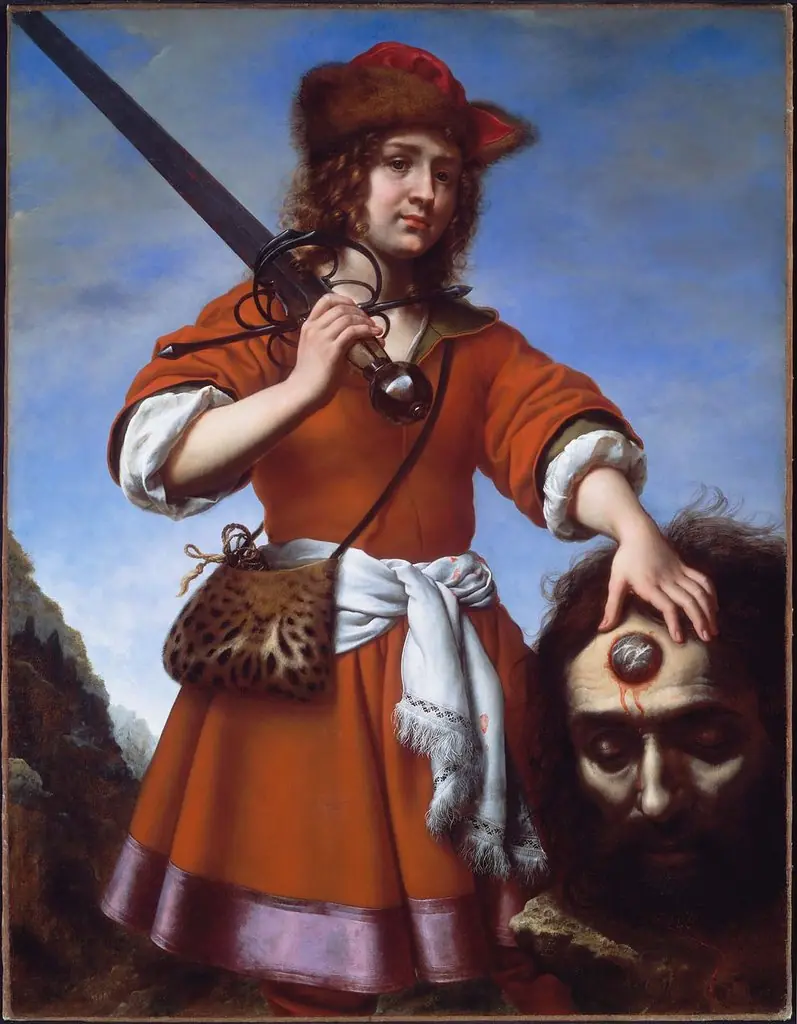
- Portrait of a Sculptor
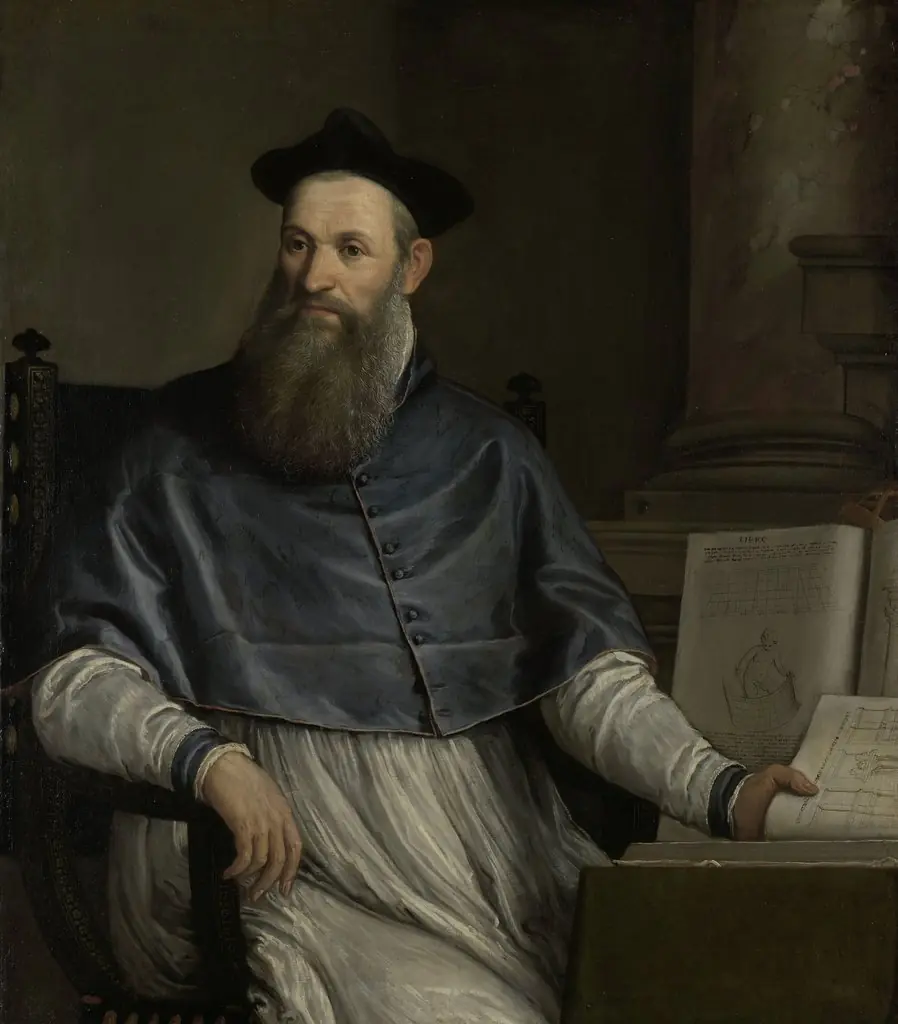 Portrait of Daniele Barbaro
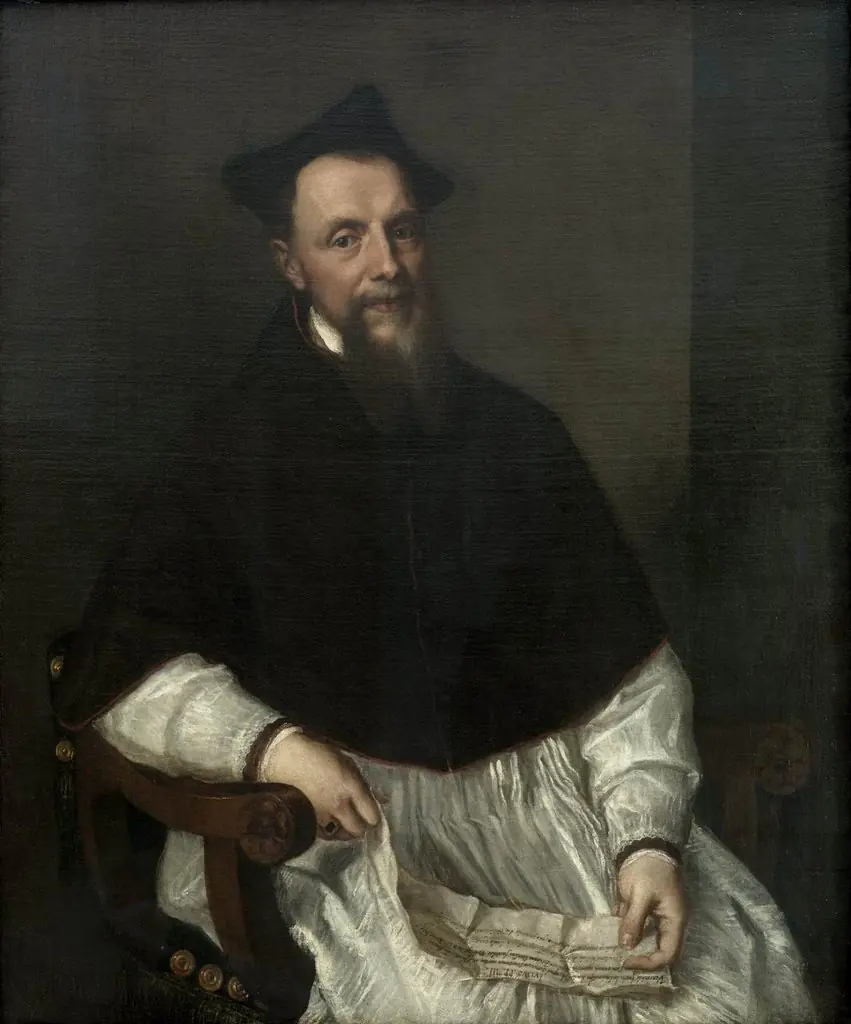 Portrait of Bishop Ludovico Beccadelli
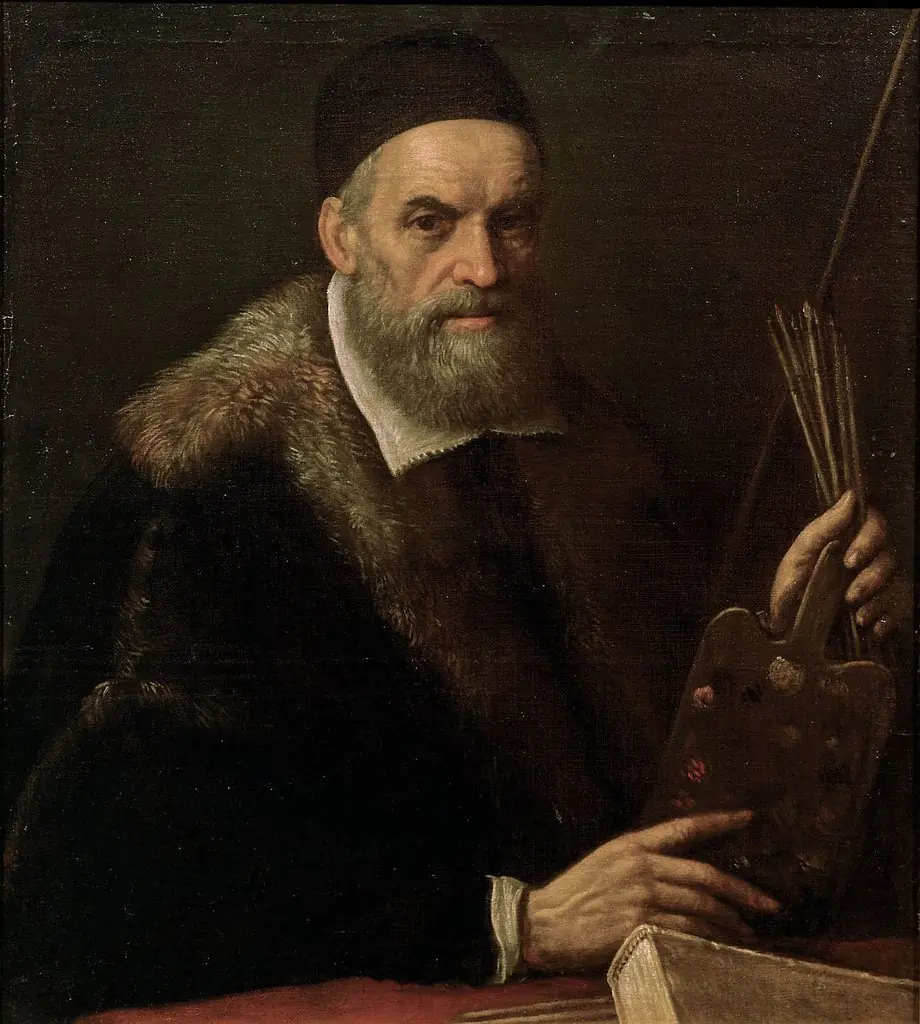 Portrait of the painter Jacopo Bassano da Ponte (c. 1510-1592)
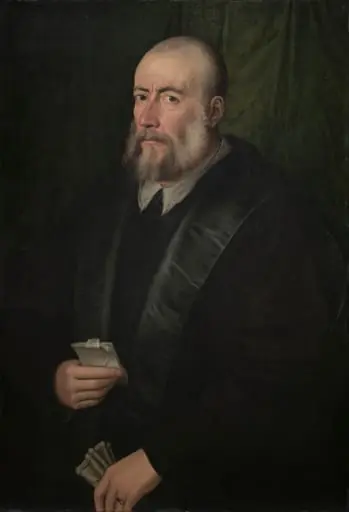 Portrait of an Old Man
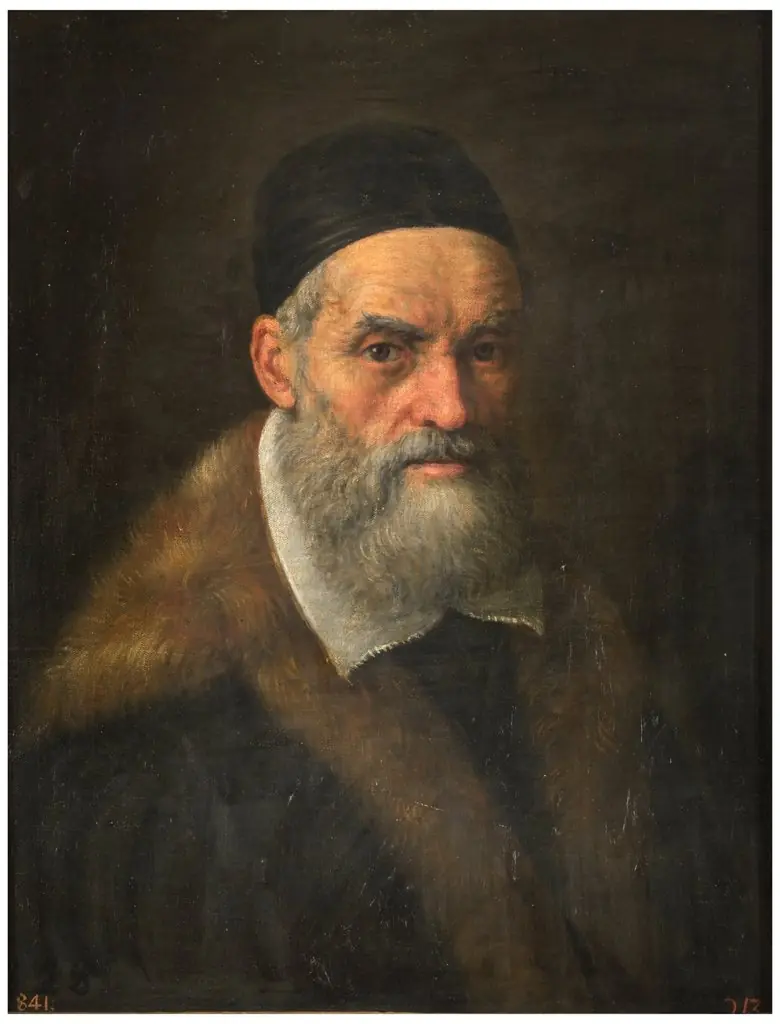 Portrait of Jacopo Bassano
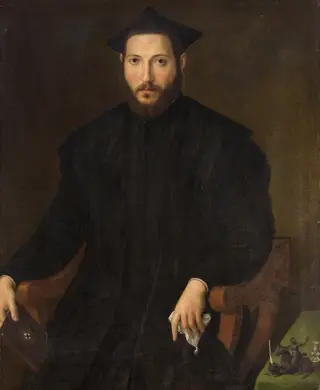 Bildnis eines Geistlichen
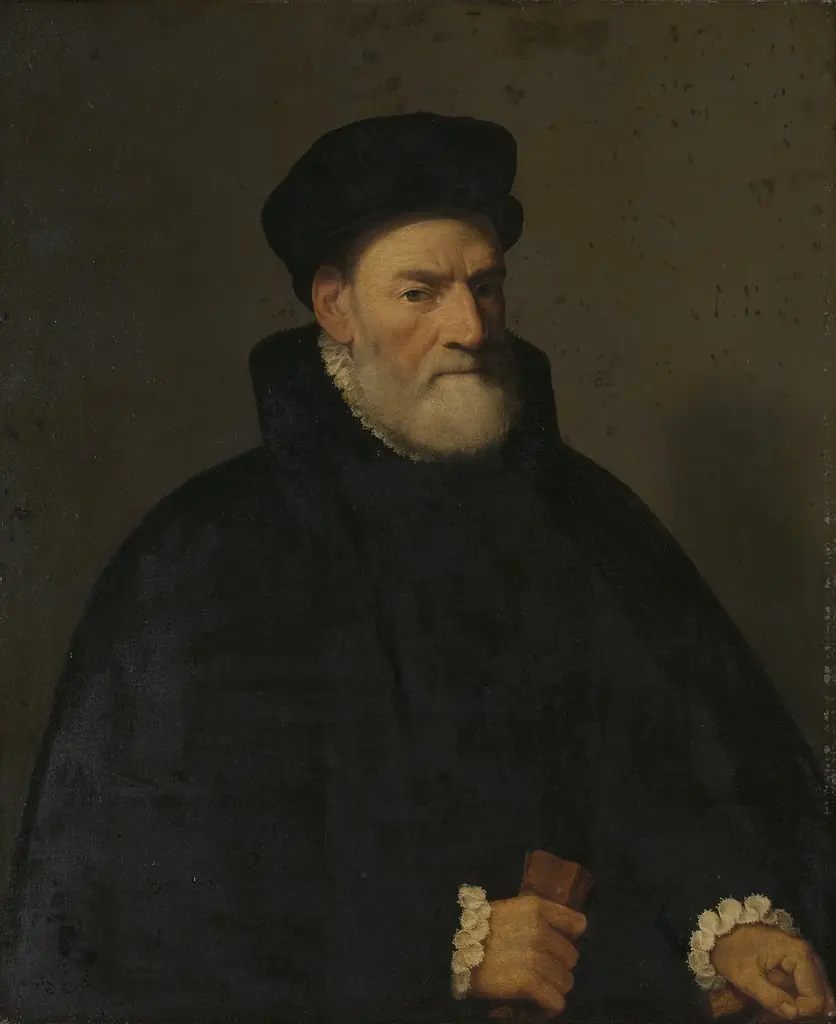 Portrait of an Old Man, probably Vercellino Olivazzi, Senator from Bergamo
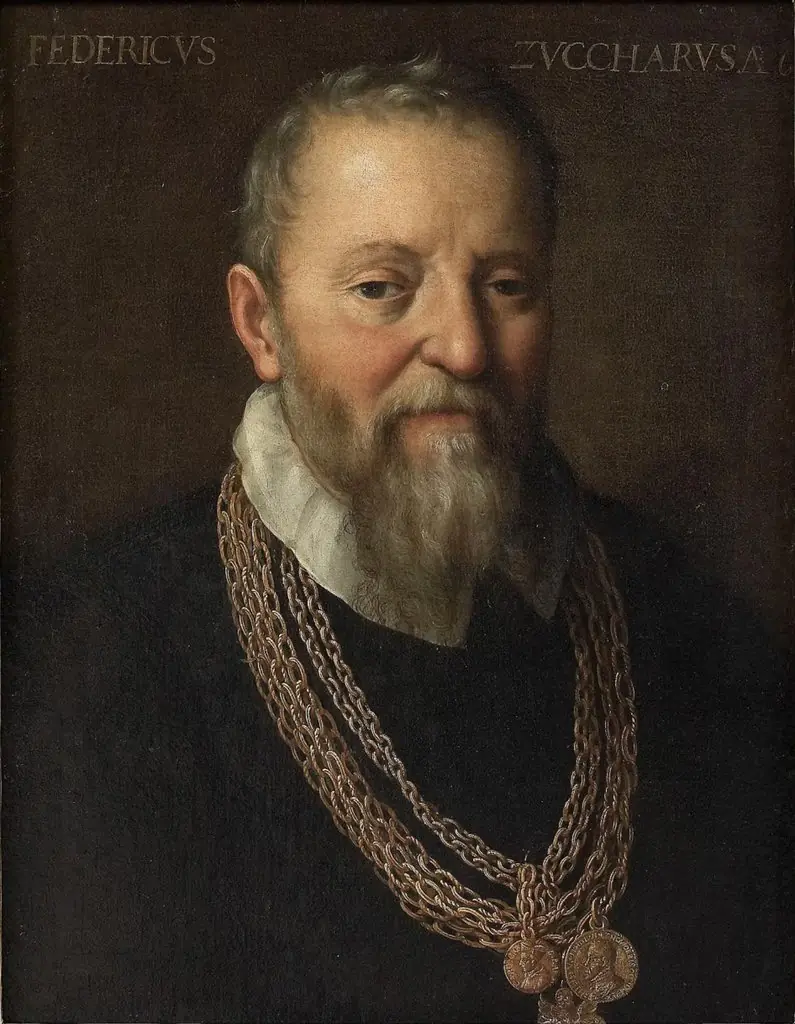 Portrait of Federico Zuccaro
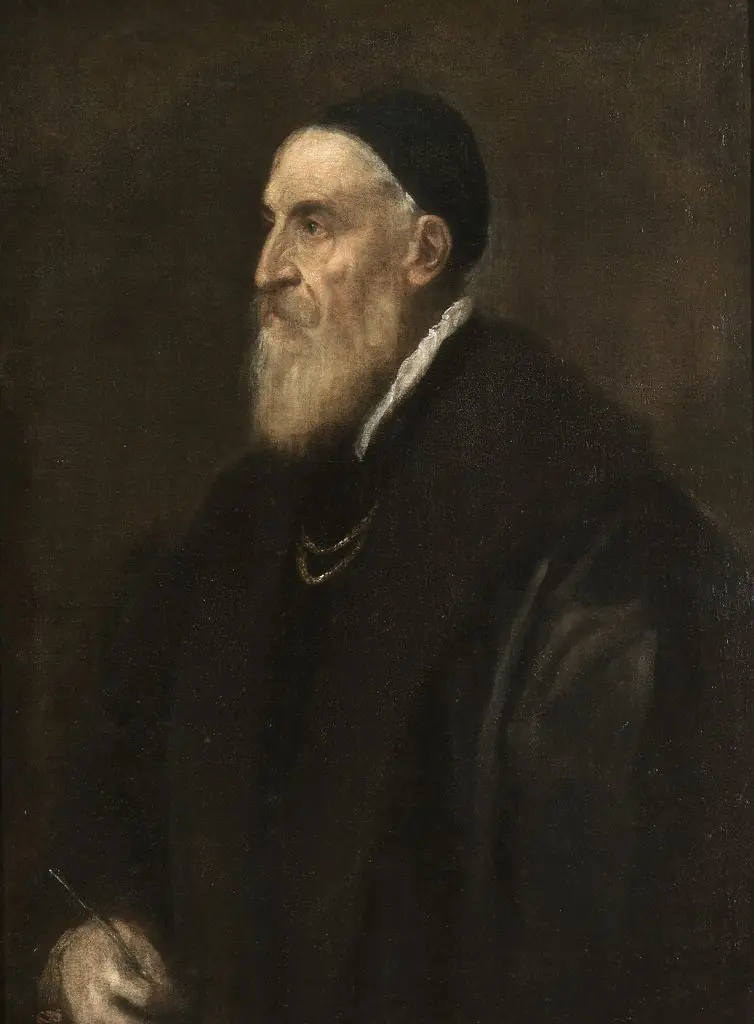 Self-Portrait
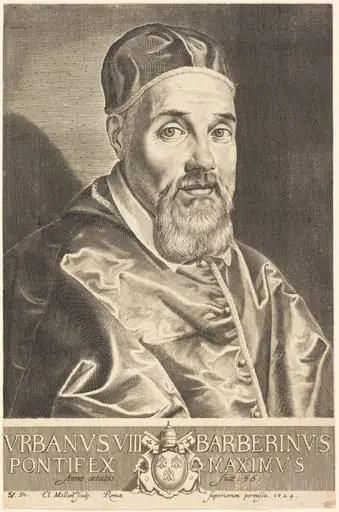 Urban VIII
 Portrait of Titian