Artwork
Saint Andrew the Apostle
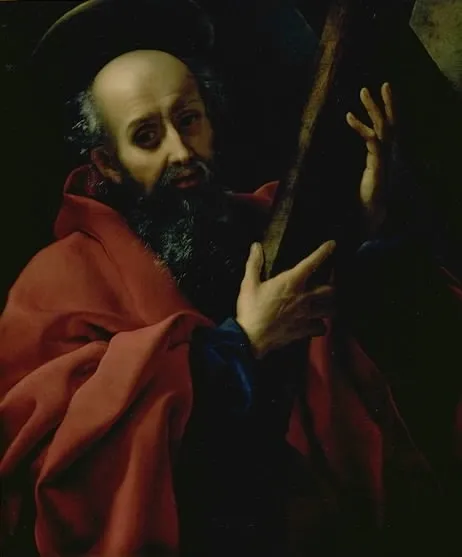
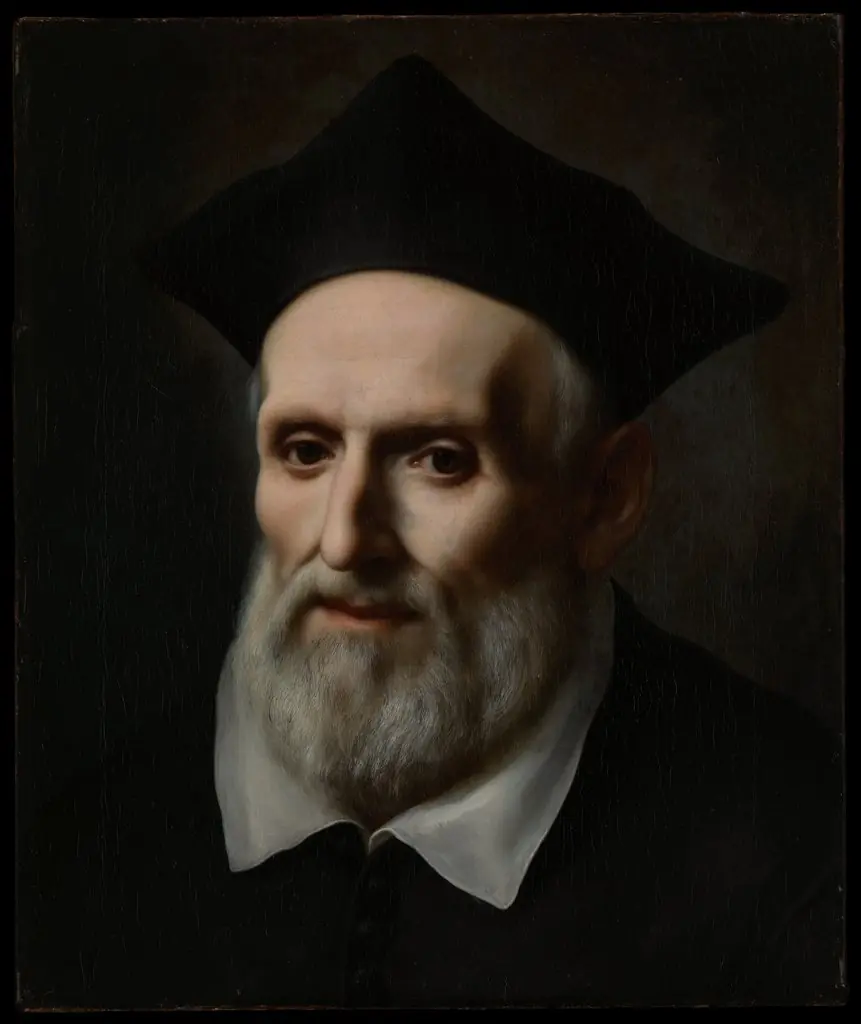
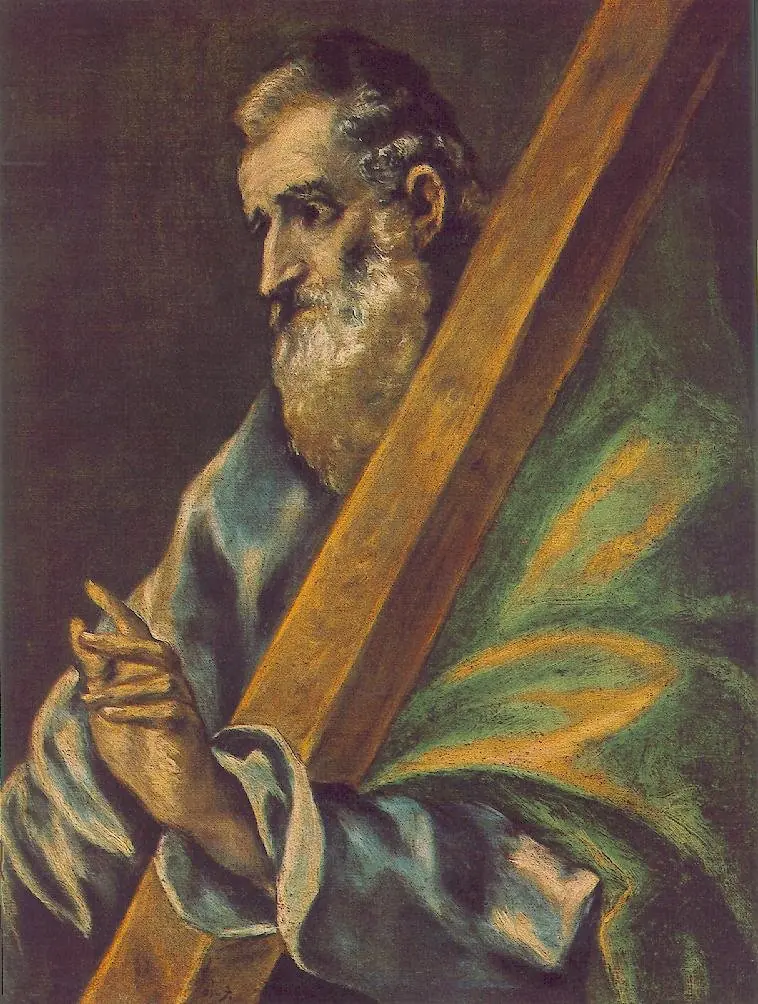
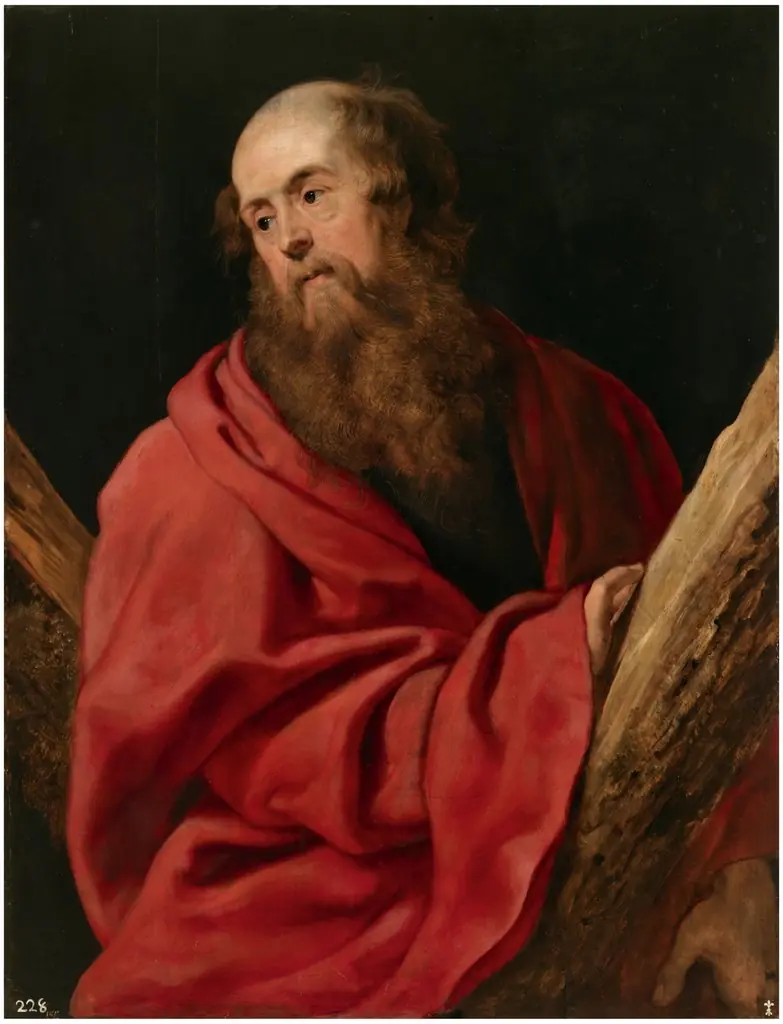
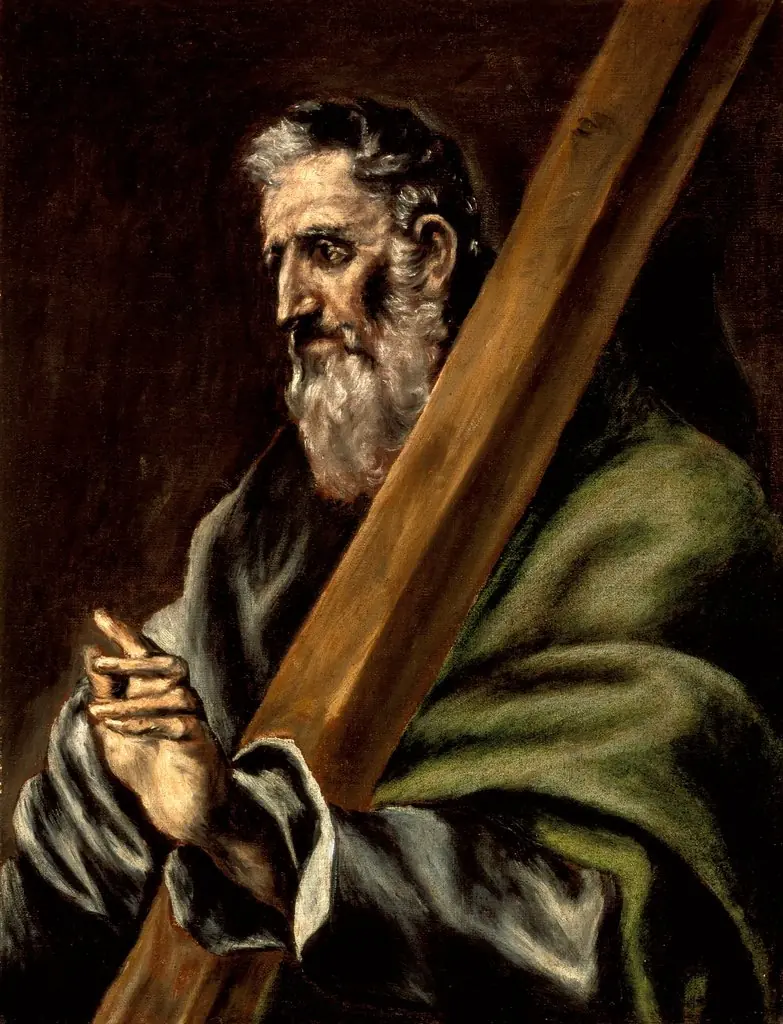
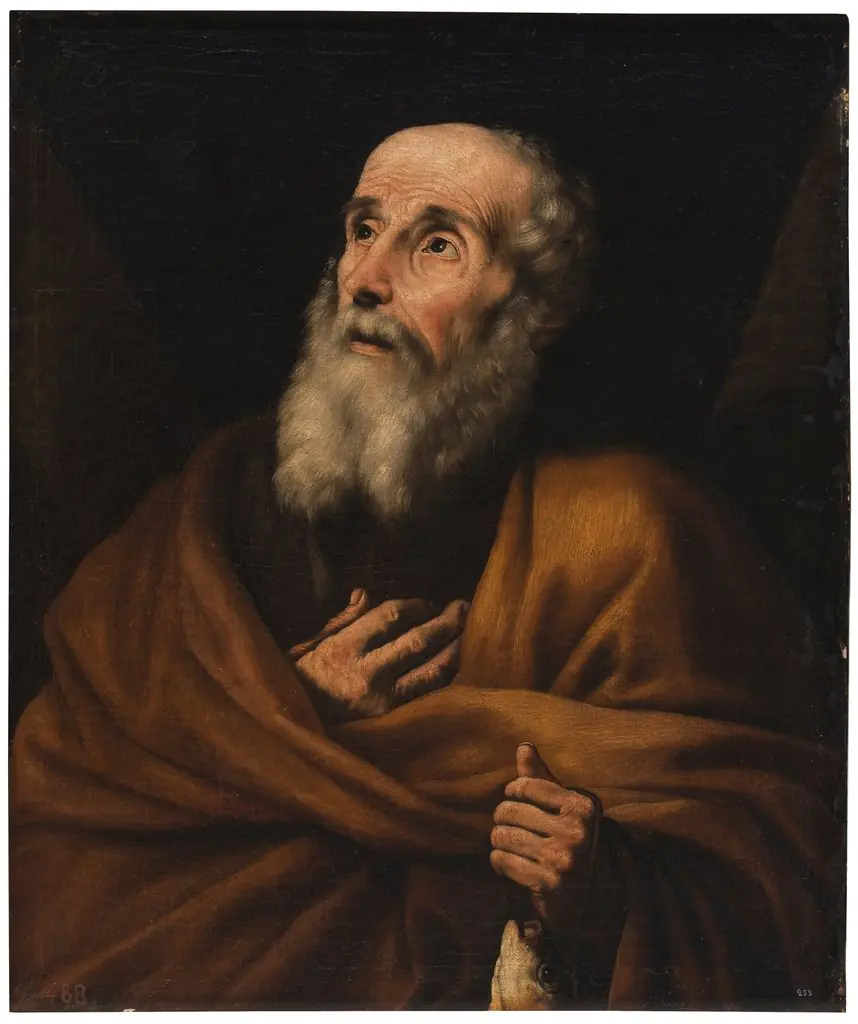
Saint Andrew the Apostle is an oil painting by the High Baroque Italian artist Carlo Dolci. It dates from 1658 and is held in the collection of the Statens Museum for Kunst.
About this work
Subject & Meaning
As the main subject of the composition, the apostle is portrayed in a manner consistent with the genre of religious art, focusing on his identity as a saint.
The painting depicts Andrew the Apostle, a central figure in Christian tradition, rendered as a religious work by Carlo Dolci in 1658. As the main subject of the composition, the apostle is portrayed in a manner consistent with the genre of religious art, focusing on his identity as a saint. The artwork serves to represent the veneration of Andrew, utilizing the medium of oil paint on canvas to convey his spiritual significance within the context of 17th-century devotional imagery.
History & Provenance
Carlo Dolci painted Saint Andrew the Apostle in 1658 as an oil on canvas work portraying the apostle Andrew. The painting is part of the collection at the Statens Museum for Kunst, where it is catalogued within the religious art genre. Its dimensions measure 804.0 cm in height and 673.0 cm in width, and it was created using oil paint on canvas.
The work was completed in the late 17th century and reflects Dolci’s focus on devotional subjects, specifically the apostolic figure of Andrew.
The painting Saint Andrew the Apostle by Carlo Dolci (1658) is housed at the Statens Museum for Kunst, where it is catalogued under the inventory number 754-1937. It was first exhibited in the museum’s collection display in 1937 and has been featured in subsequent exhibitions of Baroque religious art, including a 1983 survey of Dolci’s works and a 2005 presentation on European saints in painting.
Overview
Carlo Dolci, a Florentine painter active in the mid‑seventeenth century, completed an oil painting titled Saint Andrew the Apostle in 1658. Executed within the High Baroque idiom, the work presents the apostle in a solemn pose, rendered with the meticulous finish characteristic of Dolci’s religious commissions. The canvas is part of the permanent collection of Denmark’s Statens Museum for Kunst.
Technique & Style
Dolci employs a restrained palette of deep reds and blues, using subtle chiaroscuro to model the saint’s form against a dark background. The surface shows fine glazing that builds luminous layers, while modest impasto on the fabric and cross adds tactile depth. The overall effect balances the Baroque emphasis on drama with Dolci’s characteristic precision.
Artist & collection
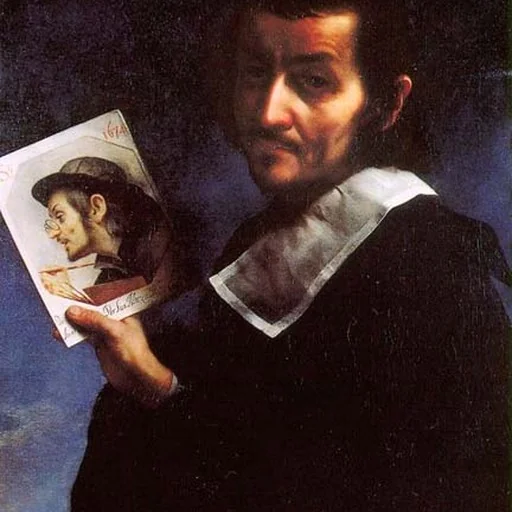
Artist
Carlo (or Carlino) Dolci (25 May 1616 – 17 January 1686) was an Italian Baroque painter active mainly in Florence, known for highly finished religious pictures, often repeated in many versions.