Artwork
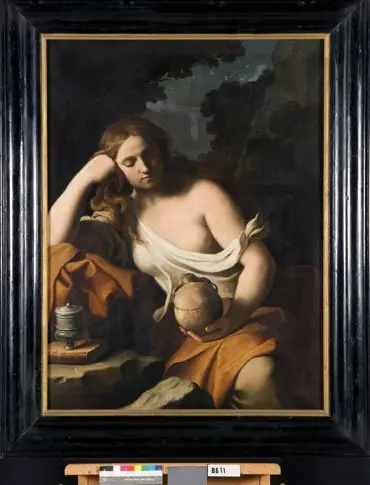
Die büßende Magdalena
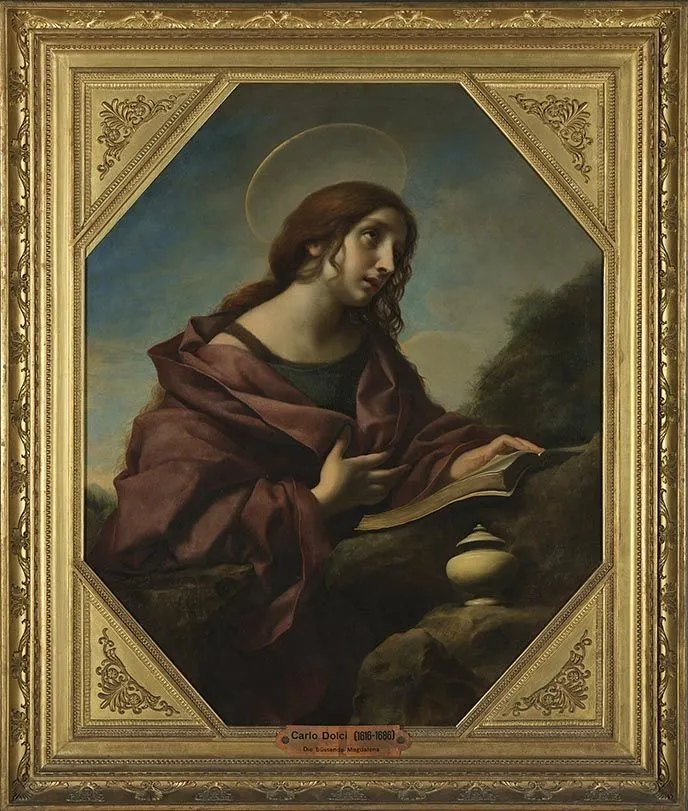
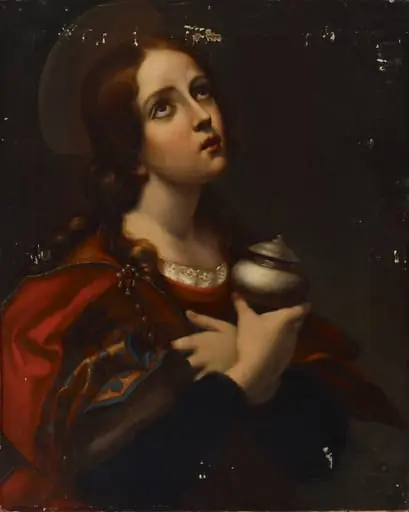
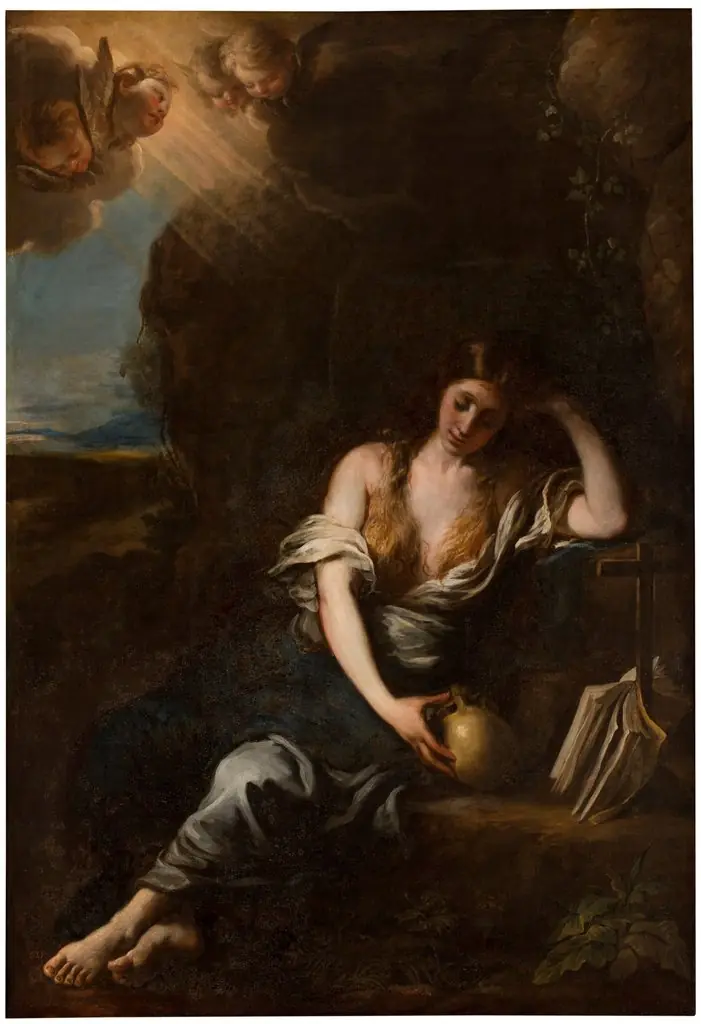
Die büßende Magdalena is an unspecified painting by the Early Baroque Italian artist Carlo Dolci. It dates from 1651 and is held in the collection of the Bavarian State Painting Collections.
About this work
Subject & Meaning
The subject held particular resonance in Counter-Reformation Catholic contexts, where it served as an inspiring example of conversion and devotion.
The painting depicts Mary Magdalene, the penitent saint, a central figure in Christian iconography. She is shown in the traditional role of the "Penitent Magdalene," a popular subject in Baroque religious art that emphasizes themes of repentance, devotion, and spiritual transformation. The work belongs to the religious genre and represents the saint in her contemplative, reformed state following her life as a follower of Christ.
This iconography typically presents Magdalene as a model of penitence and redemption, often shown in solitude with attributes of her former worldly life set aside. The subject held particular resonance in Counter-Reformation Catholic contexts, where it served as an inspiring example of conversion and devotion.
History & Provenance
The painting is held by the Alte Pinakothek in Munich as part of the Bavarian State Painting Collections.
Its dimensions are 115.8 cm in height and 93.2 cm in width.
There are no documented exhibition histories provided for this work in the cited sources.
Overview
Carlo Dolci, an Italian painter of the early Baroque period, completed the work known as Die büßende Magdalena in 1651. Executed as a devotional image, the painting portrays the biblical figure Mary Magdalene and is part of the collection of the Alte Pinakothek in Munich.
Technique & Style
Dolci applies a refined chiaroscuro, using a soft, luminous glow to model the figure against a muted landscape of trees and sky. The red cloak draped over a dark dress creates a restrained color contrast, and the meticulous finish reflects Dolci’s reputation for careful, detailed rendering typical of his Florentine workshop.
Context
During the mid‑17th century, Italian Baroque art emphasized dramatic lighting and emotional engagement to inspire devotion. Dolci’s work aligns with this trend, yet his approach remains comparatively restrained, favoring delicate modeling over the more theatrical gestures seen in the work of his contemporaries.
Artist & collection
Artist
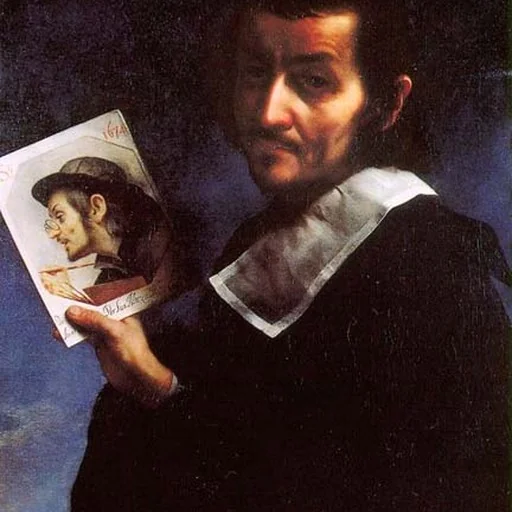
Carlo (or Carlino) Dolci (25 May 1616 – 17 January 1686) was an Italian Baroque painter active mainly in Florence, known for highly finished religious pictures, often repeated in many versions.