Artwork
Boppart
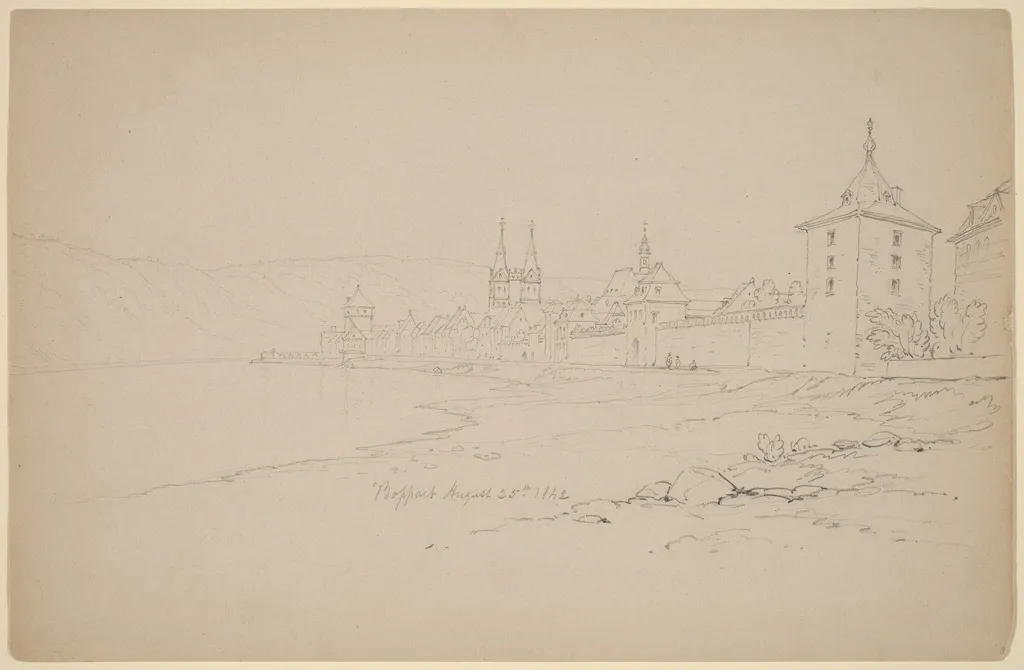
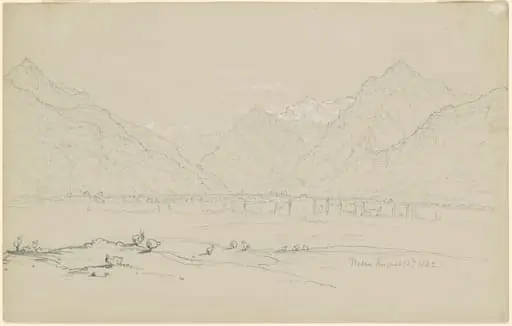
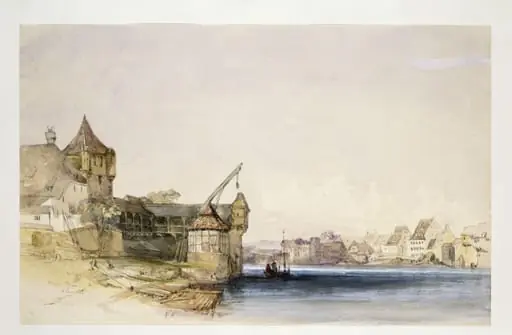
Boppart is a graphite drawing by the Romanticist artist John William Casilear. It dates from 1842 and is held in the collection of the National Gallery of Art.
- Inscription
- Inscribed:lower center in graphite: Boppart August 25th 1842; upper left verso in graphite by unknown hand: 40; along upper right edge of verso in ball-point pen and blue by unknown hand: Germ. No 10
About this work
Overview
John William Casilear’s 1842 drawing, titled Boppart, is executed in graphite on gray wove paper. The work presents a tranquil rural setting, organized into foreground water, a modest settlement in the middle distance, and rolling hills that recede into the background. The composition balances architectural elements with natural forms, inviting the viewer to explore the layered space.
Subject & Meaning
The scene depicts a calm body of water reflecting light, a cluster of buildings anchored by a prominent tower on the right, and gentle hills beyond. The interplay of light on the water’s surface suggests a fleeting moment of atmospheric change, a motif often linked to Romantic ideas of nature’s dynamism and the quiet dignity of everyday life.
Technique & Style
Casilear employs a range of graphite strokes, from fine hatching to broader shading, to model volume and convey texture across sky, water, and stone. The subtle tonal gradations on the gray paper enhance depth, while the crisp linear rendering of the tower contrasts with the softer atmospheric treatment of the landscape, reflecting Romantic sensibilities toward light and mood.
History & Provenance
Created in 1842, Boppart belongs to Casilear’s mature period, during which he frequently produced landscape drawings for American patrons. The work’s provenance traces through several private collections before entering a museum holding in the early 20th century, where it has been catalogued as an example of mid‑19th‑century American Romantic drawing.
Own this work as a print
Artist & collection

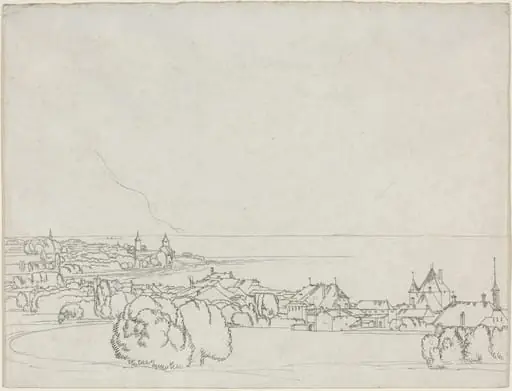
- A View of Vevey with La Tour de Peilz in the Distance
![Hudson River Landing [recto], by Alexander Robertson](https://artifactworldgallery.com/img/alexander-robertson--hudson-river-landing-recto--a7371e92bfced214-w320.webp) Hudson River Landing [recto]
Hudson River Landing [recto] Schloss Lindenfels bei Weinheim im Odenwald
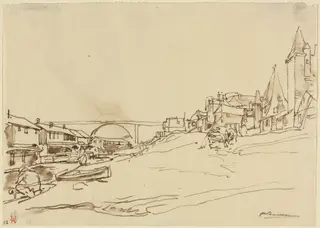 The House of the King of Poland (Angers)
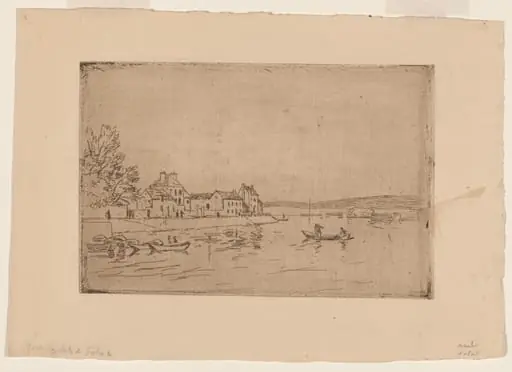 On the Banks of the Loing: Six Boats at their Moorings
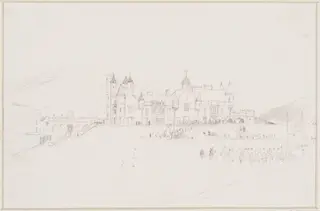 Holyrood Castle
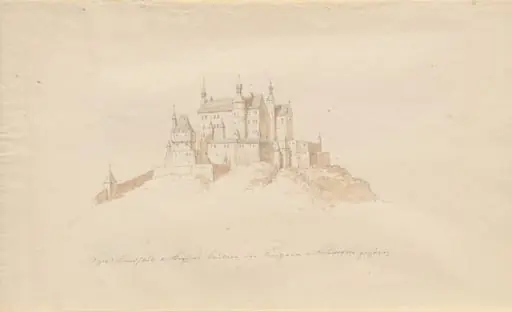 Schloss Landstuhl b. Kaisers, Lautern, den Prinzen v. Sickingen gehürig
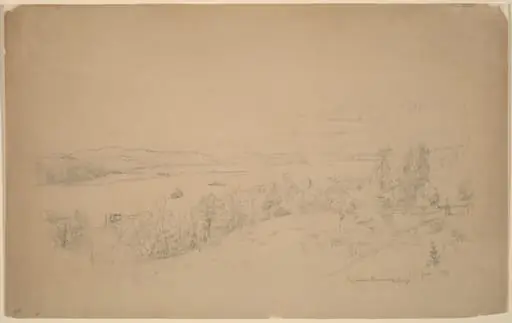 The Hudson River at Hastings
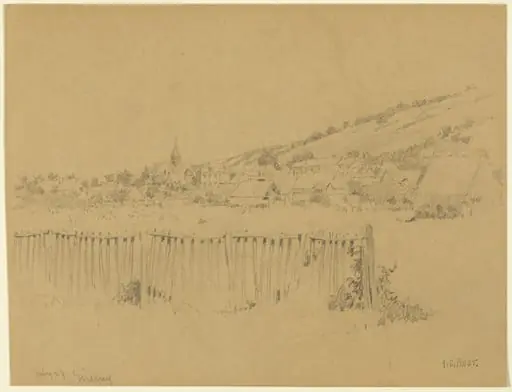 View of Giverny
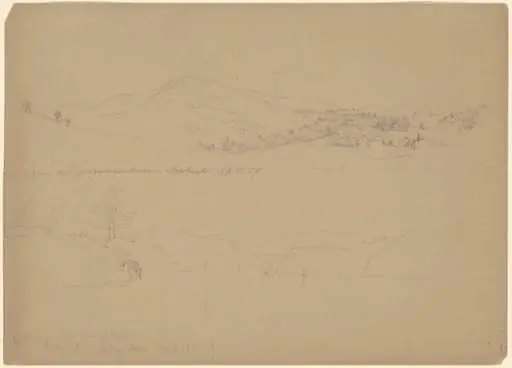 Landscapes
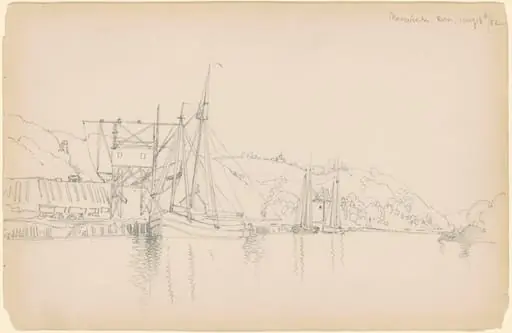 Norwich, Connecticut
 View at Basle