Artwork
Holyrood Castle
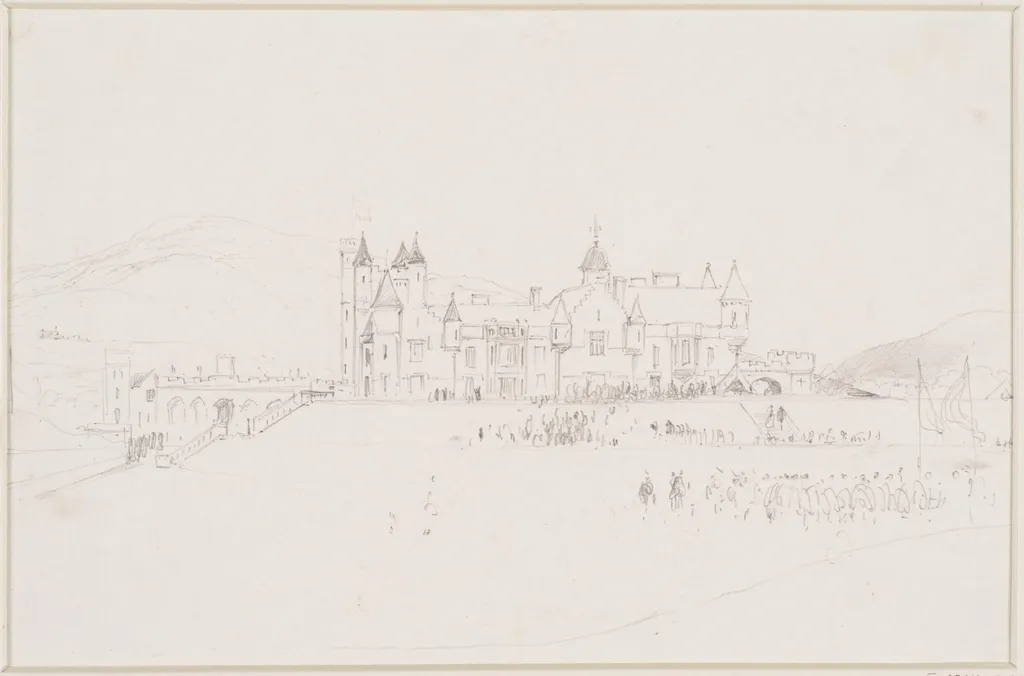
Holyrood Castle is a drawing by the Romanticist artist Edward Cooke. It dates from 1838 and is held in the collection of the Victoria and Albert Museum.
About this work
Overview
Created in 1838 by Edward Cooke, this pencil drawing depicts Holyrood Castle in Edinburgh. Executed with swift, light strokes, the work captures the building’s imposing silhouette against an open sky. The sketch is unpolished, emphasizing immediacy over detail, and remains part of the Victoria and Albert Museum’s collection as an example of 19th-century topographical drawing.
Subject & Meaning
The drawing centers on Holyrood Palace, a historic royal residence, framed by its surrounding landscape. A scattering of small human figures near a bridge and river suggests daily life at the site’s edge. The contrast between the monumental architecture and the fleeting presence of people underscores a quiet contemplation of place, time, and human scale within a historic setting.
Technique & Style
Cooke employed loose, minimal pencil lines to suggest form rather than define it. Areas of the paper remain untouched, allowing negative space to imply atmosphere and distance. The absence of heavy shading or detail reflects a spontaneous, observational approach, aligning with Romantic-era tendencies to prioritize mood and transient visual impressions over precise representation.
History & Provenance
The drawing entered the Victoria and Albert Museum’s collection as part of its broader holdings in British graphic art. While little is documented about its early ownership, its preservation suggests it was valued as a record of architectural form and topographical study during a period when sketching was a common practice among travelers and artists.
Context
In the 1830s, British artists increasingly turned to historic sites for subject matter, often sketching on-site as part of a growing interest in national heritage. Cooke’s work reflects this trend, capturing Holyrood not as a grand monument but as a lived-in ruin embedded in a natural and social landscape, resonating with Romantic ideals of melancholy and reverence for the past.
Legacy
Though not widely exhibited, the drawing endures as a quiet testament to the practice of amateur and professional sketching in the early Victorian era. Its unembellished style offers insight into how artists engaged with architecture, not as static subjects, but as evolving elements within a dynamic environment, influencing later documentary approaches to landscape and heritage.
Own this work as a print
Artist & collection

Artist
This British artist spent decades drawing Scotland’s skylines and shores in pencil and ink.


- Buildings flanking the Inner Harbour, Macau
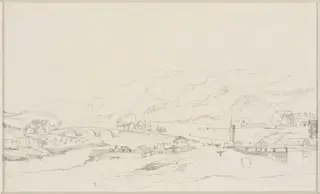 Fort William, Scotland
![Chatsworth [recto], by David Cox](https://artifactworldgallery.com/img/david-cox--chatsworth-recto--3f4d97adb21a8333-w320.webp) Chatsworth [recto]
Chatsworth [recto]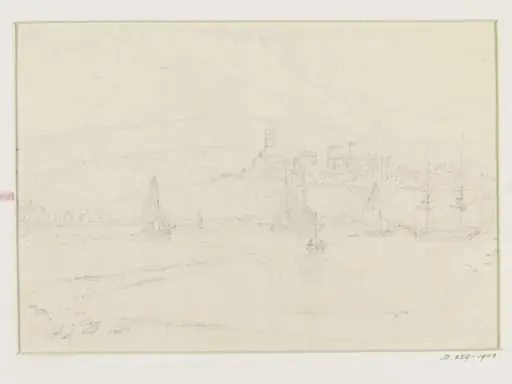 Lancaster Castle
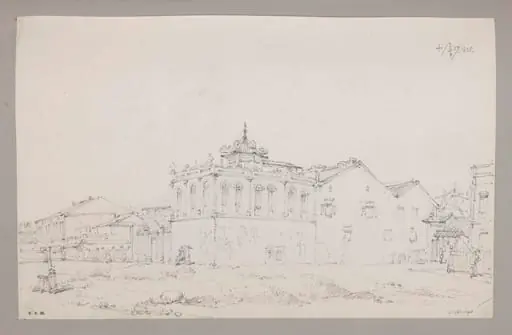 Chinqua's house, with entrance to China Street, Canton
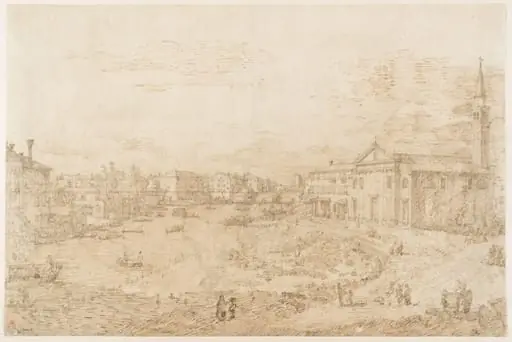 View of Dolo
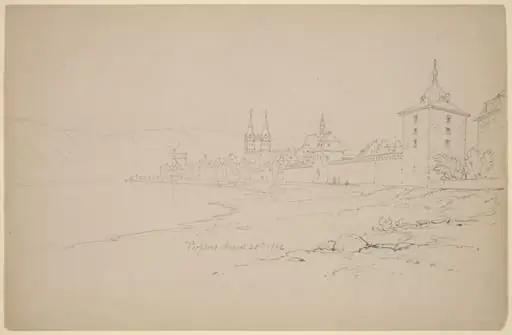 Boppart
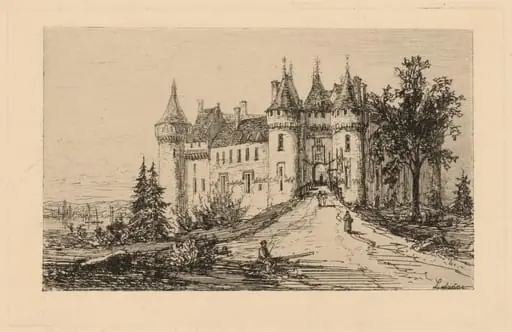 Château de Chaumont
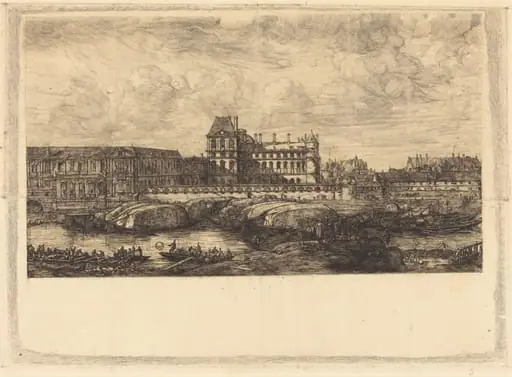 L'ancien Louvre d'après une peinture de Zeeman, 1651 (The Old Louvre, from a Painting by Zeeman, l651)
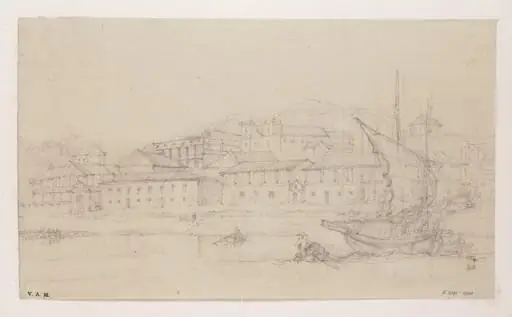 Macau with the church of S. Lourenço
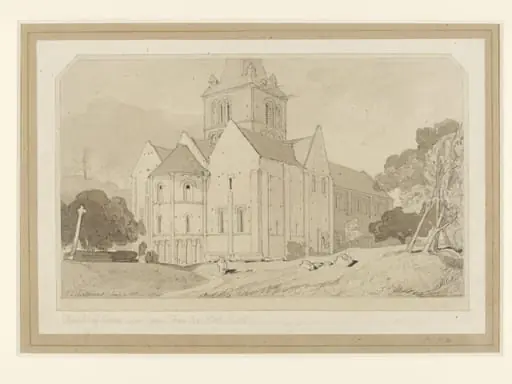 Church of Cheux, near Caen
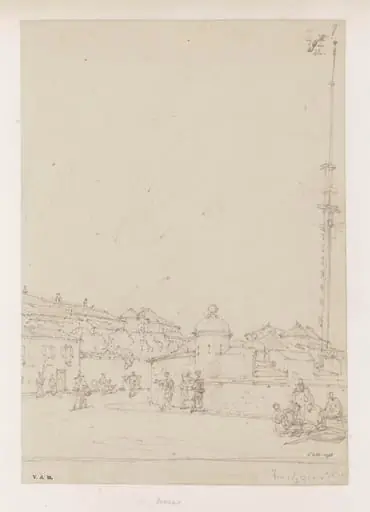 The fort of S. Pedro, Macau