Artwork
Reception of the Dutch ambassador Hieronymus van Beverningk by the Spanish queen-regent Maria-Anna of Austria, 2 March 1671
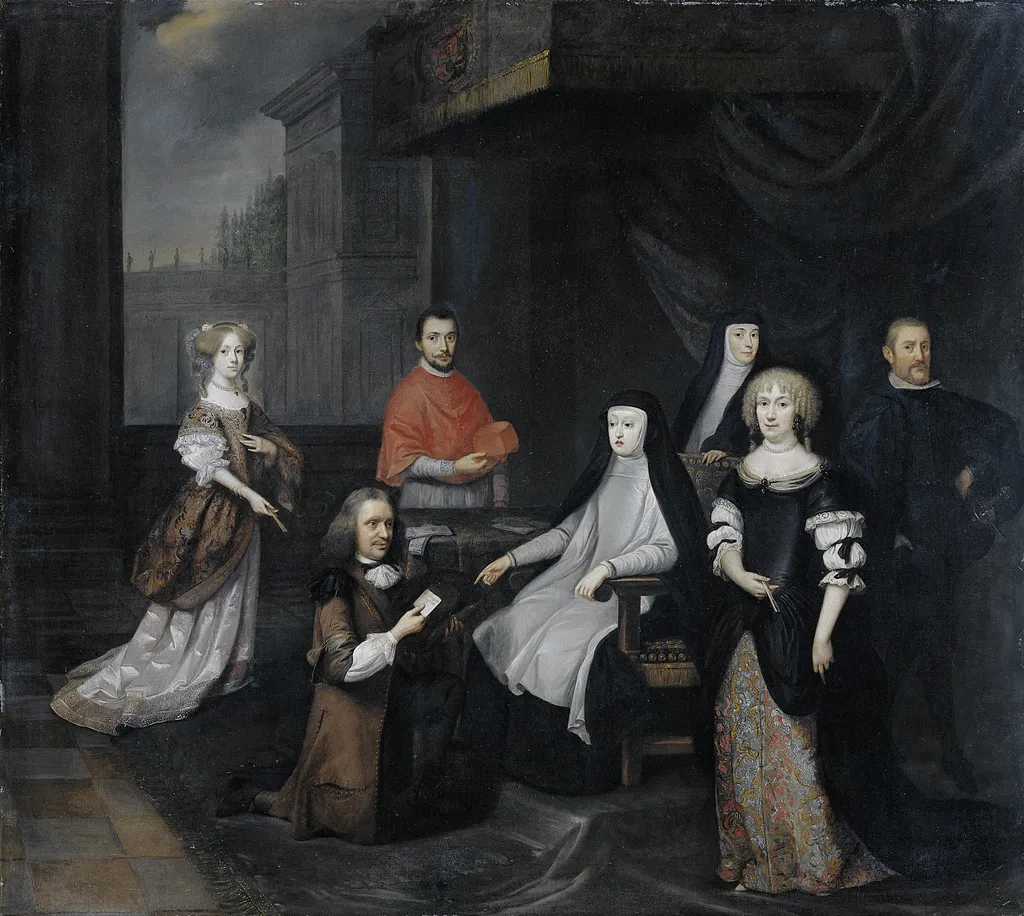
Reception of the Dutch ambassador Hieronymus van Beverningk by the Spanish queen-regent Maria-Anna of Austria, 2 March 1671 is an oil painting by the Dutch Golden Age artist Caspar Netscher. It dates from 1671 and is held in the collection of the Rijksmuseum.
About this work
Technique & Style
Stylistically, the painting is classified as a portrait, consistent with Netscher's reputation for elegant depictions of diplomatic and aristocratic figures.
The work is executed in oil paint on canvas, a standard support for seventeenth-century Dutch cabinet pictures of this scale. Its modest dimensions, 70 cm in height by 79 cm in width, place it within the intimate, finely finished format associated with Caspar Netscher's courtly portraits.
Stylistically, the painting is classified as a portrait, consistent with Netscher's reputation for elegant depictions of diplomatic and aristocratic figures. The handling of oil on canvas would have permitted the smooth, polished surface and precise detail characteristic of his refined technique.
History & Provenance
Caspar Netscher executed this oil painting on canvas in 1671. The work depicts the reception of the Dutch ambassador Hieronymus van Beverningk by the Spanish queen-regent Maria-Anna of Austria, an event that took place on March 2, 1671. The painting is currently held in the collection of the Rijksmuseum.
Overview
Caspar Netscher’s 1671 oil painting records a diplomatic encounter in which the Dutch envoy Hieronymus van Beverningk is received by the Spanish queen‑regent Maria Anna of Austria. The composition places the queen in a white dress on a chair, flanked by courtiers in rich garments, against a darkly paneled interior that emphasizes the formality of the occasion.
Subject & Meaning
The work captures a moment of state protocol, highlighting the political significance of the Dutch ambassador’s audience with the regent. By portraying the queen seated and the ambassador standing, Netscher underscores the hierarchy and the ceremonial respect accorded to the Spanish court during a period of complex European alliances.
Context
The portrait was produced at a time when the Spanish Netherlands and the Dutch Republic were navigating shifting political relations after the Thirty Years’ War. The presence of Maria Anna, acting as regent for her son Charles II, underscores the importance of diplomatic gestures in maintaining the balance of power in 17th‑century Europe.
![Reception of the Envoy of Poland [recto]](https://artifactworldgallery.com/img/jacques-callot--reception-of-the-envoy-of-poland-recto--b391a89639ee42f8-w320.webp)
Own this work as a print
Artist & collection

Artist
Caspar Netscher was a Dutch painter. He was a master in depicting oriental rugs, silk and brocade and introduced an international style to the Northern Netherlands.

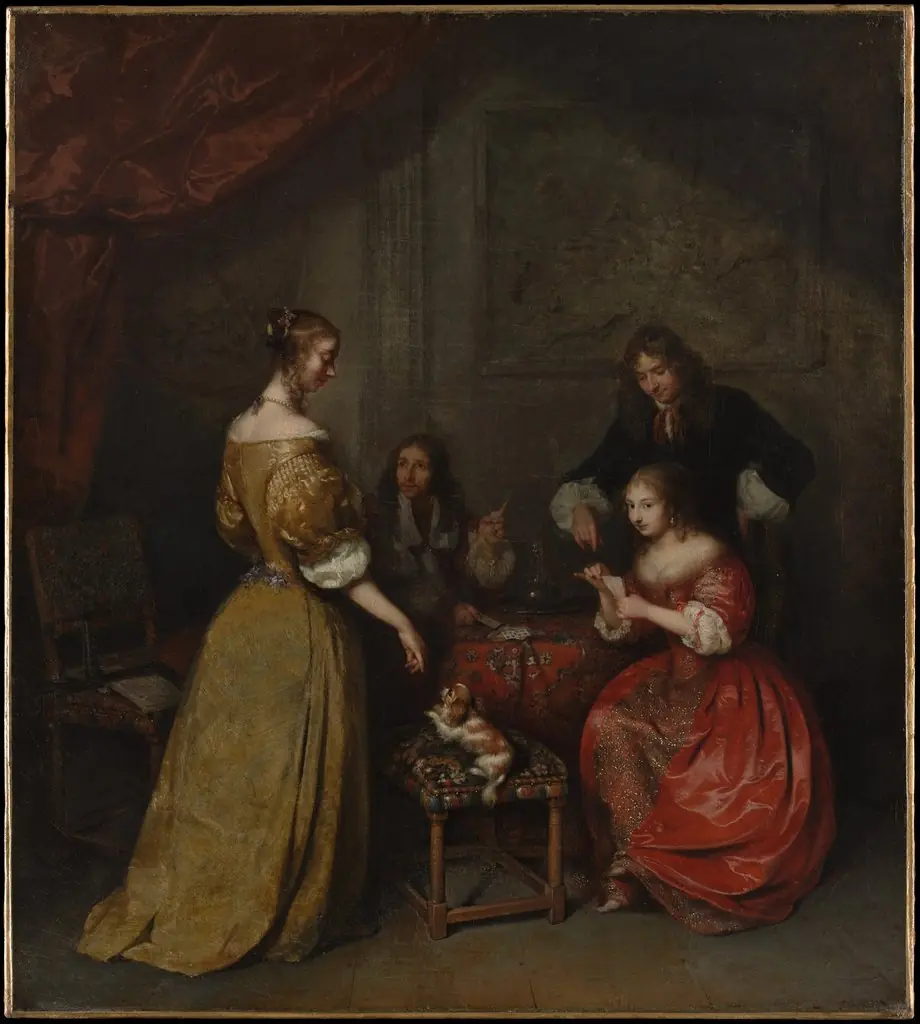 The Card Party
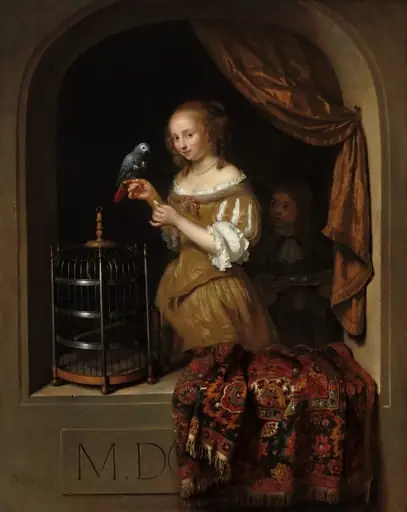 A Woman Feeding a Parrot, with a Page
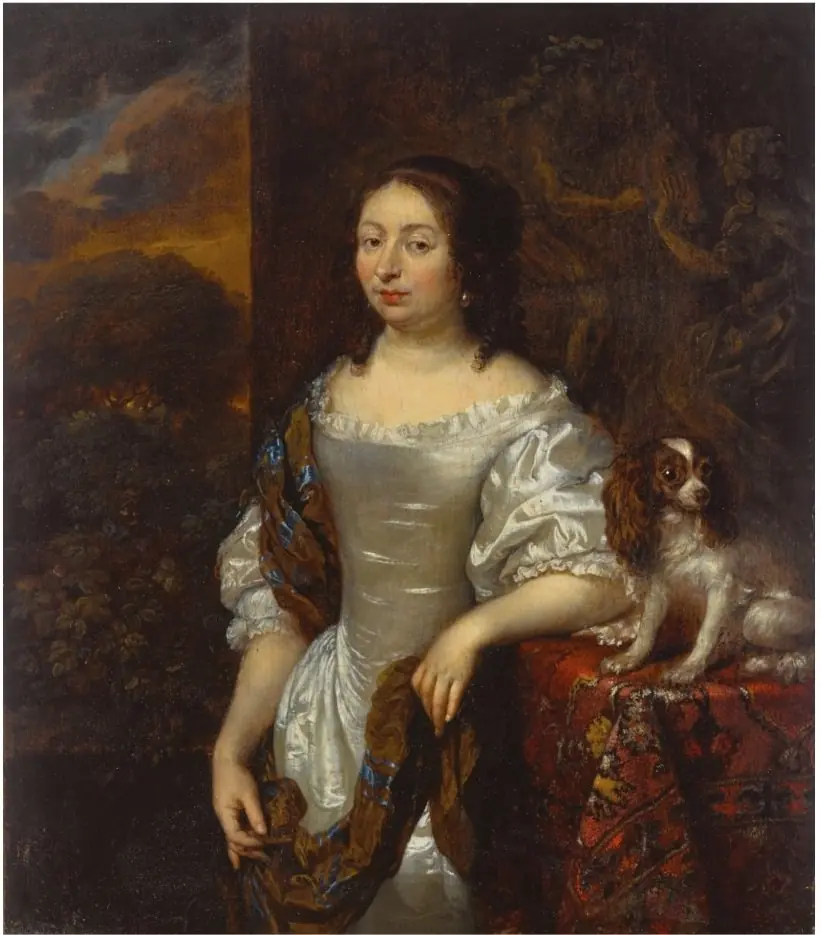 Portrait of a Lady with a Dog on a Table
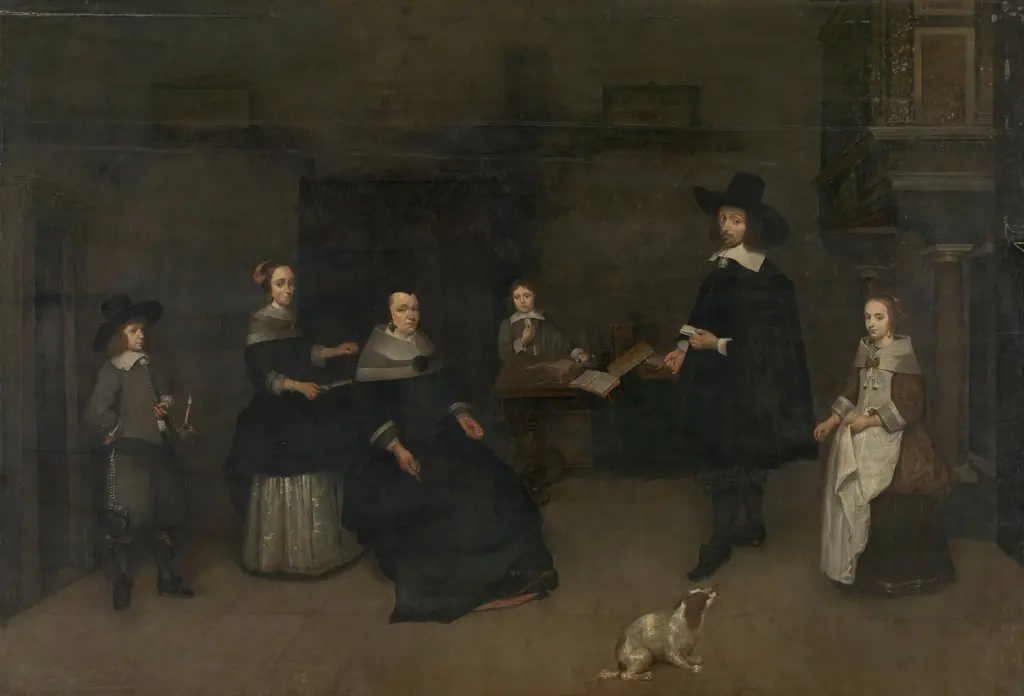 Family scene
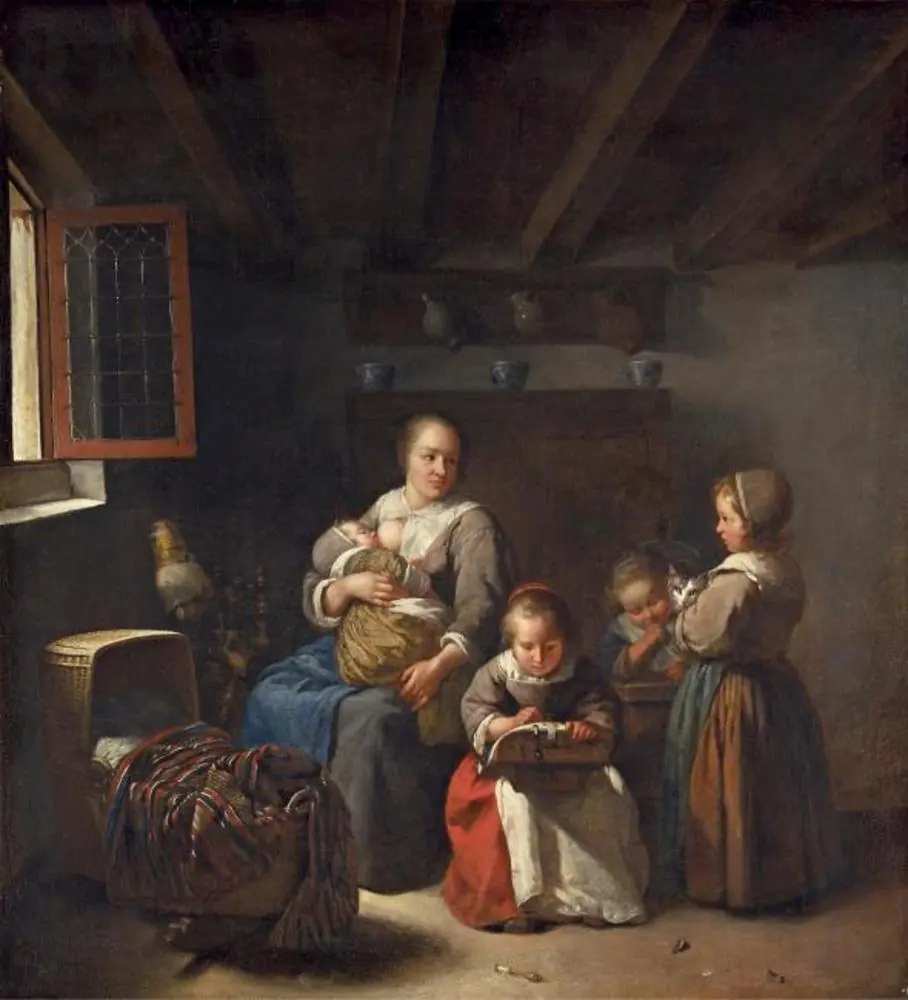 Nursing mother with three girls
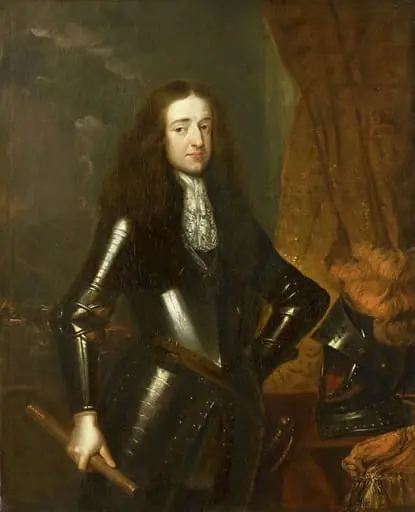 Portrait of Willem III (1650-1702), Prince of Orange and since 1689, King of England
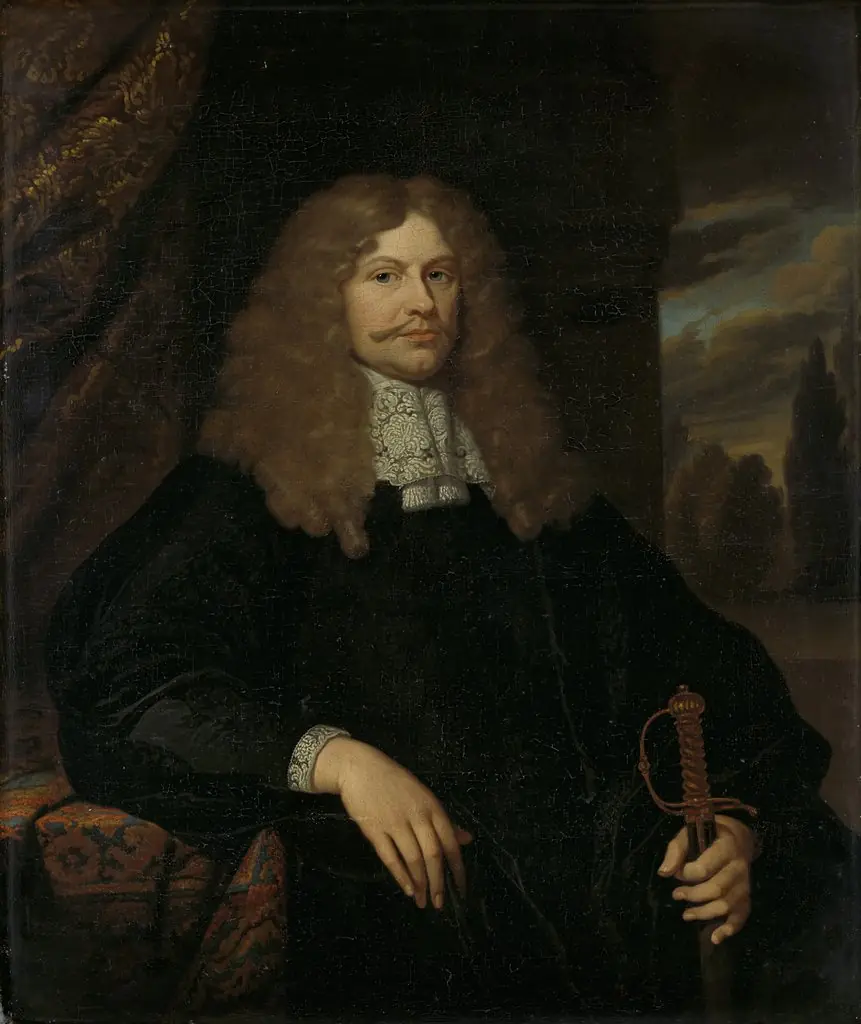 Portrait of Cornelis Backer (1633-81), councillor, alderman, and colonel of the Amsterdam militia
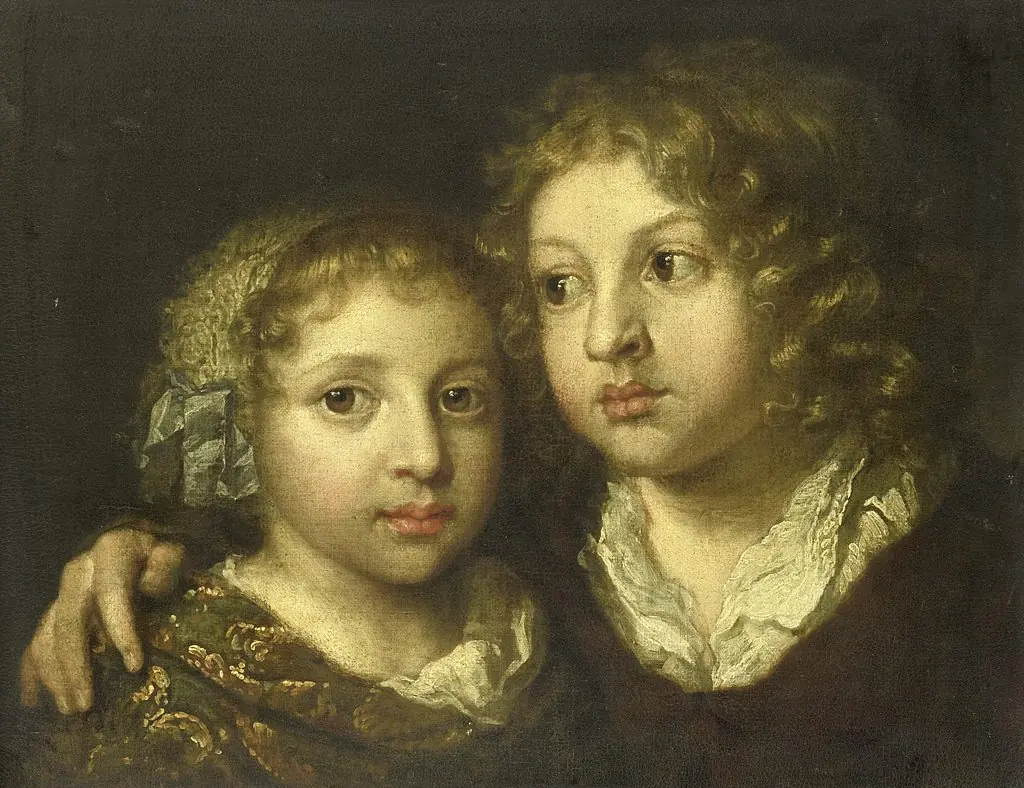 A daughter and a son (Constantijn?) of the artist
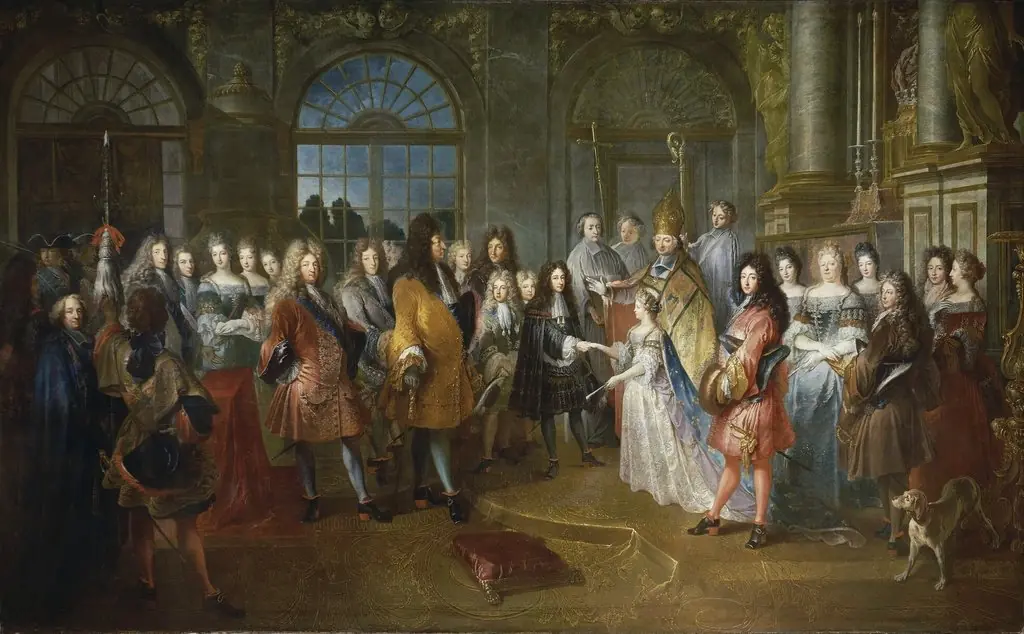 Mariage de Louis de France, duc de Bourgogne et de Marie-Adélaïde de Savoie, 7 décembre 1697
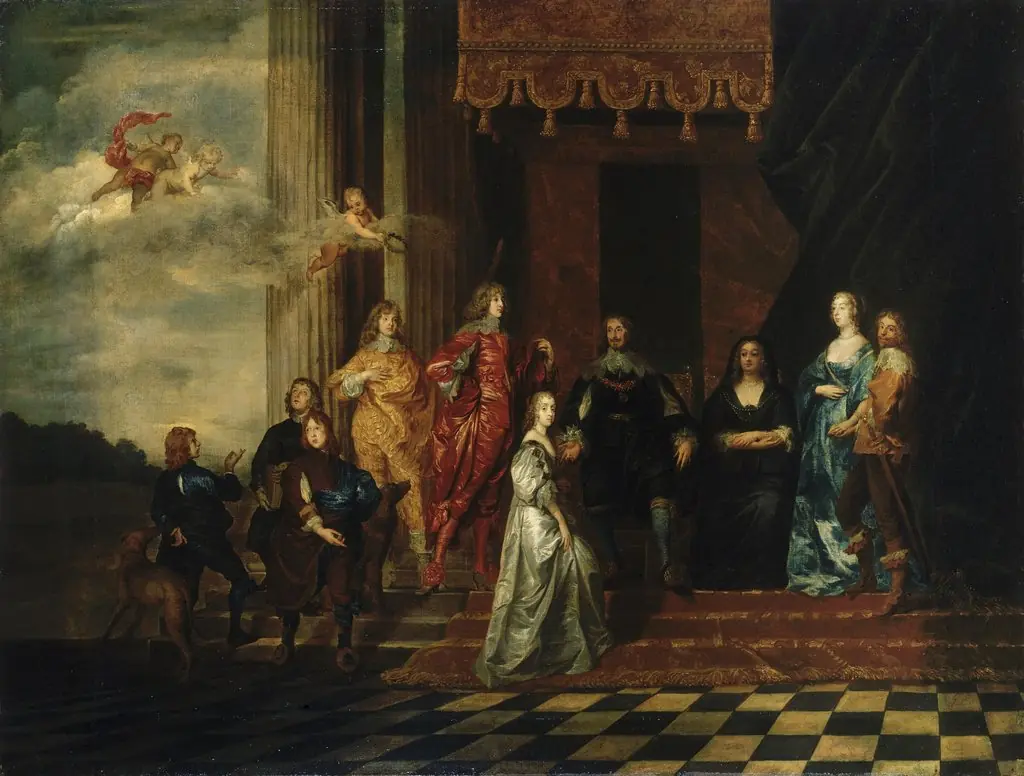 Portrait of the Earl of Pembroke with His Family (copy)
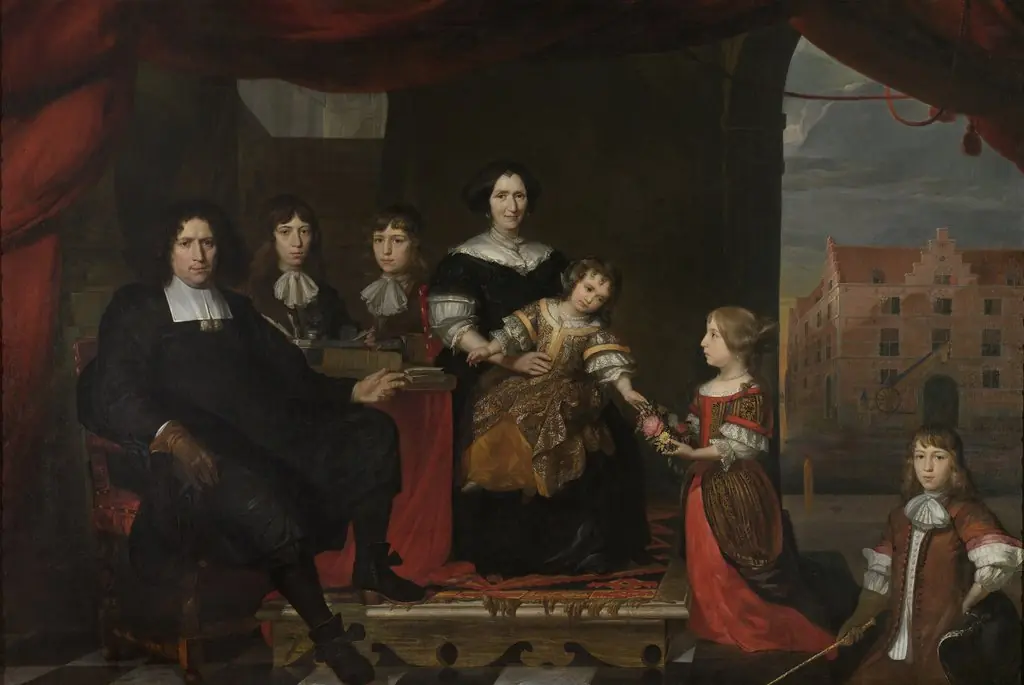 Reyer Reyersz van der Burch (1630-95), ammunition officer attached to the arsenal of the states-general, Delft, with his wife Geertruid Graswinckel and their children
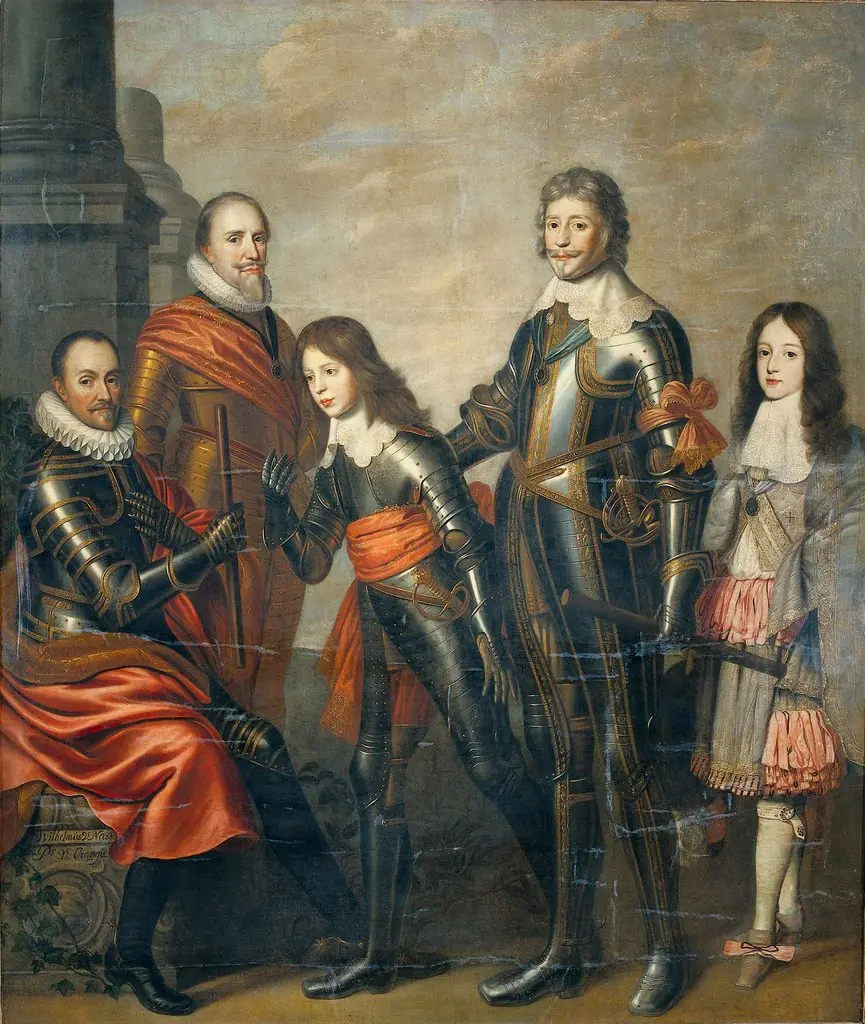 Four Generations of the Princes of Orange: William I, Maurice and Frederick Henry, William II and William III
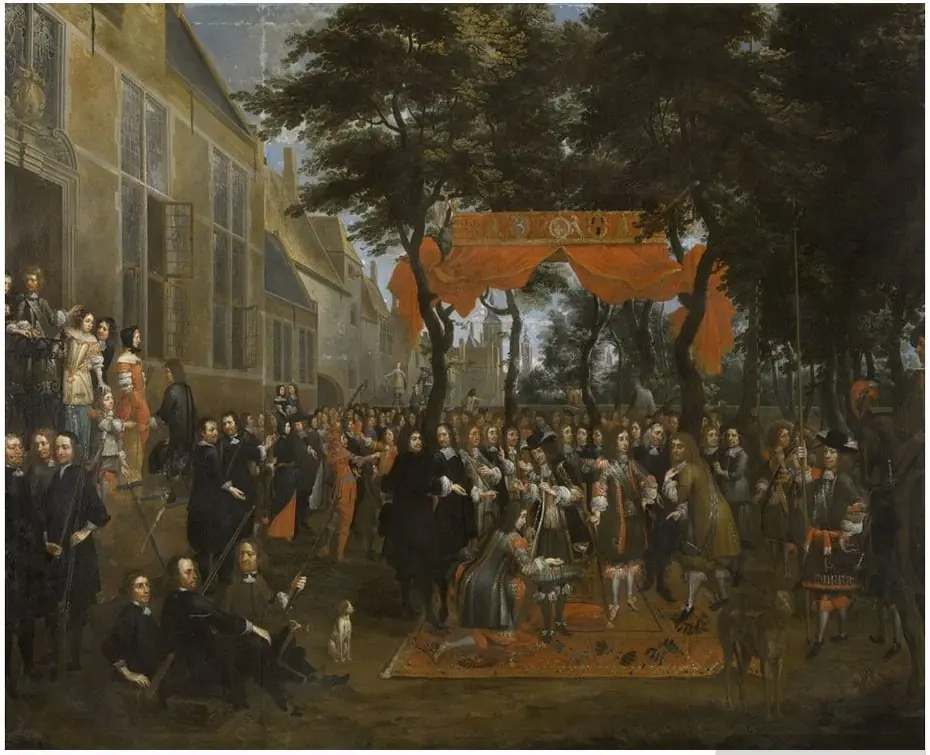 The Reception of Charles II and his Brothers
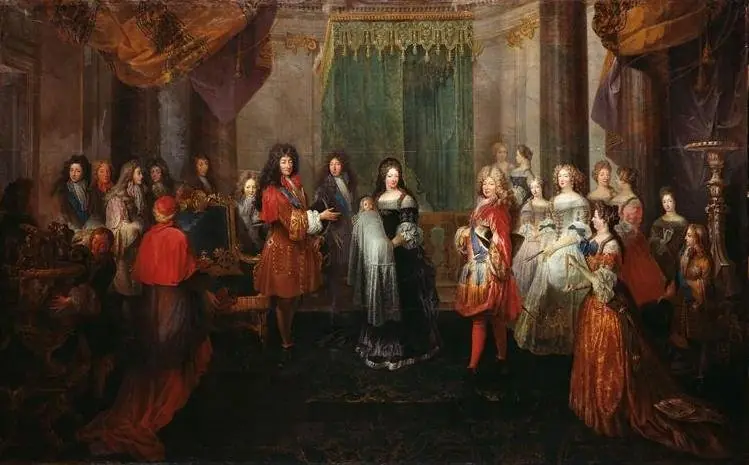 The Birth of the Duke of Burgundy
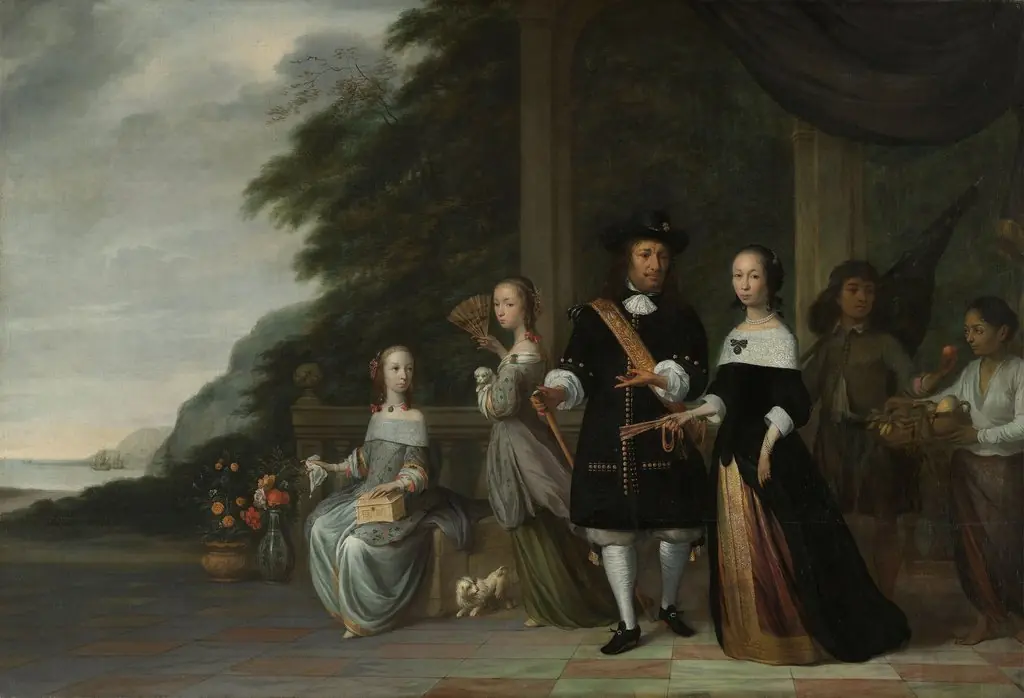 Pieter Cnoll, Cornelia van Nijenrode, their Daughters and Two Enslaved Servants
 Carlos III renuncia a la corona de Nápoles
 Karl XI konung av Sverige med familj
 Decisión del pleito entre religiosos y caballeros