Artwork
The Triumph of Galatea
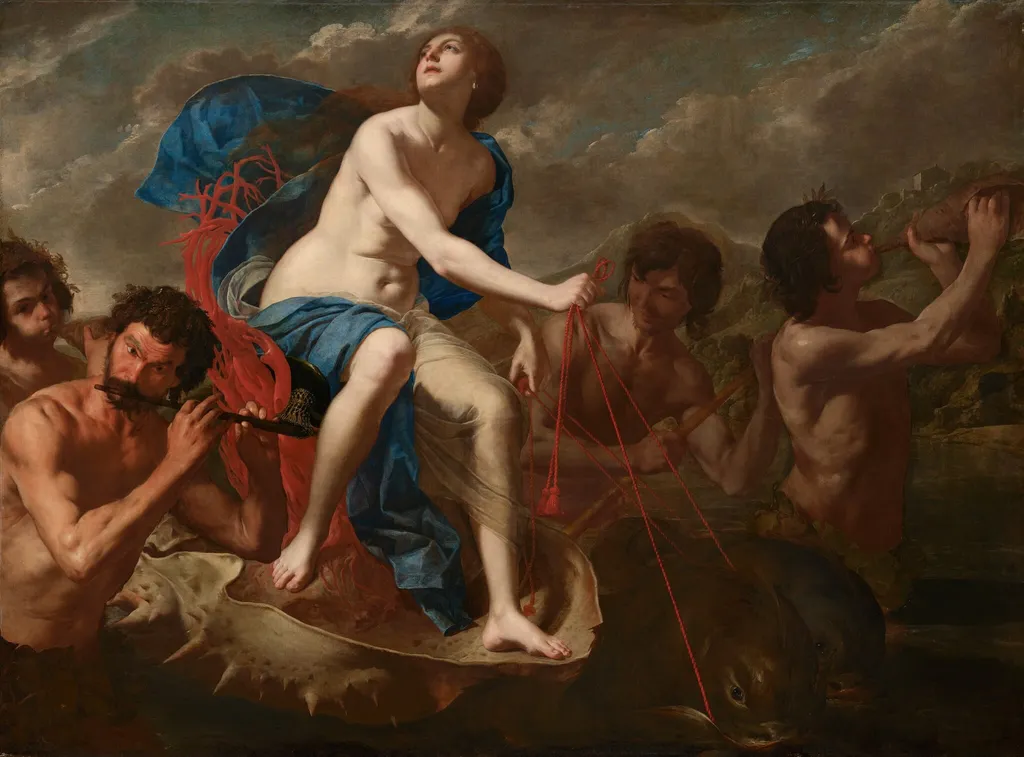
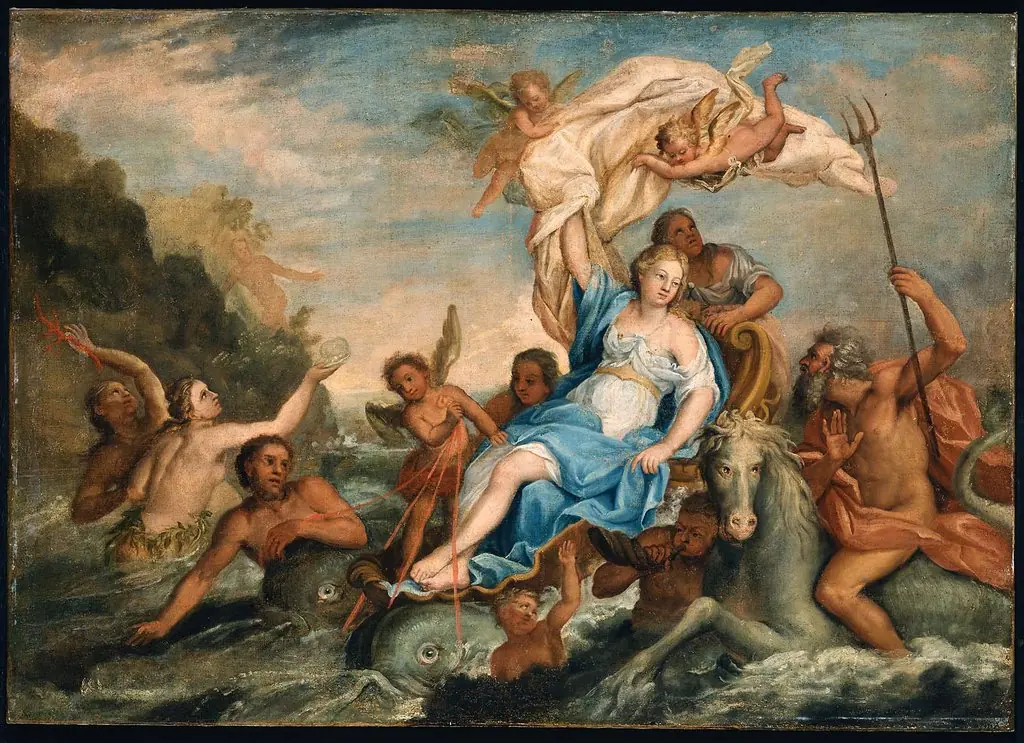
The Triumph of Galatea is an oil painting by the Baroque artist Bernardo Cavallino. It dates from 1650 and is held in the collection of the National Gallery of Art.
About this work
Subject & Meaning
The artwork represents a scene from classical mythology, consistent with the artist's engagement with mythological themes during the mid-17th century.
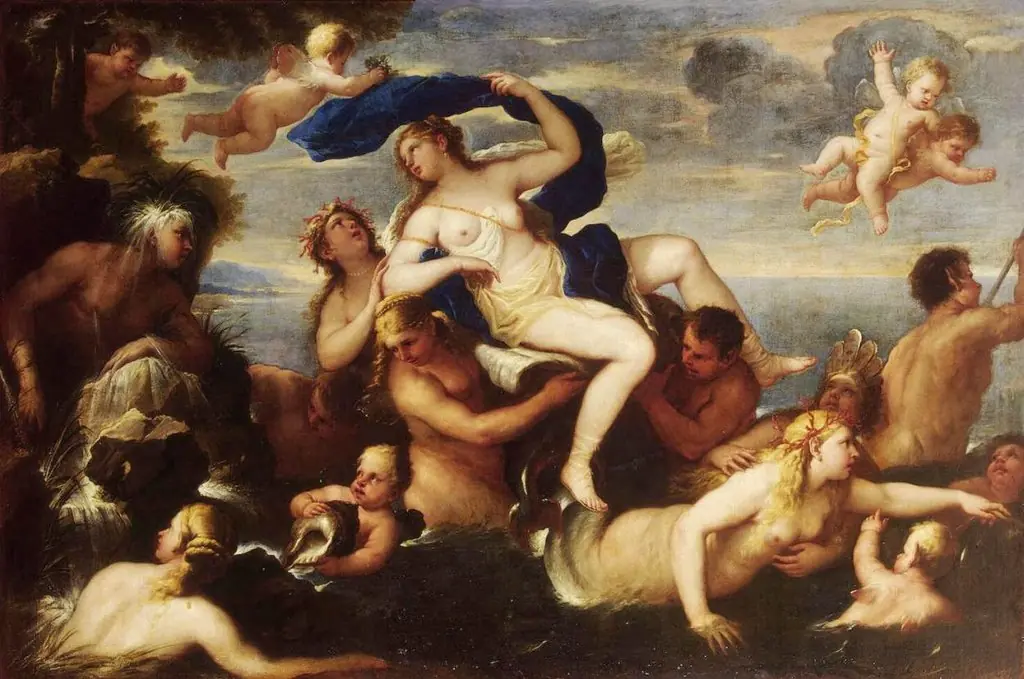
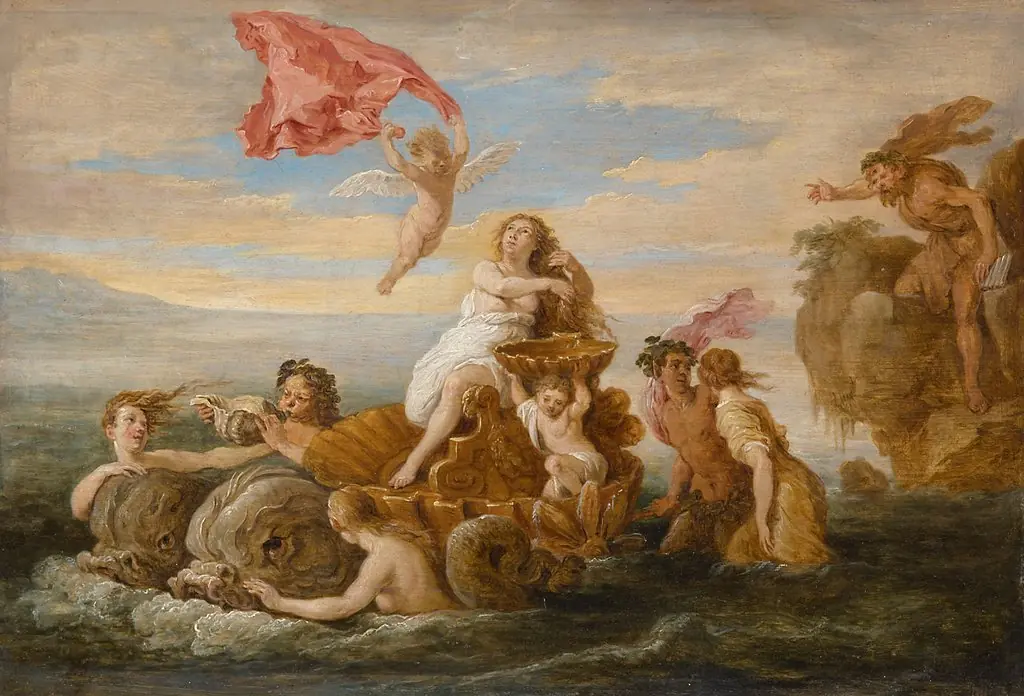
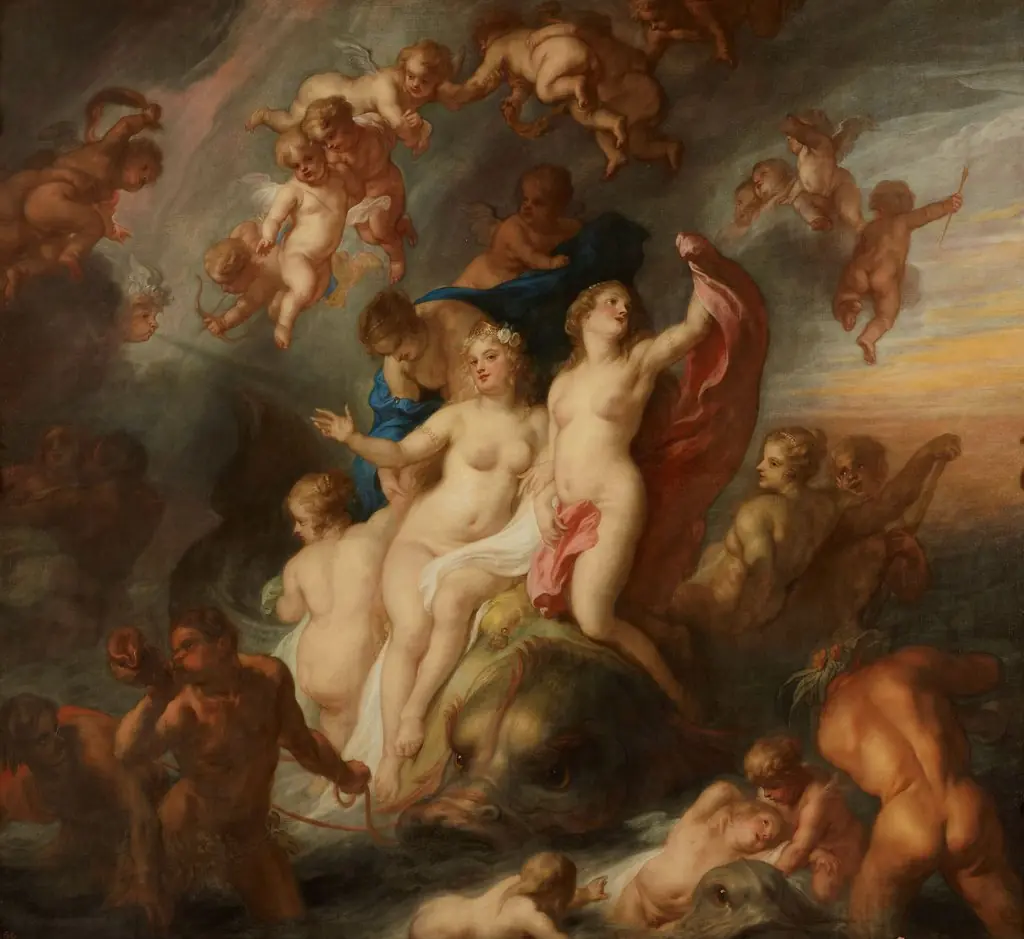
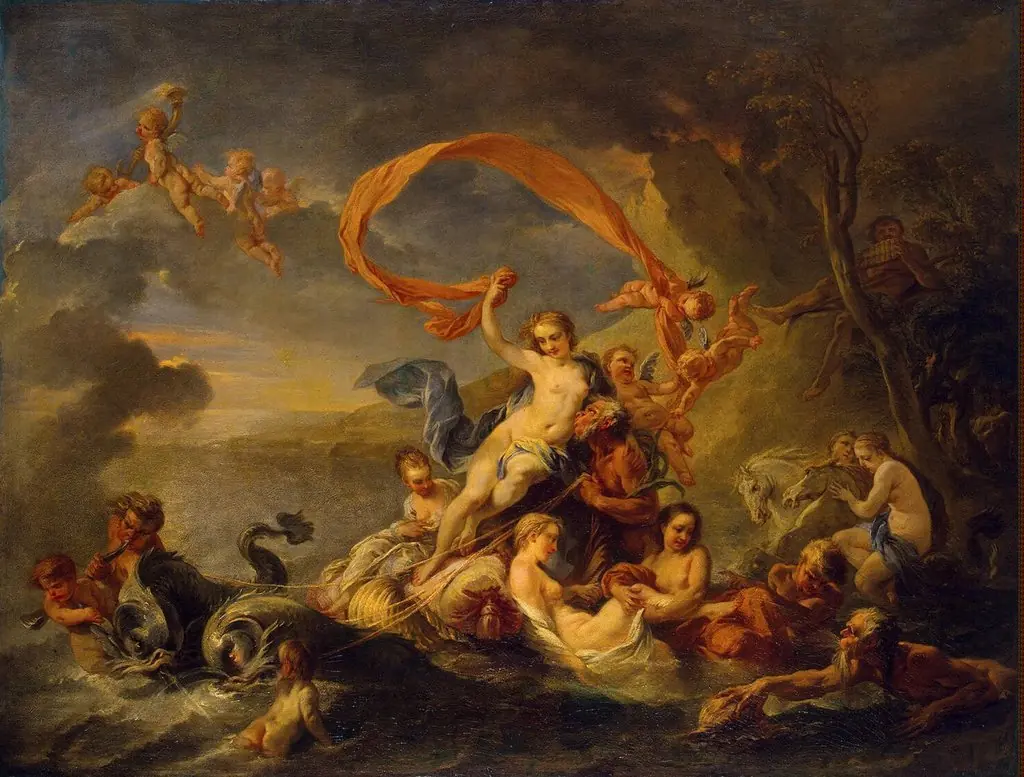
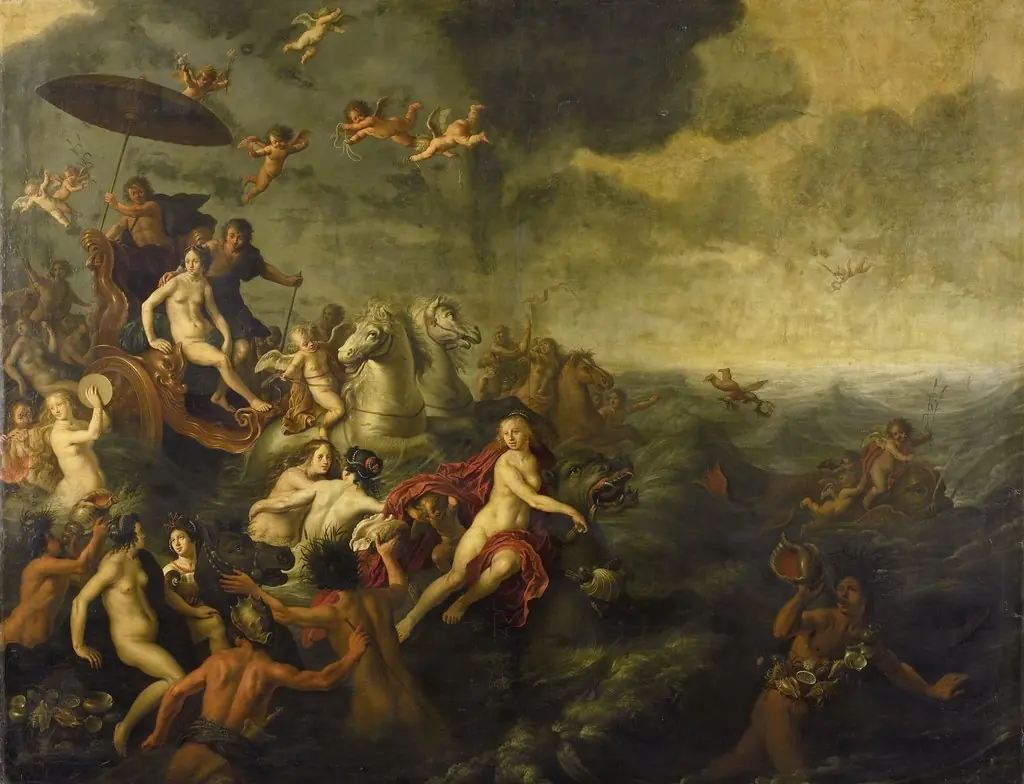
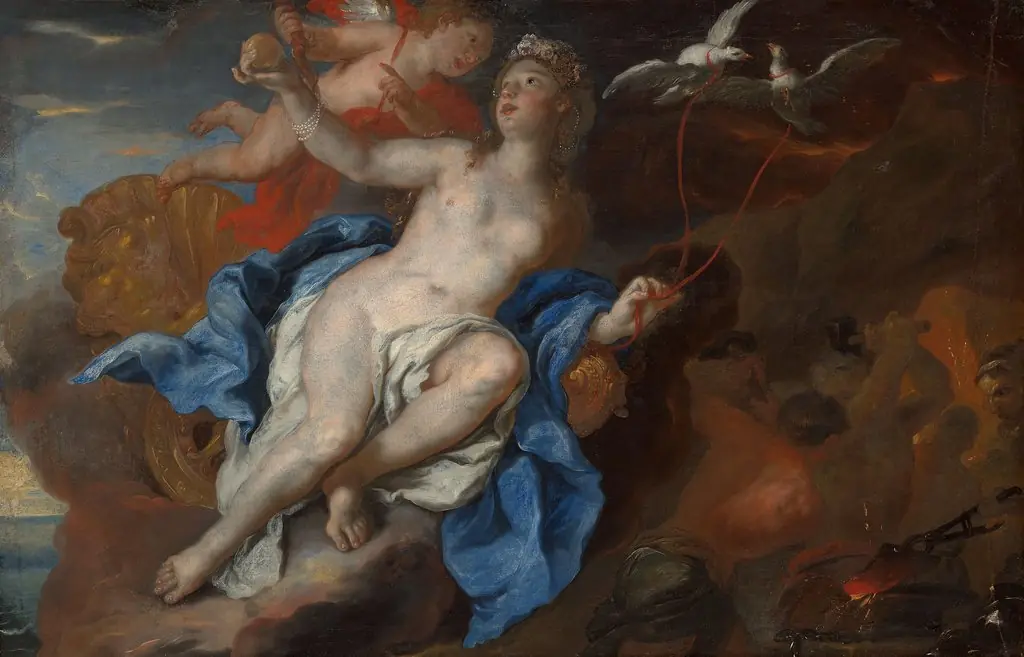
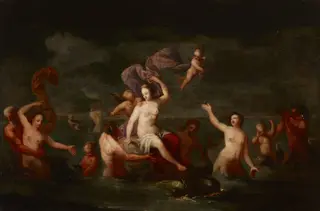
Bernardo Cavallino's The Triumph of Galatea is a mythological painting depicting the sea nymph Galatea. While the specific iconographic details of the composition, such as accompanying figures or symbolic attributes, are not explicitly described in the available records, the work is identified by its genre and primary subject. Historical provenance research notes a description of a Cavallino work showing Galatea riding on the sea accompanied by various putti, which may correspond to this painting's imagery.
The artwork represents a scene from classical mythology, consistent with the artist's engagement with mythological themes during the mid-17th century. Although early theories linked the canvas to a commission involving Artemisia Gentileschi, technical analysis and inventory discrepancies suggest the extant work is solely by Cavallino, focusing on the triumphal presentation of the nymph.
Technique & Style
The Triumph of Galatea is executed in oil on canvas, a support typical of 17th‑century Neapolitan painting, and measures roughly 152 cm in height by 205 cm in width, as recorded in the National Gallery of Art’s cataloguing data. The work was created circa 1650 and depicts the mythological figure Galatea, a subject drawn from classical mythology. Technical study of the painting has not identified evidence of multiple hands, suggesting a unified execution by a single artist rather than a collaborative workshop production.
The composition is classified as a mythological painting, reflecting the Baroque interest in dynamic, flesh‑rendered figures set within a fluid, seascape setting.
History & Provenance
The Triumph of Galatea was painted by Bernardo Cavallino around 1650. Its early history remains uncertain. The painting has been tentatively linked to a commission from Don Antonio Ruffo, a prominent collector in Messina, who reportedly awarded a commission to Artemisia Gentileschi; however, discrepancies between the Ruffo inventory description and this canvas, combined with technical evidence showing no evidence of multiple hands, make this attribution unlikely.
More recently, scholar Christopher Marshall proposed an alternative provenance, connecting the work to a "Galatea" by "Bernardo Cavalliero" recorded in the collection of Antonio Arici in Naples. The painting surfaced on the art market in Genoa around 1974, then entered a private collection in Switzerland. It was handled by Hazlitt, Gooden and Fox, London, in 1981–1982, before passing to Saul P. Steinberg of New York.
On 1 June 2000, it was purchased by the National Gallery of Art, Washington, D.C., through Richard Feigen and Co., New York.
The Triumph of Galatea by Bernardo Cavallino, dated 1650, is held by the National Gallery of Art in Washington, D.C. Its provenance traces from the art market in Genoa around 1974 to a private collection in Switzerland, followed by Hazlitt, Gooden and Fox in London during 1981–1982. It then passed to Saul P. Steinberg (1914–1999) in New York before being purchased on 1 June 2000 through Richard Feigen and Co., New York, by the NGA. Earlier scholarly debate linked the work to a commission from Don Antonio Ruffo of Messina to Artemisia Gentileschi, though inventory discrepancies and technical examination have undermined that attribution.
Christopher Marshall has proposed an alternative provenance connecting the painting to the collection of Antonio Arici in Naples, which held a comparable Galatea attributed to "Bernardo Cavalliero."
Legacy
The Triumph of Galatea (c. 1650) entered the National Gallery of Art’s collection, cementing its status as a key example of Neapolitan Baroque mythological painting. Its depiction of the sea‑nymph Galatea has been studied for compositional innovations that influenced later Neapolitan artists. Provenance research has questioned an earlier attribution to a commission from Don Antonio Ruffo, instead highlighting a contested link to collector Antonio Arici and a later acquisition through Richard Feigen.
These debates have sustained scholarly attention, positioning the work as a reference point for discussions of Cavallino’s role in shaping 17th‑century representations of myth.
Overview
Bernardo Cavallino, an Italian artist working in Naples during the mid-17th century, completed The Triumph of Galatea around 1650. This oil on canvas painting exemplifies the early Italian Baroque style. It depicts the mythological figure Galatea, shown amidst a dynamic arrangement of other characters and elements that contribute to the narrative. The artwork showcases Cavallino's distinctive approach to mythological subjects.
Context
Created in Naples during the first half of the 17th century, The Triumph of Galatea is a product of the early Italian Baroque movement. Cavallino was a prominent figure in the Neapolitan art scene, known for his ability to synthesize diverse artistic currents. This work reflects the period's broader artistic trends, which favored grand narratives, emotional intensity, and dynamic compositions, often drawing from classical mythology to explore human drama.
Own this work as a print
Artist & collection
Artist
Bernardo Cavallino (25 August 1616 – 1656) was an Italian painter and draughtsman.