Artwork
Galatea and Polyphem
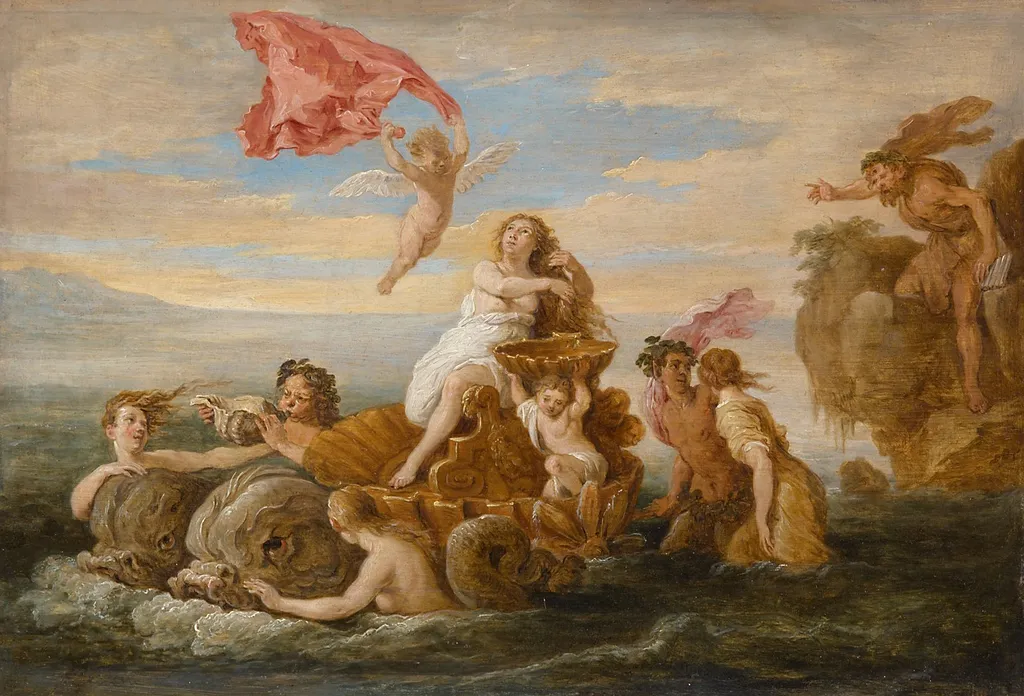
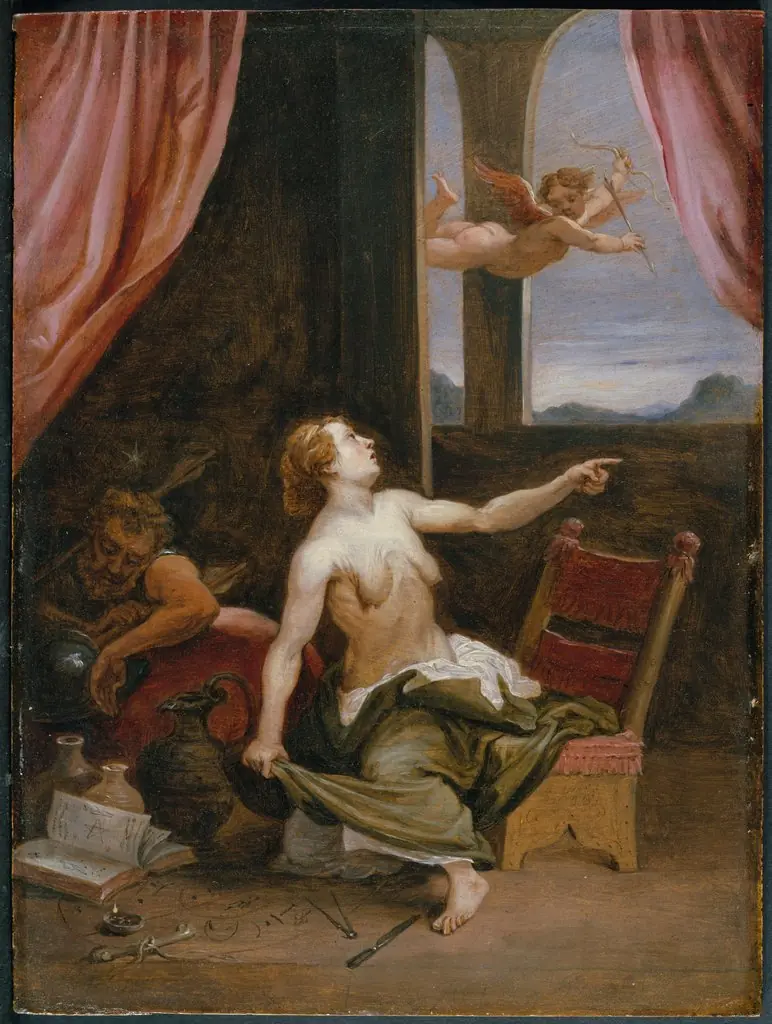
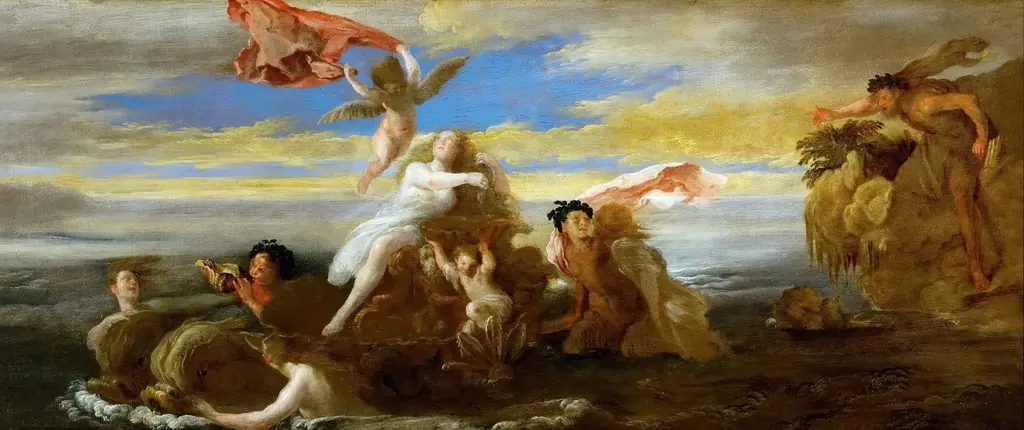
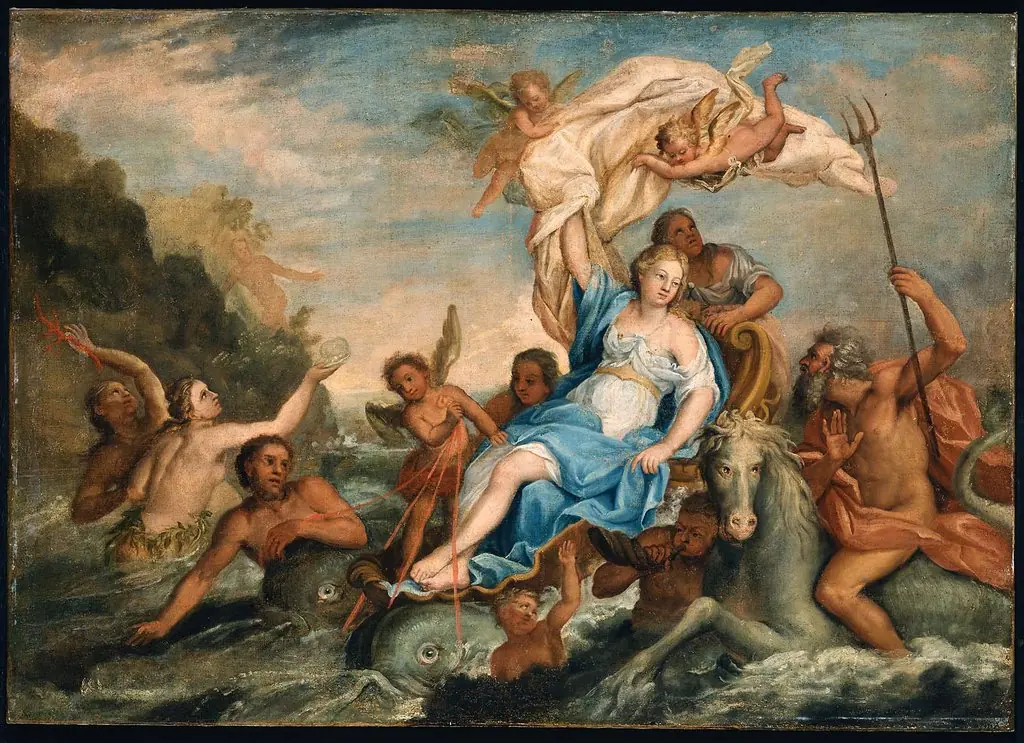
Galatea and Polyphem is an oil painting by the Flemish Baroque painting artist David Teniers the Younger. It dates from 1656 and is held in the collection of the Kunsthistorisches Museum.
About this work
Technique & Style
The painting is executed in oil on a wooden panel, measuring 21 cm in height and 31 cm in width.
The painting is executed in oil on a wooden panel, measuring 21 cm in height and 31 cm in width. The work belongs to the mythological genre and showcases Teniers' characteristic handling of light and texture, with meticulous attention to the folds of fabric and the reflective surfaces of the figures' skin. The composition emphasizes the interaction between Galatea and the cyclops Polyphemus, employing a balanced arrangement of figures and a restrained palette to convey narrative depth.
History & Provenance
Galatea and Polyphem is an oil-on-panel painting by David Teniers the Younger, dated 1656. The work was at one point owned by John Spencer-Churchill, 7th Duke of Marlborough, and subsequently passed to George Spencer-Churchill, 8th Duke of Marlborough, before entering the collection of the Kunsthistorisches Museum, where it is currently held.
Galatea and Polyphem is housed in the Kunsthistorisches Museum in Vienna. Its accession number is inv. KH 1275. The work entered the museum through the collection of John Spencer-Churchill, 7th Duke of Marlborough, and remained in the Spencer-Churchill family holdings before accession.
It has been exhibited in the museum’s permanent display of Baroque paintings and in the 2018 exhibition "Baroque Masterpieces from the Spencer Collection" at the Kunsthistorisches Museum.
Overview
Galatea and Polyphem, a 1656 oil painting by David Teniers the Younger, is a mythological scene housed at the Kunsthistorisches Museum. The work depicts a serene woman, Galatea, amidst a dynamic, aquatic environment filled with mythological figures.
Subject & Meaning
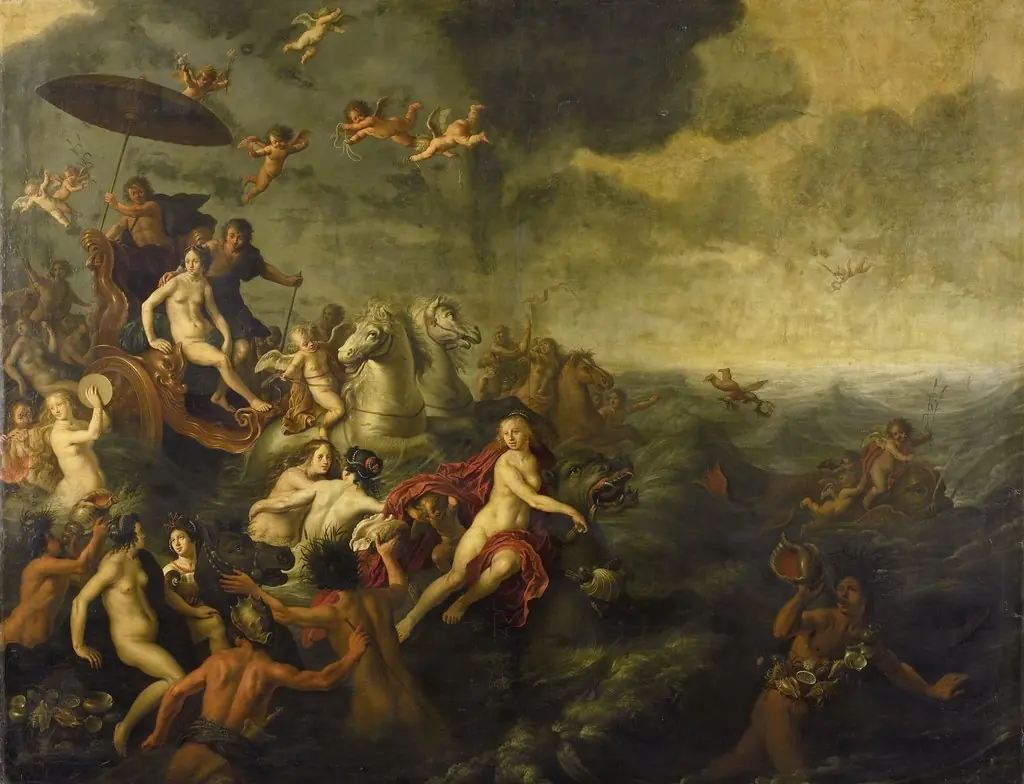
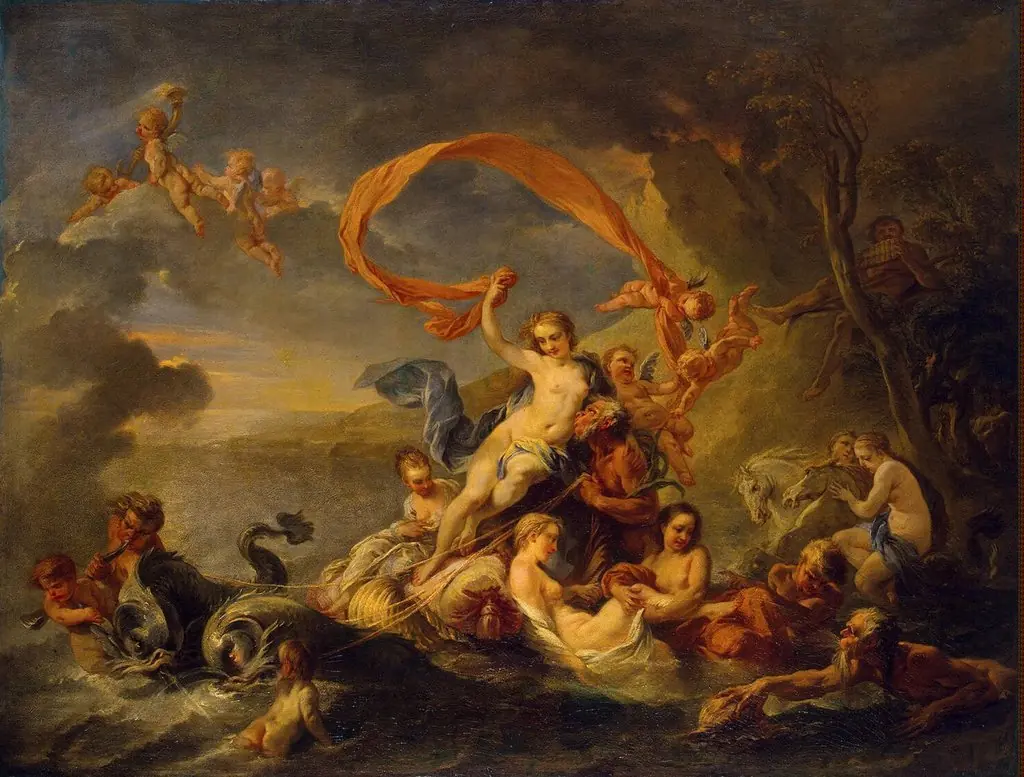
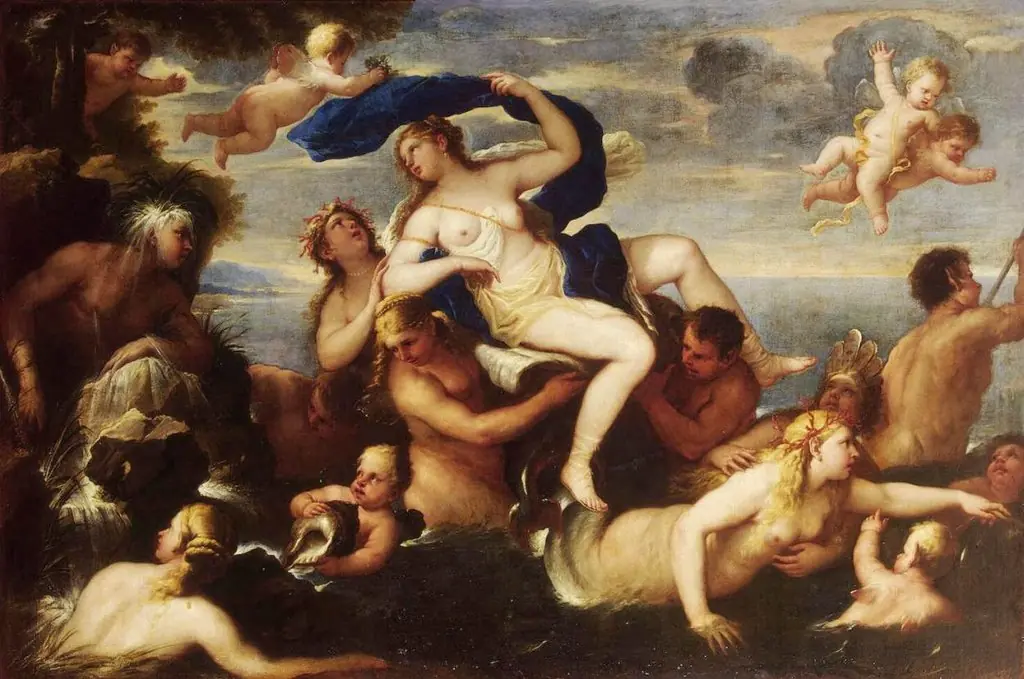
The painting illustrates a moment from Galatea's myth, where she is presumably escaping or being courted by the Cyclop Polyphem, hinted at by the horned, bow-wielding figure on the shore. Galatea's calm demeanor contrasts with the reactive, surrounding figures, suggesting her detachment or power.
Context
Reflecting the Baroque interest in mythological themes, the painting combines classical subject matter with the artist's Flemish Baroque style, characterized by vividness and dynamic composition.
Legacy
While specific influence of 'Galatea and Polyphem' on later works is not prominently documented, it contributes to the broader understanding of 17th-century European mythological painting and Teniers' contributions to Flemish Baroque art.
Artist & collection
Artist
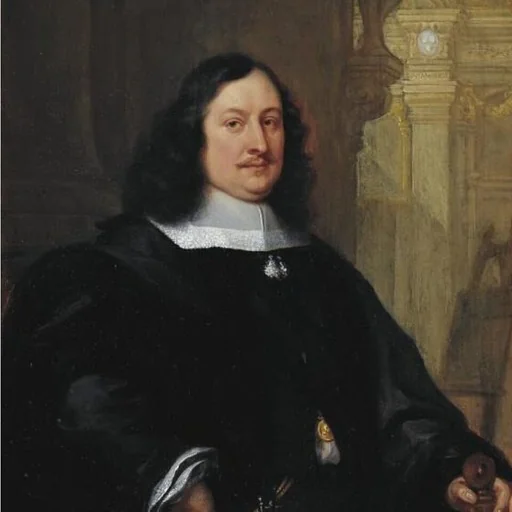
David Teniers the Younger or David Teniers II was a Flemish Baroque painter, printmaker, and artist.