Artwork
Venus and Cupid at the Forge of Vulcan
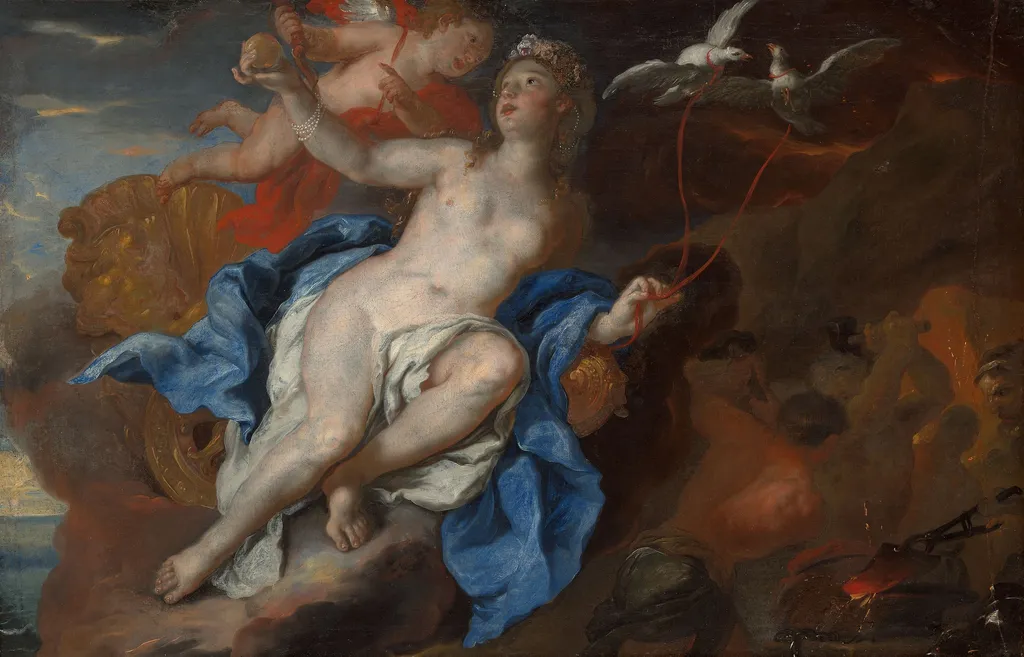
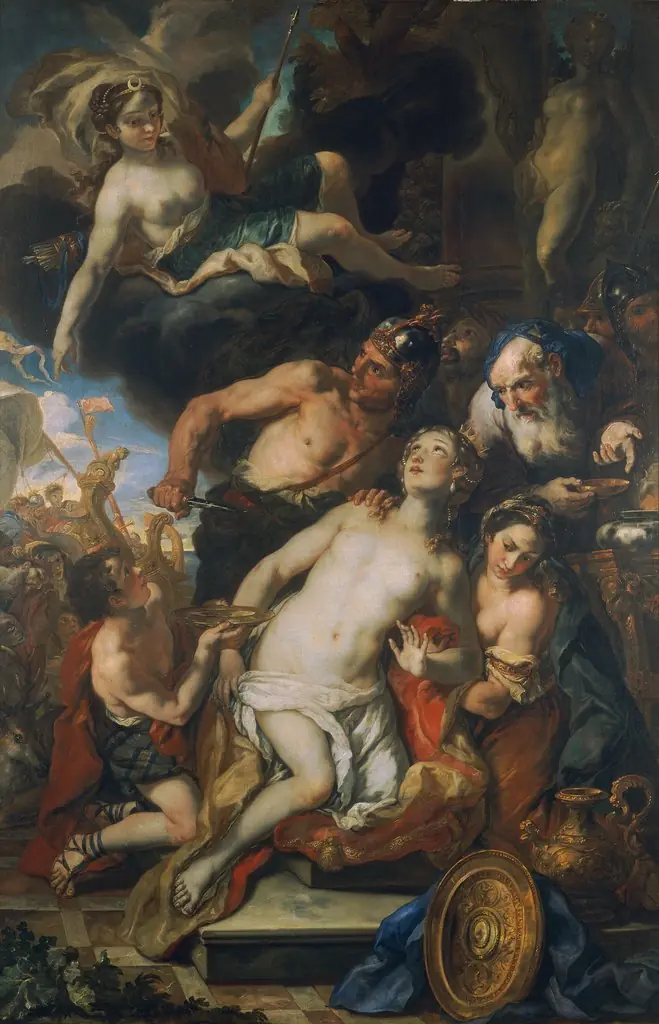
Venus and Cupid at the Forge of Vulcan is an oil painting by the Barbizon school artist Johann Michael Rottmayr. It dates from 1696 and is held in the collection of the Art Institute of Chicago.
About this work
Technique & Style
Johann Michael Rottmayr executed the mythological scene Venus and Cupid at the Forge of Vulcan using oil paint applied to a canvas support.
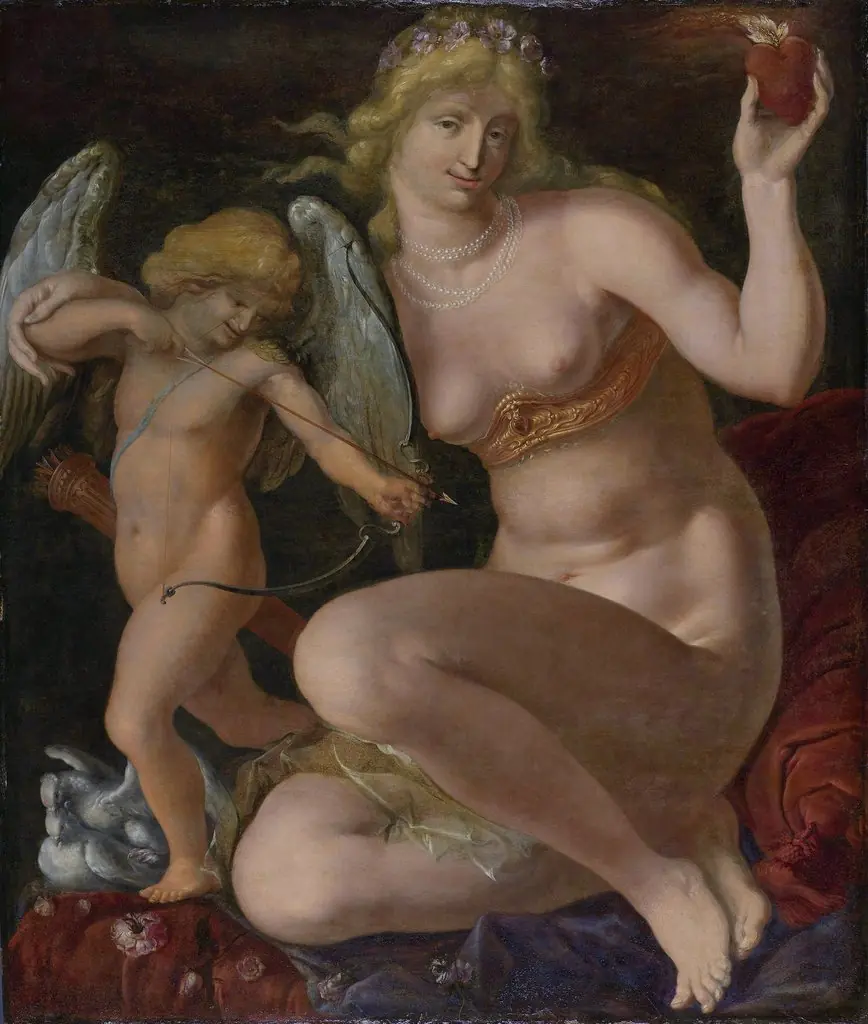
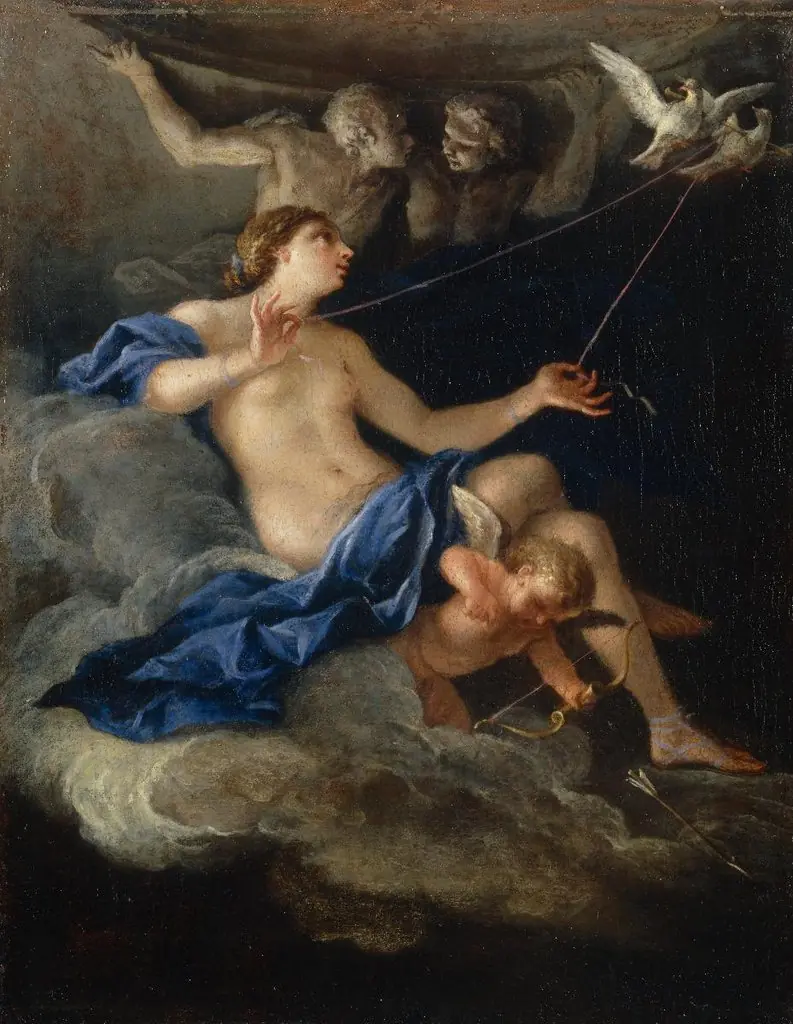
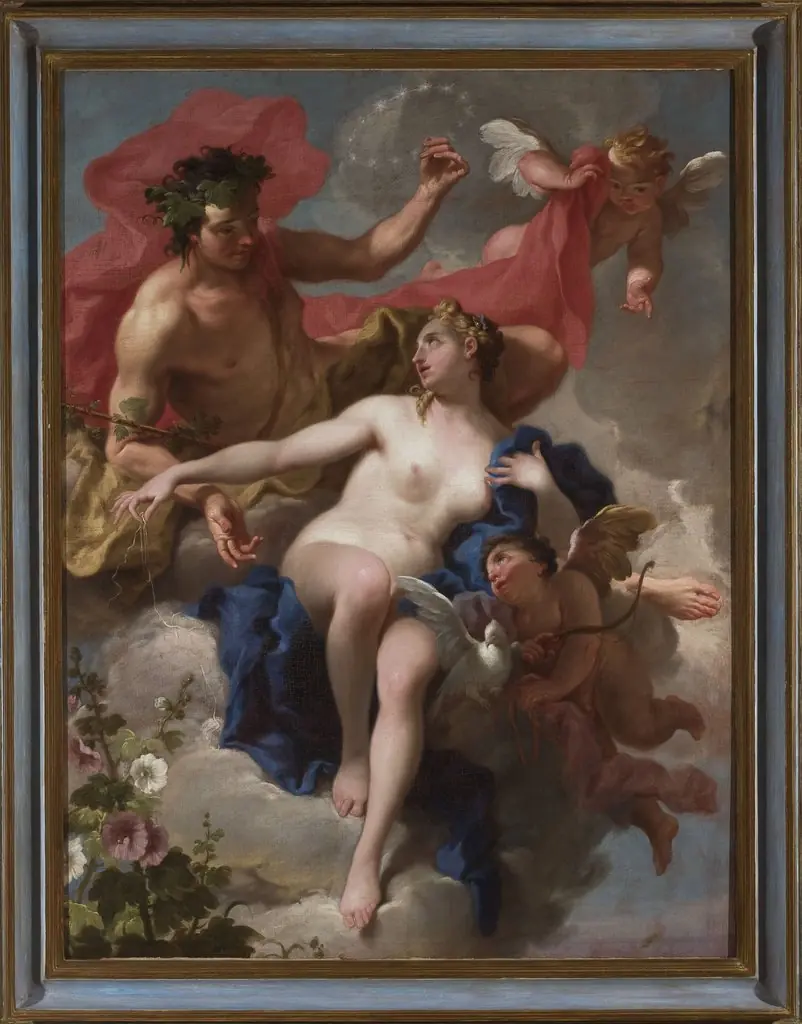
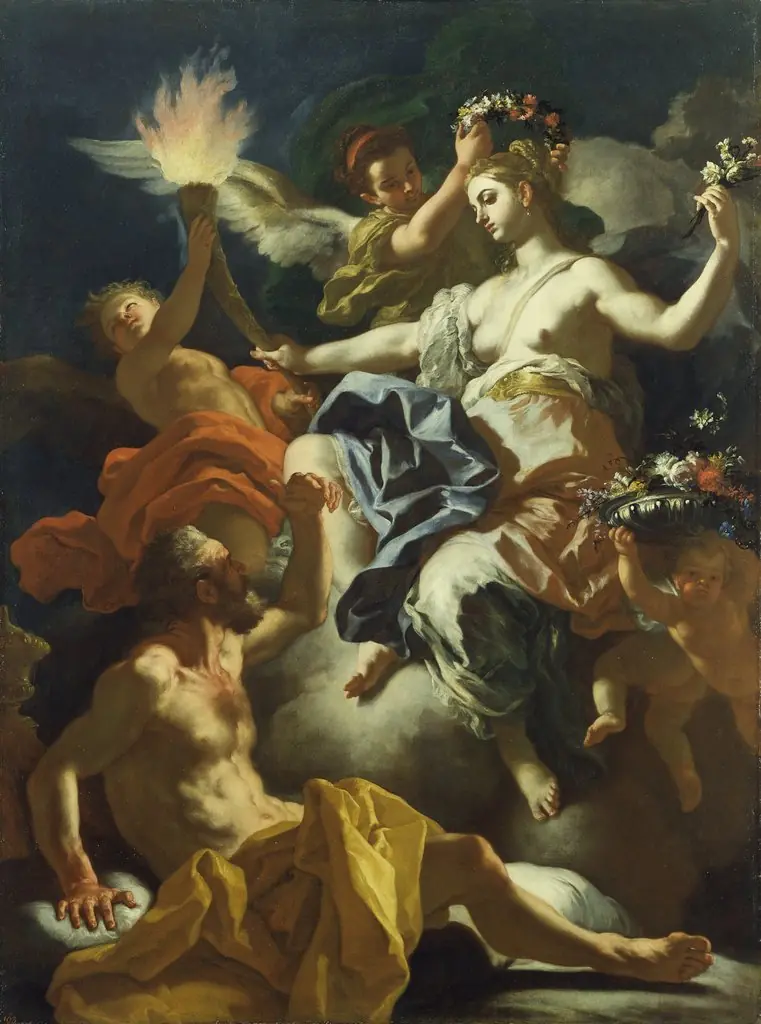
Oil on canvas. Johann Michael Rottmayr executed the mythological scene Venus and Cupid at the Forge of Vulcan using oil paint applied to a canvas support. The work depicts Venus and Cupid within a forge setting, reflecting Baroque compositional dynamism and classical subject treatment.
The painting measures 149 cm × 184 cm and is housed in the Art Institute of Chicago. Its formal qualities include dramatic chiaroscuro, muscular figures, and intricate metalworking symbolism characteristic of late 17th‑century mythological painting.
History & Provenance
Venus and Cupid at the Forge of Vulcan is an oil-on-canvas mythological painting by Johann Michael Rottmayr dated 1692. The work entered the collection of the Art Institute of Chicago, where it is currently held.
The sources do not document an earlier ownership chain, a specific patron, or the circumstances under which the painting was commissioned, nor do they record any intermediate owners between its creation and its accession at the Art Institute of Chicago.
Overview
Johann Michael Rottmayr’s oil painting Venus and Cupid at the Forge of Vulcan, executed in 1696, is part of the collection of the Art Institute of Chicago. The work presents a mythological scene in which the goddess Venus and her son Cupid appear amid a dramatic, cloud‑filled landscape.
Subject & Meaning
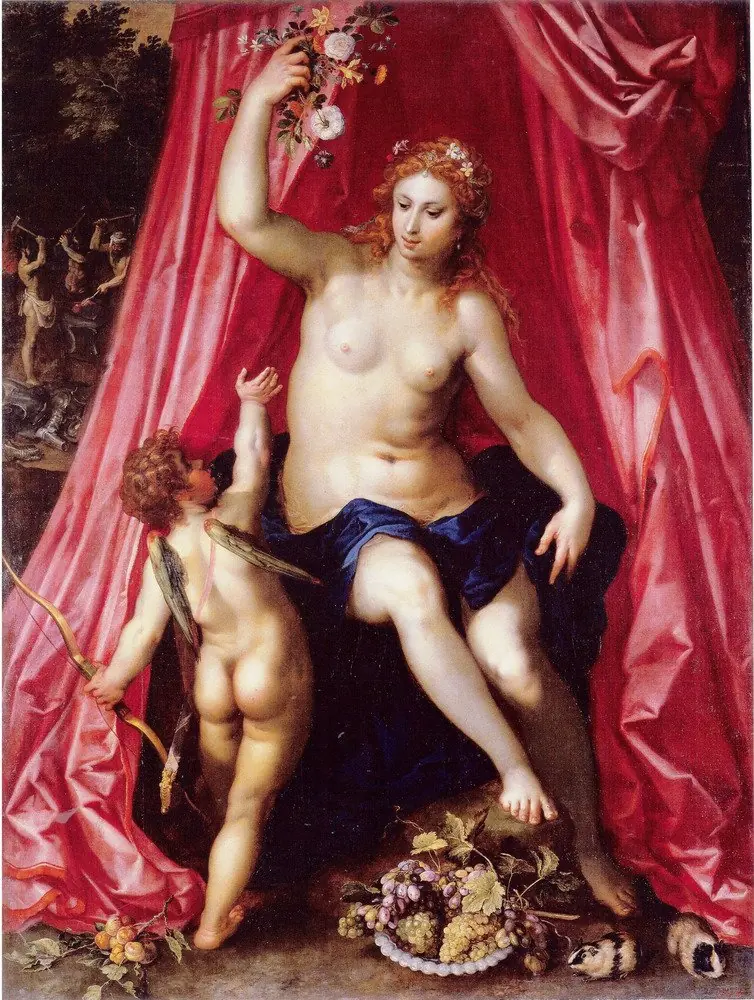
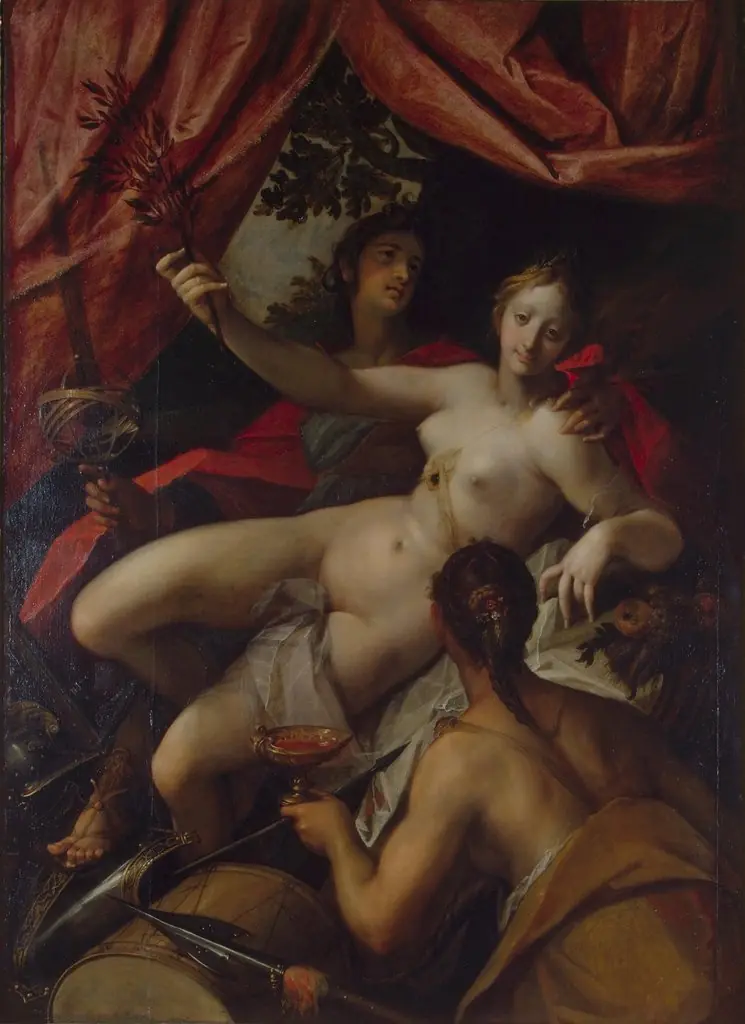
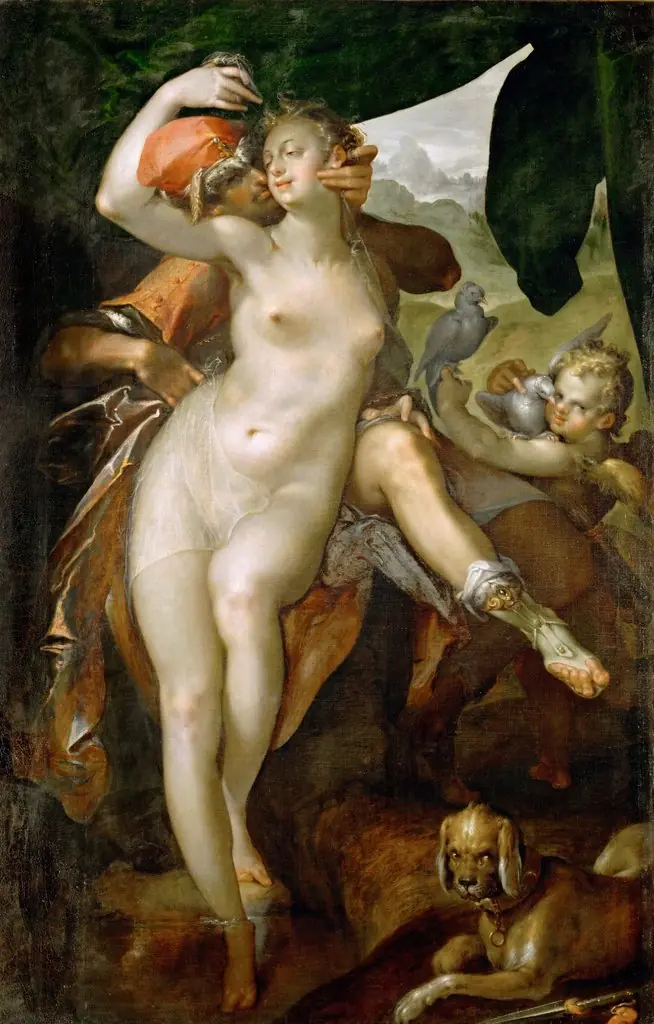
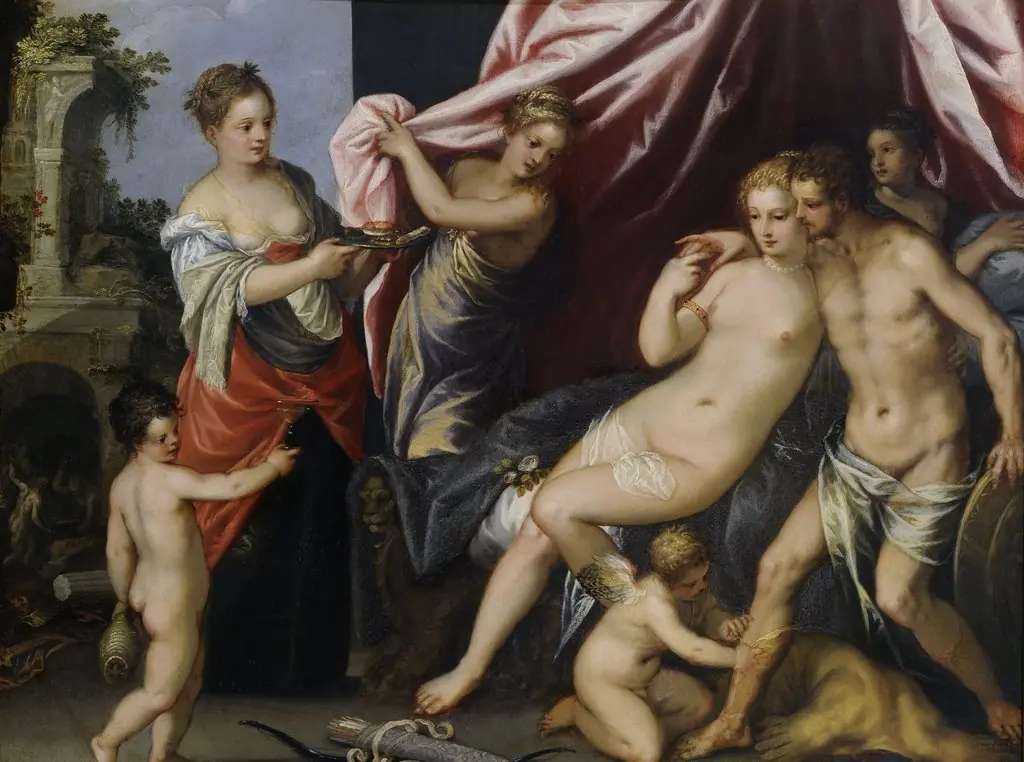
The composition centers on a pale‑skinned Venus, draped in blue, who hovers above a rocky terrain while holding a red ribbon attached to a winged infant, identified as Cupid. The child clutches a hammer, a symbol of Vulcan’s forge, and two additional winged figures, one bearing a torch, populate the sky, suggesting the presence of other divine agents.
Context
Rottmayr, a leading Austrian Baroque painter, often blended dramatic lighting with narrative content. This work aligns with contemporary trends that revived ancient myths to explore themes of love, craft, and divine interaction, situating the piece within the broader European fascination with allegorical storytelling.
Own this work as a print
Artist & collection
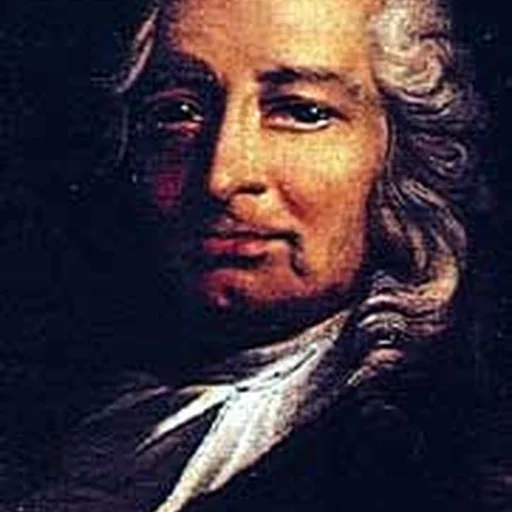
Artist
Johann Michael Rottmayr (1656–1730) was an Austrian artist, born in Laufen.