Artwork
Fruit, Jug, and a Glass
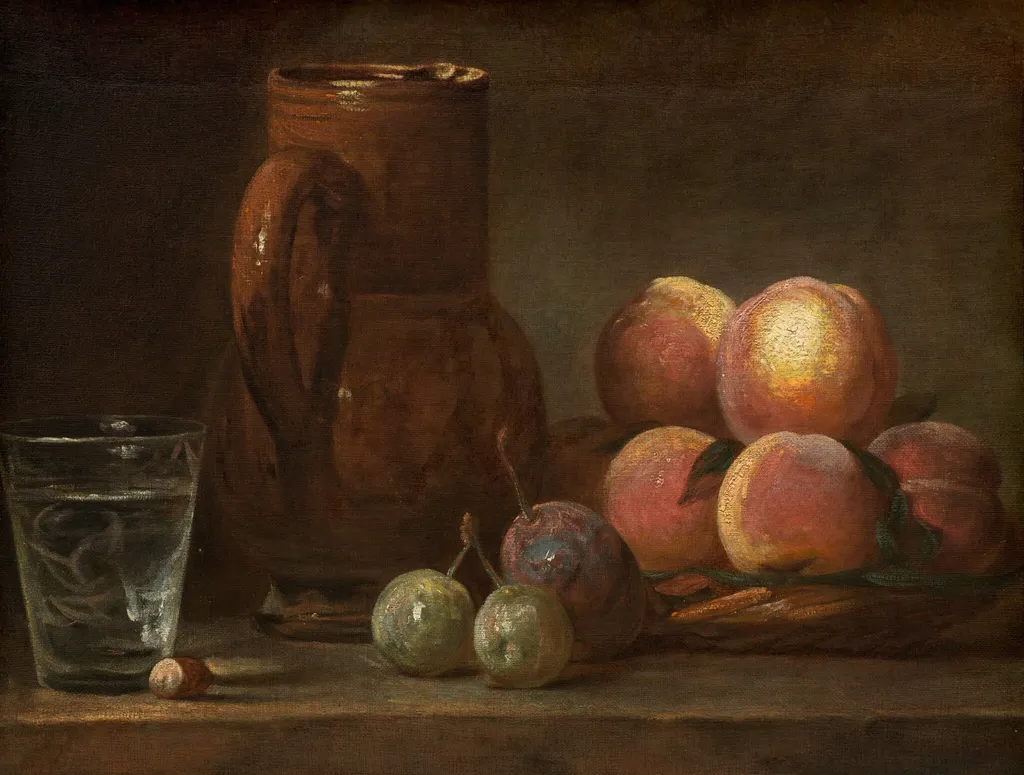
Fruit, Jug, and a Glass is an oil painting by the Baroque artist Jean-Baptiste-Siméon Chardin. It dates from 1727 and is held in the collection of the National Gallery of Art.
About this work
Technique & Style
The still-life grouping is rendered with quiet realism, emphasizing tactility and the poetry of everyday objects rather than dramatic illusion.
The work is executed in oil on canvas, a medium Chardin favored for its capacity to render subtle tonalities and delicate surface effects. The handling is characterized by restrained, fluid brushwork that dissolves contours into a unified, atmospheric whole, with carefully modulated glazes that model form through shifts in light rather than line. Formal qualities include a muted palette of ochres, greens, and deep umbers, arranged in a shallow, centralized composition that directs attention to the translucent glass and the reflective jug.
The still-life grouping is rendered with quiet realism, emphasizing tactility and the poetry of everyday objects rather than dramatic illusion.
History & Provenance
Jean-Siméon Chardin created the oil-on-canvas still life Fruit, Jug, and a Glass around 1727. Its early ownership is associated with the Marquis de Biron in Paris and at the Château de Biron, though this provenance is not firmly documented. The painting was sold in 1926 to the dealer Wildenstein & Co. and was acquired by the New York collector Chester Dale in the late 1920s (records differ between 1927 and 1929).
Dale bequeathed it to the National Gallery of Art, Washington, D.C., in 1943, where it remains as part of the permanent collection.
Context
Fruit, Jug, and a Glass is a still life in oil on canvas by Jean-Baptiste-Siméon Chardin, dated about 1727 and held in the National Gallery of Art after passing through notable French owners and entering the collection in 1943. The work belongs to the artist's mature still-life production, a category central to his contribution to eighteenth-century French painting. Its provenance reflects the circulation of Chardin's paintings among aristocratic collectors and major dealers.
Overview
Jean Siméon Chardin's painting, "Fruit, Jug, and a Glass," created around 1727, is an oil on canvas still life. This composition presents a modest arrangement of common household items, including various fruits, a ceramic jug, and a glass vessel, all carefully positioned on a surface. The work exemplifies Chardin's characteristic focus on domestic subjects and his meticulous rendering of everyday objects.
Subject & Meaning
The painting depicts a straightforward still life, featuring a collection of fruit alongside a jug and a glass, arranged on a table. Chardin elevated these humble, everyday objects, transforming a simple domestic scene into a subject worthy of artistic contemplation. His choice of ordinary items reflects a broader trend in 18th-century art to find beauty and significance in the mundane, moving away from grand historical or mythological narratives.
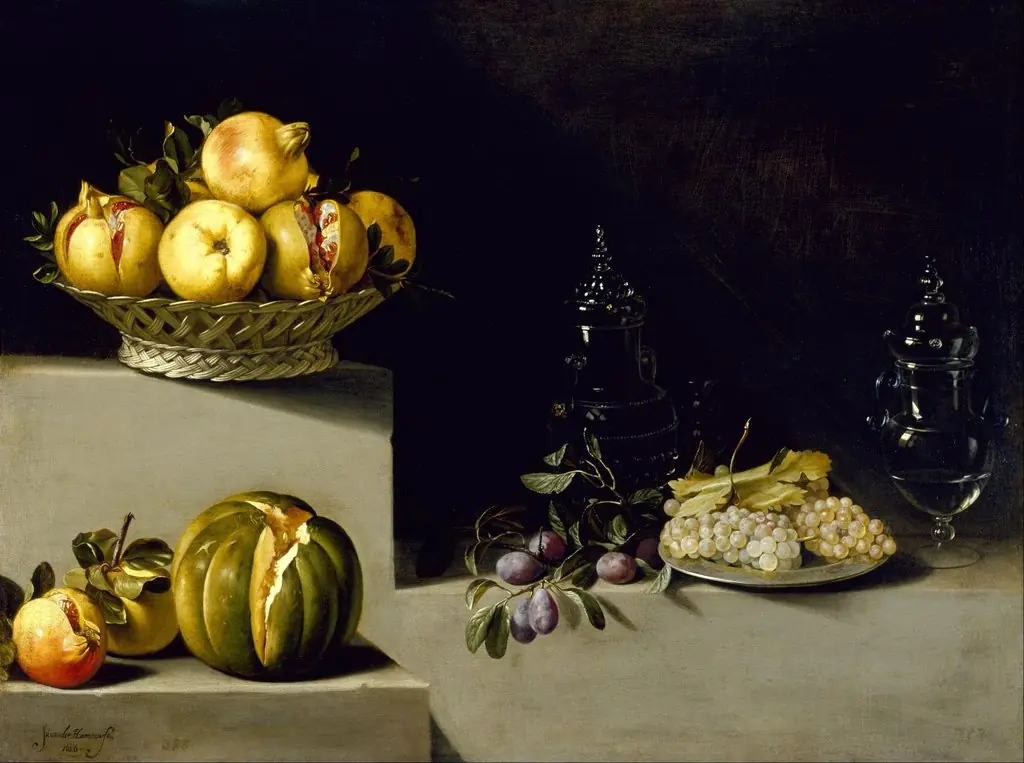
Own this work as a print
Artist & collection
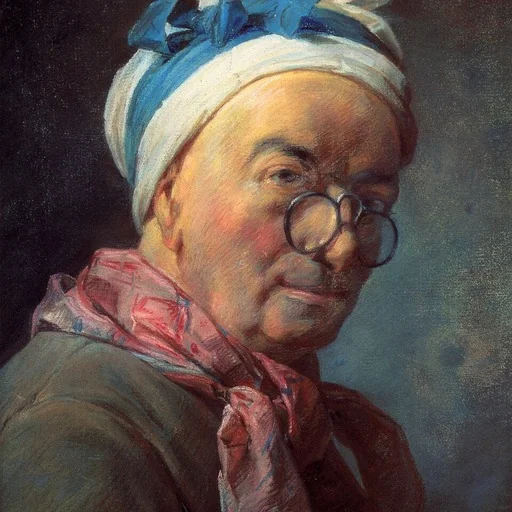
Artist
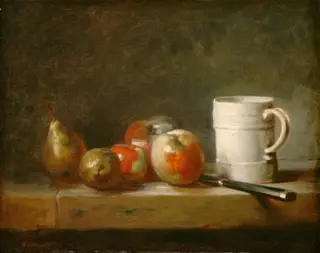
Jean Siméon Chardin (French:; November 2, 1699 – December 6, 1779) was an 18th-century French painter.

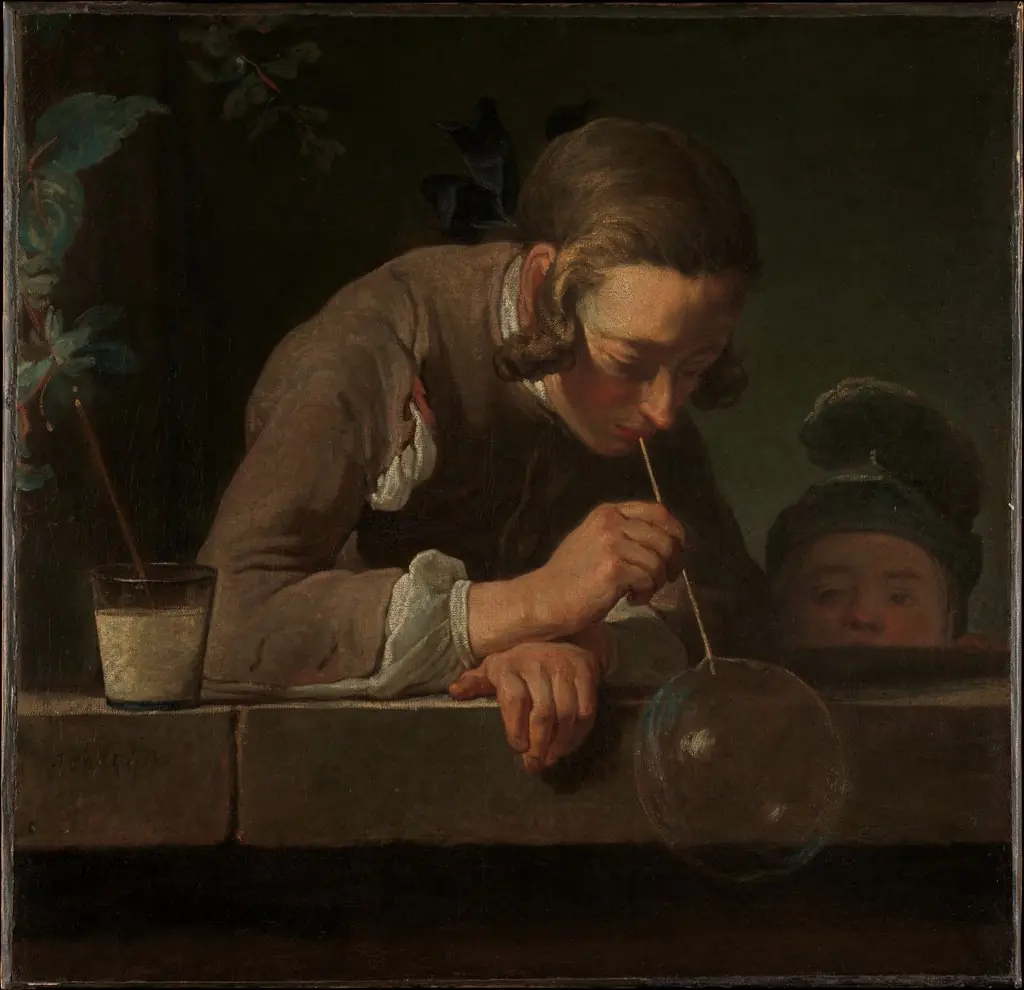
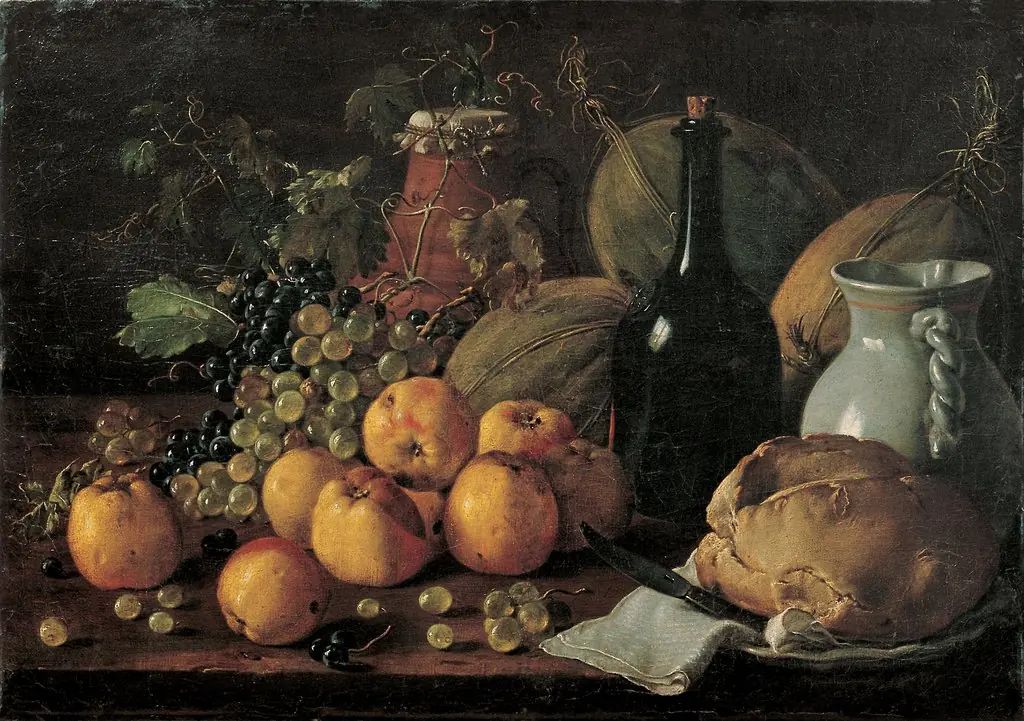 Still Life with Apples, Grapes, Melons, Bread, Jug and Bottle
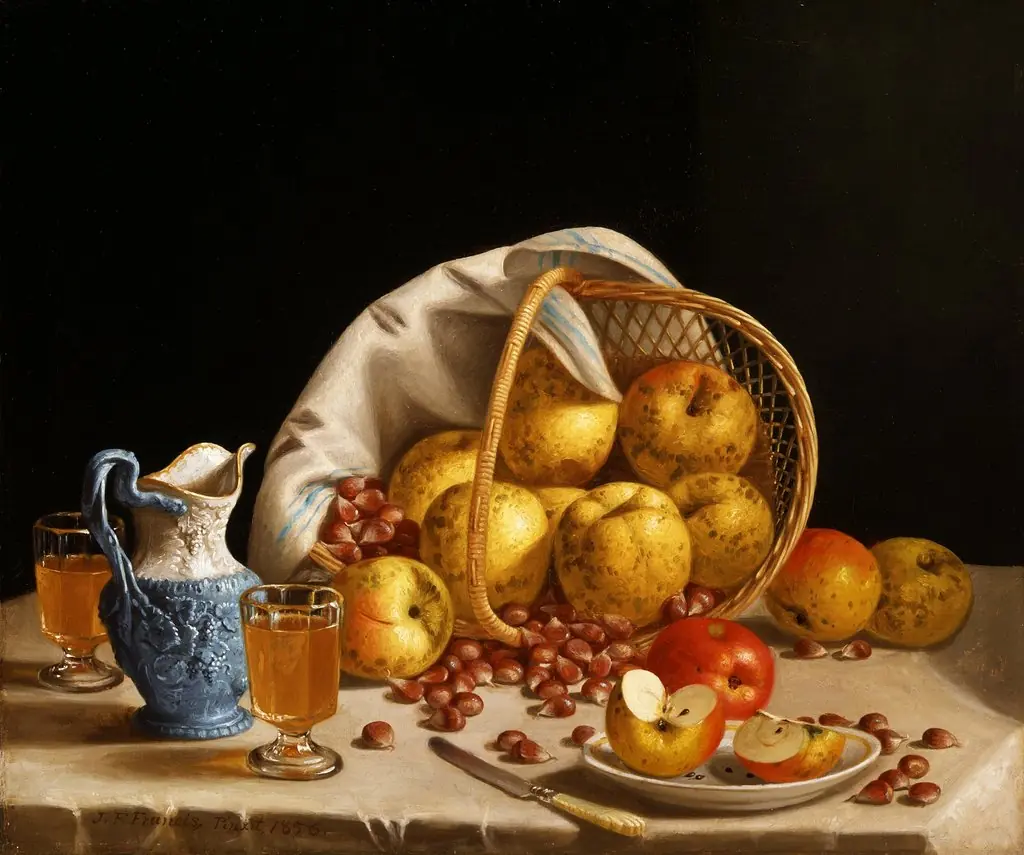 Still Life with Yellow Apples
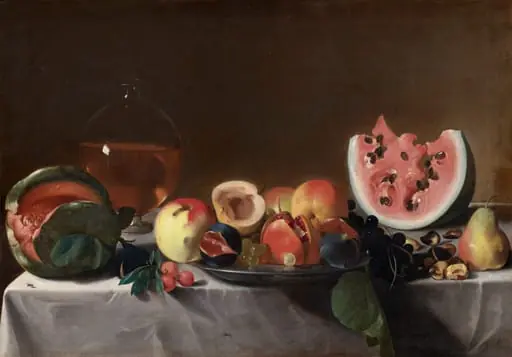 Still Life with Fruit and Carafe
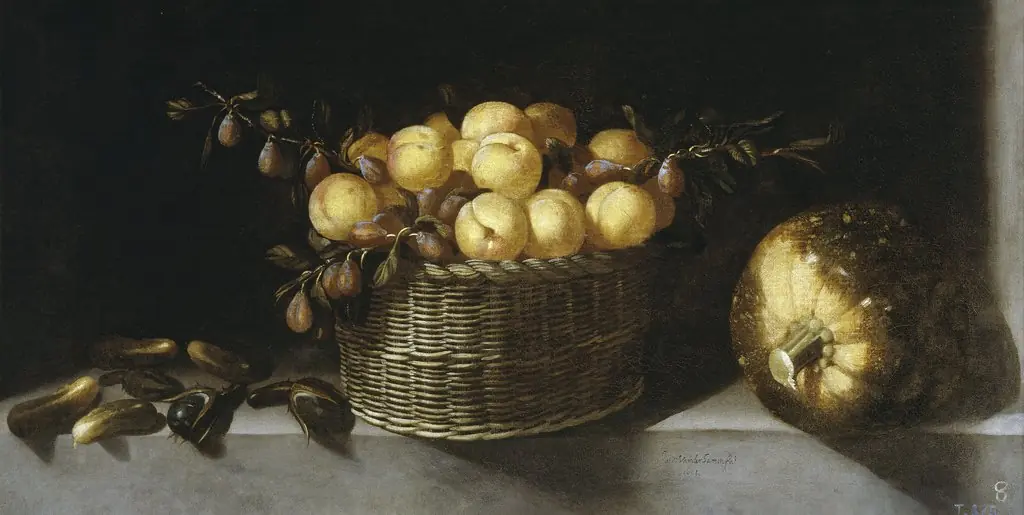 Still Life with Fruit and Vegetables
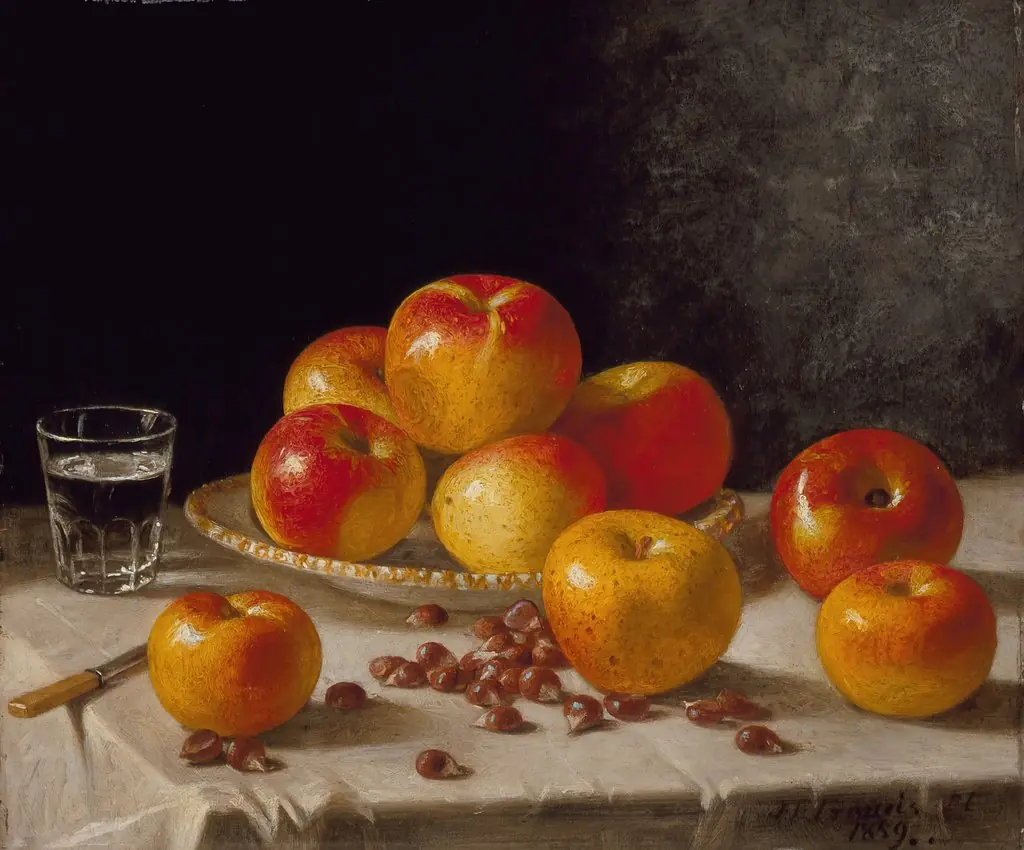 Still Life, Apples and Chestnuts
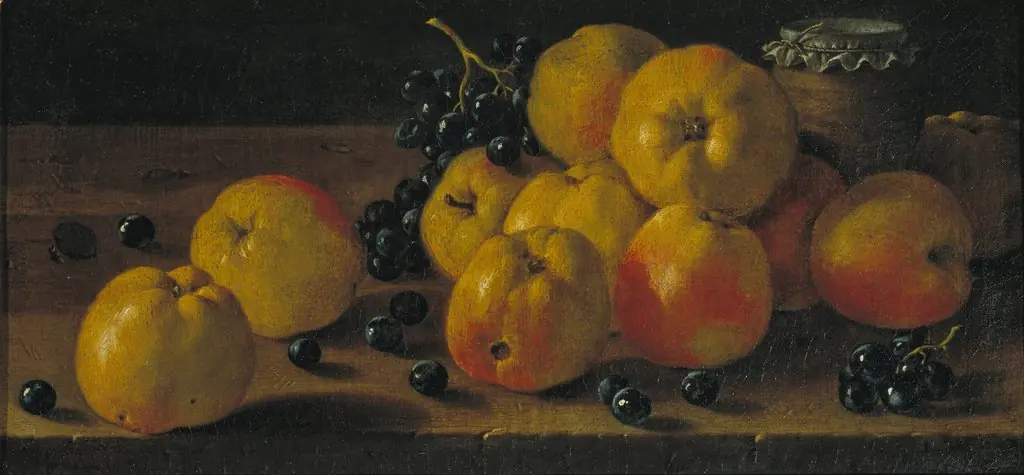 Still Life with Apples, Grapes and a Pot of Jam
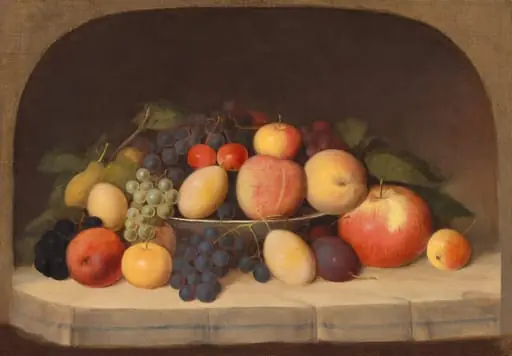 Fruit Still Life
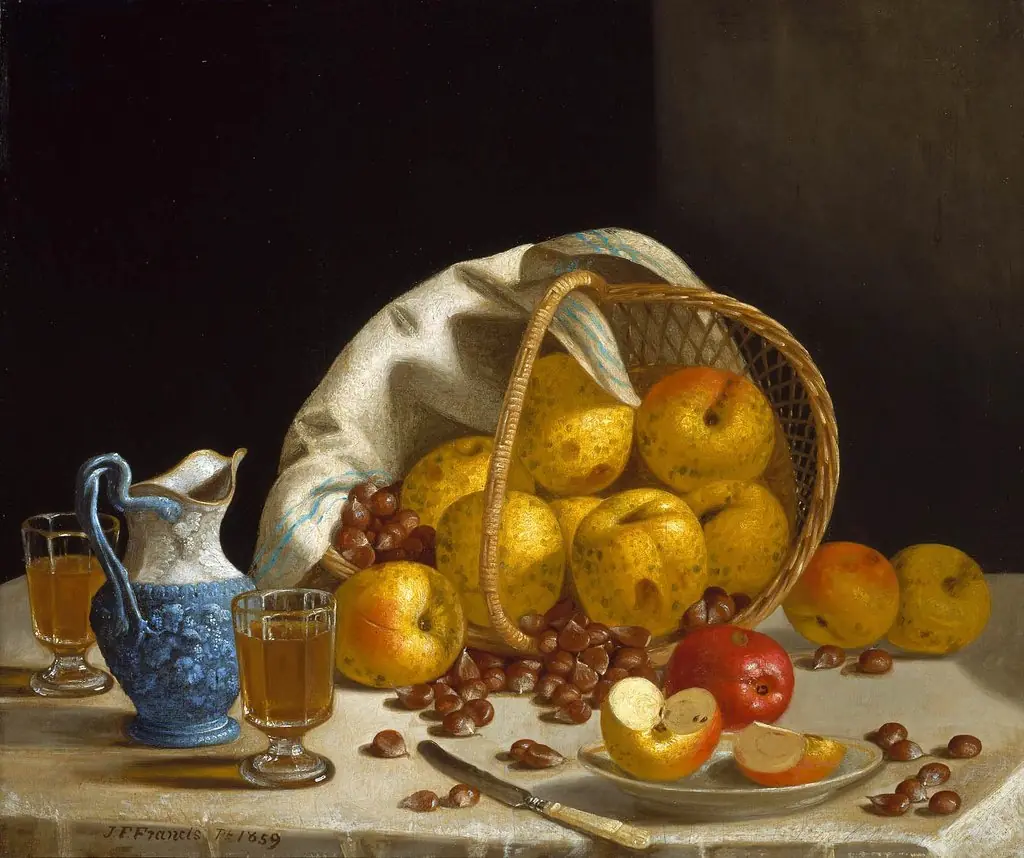 Still Life with Apples and Chestnuts
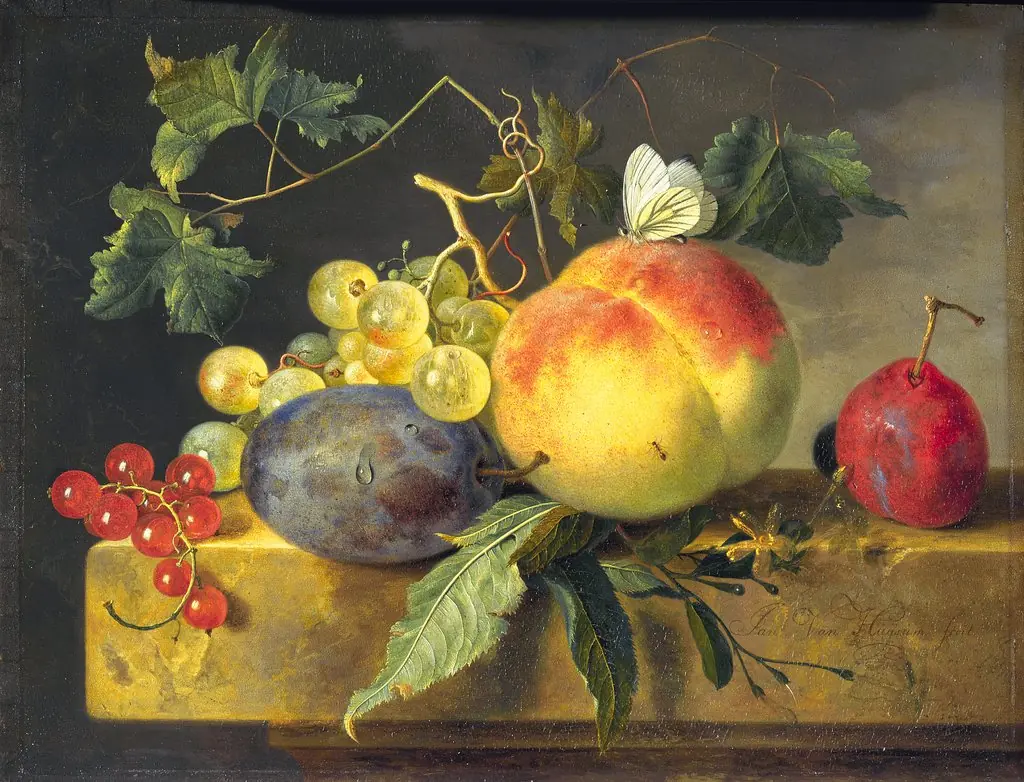 Fruit Still Life
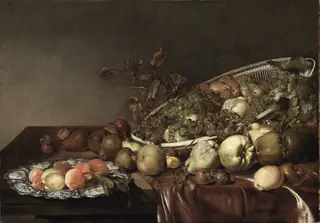 Still Life with Fruit
- Still Life with Fruit and Glassware
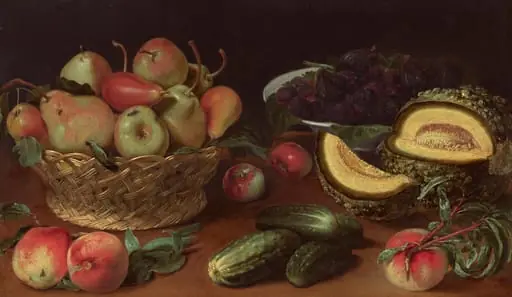 Still Life with Apples, Pears, Cucumbers, Figs, Plums, and a Melon