Artwork
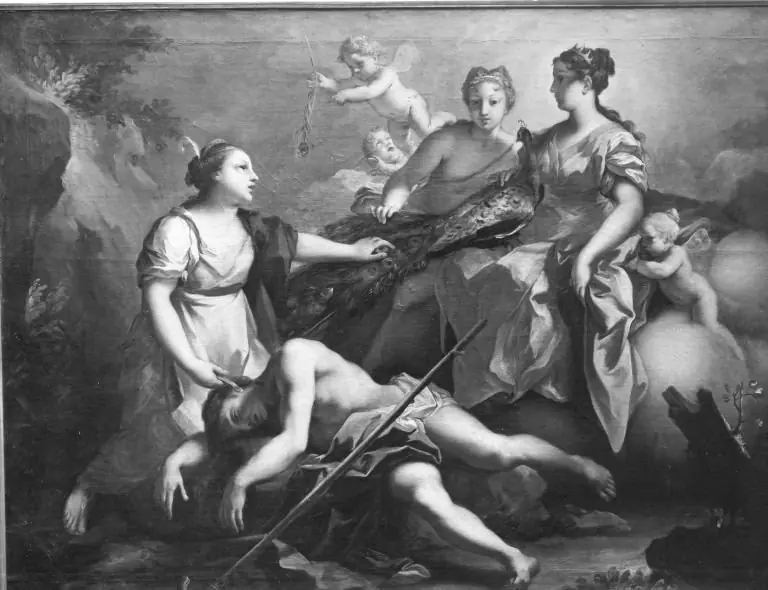
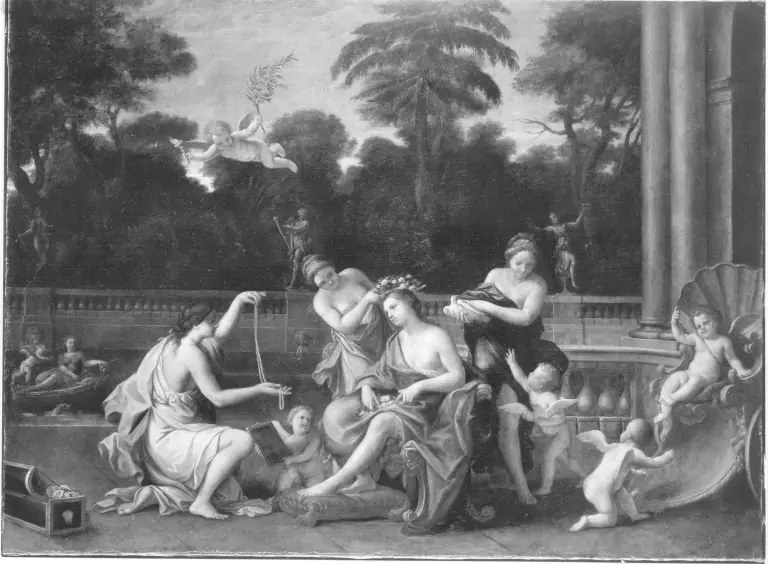
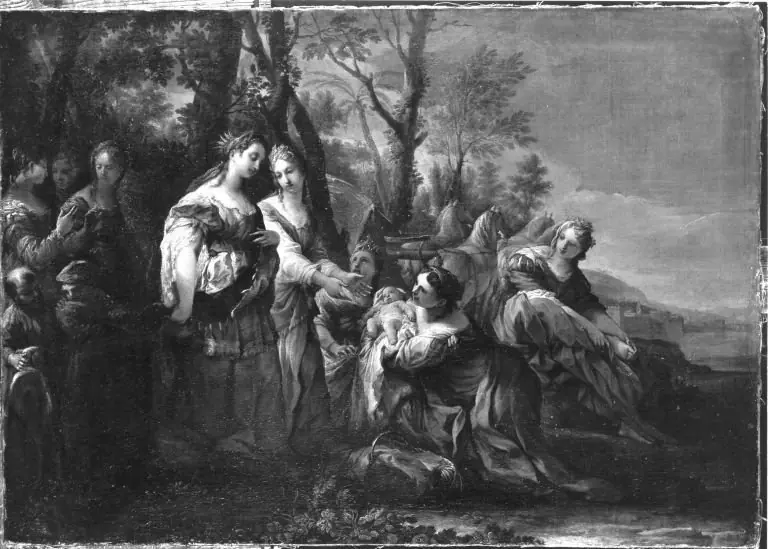
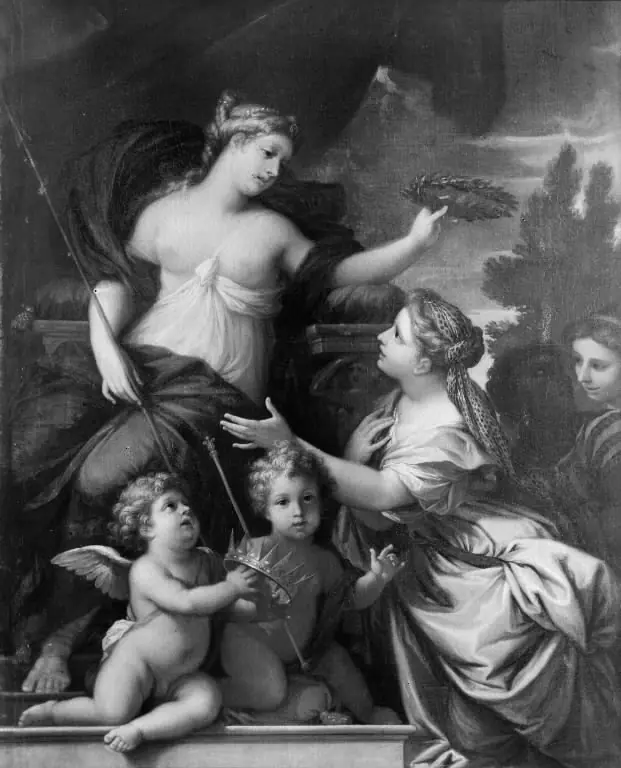
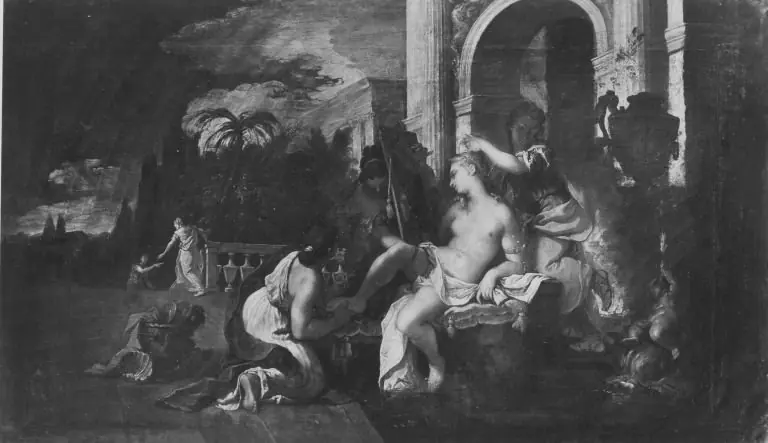
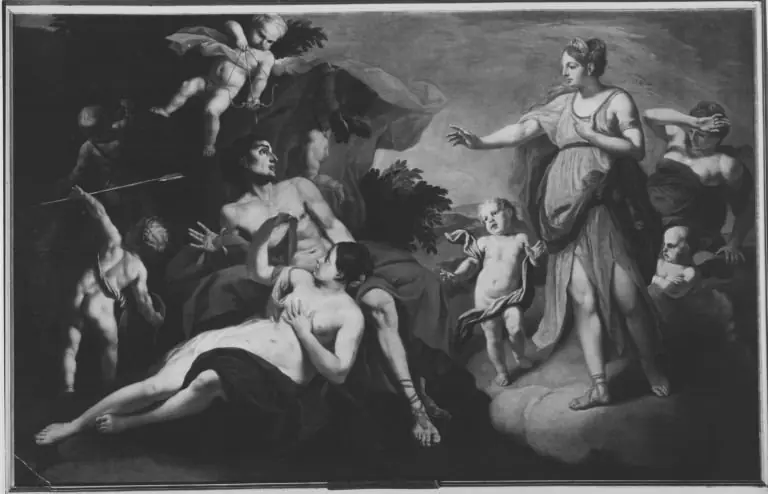
Die Geburt des Adonis
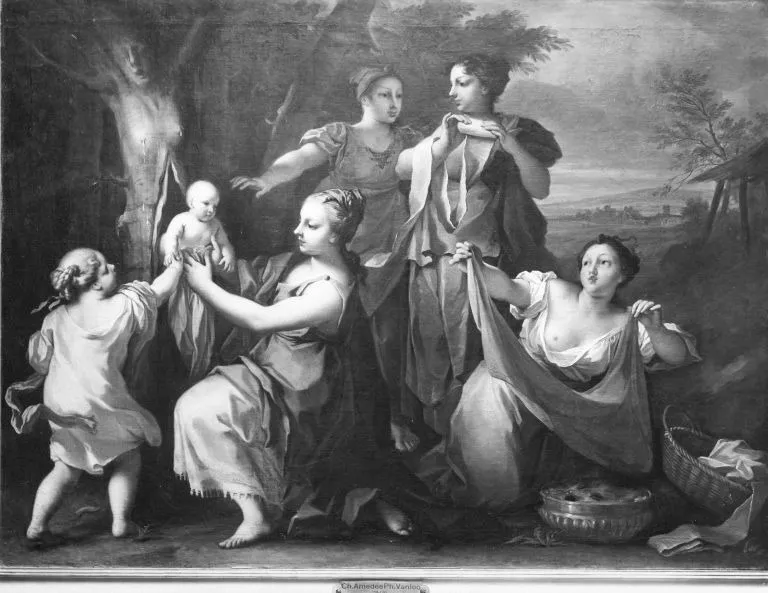
Die Geburt des Adonis is an unspecified painting by the Rococo painting artist Charles-Amédée-Philippe van Loo. It dates from 1757 and is held in the collection of the Bavarian State Painting Collections.
About this work
Subject & Meaning
Created by Charles-Amédée-Philippe van Loo in 1757, the subject centers on the birth or early life of this character from classical antiquity.
The painting depicts the mythological figure Adonis, consistent with its classification as a mythological work. Created by Charles-Amédée-Philippe van Loo in 1757, the subject centers on the birth or early life of this character from classical antiquity. As a work of mythology, the piece engages with ancient narratives, though the sources do not elaborate on specific symbolic attributes or deeper allegorical meanings beyond the identification of the central figure.
The composition serves as a visual representation of the Adonis myth within the context of 18th-century artistic interpretation.
History & Provenance
Charles-Amédée-Philippe van Loo created the mythological painting Die Geburt des Adonis in 1757. The work is currently held in the collection of the Bavarian State Painting Collections, where it resides at the Alte Pinakothek. While the specific commission details or the full chain of ownership prior to its arrival at the Alte Pinakothek are not detailed in the provided records, the painting's inception is firmly dated to the year 1757. The artwork depicts the figure of Adonis within the context of classical mythology.
Context
Charles-Amédée-Philippe van Loo painted Die Geburt des Adonis in 1757 as a mythological canvas depicting the birth of the Greek deity Adonis. The work resides in the Bavarian State Painting Collections at the Alte Pinakothek in Munich, where it is recognized as a mythological painting within the artist's oeuvre.
Scholarly attention to the painting centers on its classical subject treatment and compositional influence, with art historians situating it within the broader trajectory of 18th-century French-Italianate mythological painting that van Loo helped pioneer. Its presence in a major Bavarian collection underscores its significance in the transnational dissemination of Rococo and early Neoclassical mythological imagery.
The painting is part of van Loo's extensive body of mythological works, reflecting his role in shaping European decorative and cabinet painting traditions during the mid-1700s.
Legacy
Charles-Amédée-Philippe van Loo's 1757 mythological painting Die Geburt des Adonis entered the Bavarian State Painting Collections and was installed in the Alte Pinakothek, where it remained on view through the 19th century and influenced later Neoclassical treatments of mythological subjects.
The work's composition and subject matter were referenced by subsequent artists exploring themes of youthful love and divine intervention, contributing to a sustained scholarly and curatorial interest in van Loo's oeuvre within art-historical discourse.
Exhibitions highlighting the painting's significance occurred in 1957, marking the bicentennial of its creation, and contemporary assessments continue to cite its role in shaping 18th-century mythological narrative painting.
Overview
Die Geburt des Adonis is a 1757 painting by Charles-Amédée-Philippe van Loo, a French artist recognized for his allegorical and portrait works. The piece is characterized by its Rococo style and is part of the Alte Pinakothek's collection.
Technique & Style
Van Loo employed soft lighting with pronounced shadows, a technique reminiscent of chiaroscuro, to create depth and intimacy. The figures are draped in flowing, light fabrics, with the central woman wearing a draped cloak, all characteristic of the Rococo emphasis on elegance and delicacy.
Artist & collection

Artist
Charles-Amédée-Philippe van Loo
Charles-Amédée-Philippe van Loo (25 August 1719 – 15 November 1795) was a French painter of allegorical scenes and portraits.