Artwork
Die Argusaugen
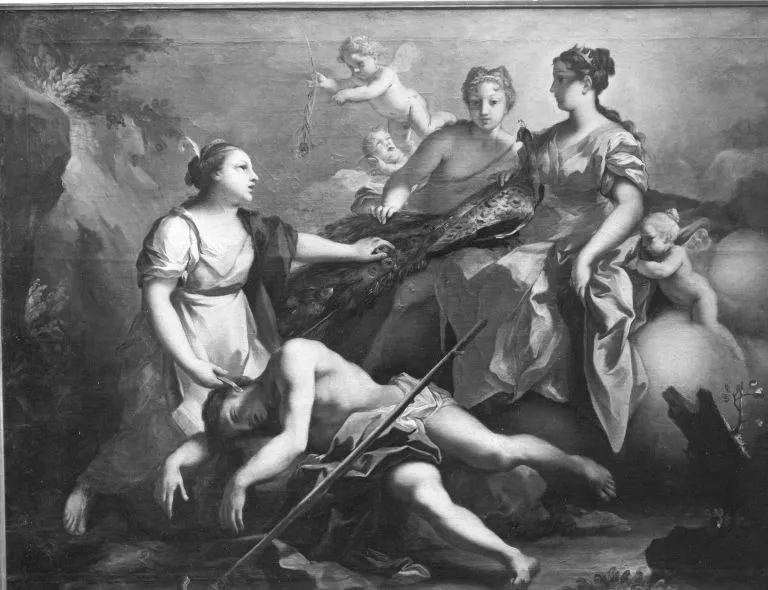
Die Argusaugen is an unspecified painting by the Rococo painting artist Charles-Amédée-Philippe van Loo. It dates from 1757 and is held in the collection of the Bavarian State Painting Collections.
About this work
Overview
Die Argusaugen is a 1757 painting by Charles-Amédée-Philippe van Loo, a French artist known for allegorical scenes and portraits. The work is characteristic of the Rococo period.
Subject & Meaning
The painting depicts a dramatic scene featuring three women and a shirtless man on the ground. The women's attire and the man's pose suggest a narrative, while the dark, cloudy sky and chiaroscuro technique create a sense of tension.
Technique & Style
The artist's use of chiaroscuro creates depth and volume, emphasizing the figures. The contrast between light and dark adds to the overall dramatic effect, characteristic of the Rococo style.
History & Provenance
Charles-Amédée-Philippe van Loo trained in Italy and France, becoming a member of the Académie Royale de Peinture et de Sculpture in 1747. The painting is now held in the Alte Pinakothek in Munich, Germany.
Artist & collection

Artist
Charles-Amédée-Philippe van Loo
Charles-Amédée-Philippe van Loo (25 August 1719 – 15 November 1795) was a French painter of allegorical scenes and portraits.

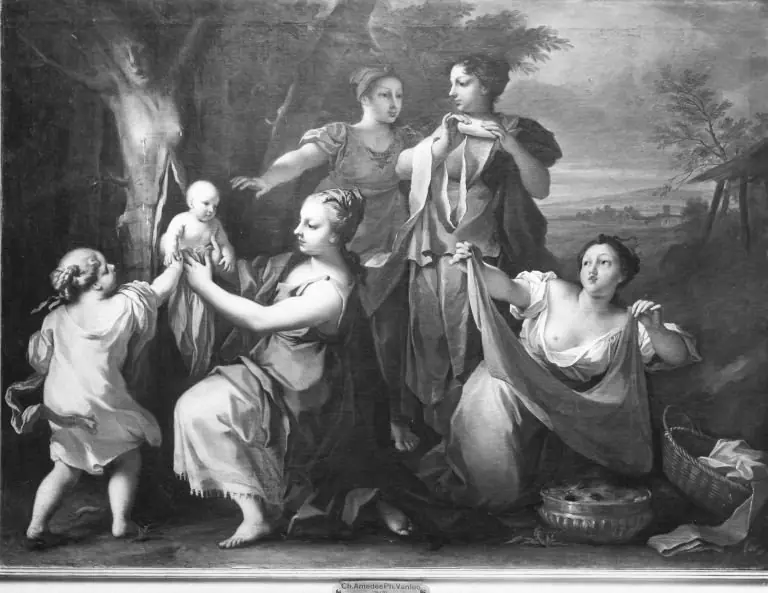
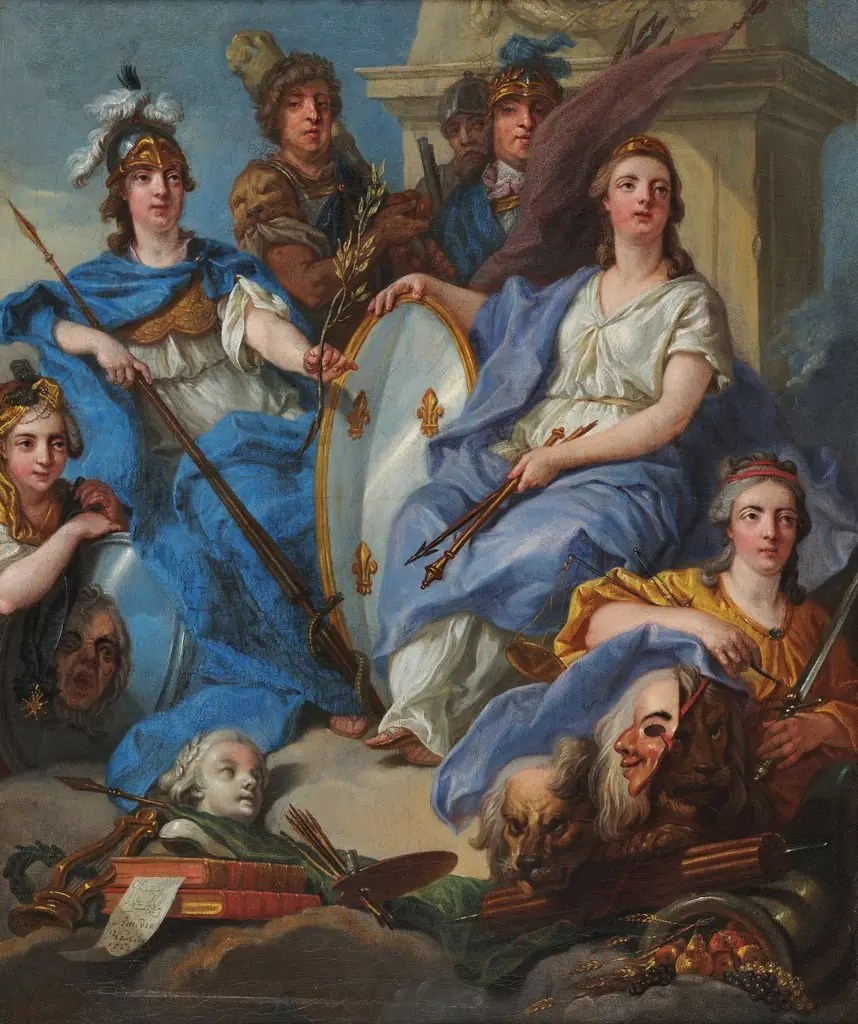
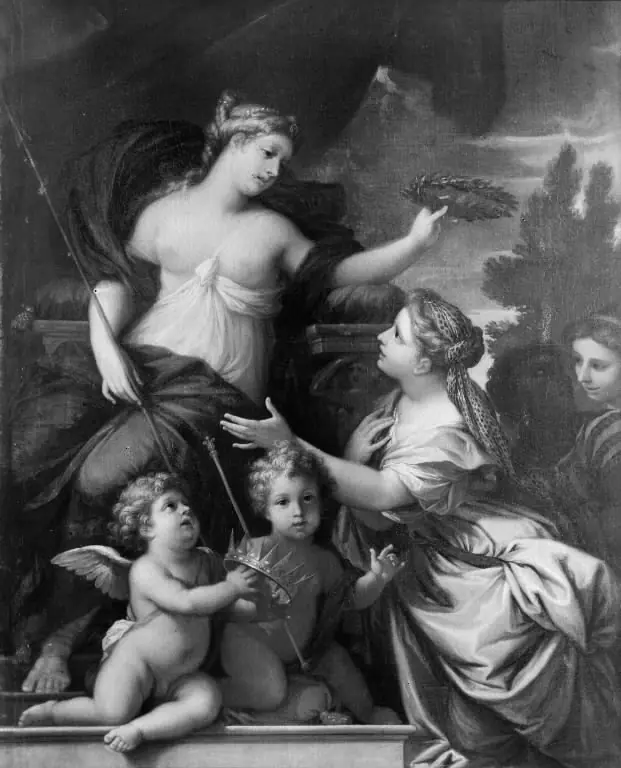 Queen Christina Crowned with Laurels by Wisdom
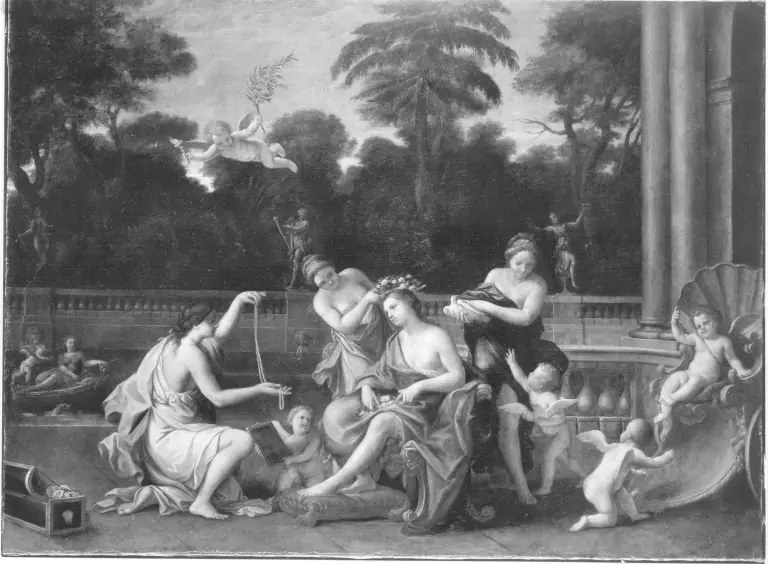 Schmückung der Venus
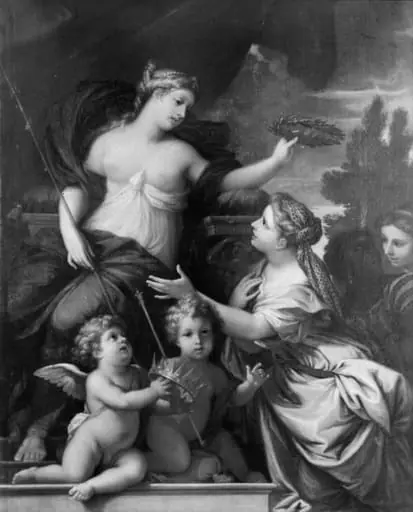 Queen Christina Crowned with Laurels by Wisdom
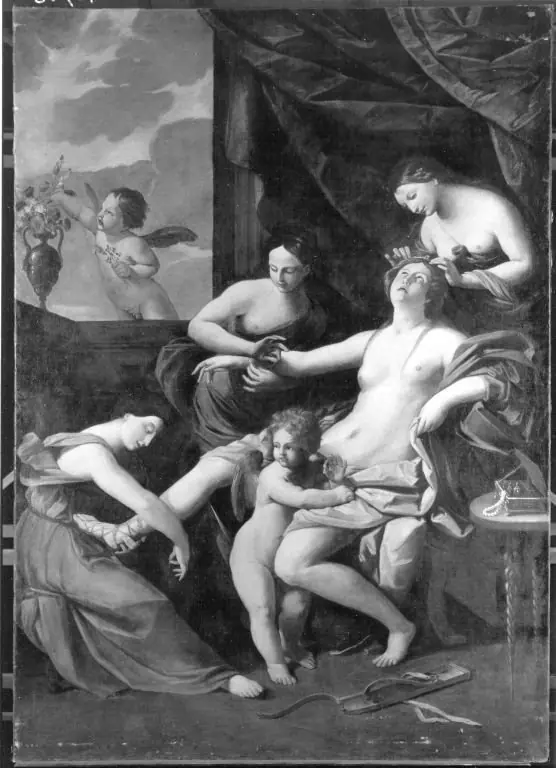 Schmückung der Venus
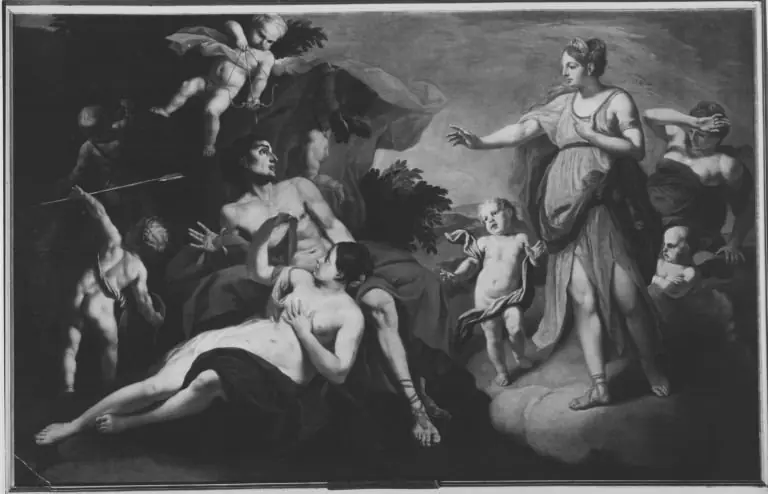 Fehltritt der Kallisto
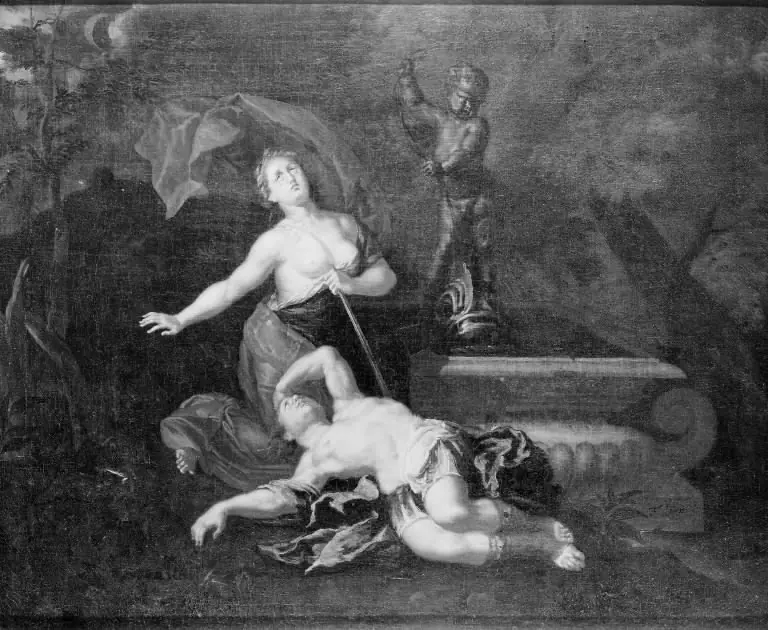 Pyramus and Thisbe
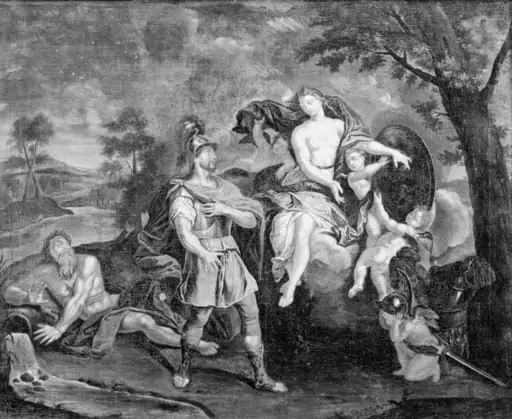 Mars synes at forsikre den i skyer siddende Venus om sin kærlighed. Imidlertid leger amoriner med hans våben
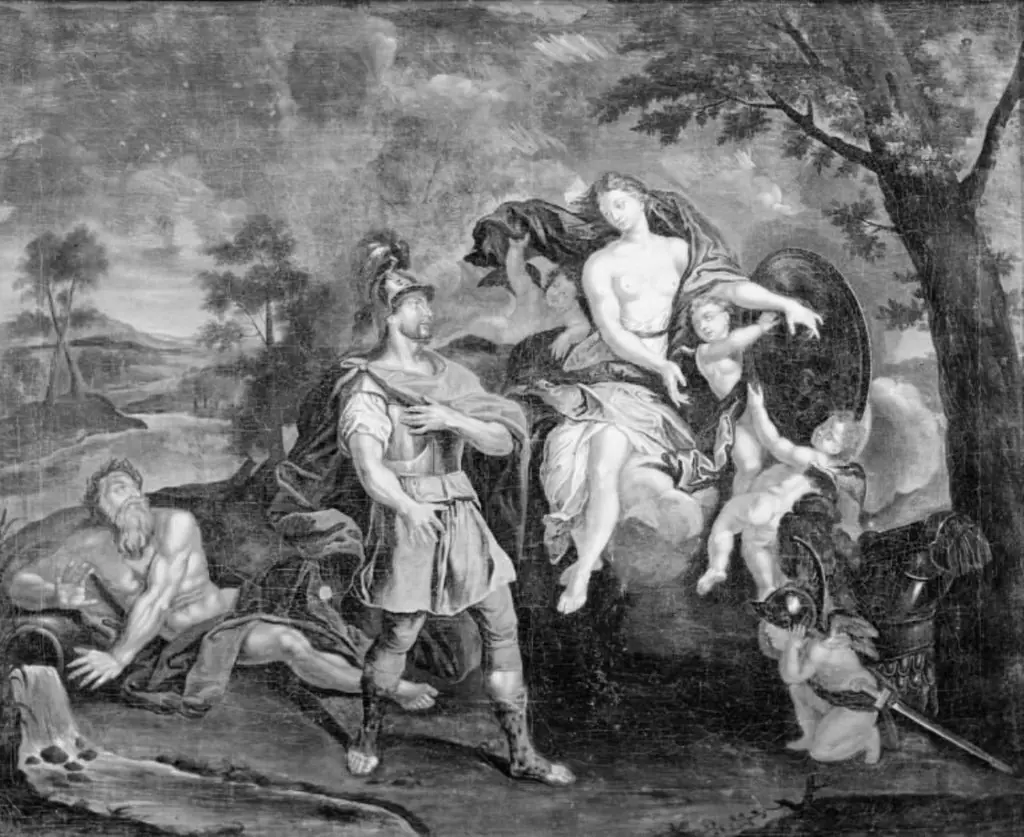 Mars synes at forsikre den i skyer siddende Venus om sin kærlighed. Imidlertid leger amoriner med hans våben
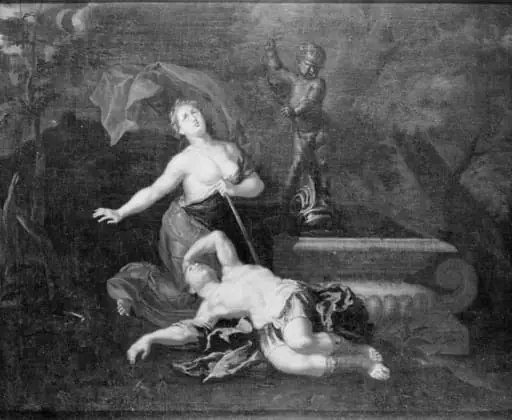 Pyramus and Thisbe
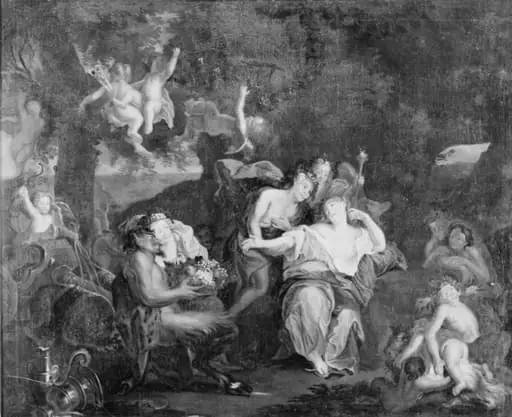 Bacchus og Ariadne sidder sammen i et landskab omgivne af amoriner, bacchantinder og satyrer
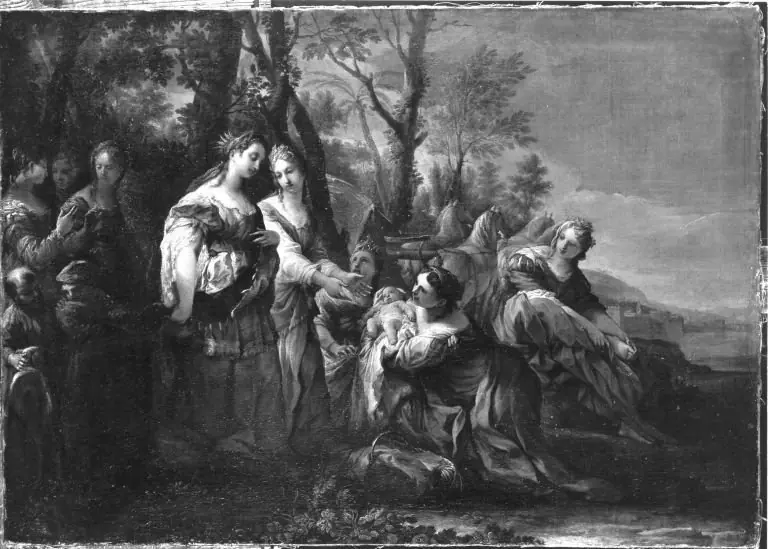
- Die Auffindung Moses