Artwork
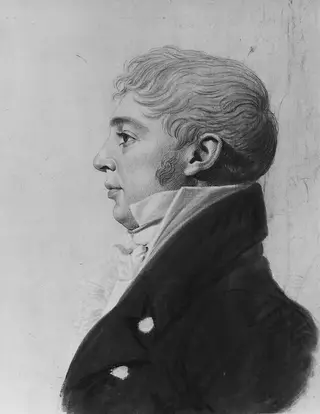
Portrait of a Man
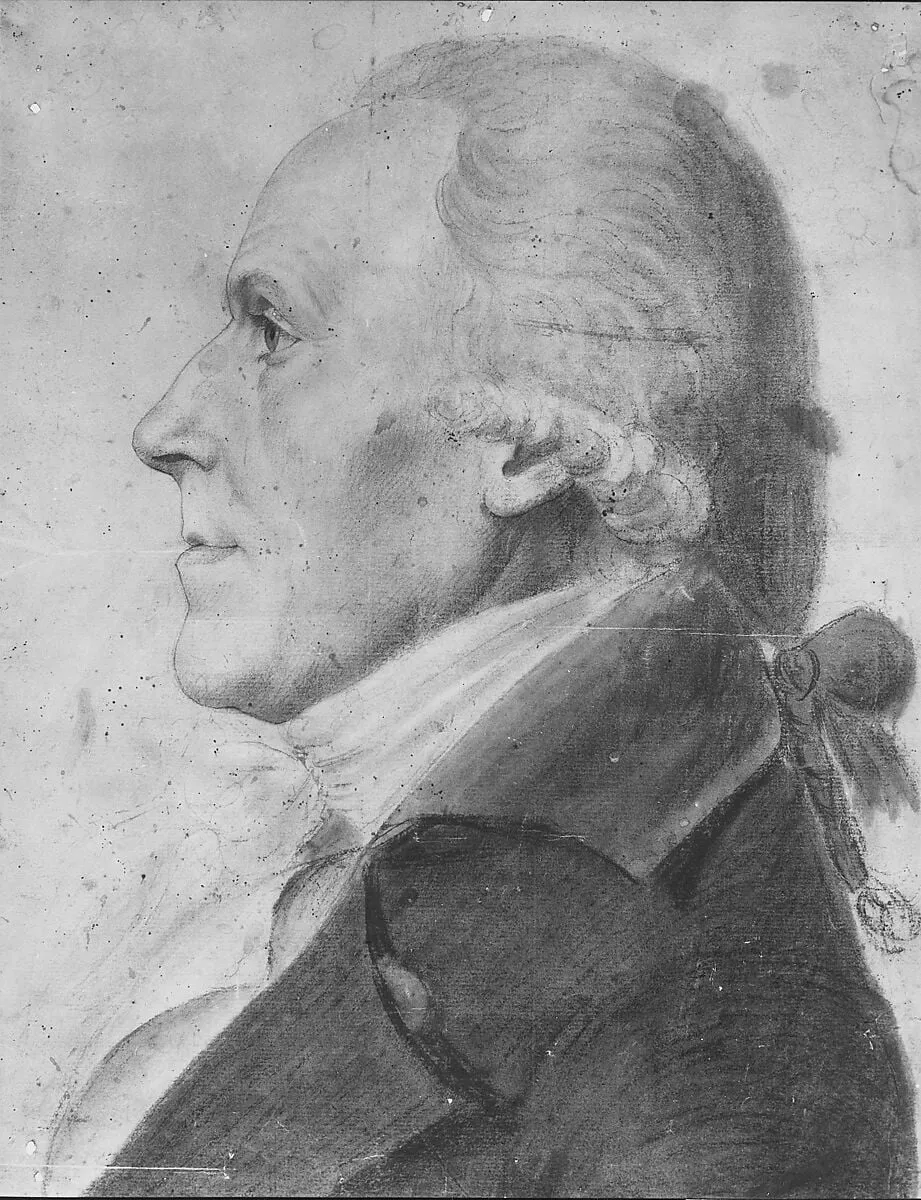
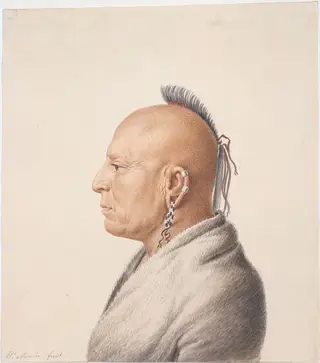
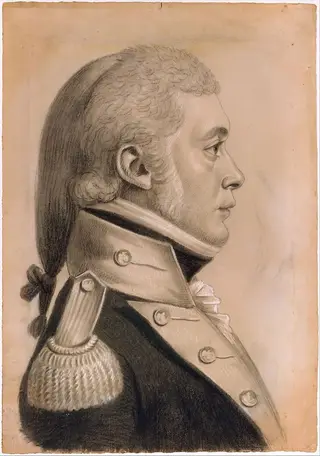
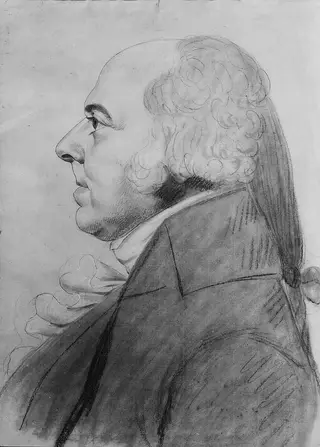
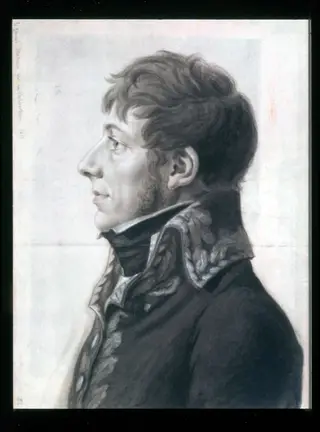
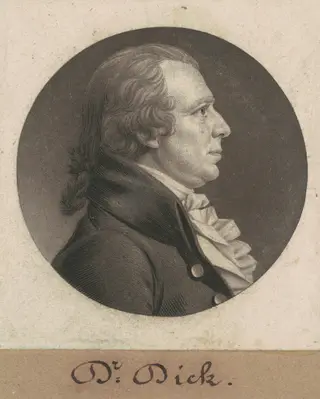
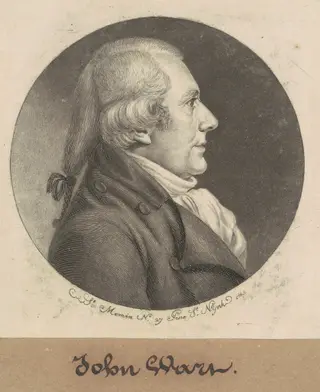
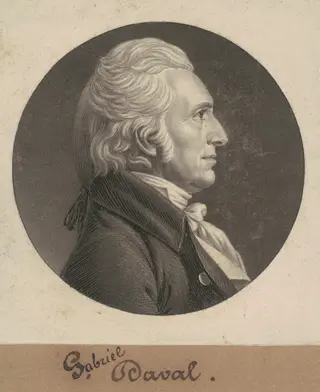
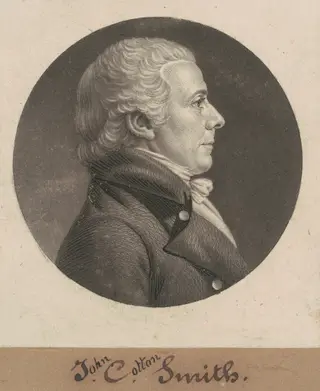
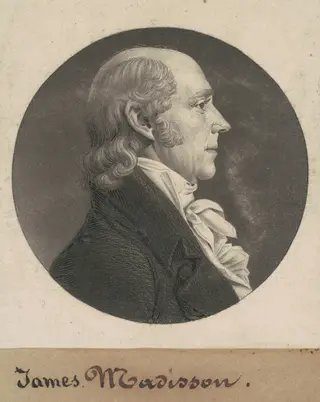
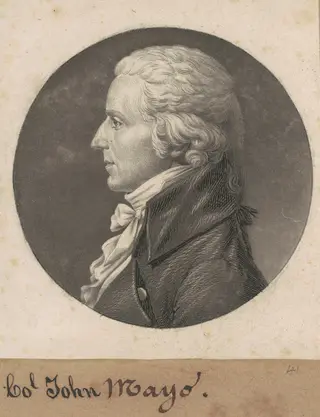
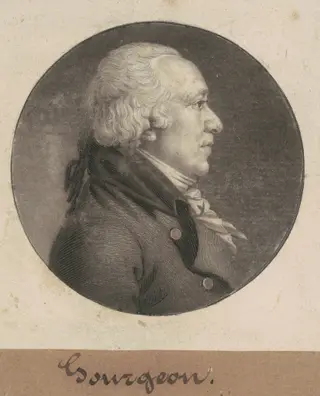
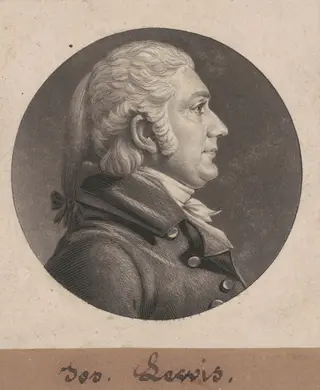
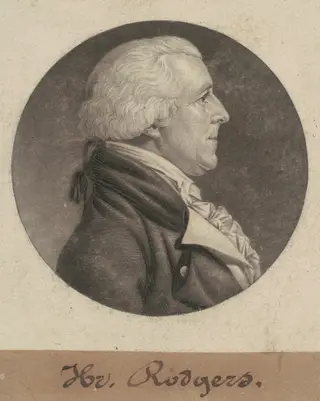
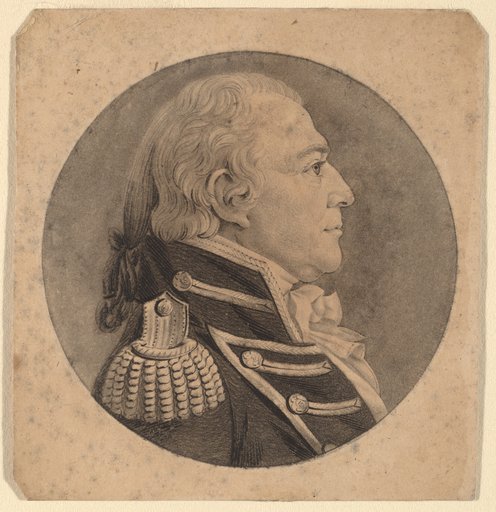
Portrait of a Man is a gouache drawing by the Romanticist artist Charles B. J. Févret de Saint-Mémin. It dates from 1798 and is held in the collection of the Metropolitan Museum of Art.
About this work
Subject & Meaning
Executed in 1797, this work functions as a formal profile portrait of an unidentified male subject.
Executed in 1797, this work functions as a formal profile portrait of an unidentified male subject. The composition adheres to the strict neoclassical convention of depicting the sitter in profile, a format that emphasizes the silhouette and linear clarity of the figure rather than psychological depth or narrative context.
The iconography is minimal, stripped of allegorical attributes, background scenery, or symbolic objects that might otherwise indicate the man's profession, social status, or specific identity. Consequently, the piece represents a straightforward documentary record of physical appearance, focusing entirely on the accurate rendering of the subject's features through precise draftsmanship.
Technique & Style
Created in 1797, the Portrait of a Man is executed on off-white laid paper that has been coated with gouache. The artist, Charles Balthazar Julien Févret de Saint-Mémin, employed a combination of Conté crayon, graphite, and white-chalk heightening to render the figure, with some attribution also suggesting the use of charcoal. The work measures 43.5 cm in height and 34 cm in width.
Stylistically, it presents a profile view of a man, characterized by the precise linear quality typical of the artist's neoclassical portraiture. The medium of drawing on prepared paper allows for subtle tonal gradations and sharp definition in the facial features.
History & Provenance
Created in 1797, this profile portrait was executed by Charles Balthazar Julien Févret de Saint-Mémin. The artist utilized Conté crayon, charcoal, and graphite, applying white-chalk heightening on off-white laid paper that had been coated with gouache. The work measures 43.5 by 34 units and is currently held in the collection of the Metropolitan Museum of Art, specifically within its American Wing.
While the specific original commissioner and the full chain of ownership prior to the museum's acquisition are not detailed in the available records, the piece is firmly established as an 18th-century drawing depicting an unidentified man.
Overview
Portrait of a Man is a 1798 portrait drawing by Charles Balthazar Julien Févret de Saint-Mémin, created using a combination of conté crayon, charcoal, graphite, and white-chalk heightening on off-white laid paper coated with gouache.
Context
Reflects the artistic practices of the late 18th century, blending mechanical innovation (physiognotrace) with traditional manual techniques.
Legacy
Demonstrates Saint-Mémin's contribution to portrait drawing, highlighting the intersection of technology and artistic skill in his work.
Artist & collection
Artist
Charles B. J. Févret de Saint-Mémin
Charles Balthazar Julien Févret de Saint-Mémin (French pronunciation: ; 1770–1852) was a French portrait painter and museum director.