Artwork
Mrs. Luman Reed
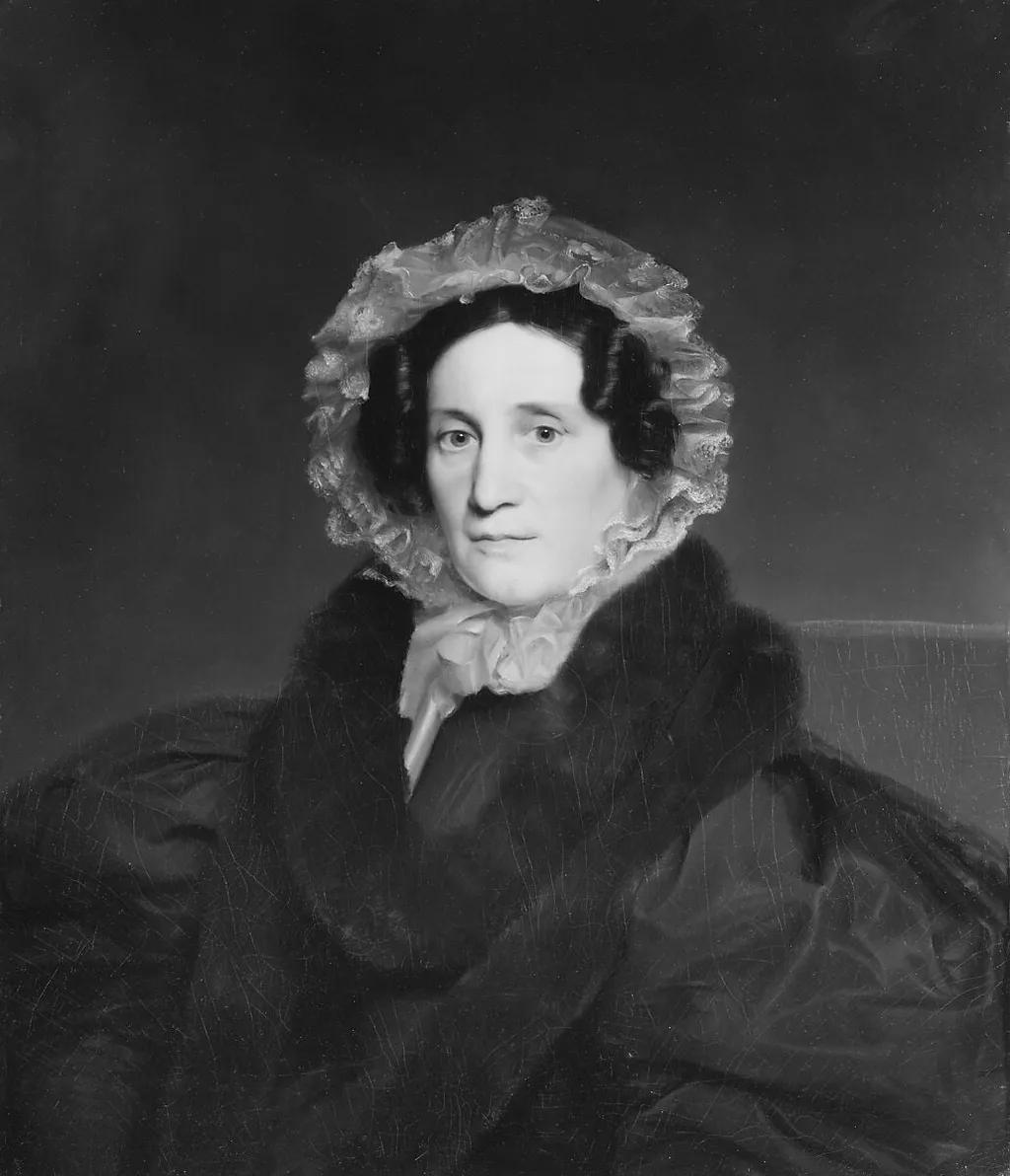
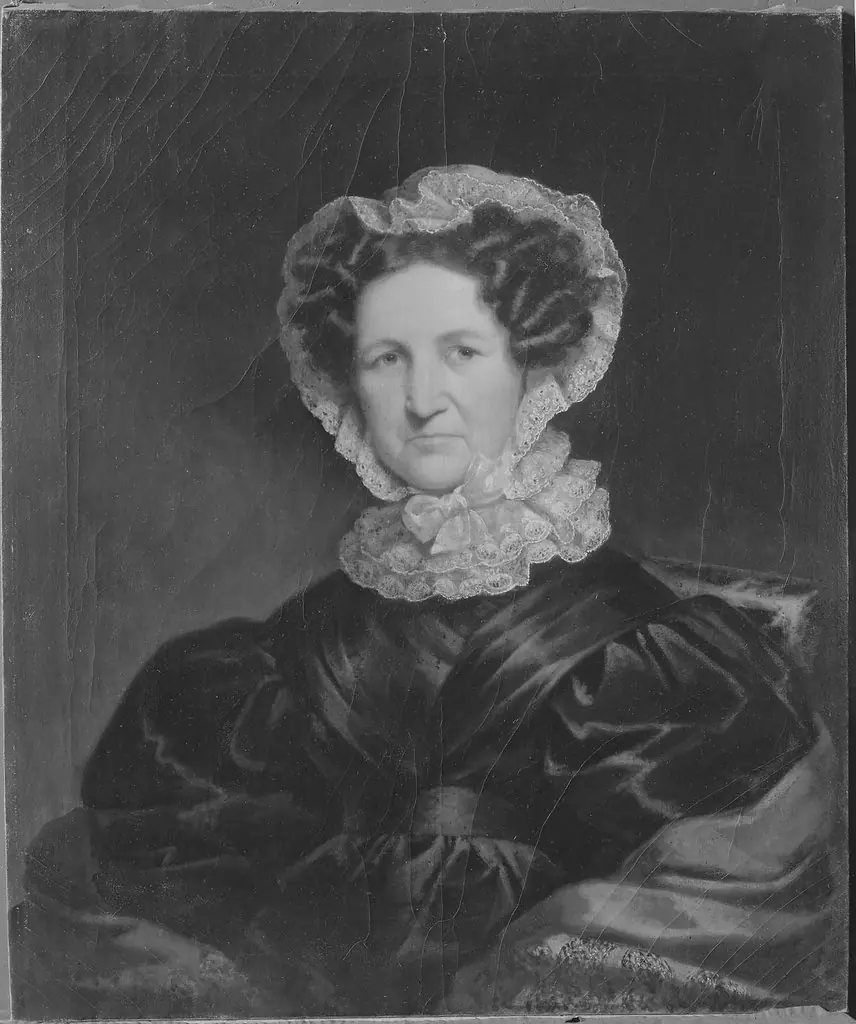
Mrs. Luman Reed is an oil painting by the American Folk Art artist Charles Cromwell Ingham. It dates from 1835 and is held in the collection of the Metropolitan Museum of Art.
- Accession no.
- 1977.342.2
- Credit line
- Bequest of Frederick Sturges Jr., 1977
About this work
Subject & Meaning
Beyond this identification, the available sources do not elaborate on iconographic elements, symbolic content, or broader thematic significance.
The painting is a portrait of a woman, Mrs. Luman Reed, rendered in the conventional genre of portraiture. As a work by Charles Cromwell Ingham from 1835, it belongs to the tradition of American society portraiture, though the sources provide no specific details about her pose, attire, or any symbolic objects that might carry deeper meaning. The depiction centers on the sitter's identity as a married woman of social standing, indicated by her married title.
Beyond this identification, the available sources do not elaborate on iconographic elements, symbolic content, or broader thematic significance.
Technique & Style
The portrait of Mrs. Luman Reed by Charles Cromwell Ingham (1835) is executed in oil on canvas, laid down on a composition board support. The handling exhibits a smooth, refined finish typical of academic portraiture of the period, with careful modeling of the sitter's features and drapery to convey three-dimensionality. The composition emphasizes the figure's poised presence against a neutral background that directs attention to her facial expression and attire, aligning with early 19th-century American portrait conventions that combine lifelike detail with restrained elegance.
History & Provenance
Mrs. Luman Reed by Charles Cromwell Ingham is held in the collection of the Metropolitan Museum of Art, classified within the institution's American Wing. The painting, an oil on canvas laid down on composition board, was created in 1835 and measures 76.5 by 63.5 centimeters. No accession number or specific exhibition history is recorded in the available sources.
Overview
Charles Cromwell Ingham's portrait, Mrs. Luman Reed, created around 1835, captures its subject in oil on canvas, laid down on composition board. This work presents a woman with a quiet directness, characteristic of a style that emphasized individual presence over elaborate display. The painting offers a glimpse into American portraiture of the 1830s, reflecting a departure from more conventional European influences.
Context
Created in New York during the 1830s, Mrs. Luman Reed emerged at a time when many American artists still drew heavily from European aesthetic conventions. Ingham, however, opted for a more unadorned and straightforward portrayal. This decision reflects a growing interest among some American painters in capturing the individual character of their subjects without the embellishments often associated with European grand portraiture, aligning with a nascent American sensibility.
Artist & collection

Artist
Charles Cromwell Ingham (1796 or 1797 – 10 December 1863) was an Irish-American portrait painter and later a founder of the New York National Academy of Design.




 Mrs. Isaac Green (Ann Barrett)
 Madam Powel (Elizabeth Willing)
 Sarah Eliot Scoville
 Eunice Harriet Brigham
 Mrs. Ward Nicholas Boylston (Alicia Darrow)
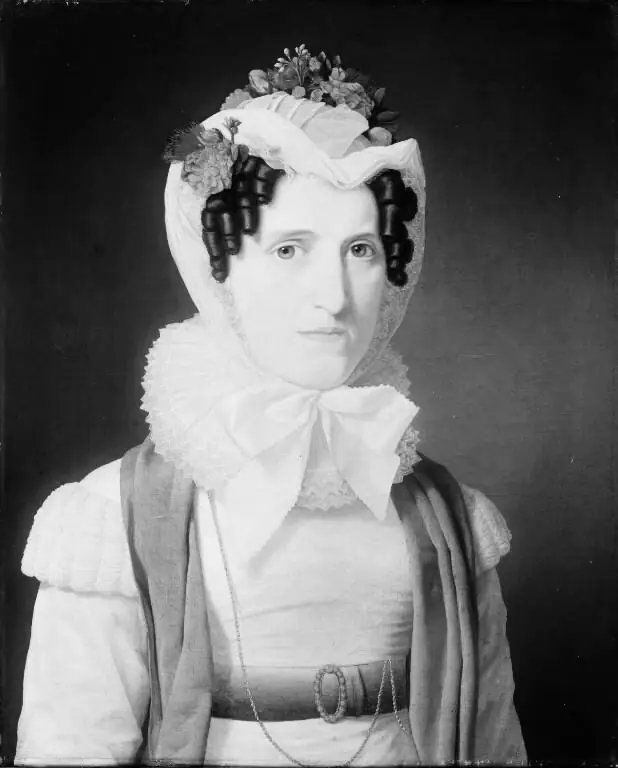 Adelheid Berlin, Grosserer Lippmann Berlins hustru
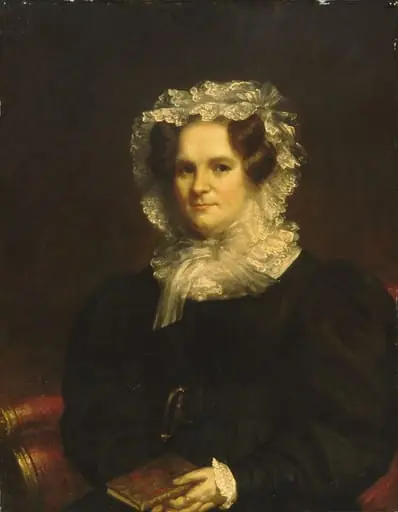 Mrs. Edward Kellogg
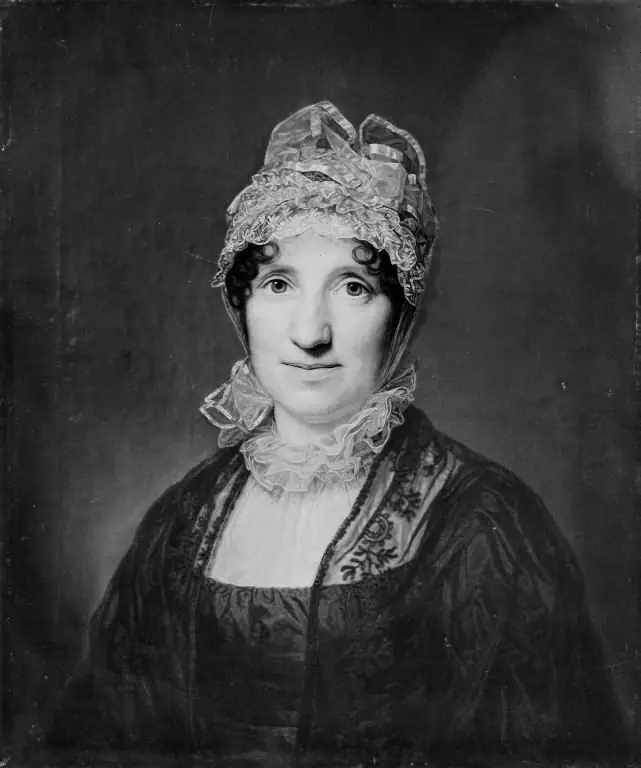 Hedevig Margretha Thomsen, born Jürgensen
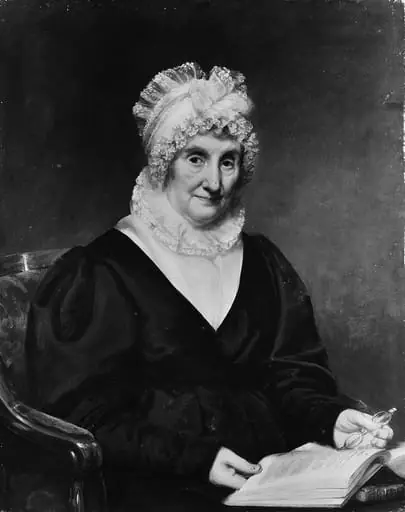 Portrait of a Lady (Possibly of the Buloid Family)
 Adelheid Berlin, Grosserer Lippmann Berlins hustru
- Mrs Rose
 Mrs. John Murray