Artwork
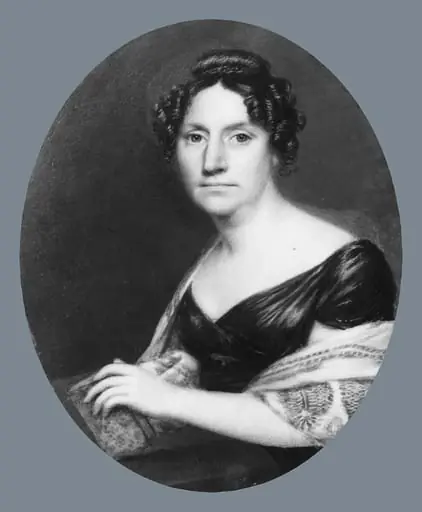
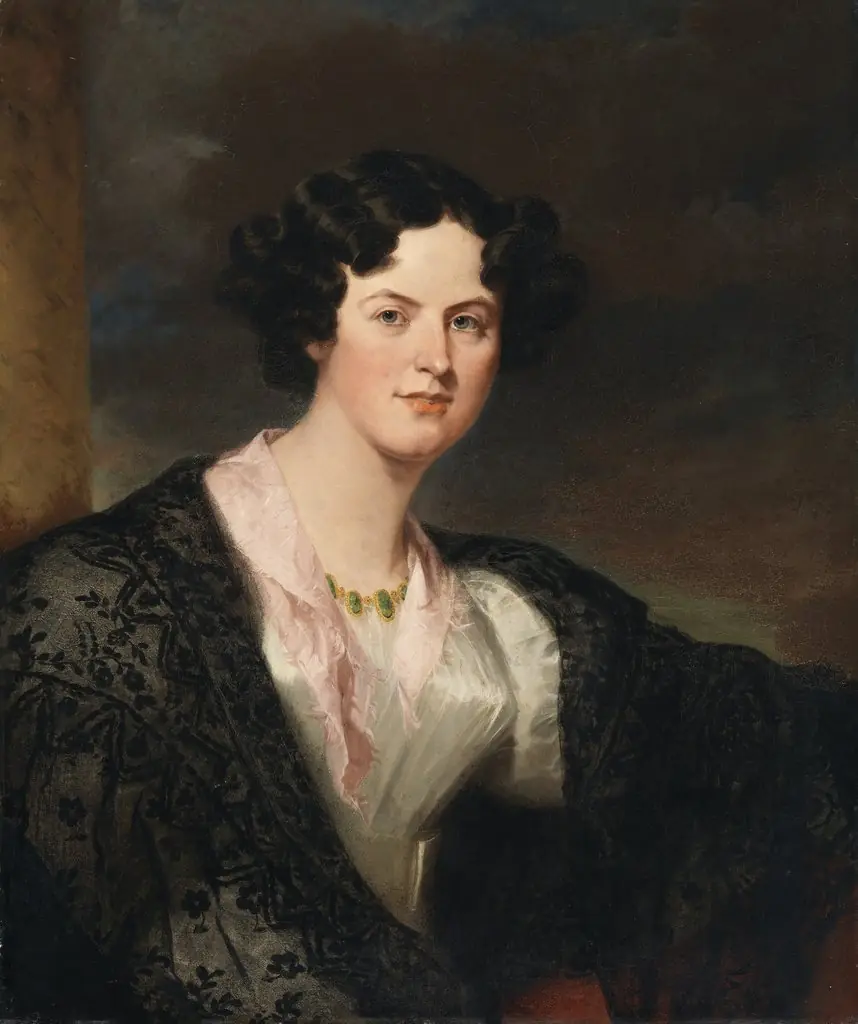
Mrs. David Cadwallader Colden
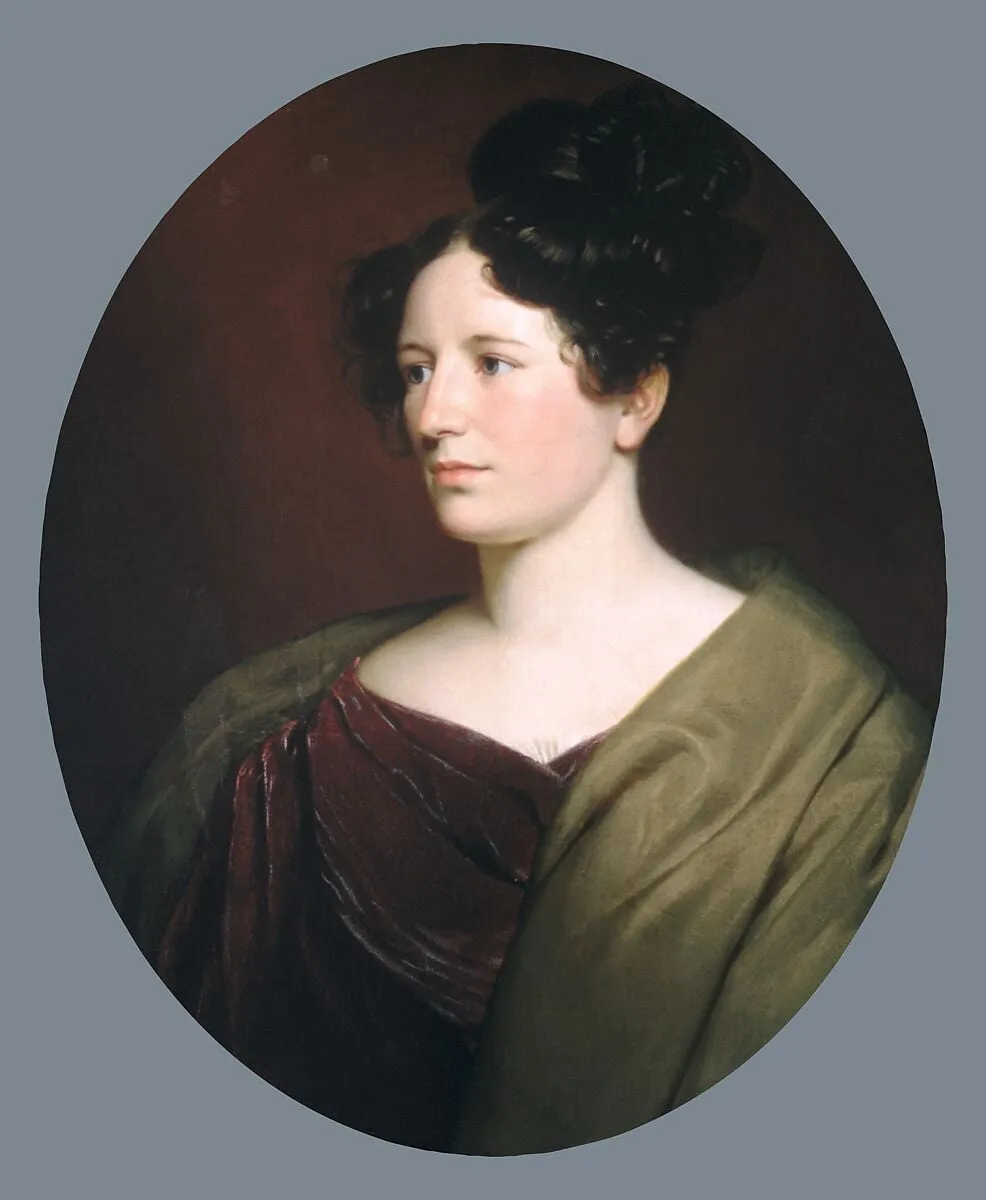
Mrs. David Cadwallader Colden is an oil painting by the American Folk Art artist Charles Cromwell Ingham. It dates from 1830 and is held in the collection of the Metropolitan Museum of Art.
- Accession no.
- 22.45.2
- Credit line
- Bequest of Grace Wilkes, 1922
About this work
A woman in a black dress sits in a red chair, holding a book, her lace collar crisp and her gaze steady. Ingham painted Frances Colden in New York in 1830, when most artists still copied European styles. He gave her a quiet confidence: no jewels, no props, just her face and hands.
Technique & Style
The portrait is executed in oil on canvas, a conventional support for early-nineteenth-century American portraiture.
The portrait is executed in oil on canvas, a conventional support for early-nineteenth-century American portraiture. Measuring approximately 73 cm in height and 60.3 cm in width, the work presents a tightly framed bust-length likeness of the sitter, a stylistic choice consistent with the period’s emphasis on clear, legible physiognomy. The handling is smooth and precise, with careful attention to the rendering of facial features, costume, and accessories such as the white lace collar and dark dress, which convey social status.
The controlled, linear treatment of form and subdued palette align with the conservative aesthetic favored by Ingham’s patrons in New York portrait circles of the 1820s–1830s.
History & Provenance
Mrs. David Cadwallader Colden is an 1830 oil on canvas portrait painted by Charles Cromwell Ingham. The work depicts Frances Wilkes Colden and is classified as a portrait within The American Wing at the Metropolitan Museum of Art. It has been part of the museum's collection since its acquisition, and its dimensions (73 cm × 60.3 cm) and material (oil paint on canvas) are recorded in the institution's catalogue.
Legacy
The painting is part of the American Wing collection at the Metropolitan Museum of Art, where it is displayed as an example of early 19th‑century American portraiture. Its presence in a major public institution has made it a reference point for scholarship on gender representation and elite family portraiture in the early Republic, and its attribution to Charles C. Ingham is frequently cited in studies of early American artists’ networks.
Overview
Charles Cromwell Ingham, an Irish-born artist who helped establish the New York National Academy of Design, completed this oil on canvas portrait in 1830. Titled Mrs. David Cadwallader Colden, the work depicts Frances Wilkes Colden and is considered an example within the American folk art movement. Ingham primarily worked in New York during the early 19th century, specializing in capturing the likenesses of prominent figures.
Subject & Meaning
The painting presents Frances Wilkes Colden with a quiet confidence. Ingham chose to highlight her individual presence rather than external status, opting against elaborate jewels or decorative props. Her steady gaze and the careful rendering of her face and hands communicate an inner composure, allowing her personal character to be the central focus of the composition.
Context
Painted in New York in 1830, this artwork emerged when many American artists continued to emulate European artistic trends. Charles Cromwell Ingham, an immigrant artist, played a role in fostering a distinct American artistic identity, notably through his involvement in founding the National Academy of Design. His portraits, including this one, contributed to a developing national style that valued straightforward depiction over imported grandeur.
Artist & collection
Artist
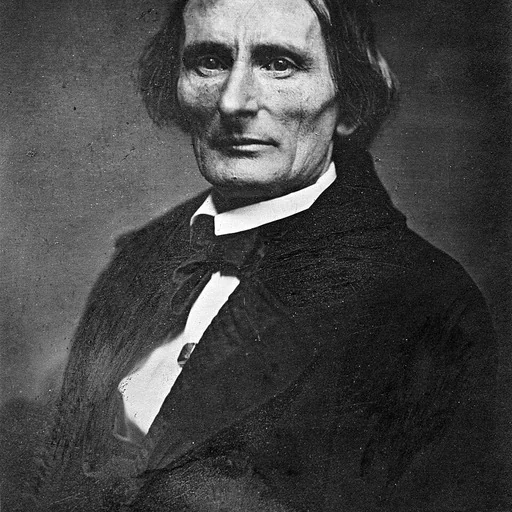
Charles Cromwell Ingham (1796 or 1797 – 10 December 1863) was an Irish-American portrait painter and later a founder of the New York National Academy of Design.

- Konferensrådinde Marie Sophie Frølich, f. de Coninck
 Portrait of a Lady
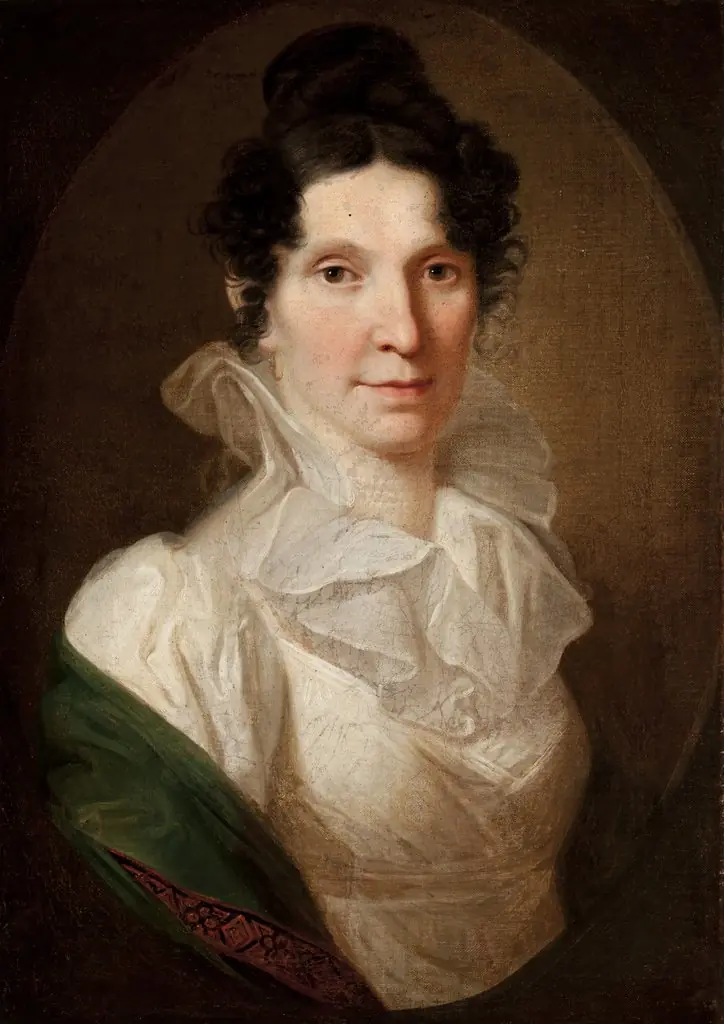 Portrait of Katarzyna Mężyńska née Działyńska
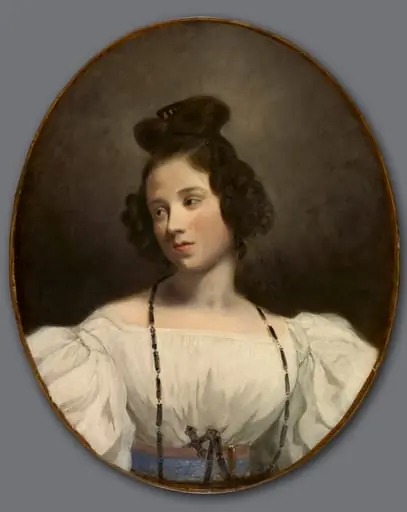 Mlle. Alexandrine-Julie de la Boutraye
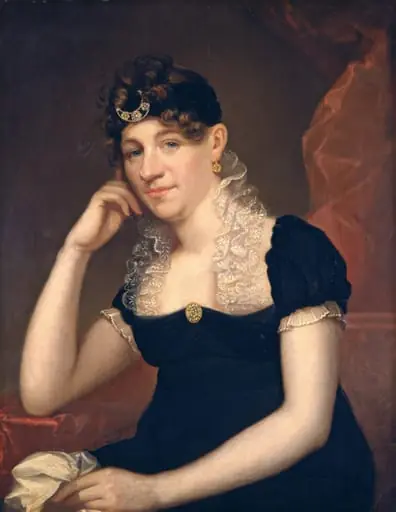 Maria Gansevoort Melvill (Mrs. Allan Melvill)
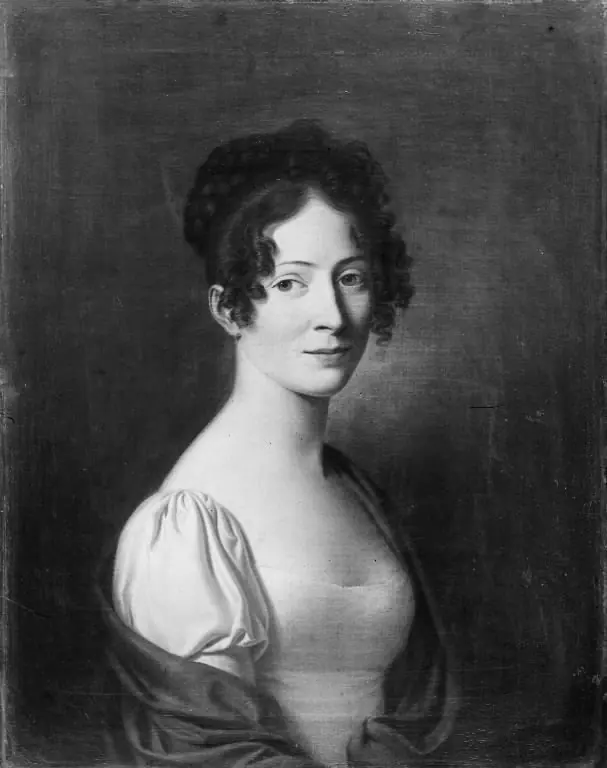 Konferensrådinde Marie Sophie Frølich, f. de Coninck
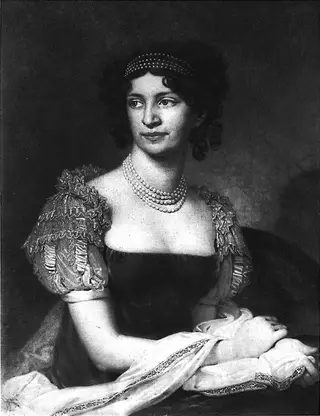 Princess Margaret Dolgorukaya (1785-1814), née Apayschikova
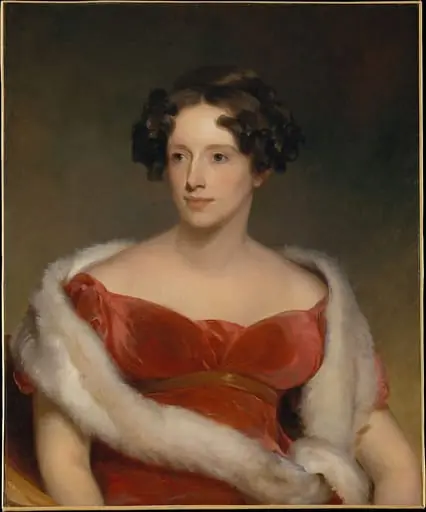 Mrs. John Biddle (Eliza Falconer Bradish)
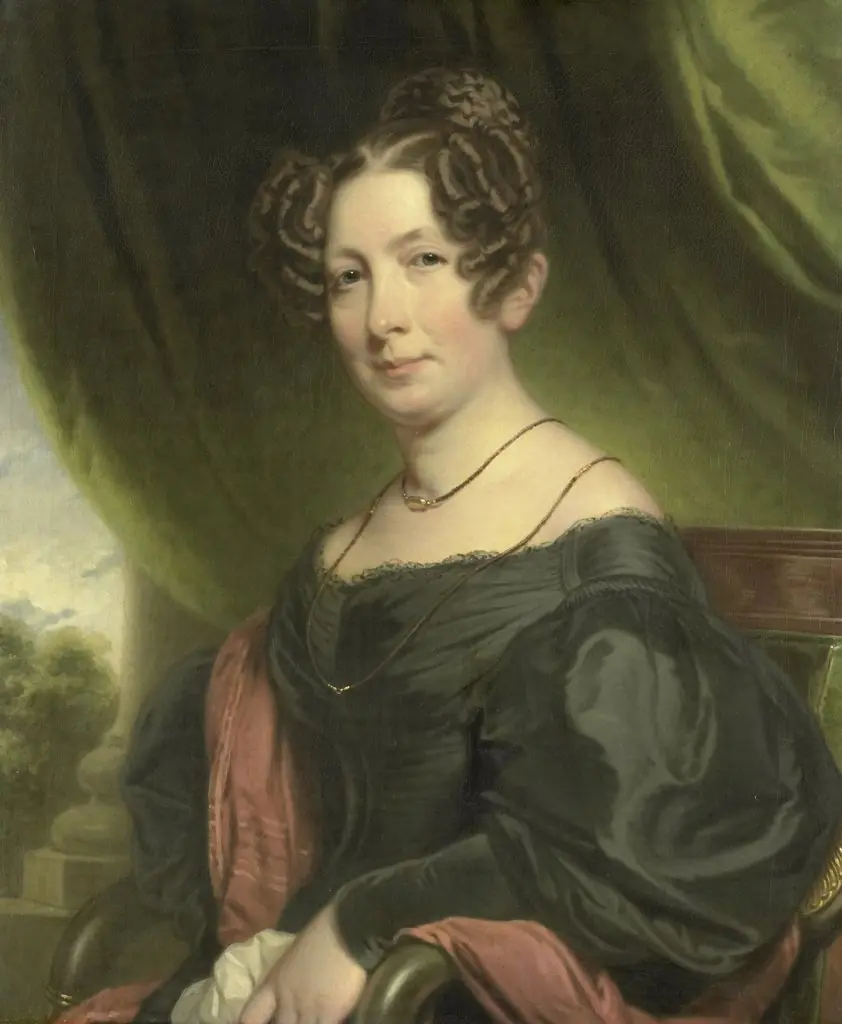 Portrait of Maria Antoinette Charlotte Sanderson, Wife of Johan Fraser
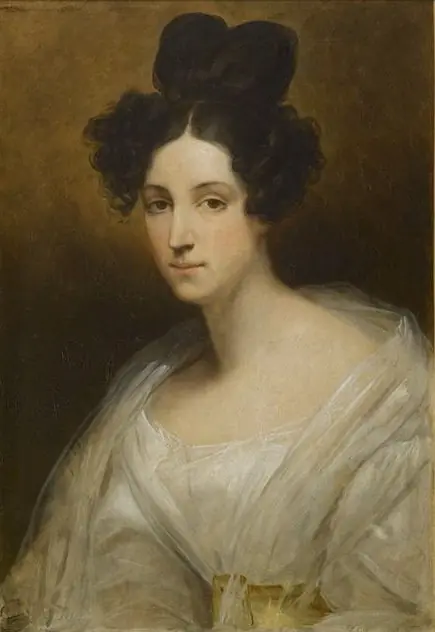 Césarine de Houdetot, Baronne de Barante (1794-1877)
 Portrait of Mrs Clementson
 Miss Jean Christie