Artwork
Portrait of a Gentleman
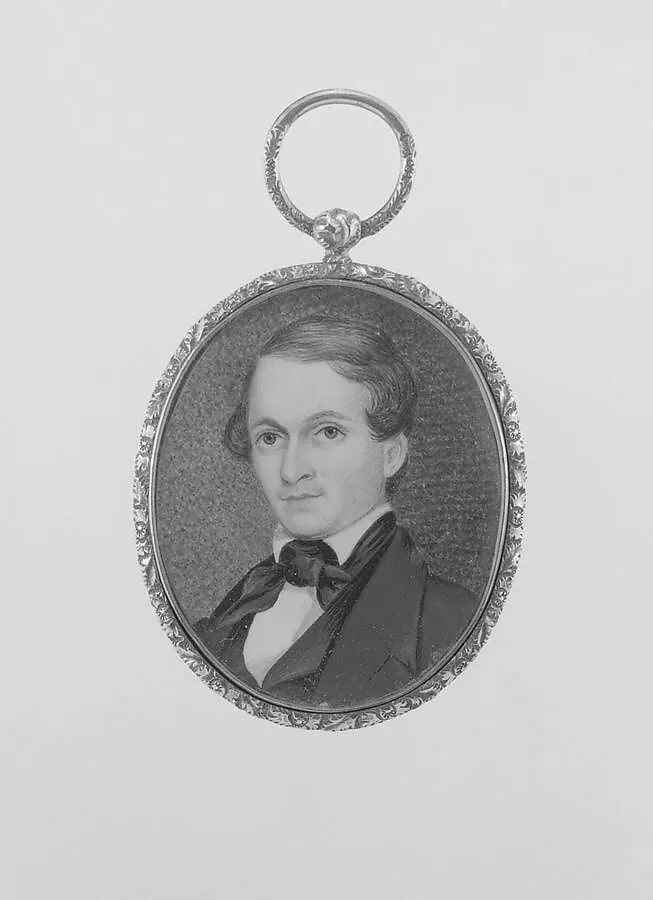
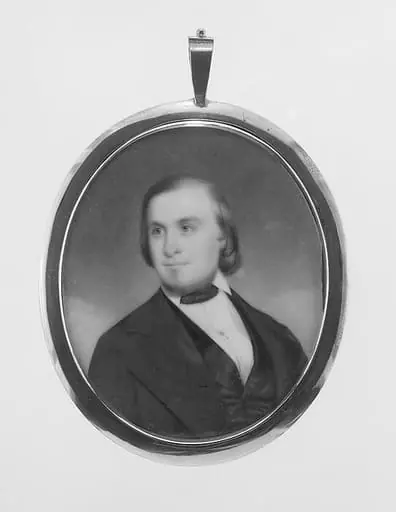
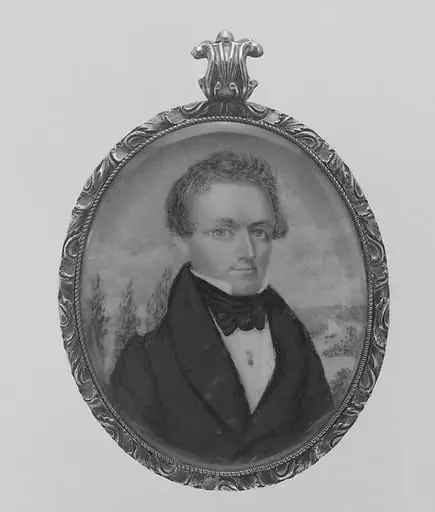
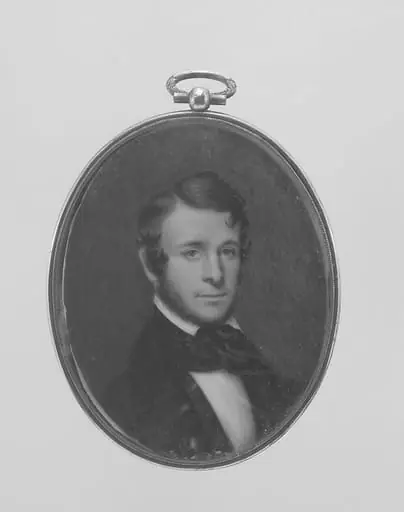
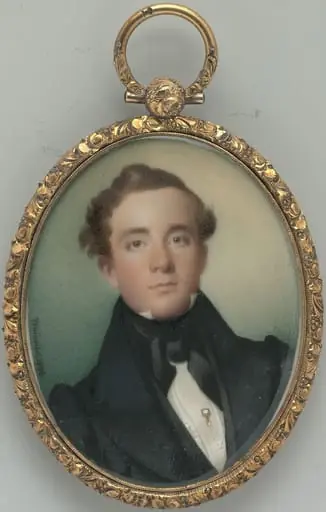
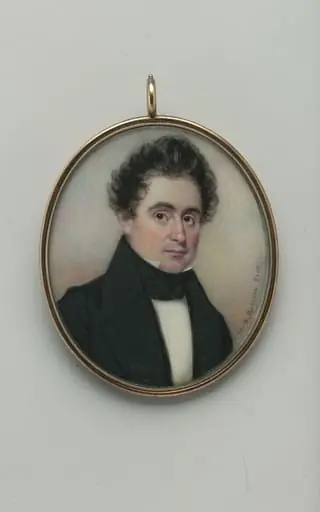
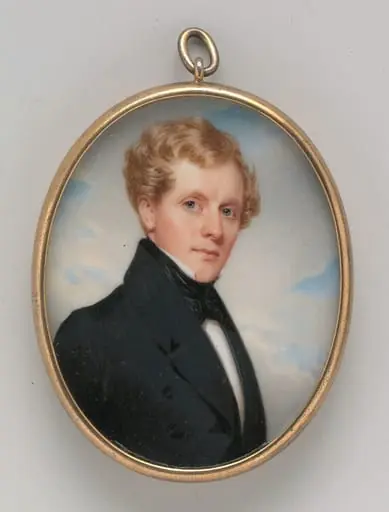
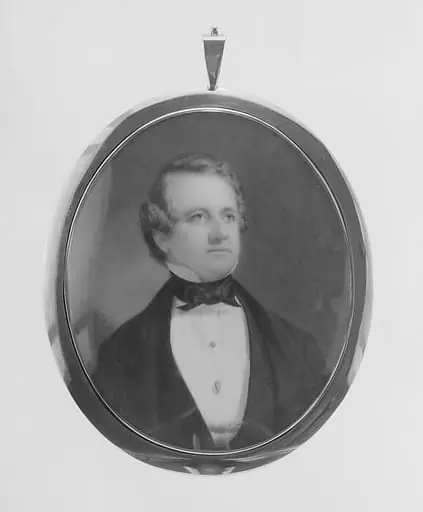
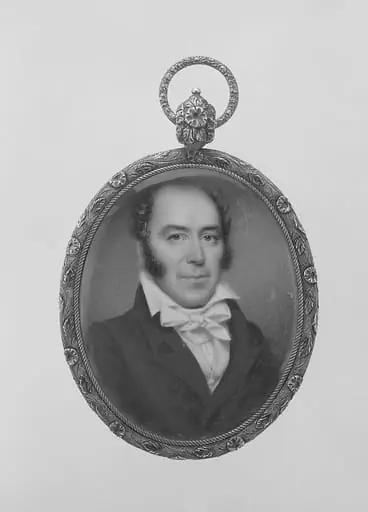
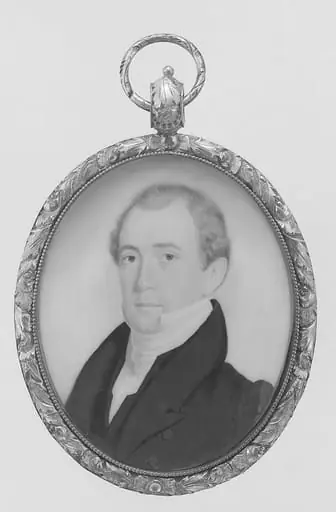
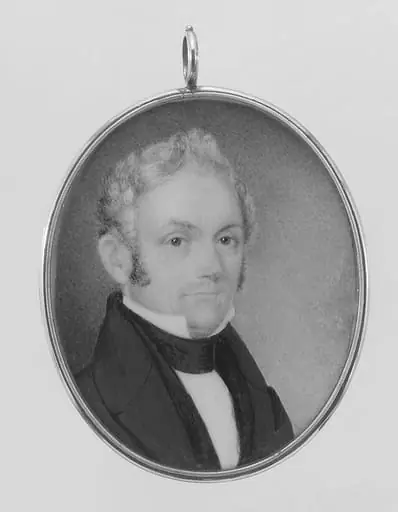
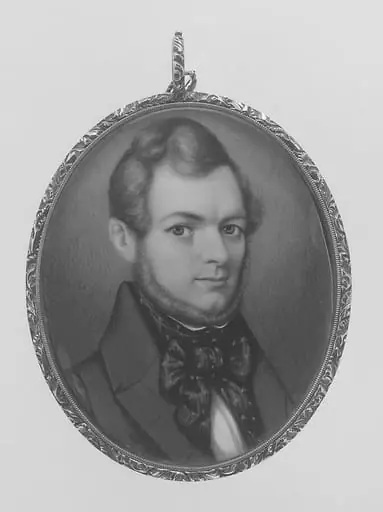
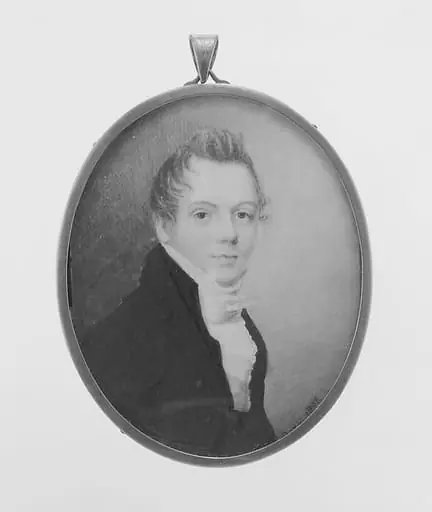
Portrait of a Gentleman is a watercolor painting by the American Folk Art artist Charles F. Berger. It dates from 1843 and is held in the collection of the Metropolitan Museum of Art. Charles F.
About this work
The artist layered thin, see-through washes (a technique called glazing) to build up the skin tones.
A man in a dark suit looks straight at you, one hand resting on a table. His face is smooth, almost glowing, against the soft gray background.
This tiny painting is done on ivory, yes, actual ivory, using watercolor. The artist layered thin, see-through washes (a technique called glazing) to build up the skin tones. It was made in 1843, when miniatures like this were carried like photos in a wallet.
If you like how light plays on faces, look up the technique glazing.
Subject & Meaning
The painting, titled Portrait of a Gentleman, portrays an unidentified man rendered in watercolor on ivory in 1843. As a work within The American Wing at the Metropolitan Museum of Art, it functions as a formal portrait that traditionally signified the sitter’s social status and respectability. The depiction of a solitary gentleman in modest attire reflects contemporary ideals of refinement and genteel conduct, using the portrait genre to document personal identity while reinforcing notions of honor and civic responsibility.
Its composition and medium underscore the artist’s intent to present the subject as a respectable member of early‑American society.
Technique & Style
Portrait of a Gentleman is executed in watercolor on ivory, a miniature format consistent with the work's small dimensions of roughly 5 by 4 inches. The use of ivory as a support was a hallmark of nineteenth-century portrait miniatures, providing a smooth, luminous ground that allowed the watercolor pigments to be applied with fine, translucent handling. The portrait is classified within The American Wing and depicts a male sitter, rendered in the precise, delicate technique associated with the miniature tradition of the period.
The compact scale and ivory support reflect the conventions of mid-nineteenth-century American miniature painting, where artists exploited the material's translucency to achieve subtle tonal modeling and refined detail in the sitter's features.
History & Provenance
The Portrait of a Gentleman was created in 1843 by the artist Charles F. Berger. Executed as a watercolor on ivory, this small-scale portrait measures approximately five inches in height and four inches in width. The work depicts a single male subject and is classified within the genre of portraiture.
Currently, the artwork resides in the collection of the Metropolitan Museum of Art, where it is housed within The American Wing. While the specific commission details and the identity of the original patron are not recorded in the available documentation, the creation date is firmly established as the year 1843. The piece remains a part of the museum's holdings, representing Berger's work in the medium of miniature portraiture during the mid-nineteenth century.
Charles F. Berger's 1843 watercolor on ivory, titled Portrait of a Gentleman, is held in the collection of the Metropolitan Museum of Art. The work is classified within the museum's American Wing. While the provided sources confirm the institution and general location, they do not specify a unique inventory or accession number for this piece.
The documentation indicates the artwork was created on January 1, 1843, and depicts a male subject. No specific exhibition history or past display records are detailed in the available references, which focus primarily on the work's creation date, medium, dimensions, and current custodial home.
Overview
Charles F. Berger created this watercolor on ivory, titled Portrait of a Gentleman, in 1843. The miniature depicts an unidentified man, rendered with a smooth complexion and direct gaze. This intimate scale allowed for personal ownership and portability, a common practice for such portraits during the mid-19th century.
Context
During the mid-19th century, miniature portraits served a function similar to modern photographs. These small, often oval, artworks were frequently carried by individuals as personal mementos or tokens of affection, much like a wallet-sized picture today. Their compact size and durable medium made them ideal for portability, allowing owners to keep images of loved ones close at hand.
Artist & collection
Artist
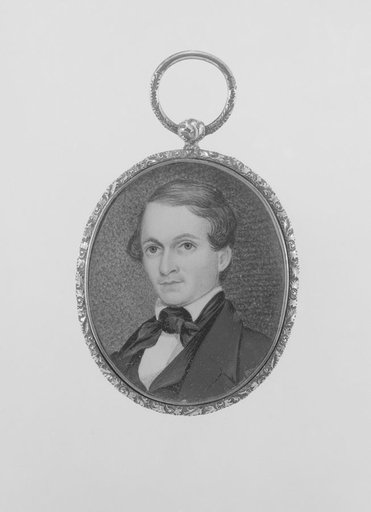
Painter Charles F. Berger worked small, painting intimate portraits on ivory in the 1840s. His Portrait of a Gentleman from 1843 captures a subject in a dark coat against a plain background, the fine brushwork and muted…