Artwork
The Oak Tree and the Reed
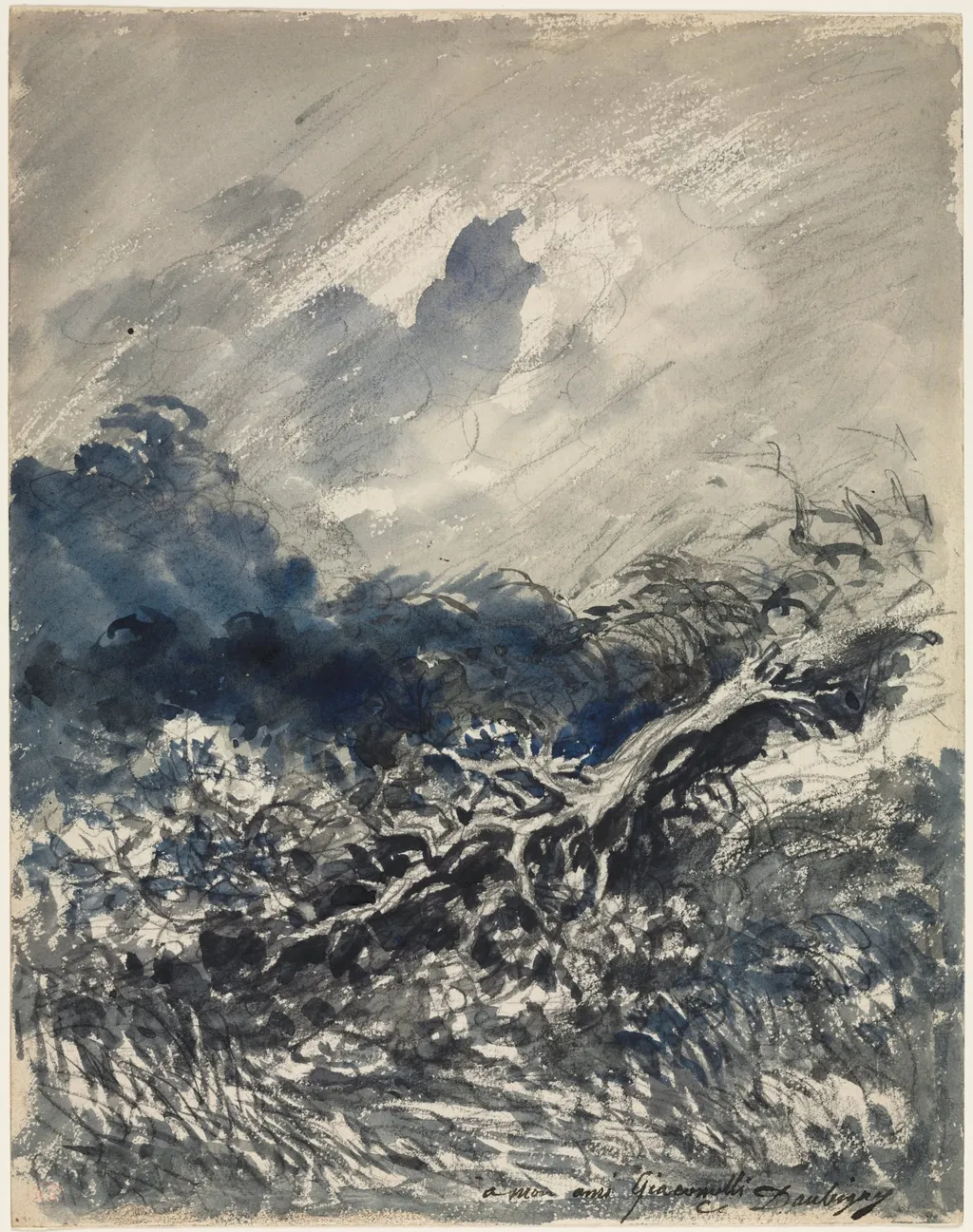
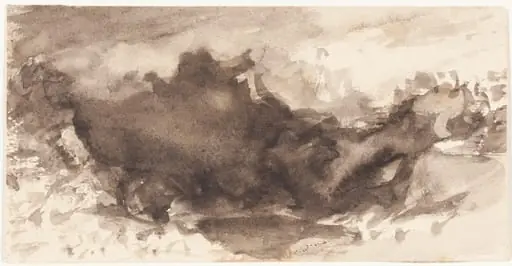
The Oak Tree and the Reed is a drawing by the Impressionist artist Charles François Daubigny. It dates from 1873 and is held in the collection of the Cleveland Museum of Art.
- Accession no.
- 2008.357
- Credit line
- Bequest of Muriel Butkin
About this work
Overview
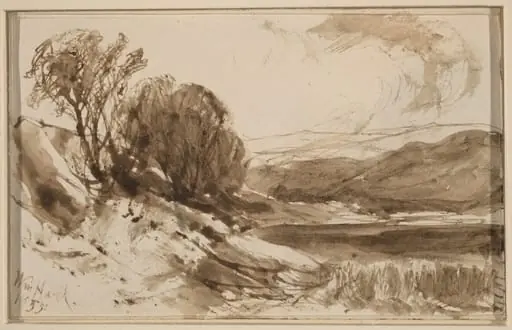
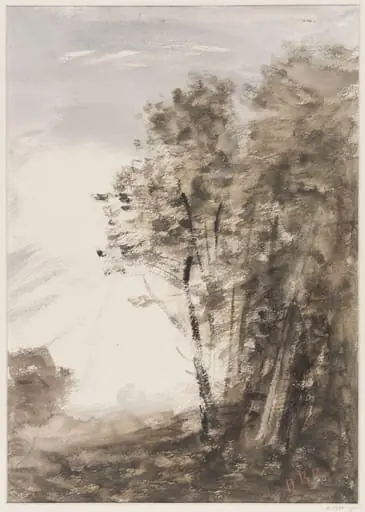
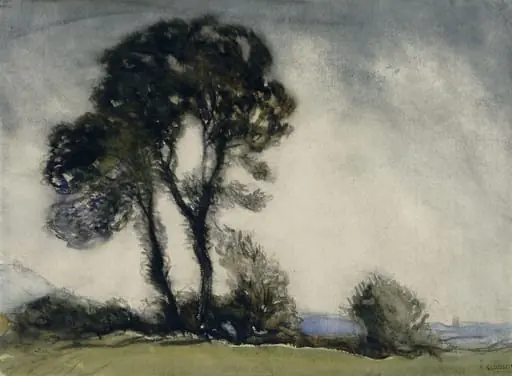
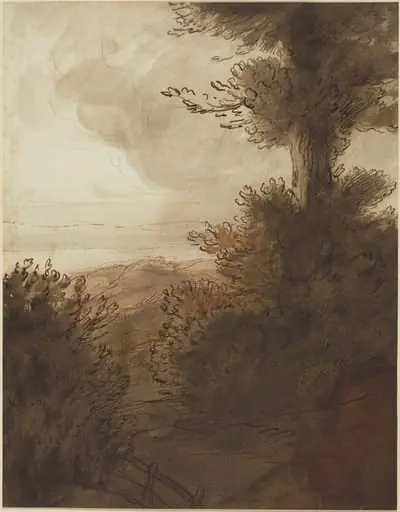
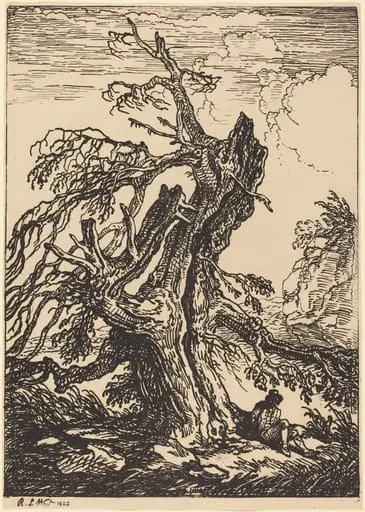
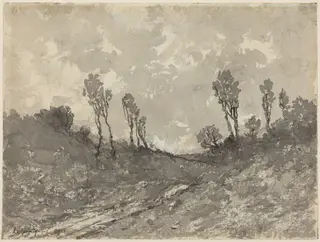
The Oak Tree and the Reed is a drawing that depicts a dramatic scene from a fable, showcasing a fallen oak tree and a nearby reed bending in the wind.
Subject & Meaning
The drawing illustrates a fable by Jean de La Fontaine, where an oak tree is uprooted by a strong wind after it mocks a reed for bending. The scene conveys a moral lesson about the dangers of pride.
Technique & Style
The drawing features bold contrasts of light and dark, achieved through the use of chiaroscuro. The artist's application of gray wash and dappling of lights and darks creates a sense of turmoil and emphasizes the power of nature.
Own this work as a print
Artist & collection
Artist
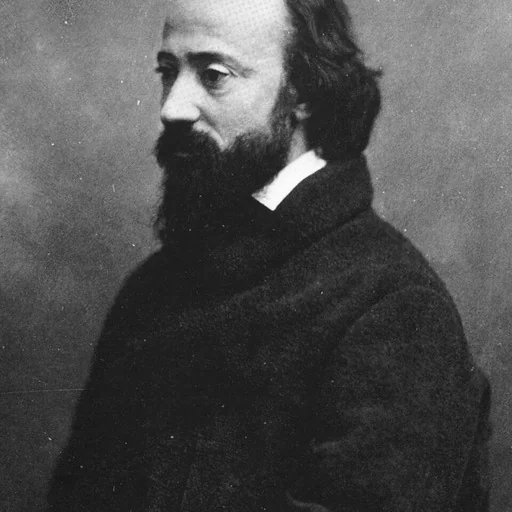
Charles-François Daubigny ( DOH-bin-yee, US: DOH-been-YEE, doh-BEEN-yee, French:; 15 February 1817 – 19 February 1878) was a French painter, one of the members of the Barbizon school, and is considered an important precursor of…