Artwork
Powell Macrae
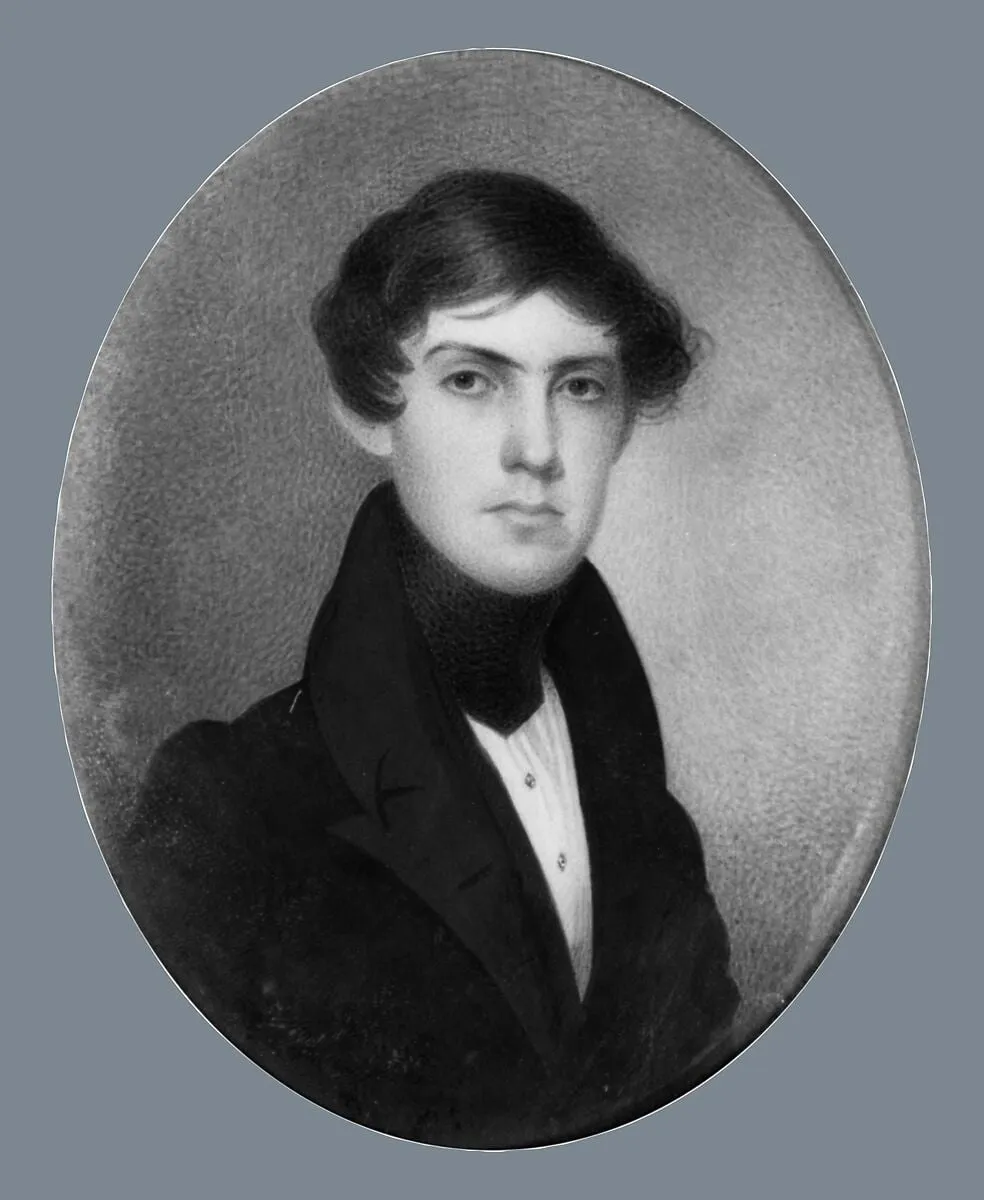
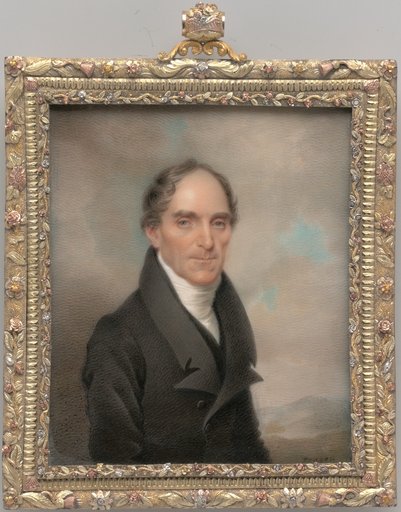
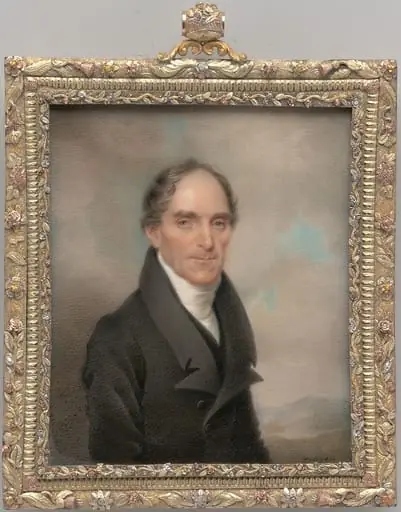
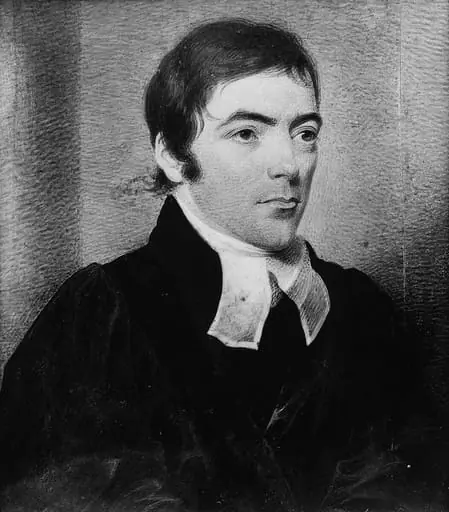
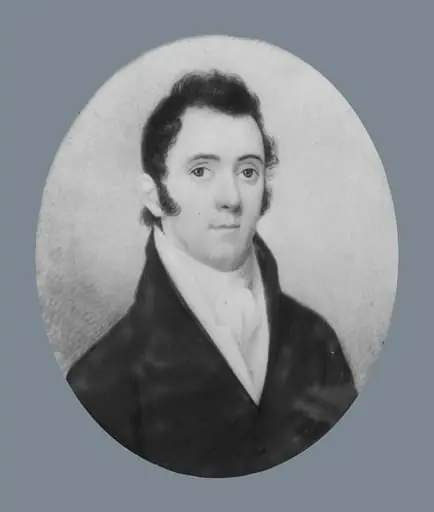
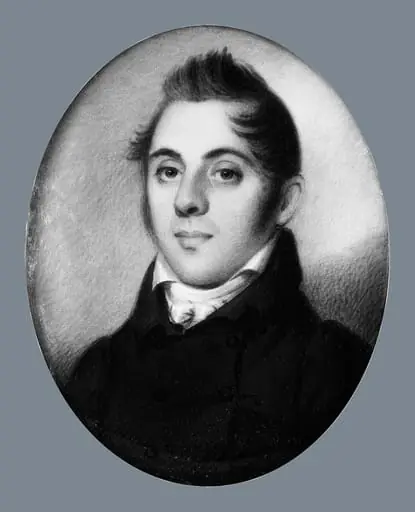
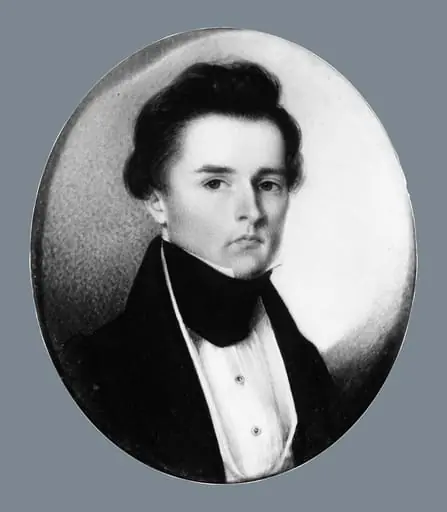
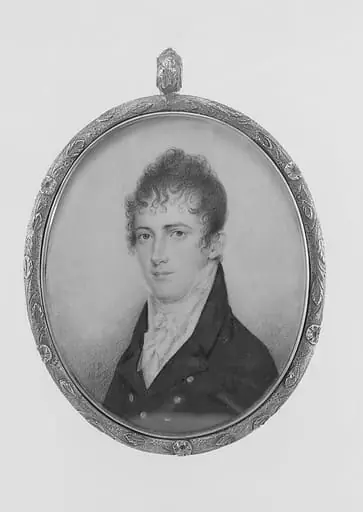
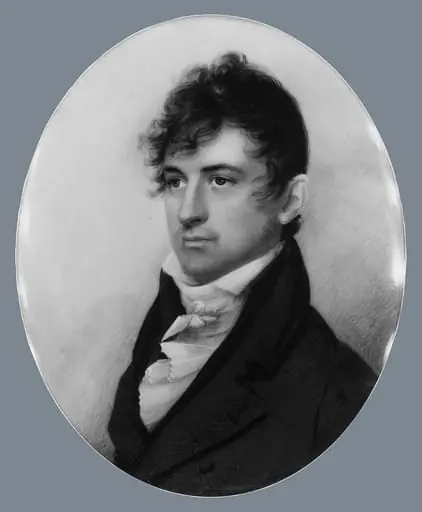
Powell Macrae is a watercolor painting by the American Folk Art artist Charles Fraser. It dates from 1833 and is held in the collection of the Metropolitan Museum of Art.
- Accession no.
- 63.182.4
- Credit line
- Gift of Jacqueline L. Hammond, 1963
About this work
Technique & Style
The piece is held within the American Wing collection of the Metropolitan Museum of Art, reflecting its significance in American art history.
Created in 1833 by Charles Fraser, this portrait utilizes watercolor applied to an ivory support. The work is classified as a miniature painting, measuring approximately 9.8 by 8.1 centimeters. The medium of watercolor on ivory was a standard technique for portraiture during this period, allowing for delicate handling and fine detail in the depiction of the male subject.
The piece is held within the American Wing collection of the Metropolitan Museum of Art, reflecting its significance in American art history.
Context
The 1833 watercolor portrait titled Powell Macrae, painted by Charles Fraser, is catalogued in The American Wing of the Metropolitan Museum of Art as a representative example of early American portraiture. Executed on ivory and measuring roughly 9.8 by 8.1 centimeters, the work depicts a man in a conventional pose typical of the period, reflecting Fraser's role in shaping early American portrait conventions. Its inclusion in a major museum collection illustrates how early American artists balanced European techniques with an emerging national identity.
Overview
Charles Fraser's 1833 watercolor on ivory depicts Powell Macrae in a formal portrait format characteristic of early American miniaturists. The subject is shown from the chest up, facing forward with a direct gaze and a composed, neutral expression. Fraser renders Macrae's features with precise detail, highlighting the soft texture of the skin against the dark, unadorned coat and neatly styled hair.
The work utilizes the translucent quality of the ivory support, a medium favored in the early nineteenth century for its ability to create a luminous, warm glow in flesh tones that mimics natural light. This technique distinguishes the piece from oil portraits of the era, offering a more intimate and delicate presentation. Fraser, a prominent Charleston artist known for his miniatures, produced this work during a period when such portraits served as personal keepsakes and markers of social status.
The composition focuses entirely on the sitter's physiognomy, eliminating background distractions to emphasize individual character. This piece exemplifies Fraser's skill in capturing likeness and his adherence to the refined aesthetic standards of American portrait miniatures in the antebellum South.
Subject & Meaning
Powell Macrae is depicted in a dark coat, his gaze directed forward with a composed expression. The artist rendered his features with soft illumination, highlighting his neat hair and serene demeanor. This direct yet gentle portrayal captures the individual's presence, characteristic of personal portraits from the period.
Artist & collection