Artwork
Mr. Rutherford
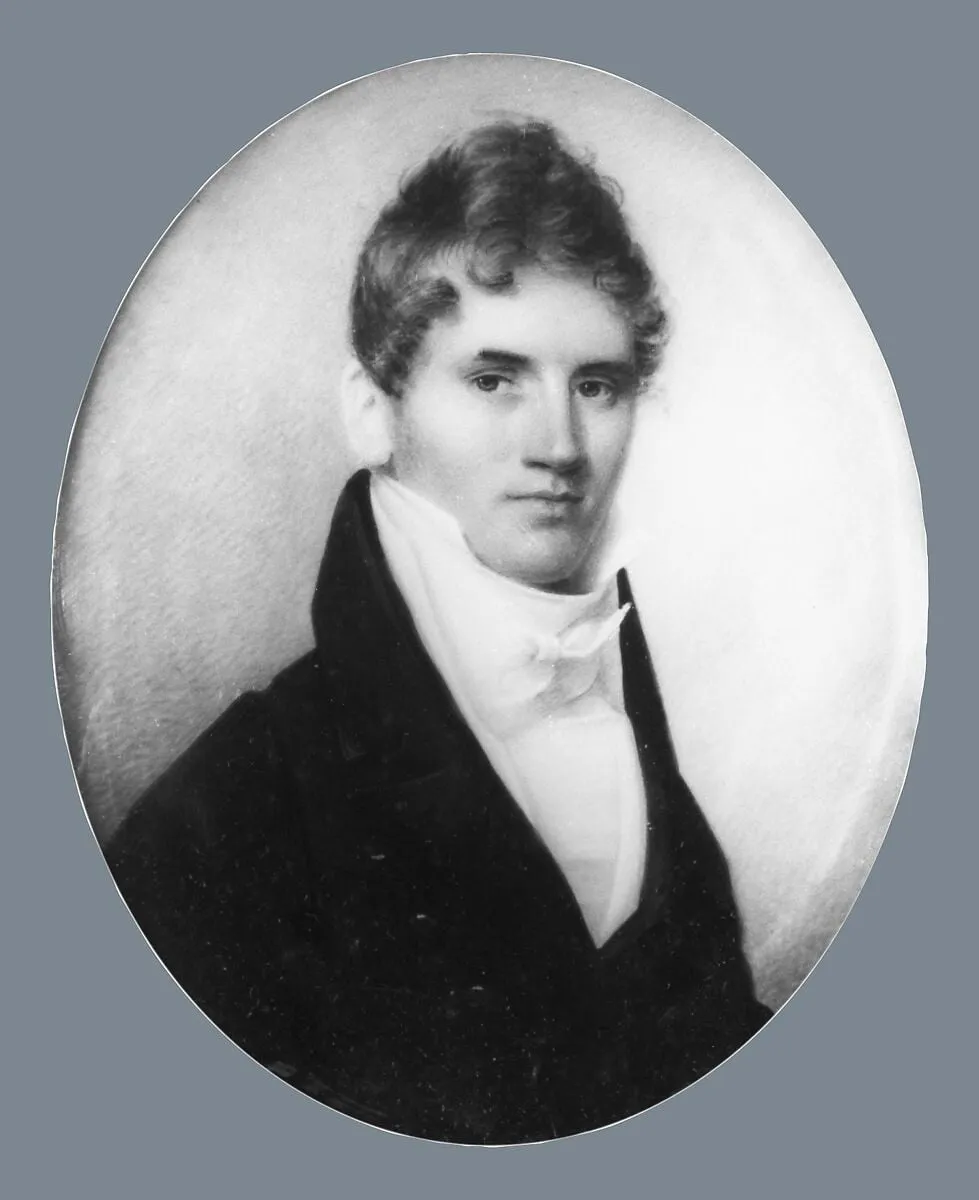
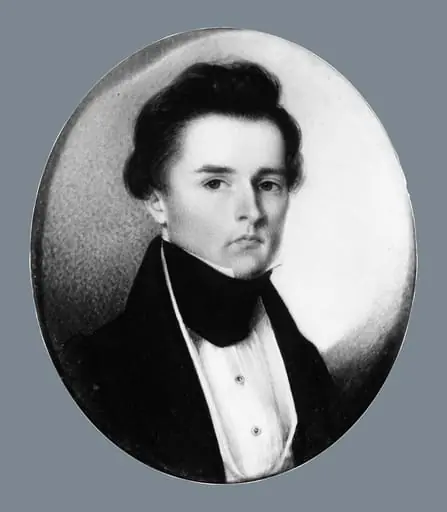
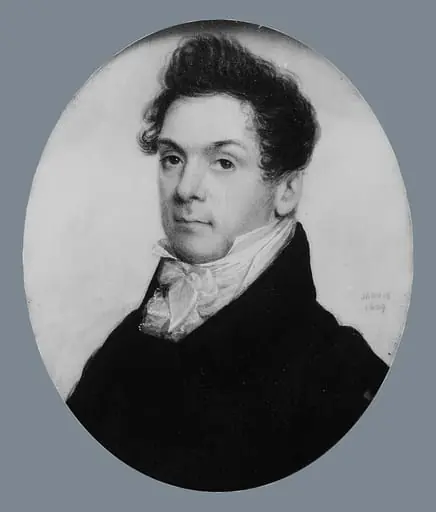
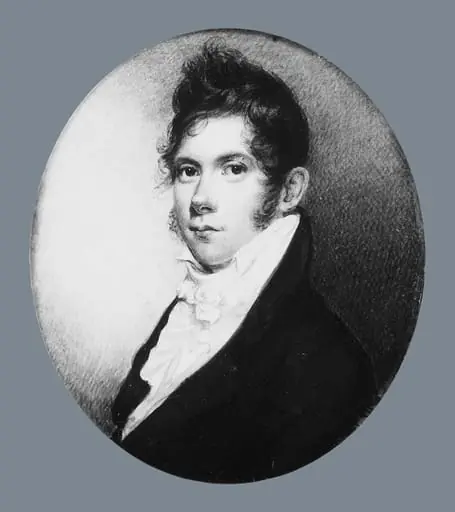
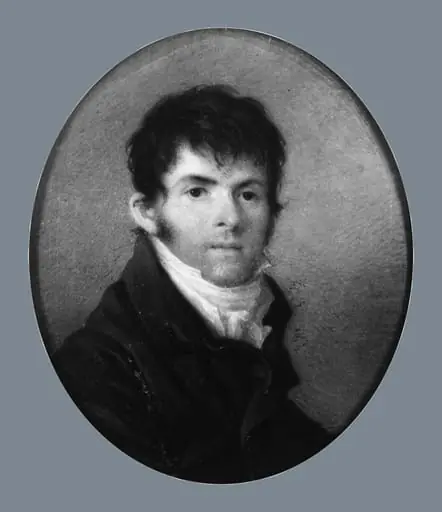
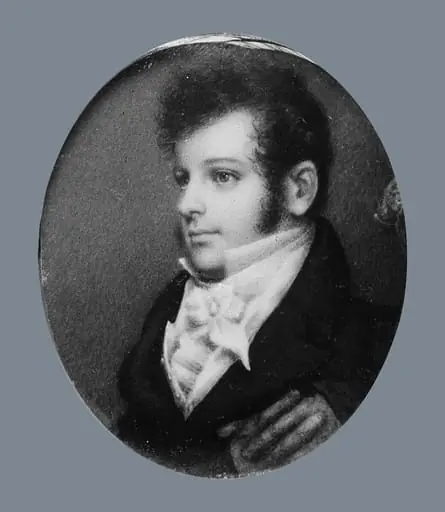
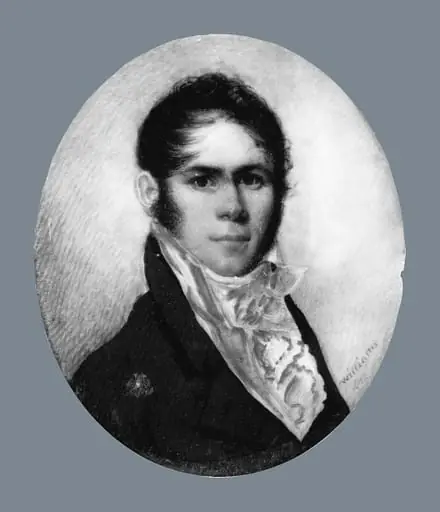
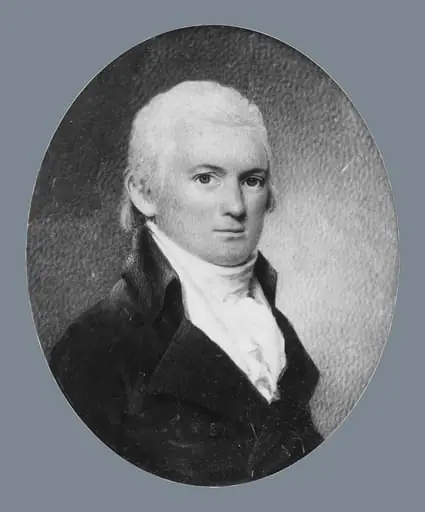
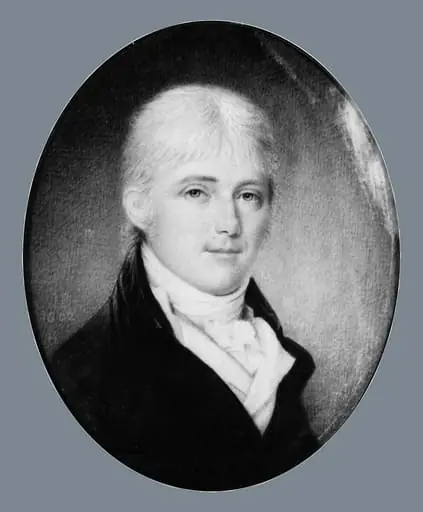
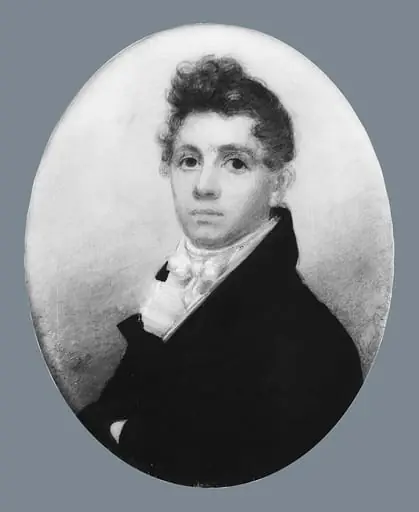
Mr. Rutherford is a watercolor painting. It dates from 1808 and is held in the collection of the Metropolitan Museum of Art. This small, circular watercolor on ivory depicts a man identified as Mr.
About this work
Subject & Meaning
The Metropolitan Museum of Art classifies the piece within its American Wing, identifying it as an anonymous painting from the early nineteenth century.
The work is a portrait depicting a man, created in 1808 by an unknown artist. As a genre portrait, the piece focuses on the representation of a single male subject, rendered in watercolor on ivory. The Metropolitan Museum of Art classifies the piece within its American Wing, identifying it as an anonymous painting from the early nineteenth century.
The subject is presented without additional iconographic details or specific symbolic elements described in the available records, serving primarily as a direct likeness of the individual.
Technique & Style
The portrait Mr. Rutherford is a watercolor painting executed on ivory support, as recorded in the work’s catalogue entry. Its dimensions measure approximately 7.6 cm by 6 cm. The piece belongs to the portrait genre and portrays an unidentified man, reflecting early nineteenth‑century American portrait conventions. It is classified within The American Wing of the Metropolitan Museum of Art and is housed there. The artist remains anonymous, and the sources do not provide further details on handling or current condition.
History & Provenance
Mr. Rutherford is held in the Metropolitan Museum of Art in New York, where it is recorded as part of the American Wing collection. The work is classified as a portrait and is listed under the museum’s internal cataloging system, though a specific accession number is not provided in the available documentation. Its physical dimensions measure 7.6 cm by 6 cm, consistent with the watercolor on ivory format dated 1808.
Exhibition records referenced in the sources do not mention any prior public displays, indicating that the piece has not been included in documented exhibitions up to the present.
Overview
This small, circular watercolor on ivory depicts a man identified as Mr. Rutherford. He is presented in a dark coat and a white cravat, with his features softly illuminated against a light background. Such miniature portraits were often created to be worn or carried, functioning as intimate mementos of individuals.
Context
Before the advent of photography, miniature portraits served as a primary means for people to keep visual representations of family and friends close at hand. These portable artworks, often set into lockets or small frames, were cherished objects that facilitated a constant connection to distant or absent loved ones, reflecting a widespread social custom.
Artist & collection