Artwork
Dr. Valentine Mott
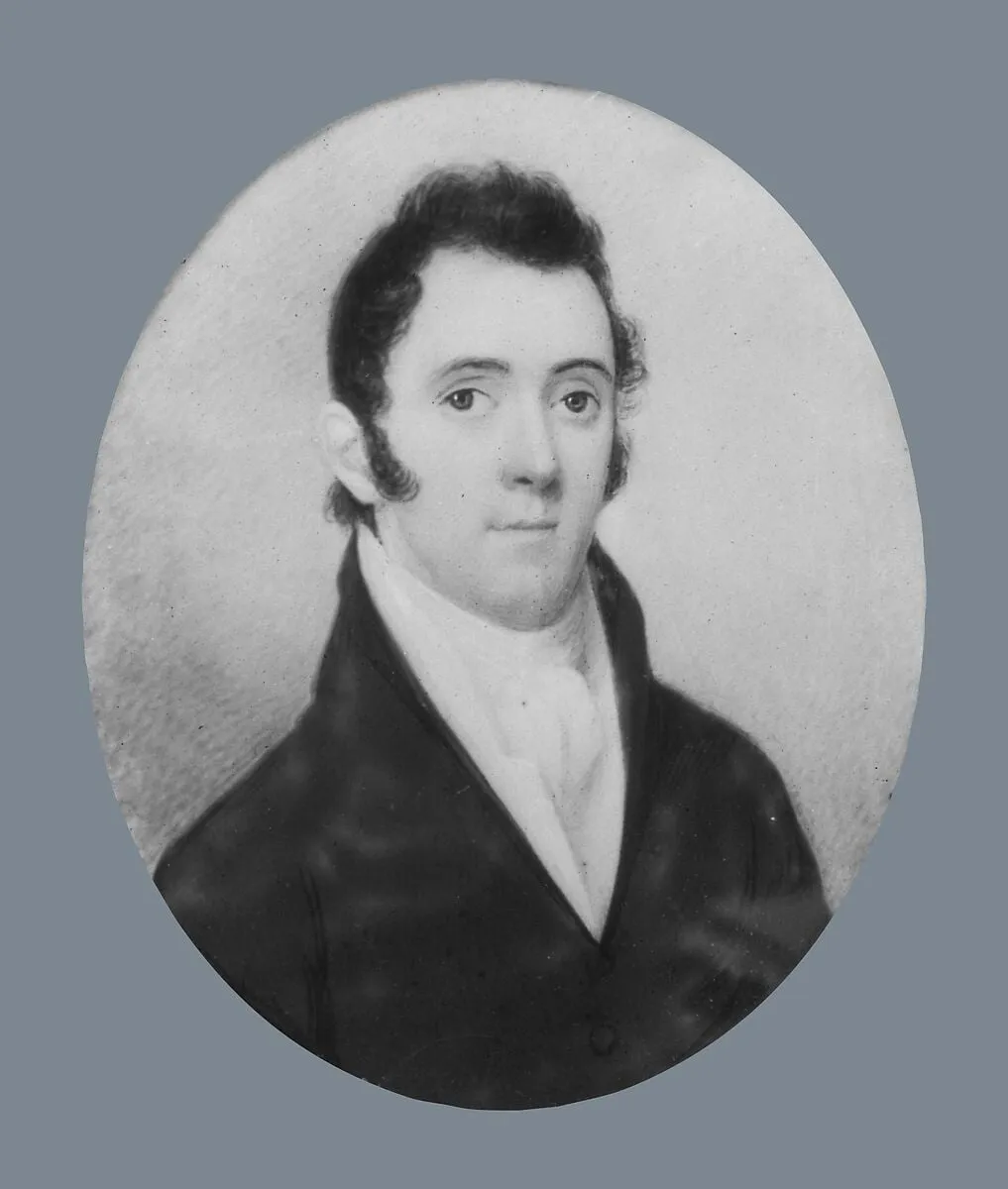
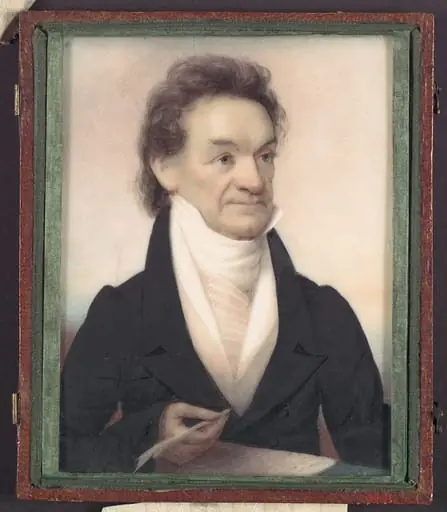
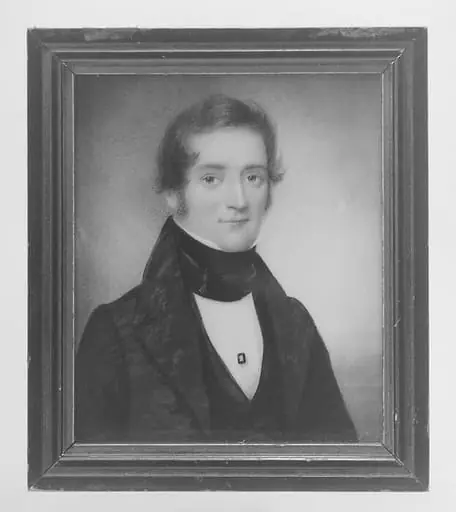
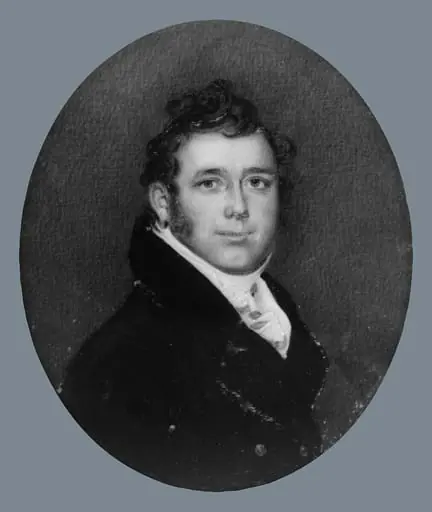
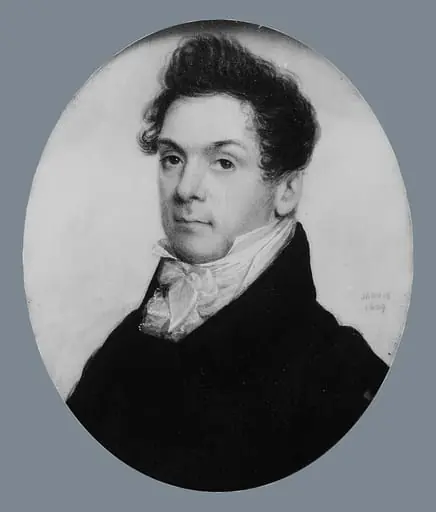
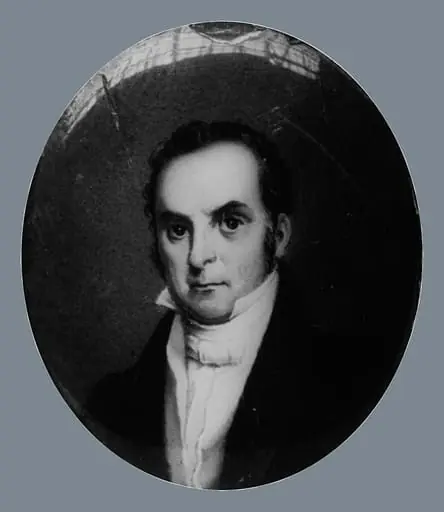
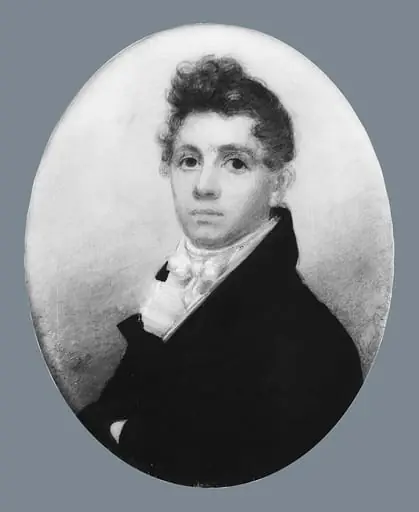
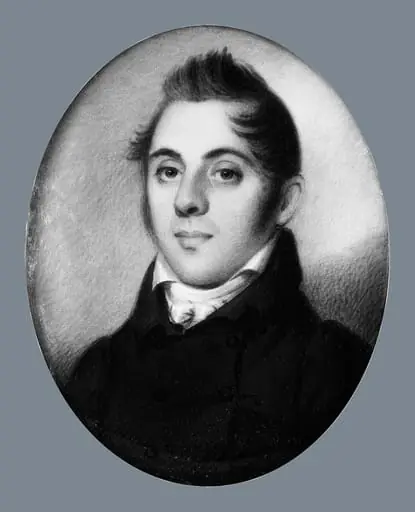
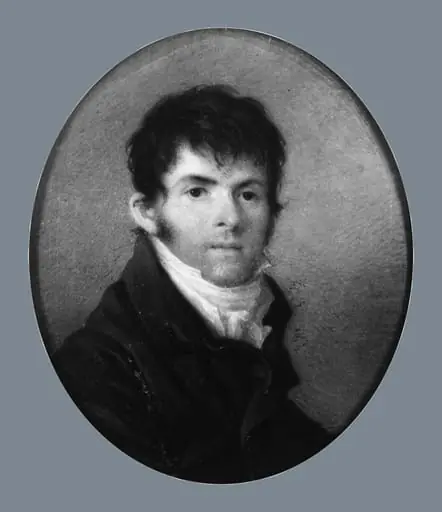
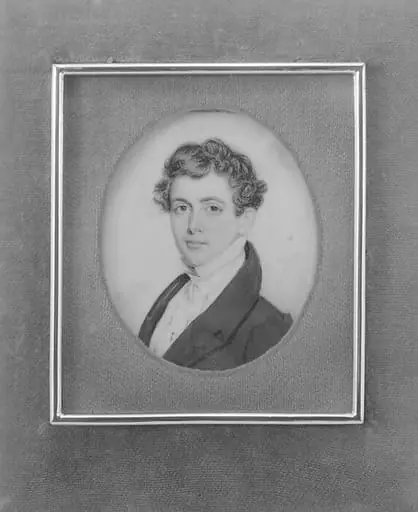
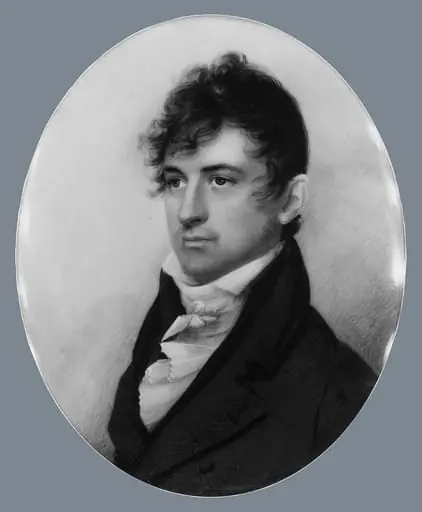
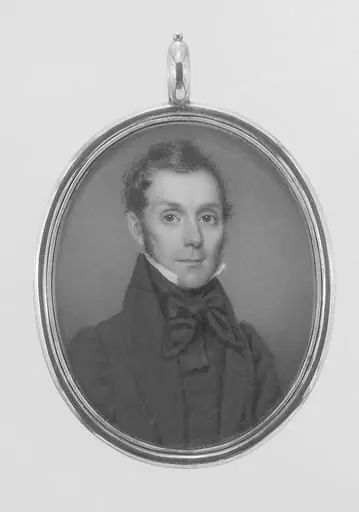
Dr. Valentine Mott is a watercolor painting by the American Folk Art artist Anson Dickinson. It dates from 1820 and is held in the collection of the Metropolitan Museum of Art. This miniature portrait depicts Dr.
About this work
Subject & Meaning
As a genre portrait, it focuses on the sitter’s appearance and identity without incorporating allegorical attributes or narrative iconography.
The work is a portrait of Valentine Mott, depicting him as a man in a straightforward likeness. As a genre portrait, it focuses on the sitter’s appearance and identity without incorporating allegorical attributes or narrative iconography. The image therefore represents the individual’s personal presence and status, serving as a commemorative record of Dr. Valentine Mott’s likeness rather than conveying symbolic meaning beyond his role as the subject.
Technique & Style
Created in 1820 by Anson Dickinson, this portrait of Dr. Valentine Mott is executed in watercolor on an ivory support. The work exemplifies the miniature painting tradition, utilizing the translucent qualities of water-based pigments applied directly onto the smooth, non-absorbent surface of the ivory to achieve fine detail. The composition focuses tightly on the subject, depicting a bust-length view of the man.
Physical measurements indicate a small scale, with a height of approximately 7.3 units and a width of 6.4 units, consistent with portable personal likenesses of the era. The medium allows for delicate rendering of facial features and attire, characteristic of early nineteenth-century American portraiture intended for intimate viewing.
History & Provenance
The watercolor on ivory portrait of Dr. Valentine Mott was created by Anson Dickinson in 1820. It is presently held by the Metropolitan Museum of Art, where it is part of the American Wing collection. While the sources confirm the artist, date, medium, and current location, they do not record any earlier owners, commission details, or subsequent transfers in the work's provenance.
Legacy
The work is regarded as an important example of early American portraiture, reflecting the artistic practice of Anson Dickinson in the early 19th century. Its inclusion in The American Wing of the Metropolitan Museum of Art highlights its recognized significance within the canon of American art. The watercolor on ivory, dated 1820 and depicting Valentine Mott, has been studied as part of the museum's collection, contributing to scholarship on early portraiture and the representation of notable figures.
The painting's preservation and exhibition underscore its enduring reputation as a representative piece of early American visual culture.
Overview
This miniature portrait depicts Dr. Valentine Mott, a prominent surgeon active in early 19th-century New York. Rendered in watercolor on ivory, the artwork is notably small, approximately the size of a playing card. It offers a personal glimpse into the appearance of an important figure from the period, showcasing a common style of portraiture used for intimate keepsakes before the widespread availability of photography.
Context
While specific historical details regarding the creation or ownership of this particular miniature are not provided, it represents a significant category of American portraiture from the early 19th century. Miniatures like this were popular across various social strata, offering an accessible means to preserve personal likenesses. Its inclusion in collections such as the American Wing highlights its cultural and historical importance within the broader narrative of American art.
Artist & collection

Artist
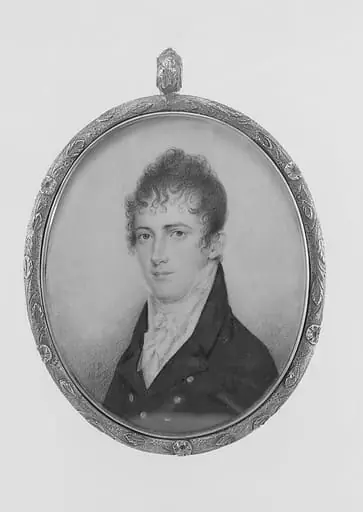
Anson Dickinson (19 April 1779 – 9 March 1852) was an American painter of miniature portraits who achieved fame during his lifetime, producing a very large number of works, but who is now largely forgotten.